Niobrara River Fishing
There's nothing quite like the feeling of heading out to a wild, untamed river, especially one as storied as the Niobrara. But let's be real, tackling a new waterway, particularly one with unique characteristics and remote stretches, can feel a bit daunting. You might be wondering where to even start, what fish you'll find, or how to navigate its currents safely. This comprehensive guide is designed to demystify fishing the Niobrara River, sharing insights and practical advice to help you plan a truly rewarding adventure.
The Unique Appeal of Niobrara River Fishing
The Niobrara River, often called "Nebraska's River of the Year" for good reason, isn't just another body of water; it's a living, breathing landscape that captivates anglers and adventurers alike. Flowing through the Sandhills, its clear, spring-fed waters carve a path through deep canyons and wide-open prairies, creating an incredibly diverse ecosystem. This isn't your typical lake or reservoir fishing experience; it's an immersion into nature, where the journey is as much a part of the catch as the fish itself.
A National Scenic River Experience
What makes the Niobrara truly stand out is its designation as a National Scenic River. This isn't just a fancy title; it means the river and its immediate surroundings are protected for their outstanding natural, cultural, and recreational values. For anglers, this translates to unparalleled beauty and a sense of solitude you rarely find in more urban fishing spots. Imagine casting your line with towering bluffs on one side and lush forests on the other, the only sounds being the rustle of leaves and the gentle flow of water. This designation also influences how you can access and fish the river, often encouraging non-motorized crafts and emphasizing minimal impact. It's an opportunity to truly disconnect and connect with the wild heart of Nebraska.
The diverse geology along its course, from the Niobrara National Scenic River section near Valentine to its confluence with the Missouri, creates a patchwork of habitats. You'll find everything from swift, shallow rapids to deep, slow pools, each holding different fishing potential. This variety requires a flexible approach but also offers exciting challenges and rewards. Many anglers find the stretch around Smith Falls State Park particularly scenic, not just for the beautiful waterfall but for the prime fishing opportunities it presents.
Diverse Fish Species and Habitats
Despite its wild nature, the Niobrara River is surprisingly diverse in its fish population. The cool, clear waters in its upper and middle reaches provide excellent habitat for species that prefer a more pristine environment, while the warmer, slower sections further downstream host a different array of aquatic life. This ecological blend means you're not just limited to one type of fishing; you can tailor your trip to target specific species or simply enjoy the thrill of whatever bites.
The Niobrara is particularly famous for its smallmouth bass, a fighting fish that provides exhilarating action on light tackle. But beyond these bronzebacks, you'll also find a healthy population of channel catfish, especially in the slower, deeper holes. In some of the colder, spring-fed tributaries or sections where water temperatures remain consistently low, there's even the chance of encountering trout, though these opportunities are generally more localized and less predictable than, say, dedicated trout streams. The river's varied flow, rocky bottoms, submerged timber, and undercut banks all contribute to creating these distinct micro-habitats, making every bend in the river a potential new hotspot.
Prime Fish Species to Target on the Niobrara
When you think about fishing the Niobrara, one species typically springs to mind, but the river offers more than just one prize. Knowing what you're likely to encounter and where will significantly boost your success and enjoyment. It's about understanding the rhythm of the river and what each section offers.
Smallmouth Bass: The River's Prized Fighter
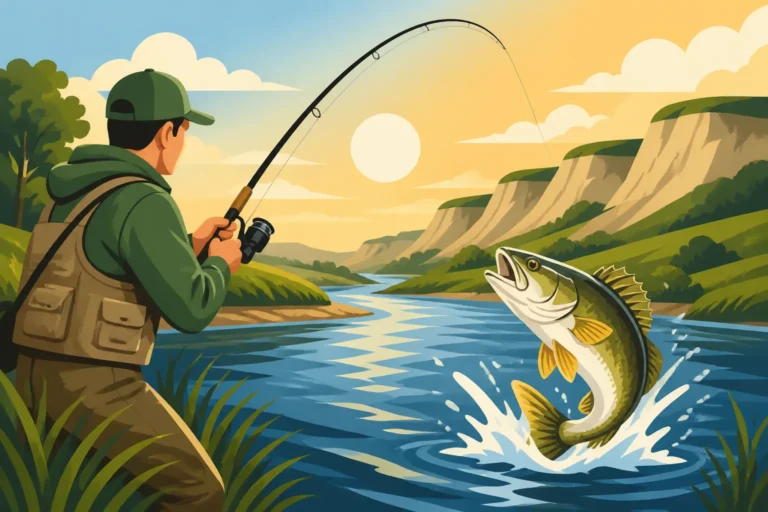
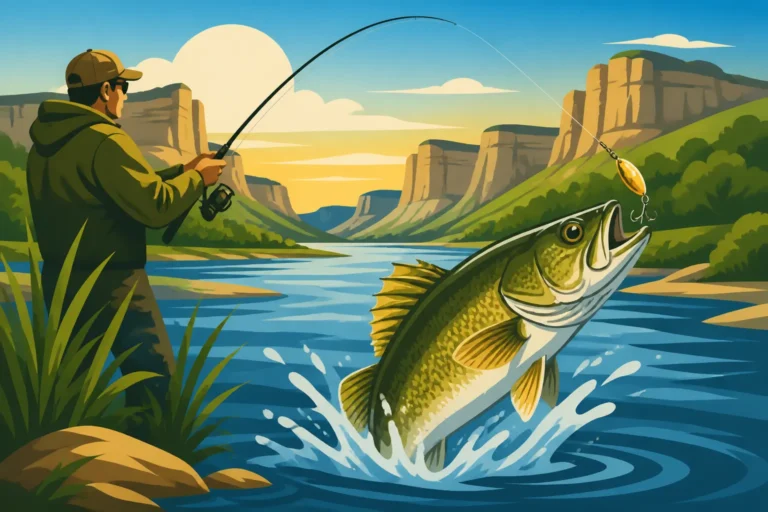
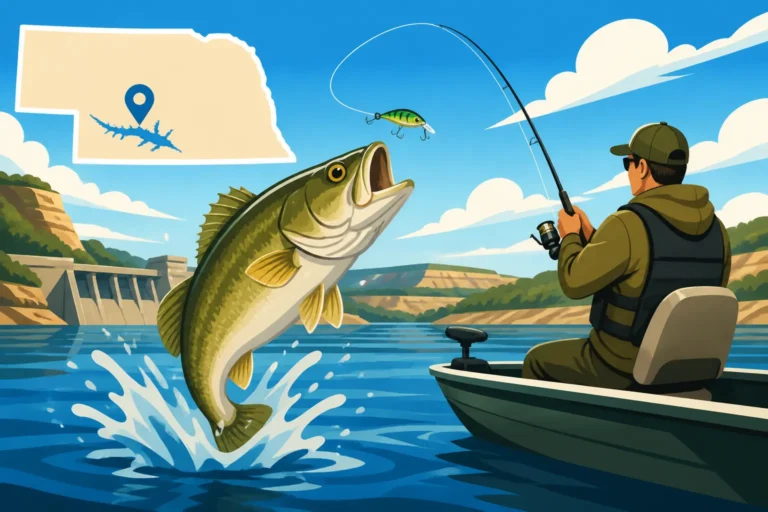
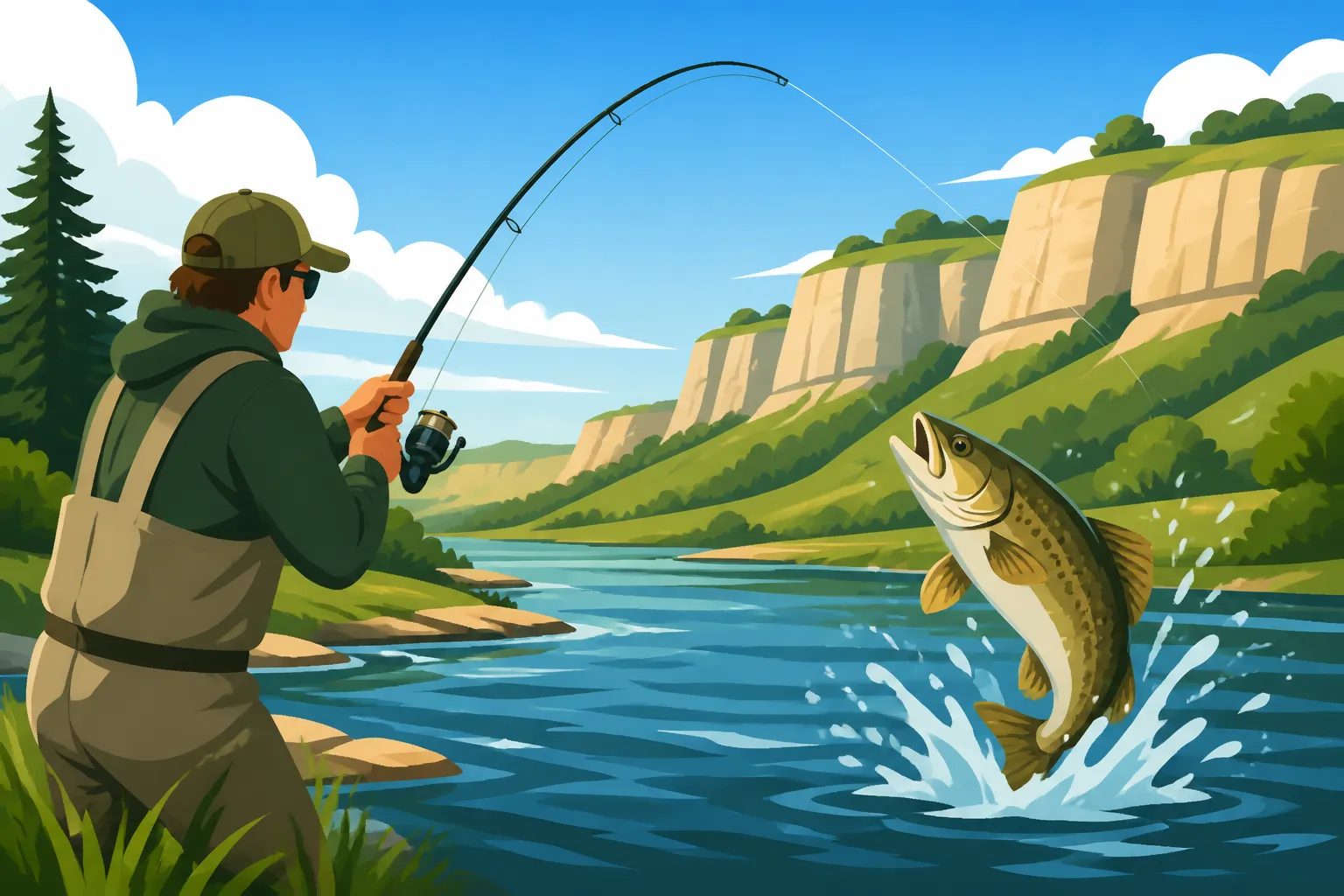
Ah, the smallmouth bass! These aggressive, hard-fighting fish are undoubtedly the superstars of the Niobrara River. If you've never experienced the thrill of a smallmouth hitting your lure in current, you're in for a treat. They thrive in the Niobrara's clear, cooler water, particularly in sections with rocky bottoms, gravel beds, and plenty of current breaks. These fish are known for their acrobatic jumps and powerful runs, making them a fantastic target for both conventional and fly anglers.
The best time to target smallmouth bass on the Niobrara is from late spring through early fall. As the water warms, their metabolism increases, and they become much more active. Look for them around fallen trees, large boulders, and areas where the current slows down, creating eddies. Topwater lures can be incredibly effective during low-light conditions or overcast days, providing explosive strikes that will get your heart pounding. During brighter conditions, small crankbaits, spinnerbaits, tube jigs, and soft plastic grubs worked along the bottom or near structure are often irresistible. A typical Niobrara smallmouth might range from 10 to 16 inches, but don't be surprised to hook into some 18-20 inch beauties that truly test your tackle. To learn more about targeting these feisty fish, check out our guide on Nebraska Smallmouth Bass Fishing.
Channel Catfish and Other Bottom Dwellers
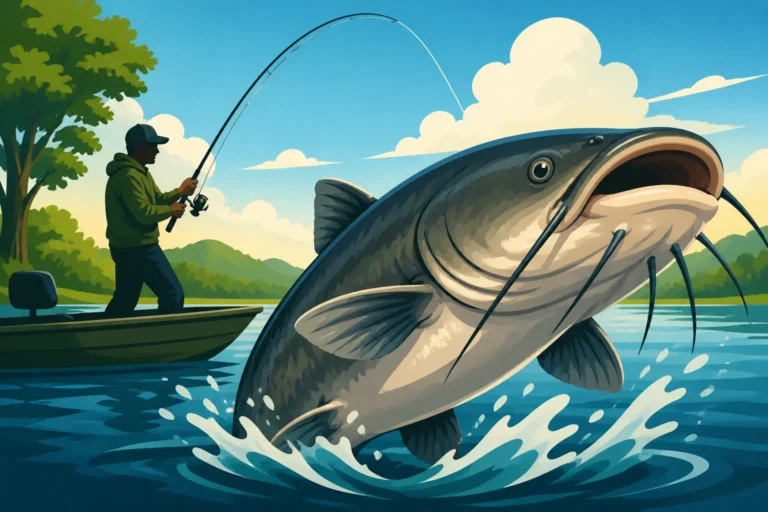
While smallmouth get all the glory, don't overlook the robust population of channel catfish that call the Niobrara home. These whiskered warriors are abundant throughout the river, especially in the deeper, slower pools and eddies that collect organic matter. Unlike the smallmouth, which prefer structure in the current, catfish are often found lurking on the bottom, waiting for an easy meal to drift by. They provide a powerful fight and, for many, an excellent meal after a day on the water.
Fishing for channel catfish on the Niobrara is often a more relaxed affair, perfect for setting up camp for the evening or taking a break from actively casting for bass. Popular baits include cut bait, chicken livers, prepared stink baits, and even a simple gob of nightcrawlers. Fish these baits on a bottom rig, usually with an egg sinker above a swivel and a leader, allowing the bait to settle on the riverbed. Focus your efforts in the slower, deeper bends of the river, especially near submerged logs or brush piles. While you might hook into some smaller 'eating size' cats, the Niobrara can produce some impressive channel catfish upwards of 10 pounds or more. You can delve deeper into strategies for these fish in our guide to Channel Catfish Fishing in Nebraska.
Occasional Trout and Panfish Opportunities
While the Niobrara isn't primarily a trout river, there are localized opportunities for trout, particularly in some of its colder, spring-fed tributaries. These unique cold-water pockets provide a different angling experience altogether, often requiring lighter tackle and a more delicate presentation. Rainbow and brown trout are the most likely species to be found, typically in the upper reaches or specific feeder streams that maintain cooler temperatures year-round. These are often wild, wary fish, making their capture a true testament to an angler's skill.
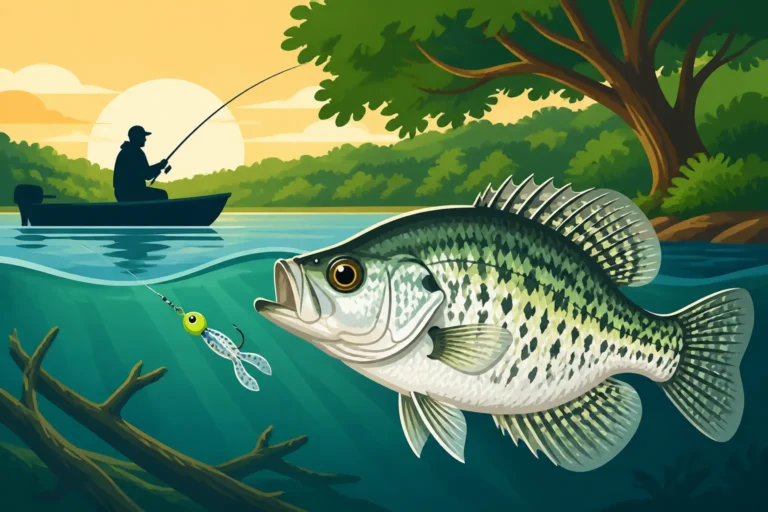
For panfish like bluegill or crappie, you'll generally find them in the slack water areas, oxbows, or larger, slower pools that resemble pond-like conditions, especially in the lower stretches of the river closer to its confluence with the Missouri. These are fantastic targets if you're fishing with kids or just looking for some consistent action. Small jigs, worms, or tiny spinners are usually all it takes to entice a bite. While they might not offer the same fight as a smallmouth, panfish are incredibly fun to catch and can make for a delicious shore lunch. However, don't plan your entire trip around targeting these species specifically, as their presence can be sporadic and dependent on very specific local conditions.
Essential Niobrara River Fishing Techniques and Strategies
Fishing the Niobrara is about adapting to its unique environment. It’s not a one-size-fits-all situation; success often comes from choosing the right method to navigate its waters and present your bait effectively. Whether you're floating downstream or wading the shallows, a thoughtful approach will make all the difference.
Float Fishing and Canoeing for Access
Perhaps the most iconic way to experience Niobrara River fishing is by float trip. The river is renowned for its canoeing and kayaking opportunities, and combining that with fishing is an angler's dream. Floating allows you to cover miles of pristine river, accessing remote stretches that would be impossible to reach from the bank. It offers a constant change of scenery and new fishing opportunities around every bend. Outfitters in towns like Valentine specialize in providing canoe, kayak, and tube rentals, along with shuttle services, making the logistics surprisingly straightforward even for first-timers.
When float fishing, you'll want to focus on casting towards structure: fallen trees, undercut banks, and rock piles. Pay close attention to current seams and eddies, as these are prime ambush points for smallmouth bass. Drifting a live minnow or a soft plastic jerkbait under a bobber can be deadly, allowing your bait to naturally flow into these fishy zones. It's a fantastic way to both enjoy the stunning scenery and actively fish. If you're considering a combined trip, our guide on Niobrara River Canoe and Fishing Combo Trips offers even more detailed advice on how to plan your adventure. Remember to secure all your gear, as capsizing can happen in rapids, and losing your tackle is no fun.
Wading and Bank Fishing Hotspots
While float trips are popular, there are still excellent opportunities for wading and bank fishing along the Niobrara, particularly in areas with public access or near bridges. Wading allows for a more focused approach, letting you thoroughly work promising sections of the river. Look for gravel bars, riffles, and slower pools where you can safely enter the water. Always be mindful of the current, especially after heavy rains, and wear appropriate wading boots with good grip. The river bottom can be rocky and uneven, so good footing is essential.
Bank fishing is often easiest around designated public access points, such as those within state parks or near bridge crossings. These spots typically offer clear entry and sometimes even picnic areas, making them ideal for a family outing. While you might not reach the most remote areas, these accessible spots can still hold plenty of fish, especially channel catfish in deeper holes, and smallmouth bass near any available cover. For safety, especially when dealing with slippery river bottoms and varying currents, you might want to review tips like those found in How to Wade Fish the Platte River Safely, as many of the principles apply to any wading river.
Best Baits, Lures, and Tackle
Selecting the right gear for the Niobrara is crucial. For smallmouth bass, a medium-light to medium action spinning rod, around 6'6" to 7' long, paired with a 2000-2500 series reel spooled with 6-8 pound fluorocarbon or braided line with a fluorocarbon leader is a versatile setup. As for lures, a diverse tackle box is your best friend:
- Topwater Lures: Small poppers, walking baits, and buzzbaits (especially in early morning or late evening).
- Crankbaits: Small, shallow-diving crankbaits in natural baitfish patterns.
- Soft Plastics: Tube jigs, grubs, and finesse worms rigged on jig heads or wacky style. Colors like green pumpkin, watermelon, and brown are often effective.
- Spinnerbaits: Smaller 1/4 to 3/8 ounce spinnerbaits with willow or Colorado blades.
For channel catfish, a medium-heavy action rod, around 7-9 feet, with a baitcasting reel spooled with 15-20 pound monofilament or braided line will handle the bigger fish and heavier baits. Essential catfish baits include:
- Cut Bait: Pieces of oily fish like shad or carp.
- Chicken Livers: A classic catfish bait.
- Prepared Stink Baits: Brands like Catfish Charlie or Uncle Josh work well.
- Nightcrawlers: Always a reliable option.
Don't forget essential accessories like needle-nose pliers for hook removal, a good stringer or cooler for keeping your catch, and insect repellent, especially during summer evenings.
Navigating Regulations and Access Points
Before you even think about putting a line in the water, understanding the rules and knowing where you can legally access the Niobrara River is absolutely vital. Ignoring regulations can lead to hefty fines, and trespassing on private land can quickly turn a fun outing into a frustrating experience. A little homework upfront goes a long way.
Understanding Niobrara Specific Rules and Permits
Like all public waters in Nebraska, fishing the Niobrara River requires a valid Nebraska fishing license. This is your absolute first step. You can easily purchase these online through the Nebraska Game and Parks Commission website or from various vendors across the state. It's a good idea to always carry your license, either physically or digitally on your phone via the GoOutdoorsNE app. Beyond the general license, be aware that specific regulations apply to different fish species regarding daily bag and possession limits, as well as length restrictions. These can sometimes vary by water body, so always consult the latest Nebraska Fishing Regulations Explained booklet or online guide.
While the Niobrara itself typically falls under general statewide regulations, it's always wise to double-check for any specific zone restrictions, especially concerning unique species or areas managed for conservation. For instance, certain areas might have specific rules for primitive camping or fire usage, which, while not strictly fishing regulations, can impact your overall trip planning. There are no additional stamp requirements for fishing the Niobrara for general species, but if you were to venture into areas with specific trout stockings, a Nebraska Aquatic Habitat Stamp Explained might be required on certain bodies of water, though typically not on the river itself unless designated. Always verify before you go!
Public Access Points and Private Land Considerations
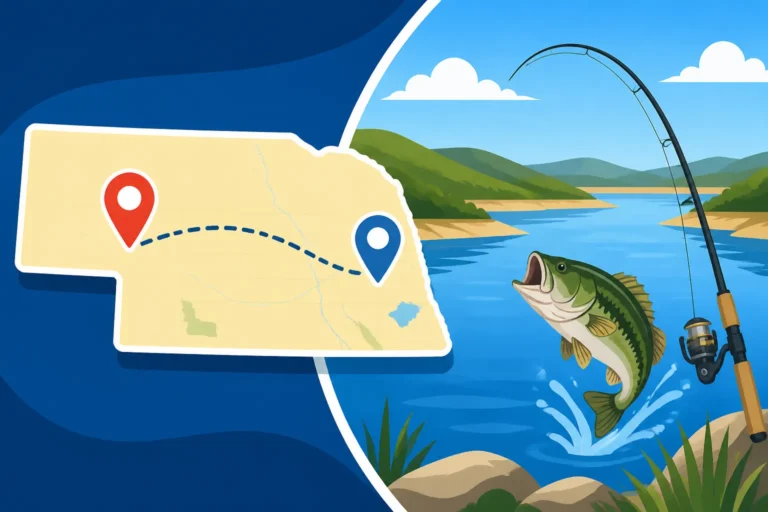
Accessing the Niobrara River is a mix of public and private land. The Niobrara National Scenic River section, managed by the National Park Service, offers numerous public access points, often maintained by local outfitters or the Nebraska Game and Parks Commission. These are usually well-marked and include boat ramps or designated put-in/take-out spots for canoes and kayaks. Popular public access points can be found near Norden, Valentine, and along various road crossings. Niobrara State Park, near the town of Niobrara, also provides river access and other amenities.
However, much of the land bordering the Niobrara River is privately owned. It is absolutely crucial to respect private property and obtain permission from landowners before venturing onto their land for fishing access. "No Trespassing" signs are common, and landowners are within their rights to enforce them. Relying on reputable local outfitters, like those you might find through platforms like FishingBooker, is an excellent way to ensure you're accessing the river legally and safely. They have established relationships with landowners and know the permitted access points intimately, saving you potential headaches and ensuring a smooth trip.
Safety First: Rapids, Currents, and Wildlife
The Niobrara River, especially the scenic section, is known for its rapids and swift currents. While most are Class I and II (suitable for beginners with some guidance), they can still pose a risk, especially during periods of high water. Always wear a properly fitted life jacket when on the water. Be aware of submerged obstacles like fallen trees (strainers) that can trap boats and people. It's wise to scout rapids from shore if possible or travel with someone experienced if you're unfamiliar with the river. Weather can change quickly in Nebraska, so monitor forecasts and be prepared for sudden storms, wind, or temperature drops.
Beyond the water itself, the Niobrara's wild setting means you'll share the landscape with abundant wildlife. While exciting, this also means exercising caution. Be aware of venomous snakes, ticks, and other insects. Store food securely to avoid attracting larger animals. If you're camping along the river, choose high, dry ground away from potential flood areas. Carrying a first-aid kit, plenty of water, and knowing basic river rescue techniques are prudent measures for any trip to this beautiful, but sometimes challenging, environment.
Planning Your Niobrara River Fishing Adventure
A successful fishing trip on the Niobrara River isn't just about packing your rod and reel; it's about thoughtful planning. From choosing the right time of year to knowing where to stay and who to call for help, a little foresight will transform your adventure from good to unforgettable.
Best Times of Year to Visit
The Niobrara River offers different experiences depending on the season, each with its own charm and fishing opportunities.
- Spring (April – May): This is a fantastic time for aggressive smallmouth bass as they shake off their winter sluggishness and move into shallower waters. The river flows can be higher and faster due to snowmelt and spring rains, which means exciting float trips but also requires more caution. The scenery is vibrant with new growth, and crowds are generally lighter. Fishing for Nebraska Walleye Spawning Season is happening in other parts of the state, but the Niobrara's unique ecosystem means it offers something different.
- Summer (June – August): Summer is prime time for family float trips and fishing. The water levels are typically lower and more stable, making navigation easier. Smallmouth bass remain active, especially during early morning and late evening, and channel catfish fishing picks up significantly as water temperatures rise. Be prepared for warmer temperatures and potential crowds, especially on weekends around popular access points. Night fishing can be particularly productive for catfish.
- Fall (September – October): Many consider fall to be the best-kept secret for Niobrara fishing. The oppressive summer heat fades, crowds thin out, and the riverbanks explode with vibrant autumn colors. Smallmouth bass go on a feeding frenzy in preparation for winter, making them highly receptive to a variety of lures. The crisp air and quiet solitude make for a truly magical experience. This is also a good time to pursue other species before the really cold weather sets in, often providing some of the year's biggest fish. For general statewide season guidance, refer to Nebraska Fishing Season Dates and Limits.
Lodging, Outfitters, and Local Resources
The Niobrara River is primarily serviced by smaller towns that embrace its natural beauty and outdoor recreation. Valentine, Nebraska, often called the "Heart of the Sandhills," is the main hub for Niobrara River outfitters, lodging, and supplies. Here, you'll find a variety of hotels, motels, cabins, and campgrounds to suit different preferences and budgets. Many outfitters in Valentine offer everything from canoe and kayak rentals to shuttle services, guided trips, and even complete package deals that include camping or lodging.
Utilizing local outfitters is not just convenient; it's often the safest and most effective way to experience the river, especially if you're new to the area. These local experts know the river's moods, the best fishing spots, and how to navigate its currents. If you're planning a trip from afar and want to ensure you connect with a reputable guide, online platforms like FishingBooker can be an invaluable resource. They list various local guides and charter services, complete with reviews, allowing you to find the perfect expert to lead your Niobrara River fishing excursion. Booking a guided trip can maximize your fishing time and provide insights into local techniques and hotspots you might otherwise miss.
Beyond Fishing: Exploring the Niobrara Region
While fishing is undoubtedly the main draw, the Niobrara River region offers a wealth of other activities that can complement your angling adventure, making it a perfect destination for families or those looking for a broader outdoor experience. The Niobrara National Scenic River is known for its opportunities for canoeing, kayaking, and tubing, allowing non-anglers to enjoy the scenic beauty. Many outfitters offer dedicated float trips for sightseeing and relaxation.
A visit to Smith Falls State Park, Nebraska's highest waterfall, is a must-do. You can enjoy a short hike to the falls and even swim in the cool waters at its base. The region is also rich in birdwatching opportunities, with a diverse array of species inhabiting the river corridor and surrounding Sandhills. For those interested in local history and culture, the nearby Fort Niobrara National Wildlife Refuge offers scenic drives and hiking trails, providing insights into the area's ecological significance and past. Turning your fishing trip into a multi-activity getaway ensures that everyone in your group finds something to enjoy, creating lasting memories of this truly special part of Nebraska.
| Target Species | Prime Season | Best Baits/Lures | Typical Habitat |
|---|---|---|---|
| Smallmouth Bass | Late Spring-Fall | Small crankbaits, tubes, spinnerbaits, topwater | Rocky areas, current breaks, fallen timber |
| Channel Catfish | Summer-Early Fall | Cut bait, chicken liver, stink bait, worms | Deep, slow pools, eddies, submerged logs |
| Rainbow/Brown Trout | Spring/Fall (localized) | Small spinners, flies, worms | Cold, spring-fed tributaries, specific cool zones |
| Panfish | Summer | Small jigs, worms, tiny spinners | Slack water, oxbows, pond-like conditions |
Disclaimer
The information provided in this guide is for general informational purposes only and does not constitute legal advice. Fishing regulations and conditions can change rapidly. Always consult the official Nebraska Game and Parks Commission regulations and local authorities before planning your trip. Practice safe boating and wading habits, and be aware of environmental conditions.