Branched Oak Lake Shore Fishing Spots
It’s a common frustration, isn't it? You arrive at a beautiful, vast lake like Branched Oak, ready to cast a line, only to feel like all the best spots are out in the middle, only accessible by boat. Many anglers feel limited by a lack of boat access, making it tough to know where to even begin from the bank. This comprehensive guide is here to change that, revealing the best public shore fishing spots at Branched Oak Lake, along with essential tips and tactics to ensure a successful outing without ever stepping foot in a boat.
Understanding Branched Oak Lake's Shoreline Dynamics
Branched Oak Lake, located just north of Lincoln, is Nebraska’s largest lake, boasting over 1,800 acres of water. Its sheer size and diverse shoreline can feel intimidating if you're primarily a shore angler. However, understanding how the lake behaves and what features to look for is your first step to unlocking its potential from the bank.
Why Shore Fishing Can Be Tricky Here
One of the biggest challenges at Branched Oak Lake for shore anglers is the fluctuating water levels, especially during certain times of the year. What might be a perfect, easily accessible fishing point one week could be a muddy, distant flat the next. This can make scouting new spots a bit of an adventure. Additionally, while there are many public access points within the Branched Oak Lake State Recreation Area, not all of them offer ideal casting conditions or proximity to fish-holding structures. Dense vegetation, shallow flats, and sheer bank drops can all pose difficulties. You might find yourself walking a good distance to get to a productive spot, especially if you're trying to avoid crowds or reach less pressured areas.
Key Shoreline Features to Look For
Despite the challenges, Branched Oak's diverse shoreline offers plenty of opportunities. The key is knowing what to look for. Fish, like us, seek comfort and food, often congregating around specific types of cover or structure. As a shore angler, you're looking for these fish magnets within casting distance.
- Points and Coves: Points that jut out into the lake often attract predatory fish like bass and walleye, as they can ambush baitfish moving along the contours. Coves, especially those with some protection from wind, can be excellent for crappie and bluegill, offering calmer waters and often holding submerged vegetation.
- Riprap and Rock Jetties: The rocky banks, often found near boat ramps, causeways, or the dam, absorb and radiate heat, attracting baitfish and subsequently bigger predators. Crappie and walleye often school around these areas. The rocks also provide cover and ambush points.
- Submerged Vegetation and Timber: Even from shore, you can often spot clues of underwater structure. Look for areas where emergent vegetation ends or where old tree stumps or laydowns might be visible or indicated by surface disturbances. These provide excellent cover for panfish, bass, and even catfish.
- Depth Changes: Anywhere the bottom drops off quickly from the shore can be a fantastic spot. This allows fish to move into deeper, cooler water while still being able to feed in the shallower areas. You can often identify these by scouting maps or simply observing the water color and clarity changes.
Top Public Shore Fishing Locations at Branched Oak Lake
Branched Oak Lake offers a generous amount of public access through its State Recreation Area (SRA), making it a prime destination for those of us without a boat. Knowing which specific areas provide the best shore fishing opportunities can make all the difference.
Branched Oak Lake State Recreation Area Access Points
The Branched Oak SRA is expansive, offering numerous entrances and day-use areas. Many of these areas are fantastic for shore angling, providing amenities like parking, restrooms, and sometimes even fishing piers.
- Areas Near Campgrounds: The various campgrounds around Branched Oak, such as the Middle Oak Creek Campground or the South Shore Campground, often have easy access to the lake. These spots are frequently mowed and maintained, offering open banks suitable for casting. While they can see more pressure, early mornings or weekdays can yield excellent results, especially for panfish and smaller bass that hang close to shore. Look for small coves or points within these campground areas.
- Designated Fishing Piers: Branched Oak Lake has at least one dedicated fishing pier located near the park headquarters or main entrance area. Piers are a shore angler's best friend. They extend out into deeper water, giving you access to areas you couldn't reach from the bank, and often have lights for night fishing. These piers are typically placed over fish-holding structure or near known migration routes, making them reliable spots.
- Day-Use Areas and Boat Ramps: While boat ramps are primarily for launching vessels, the adjacent areas can be surprisingly productive. The riprap found around many ramps offers excellent cover for various species. Just be mindful of boat traffic and give boaters plenty of space. The day-use areas, often equipped with picnic tables and open grassy areas, usually have clear, accessible shorelines. These can be great for casting out for catfish or trying for crappie with a slip bobber. For details on how to get your fishing permit and understand general regulations, check out the comprehensive guide on the Nebraska Fishing License Guide.
Identifying Productive Coves and Points from Land
Once you're at the lake, it's not just about finding any shoreline, but the right shoreline. Productive coves and points are often overlooked by casual shore anglers, but with a keen eye, you can pinpoint prime fishing real estate.
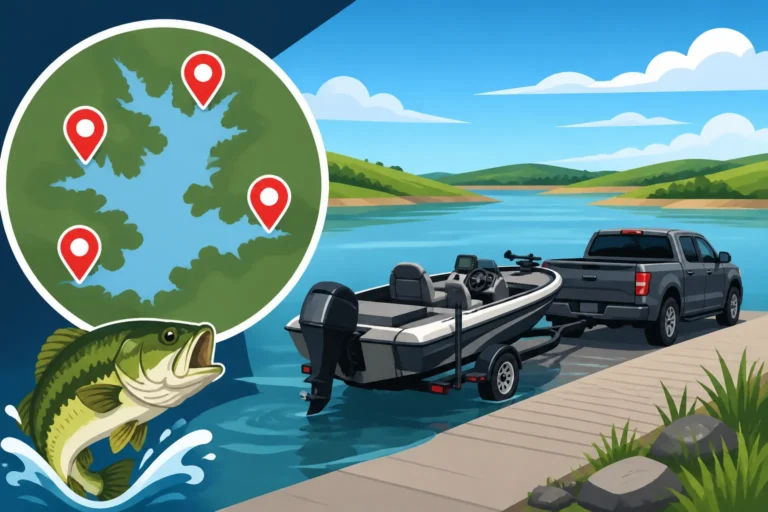
- Mapping Your Way: Before you even leave home, spend some time with online satellite maps or a good fishing app. Look for distinct changes in the shoreline. Is there a finger of land extending into the lake? That's a point. Is there an indentation where the water seems calmer? That’s a cove. Identify potential areas that look promising and mark them for scouting. When you arrive, observe the wind direction. Wind blowing into a point or cove can push baitfish closer to shore, concentrating feeding activity.
- Reading the Water: Once on site, look for signs of fish activity. Are there baitfish schooling near the surface? Are birds diving? Do you see any disturbances in the water, like a bass busting minnows? These are all indicators that life is present. Pay attention to water clarity and depth. Clearer water might require longer casts or more subtle presentations, while stained water can allow you to fish closer to shore with more aggressive baits. Deeper water close to shore is almost always a good sign, especially for larger species. Platforms like FishingBooker can sometimes offer local insights from guides about specific hot spots or conditions, even if you’re fishing from shore.
Exploring Dam and Spillway Areas for Shore Anglers
The dam and spillway areas at Branched Oak Lake present unique and often highly productive opportunities for shore anglers. However, they also require a heightened awareness of safety and regulations.
- The Main Dam Area: The face of the main dam is typically riprap, making it a fantastic structure for various fish species. Walleye, crappie, and white bass often patrol these rocky banks, especially during low light hours. Catfish also cruise these areas looking for an easy meal. The deep water immediately adjacent to the dam face can hold fish even during the hottest parts of summer. Casting parallel to the dam can be very effective, allowing your lure to follow the depth contours.
- The Spillway and Outlet: Below the dam, the spillway and outlet areas can be extremely fertile fishing grounds, especially during periods of discharge. The moving water attracts baitfish, which in turn attract predators. This current can be a magnet for channel catfish, bass, and sometimes even migrating white bass. Always exercise extreme caution around spillways due to strong currents and slippery banks. Observe all posted signs regarding restricted areas and safety. For specifics on daily catch and possession limits for species like Nebraska Catfish Bag Limits or Nebraska Crappie Bag Limits, always consult the latest Nebraska Game and Parks Commission regulations.
Essential Gear and Tactics for Shore Anglers at Branched Oak
Shore fishing at Branched Oak Lake doesn't require a mountain of specialized equipment, but having the right tools and knowing how to use them can significantly improve your success. Think versatile and efficient.
Recommended Rods, Reels, and Line for Shore Casting
When you're stuck on the bank, your gear needs to help you overcome the distance challenge and handle whatever you hook into.
- Rods: A medium-heavy spinning rod, typically between 7 to 8 feet long, is an excellent all-around choice for Branched Oak shore fishing. The extra length helps with casting distance, allowing you to reach those deeper breaks or submerged structures that are out of reach for shorter rods. It also provides better leverage when fighting larger fish from shore. For targeting panfish or smaller bass, a lighter action rod, around 6.5 to 7 feet, would offer more sensitivity and fun. For a more detailed look at various rod and reel setups, check out our guide on Best Fishing Gear for Nebraska Anglers.
- Reels: Pair your rod with a reliable spinning reel in the 2500-4000 series size. This range offers a good balance of line capacity, drag power, and comfortable retrieve for most shore fishing scenarios. Look for a reel with a smooth drag system, which is crucial for handling unexpected runs from a good-sized walleye or catfish.
- Line: For your main line, 8-12 lb monofilament or fluorocarbon is a solid choice. Monofilament offers good knot strength and shock absorption, while fluorocarbon is nearly invisible underwater and has less stretch, providing more sensitivity. Alternatively, consider using 15-20 lb braided line as your main line, paired with a 6-10 lb fluorocarbon leader. Braided line offers incredible casting distance and sensitivity, and the fluorocarbon leader maintains stealth in clearer water.
Best Baits and Lures for Branched Oak Shore Fishing
Fish in Branched Oak are opportunistic, but certain presentations will always outperform others from the bank. It's good to have a versatile tackle box.
- Live Bait is King (for some species): For channel catfish, live nightcrawlers, cut bait (like shad or sunfish), or chicken livers are consistently effective. Present them on a slip sinker rig, allowing the bait to sit on the bottom. For crappie and bluegill, small live minnows or waxworms suspended under a bobber can be irresistible.
- Artificial Lures for Aggressive Fish:
- Jigs: A jig, tipped with a plastic grub, minnow imitation, or a piece of nightcrawler, is incredibly versatile. Cast it out, let it sink, and retrieve it with a slow hop or drag along the bottom for walleye and bass. White, chartreuse, and natural baitfish colors are often productive.
- Crankbaits and Lipless Crankbaits: These are excellent for covering water and targeting active fish. Choose models that dive to the depth you expect fish to be. For bass, try shallow-diving cranks near cover; for walleye, medium-diving cranks cast over points can be effective.
- Soft Plastics: Texas-rigged worms or Senkos are fantastic for bass, especially when fished slowly around any visible cover or structure. Grub tails on lighter jig heads work wonders for crappie and white bass.
- Spinnerbaits: These are great for searching out aggressive bass and pike, especially in areas with scattered vegetation.
For specific bait recommendations tailored to different species, you might find our guides on Best Bait for Nebraska Catfish or Best Lures for Nebraska Bass particularly helpful.
Techniques for Maximizing Your Shore Catch
Shore fishing isn't just about casting and waiting; it's about strategic angling, adapting to conditions, and knowing how to make the most of your limited reach.
- Fan Casting: Don't just cast in one direction. Employ a "fan casting" technique, making casts in a wide arc from left to right (or vice versa). This allows you to thoroughly cover a wider area from a single position, increasing your chances of hitting a fish-holding spot or finding a schooling fish.
- Slow and Steady Retrieve: Many fish, especially walleye and crappie, are not always chasing fast-moving prey. A slow, methodical retrieve often triggers more bites. Experiment with different speeds and pauses. For bottom-dwelling fish like catfish, let your bait soak for a good period.
- Utilize Slip Bobbers: A slip bobber allows you to fish at precise depths, which is critical when crappie or bluegill are suspended at a specific level or when you need to keep your bait just above a snaggy bottom. The bobber slides freely on your line, allowing for long casts even with a deep bait presentation.
- Adapt to Conditions: Pay attention to the weather, wind, and time of day. On windy days, fish might move to the calmer, leeward side of points or coves. During bright, sunny conditions, fish often retreat to deeper, shadier areas. Early morning and late evening are almost always prime times for many species, and sometimes night fishing can be incredibly productive, especially for catfish. Our article on How to Fish From Shore in Nebraska delves deeper into these techniques.
Planning Your Shore Fishing Trip and Local Tips
A successful fishing trip often comes down to preparation. Knowing what to expect and how to handle unforeseen circumstances can make your day on the water, or rather, on the bank, much more enjoyable and productive.
Checking Lake Conditions and Water Levels
Branched Oak Lake's conditions, particularly its water level, can significantly impact shore fishing success. A sharp drop in water can expose vast mudflats, making access difficult and pushing fish further offshore. Conversely, high water can submerge shoreline cover, opening new possibilities.
- Online Resources: Before heading out, always check the Nebraska Game and Parks Commission website or other reliable local fishing reports. Many local bait shops also provide up-to-date information on water levels, clarity, and recent catches. Some fishing apps pull real-time data that can give you a better idea of current conditions. FishingBooker, for instance, might also host reports from local guides that could indirectly inform you about general lake conditions.
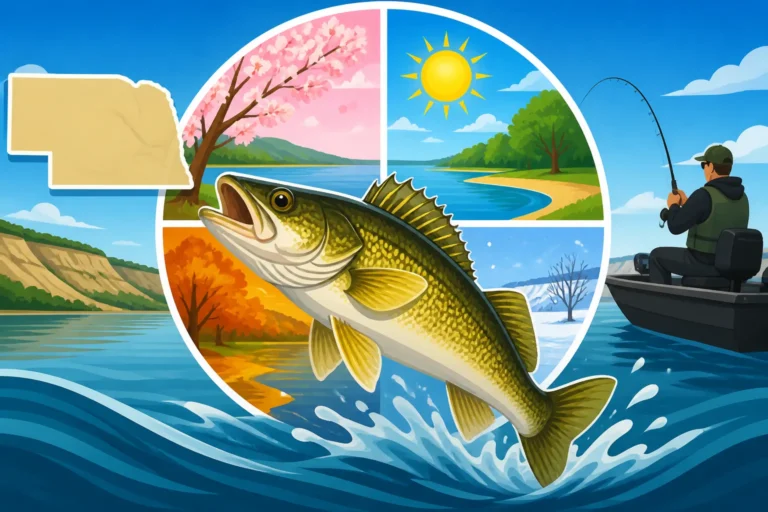
- Seasonal Changes: Understand how seasons affect water levels and fish behavior. Spring often brings higher water as snow melts and rains occur, while late summer can see lower levels due to evaporation and irrigation drawdowns. Knowing the typical patterns will help you anticipate which shore spots might be accessible and productive. For a general overview of what to expect throughout the year, refer to our Nebraska Fishing Calendar Month by Month.
Respecting Regulations and Fellow Anglers
As with any public recreation area, adherence to regulations and showing respect for others is paramount for everyone’s enjoyment and for maintaining healthy fish populations.
- Fishing Licenses: Always ensure you have a valid Nebraska fishing license. This is non-negotiable, and conservation officers do patrol Branched Oak Lake. You can easily purchase one online through the GoOutdoorsNE portal or at many bait shops and sporting goods stores.
- Bag and Length Limits: Be familiar with the specific bag and length limits for the species you intend to target. These regulations are in place to ensure sustainable fishing for generations to come. For instance, there are specific rules for Nebraska Largemouth Bass Length Limit and various catfish species. Check the annual fishing guide provided by the Nebraska Game and Parks Commission.
- Leave No Trace: Pack out everything you pack in. Dispose of all trash, including discarded fishing line, properly. Leave the shoreline cleaner than you found it.
- Courtesy: Share the shoreline respectfully. Avoid casting into areas where other anglers are actively fishing, and keep noise levels down, especially near campgrounds or other recreational users.
Local Resources and Guides for Shore Anglers
Sometimes, a little local knowledge goes a long way. Even without a boat, tapping into the expertise of those who know Branched Oak Lake intimately can give you an edge.
- Local Bait and Tackle Shops: These are goldmines of information. The folks working there often fish the lake regularly and can tell you what's biting, where, and on what. They can also offer specific tips for current conditions and recommend the hot shore spots. Places like Canfield's Sporting Goods or similar local shops near Lincoln are excellent resources.
- Online Fishing Forums and Social Media Groups: Many local Nebraska fishing groups exist online. Joining these can provide real-time fishing reports, answer specific questions about shore access, and connect you with experienced local anglers who are happy to share their knowledge.
- Consider a Guided Trip (Yes, even from shore!): While most guides focus on boat trips, some specialized guides might offer walk-in or shore-based guiding, particularly for fly fishing or targeting specific species like catfish at night. Even if they don't offer a specific "shore fishing" package, contacting a guide through platforms like FishingBooker can sometimes lead to valuable advice or even a tailored experience. They might share insights into patterns and productive bank areas they've observed. While you might not be booking a full boat trip, their localized expertise found on sites like FishingBooker is invaluable for understanding how to approach the lake from any angle. Remember, while a Nebraska State Park Fishing Permit Rules and a general fishing license are essential, understanding the detailed regulations is crucial for a smooth trip.
Disclaimer
Fishing inherently carries risks, including but not limited to drowning, injury from equipment, and exposure to the elements. Always prioritize safety, wear appropriate personal flotation devices if near deep or moving water, be aware of your surroundings, and check local weather forecasts. Adhere strictly to all Nebraska Game and Parks Commission regulations regarding fishing licenses, bag limits, and boating safety. The information provided in this guide is for informational purposes only, and anglers should always exercise their own judgment and caution.