Nebraska Fishing Calendar Month by Month
It can feel like you need a crystal ball to know when and where the fish are biting in Nebraska. One month you're jigging through the ice, the next you're casting topwater lures, and if you don't adjust your approach, you're going home empty-handed. This comprehensive guide will walk you through the Nebraska fishing calendar, month by month, giving you the insights you need to anticipate fish behavior and tailor your techniques for success all year long.
The Rhythms of Nebraska Fishing: Why Seasons Matter
Nebraska's fishing landscape is incredibly dynamic, largely shaped by its distinct four seasons. From the frozen plains of winter to the scorching heat of summer, each period brings unique challenges and opportunities for anglers. Understanding these seasonal shifts isn't just about knowing when to go, but how the fish are behaving, where they're holding, and what they're likely to strike. It's about working with nature, not against it, to maximize your chances of a successful outing.
Understanding Nebraska's Diverse Fishery
Nebraska boasts a surprising variety of fish species, each with its own seasonal patterns and preferences. We're talking about everything from the mighty walleye and hard-fighting catfish to aggressive largemouth bass, elusive trout, and panfish that keep the whole family entertained. Knowing which species are active and accessible during specific times of the year is your first step toward planning a productive trip. For instance, while you might find a stray bass in deep water during winter, spring and summer are truly their prime times. Conversely, ice fishing targets a particular set of species that remain active under the frozen surface. The state's waters, from huge reservoirs like Lake McConaughy Fishing Guide to winding rivers and countless farm ponds, each offer different environments that favor certain species at different times.
Key Factors Influencing Monthly Fishing Success
Several environmental factors dictate fish behavior throughout the year in Nebraska. Water temperature is arguably the most critical. As temperatures rise and fall with the seasons, fish metabolism speeds up or slows down, influencing their feeding activity and where they choose to hold. The spawn for many species, like the highly anticipated Nebraska Walleye Spawning Season, is another monumental factor, dictating aggressive pre-spawn feeding, a temporary lull during the act, and then a post-spawn recovery bite. Daylight hours, precipitation, and even barometric pressure all play a role. A sudden cold front can shut down a bite faster than you can say "skunked," while a steady warming trend can ignite a feeding frenzy. Understanding these nuances helps you adapt your tactics on the fly, making you a more versatile and successful angler.
Spring Fishing: From Ice-Out to Spawn
Spring in Nebraska is a period of rapid change, as frozen lakes thaw and warming temperatures jumpstart the aquatic ecosystem. This transition brings renewed vigor to many fish species, leading to some of the most exciting fishing of the year. It's a time of eagerly anticipated thaws, furious pre-spawn feeding, and then the delicate dance of the spawn itself. Anglers who brave the often unpredictable spring weather are often rewarded with some of the biggest catches. For more in-depth spring tactics, check out Spring Fishing in Nebraska.
March: Emerging from Winter's Grip
March is a month of significant transition. In early March, especially in the northern parts of the state or after a particularly harsh winter, you might still find opportunities for How to Ice Fish in Nebraska. Anglers are often chasing panfish like crappie and bluegill in these late-ice conditions, as well as walleye. Look for early ice-out areas where sunlight penetrates, warming the shallower water first. As the month progresses, ice-out typically begins in earnest on smaller lakes and the warmer southern reservoirs. This "ice-out" period can be phenomenal for crappie, which move into shallower staging areas, and even some early walleye beginning their pre-spawn movements. Jerkbaits and slow-rolling swimbaits can be deadly for these lethargic but hungry fish near transition zones.
Towards the end of March, larger bodies of water like Branched Oak Lake or Lewis and Clark Lake will see increasing open water. Fish, still somewhat sluggish, will gravitate towards any warmer water available, often near northern shorelines or shallow, dark-bottomed bays that absorb heat from the sun. Vertical jigging or slowly dragging live bait presentations like a minnow on a jig head become incredibly effective for walleye, particularly in river sections or reservoir tailwaters where current concentrates fish. Bass might start to move from their deep winter haunts to slightly shallower points, though their bite remains subtle.
April: Spawn Frenzy and Warming Waters
April is often considered a prime fishing month in Nebraska, especially for walleye and crappie. As water temperatures continue to climb, many species enter their spawning periods. Walleye move to traditional spawning grounds, often rocky main lake points, riprap shorelines, or river current breaks. This is a critical time, and anglers should be mindful of regulations regarding handling and releasing fish during the spawn. Jigging with live minnows or plastic tails, and slow trolling crankbaits along contours, are highly effective techniques. How to Jig for Walleye in Nebraska provides excellent insights into this.
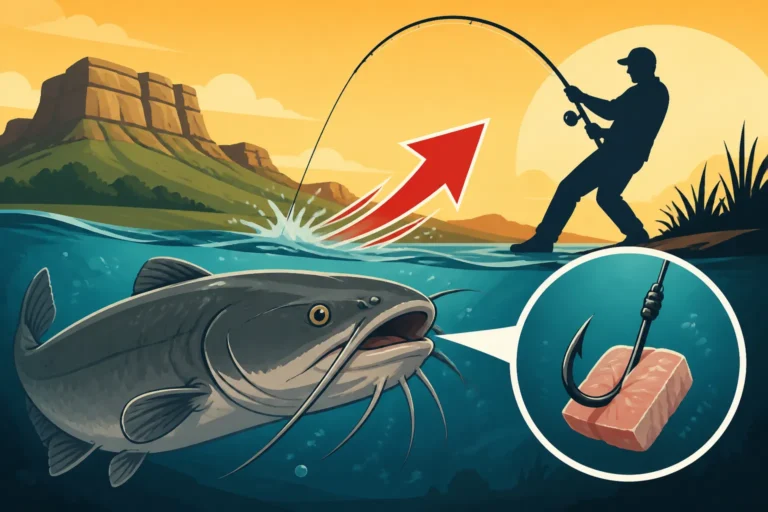
Crappie, too, move shallow to spawn, congregating around submerged brush piles, standing timber, and shallow weed edges in lakes like Merritt Reservoir. Tiny jigs tipped with a minnow or small plastics under a bobber are exceptionally productive. Bass also become more active, moving to shallower flats and spawning beds later in the month. Shallow-running crankbaits, spinnerbaits, and even some topwater action can entice aggressive bass. Catfish will also begin to stir from their winter slumber, and a piece of cut bait on the bottom can start to produce some early season channel cats.
May: Post-Spawn Feasting and Stable Patterns
By May, most major species have completed their spawning rituals, and the post-spawn bite can be incredibly strong as fish recover and aggressively feed. Walleye will move to slightly deeper humps, points, and flats adjacent to their spawning areas, gorging themselves on baitfish. Trolling with crankbaits or spinner rigs with nightcrawlers (often called "crawler harnesses") can cover a lot of water and locate these hungry fish. You can find excellent selections of these lures on Amazon.
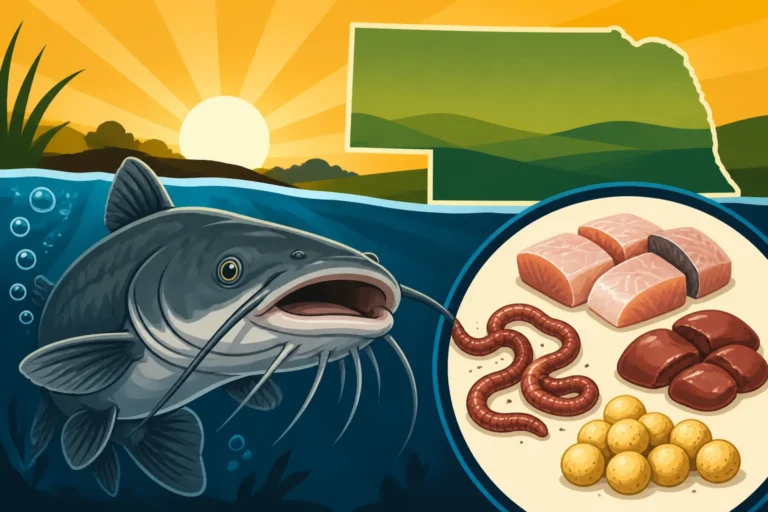
Bass fishing truly heats up in May. Both largemouth and smallmouth bass are actively patrolling shallow cover, and they'll strike a variety of lures, including jigs, Texas-rigged worms, and even frog patterns over dense vegetation. Topwater baits, particularly in the early morning or late evening, can provide explosive strikes. Catfish, especially channel catfish, become very active in rivers and reservoirs, readily taking stink baits, cut bait, and worms. Look for them in current seams, deeper holes, and near logjams in rivers like the Platte. Panfish remain in shallower areas, offering fantastic opportunities for families and beginners with a simple bobber and worm setup.
Summer Fishing: Heat, Weeds, and Deep Water Tactics
Nebraska summers mean long, hot days and often challenging fishing conditions, but don't let the heat deter you. Fish simply change their behavior, moving to deeper, cooler, more oxygenated waters or becoming active during low-light periods. Adapting your strategy to these warmer conditions is key to staying successful. For more on strategies during this season, read Summer Fishing in Nebraska.
June: Early Summer Action
As June arrives, water temperatures continue to rise, and the aquatic vegetation grows significantly, providing abundant cover and ambush points for fish. Early June often offers some fantastic fishing before the full brunt of summer heat sets in. Walleye will establish summer patterns, often holding on main lake points, deep humps, and submerged structure. Trolling with deep-diving crankbaits or vertical jigging with plastics or live bait becomes very effective, especially during cooler parts of the day or at night.
Bass fishing is in full swing. Largemouth bass will be relating heavily to weeds, lily pads, and fallen timber. Flipping jigs, pitching Texas-rigged plastics, and working topwater frogs over matted vegetation can be exhilarating. Smallmouth bass in rivers like the Niobrara will hold near current breaks and rocky structure, eager to strike crankbaits, tube baits, and small spinnerbaits. Catfish action is excellent across the state, with both channel and flathead catfish actively feeding. Set up trotlines or use heavy bottom rigs with fresh cut bait or live bait in the deeper holes of rivers and reservoirs.
July: Mid-Summer Challenges
July in Nebraska can be brutally hot, and fishing often requires a change in tactics. The midday sun and high water temperatures push many fish to deeper, cooler water, or they become nocturnal. This is prime time for Nebraska Night Fishing Techniques. Walleye will often be found holding tight to the thermocline (the layer of water where temperatures rapidly change) in deeper reservoirs. Employing your fish finder to locate this zone and then targeting it with spoons, deep-diving crankbaits, or slip-sinker rigs with live crawlers is crucial.
Catfish thrive in the heat, and July is arguably the best month for chasing channel and flathead catfish. They'll be active throughout the day, especially in rivers, but night fishing can produce truly massive specimens. Use strong tackle and hearty baits like cut shad, chicken liver, or live sunfish for flatheads. Bass will often move into dense cover, seeking shade, or descend to deeper brush piles and ledges. Drop-shotting, deep cranking, or fishing jigs slowly along contours can be effective. Early morning and late evening topwater bites can still be fantastic around shaded areas.
August: Late Summer Patterns
August often mirrors July's challenges, with continued high temperatures, but fish can become more predictable as patterns stabilize. Oxygen levels in some shallower areas might begin to dip, pushing fish to deeper sections or areas with good current. Walleye continue to hold on deep structure, and you might find schools of white bass and wipers busting baitfish on the surface in large reservoirs like Lake McConaughy during early morning or late evening. Keep a casting spoon or topwater plug handy for these exciting feeding frenzies.
Catfish remain a top target. Many anglers focus on overnight trips for monster flatheads or use punch baits and cut bait for channel catfish in the evenings and through the night. Bass fishing during the day often means targeting heavy cover or deeper structure. However, cloudy days or cooler mornings can bring them shallower for brief feeding windows. Panfish, like bluegill and crappie, can be found around deeper brush piles or in the shade of docks and overhanging trees. Look for their schooling patterns, often suspended just above the bottom. For bait and gear, checking out options on Amazon can reveal some great deals for summer tackle.
Fall Fishing: The Pre-Winter Feeding Frenzy
Fall is a favorite time for many Nebraska anglers, and for good reason. As water temperatures cool, fish become incredibly active, putting on the feedbag in preparation for winter. The crowds thin out, and the scenery is breathtaking, making for a truly enjoyable fishing experience. This season often produces some of the biggest fish of the year. Dive deeper into autumn strategies with Fall Fishing in Nebraska.
September: Autumn Transition
September marks the beginning of the fall transition. Days shorten, nights grow cooler, and water temperatures slowly start to drop. This cooling trend invigorates most fish species. Walleye move shallower than their summer haunts, often congregating on main lake points, humps, and flats where baitfish are abundant. Trolling with crankbaits or jigging spoons can be very effective as fish become more aggressive.
Bass fishing picks up significantly. Both largemouth and smallmouth bass will be actively chasing bait, often schooling up. Spinnerbaits, crankbaits, and topwater lures can be incredibly productive, especially around weed lines that are just starting to die back. Catfish are still very active, especially channel cats, which will hit a variety of baits. Flatheads might begin to slow down their feeding somewhat towards the end of the month but are still catchable. Don't forget the white bass and wipers, which continue their aggressive schooling behavior in larger reservoirs, often moving into shallower bays to chase bait.
October: Peak Fall Bites
October often offers some of the best fishing of the entire year in Nebraska. Water temperatures are ideal, and fish are in full-on feeding mode. Walleye fishing can be spectacular, with fish moving onto shallow rock piles, lengthy points, and even riprap shorelines, particularly in the evenings and at night. Casting crankbaits, jigging with plastic swimbaits, or slowly working a live minnow on a jig head can produce trophy-sized fish. Consider exploring lakes like Lake McConaughy or Merritt Reservoir for peak walleye action.
Bass will be aggressively feeding, packing on weight before winter. They can be found in a variety of depths, from shallow cover to deeper structure, often chasing schools of shad. Crankbaits, jerkbaits, and jigs are excellent choices. Crappie fishing also heats up as they school tightly around submerged timber and brush piles. Vertical jigging with small plastics or minnows is a proven method. Trout streams and lakes that are stocked with trout, like Lake Ogallala, offer prime opportunities for fly fishing or casting small spinners as the water cools to their preferred temperature. How to Fly Fish for Trout in Nebraska can help you gear up for this.
November: Cold Fronts and Winter Prep
November signals the approach of winter, bringing colder temperatures and often more frequent cold fronts. While the fishing can remain excellent, anglers need to be prepared for rapid weather changes. Walleye will continue to feed heavily, often moving to deeper main lake structures, but they can still be found shallower during warmer periods or low-light conditions. Slow presentations become key: vertical jigging with spoons or blade baits, and slowly dragging bottom bouncers with live minnows or crawlers.
Bass fishing can still be good, but they'll often be holding tighter to cover and require slower presentations. Jigs, finesse worms, and suspending jerkbaits are good choices. Crappie remain schooled up, often moving to the deepest brush piles or creek channels in lakes. Using your electronics to locate these schools is vital. Catfish activity slows considerably, but a determined angler can still find them in deep river holes with large cut baits. As you consider layering up for colder weather, remember that reliable cold-weather fishing gear can be found readily on Amazon.
Winter Fishing: Ice Angling and Coldwater Pursuits
Winter in Nebraska means bundling up and embracing the cold, as many lakes and ponds freeze over, ushering in the exciting season of ice fishing. While open water opportunities become more limited, a unique fishing experience awaits those willing to brave the chill. For a full breakdown of winter strategies, check out Winter Fishing in Nebraska.
December: Early Ice Opportunities
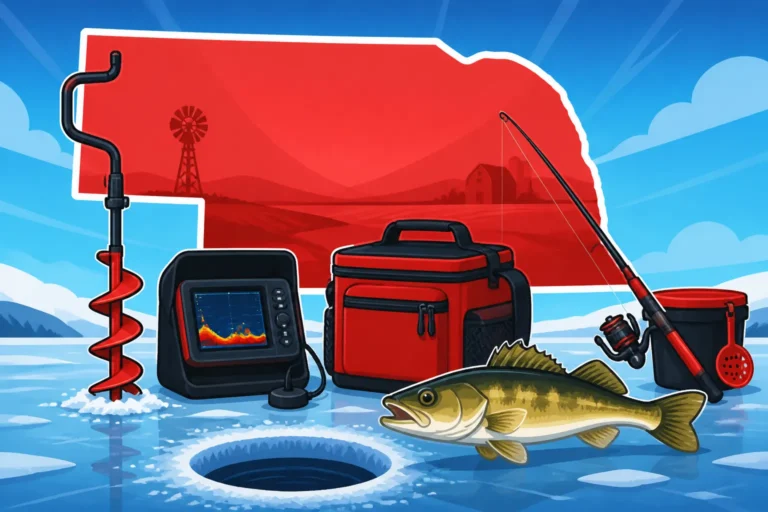
December often brings the first safe ice to Nebraska lakes and ponds. This "early ice" period is often one of the best times for ice fishing, as fish are still relatively active and haven't experienced heavy fishing pressure. Panfish like crappie, bluegill, and perch are often found in relatively shallower water (8-15 feet) near weed lines, submerged timber, and brush piles. Small jigs tipped with a wax worm or minnow are highly effective.
Walleye can also be very active on early ice. Look for them on main lake points, humps, and drop-offs, often around twilight. Jigging spoons, horizontal jigs, and tip-ups rigged with live minnows are go-to presentations. Safety is paramount during early ice; always check ice thickness and go with a buddy. Nebraska Ice Fishing Safety Tips offers crucial advice. For those who prefer open water, river systems like the Platte and Missouri often remain open, offering opportunities for active catfish, sauger, and even some cold-water walleye in deeper holes and current seams.
January & February: Mid-Winter Ice Fishing
January and February represent the heart of the Nebraska ice fishing season. During this mid-winter period, the ice is typically at its thickest and safest (though caution is always advised). Fish often settle into more stable, deeper patterns. Walleye might be found in deep main lake basins or related to deep structure. They can be finicky, so a variety of lures and presentations might be needed. Vertical jigging small spoons or plastics, and using dead sticks with live minnows on tip-ups, are common strategies.
Panfish, while still catchable, might require more finesse. Small tungsten jigs fished slowly just off the bottom or suspended over brush piles can entice bites. Look for areas where subtle changes in depth or bottom composition might hold baitfish. Perch can be a fantastic target, often schooling over open flats or soft bottom areas. Dedicated ice fishing gear, from shelters to augers, can greatly enhance your comfort and success, and many anglers source specialized equipment from retailers like Amazon.
Open Water Winter Options
Even in the dead of winter, not all of Nebraska's waters freeze solid. The Missouri River, Platte River, and tailwaters below dams (like Kingsley Dam below Lake McConaughy, offering Lake Ogallala Trout Fishing) often remain open due to current. These areas provide unique cold-water fishing opportunities. Sauger, a close cousin to the walleye, are often targeted in the Missouri River, typically found in deeper holes and current breaks. Jigging with heavy jigs and minnows is a popular method.
Catfish can still be caught in deeper river holes, though their activity level is significantly reduced. Trout fishing in the tailwaters can be excellent year-round, as the water released from the depths of the reservoir maintains a consistent, cold temperature. Fly fishing with nymphs or streamers, or spinning with small inline spinners or PowerBait, can produce beautiful rainbow and brown trout. These open-water winter spots are a great alternative for anglers who aren't keen on ice fishing or when ice conditions are unsafe.
| Month | Key Species | Primary Techniques | General Location/Behavior |
|---|---|---|---|
| January | Walleye, Panfish | Ice fishing, jigging, tip-ups | Deep main lake basins, structure, weed lines |
| February | Walleye, Panfish | Ice fishing, jigging, tip-ups | Deep main lake basins, structure, weed lines |
| March | Walleye, Crappie | Jigging, slow trolling, vertical presentations | Pre-spawn staging areas, deeper holes, river channels |
| April | Walleye, Crappie, Bass, Catfish | Jigging, crankbaits, slip bobbers, live bait | Spawning areas (shallow), creek arms, warming flats |
| May | Walleye, Bass, Catfish, Panfish | Casting lures, trolling, live bait, topwater | Post-spawn recovery, transition areas, shallow cover |
| June | Bass, Catfish, Walleye, Wiper | Topwater, jigs, crankbaits, bottom rigging | Weeds, submerged structure, river channels, deep humps |
| July | Catfish, Bass, Wiper, Walleye | Deep cranking, jigging, live bait, night fishing | Deep structure, thermocline, river holes |
| August | Catfish, Bass, Panfish | Night fishing, deep water presentations, topwater (early/late) | Deeper structure, shade, current, oxygenated areas |
| September | Walleye, Bass, Crappie, Wiper | Trolling, casting, jigging, vertical jigging | Transition areas, main lake points, schooling bait |
| October | Walleye, Bass, Trout, Crappie | Crankbaits, jigs, live bait, fly fishing | Shallow feeding flats, creek mouths, river bends, trout streams |
| November | Walleye, Panfish, Trout | Vertical jigging, slow trolling, live bait | Deep humps, main lake structure, trout streams |
| December | Walleye, Panfish | Early ice fishing, jigging, slow retrieve | Early ice shallow bays, river holes, main lake points |
Disclaimer
This article is for general informational purposes only and does not constitute professional advice. Laws, prices and regulations vary by location and change over time. Consult a qualified professional for guidance on your specific situation.