Best Platte River Access Near North Platte
Trying to find reliable public access points on the vast and often privately-owned Platte River near North Platte can feel like searching for a needle in a haystack. Many anglers get frustrated driving dirt roads only to find "No Trespassing" signs or realizing the "access" is just a steep, muddy bank with no safe spot to cast a line. This guide is here to cut through that confusion, offering clear, actionable information on the best, most practical public access points so you can spend less time searching and more time fishing.
Understanding the Platte River's Unique Access Challenges Near North Platte
The Platte River, especially in the central Nebraska stretch around North Platte, isn't your typical easy-to-access fishing destination. It's a braided river system, meaning it splits into multiple channels, constantly shifts its sandbars, and can be deceptively shallow in some areas while harboring deep, swift currents in others. This dynamic nature, combined with a significant amount of private land bordering its banks, makes finding legal and productive fishing spots a genuine challenge.
The Braided Nature and Private Land Barriers
Imagine a river that isn't just one distinct channel but a series of interconnected waterways, sandbars, and islands. That's the Platte. Its ever-changing landscape means that what might be a great fishing hole one year could be dry land or an inaccessible tangle of brush the next. Moreover, much of the land directly adjacent to the river is privately owned. While the water itself is generally public, accessing it often requires crossing private property, which is illegal without explicit permission. This creates a real bottleneck for bank anglers or those trying to launch small watercraft, making official public access points incredibly valuable. Without proper navigation, you could easily find yourself in a sticky situation, both legally and physically. It's not uncommon to see signs warning against trespassing, a clear indicator that you need to be mindful of where you're casting your line or dropping your kayak.
The Value of Known Public Access Points
Given these complexities, relying on well-established, maintained public access points becomes paramount. These are the spots where the Nebraska Game and Parks Commission (NGPC) or local municipalities have invested in creating safe, legal, and often enhanced access for anglers. They might offer designated parking, improved bank access, or even boat ramps suitable for smaller vessels. These areas eliminate the guesswork and worry about trespassing, allowing you to focus on the fishing itself. For many, these official sites are the only practical way to experience Platte River fishing without significant local knowledge or a private landowner's invitation. Whether you're planning a full day of serious angling or just a quick evening trip, knowing where these reliable spots are is half the battle won.
Prime Public Access Points for Fishing Near North Platte
When you're looking to cast a line in the Platte River region, especially close to North Platte, there are a few key locations that consistently offer good public access and solid fishing opportunities. These spots range from direct river access to nearby reservoirs that are intricately linked to the Platte's ecosystem.
Lake Maloney State Recreation Area Access
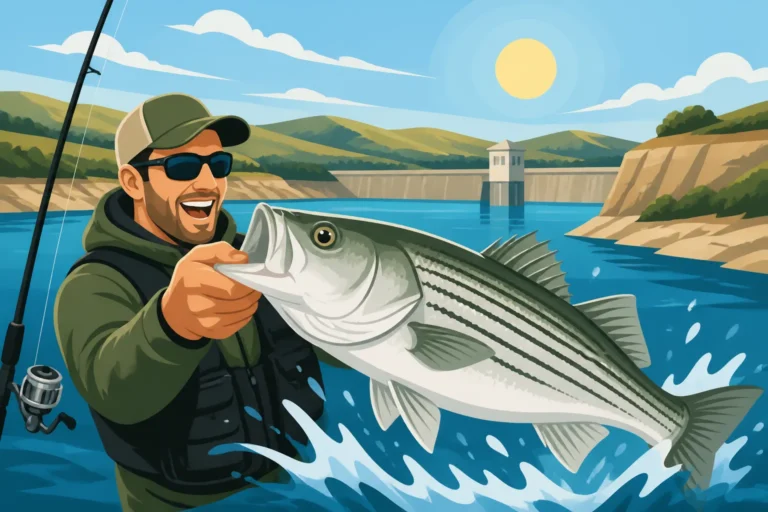
While Lake Maloney itself is a large reservoir, its direct connection to the Platte River and the outflow below the dam provide excellent, well-documented access to river fishing. Located just southeast of North Platte, this area is a goldmine for anglers. Below the Lake Maloney Dam, the Platte River flows freely, creating diverse habitats. Here, you'll often find anglers targeting a mix of species that migrate between the lake and the river, including channel catfish, white bass, wipers, and even some walleye. The current below the dam can be strong, so be prepared with appropriate tackle. The bank access is generally good, and there are facilities available, making it a comfortable spot for a family outing. This is one of the most reliable and popular locations in the immediate vicinity for getting your line into Platte River water. You'll find plenty of parking and relatively easy walk-in access to the river's edge, giving you ample room to spread out and find your spot.
North Platte I-80 Rest Area (Eastbound)
This might sound like an unconventional fishing spot, but the eastbound I-80 rest area just east of North Platte actually provides a surprisingly decent and convenient public access point to the Platte River. Many travelers (and locals in the know!) are unaware of this hidden gem. The area features a small boat launch, making it suitable for kayaks, canoes, or small jon boats, and also offers good shoreline fishing opportunities. The river here can be quite wide, and the channels often hold good numbers of channel catfish, particularly in deeper scour holes or along current breaks. It's an excellent spot for a quick fishing session if you're traveling or if you just want to avoid the crowds at more popular lake spots. Remember, while convenient, treat the area with respect, pack out what you pack in, and observe all posted rules. It's these kinds of lesser-known spots that can often provide a peaceful fishing experience, and the I-80 access is certainly one of them.
Local Bridges and Road Crossings (with Caution)
Beyond the official recreation areas, many local bridges and road crossings over the Platte River can offer informal access points. However, this comes with a huge caveat: extreme caution is necessary to ensure you are not trespassing. While the bridge structure itself and the immediate right-of-way might be public, the land along the banks on either side is almost always private. Always look for "No Trespassing" signs, fences, or other indicators of private property. Good examples might be county road bridges a few miles off the main highways, but without explicit signage indicating public access or parking, it’s best to err on the side of caution. These spots are often favored by locals who know the landowners or have confirmed public easements. If you're unsure, it's always safer to stick to designated public areas like Lake Maloney SRA or the I-80 access. Remember, getting permission from a landowner, even if it feels awkward, is always the best approach for these informal spots.
Sutherland Reservoir State Recreation Area (Nearby)
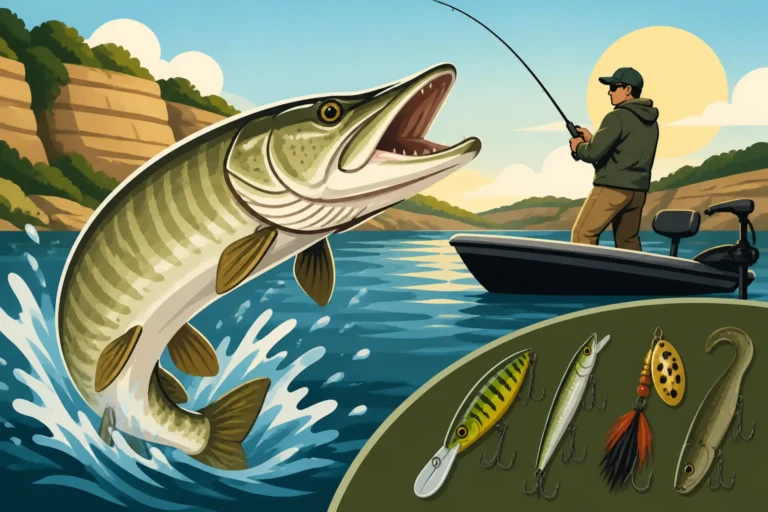
While not directly on the Platte River, Sutherland Reservoir is an integral part of the Platte River Power Canal system, fed by the river and offering excellent fishing that many consider part of the broader Platte River experience. Located a short drive west of North Platte, this massive reservoir provides diverse fishing opportunities for walleye, wipers, white bass, channel catfish, and even some muskie. The channels and inflow areas connected to the Platte River system are particularly productive. It's an expansive area with multiple boat ramps, developed campgrounds, and plenty of shoreline access. Think of it as a super-sized extension of the Platte's fishing potential. If you're struggling to find direct river access, or simply want a different kind of fishing experience with river-connected species, Sutherland Reservoir is an outstanding nearby option. It’s also a great spot to look into if you're interested in larger watercraft for your fishing adventures, and you can learn more about specific requirements in our guide on Nebraska Boat Registration and Fishing Rules.
Here’s a quick overview of these key access points:
| Access Point | Primary Fish Species | Access Type | Amenities | Notes |
|---|---|---|---|---|
| Lake Maloney State Recreation Area | Catfish, White Bass, Wipers, Walleye | Bank, Small Boat Launch | Parking, Restrooms, Camping, Boat Ramps | Excellent river access below dam; strong currents. |
| North Platte I-80 Rest Area (Eastbound) | Channel Catfish, Drum | Bank, Small Boat Launch | Parking, Restrooms | Convenient, lesser-known spot for quick trips. |
| Local Bridges/Road Crossings | Varied (often Catfish) | Bank (informal) | Limited to none; may be roadside parking | Use extreme caution to avoid trespassing; verify legality before fishing. |
| Sutherland Reservoir State Recreation Area | Walleye, Wipers, White Bass, Catfish, Muskie | Bank, Boat Ramps | Parking, Restrooms, Camping, Marinas | Large reservoir connected to Platte; excellent diverse fishing. |
Strategies for Successful Platte River Fishing from Public Access
Once you've found your ideal access point, understanding how to approach fishing the Platte River effectively will significantly increase your chances of success. It's a unique river system that demands specific techniques and an awareness of its quirks.
Targeting Key Species and Techniques
The Platte River, especially near North Platte, is most renowned for its channel catfish and the vibrant spring and fall runs of white bass. If you're after catfish, the deeper holes, current breaks, and areas around submerged timber are your best bets. Use heavy bottom rigs with sinkers that can hold in the current, and bait with classic options like cut bait (shad or carp work well), chicken livers, or prepared stink baits. Fishing at night can be particularly productive for bigger cats. For white bass, look for schooling activity during their spring spawning runs (typically April-May) and again in the fall as they chase baitfish. Small spinners, jigs, or even simply a bare hook with a minnow can be incredibly effective when they're active. You can delve deeper into specific methods in our guide on How to Catch Catfish in Nebraska or for general seasonal advice, check out Nebraska Fishing Seasons Explained. Don't be afraid to experiment with different depths and retrieve speeds until you find what the fish are keying in on.
Essential Gear for Platte River Anglers
Fishing the Platte often requires a slightly different gear setup than still-water fishing. For starters, longer rods (7-9 feet) with medium-heavy to heavy power are beneficial. These allow for longer casts to reach deeper channels from shore and provide the leverage needed to fight fish in current. A strong, reliable reel spooled with at least 15-20 lb monofilament or braided line is a must, especially when dealing with snag-prone areas and powerful fish like big catfish or wipers. You'll also need an assortment of weights, from 1/2 oz to 2 oz pyramid or no-roll sinkers, to ensure your bait stays put in the current. A sturdy landing net is invaluable for safely landing larger fish, especially if you're fishing solo. If you plan on wading, consider breathable chest waders and sturdy wading boots for navigating the often uneven and slippery river bottom, but always prioritize safety and water conditions.
Optimal Timing for Platte River Fishing
Like all fishing, timing is everything on the Platte. Early mornings and late evenings are almost universally productive, especially during the warmer months, as fish tend to be more active and less spooky during low light conditions. Night fishing, as mentioned, is fantastic for catfish. Seasonal timing is also crucial. The spring white bass run, usually when water temperatures hit the low 50s Fahrenheit, can offer fast and furious action. Summer means hot weather, but the catfish bite can be excellent, particularly in the evenings and overnight. Fall sees another surge of activity as fish fatten up before winter, with white bass and wipers often schooling aggressively. Winter can be tough, but warmer stretches might still yield some hardy catfish. Keep an eye on river flows and clarity; after heavy rains, the river can become muddy and fast, making fishing challenging, though sometimes a rising river can trigger a catfish bite. Consulting resources like Nebraska Fishing Calendar Month by Month can provide a more detailed seasonal breakdown.
Navigating Regulations and Safety on the Platte
Fishing the Platte River is an incredible experience, but it comes with responsibilities, both legal and practical. Being aware of the regulations and prioritizing safety will ensure a smooth and enjoyable trip for everyone.
License, Stamp, and Species-Specific Regulations
Before you even think about wetting a line, make sure your paperwork is in order. Anyone 16 years or older needs a valid Nebraska fishing license. Beyond the basic license, you'll also likely need an Aquatic Habitat Stamp, and if you plan on targeting trout, a Nebraska Trout Stamp will be necessary, though trout are less common in this stretch of the Platte itself. It's also vital to be aware of species-specific regulations. These include daily bag and possession limits, as well as minimum length limits for certain fish. For instance, there might be specific rules about the number of walleye you can keep or the size of bass. Regulations can change, so always check the most current Nebraska Fishing Guide, which is available online through the Nebraska Game and Parks Commission website. Ignoring these rules can lead to significant fines and penalties. Our comprehensive Nebraska Fishing Regulations Explained guide provides a deep dive into these requirements.
Respecting Private Property and River Etiquette
This cannot be stressed enough: the Platte River, particularly near North Platte, is surrounded by a patchwork of private land. Always assume land is private unless clearly marked otherwise as public access. Trespassing is illegal and can result in legal consequences, not to mention a bad reputation for anglers. Stick to designated public access points, or obtain explicit permission from landowners before venturing onto private property. When you are on public land, practice good river etiquette: pack out all your trash, avoid disturbing wildlife, keep noise levels down, and be considerate of other anglers. Leaving a clean area is not just good manners; it helps ensure continued public access for everyone. Remember, respecting the land and fellow users is key to preserving fishing opportunities for future generations.
Essential River Safety Measures
The Platte River, though often appearing calm and shallow, can be dangerous. Currents can be stronger than they look, especially in deeper channels or after heavy rains. Always wear a life jacket if you're in a boat, canoe, or kayak, and consider one even when wading, especially if the water is above your knees. The river bottom can be uneven, soft, and slippery, so good wading boots with ankle support are crucial if you plan to enter the water. Always check weather forecasts before heading out; sudden storms can cause rapid rises in water levels and create hazardous conditions. Inform someone of your fishing plans, including where you're going and when you expect to return. Finally, be aware of wildlife. Snakes, snapping turtles, and other creatures call the Platte home. Give them space and respect their environment. FishingBooker, while primarily a booking service, often highlights safety guidelines for trips, which underscores the importance of being prepared for any adventure.
Planning Your Platte River Fishing Trip Near North Platte
A little planning goes a long way to ensure a successful and enjoyable fishing trip on the Platte River. From scouting your location to understanding the local ecosystem, being prepared will enhance your experience.
Utilizing Online Resources and Local Knowledge
In this day and age, information is readily available. The Nebraska Game and Parks Commission website is your primary source for official regulations, fishing reports, and maps of public access areas. You can also find information on specific fish stockings or changes to the river system. Beyond official sources, online fishing forums and local Facebook groups dedicated to Nebraska fishing can be invaluable. Anglers often share real-time conditions, recent catches, and tips on productive areas. Don't underestimate the power of local bait shops; employees there are often passionate anglers themselves and can provide up-to-the-minute advice on what's biting, what baits are working, and any new access information. If you're looking for a guided experience to shorten the learning curve, platforms like FishingBooker can help you find local guides who specialize in Platte River fishing, offering their expertise on the best spots and techniques.
Considerations for Different Watercraft
While this guide focuses heavily on bank access, many anglers prefer to fish the Platte from some form of watercraft. Kayaks and canoes are excellent choices for navigating the braided channels, allowing access to spots that are unreachable from shore. Their shallow draft makes them ideal for the Platte's often-shallow waters. However, be mindful of currents and potential portages around shallow sections or logjams. Small jon boats with shallow-running outboards can also be effective, particularly for covering more distance, but you'll still need to be vigilant about sandbars and shallow spots. Larger boats are generally not suitable for the Platte River itself, although they are perfectly suited for nearby reservoirs like Lake Maloney or Sutherland. Always ensure your chosen watercraft is appropriate for the river conditions and that you adhere to all Nebraska Boat Registration and Fishing Rules.
Environmental Awareness and Conservation
Fishing is more than just catching fish; it's about connecting with nature and being a good steward of our natural resources. The Platte River ecosystem is incredibly important, serving as a critical migratory bird flyway and home to diverse aquatic life. Practice catch and release, especially for larger breeding fish, if you don't intend to keep them for a meal. Handle fish gently to minimize stress. Properly dispose of all fishing line, hooks, and trash. Monofilament line, in particular, can be deadly to wildlife if left in the environment. By being environmentally conscious, you contribute to the health of the Platte River and ensure that future generations can enjoy the same fishing opportunities. Remember, we're guests in these wild spaces, and it's our responsibility to leave them better than we found them. This dedication to conservation is something you'll often find emphasized by professional fishing charters booked through services like FishingBooker.
Disclaimer
The information provided in this guide is for general informational purposes only and is subject to change. Always consult the official Nebraska Game and Parks Commission regulations and local ordinances before engaging in any fishing activities. Fishing conditions, access points, and regulations can vary, and it is the angler's responsibility to ensure compliance and safety.