Elkhorn River Channel Catfish Fishing
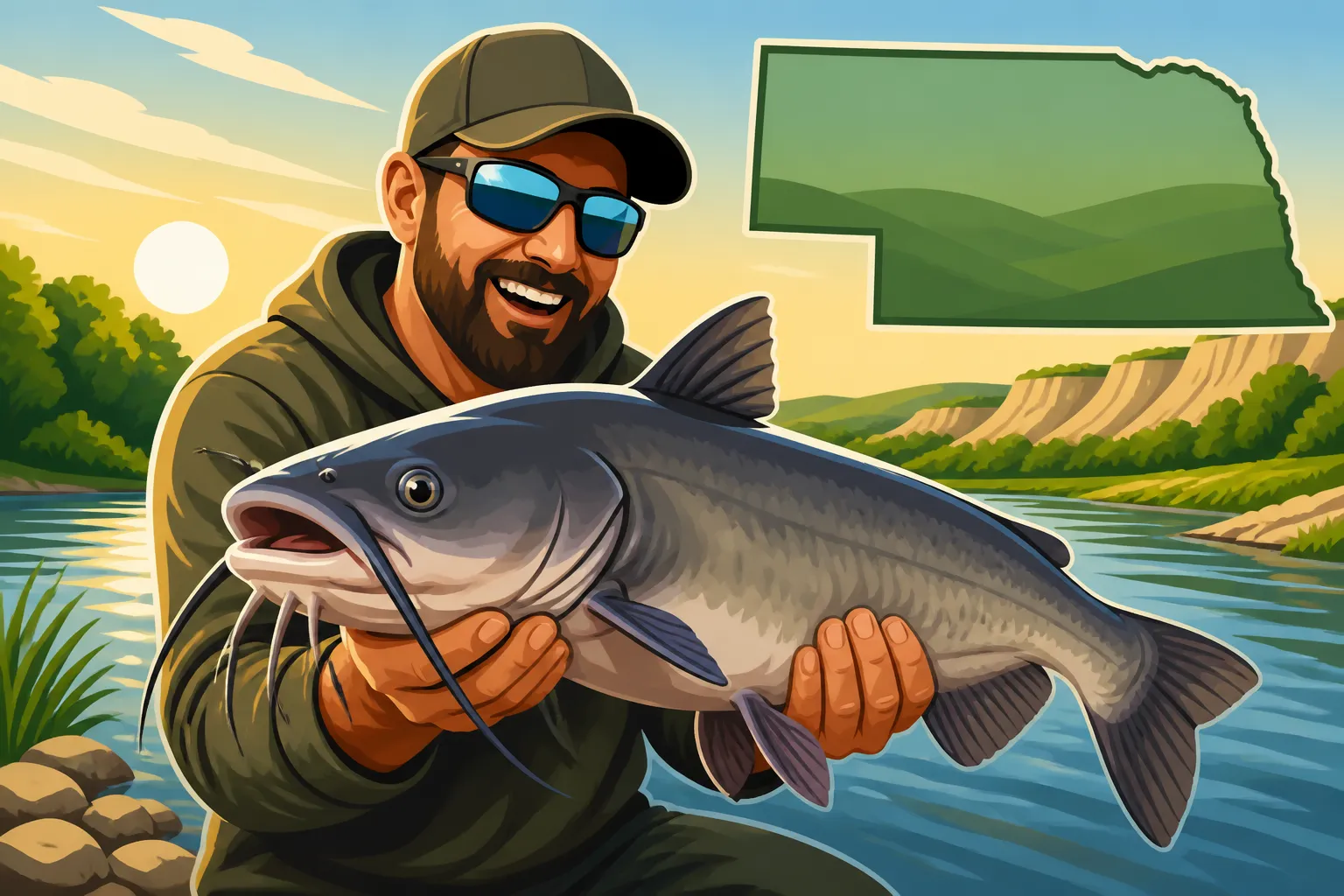
There’s nothing quite like the thrill of feeling a powerful tug on your line, especially when you know it’s a feisty channel catfish from a Nebraska river. Many anglers dream of those hard-fighting river cats, but sometimes it feels like they’re playing hide-and-seek. If you’ve ever struggled to consistently land channel catfish, particularly in a dynamic river environment, you're in the right place. This comprehensive guide is dedicated to helping you master the art of channel catfish fishing on the legendary Elkhorn River.
Why the Elkhorn River is a Channel Catfish Haven
The Elkhorn River, a significant tributary of the Platte River, meanders through eastern Nebraska, offering some of the state's most productive channel catfish fishing. It’s a river that truly speaks to the heart of a catfishing enthusiast. Unlike some of the larger, more uniform reservoirs, the Elkhorn presents a diverse and ever-changing environment that channel catfish absolutely thrive in.
Understanding the River's Unique Characteristics
What makes the Elkhorn so special for channel catfish? It starts with the river itself. The Elkhorn has a diverse bottom structure, ranging from sandy stretches to gravel beds, and even rocky areas. It’s also characterized by its numerous bends, oxbows, logjams, and undercut banks. These features aren't just scenic; they're vital habitats. Channel catfish are ambush predators and scavengers, and they love current breaks and places where they can hide out of the main flow, conserving energy while waiting for food to drift by. The varying depths, from shallow riffles to deeper pools, mean there’s always somewhere for a catfish to comfortably reside, regardless of water levels or temperature.
The river's flow can change dramatically with rainfall, which is something every angler needs to pay attention to. After a good rain, the river might get muddy and rise, but this often kicks off a feeding frenzy for catfish. They use their keen sense of smell to locate food in the turbid water. Understanding these fluctuations, especially how to interpret the river's character during different conditions, is key to consistent success. Knowing what to look for – fallen trees, sudden depth changes, or areas where the current slows down – will put you in the prime catfishing real estate.
Abundant Food Sources and Habitat
The Elkhorn River is a veritable buffet for channel catfish. They are opportunistic feeders and will consume nearly anything they can find. This includes a wide array of smaller baitfish like minnows and shad, various insects, crayfish, mussels, and even decaying organic matter. The river’s natural ecosystem provides a constant supply of these food items, meaning the catfish are well-fed and grow to impressive sizes.
When it comes to habitat, channel catfish aren't particularly picky, but they do have preferences that concentrate them in certain areas. They often congregate around snags and logjams, which offer both shelter from the current and prime ambush points. Undercut banks provide overhead cover and cool, shaded spots during warmer months. Deeper holes, especially those on the outside bends of the river, are fantastic holding areas, particularly during the day or when the water is cooler. Even subtle changes in depth or current can create a "sweet spot" where catfish will stack up. Knowing where to focus your efforts in these areas is crucial for a productive day on the water.
Essential Gear and Techniques for Elkhorn Catfish
Tackling the powerful channel catfish of the Elkhorn River requires the right equipment and a good understanding of effective techniques. Don't worry, you don't need a boatload of specialized gear, but having the right tools for the job makes all the difference.
Rods, Reels, and Line Selection
For Elkhorn River channel catfish, you'll want gear that can handle a strong fight and the potential for snags. A medium-heavy to heavy action spinning or baitcasting rod, typically 6 to 7.5 feet long, is ideal. This gives you the backbone to pull fish out of cover and enough leverage to cast heavier rigs. Many anglers prefer a relatively fast tip for sensitivity, allowing them to feel subtle bites, combined with plenty of power in the butt section.
Matching that rod with a durable reel is equally important. A spinning reel in the 3000-5000 size range or a baitcasting reel with a good drag system will serve you well. Make sure your reel has enough line capacity for longer runs and strong pulls. As for line, a monofilament line in the 15-25 lb test range is a solid all-around choice. It offers good abrasion resistance against submerged timber and rocks, and a bit of stretch for shock absorption. Alternatively, many experienced anglers are turning to braided line in the 30-50 lb test for its incredible strength, sensitivity, and lack of stretch. If you go with braid, consider adding a fluorocarbon or monofilament leader (around 20-30 lb test) for abrasion resistance and to make your bait look more natural. Getting the Best Rod Setup for Nebraska Catfish can make a huge difference in landing those big ones.
Top Baits and Rigs for Success
Channel catfish are not picky eaters, which is great news for anglers! However, some baits consistently outperform others on the Elkhorn. Cut bait is perhaps the most popular and effective. Pieces of shad, carp, or even panfish (where legal) emit strong scents that catfish can detect from a distance. The oilier the fish, the better. Prepared baits, often called "stink baits," are also incredibly potent. These are typically dough-like concoctions that are specifically formulated with strong odors to attract catfish. Brands like Catfish Charlie or Uncle Josh are well-known among catfishing circles. For a classic approach, nightcrawlers are always a reliable choice, especially for smaller cats or when you're targeting multiple species. Live bait, such as shiners or small bluegills, can also be very effective for enticing larger, more aggressive channel catfish.
When it comes to rigging, simplicity often reigns supreme. The slip-sinker rig (often called a Carolina rig) is a staple for river catfishing. It consists of a slip sinker (egg sinker or bullet sinker) above a swivel, followed by a fluorocarbon or monofilament leader (12-24 inches) tied to a hook. This allows the fish to pick up the bait and run without feeling the weight of the sinker. A standard three-way swivel rig can also be effective, allowing you to present a bait near the bottom while keeping your weight separate. For hooks, circle hooks are highly recommended, typically in sizes 2/0 to 6/0. They are designed to hook fish in the corner of the mouth, making for easier release and less harm to the fish. Understanding the Best Bait for Nebraska Catfish will give you a significant advantage.
When and Where to Fish for Channel Cats
Knowing when to fish can be as important as what bait to use. Channel catfish are often most active during low-light conditions, meaning dawn, dusk, and throughout the night. However, they can be caught throughout the day, especially in deeper, shadier areas or when the water is slightly turbid. The warmer months, from late spring through early fall, are generally the peak season for channel catfish activity. As temperatures rise, their metabolism increases, and they feed more aggressively. To learn more about seasonal patterns, check out our guide on the Best Time of Year to Catch Catfish in Nebraska.
As for where to fish on the Elkhorn, focus on areas that offer current breaks and cover. Look for:
- Outside Bends: The current carves out deeper holes on the outside bends of the river, making them prime holding areas for catfish.
- Logjams and Fallen Trees: These provide excellent cover and ambush points. Cast your bait as close as possible without getting snagged.
- Undercut Banks: Where the river current has eroded the bank, creating an overhang, catfish love to hide in the shade and wait for food.
- Confluences: Where smaller creeks or ditches flow into the main river, they often wash in food and create current seams that attract fish.
- Bridge Pilings: These structures create eddies and current breaks, making them magnets for catfish.
Experiment with different depths and casting distances until you find where the fish are holding on any given day. Remember, catfish move, so if one spot isn't producing, don't be afraid to relocate! If you're looking for professional help navigating the best spots, sometimes booking a trip through a service like FishingBooker can provide invaluable local insight.
Navigating the Elkhorn: Access and Safety
The Elkhorn River offers many opportunities for anglers, but like any natural environment, it requires respect, preparation, and adherence to safety guidelines. Accessing the river can sometimes be a challenge, and safety should always be your top priority.
Public Access Points and Wading Tips
While some sections of the Elkhorn River run through private land, there are numerous public access points provided by the Nebraska Game and Parks Commission (NGPC) and local municipalities. These can include parks, wildlife management areas, and designated boat ramps. Always check local maps and the NGPC website for the most current information on access points. Popular areas near towns like Scribner, West Point, and Norfolk often have good public access for bank fishing or launching small craft.
Wading the Elkhorn can be incredibly productive, allowing you to reach prime fishing spots that are inaccessible from shore. However, it also comes with risks. The river bottom can be uneven, with slippery rocks, sudden drop-offs, and soft mud. Always wear sturdy wading boots with good grip. A wading staff can provide essential stability and help you probe the depth ahead. Always wade with a buddy, especially in unfamiliar territory, and never attempt to wade across strong currents or areas where the water is too deep or fast-moving for your comfort level. Conditions can change rapidly, so keep an eye on the weather and water levels.
Boat and Kayak Considerations
For those who prefer to cover more water, using a boat or kayak on the Elkhorn River can be a fantastic option. Small jon boats, canoes, and kayaks are generally best suited for the Elkhorn due to its size and varying depths. Larger boats might struggle in shallower sections or during low water periods. When considering a boat, remember to factor in launch accessibility, as not all public access points have developed ramps suitable for larger trailers.
Safety on the water is paramount. Ensure your boat is equipped with all required safety gear, including enough personal flotation devices (PFDs) for everyone on board. Familiarize yourself with Nebraska Boat Safety Equipment Requirements before heading out. Kayak anglers should also consider stability, especially if fishing from the standing position, and always wear a PFD. River currents can be tricky, so knowledge of river navigation and basic paddling skills is crucial. When navigating, watch for submerged logs, sandbars, and shallow riffles that can pose hazards. Exploring new stretches of river by boat can be an adventure, and if you’re unsure, a guided trip found through a platform like FishingBooker can provide a safe and educational experience. For any boating questions, you can also consult our guide on Nebraska Boat Registration and Fishing Rules.
Following Nebraska Fishing Regulations
It's absolutely critical to stay informed and compliant with all Nebraska fishing regulations. Before your trip, make sure you have a valid Nebraska Fishing License Guide and understand the current rules for the Elkhorn River. Regulations can change annually, so always check the latest Nebraska Fishing Guide published by the NGPC.
Key regulations to pay attention to include:
- Daily Bag and Possession Limits: Knowing the Nebraska Channel Catfish Daily Limit is non-negotiable. Overharvesting can lead to significant fines.
- Size Restrictions: While channel catfish often don't have minimum length limits, it's always good to double-check.
- Legal Baits and Methods: Ensure your chosen bait and fishing method are allowed. For instance, trotlines and limb lines have specific regulations in certain areas.
- Aquatic Invasive Species (AIS) Prevention: Always "Clean, Drain, Dry" your boat, waders, and gear to prevent the spread of invasive species. This protects the river's ecosystem for future generations.
Ignorance of the law is not an excuse, so a quick review of the Nebraska Fishing Regulations Explained before your trip is time well spent.
Enhancing Your Elkhorn Catfish Experience
Fishing on the Elkhorn River for channel catfish isn't just about catching fish; it's about the entire experience. From the planning stages to the moment you release a healthy fish, every step contributes to a memorable outing.
Preparing for a Successful Trip
A well-planned trip starts long before you reach the water. Begin by checking the weather forecast. High winds, heavy rain, or extreme temperatures can make fishing uncomfortable or even dangerous. Also, try to get a sense of current river conditions, especially water levels and clarity, as these directly impact catfish behavior. Websites like the USGS often provide real-time river gauge data.
Beyond your fishing gear, pack essentials like plenty of water, snacks, sunscreen, insect repellent, and a first-aid kit. A pair of pliers for hook removal is crucial, as are clippers for line. A sturdy landing net designed for larger fish can be invaluable for safely landing and handling a strong river cat. Don't forget a cooler with ice if you plan to keep some fish, ensuring they stay fresh. Our guide on Nebraska Fishing Weather and Barometric Pressure Tips can help you predict fish activity.
The Thrill of the Fight and Responsible Angling
When an Elkhorn River channel catfish takes your bait, you'll know it! They are powerful fighters, often making strong runs and head shakes, especially in the current. It's a truly exhilarating experience that keeps anglers coming back for more. Learning How to Fight a Big Fish on Light Tackle will improve your chances of landing these strong fish.
However, with great fishing comes great responsibility. Practice ethical angling to ensure the health of the fishery. If you're practicing catch and release, handle fish gently and minimize their time out of the water. Wet your hands before touching fish, support their body weight, and use a de-hooking tool if the hook is deep. Release them in a calm area where they can recover before swimming off. For more in-depth advice, read up on Catch and Release Best Practices in Nebraska. If you plan to keep fish for a meal, only take what you'll realistically eat and adhere strictly to all bag limits. This ensures that the Elkhorn River continues to be a fantastic channel catfishing destination for generations to come.
Many anglers find value in tapping into local expertise, especially for understanding nuances of river fishing. Services like FishingBooker can connect you with experienced local guides who can teach you the ropes and put you on fish, providing an incredible opportunity to learn and hone your skills while enjoying the beauty of the Elkhorn. It’s an investment that can significantly shorten your learning curve and make your trip truly unforgettable.
Here's a quick reference for some popular channel catfish baits:
| Bait Type | Description | Best Uses | Pros | Cons |
|---|---|---|---|---|
| Cut Bait | Pieces of oily fish (shad, carp, skipjack) | Attracting larger, actively feeding catfish in current | Strong scent, natural presentation, highly effective | Can be messy, requires baitfish source |
| Prepared Baits | "Stink baits" or punch baits (e.g., Catfish Charlie, Uncle Josh) | Attracting catfish via powerful artificial scent | Easy to use, widely available, good for multiple fish | Can be messy, some fish might prefer natural baits |
| Nightcrawlers | Classic live earthworms | All-around bait, good for mixed bags, smaller cats | Easy to obtain, effective for various species and sizes | Attracts smaller fish, can be easily stolen off hook |
| Live Bait | Small minnows, shiners, bluegills (check legality) | Targeting trophy-sized channel catfish | Mimics natural prey, highly enticing to aggressive fish | Requires careful handling, some species may be illegal as bait |
Disclaimer
Fishing regulations and conditions can change rapidly. Always consult the official Nebraska Game and Parks Commission website or guide for the most current information before heading out on your fishing trip. Stay safe, respect the environment, and practice responsible angling.