Spring Fishing in Nebraska
That first hint of warmth, when the ice finally retreats from our beloved lakes and rivers and the trees start to bud, brings a special kind of electricity to Nebraska anglers. After months of bundling up for ice fishing or just dreaming about open water, the spring bite can feel like a fever, pulling us outdoors with an irresistible urge. This comprehensive guide is here to help you navigate those exciting, sometimes challenging, early season conditions so you can maximize your success and truly enjoy the vibrant return of fishing in the Cornhusker State.
The Promise of Spring: Why Nebraska Anglers Love This Season
There's something deeply primal about the shift from winter to spring, and for those of us who love to fish, it's nothing short of a rebirth. The landscape awakens, and with it, the fish under the surface stir from their lethargic, cold-water routines. This period offers unique opportunities and challenges that make every outing an adventure.
Shaking Off the Winter Chill
The transition from the icy grip of winter to the gentle warmth of spring is truly invigorating. After months of drilling through thick ice or simply enduring the off-season, the sight of open water is a welcome reprieve. Anglers across Nebraska eagerly await those first consistently warmer days, often marked by sunshine that begins to penetrate the still-cool water. This rising water temperature, even by a few degrees, signals to fish that it’s time to become more active, moving out of their deep-water wintering haunts and starting to feed more aggressively.
You'll notice the days getting longer, too, which means more daylight hours to spend on the water. This combination of increasing temperatures and extended daylight triggers natural instincts in many fish species, particularly the urge to feed and eventually spawn. It’s a time when you might find a variety of species concentrated in areas that receive the most sun, like north-facing banks or shallower coves, simply because these spots warm up faster. The anticipation alone is enough to get most of us excited, packing tackle boxes and rigging rods in preparation for those first productive days.
Understanding Spring's Unique Challenges
While spring brings immense promise, it's also a season of dramatic shifts and unpredictable conditions. One day you might be fishing in a t-shirt, the next you're bundled up against a biting north wind, contending with sleet or even a late-season snow flurry. These fluctuating weather patterns can directly impact water temperatures, clarity, and fish behavior, making spring angling a game of constant adaptation. Heavy spring rains, often accompanied by snowmelt, can lead to significant runoff, turning clear waters murky and sometimes raising water levels dramatically.
Such changes can disperse fish, wash bait and debris into the water, and even make access to certain fishing spots difficult. Cold fronts, which are common in spring, can cause fish to become finicky and less willing to bite, pushing them back to deeper, more stable water. It's not uncommon to arrive at your favorite spot only to find conditions completely different from what they were just a day or two before. This means you need to be prepared with a variety of tactics and a flexible mindset, ready to adjust your presentation, bait, and even your fishing location based on what Mother Nature throws at you.
Species on the Move: What to Target in Spring
Spring fishing in Nebraska isn't just about getting back on the water; it's about targeting specific species that become incredibly active during this period. From the elusive walleye to the abundant crappie and hard-fighting catfish, each has its own spring pattern dictated by water temperature and spawning instincts.
Walleye Wake-Up Call
Walleye are often one of the first prized game fish on many anglers' minds when spring arrives. As soon as the water temperature begins to creep into the high 30s and low 40s (Fahrenheit), walleye start to stage for their annual spawn. This pre-spawn period, usually occurring in late March through April, finds them congregating near rocky points, riprap shorelines, dam areas, and submerged humps, especially those exposed to current or wind-blown waves. These locations offer ideal spawning habitat and easy access to baitfish.
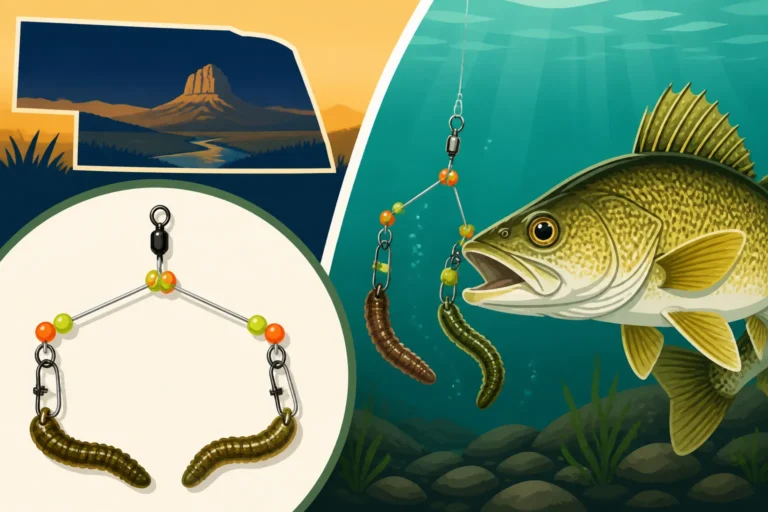
During the actual spawn, which typically happens when water temperatures are in the mid-40s to low 50s, walleye become very focused on reproduction. While some anglers target them during this sensitive time, it’s often more productive to focus on the pre-spawn staging or the post-spawn recovery periods when fish are actively feeding again. After the spawn, often in late April into May, walleye move to slightly deeper, but still accessible, areas to recover and feed aggressively. Slow jigging with live bait like minnows or leeches, or slow trolling crankbaits or spinner rigs, are incredibly effective techniques. Understanding the nuances of the Nebraska Walleye Spawning Season is crucial for timing your efforts.
Crappie & Panfish Galore
If you're looking for consistent action and excellent table fare, spring crappie and other panfish (like bluegill and sunfish) are hard to beat. As water temperatures climb into the mid-50s and low 60s, crappie push into shallow water, often less than 10 feet deep, to spawn. They seek out submerged brush piles, fallen timber, weed beds, and even dock pilings that offer cover and warmer water. These areas become crappie magnets, and finding one can lead to fast and furious action.
For crappie, tiny jigs tipped with minnows or soft plastic bodies are incredibly effective. A simple slip bobber setup allows you to present your bait at a precise depth, which is often key when crappie are suspended around structure. For bluegill and other sunfish, redworms, waxworms, or even small pieces of nightcrawler under a bobber can lead to non-stop fun, especially for families fishing from shore. You'll often find bluegill in even shallower water than crappie, preferring flats with weeds or lily pad stems once they start to emerge. Learning How to Catch Crappie in Spring will significantly boost your success during this prime season.
Catfish Coming Alive
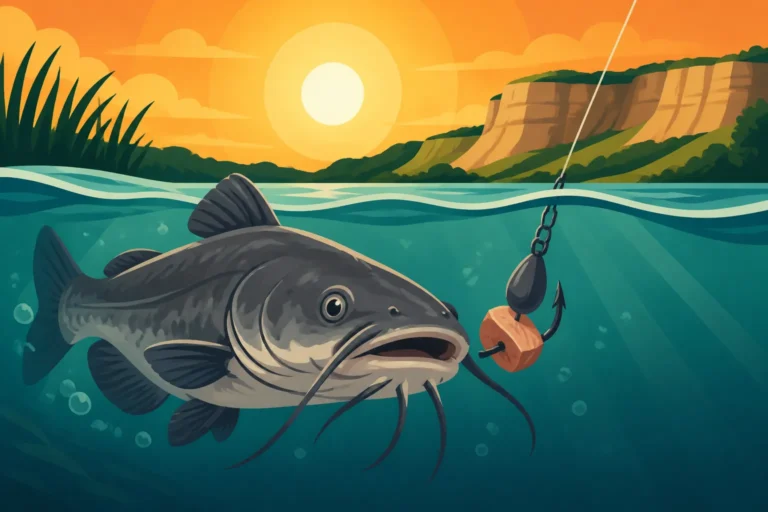
While many associate catfish with warm summer nights, spring offers fantastic opportunities for big channel cats and even some flatheads as they shake off their winter dormancy. As ice melts and water temperatures rise into the 50s and 60s, catfish begin to move out of their deeper wintering holes. They'll often seek out warmer, shallower water, especially in areas with current or river systems. Muddy flats, creek mouths, and the deeper edges of shallow breaks can all be productive.
River anglers will find early spring catfish congregating in slower current areas adjacent to faster flows, such as eddies behind wing dams or log jams. Reservoir catfish will explore warmer coves and shorelines. While they aren't typically spawning until later in the summer, their metabolism ramps up, making them eager feeders. Cut bait, shrimp, or prepared stink baits are classic choices, but even a juicy nightcrawler can tempt an awakening channel cat. For more detailed strategies, check out our guide on How to Catch Catfish in Nebraska.
Bass on the Bed: Largemouth and Smallmouth
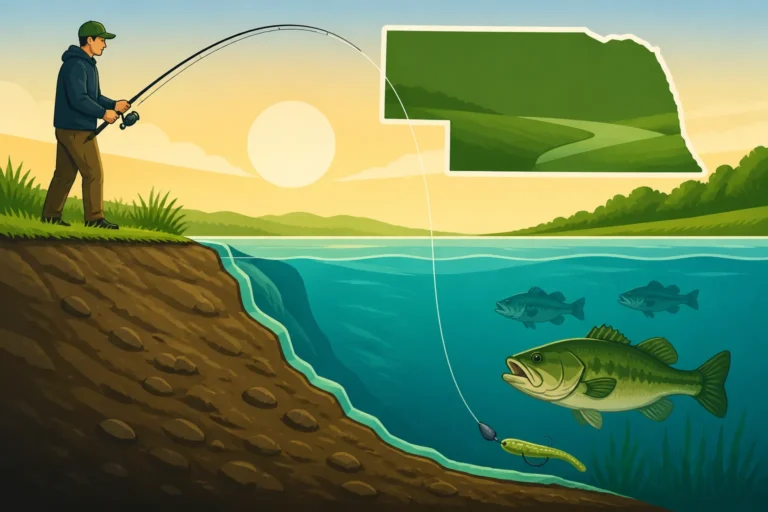
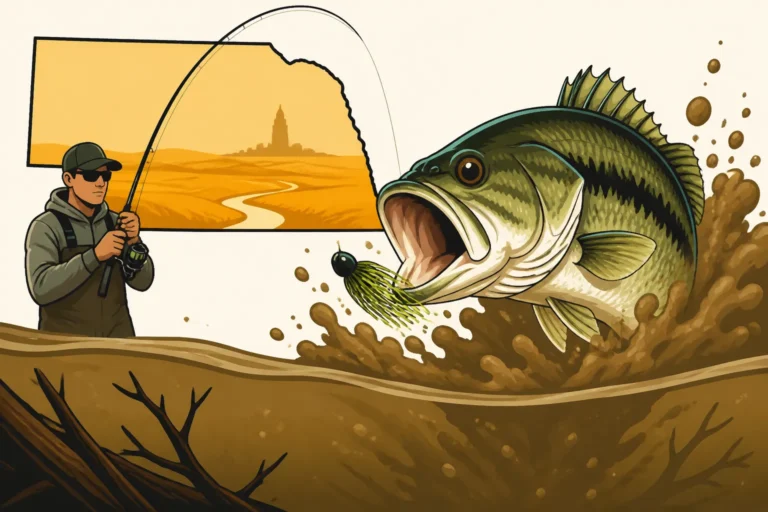
Spring is a highly anticipated time for bass anglers across Nebraska, as both largemouth and smallmouth bass move through distinct pre-spawn, spawn, and post-spawn phases. As water temperatures climb into the 50s, largemouth bass begin their pre-spawn migration into shallower, warmer coves and flats, often staging near submerged cover like stumps, brush piles, or rock piles. They're looking for food to fuel their upcoming spawn. During this time, spinnerbaits, crankbaits, and jigs can be highly effective.
The actual spawn for largemouth typically occurs when water temperatures are consistently in the low to mid-60s. Bass will fan out nests in shallow, protected areas, and while sight fishing for bedding bass can be tempting, many anglers prefer to target them before or after this sensitive period. Smallmouth bass, found primarily in rivers and some larger reservoirs like Lake McConaughy or Lewis and Clark, follow similar patterns, though they often prefer rocky bottom and current. They may spawn slightly later than largemouth, in water temperatures ranging from the mid-60s to low 70s. Both species become very aggressive post-spawn as they recover and feed heavily. For more specific insights, you can dive into Largemouth Bass Fishing in Nebraska and Smallmouth Bass Fishing in Nebraska.
Essential Spring Fishing Techniques and Tactics
Spring in Nebraska demands a thoughtful approach. The fish are transitioning, and their behavior can change from day to day, even hour to hour. Having a few key techniques in your arsenal and being ready to adapt is crucial for consistent success.
Slow and Steady Wins the Race
One of the most common mistakes anglers make in early spring is fishing too fast. Remember, even though the water is warming, it's still significantly cooler than summer. Fish metabolisms are not yet in overdrive, meaning they are often less willing to chase down a quickly retrieved lure. Slower presentations are almost always more effective. Think about jigging a plastic or live minnow slowly along the bottom for walleye, or meticulously working a small jig around a brush pile for crappie. The retrieve should be deliberate, with pauses that allow the fish to inspect and commit to the bait.
For bass, pitching jigs or Texas-rigged soft plastics into cover and letting them sit for extended periods can draw strikes from reluctant fish. Even crankbaits should be retrieved at a pace that just gets them to wiggle, or paused during the retrieve to mimic a struggling baitfish. The idea is to make your offering an easy meal that doesn't require a lot of energy expenditure from a still somewhat sluggish fish. Don't be afraid to experiment with how long you pause your lure; sometimes a five-second pause can be the difference between a follow and a strike.
Locating Fish in Transitional Waters
Finding fish in spring often comes down to one critical factor: water temperature. Fish, especially game fish, will actively seek out the warmest water available, even if it's only a few degrees warmer than the surrounding area. These temperature breaks can be subtle but significant. Look for sun-exposed northern banks, shallow dark-bottomed coves that absorb heat, or the backs of creek channels where warmer runoff might be entering the main body of water. Early in the spring, these shallower areas are often where the first signs of life appear.
Structure is also key. Whether it's submerged timber, rock piles, riprap, or weed lines beginning to sprout, fish will use these features for cover, ambush points, and eventually, spawning. Don't overlook the importance of creek channels or old river beds in reservoirs, as these can act as highways for fish moving between deeper wintering areas and shallower spring feeding grounds. A good depth finder, like those readily available on Amazon, can be an invaluable tool for identifying these subtle temperature changes and locating hidden structures that hold fish. Spend time scanning potential areas, and don't be afraid to move until you find that sweet spot where fish are congregated.
Adapting to Spring's Unpredictable Weather
Spring weather in Nebraska is a mixed bag, and successful anglers are those who can read the conditions and adapt quickly. A warm, sunny day might turn into a blustery, cold, and rainy afternoon, drastically impacting fish behavior. When a cold front pushes through, fish often become less active and may retreat to deeper water or tighter cover. In these situations, slowing down your presentation even further and downsizing your baits can often entice a bite. Think finesse over power.
Conversely, a sustained period of stable, warm weather can really turn the bite on, encouraging fish to move shallower and feed more aggressively. High winds can make boat control challenging but can also create current and oxygenation that activate baitfish and, consequently, game fish. You might need to use heavier jigs or increase your trolling speed slightly to maintain contact with the bottom. Rain can sometimes trigger a bite, especially for catfish, by washing nutrients and prey into the water, but it can also muddy the water, requiring louder baits or scent. Always check the forecast before you go, but be ready for anything once you're on the water.
Key Gear and Bait for Nebraska Spring Fishing
Getting your gear dialed in for spring fishing in Nebraska means being prepared for a variety of species and conditions. A well-stocked tackle box and the right rod and reel can make all the difference when targeting those active, but sometimes finicky, early season fish.
Rods, Reels, and Line Considerations
Having the right combination of rod, reel, and line is fundamental for spring fishing success. For species like walleye and crappie, a medium-light to medium action spinning rod, typically 6'6" to 7' long, paired with a 1000 or 2500 size spinning reel, is a versatile setup. This allows for sensitive feel to detect subtle bites while having enough backbone to handle a decent fish. Spool these with 6-8 pound monofilament or fluorocarbon for excellent knot strength and low visibility, or use 10-15 pound braided line with a fluorocarbon leader for maximum sensitivity and casting distance. You can find a fantastic selection of these setups, from beginner-friendly combos to more advanced options, easily on Amazon.
For bass and larger catfish, you'll want something with a bit more power. A medium-heavy action casting or spinning rod, around 7 feet long, coupled with a 3000-4000 size spinning reel or a baitcasting reel with a good drag system, is ideal. For these setups, 15-20 pound fluorocarbon or a heavier braided line (20-40 pound) for catfish, especially when fishing around snags, will serve you well. Our guide on Best Fishing Gear for Nebraska Anglers offers even more in-depth recommendations for specific species.
Top Baits and Lures for Spring Success
The bait and lure selection in spring needs to cater to the fish's cooler water metabolism. Live bait often reigns supreme, especially early in the season, because of its natural scent and subtle action. Minnows, shiners, nightcrawlers, and leeches are universal fish magnets and are excellent for walleye, crappie, and even hungry bass. Presenting them under a bobber, on a jig head, or a slow-trolled bottom bouncer can be incredibly effective.
When it comes to artificial lures, jigs are arguably the most versatile spring offering. Small jigs (1/16 to 1/8 ounce) tipped with soft plastics (grubs, tubes, paddle tails) or live bait are perfect for crappie, walleye, and bass. Bright colors often work well in stained spring waters, while more natural hues shine in clearer conditions. Small crankbaits, particularly those with a tight wobble, can entice walleye and bass, especially in warmer periods. Don't forget spinnerbaits for bass in shallow, weedy areas, and various cut baits or prepared baits for catfish. Many of these effective baits and lures, including popular brands, are conveniently available for purchase on Amazon, ensuring you're ready for any spring fishing scenario.
Essential Apparel and Safety Gear
Nebraska spring weather, as we've discussed, can change on a dime, making proper apparel and safety gear non-negotiable. Layering is your best friend. Start with a moisture-wicking base layer, add insulating layers like fleece, and top it off with a waterproof and windproof outer shell. This allows you to adjust to temperature fluctuations throughout the day. Don't forget a warm hat, gloves, and waterproof boots, especially if you plan on wading or fishing from shore where damp ground is common. Sunglasses are essential to protect your eyes from UV rays and to cut glare on the water, helping you spot structure or even cruising fish.
Safety equipment is equally vital. Always wear a U.S. Coast Guard-approved Personal Flotation Device (PFD) when boating, especially in cold water where the risk of hypothermia is high if you go overboard. A well-stocked first-aid kit, a fully charged cell phone (or satellite communication device in remote areas), and a way to signal for help (whistle, air horn) are crucial. If you're heading out on early ice (though spring fishing usually means open water, late ice can still be a factor in early March), extra caution is paramount. While this guide focuses on open water, understanding general preparedness, as outlined in an Essential Gear Checklist for a First Ice Fishing Trip, can give you valuable insights into ensuring you're ready for any outdoor challenge.
Prime Spring Fishing Destinations in Nebraska
Nebraska offers a diverse array of fishing opportunities, and spring highlights some truly exceptional destinations for anglers seeking that early-season bite. From vast reservoirs to winding rivers and accessible urban ponds, there's a spot for every preference.
Reservoir Hotspots
Nebraska's large reservoirs truly shine in the spring. Lake McConaughy, often dubbed "Big Mac," is legendary for its walleye fishing. In spring, especially pre-spawn and post-spawn, walleye stage and feed along its extensive riprap shorelines, rocky points, and submerged humps near the dam and river channels. Jigging with live bait or slow-trolling crankbaits are prime tactics here. For a deeper dive into this incredible lake, consult the Lake McConaughy Fishing Guide.
Branched Oak Lake, near Lincoln, is another spring magnet, particularly for crappie, walleye, and catfish. Its numerous coves, flooded timber, and varied shoreline structure provide excellent habitat as fish move shallow. Crappie congregate in brush piles, while walleye can be found along main lake points and riprap. The warmer, shallower bays are also excellent for early-season bass. More details on this popular spot can be found in the Branched Oak Lake Fishing Guide. Merritt Reservoir, nestled in the Sandhills, is famous for its walleye, crappie, and even muskellunge. Spring brings a fantastic walleye bite, especially on its sandy points and submerged islands. Its pristine waters also offer good opportunities for panfish in developing weed beds. The Merritt Reservoir Fishing Guide provides comprehensive information for anglers heading to this gem. Other reservoirs like Sherman, Harlan County, and Calamus also offer excellent spring action for various species.
River Systems and Their Opportunities
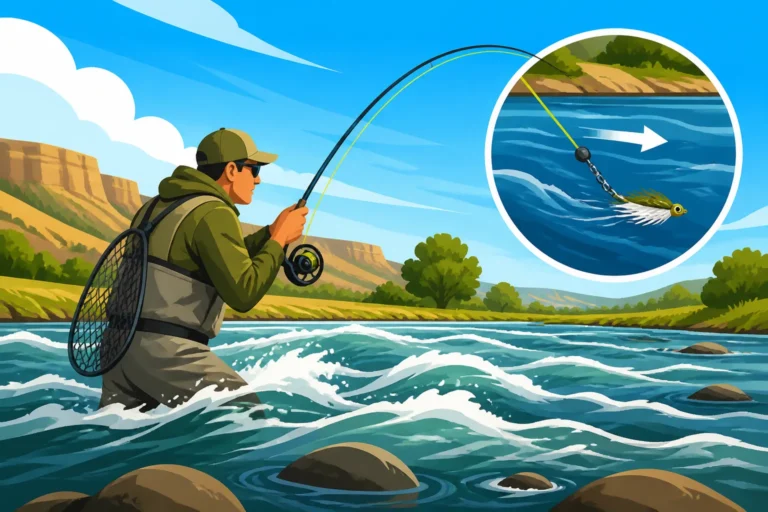
Nebraska's river systems also come alive in spring, offering unique and often dynamic fishing experiences. The Platte River, while sometimes challenging with its shallow braided channels, can be a fantastic early-season destination for channel catfish and white bass. Catfish move into the deeper holes and slower current areas, eager to feed on cut bait or prepared baits. The spring white bass run, when these aggressive fish move upstream to spawn, can offer incredible fast-paced action, especially near current breaks and riffles. A thorough understanding of the Platte River Fishing Guide will help you navigate its complexities.
The mighty Missouri River, forming Nebraska's eastern border, is another prime location. Its diverse habitat, including wing dams, eddies, and submerged structure, holds walleye, sauger, and massive catfish. Spring anglers can target these fish in areas with stable current and cover, often using jigs, crankbaits, or various bottom-fishing rigs. For more details on this border water, check out the Missouri River Fishing in Nebraska guide. Smaller rivers like the Niobrara and Elkhorn can also provide excellent opportunities for smallmouth bass and channel catfish as water temperatures rise.
Local Ponds and Urban Fisheries
For those looking for convenient access, family-friendly options, or just a quick fishing fix, Nebraska's local ponds and urban fisheries are invaluable in the spring. Many of these smaller bodies of water warm up faster than larger reservoirs, making them prime spots for early-season action. The Nebraska Game and Parks Commission (NGPC) actively manages and stocks numerous urban ponds with species like rainbow trout in early spring, and panfish and bass as temperatures rise. These waters are often easily accessible from shore, with amenities like fishing piers, making them perfect for beginners and kids.
You'll find these urban fishing program ponds in cities like Omaha, Lincoln, Grand Island, and Kearney. They are fantastic places to catch bluegill, sunfish, and small bass. Many are stocked with catchable trout in March and April, offering a great opportunity to enjoy a different species before the summer heat. These smaller waters can be highly productive throughout the spring, often providing consistent action that builds confidence and creates lasting memories. To find a stocked pond near you, be sure to check the Nebraska Urban Fishing Program Stocked Ponds Near Me for the latest information.
Navigating Regulations and Ethical Angling in Spring
While the excitement of spring fishing is undeniable, it's vital to remember that we are guests in nature, and responsible angling is paramount. Understanding and adhering to Nebraska's fishing regulations, practicing ethical catch and release, and showing respect for the environment are all crucial aspects of being a good steward of our natural resources.
Understanding Spring Fishing Regulations
Before you even wet a line, it is your responsibility to be intimately familiar with Nebraska's current fishing regulations. Spring is a particularly important time to pay attention, as certain species may have specific length limits, bag limits, or even closed seasons to protect them during their vulnerable spawning periods. For instance, some lakes might have special regulations for walleye or bass to ensure healthy populations. These rules are not arbitrary; they are designed by biologists to manage fish populations sustainably, ensuring there are plenty of fish for future generations to enjoy.
Always check the latest Nebraska Fishing Guide published by the NGPC, which you can typically find online or at any permit vendor. Pay close attention to any changes from previous years. This includes general statewide regulations as well as specific rules for individual lakes or river stretches. Knowing your Nebraska Fishing Regulations Explained and having your Nebraska Fishing License Guide in order means you're not only fishing legally but also contributing to the conservation efforts that make our spring fishing so fantastic. Ignorance of the rules is not an excuse, and violating them can lead to significant fines and penalties.
Catch and Release Best Practices
Spring fishing often coincides with the spawning cycles of many popular game fish. This makes practicing proper catch and release techniques even more critical, especially if you're not planning to keep your catch or if the fish is under or over a slot limit. When handling fish, always minimize their time out of the water. Fish need oxygen just like us, and prolonged air exposure can cause irreparable damage. Use wet hands or a wet net to handle fish gently, avoiding squeezing their internal organs.
If a fish has swallowed a hook deep, consider cutting the line as close to the hook as possible rather than trying to rip it out. Often, the hook will rust away naturally. For bigger fish, use a proper landing net to minimize stress. When releasing, hold the fish gently upright in the water until it can swim away under its own power. Sometimes, a gentle forward and backward motion can help push water over its gills, aiding in recovery. By following these Catch and Release Best Practices in Nebraska, you help ensure that these fish survive to spawn again and contribute to healthy populations for years to come.
Respecting Fellow Anglers and the Environment
Fishing is often a solitary pursuit, but we share our waters with many others. Practicing good etiquette on the water shows respect for your fellow anglers. This includes giving others ample space, especially when bank fishing or launching a boat at a ramp. Don't crowd another angler's spot, and if you're boating, be mindful of your wake near shore anglers or smaller craft. At boat ramps, be efficient with your launch and retrieve to avoid unnecessary delays.
Beyond interacting with other people, our responsibility extends to the environment itself. Pack out everything you pack in – and then some. Leave no trace of your visit. This means disposing of all trash, including discarded fishing line (which can be deadly to wildlife), properly. Avoid damaging shoreline vegetation, and do not introduce any foreign species into the water. By being thoughtful stewards of Nebraska's beautiful spring fisheries, we contribute to a positive experience for everyone and ensure these precious resources remain vibrant and healthy for generations of anglers to come.
| Species | Typical Spring Location | Effective Spring Baits/Lures |
|---|---|---|
| Walleye | Rocky points, riprap, dam areas, submerged humps, creek channels | Live minnows, leeches, jigs (tipped with plastic or live bait), slow-trolled crankbaits |
| Crappie | Submerged brush piles, fallen timber, weed beds, dock pilings, shallow coves | Small jigs (tipped with minnows or soft plastics), tiny crankbaits, slip bobber rigs |
| Catfish | Warmer, shallower water; slower current areas in rivers, creek mouths, mud flats | Cut bait (shad, herring), nightcrawlers, prepared stink baits, chicken livers |
| Largemouth Bass | Shallow coves, flats, submerged cover (stumps, brush), transition areas from deep to shallow | Spinnerbaits, jigs (pitched to cover), crankbaits, soft plastics (Texas-rigged worms) |
| Smallmouth Bass | Rocky banks, current seams, eddies, humps, main lake points (especially in rivers/large reservoirs) | Small crankbaits, tube jigs, spinnerbaits, soft plastic craws, live minnows |
| Panfish (Bluegill, Sunfish) | Very shallow sun-exposed areas, weed lines, docks, lily pad stems | Worms (redworms, waxworms), tiny jigs, small pieces of corn or bread, micro-plastics |
Disclaimer
The information provided in this guide is for general informational purposes only and does not constitute legal advice. Fishing regulations in Nebraska can change frequently. Always consult the most current Nebraska Game and Parks Commission regulations before fishing. Adherence to all local, state, and federal laws is the responsibility of the individual angler. Fishing can be a dangerous activity; always prioritize safety and take appropriate precautions.