Best Jigs for Nebraska Walleye
Frustrated by days on the water where the walleye just seem to ignore your offerings? You're not alone. Figuring out the best jig to tempt a wily Nebraska walleye can feel like a guessing game, especially with so many options out there and fish behavior changing with the seasons. This comprehensive guide will pull back the curtain on the most effective jig styles, weights, colors, and presentations, helping you cut through the confusion and put more walleye in your net across Nebraska's diverse waters.
Understanding Walleye Behavior and Jig Selection
Before we even talk about specific jigs, it's crucial to get inside the head of a walleye. These fish are masters of their environment, and their behavior directly dictates what kind of jig they'll strike. Understanding their seasonal movements, preferred habitats, and reaction to water conditions is the first step to choosing the right jig.
Seasonal Movements and Forage
Walleye are constantly on the move, driven by spawning instincts, water temperature, and the search for food. What works in April might be completely ineffective in July.
Spring (Pre-spawn, Spawn, Post-spawn)
As ice recedes and water temperatures begin to climb into the 40s and 50s, walleye start thinking about spawning. They'll move from deeper wintering holes into shallower, hard-bottomed areas like rocky points, riprap, and submerged reefs. This is often an aggressive feeding period, especially pre-spawn. They're looking for an easy meal as they build energy for reproduction. Post-spawn, they might be a bit lethargic and dispersed but will soon resume feeding, often in slightly deeper, but still accessible, areas near their spawning grounds. Baitfish like shiners and minnows are prime targets. Lighter jigs cast to shorelines or slowly retrieved over rocky bottoms are excellent.
Summer
Once water temperatures stabilize in the 60s and 70s, walleye often move to deeper, cooler water. They'll relate to main lake points, humps, submerged islands, and the thermocline (the layer where warm surface water meets cooler deep water). During this time, they're often chasing schools of shad, perch, or other juvenile fish. They can be found suspended over open water or hugging deep structure. Vertical jigging directly over these fish, or casting heavier jigs to deep breaks, becomes highly effective. Think about how active they are – sometimes a subtle presentation is key, while other times a hard snap will trigger a reaction strike.
Fall
As the days shorten and water temperatures cool down again, walleye enter another strong feeding period. They'll often move back into shallower areas, sometimes surprisingly shallow, to feast on baitfish that are also moving to their wintering grounds. However, they can also still be found on deeper structures, especially in larger reservoirs like Lake McConaughy or Harlan County. This is a transition period, and fish can be found at various depths. Larger profile jigs or jigs tipped with bigger minnows can be deadly as walleye try to put on weight for the upcoming winter. This time of year, they might be chasing larger prey, so don't be afraid to size up your offerings.
Winter (Ice Fishing)
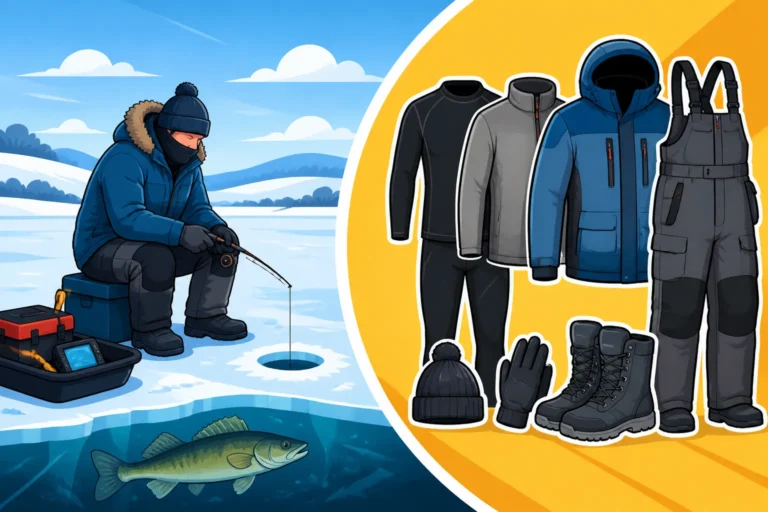
When Nebraska's lakes freeze over, walleye behavior shifts dramatically. They become more lethargic and conserve energy, but they still need to eat. They can be found suspended over deep water, especially if there's a good thermocline, or relating to subtle bottom structure. Forage becomes smaller, consisting of tiny minnows, larvae, and invertebrates. Finesse jigging with very light jigs and small baits is the name of the game. Gentle lifts and subtle twitches are often all it takes to entice a bite. Patience is definitely a virtue when targeting walleye through the ice. If you're interested in gearing up, check out our Nebraska Ice Fishing Gear Guide.
Water Conditions and Clarity
The water itself tells a story, and walleye read it. Your jig choice should reflect what the fish can see and feel.
Clear Water
In crystal clear lakes or rivers, walleye rely heavily on their excellent eyesight. Natural colors that mimic actual baitfish (like greens, browns, silvers, and whites) are usually most effective. You'll want jigs that offer a subtle presentation, perhaps with less flash, and realistic textures. Often, smaller profile jigs or those tipped with clear water minnows will outperform anything flashy. The goal is to make it look as real as possible, so a slow, natural retrieve is often best.
Stained or Muddy Water
When the water is murky or stained, visibility drops drastically. Walleye still need to find food, but they'll use their lateral line to detect vibrations and rely on high-contrast colors. This is where bright chartreuse, orange, pink, or firetiger patterns really shine. Jigs with blades or rattles that create extra vibration can also be highly effective. The brighter colors stand out, and the added vibration helps fish locate your offering. Don't be afraid to use a slightly larger profile jig in these conditions, as it can be easier for fish to detect.
Low Light or Night
Walleye are notoriously active during low light periods – dawn, dusk, and especially at night. In these conditions, dark silhouettes or glow-in-the-dark jigs can be game-changers. Dark jigs create a strong profile against the lighter sky or water surface, making them easier for walleye to see. Glow jigs, after being "charged" with a flashlight, emit a subtle glow that can attract curious walleye from a distance. Many anglers swear by Nebraska Night Fishing Rules for targeting big walleye after dark, and the right glow jig is often central to their success.
Current
Fishing in moving water, like the Missouri River or the tailwaters of Nebraska's reservoirs, presents its own set of challenges. Current dictates jig weight and shape. You need enough weight to get your jig down to the fish and keep it there, but not so much that it's unnatural. Streamlined jig designs cut through the water better, reducing drag and making it easier to maintain contact with the bottom. In strong currents, heavier jigs in the 1/2 oz to 1 oz range might be necessary. Consider how you'd fish a How to Fish a Missouri River Wing Dam – current is key there.
Preferred Bait and Presentations
The type of bait you use, and how you present it, will also influence your jig head choice. Some jigs are designed specifically for live bait, while others excel with soft plastics.
Live Bait (Minnows, Nightcrawlers, Leeches)
If you're planning on tipping your jig with live bait, look for jigs with a sturdy, sharp hook and often an extra wire keeper or barb to hold the bait securely. Jigs with a shorter shank are often preferred for minnows as they allow the minnow to have more natural action. For nightcrawlers, a longer shank can be beneficial, or you might opt for a jig with a spring keeper to thread the worm on. Leeches are incredibly effective, especially in spring, and a simple ball head jig often works wonders. The goal is to make your live bait look as natural and enticing as possible, mimicking the What Walleye Eat in Nebraska Lakes.
Soft Plastics (Paddle Tails, Grubs, Stickbaits)
Soft plastics have revolutionized walleye fishing. They offer incredible versatility in shape, color, and action. When using soft plastics, you'll want jigs that are designed to hold them securely and allow the plastic to exhibit its intended action. Jigs with a mushroom-shaped head are great for Ned rigs, while traditional ball head jigs work well for paddle tails and grubs. The hook gap needs to be sufficient for the body of the plastic, ensuring proper hook-sets. Experiment with different plastics and jig heads to find the combination that gives you the best action and presentation.
Aggressive vs. Subtle Bites
Sometimes walleye are aggressive, slamming anything that moves. Other times, they're finicky, barely mouthing the bait. Your jig choice can adapt to this. For aggressive fish, a jig with a larger profile, more vibration, or a brighter color might trigger a reaction strike. For subtle bites, a finesse jig with a small profile, a super-sharp hook, and a natural-looking bait might be the only way to get them to commit. Pay attention to how the fish are biting and be willing to change your approach.
Essential Jig Head Styles for Nebraska Walleye
While there's a dizzying array of jigs available, a few core styles consistently prove their worth for Nebraska walleye anglers. Understanding the strengths and weaknesses of each will greatly improve your success.
Ball Head Jigs
The ball head jig is the undisputed workhorse of the jig world. It's probably the first jig you ever saw, and for good reason: it's incredibly versatile and effective.
Description and Versatility
A ball head jig is simply a round lead head molded onto a hook. Its simplicity is its strength. It can be used for nearly every walleye fishing scenario, from vertical jigging to casting and retrieving. The round head allows for a fluid, natural fall in the water and pairs well with a variety of baits, both live and artificial. Whether you're a seasoned pro or just starting out, you'll always have a few ball heads in your tackle box. Many basic jig kits you'd find at Bass Pro Shops or online at Amazon will feature these prominently.
Pros and Cons
Pros:
- Easy to Rig: Simple to thread on a minnow, crawler, or soft plastic.
- Good Action: The round head allows for a natural, uninhibited action from your chosen bait or plastic.
- Inexpensive: Generally the most affordable jig option, making it great for stocking up.
- Versatile: Effective for vertical jigging, casting, pitching, and even trolling with certain setups.
Cons:
- Can Snag Easily: The round shape can wedge into rocks and cover more readily than other designs.
- Not Ideal for Heavy Current: In strong current, a round head can "roll" or lift off the bottom more easily than a streamlined design, making it harder to maintain contact.
- Doesn't "Stand Up": When at rest on the bottom, the hook and bait will lie flat, which can sometimes be less appealing than an upright presentation.
Applications and Scenarios
Ball head jigs truly shine in a variety of situations. They are excellent for vertical jigging over schools of fish in deeper water, especially in reservoirs where walleye are relating to humps or deep points. When casting from shore or a boat, a ball head jig with a paddle tail grub or a shiner minnow is a classic presentation for active walleye. They're also a go-to for many ice anglers using minnows or wax worms. If you're exploring a new body of water or unsure what to use, a 1/4 oz to 3/8 oz ball head jig is always a safe bet to start with. Think about them for general spring and fall casting on Lake McConaughy or Branched Oak Lake, or anytime you're using live bait like the shiners you'd get from a local bait shop.
Stand-Up Jigs
Stand-up jigs are a fantastic innovation designed to solve a common problem with traditional jigs: getting your bait off the bottom and visible to cruising walleye.
Description and Purpose
Unlike a round ball head, a stand-up jig has a flat bottom or an angled lead design that allows the jig to rest upright on the lakebed. This means your soft plastic or live minnow stands straight up, mimicking a feeding baitfish or crawfish. This upright presentation is incredibly natural and can often trigger bites from finicky walleye that might ignore a bait lying flat.
Pros and Cons
Pros:
- Natural Presentation: Keeps your bait upright and visible, making it look like a fish feeding or an alert crawfish.
- Reduced Snags (Slightly): The upright posture can sometimes lift the hook point slightly off the bottom, potentially reducing snags in certain types of cover, though they can still get hung up.
- Ideal for Slow Drags: Perfect for slowly dragging across the bottom, allowing your bait to "swim" and then stand up when paused.
- Excellent for Live Bait: Presents a live minnow or crawler beautifully, making it an irresistible target.
Cons:
- Less Hydrodynamic: Their shape can make them less efficient for long casts or fast retrieves compared to ball heads, as they can tumble or create more drag.
- Can Be More Expensive: Often a bit pricier than basic ball head jigs due to their specialized design.
- Limited Sizes: Not as widely available in extreme finesse or very heavy weights as ball heads.
Applications and Scenarios
Stand-up jigs are exceptional for bottom-oriented walleye, especially when you're slowly working areas like main lake flats, gravel bars, or subtle humps. They excel when you want to keep your bait in the strike zone and visible. Picture dragging a stand-up jig tipped with a plastic grub or a shiner across a sand-grass transition in Merritt Reservoir, pausing occasionally to let the bait stand up. This triggers a lot of bites. They're also fantastic for pitching to specific pieces of cover, like isolated rocks or brush piles, and allowing the bait to sit enticingly. Many anglers find them indispensable for How to Fish From the Bank Without a Boat, as they provide great bottom contact and presentation.
Northland Fire-Ball Jigs and Similar Vertical Jigs
When it comes to specialized jigs for vertical presentations, especially with live bait, the Northland Fire-Ball jig has set a high standard. Many other brands offer similar designs because of its proven effectiveness.
Description and Key Features
The original Northland Fire-Ball jig is characterized by its compact, almost teardrop or slightly elongated head, and a short-shank hook. What really sets it apart is often an additional wire keeper or a small barb near the hook eye, specifically designed to firmly hold a minnow or other live bait directly below the jig. This design ensures that your live bait is presented horizontally and naturally, maximizing its wiggling action. They often come in vibrant colors like chartreuse, orange, and glow patterns.
Pros and Cons
Pros:
- Superior Live Bait Presentation: The short shank and bait keeper keep live minnows perfectly horizontal, mimicking a real baitfish in distress.
- Excellent Hookup Ratio: The hook is positioned to optimize hook-sets when a walleye strikes the minnow.
- Ideal for Vertical Jigging: Designed to be fished straight down, making it perfect for targeting fish marked on your electronics.
- Great for Ice Fishing: A top choice for ice anglers who rely heavily on vertical presentations with small minnows or larvae.
Cons:
- Less Versatile for Large Plastics: The short shank isn't ideal for rigging longer soft plastics.
- Can Be Pricier: Often a bit more expensive per jig than standard ball heads.
- Specialized Use: While effective, it's primarily designed for specific vertical live bait applications, making it less of an all-around jig.
Applications and Scenarios
The Fire-Ball and similar jigs truly shine when you're marking fish directly below your boat or ice hole. If you're using a fish finder to locate schools of walleye on deep humps at Lake McConaughy or suspended fish in Lewis and Clark Lake, dropping a Fire-Ball tipped with a live minnow directly to them is incredibly effective. It's also a go-to for river anglers fishing current breaks from an anchored boat, allowing the minnow to flutter enticingly. For anyone who enjoys How to Jig for Walleye in Nebraska, particularly with live bait, these jigs are a must-have. You'll find a wide selection of these specialized jigs at places like Bass Pro Shops.
Finesse Jigs (Mushroom, Ned Head Style)
When the bite gets tough, walleye get finicky, or the water is ultra-clear, it's time to scale down to finesse jigs. The "Ned Rig" style, particularly popular for bass, has also proven incredibly effective for reluctant walleye.
Description and Characteristics
Finesse jigs, often characterized by a mushroom-shaped head (like a Ned Head) or simply a very small ball head, are designed for subtle presentations. They typically feature lighter wire hooks and come in very light weights, often ranging from 1/32 oz to 1/8 oz. These jigs are meant to be paired with small, compact soft plastics, usually 2-3 inches long, that mimic tiny minnows, invertebrates, or even aquatic insects. The mushroom head allows the soft plastic to stand straight up off the bottom, much like a stand-up jig, but in a much smaller, more delicate package.
Pros and Cons
Pros:
- Subtle Presentation: The small size and light weight create a natural, non-threatening offering that finicky walleye often can't resist.
- Mimics Small Forage: Perfectly imitates small baitfish, leeches, or crawfish that are common forage in clear, pressured waters.
- Excellent for Clear Water: Natural colors and subtle action are ideal for high-visibility conditions where walleye are sight feeders.
- Effective for Pressured Fish: When other baits fail, a finesse jig can often coax bites from walleye that have seen it all.
Cons:
- Not for Heavy Cover: Lighter hooks can bend or break in heavy cover, and the small size makes it hard to extract fish from snags.
- Limited in Strong Current: Too light to effectively fish in strong current, as they'll get swept away easily.
- Smaller Hook Size: While sharp, the smaller hook might not hold up as well on truly giant walleye, requiring more careful fish fighting.
Applications and Scenarios
Finesse jigs are your secret weapon for tough bites. If you're fishing a clear, shallow lake like a sandpit pond, or a reservoir where the walleye are getting a lot of fishing pressure, a Ned Rig style jig tipped with a 2.75-inch Z-Man TRD or similar stickbait can be deadly. It's fantastic for slowly dragging or hopping along clean bottom, gravel, or sparse weed lines. When the fish are biting short or just swiping at your bait, the small profile and exposed hook of a finesse jig can lead to more solid hook-ups. It's also a great option for targeting walleye in winter, particularly during ice fishing, when they're less active and focused on smaller meals. How to Rig a Jig for Nebraska Walleye often involves these smaller, more discreet setups for challenging conditions.
The Importance of Jig Weight, Color, and Size
Beyond the jig head style, the weight, color, and overall size of your jig and bait combination are critical factors that can make or break your day on the water. These aren't just minor details; they're fundamental elements of presentation.
Choosing the Right Jig Weight
Selecting the correct jig weight is paramount for maintaining contact with the bottom, achieving the desired fall rate, and allowing your bait to be presented naturally. Too light, and you'll struggle to reach the fish or feel bites; too heavy, and your bait will look unnatural.
Factors Determining Weight
Several factors come into play when deciding on jig weight:
- Depth: Deeper water generally requires heavier jigs to get down efficiently.
- Current: Stronger currents demand heavier weights to maintain bottom contact and control.
- Wind: Wind can create a "belly" in your line, pulling a light jig off course; heavier jigs help cut through this.
- Desired Retrieve Speed/Fall Rate: A lighter jig falls slower, which might be critical for finicky fish, while a heavier jig drops faster for quick presentations.
Light Jigs (1/16 oz – 1/8 oz)
These featherlight jigs are perfect for shallow water (under 10 feet), minimal current, or when targeting extremely finicky walleye. They offer a slow, enticing fall that can mimic a dying baitfish or a subtle invertebrate. They are excellent for finesse presentations, especially with small soft plastics or tiny live minnows. Think about using these when casting to shallow weed edges in spring, or when ice fishing in calmer waters.
Medium Jigs (1/4 oz – 3/8 oz)
This is the sweet spot for many Nebraska walleye situations. A 1/4 oz or 3/8 oz jig is a fantastic general-purpose weight. It's heavy enough to get down in moderate depths (10-25 feet) and handle light to moderate currents, yet still light enough to provide a natural fall and feel subtle bites. This range is ideal for most reservoir fishing, whether you're vertical jigging over structure or casting along breaklines. If you're only going to carry a few weights, make sure these are well-represented. Many anglers consider a 3/8 oz jig to be the most versatile for Best Fishing Line for Nebraska Walleye setups in reservoirs.
Heavy Jigs (1/2 oz+)
When you're dealing with deep water (25+ feet), strong winds, or significant current, it's time to beef up your jig. A 1/2 oz, 3/4 oz, or even 1 oz jig can be necessary to cut through the water column and maintain contact with the bottom in fast-moving rivers like the Missouri or the Platte. They're also essential for vertical jigging in the deepest parts of large reservoirs, ensuring your bait gets to the strike zone quickly. Don't be afraid to go heavy – the key is to feel the bottom. If you can't feel your jig hitting the bottom every few seconds, you're probably too light. Consider heavier jigs when fishing How to Fish Fast Current on the Platte River or targeting deep, suspended schools.
Decoding Jig Colors
Jig color is often a topic of passionate debate among anglers. While confidence in a color is certainly a factor, there are some general guidelines that can steer you in the right direction based on water conditions.
Natural Colors (Greens, Browns, Black, White)
These colors are your go-to for clear water, bright sunny days, and matching the natural forage. Think about how a shiner minnow looks – silvery, translucent, or with subtle green/brown tones. Greens (like pumpkinseed or watermelon), browns (like motor oil or natural craw), black, and white/silver are excellent choices. They mimic real baitfish, crawfish, and other natural prey items. In clear water, a walleye has time to inspect your bait, so realism is key.
Bright/Contrast Colors (Chartreuse, Orange, Pink, Firetiger)
When the water is stained, muddy, or you're fishing in low light conditions, these colors pop. Chartreuse and orange are perennial walleye favorites because they create a high-visibility target that fish can find even in poor visibility. Firetiger (a mix of bright green, yellow, orange, and black stripes) is another aggressive pattern that often triggers reaction strikes. These colors work by creating a strong contrast or by reflecting available light more effectively, making your jig easier to detect. They can also elicit an aggressive "reaction strike" from neutral or inactive fish.
Glow/UV
In deep water, during low light, or especially for ice fishing, glow-in-the-dark and UV-reactive jigs can be incredibly effective. Glow jigs absorb light and then slowly release it, creating a beacon for walleye in dark environments. UV jigs don't glow on their own but reflect ultraviolet light, which penetrates deeper into the water than visible light, making them more visible at depth. Many successful ice anglers wouldn't hit the hard water without an array of glow jigs, often tipping them with a small minnow. Best Time of Day to Catch Walleye in Nebraska often includes low light hours, where these colors can really make a difference.
Matching Jig Size to Forage and Conditions
The overall size of your jig, combined with whatever bait or plastic you're using, should ideally match the size of the prey items walleye are feeding on.
Small (1/2" – 1" total length)
These tiny presentations are for finesse situations:
- Finicky Fish: When walleye are unwilling to commit to larger baits.
- Small Forage: Matching very small minnows, insect larvae, or small leeches.
- Clear, Cold Water: Often the most effective in cold, clear conditions, especially during ice fishing.
- High Pressure: On lakes that see a lot of fishing pressure, a small, subtle offering can be the key.
Medium (1" – 2" total length)
This is the most common and versatile size for Nebraska walleye. It effectively mimics the average size of shiners, fathead minnows, or small shad that make up a significant portion of a walleye's diet. It's a great starting point for most situations in spring, summer, and fall. Most 1/4 oz and 3/8 oz jigs will pair well with a medium-sized minnow or a 3-inch soft plastic.
Large (2" – 4" total length)
Don't be afraid to go big when targeting aggressive fish or trophy walleye. Larger jigs paired with big shiners, chubs, or substantial paddle tail plastics (4-5 inches) can tempt bigger fish looking for a substantial meal. They're also effective in:
- Heavy Current: Larger profile helps maintain control and visibility.
- Dirty Water: Easier for fish to detect.
- Aggressive Feeding Periods: Fall is often a great time to throw larger baits as walleye fatten up.
- Trophy Hunting: If you're specifically after a true wall-hanger, sometimes a bigger meal is what it takes. Remember the Nebraska Walleye Daily Bag Limit usually applies regardless of fish size, but releasing large breeding fish is often encouraged.
Integrating Soft Plastics and Live Bait with Jigs
The jig head is just half the equation; what you put on that jig makes all the difference. Combining the right jig with the perfect soft plastic or live bait creates an irresistible presentation for Nebraska walleye.
Best Soft Plastics for Walleye Jigs
Soft plastics offer an incredible array of shapes, sizes, and actions, allowing anglers to perfectly mimic various forage or create enticing reaction baits.
Paddle Tail Swimmers
These are incredibly popular for walleye, and for good reason. Paddle tail swimbaits, like those from Keitech, Storm, or Berkley Gulp! Swimbaits, have a realistic baitfish profile and a tail that kicks and vibrates enticingly, even on a slow retrieve. They're designed to imitate swimming shad, shiners, or perch. They work exceptionally well on ball head jigs or stand-up jigs. You can cast them out and retrieve them with a steady reel, a lift-and-fall retrieve, or even vertical jig them. The vibration they produce is a major attractant, especially in stained water or low light conditions. Many anglers swear by a 3-4 inch paddle tail on a 1/4 to 3/8 oz jig for covering water on reservoirs like Lake McConaughy or Branched Oak.
Grubs/Twister Tails
The classic curly tail grub, often referred to as a "twister tail," has been catching walleye for decades and continues to be highly effective. Brands like Mister Twister and Berkley PowerBait Grubs are staples. The curly tail creates a subtle, enticing action on the retrieve, even at very slow speeds. They're incredibly versatile, pairing well with almost any jig head style, from ball heads to stand-ups. You can fish them with a straight retrieve, a lift-and-drop, or by dragging them along the bottom. They're particularly good in situations where you want a bit of action but don't want to overwhelm finicky fish. They are also great for beginners as they are easy to rig and fish effectively.
Stick Baits/Finesse Worms
When the bite is tough, or you're fishing clear, pressured water, smaller stickbaits or finesse worms on light jigs can be a game-changer. The "Ned Rig" setup, typically a small mushroom-head jig paired with a 2-3 inch straight-tailed plastic (like the Z-Man TRD), creates a subtle, upright presentation that mimics a tiny feeding fish or crawfish. These excel when slowly dragged or hopped along the bottom, pausing to let the bait stand up. The subtle action is often just enough to trigger a strike from hesitant walleye. Another option is a small, soft plastic minnow imitator, often with a slit or thin tail that provides a very subtle quiver. These shine in clear water scenarios, similar to when you'd consider a finesse jig.
Scented Baits
Berkley Gulp! and PowerBait have become staples for many walleye anglers. These soft plastics are infused with powerful scents that can trigger bites, especially when fish are hesitant. They come in various shapes, including minnow imitators, grubs, and worms. The advantage here is that even if a walleye "short strikes" or just mouths the bait, the scent often encourages them to hold on longer, giving you more time to set the hook. They can be particularly effective when fish are sluggish or in dirty water where scent can travel further. Always check the packaging, as some Gulp! products are designed to be stored in their liquid. You'll find a huge selection of these at any Bass Pro Shops or online at Amazon.
Effective Live Bait Combinations
While soft plastics are incredibly effective, live bait still has a special place in walleye fishing, often outperforming artificials on tough days.
Minnows
Minnows are arguably the king of live baits for walleye. Shiners, fatheads, and chubs are all excellent choices.
- Shiners: Especially golden shiners, are a fantastic all-around walleye bait. They're lively, have good flash, and are relatively hardy.
- Fatheads: Smaller and more common, great for finesse situations or when using smaller jigs.
- Chubs: Larger minnows, excellent for targeting bigger walleye, especially in the fall.
When rigging a minnow on a jig, you have a few options:
- Through the Lips: This is perhaps the most common, allowing the minnow to swim naturally.
- Through the Dorsal Fin: Hooking just behind the dorsal fin allows the minnow to swim horizontally and creates a tempting target, especially for vertical jigging. Ensure you don't hit the spine, which will kill the minnow.
- Through the Tail: Less common, but can be effective for a very slow presentation or when using a dead minnow.
Nightcrawlers
Nightcrawlers are a consistent walleye producer, especially in warmer water. They release a powerful scent trail and have an irresistible wiggling action. You can use a whole crawler or half a crawler, depending on the desired profile.
- Threading: Threading a whole nightcrawler onto a longer shank jig (or a jig with a spring keeper) is a great way to prevent fish from easily stealing it.
- Worm Blower: Some anglers use a worm blower to inflate the head of the crawler, making it float off the bottom for an enhanced presentation.
- "Crawler Harness": While not a jig, a spinner rig with a nightcrawler is another deadly walleye presentation that can be paired with a bottom bouncer, which acts similarly to a heavy jig for bottom contact.
Leeches
Leeches are a walleye delicacy, particularly in spring and early summer. They are incredibly tough, stay alive on the hook for a long time, and have a unique swimming action. They are especially effective in clear water.
- Hooking: Simply hook the leech through its suction cup at the head.
- Presentation: They work great on a simple ball head jig, either vertical jigged, cast and slowly retrieved, or dragged. The leech's natural undulations do most of the work.
When to Use Live vs. Artificial
This is the age-old debate. Generally:
- Live bait shines when fish are finicky, sluggish, or in clear water where realism is paramount. It provides natural scent and action that artificials sometimes can't replicate.
- Artificials (soft plastics) are better when fish are aggressive, you need to cover a lot of water quickly, or you're fishing in heavy cover where live bait would be quickly stripped. They also offer a wider range of colors and actions.
Often, the best approach is a hybrid: tip your soft plastic jig with a piece of nightcrawler, a minnow head, or a small leech. This combines the action and durability of plastics with the irresistible scent and natural appeal of live bait.
Jigging Techniques for Nebraska Walleye
Once you've got your perfect jig-and-bait combination, knowing how to present it is the final piece of the puzzle. Different techniques excel in different situations.
Vertical Jigging
This is a classic technique, especially effective when you've located fish directly beneath your boat or ice hole using your electronics.
- Boat Control: Use your trolling motor or anchor to position directly over the fish or structure.
- Presentation: Drop your jig straight down to the bottom, or just above the fish you're marking. Lift the jig a foot or two off the bottom with a wrist snap, and then let it fall back on a semi-slack line. Pay close attention to the fall – many bites happen as the jig descends.
- Ice Fishing: Similar to boat fishing, drop your jig to the desired depth and use subtle lifts, twitches, and pauses. How to Jig for Walleye in Nebraska delves deeper into these specific vertical approaches.
Casting and Retrieving
This technique is for covering water and actively searching for fish, especially in shallower areas or along breaklines.
- Lift-Fall: Cast your jig out and let it sink to the bottom. Lift your rod tip sharply, then let the jig fall on a slack line, reeling up slack as it falls. Repeat this rhythmically.
- Snap Jigging: A more aggressive version of lift-fall. Cast, let it hit bottom, then violently snap your rod tip upward a few feet, letting the jig dart and then fall. This often triggers reaction strikes.
- Slow Roll: Cast and slowly retrieve your jig, just fast enough to keep a paddle tail kicking or a grub tail spinning, maintaining constant contact with the bottom or just above it. This is great for active fish in shallower water.
Drag and Glide
This technique is particularly effective with stand-up jigs or lighter ball heads, focusing on bottom contact.
- Dragging: Cast your jig out and slowly drag it along the bottom using your rod tip, or by slowly creeping your boat with a trolling motor. Pause occasionally to let the jig and bait stand up. This technique often appeals to bottom-hugging walleye that are rooting around for crawfish or bottom-dwelling baitfish.
- Gliding: In rivers or subtle currents, allow your jig to drift naturally along the bottom, occasionally lifting and dropping to maintain contact and create action. This is great for covering expansive flats or current seams.
Current Considerations
When fishing rivers like the Platte or Missouri, or the tailwaters of large dams, current is your primary factor.
- Upstream Casts: Often, casting slightly upstream and allowing your jig to tumble or drift naturally downstream with the current is most effective.
- Heavier Jigs: Use enough weight to reach the bottom and stay there, but not so much that it feels unnatural.
- Current Seams: Focus your efforts on the edges where faster current meets slower water, as walleye will often stage there to ambush prey. Knowing How to Fish a Missouri River Wing Dam is a great example of adjusting jigging to current.
Advanced Jigging Strategies and Tips for Nebraska Waters
Once you've mastered the basics, it's time to refine your approach. Advanced jigging for Nebraska walleye means thinking critically about where fish are, what they're doing, and how best to present your jig to them.
Targeting Specific Structures and Depths
Walleye are structure-oriented fish. They use various underwater features for cover, ambush points, and foraging areas.
Humps and Points
These are perennial walleye magnets in Nebraska reservoirs. Humps are underwater hills, while points are extensions of land that drop into deeper water.
- Finding Them: Use your electronics (depth finder, side imaging) to locate these structures, paying attention to the top, sides, and base. How to Find Walleye on Deep Humps and Points is an essential skill.
- Jigging Strategy: Position your boat on top of the hump or point, or just off the edge. Vertical jigging is excellent here, allowing you to thoroughly work every contour. Cast jigs onto the shallow part and retrieve them down the slope, or cast to the deeper water and retrieve up. Walleye will often hold on the windblown side or the side with the steepest drop-off.
- Bait Choice: Medium to heavy jigs (1/4 to 1/2 oz) with either live minnows or paddle tail plastics are often effective.
Weed Lines
While walleye are often thought of as deep-water fish, they absolutely use healthy weed beds for cover, oxygen, and to ambush baitfish.
- Location: Look for distinct edges where dense weeds meet open water, or for pockets within the weed beds.
- Jigging Strategy: Casting lighter jigs (1/8 to 1/4 oz) to the edge of the weed line and slowly retrieving them, allowing them to tick the top of the weeds, can be deadly. If you can find sparse weed growth, you might even try a weedless jig (like a jig head with a brush guard) pitched directly into pockets. A lift-fall retrieve that pulls the jig out of the weeds and then lets it fall back in can trigger strikes.
- Bait Choice: Soft plastics that are relatively weedless, like grubs or small paddle tails, work well. Also, try jigs tipped with nightcrawlers.
Breaklines and Drop-offs
These are contour changes where shallow water quickly transitions to deep water, providing an ideal ambush point for walleye.
- Identifying: These can be subtle ledges, steep slopes, or abrupt drops. Your contour maps and fish finder are your best friends here.
- Jigging Strategy: Drift or troll slowly along the breakline, dropping jigs down and keeping them in contact with the bottom. Use a heavier jig (3/8 to 1/2 oz) to maintain contact in deeper sections. Casting parallel to the breakline and working your jig down the slope is also effective. Pay close attention to any changes in the breakline, such as small points or inside turns – these are often key holding areas.
- Bait Choice: Stand-up jigs or ball heads with a variety of plastics or live bait are all good options. The goal is to keep your bait close to the depth change where walleye are waiting.
Reservoir Tailwaters
Below the dams of Nebraska's large reservoirs, the turbulent, oxygenated water and concentrated baitfish create prime walleye habitat.
- Current is King: The main challenge and advantage here is the strong current. You'll need heavy jigs (1/2 oz to 1 oz, sometimes more) to get your bait down.
- Jigging Strategy: Position your boat (if allowed and safe) where you can cast into calmer eddies or current seams. Cast upstream and allow your jig to tumble downstream, maintaining bottom contact. A controlled drift, lifting and dropping the jig as it moves, can be very effective. Shore anglers can often target riprap edges.
- Bait Choice: Brightly colored paddle tail plastics that create a lot of vibration are excellent. Also, heavy jigs tipped with large minnows can be deadly.
Seasonal Adjustments for Jigging
As covered earlier, walleye behavior changes dramatically with the seasons. Your jigging tactics need to adapt.
Spring: Shallow Casting, Lighter Jigs
During spring, especially pre-spawn and immediately post-spawn, walleye will often be in relatively shallow water (5-15 feet). Focus on casting lighter jigs (1/8 to 1/4 oz) towards rocky points, riprap shorelines, and shallow flats. A slow, methodical retrieve with pauses, or a lift-fall presentation, is often best. Use natural colors in clear water and brighter colors in stained conditions. The Nebraska Walleye Spawning Season is a prime time for these shallow water tactics.
Summer: Deeper Vertical Presentations, Heavier Jigs
When summer heat sets in, walleye typically retreat to deeper, cooler water. This is when vertical jigging over deep humps, points, and along the thermocline (if present) becomes paramount. Use heavier jigs (3/8 to 3/4 oz) to quickly reach depth and maintain bottom contact. Work your jig slowly and methodically, sometimes even hovering it just above marked fish. A subtle lift-and-drop with a live minnow or a scented soft plastic can be very effective.
Fall: Transitioning, Often Still Deep But Can Move Shallower
Fall is a transitional period where walleye can be found at various depths. Start by checking the deeper summer locations, but also explore shallower humps and points, especially during low light periods. Heavier jigs are still useful for deep presentations, but don't shy away from casting medium-weight jigs to shallower areas where baitfish are congregating. Look for schools of baitfish on your electronics, as walleye won't be far behind. Often, using a slightly larger jig or bigger bait can appeal to walleye trying to bulk up.
Winter: Finesse, Small Jigs, Gentle Movements for Ice Fishing
Ice fishing is all about finesse. Walleye are sluggish, and their metabolism is slow. Use very light jigs (1/32 to 1/8 oz) with small profiles. Tiny live minnows, wax worms, or small soft plastics are your best bets. Your movements should be minimal – gentle lifts, quivers, and long pauses are often what it takes. Always drill multiple holes and be willing to move to find active fish. Vertical jigging is the primary method, often enhanced by an ice fishing specific fish finder. For more depth, check out Nebraska Ice Fishing Regulations.
Trouble-Shooting Common Jigging Challenges
Even with the best jigs and techniques, every angler faces challenges. Being able to diagnose and adjust on the fly is a hallmark of a successful walleye angler.
No Bites
- Change Weight: Are you hitting bottom? Too heavy for the fall rate? Adjust.
- Change Color: Try a natural color if using bright, or vice-versa.
- Change Retrieve Speed: Speed up for reaction strikes, slow down for finicky fish.
- Change Jig Style/Bait: If ball head isn't working, try a stand-up. Switch from plastic to live bait or combine them.
- Move: Don't be afraid to change spots if you're confident in your presentation. Walleye move!
Snags
- Lighter Line: Sometimes, slightly lighter line can help your jig "bounce" over snags, but be careful not to go too light.
- Weedless Jigs: If fishing in cover, use jigs with brush guards.
- Careful Retrieve: Be more mindful of the bottom, especially in rocky areas. Try hopping your jig over obstacles rather than dragging.
- Stand-Up Jigs: These can sometimes help lift the hook point slightly, reducing snags.
- Rod Angle: Keep your rod tip up to keep the jig higher in the water column when retrieving over potential snags.
Short Strikes
- Smaller Profile Bait: If fish are nipping at the tail of your plastic, try a smaller grub or stickbait.
- Slower Retrieve: Give fish more time to engulf the bait.
- Sharper Hooks: Always ensure your hooks are razor sharp. A dull hook will lead to missed fish.
- Scent: Add scent to your plastics or use live bait to encourage fish to hold on longer.
- Pause: A longer pause during your retrieve can often prompt a walleye to commit to the strike.
Using Electronics to Optimize Jigging
Your fish finder is a powerful tool for jigging.
- Locate Fish: Use it to find schools of baitfish, walleye on structure, or suspended fish. How to Read a Fish Finder for Walleye is a crucial skill.
- Bottom Composition: Identify hard bottom (rocks, gravel) versus soft bottom (mud, silt) which can influence jig choice.
- Depth Control: Precisely drop your jig to the exact depth where fish are holding.
- Bite Detection: You can sometimes see your jig and the fish reacting to it on your screen, allowing you to refine your retrieve in real-time.
Jig Comparison Table for Nebraska Walleye
| Jig Head Style | Best Use Cases | Ideal Bait Types | Pros | Cons | Key Seasons |
|---|---|---|---|---|---|
| Ball Head Jig | All-around, vertical jigging, casting, searching | Minnows, worms, grubs, paddle tails | Versatile, inexpensive, good action | Prone to snags, less effective in heavy current | All Seasons |
| Stand-Up Jig | Bottom dragging, slow retrieves, finicky bottom fish | Minnows, crawlers, small plastics | Presents bait upright, reduces snags slightly | Less hydrodynamic, can be pricier | Spring, Summer, Fall |
| Vertical/Fire-Ball Jig | Live bait vertical jigging, ice fishing, current breaks | Minnows, leeches | Excellent live bait presentation, strong hookups | Less versatile for large plastics, specialized | All Seasons, esp. Winter |
| Finesse Jig (Ned) | Clear water, pressured fish, tough bites, subtle action | Small stickbaits, worms, grubs | Natural presentation, triggers finicky fish | Not for heavy cover, light hooks | All Seasons, esp. Clear Water/Ice |
Disclaimer
This article is for general informational purposes only and does not constitute professional advice. Laws, prices and regulations vary by location and change over time. Consult a qualified professional for guidance on your specific situation.