How to Fish a Reservoir During Fall Turnover
There's nothing quite as frustrating as heading out to your favorite Nebraska reservoir, only to find the fish have completely vanished or become incredibly finicky. Often, this happens in the fall, and the culprit is usually something called "fall turnover." This guide will demystify what fall turnover means for fishing, help you identify when it's happening, and equip you with the strategies to keep catching fish even when the lake feels like it's turned upside down.
Understanding the Dynamics of Fall Turnover
Fall turnover is a natural, annual phenomenon that occurs in many stratified lakes and reservoirs, including a good number right here in Nebraska. It's essentially a mixing of the water column, driven by changing air temperatures and wind. To really understand how to fish it, we first need to grasp what's actually happening beneath the surface.
What Fall Turnover Means for Fishing
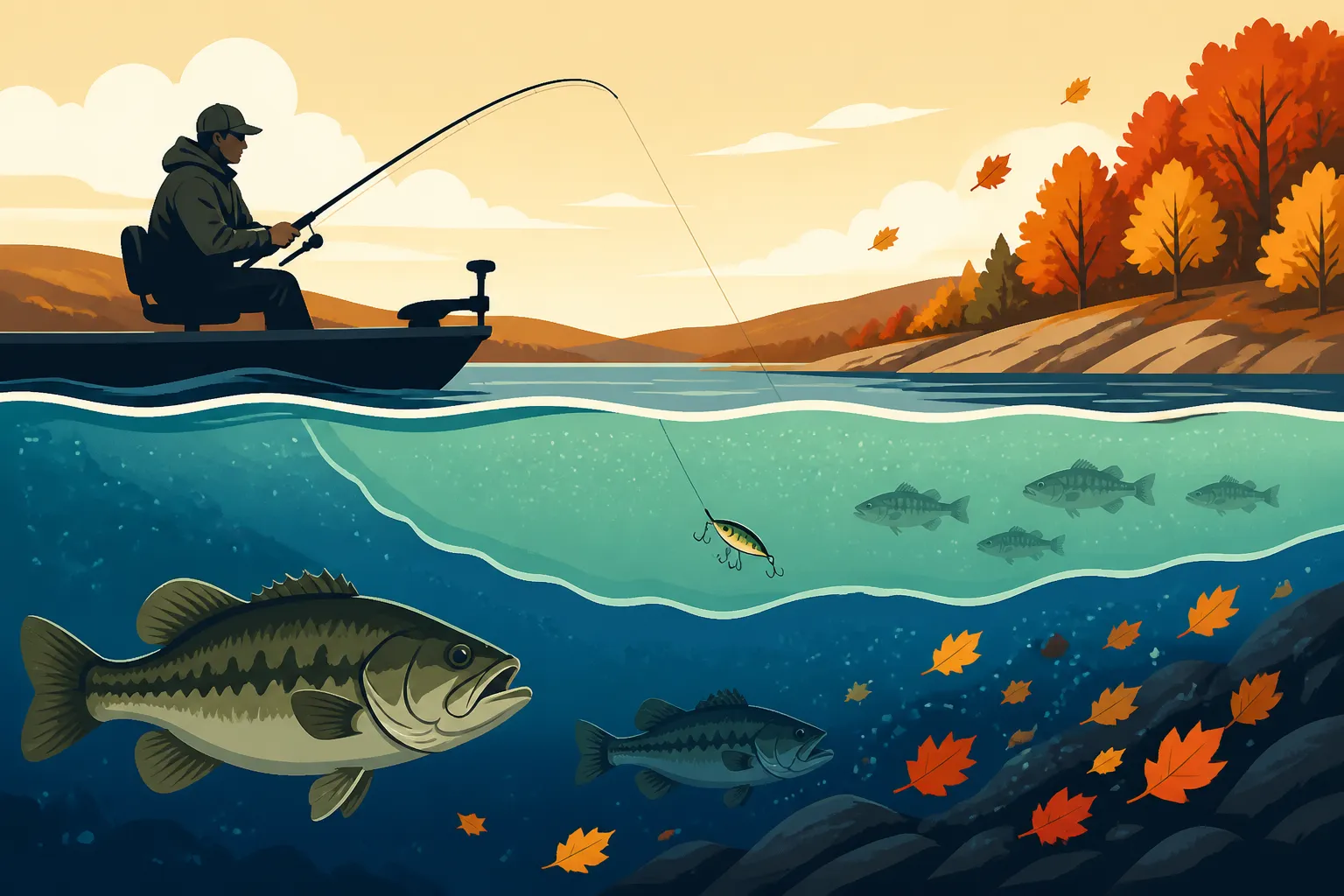
Imagine a lake in summer. The sun bakes the surface, creating a warm layer of water on top, called the epilimnion. Beneath it, there's a cooler, denser layer called the hypolimnion, separated by a distinct boundary known as the thermocline. This thermocline acts like an invisible barrier, with fish often congregating around its edges where there's a comfortable temperature and sufficient oxygen. Below the thermocline, especially in deeper reservoirs, oxygen levels can get really low, making that water uninhabitable for most game fish. This stratification defines where fish can comfortably live and feed for months.
When fall arrives, the air temperature drops, and the surface water of the lake starts to cool down. As it cools, it becomes denser. Eventually, this cooler, denser surface water sinks, displacing the warmer water below it. Strong autumn winds play a huge role here, helping to churn and mix the entire water column. This mixing continues until the lake reaches a uniform temperature from top to bottom, typically around 39 degrees Fahrenheit (4 degrees Celsius), which is the temperature at which water is densest. This whole process is what we call "fall turnover." For a deeper dive, check out our article on What Fall Turnover Means for Fishing.
The Impact on Fish Behavior and Location
So, what does all this mixing mean for our finned friends? For starters, it can be a jarring experience. Fish are creatures of habit and prefer stable environments. During turnover, their comfortable thermocline disappears, and the entire water column suddenly becomes a chaotic mix of temperatures and oxygen levels. Fish that were previously concentrated at specific depths along the thermocline can become disoriented and scatter throughout the lake.
One of the biggest impacts is the redistribution of oxygen. The deoxygenated water from the bottom, which was previously an anaerobic dead zone, gets brought up and mixed with the rest of the lake. While this eventually recharges the oxygen levels throughout the entire water column, making all depths habitable again, the initial mixing can cause temporary discomfort or even stress for fish. They might move around erratically, suspend in unusual depths, or simply stop feeding aggressively as they adjust to the upheaval. This is why your tried-and-true summer spots can suddenly seem barren, leaving you scratching your head.
Identifying Turnover Conditions in Nebraska Reservoirs
Knowing when turnover is happening is half the battle. While you can't see the water mixing deep below the surface, there are several tell-tale signs to look for on your favorite Nebraska fishing spots like Branched Oak Lake or Lake McConaughy.
Visual and Sensory Cues of Turnover
The most obvious visual cue of fall turnover is often a change in water clarity and color. As the bottom water stirs up, you might notice the lake becoming murkier, with a brownish or greenish tint. This is due to suspended sediments, decaying organic matter, and even algae from the bottom layers being brought to the surface. It can make the water look "dirty" or "tea-stained." Sometimes, you might even see foam or debris floating on the surface in unusual amounts, which are remnants of this stirred-up organic material.
Beyond sight, there's often a distinct smell. As anaerobic conditions from the bottom are brought to the surface, you might detect a sulfurous, rotten-egg smell (hydrogen sulfide). It's not the most pleasant aroma, but it's a strong indicator that the lake is actively turning over. If you're on the water and the air feels chilly, combined with any of these visual or olfactory cues, there's a good chance turnover is underway.
Monitoring Water Temperature for Clues
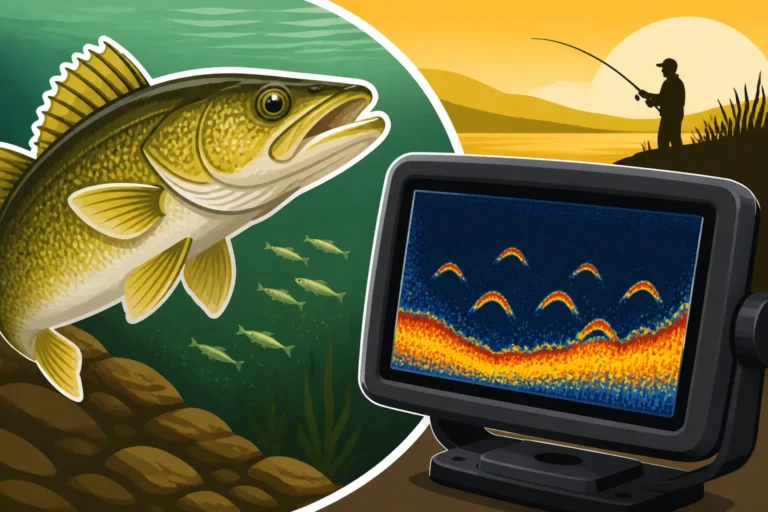
Your fish finder or even a simple temperature gauge can be an invaluable tool for pinpointing turnover. Before turnover, you'd see distinct temperature layers on your fish finder, often displayed as different colors or distinct lines, indicating the thermocline. During active turnover, those distinct layers start to blur and disappear. The goal of turnover is for the entire water column to reach a uniform temperature.
Keep an eye on the surface water temperature. As fall progresses, pay attention when the surface temps start consistently dropping below the low 60s and into the 50s. Once the entire water column equalizes, usually somewhere in the low 40s or high 30s, turnover is complete. Before it gets too cold, consider trying some Best Nebraska Fishing Techniques by Season. A common pattern in Nebraska is for the colder air temperatures to eventually cool the surface water enough to initiate the mixing. This process might take a few days or even a couple of weeks, depending on the size and depth of the reservoir, and how quickly the air temperatures plummet.
Adjusting Your Fishing Strategy During Turnover
Fishing during active turnover can be tough, no two ways about it. The fish are scattered, stressed, and often less willing to bite aggressively. But that doesn't mean you have to pack up your rods. It just means you need to adapt your approach.
Covering Water and Seeking Active Fish
When fish are scattered and disoriented, simply sitting on your usual "hot spot" is often a recipe for disappointment. Instead, you need to cover a lot of water. Think about techniques that allow you to move and search, rather than waiting for fish to come to you. Trolling with crankbabaits or spinnerbaits can be effective, allowing you to present lures at various depths and speeds until you hit a sweet spot. Casting and retrieving lipless crankbaits, swimbaits, or even spinnerbaits over broad areas can also help you locate those elusive active fish.
Another strategy is to focus on areas less affected by the full-blown mixing. Look for shallower flats, coves, or points that might warm up slightly faster during sunny periods, or where the water is naturally less deep and thus less prone to severe stratification and mixing. Tributary mouths, where fresh, often more stable water is flowing in, can also be productive. These areas might offer a more stable environment or attract baitfish, which in turn draws in game fish.
Bait and Lure Selection During Transition
During turnover, fish often become less aggressive, meaning subtle presentations can be more effective. While covering water with reaction baits is good for finding them, once you locate fish, slowing down might be key.
Consider these options:
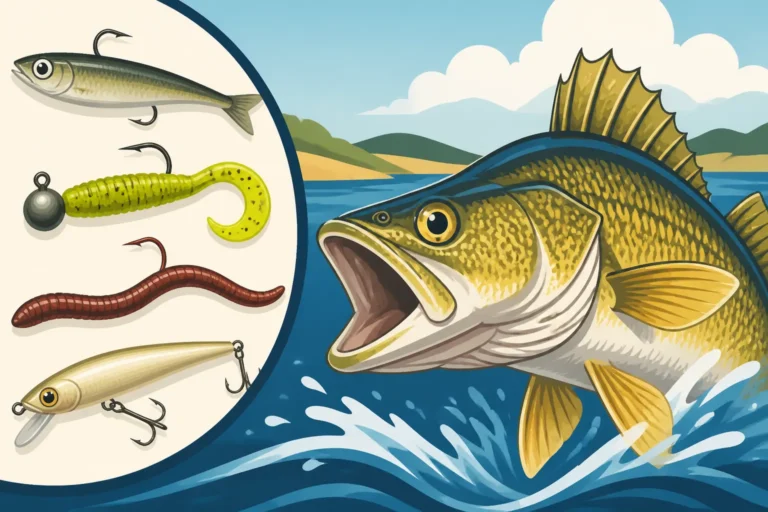
- Soft Plastics: Jigs tipped with plastic grubs, worms, or creature baits can be worked slowly along the bottom or jigged vertically for suspended fish. The subtle action can tempt hesitant biters. You can find a huge variety of soft plastics on Amazon that ship quickly, giving you plenty of options for different conditions.
- Live Bait: Minnows, nightcrawlers, or leeches can be incredibly effective, especially when fish are lethargic. Fished under a slip bobber or on a bottom rig, live bait offers a natural presentation that's hard for fish to resist. For more species-specific advice, check out our guide on Best Bait for Nebraska Walleye.
- Blade Baits: These vibrating lures can be excellent for both vertical jigging and casting/retrieving, providing a lot of flash and vibration to call in fish even when visibility is reduced.
The key is to experiment with different baits, colors, and retrieve speeds. What works one day might not work the next during this transitional period.
| Turnover Phase | Water Characteristics | Fish Behavior | Recommended Strategy |
|---|---|---|---|
| Pre-Turnover | Stratified, clear upper water | Concentrated at thermocline | Target thermocline with precision |
| Active Turnover | Murky, smelly, uniform temp | Scattered, disoriented, less active | Cover water, focus on stable areas, subtle baits |
| Post-Turnover | Clearer, uniform temp, oxygenated | Re-grouping, active, spread throughout water column | Aggressive presentations, target baitfish, all depths |
Post-Turnover Success: Capitalizing on the "Reset"
While the active turnover phase can be a challenge, the period immediately following it is often one of the best times to fish in Nebraska reservoirs. Once the lake has fully mixed and settled, it's like a complete reset, and the fishing can be fantastic.
The Clear Water and Oxygen Advantage
After turnover is complete, the entire water column has uniform temperature and, crucially, uniform oxygen levels. This means fish are no longer confined to specific thermal or oxygen bands. They can now comfortably occupy any depth in the lake, from the shallowest coves to the deepest basins. The water also tends to clear up significantly as suspended particles settle. This combination of clear, oxygenated water throughout the lake often reinvigorates fish.
They'll begin to spread out, following baitfish that are also enjoying the newfound access to different depths. This post-turnover period, especially as winter approaches, sees many species entering a "fall feed" to pack on weight before the cold months. This means more aggressive bites and a wider range of productive depths. This is a great time to implement strategies from our Nebraska Fishing Seasons Explained article.
Locating Fish After Turnover
With fish able to go anywhere, how do you find them? The key is often to focus on structures and baitfish.
- Relate to Forage: Without the thermocline to hold them, game fish will now follow their food sources wherever they go. Use your fish finder to locate schools of baitfish, and you can bet game fish like walleye, bass, and crappie won't be far behind. Sometimes, these bait balls will be suspended over deep water, other times they'll be tight to structure.
- Structural Elements: Points, humps, ledges, creek channels, and standing timber become prime targets. Fish will relate to these structures for ambush points, shelter, and proximity to food. Look for irregularities on your sonar or physical features on the shoreline that extend into the water. Our guide on How to Read a Fish Finder for Walleye can be especially helpful during this period.
- Vertical Presentation: Since fish can be at any depth, vertical jigging can be incredibly effective. Drop jigs, blade baits, or even spoons directly below the boat over submerged structure or baitfish schools. This allows you to quickly work different depths and present a tempting meal to fish that might be suspended.
While the exact depth will vary from day to day and lake to lake, having the ability to check multiple depths and find where the bait and predators are holding is crucial. Consider investing in a quality fish finder, many of which are available through Amazon, to help pinpoint these key areas.
Effective Techniques for Post-Turnover Fishing
Once the lake has settled, many fish species will actively feed. This is the time to bring back some of those more aggressive presentations that might have been ignored during the active turnover.
- Crankbaits and Trolling: Medium to deep-diving crankbaits can be trolled over structure or suspended baitfish schools, covering vast amounts of water and appealing to active predators. Vary your speeds and try different color patterns.
- Jigging Spoons and Blade Baits: These are fantastic for vertical presentations, especially when fish are tightly schooled on structure. The flash and vibration can trigger reaction strikes from fish that might not chase a horizontal retrieve.
- Swimbaits and A-Rigs: For species like bass, larger swimbaits or umbrella rigs (where legal) can mimic schools of baitfish and draw aggressive strikes from larger fish. For specific bass tips, check out Best Lures for Nebraska Bass.
- Pitching Jigs: For crappie and panfish, pitching small jigs to brush piles, dock pilings, or submerged trees can be very productive. They'll often school up tightly around these features. This is also a great time to explore areas for Nebraska Crappie Bag Limits as they tend to become more predictable.
Remember, flexibility is your best friend when fishing during and after fall turnover. Don't be afraid to try new spots, different depths, and varied presentations. The rewards for figuring out the puzzle can be some of the best fishing of the year in Nebraska!
Disclaimer
This article is for general informational purposes only and does not constitute professional advice. Laws, prices and regulations vary by location and change over time. Consult a qualified professional for guidance on your specific situation.