Best Topwater Lures for Early Morning Bass
There's nothing quite like the rush of a bass exploding on a topwater lure, especially when the day is just breaking. For many of us who love to chase largemouth and smallmouth bass across Nebraska's diverse waters, the early morning bite can be incredibly frustrating if you're not using the right approach. It's easy to feel like you're missing out on that "magic hour," casting aimlessly while the fish are actively feeding just beneath the surface. This guide is here to help you unlock the secrets of early morning topwater fishing, ensuring you're rigged up and ready to capitalize on those prime low-light conditions to land more bass.
Why Early Morning is Prime Time for Topwater Bass Fishing in Nebraska
That golden hour, right as the sun is peeking over the horizon, isn't just beautiful – it's often the absolute best time to connect with aggressive bass on topwater lures. There are some very real, biological reasons why bass get so much more active and willing to strike on the surface during these cool, quiet moments in Nebraska's lakes, ponds, and rivers.
The Magic Hour: Low Light and Active Bass
Bass are ambush predators, and they thrive in conditions that give them an advantage over their prey. Low light is their friend. Think about it: when the sun is low or hasn't fully risen, the bass can hide in the shadows and structure, becoming almost invisible to baitfish, frogs, or even unlucky rodents that might be swimming nearby. Their eyes are perfectly adapted for these conditions, giving them superior vision compared to many of their prey items when the light is dim. This means they're more confident, more aggressive, and less wary of what might be lurking above.
In Nebraska, whether you're on a sprawling reservoir like Branched Oak Lake or a smaller farm pond, that brief window of low light gives bass a tactical advantage. They'll push up into shallower water, often near cover, knowing they can dart out and ambush a meal without being easily detected. As the sun climbs higher and brightens the water, many bass will retreat to deeper, darker haunts, making topwater presentations much less effective. So, don't sleep in – that early alarm is your ticket to explosive strikes.
Water Temperature and Oxygen Levels
Beyond the light conditions, the water itself plays a huge role in early morning bass activity. During the summer months, especially, water temperatures can climb significantly during the day in many Nebraska fishing spots. Bass, like most fish, are cold-blooded, and their metabolism is directly tied to water temperature. When the water cools down overnight, particularly in the upper layers, bass become more comfortable and energetic. This renewed vigor often pushes them into feeding mode.
Additionally, oxygen levels can be higher in the cooler, well-circulated shallow water during the morning. As the day progresses and the sun beats down, surface water warms, and oxygen levels can decrease, especially in stagnant areas. Active feeding requires a good supply of oxygen, so bass naturally seek out these more favorable conditions. This combination of comfortable temperatures and ample oxygen makes them much more inclined to chase down a noisy, splashing meal on the surface. Understanding these factors will help you choose not only the right lure but also the right spots to target.
Essential Characteristics of Effective Early Morning Topwater Lures
Choosing the right topwater lure isn't just about what looks good to us; it's about what appeals to a bass's senses in those specific early morning conditions. We're talking about more than just a piece of plastic – we're looking for something that creates the perfect illusion and draws attention.
Profile and Action
In low light, bass aren't necessarily keying in on intricate details of a lure's color or pattern from a distance. What they are seeing is a silhouette against the lighter sky or surface, and they're feeling the vibrations and pressure waves the lure creates. A good topwater lure will have a distinct profile that mimics natural prey like a wounded baitfish, frog, or even a struggling mouse.
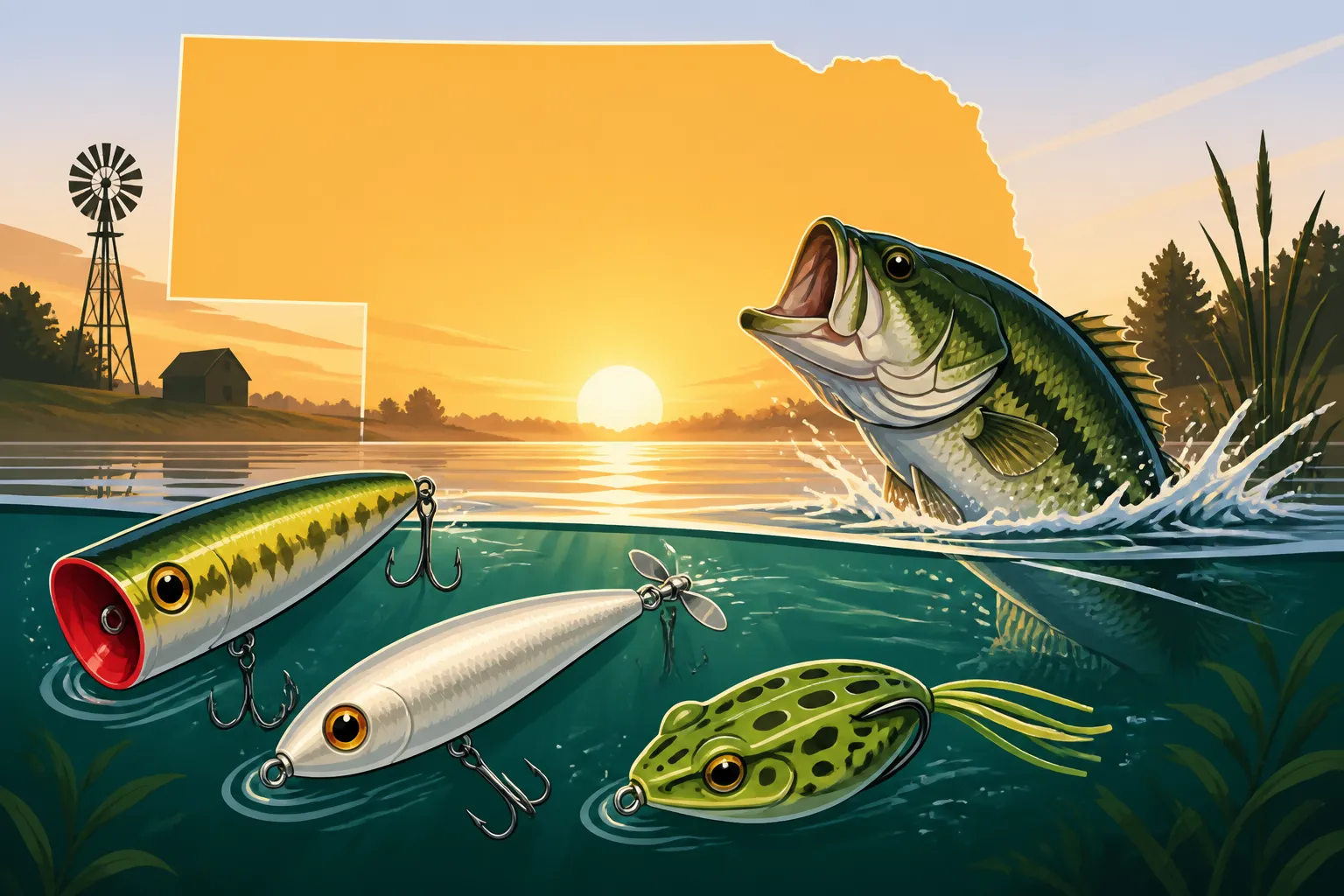
The action is paramount. Does it walk, pop, splash, or buzz? Each action simulates a different type of prey in distress or moving naturally on the surface, and bass respond to these cues. A "walking" bait, like a Zara Spook, glides side-to-side, mimicking a dying shad. A "popper" creates a loud "bloop" or "chug" sound, displacing water like a frog jumping or a baitfish struggling. Buzzbaits create a frantic, gurgling commotion that screams "fleeing prey!" Understanding these actions and when to deploy them can make all the difference between a follow and an explosive strike.
Color and Sound
While profile and action dominate in low light, color still plays a role, especially as the sun begins to climb. For the absolute earliest moments, dark colors often create the best silhouette against the sky, making the lure stand out. Think black, dark blue, or even a dark frog pattern. As light improves slightly, natural shad patterns, bone white, or even brighter frog colors can become effective.
Sound is arguably more important than color in low-light, early morning situations. Bass rely heavily on their lateral line system to detect vibrations in the water, and a noisy topwater lure sends out powerful signals that can draw fish from a distance. Rattles inside a walking bait, the distinct "pop" of a popper, or the constant squeal and splash of a buzzbait all serve to alert bass to an easy meal. Many anglers underestimate the power of sound in triggering a reaction strike, but it's often the key differentiator when fishing in Nebraska's often stained or turbid waters.
Top Topwater Lures for Early Morning Bass in Nebraska
When the air is still cool and the fog might be lifting off the water, these are the lures that consistently get the job done for early morning bass across Nebraska. Each has its own unique presentation and excels in different scenarios, so having a selection is always a good idea.
Walking Baits
Walking baits are the quintessential "walk-the-dog" lures, designed to glide from side to side with a rhythmic twitch of the rod tip. Lures like the Heddon Zara Spook or the Super Spook Jr. are legendary for a reason. Their natural, injured-baitfish presentation is incredibly enticing to bass, especially those cruising open water or along the edges of weed lines and points. The key is to find a consistent rhythm, letting the lure pause just long enough to draw attention before continuing its dance.
I've had countless strikes on walking baits around the main lake points and humps at places like Lake McConaughy Walleye Fishing (yes, bass too!) or the more open water stretches of Wagon Train Lake Bass Fishing. These lures really shine when bass are scattered or when you need to cover a lot of water to find active fish. You can find a huge selection of these at reputable outdoor retailers like Bass Pro Shops, or easily order them from Amazon for convenience.
Poppers
Poppers are designed to make noise and displace water, mimicking a struggling baitfish, a frog jumping into the water, or any other creature making a commotion on the surface. Iconic examples include the Rebel Pop-R and the Arbogast Hula Popper. The cupped face of these lures catches water, creating a "bloop" or "chug" sound when retrieved with a sharp twitch of the rod.
These are fantastic for targeting specific pieces of cover: pitching them right up against a dock, into a pocket in lily pads, or alongside a fallen tree. The "pop…pause…pop…pause" retrieve is classic, but don't be afraid to experiment with faster, more aggressive popping, or longer, more subtle pauses. Sometimes, a long, drawn-out pause after a few pops is what it takes to convince a wary bass to commit. I've seen them work wonders on small, brush-lined ponds in eastern Nebraska, drawing bass out from dense cover that other lures can't reach.
Buzzbaits
If you want to cover water quickly and aggressively, a buzzbait is your friend. These lures feature a propeller blade that churns water and creates a loud, gurgling, squealing commotion as you reel them in. Brands like Booyah and Strike King make excellent buzzbaits that consistently call bass up from below. The key to a buzzbait is keeping it on the surface from the moment it hits the water until you retrieve it fully.
Buzzbaits are excellent for fishing over submerged grass beds, across shallow flats, or along shorelines with emergent vegetation. The constant, aggressive noise and surface disturbance make them a fantastic search bait for active bass, especially if you're unsure where the fish are holding. I often grab a buzzbait when I'm exploring a new spot like the many sandpits around Fremont, using the commotion to draw strikes from fish eager to defend their territory.
Prop Baits
Prop baits offer a unique blend of noise and profile, often featuring one or two propellers that spin and splash as the lure is retrieved. The Whopper Plopper, for instance, has gained immense popularity for its soft, pliable tail that rotates and creates a distinctive "plopping" sound, drawing incredible reaction strikes. Other prop baits, like some variations of the Rapala X-Rap Pop, combine the popping action with a subtle prop for added disturbance.
These lures are incredibly versatile and can be fished with a steady retrieve, mimicking a panicked baitfish, or with a stop-and-go action that makes them irresistible. They excel in a variety of conditions, from open water to sparse cover, and are particularly effective when bass are being finicky about more traditional topwater presentations. They're a fantastic choice for waters like Merritt Reservoir Muskellunge Fishing where you might encounter not just bass but other aggressive predators looking for a big meal.
| Lure Type | Action Description | Ideal Conditions | Retrieve Style |
|---|---|---|---|
| Walking Bait | Side-to-side "walk-the-dog" glide, subtle splash | Open water, sparse cover, clear water | Twitch-pause, rhythmic, consistent |
| Popper | Loud "bloop" or "chug," significant water displacement | Around heavy cover, docks, lily pads | Pop-pause, varied cadence, often slow and deliberate |
| Buzzbait | Constant surface commotion, gurgling, squealing | Shallow flats, over grass, covering water | Steady, fast retrieve, keep on surface |
| Prop Bait | Splashing, rotating props, unique "plopping" sound | Versatile, open water to sparse cover | Steady retrieve, stop-and-go, twitch-and-pause |
Mastering the Retrieve: Techniques for Success
Having the right lure is only half the battle; knowing how to work it effectively is where the real magic happens. Bass can be incredibly fickle, and what works one morning might not work the next. This is where experimentation and paying close attention to their behavior come into play.
Varying Your Cadence
One of the biggest mistakes anglers make with topwater lures is sticking to a single retrieve speed or cadence. Bass aren't machines, and their mood changes with factors like water temperature, light conditions, and even barometric pressure. Some mornings, they might want a fast, frantic retrieve that triggers a reaction strike. Other times, a slow, deliberate "pop-pop…PAUSE…pop" might be the only thing that convinces them to bite.
My best advice? Start with a proven cadence, but always be willing to adapt. If you're not getting bites, try speeding it up, slowing it down, or increasing/decreasing the length of your pauses. Some days, a single twitch followed by a long, agonizing pause is deadly. Other days, a rapid-fire series of pops or a constant, buzzing retrieve is the ticket. Don't be afraid to break the "rules" and see what the bass tell you they prefer. Sometimes, I'll even add a twitch or two during a pause, just to give the lure a subtle wiggle that can be enough to seal the deal. This constant adjustment is why fishing is an art, not just a science.
Target Presentation and Accuracy
Casting accuracy is absolutely crucial when fishing topwater, especially in early morning when bass are often relating to specific pieces of cover. You want to land your lure as close to the target as possible without spooking the fish. If you're fishing a laydown log or a clump of lily pads, try to cast slightly past your target and then retrieve the lure into the strike zone. This minimizes the splash directly over the fish and makes for a more natural approach.
Think about how a frog or a mouse might enter the water – often from the bank or a log. Your lure should mimic that. Stealth is your friend. Avoid loud boat noises, heavy footsteps on the bank, or casting your shadow over the water. Bass have an acute sense of their surroundings, and any unnatural disturbance can send them diving for cover. Remember, the goal is to make the lure look like an easy, unsuspecting meal. Learning to skip a popper under a dock or precisely place a walking bait alongside a weed edge will dramatically increase your hook-up ratio. Good casting is a skill that takes practice, but it pays off handsomely when the bass are on the surface.
Where to Find Early Morning Topwater Bass in Nebraska
Nebraska offers a fantastic variety of waters for bass fishing, from large reservoirs to small urban ponds and winding rivers. Knowing where to throw your topwater lures in the early morning can be just as important as what you're throwing. Bass are creatures of habit, and they'll often be found in predictable locations during these prime low-light hours.
Shallow Bays and Coves
These are classic early morning hotspots, especially in larger reservoirs. Shallow bays and coves often warm up faster in the morning sun (once it rises a bit), and they provide abundant food and shelter. Bass will cruise these areas, ambushing baitfish, frogs, or anything else that ventures too close to the surface. Look for areas with a mix of cover: docks, submerged brush, rocky points, or even shallow weed beds.
Places like the numerous coves at Lewis and Clark Lake Walleye Fishing (again, bass too!) or the protected arms of Harlan County Reservoir Fishing can be phenomenal. The calmer water in these areas makes it easier for bass to track surface baits, and the low light gives them the confidence to come up and feed. Concentrate your efforts around any visible structure and work your way out into the open water of the cove.
Riprap and Rock Piles
Riprap, which is rock lining along dams, bridges, or causeways, is an absolute magnet for bass, especially in the mornings. These rocks absorb and retain heat, and they create a perfect habitat for crayfish and baitfish, which are staple foods for bass. The rocks also provide countless ambush points for bass to hide and launch an attack. Similarly, natural rock piles or rocky points extending into the water will hold active fish.
I've had incredible success throwing walking baits or buzzbaits parallel to riprap sections in reservoirs like Branched Oak Lake. The key is to keep your lure close to the rocks, as bass will often be positioned right against them, waiting for a meal to swim by. This can be a particularly productive strategy in rivers too, where current breaks around rocky banks provide ideal ambush spots. For more specific location insights, check out guides like Best Fishing Spots Near Omaha or Best Fishing Spots Near Lincoln which often feature bodies of water with great riprap access.
Submerged Vegetation and Lily Pads
You simply can't talk about topwater bass fishing without mentioning vegetation. Weed lines, hydrilla beds, and fields of lily pads are prime real estate for early morning bass. They provide perfect camouflage, plenty of shade, and host a buffet of prey items. Bass will lurk in the lanes and openings within this vegetation, or right on the outside edge, waiting for an opportunity.
Poppers and prop baits are incredibly effective here. You can throw them right onto the pads or into small pockets, letting them sit for a moment before giving them a twitch or two. The goal is to make them look like a frog or a bug that has just landed and is now struggling. Buzzbaits can also be deadly when retrieved quickly over the top of matted vegetation, calling bass up from below. Places like Wagon Train Lake Bass Fishing are known for their healthy vegetation, offering plenty of prime topwater opportunities. Remember to use a slightly heavier rod and line when fishing around thick cover, just in case you hook into a really big one that wants to bury itself in the weeds. A good Best Rod and Reel Combo for Beginners in Nebraska will get you started, but a dedicated bass setup with a baitcaster, like discussed in Best Baitcasting Reels for Bass Fishing, will offer more power and control for these situations.
Disclaimer
This article is for general informational purposes only and does not constitute professional advice. Laws, prices and regulations vary by location and change over time. Consult a qualified professional for guidance on your specific situation.