Best Nebraska Fishing Techniques by Season
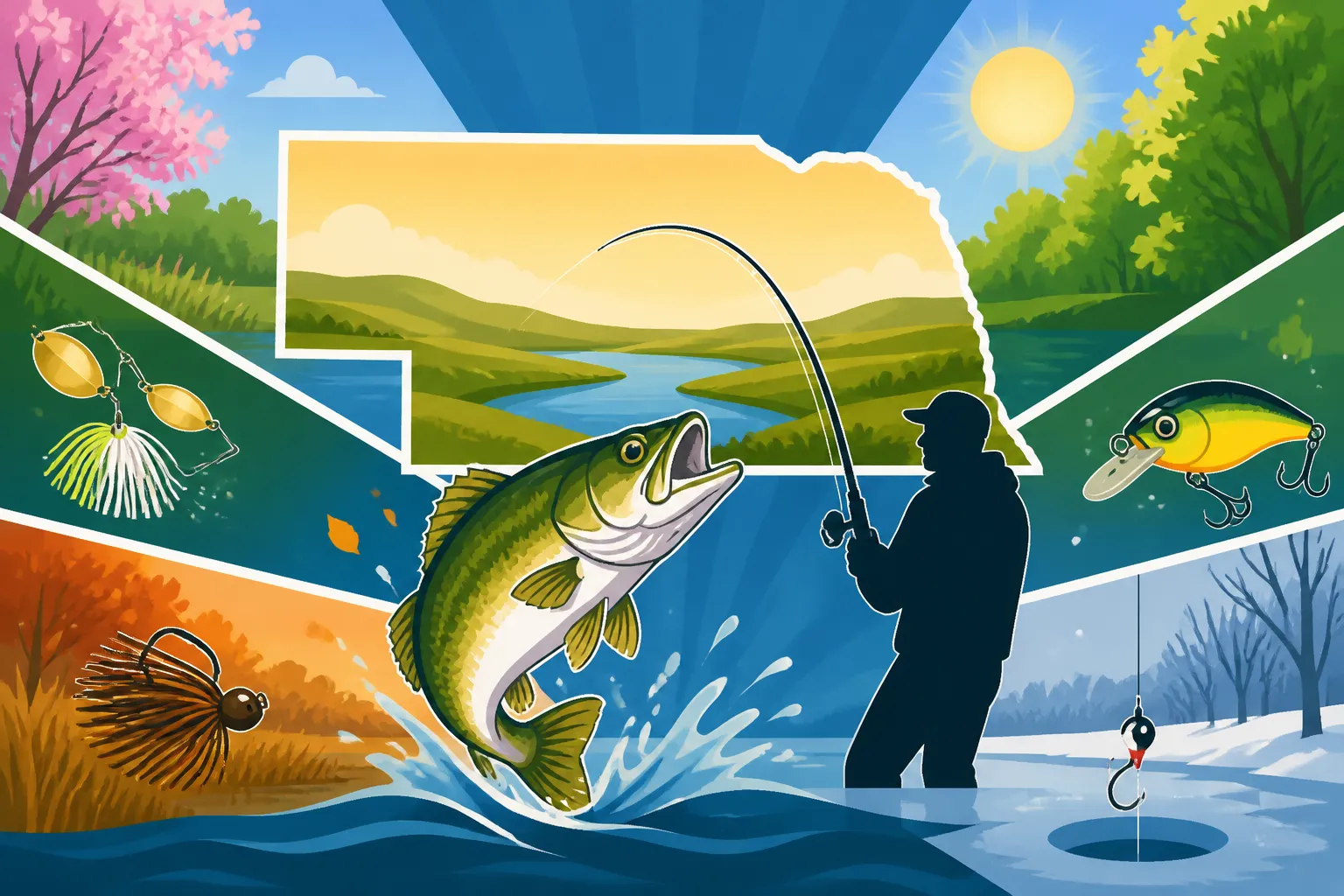
It can be incredibly frustrating to head out to your favorite Nebraska fishing spot, only to find the fish aren't biting like they did last month. The truth is, fish behavior changes dramatically with the seasons, influenced by everything from water temperature to spawning cycles. This comprehensive guide will walk you through the best Nebraska fishing techniques by season, helping you understand these shifts and adapt your approach for consistent success on the water, no matter what time of year it is.
Understanding Nebraska's Seasonal Shifts and Fish Behavior
Nebraska's diverse aquatic environments, from vast reservoirs like Lake McConaughy to winding rivers like the Platte, experience significant seasonal changes. These shifts aren't just about the air temperature; they profoundly impact water conditions, which in turn dictate where fish are, what they're eating, and how actively they're feeding. Ignoring these natural rhythms is like trying to catch a train that's already left the station – you'll likely miss out. Knowing how different species react to these changes is your first step to becoming a more effective angler.
The Impact of Water Temperature on Fish Metabolism
Water temperature is arguably the most critical factor influencing fish activity. Fish are cold-blooded, meaning their body temperature, metabolism, and activity levels are directly tied to the temperature of the water around them. In colder water, their metabolism slows down considerably. This means they digest food slower, need less energy, and become far less active. They'll move less, eat less frequently, and often prefer a slower, more deliberate presentation of bait. Conversely, as water temperatures rise, their metabolism speeds up, making them more active and increasing their feeding drive. They'll chase faster-moving lures and can be found in a wider range of habitats.
Understanding these metabolic changes is key to matching your technique to the conditions. For instance, in frigid winter waters, a slowly jigged spoon or a small, motionless live minnow might be irresistible, while a fast-moving crankbait would be completely ignored. In the heat of summer, however, that same crankbait might be precisely what triggers a reaction strike from an active bass or walleye. Nebraska's distinct seasons mean you'll be constantly adjusting to these thermal influences.
How Photoperiod and Weather Influence Feeding Habits
Beyond temperature, the length of daylight (photoperiod) and daily weather patterns play a significant role in fish behavior. As the days lengthen in spring, it signals to many species that it's time to spawn, triggering instinctual movements and feeding binges. Similarly, shortening days in fall often prompt a "fattening up" period before winter, leading to aggressive feeding. Sunlight penetration also affects where fish hold, with bright, sunny days often pushing them deeper or into shaded cover, while overcast days can bring them shallower and make them more comfortable feeding in open water.
Sudden weather changes, such as cold fronts or dramatic barometric pressure drops, can shut down a bite instantly. Fish become lethargic and less inclined to feed, often retreating to deeper, more stable water. Conversely, stable weather patterns, especially warm, cloudy days, can lead to extended periods of active feeding. Pay close attention to the forecast, not just for your comfort, but for predicting how the fish might react. A smart angler checks the barometer as often as they check their tackle box, understanding that these subtle environmental cues can make or break a day on the water.
Key Species Movement Patterns Throughout the Year
Different fish species have distinct annual migration and movement patterns, largely driven by spawning, feeding, and seeking optimal temperatures. Walleye, for example, are known for their spring spawning runs up rivers or onto shallow, rocky lake points, while white bass often congregate in huge schools during their spring migrations up tributaries. Channel catfish will move from deep wintering holes to shallower, warmer waters in spring and summer, often patrolling river bends or lake flats for food.
Understanding these species-specific patterns helps you predict where to find fish at different times. For instance, knowing that trout in Nebraska's cold water streams become more active as water temperatures stabilize in spring and fall, or that crappie will stage near submerged brush piles before and after spawning, guides your location scouting. This knowledge is especially valuable when exploring a new body of water or trying to pinpoint a specific species. It's not enough to just know the techniques; you need to know where to deploy them, and that comes from observing and understanding these annual movements.
Spring Fishing: The Awakening Waters
Spring in Nebraska is a period of transition and immense excitement for anglers. As the ice recedes and water temperatures slowly climb, the aquatic world awakens, triggering critical feeding and spawning behaviors in many species. This season offers some of the year's most memorable fishing, but success hinges on understanding the subtle shifts from early, cold waters to warmer, more active conditions.
Early Spring: Targeting Prespawn Opportunities
When the ice has just melted, or the earliest signs of spring appear, the water is still quite cold, often in the 30s and 40s. This period, known as prespawn, is when many fish begin to stage for their reproductive cycles. Their metabolism is still relatively slow, but a growing urge to feed before the energy-intensive spawn makes them vulnerable to the right presentation. This is prime time for species like walleye, crappie, and even some early bass.
Walleye in the Shallows
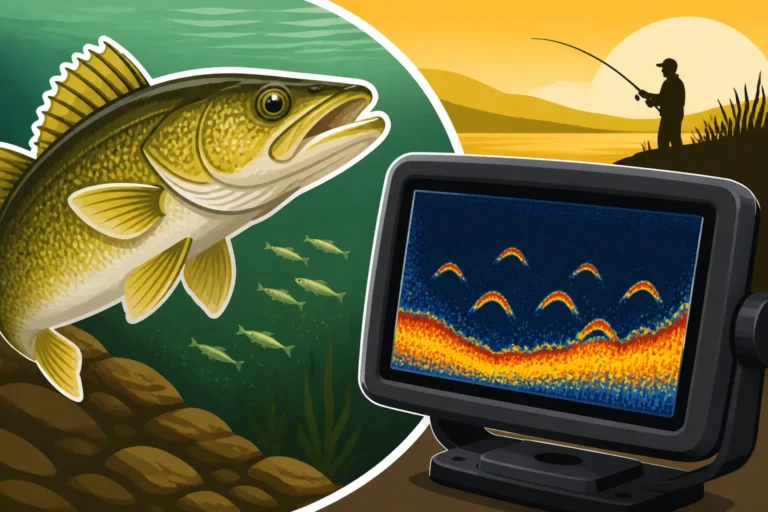
Early spring walleye fishing can be phenomenal, especially in the northern bays and protected coves of larger reservoirs like Lake McConaughy or Merritt Reservoir. These areas warm up faster due to their shallower depth and less exposure to wind. Walleye will move into these areas, often near incoming creeks or points, to stage before spawning. Your best bet here is a slow, deliberate approach. Think jigs tipped with live minnows or soft plastics, slowly retrieved along the bottom. Jerkbaits, particularly those with a suspending action, can also be deadly when twitched erratically and then paused for several seconds – that pause often triggers a strike from a hesitant walleye. Another excellent tactic is to troll very slowly with shallow-running crankbaits in these same areas. Remember, fish are often lethargic, so finesse and patience are key. For specific strategies, our guide on How to Fish for Walleye in Nebraska delves deeper into these tactics.
Crappie Staging in Brush
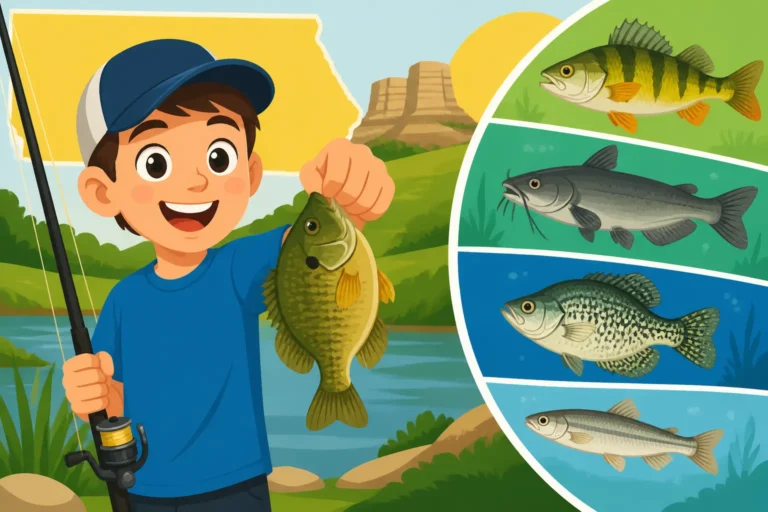
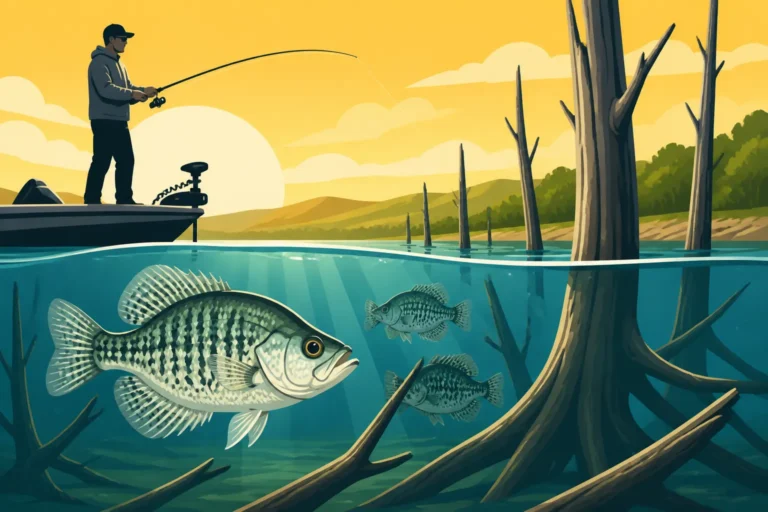
Crappie are another springtime favorite, and during the early prespawn, they'll often congregate in large schools near submerged brush piles, standing timber, or old weed beds in relatively shallow water (4-10 feet). They're waiting for the water to warm further before moving to their actual spawning beds. The trick here is to locate these brush piles using your electronics and then present small baits directly to them. Tiny jigs, often 1/16 to 1/32 ounce, tipped with a small plastic grub or a live minnow, fished under a slip bobber, are incredibly effective. The slip bobber allows you to set your depth precisely, keeping your bait right in the crappie's strike zone. A slow retrieve, or simply letting the bait hang motionless, is usually all it takes. This is often an excellent time for kids to experience consistent action, as crappie can be quite aggressive once found.
Mid to Late Spring: Postspawn and Active Feeding
As the water continues to warm, reaching into the 50s and 60s, many species complete their spawning rituals and move into a postspawn phase. While some might be a bit lethargic immediately after spawning, a strong instinct to replenish energy reserves quickly kicks in, leading to some of the year's most aggressive feeding. This period sees an explosion of activity, with white bass, channel catfish, and largemouth bass becoming very active.
White Bass Runs and River Action
Mid to late spring is famous for the white bass runs in Nebraska's rivers and tributaries. These energetic fish will surge upstream from larger reservoirs and rivers, migrating to spawn, creating incredible fishing opportunities. Look for them in the Platte River or smaller feeder creeks that flow into bigger lakes. They often stack up in riffles, eddies, and below small dams or rapids. The technique is typically fast and furious: casting small inline spinners, lipless crankbaits, or white curly-tail jigs into the current. The key is often to cover water and find the schools, then hold on tight! These fish fight hard and can provide non-stop action, making it a fantastic experience for anglers of all skill levels.
Catfish on the Move
Channel catfish also become much more active as spring progresses. After wintering in deep holes, they start to spread out, moving into shallower river bends, creek mouths, and main lake flats to feed. This is a great time to target them with traditional bottom-fishing setups. Cut bait, shrimp, or stink baits fished on a circle hook with a weight to hold it on the bottom are highly effective. You can cast these rigs from the bank or anchor your boat in strategic locations. Drifting baits along river channels or across large flats can also cover more water and help you locate concentrations of feeding catfish. Our comprehensive guide on How to Catch Catfish in Nebraska offers even more detailed advice for tackling these whiskered fighters.
Bass Warming Up
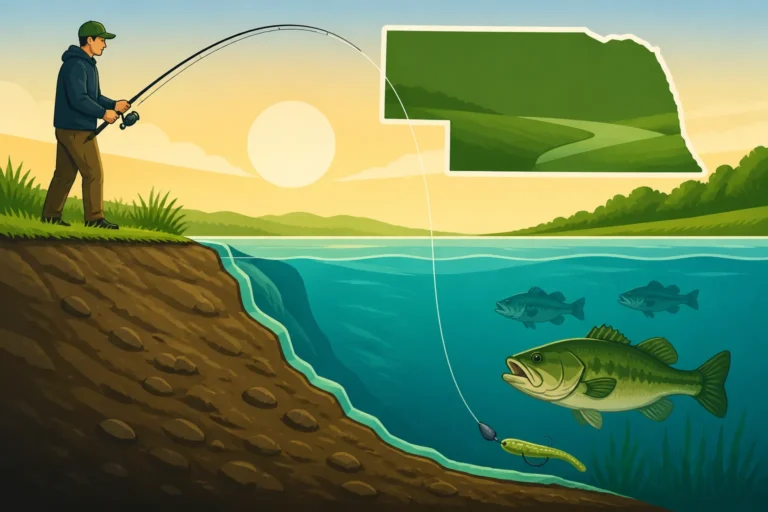
Largemouth bass, having finished or nearly finished their spawn by late spring, will begin to cruise shallower weed lines, submerged timber, and brush piles, aggressively feeding. This is when reaction baits shine. Spinnerbaits, chatterbaits, and medium-diving crankbaits can be highly effective when retrieved around cover. As the water warms further, topwater lures like poppers and walking baits can provide exhilarating strikes, especially during low-light conditions like dawn and dusk. Targeting brush-filled coves or shady pockets along main lake shorelines at lakes like Branched Oak Lake can yield some impressive largemouth.
Summer Fishing: Warm Waters and Deep Structure
Summer in Nebraska brings consistently warm water temperatures, which means highly active fish, but also requires a different approach as fish seek cooler, more oxygenated water. The scorching sun often pushes fish into deeper haunts or forces them to become nocturnal feeders. Adapting your techniques to these conditions is crucial for continued success.
Early Summer: Transitioning to Deeper Holds
As water temperatures climb into the 70s and 80s, many species start to transition from their spring staging and spawning areas to deeper, more comfortable summer homes. They're still feeding actively, but they'll often hold near structure that offers both cooler water and ambush points.
Deep Walleye Strategies
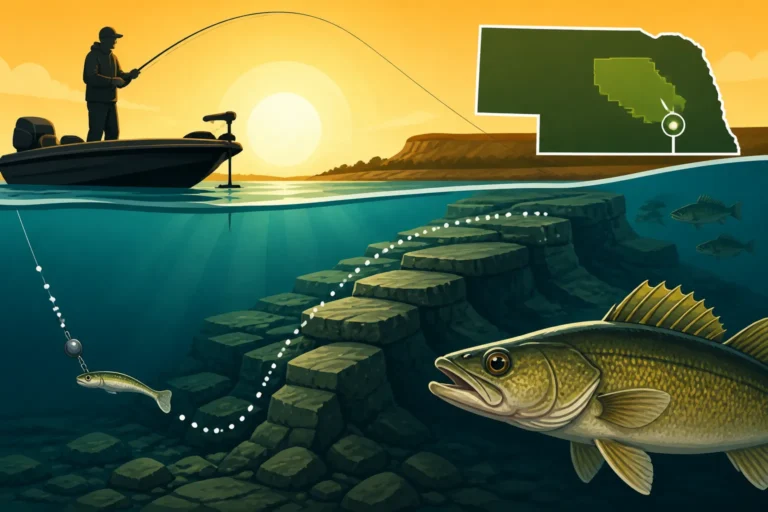
Walleye, notorious for their preference for cooler temperatures, will move to deeper main lake points, submerged humps, and ledges. This is when trolling becomes an incredibly effective technique, allowing you to cover vast amounts of water and present baits at precise depths. Deep-diving crankbaits that can reach 15-30 feet, or even deeper when paired with planer boards or downriggers, are go-to choices. Colors that mimic local baitfish, like shad or perch, often work best. Vertical jigging with spoons or heavy jigs can also be productive when you mark schools of fish on your electronics holding tight to structure. Many anglers will purchase a variety of these baits from online retailers like Amazon to ensure they have the right color and depth range for the conditions. Experimentation with presentation speed and lure type is often necessary to dial in the bite.
Bass on the Ledges and Humps
Largemouth and smallmouth bass in Nebraska's larger reservoirs will also follow baitfish to deeper structure during the summer. Look for them on offshore humps, rock piles, and ledges, especially those with access to deep water. Techniques like deep-diving crankbaits, Carolina rigs, Texas rigs, and drop-shotting become highly effective. These presentations allow you to work your bait slowly and methodically right in the strike zone of bass holding tight to structure. Focus on primary points and creek channel bends, which often act as highways for baitfish and predators alike. Early mornings and late evenings might still find them shallower, but during the heat of the day, those deeper haunts are usually the ticket.
Wipers and Striped Bass in Open Water
Wipers (hybrid striped bass) and pure striped bass, particularly in Lake McConaughy, thrive in warm summer waters and will often school up in open water, chasing baitfish. Look for them breaking the surface, especially early and late in the day, or use your fish finder to locate large schools in the water column. Trolling large crankbaits, casting heavy spoons, or throwing topwater lures into active schools can lead to explosive strikes. These fish are powerful fighters and provide an adrenaline-pumping experience. Understanding their schooling behavior is key, as they can move quickly.
Mid to Late Summer: Heat, Oxygen, and Night Bites
As summer peaks, water temperatures can become extremely warm, and oxygen levels can drop in shallower areas, especially during prolonged calm spells. This forces many fish even deeper or makes them primarily nocturnal feeders. This is when the night bite really kicks into gear for several species, and targeting specific, oxygen-rich zones becomes crucial.
Night Fishing for Catfish
Mid to late summer is prime time for night fishing, especially for channel and flathead catfish. The cooler night air brings down water temperatures slightly, and reduced boat traffic makes fish feel more secure feeding in shallower areas than they would during the day. Catfish have an excellent sense of smell and lateral lines, making them perfectly adapted for hunting in the dark. Head to your favorite river bends, deep holes, or the outflows below dams. Use strong rods and reels, and load up on fresh cut bait, chicken liver, or prepared stink baits. A simple bottom rig with a heavy sinker to hold your bait in place is usually all you need. Many anglers will set up multiple rods and wait for the distinctive thump-thump of a big catfish taking the bait. This is also a good time to review Nebraska Night Fishing Rules to ensure you're compliant.
Crappie in Deep Brush and Shade
Even crappie, typically associated with shallower spring waters, can be caught in summer. They'll often move to the deepest, densest brush piles, submerged timber, or even bridge pilings that offer shade and cooler water. Finding these deep-water havens with your electronics is essential. Then, vertically jigging small jigs or live minnows directly into the cover can be incredibly effective. Sometimes, they'll suspend off the bottom at a specific depth, so a sensitive rod and knowing exactly where your bait is in the water column are crucial. Consider fishing during low-light periods or on overcast days for better success.
Targeting Dam Outflows for Active Fish
Dam tailwaters, such as below Kingsley Dam at Lake Ogallala or below major reservoirs like Harlan County, often provide excellent summer fishing. The churning water from the dam releases is typically cooler and more oxygenated than the main lake or river, attracting a variety of baitfish and predatory species. Walleye, white bass, wipers, and catfish can all congregate in these areas. Vertical jigging spoons, heavy jigs, or casting crankbaits into the current can be very productive. Always be aware of safety around dam releases and understand that current conditions can change rapidly.
Fall Fishing: The Autumn Feeding Frenzy
Fall in Nebraska is a truly special time for fishing. As air and water temperatures begin to drop, fish sense the approaching winter and embark on a serious feeding spree to pack on calories. This "fall turnover" period can initially scatter fish, but once it stabilizes, many species become incredibly aggressive, offering some of the best angling opportunities of the year.
Early Fall: The Turnover and Reactivation
The transition from summer to fall often includes a phenomenon known as "fall turnover." As surface waters cool, they become denser and sink, mixing with the deeper, oxygen-depleted water. This process can temporarily disrupt fish patterns, spreading them out and making them harder to locate. However, once the lake "turns over" and oxygen levels equalize, fish reactivate with a vengeance.
Walleye on the Prowl
Once the initial turnover chaos subsides and water temperatures settle into the 50s and 60s, walleye become incredibly active. They'll often move from their deepest summer haunts to shallower flats, points, and weed lines that still hold baitfish. This is a fantastic time for casting crankbaits, working spinnerbaits, or slowly jigging swimbaits along contours. Trolling deep-diving crankbaits can also be very effective, especially if you're trying to locate schools of fish. Focus on areas where baitfish are congregating, as walleye will be right there with them, trying to bulk up. Many anglers consider this one of the best times to pursue a trophy walleye in Nebraska.
Bass Aggressively Feeding
Largemouth and smallmouth bass also enter a heavy feeding phase in early fall. They'll actively chase baitfish in shallow to mid-depth areas, often relating to the edges of dying weed beds, rocky points, and submerged timber. Crankbaits, spinnerbaits, jerkbaits, and even topwater lures (especially on warmer days) can trigger explosive strikes. The bass are eager to eat, and often less hesitant than they might be in summer's bright, hot conditions. Look for schools of shad or other baitfish in shallow bays; the bass won't be far behind.
Northern Pike in the Weeds
Northern pike, with their preference for cooler water, become particularly active in early fall. They'll often lurk in the remaining green weed beds, waiting to ambush unsuspecting prey. Large spoons, spinnerbaits, and crankbaits that mimic perch or other forage fish are excellent choices. Trolling these baits along weed edges or casting them into pockets within the weeds can yield thrilling strikes from these toothy predators. Focus your efforts in lakes known for pike, such as Box Butte Reservoir or Merritt Reservoir, paying close attention to any dying vegetation.
Late Fall: Preparing for Winter and Heavy Feeding
As late fall progresses, water temperatures continue to drop, often into the 40s. This is the final major feeding window for many fish before winter sets in. They're still focused on calorie intake, but their movements might become slower, and they'll often hold tighter to structure.
Walleye in Deep Basins and Rocky Areas
In late fall, walleye often move into deeper main lake basins, rocky points, and areas around dam structures. They're looking for stable temperatures and readily available forage. This is a prime time for heavy jigging spoons, blade baits, or large live bait presentations like shiners or large minnows, fished slowly and meticulously on bottom. Trolling large crankbaits, sometimes even at night, can also be effective as walleye remain active even in low light. The colder water means they might not chase a bait far, so getting your presentation right in front of them is crucial. Checking the Nebraska Walleye Minimum Length Limit is important, as some lakes have specific regulations.
Muskellunge Opportunities
Late fall is also a prime time to target elusive muskellunge, particularly in Merritt Reservoir. These "fish of a thousand casts" are on the hunt for big meals before winter. Anglers targeting muskies will use massive crankbaits, bucktails, or large jerkbaits, often trolling or casting these lures over deep structure, rocky points, and expansive flats. This is not for the faint of heart, but the reward of hooking into one of Nebraska's largest freshwater predators is unparalleled. Patience and persistence are key, along with heavy-duty gear to handle these powerful fish.
Trout in Coldwater Streams
For trout enthusiasts, late fall and early winter can offer excellent fishing in Nebraska's coldwater streams and tailwaters. The colder, clearer water often makes trout more visible and sometimes more concentrated. Fly fishing with small nymphs or streamers, or spin fishing with small inline spinners or jigs, can be highly effective. Focus on deep pools, undercut banks, and current seams where trout can hold and ambush prey. Areas like the streams below Merritt Reservoir can be fantastic. Remember to respect private land and follow all Nebraska Fishing Regulations Explained.
Winter Fishing: Ice and Open Water Opportunities
Winter in Nebraska brings unique fishing opportunities, primarily through ice fishing on frozen lakes and targeting open water in tailrace areas. While the conditions can be challenging, the rewards of a successful winter outing are well worth it, especially when you understand where fish retreat and how to entice them.
Ice Fishing: Strategic Hole Hopping and Presentation
Once Nebraska's lakes and reservoirs freeze over with safe ice, a whole new world of angling opens up. Ice fishing demands specific techniques tailored to presenting baits through a hole in the ice to lethargic, cold-water fish.
Panfish Through the Ice
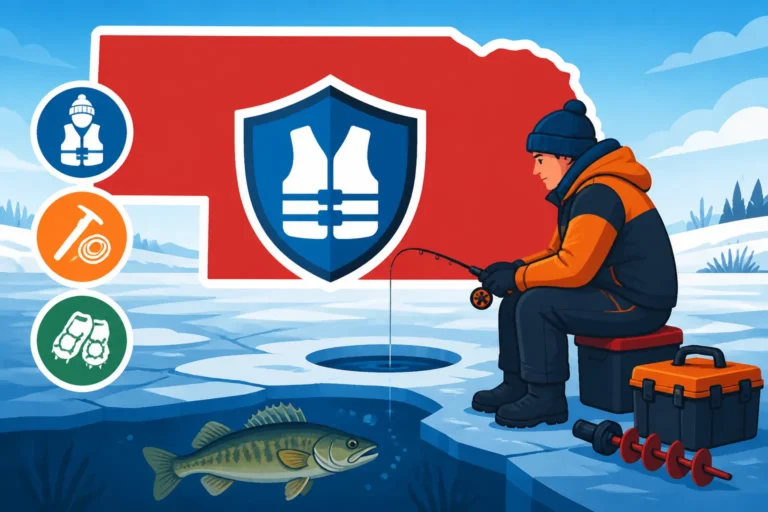
Crappie, bluegill, and yellow perch are staple ice fishing targets in Nebraska. Lakes like Branched Oak Lake, Holmes Lake, and many smaller urban ponds are fantastic for these panfish. They often school up in specific areas like weed edges (especially dying green weeds), shallow flats adjacent to drop-offs, or around submerged timber. The key is to use very small jigs, often 1/32 to 1/64 ounce, tipped with a wax worm, small minnow, or micro-plastic. A sensitive rod with a spring bobber will help detect the subtle bites. "Hole hopping" – drilling multiple holes and moving frequently until you locate an active school – is often more productive than staying in one spot. Always prioritize safety and know How Thick Ice Needs to Be to Fish Safely in Nebraska.
Walleye Under the Ice
Walleye can be a challenging but rewarding ice fishing target. They often hold on deeper humps, points, and main lake basins, sometimes suspending in the water column. Heavier jigs, spoons, and blade baits are popular choices, often tipped with a piece of minnow or a whole minnow. Jigging aggressively to attract attention, then pausing or slowly lifting, can trigger strikes. Dead sticking a plain hook with a live minnow a few feet away from your active jigging hole can also be very effective for hesitant fish. Electronics like portable fish finders are invaluable for locating structure and detecting fish movement under the ice. For those just getting started, our guide on How to Ice Fish in Nebraska provides a comprehensive overview.
Trout in Stocked Ponds
Many urban ponds and some smaller lakes across Nebraska are stocked with rainbow trout in the colder months, creating excellent ice fishing opportunities, especially for families. These trout often cruise the mid-depths. Small jigs, trout worms, or corn fished under a bobber or slowly jigged are effective. The fish are often quite active immediately after stocking. Always check local stocking schedules for the best chances.
Open Water Winter Fishing: Tailwaters and Trout Streams
Even when most lakes are frozen, some areas of Nebraska remain open for fishing, offering different winter opportunities. These are typically moving water environments or areas affected by constant water flow.
Below Dam Tailwaters
As mentioned for summer, dam tailwaters continue to be productive in winter because the released water often maintains a more stable, albeit cold, temperature and consistent oxygen levels. Species like walleye, sauger, and even some catfish can be caught here. Vertical jigging with heavy spoons, blade baits, or jigs tipped with minnows is the go-to technique. Fish will often hug the bottom in slower currents or deep pools. Conditions can be extreme, so warm clothing and proper safety gear are essential.
Cold Spring-Fed Trout Streams
Nebraska boasts a few cold spring-fed streams, particularly in the Pine Ridge and Sandhills regions, that rarely freeze over and hold resident trout populations. These include species like rainbow and brown trout. Winter fishing in these streams can be a peaceful and rewarding experience. Small nymphs, midge patterns, or tiny inline spinners are effective for fly anglers and spin fishermen respectively. The fish will be lethargic, so slow, precise presentations are vital. Focus on deep pools, undercut banks, and areas with slower current where trout can conserve energy. Remember to exercise extreme caution near slippery banks and cold water.
Essential Gear and Tactics for Year-Round Success
Mastering seasonal fishing techniques in Nebraska isn't just about knowing where and when to go; it's also about being properly equipped and having the right mindset. Having adaptable gear, understanding the subtleties of water and weather, and adhering to conservation practices are all crucial for consistent success on the water throughout the year.
Adapting Your Tackle Box for Nebraska's Seasons
One of the biggest mistakes an angler can make is using the same tackle setup year-round. Nebraska's distinct seasons demand a dynamic approach to your gear. What works for aggressive summer bass won't likely fool a finicky winter walleye.
Rods, Reels, and Lines for Every Scenario
Your rod and reel combinations should vary significantly. For light panfish fishing in spring and winter, a ultralight or light action spinning rod paired with a small reel spooled with 4-6 lb monofilament or fluorocarbon is ideal for detecting subtle bites. For battling larger summer bass or walleye, a medium-heavy action casting or spinning rod with a fast tip, spooled with 10-15 lb fluorocarbon or braided line, offers the power and sensitivity needed. When targeting monster catfish in rivers, you'll want heavy-action rods, robust baitcasting reels, and braided line in the 30-80 lb range. Many anglers source a variety of these specialized rods and reels from reputable online stores like Amazon, ensuring they have the right tool for any species or condition. Remember that different lines have different properties: monofilament stretches and floats, braided line has no stretch and is super strong for its diameter, and fluorocarbon is nearly invisible underwater and sinks. Knowing when to use which is a game-changer.
Lure and Bait Selection
Your lure and bait selection should be a rotating cast based on the season. In spring, stock up on jigs (1/16 to 1/4 oz) and suspending jerkbaits for walleye and crappie, along with live minnows and worms. Summer calls for deep-diving crankbaits, topwater lures, soft plastics (worms, creature baits), and a variety of cut baits or stink baits for catfish. Fall is prime for larger crankbaits, spinnerbaits, and even muskie-specific lures if you're targeting those giants. Winter demands tiny ice fishing jigs, spoons, and live baits like wax worms or small minnows. Having a diverse collection, and knowing when to use each, is what separates a good angler from a great one. Our guide on Best Bait for Nebraska Walleye can give you some specific ideas for that popular species.
Reading the Water and Weather: Key to Consistency
Beyond gear, your ability to "read" the water and interpret weather patterns is perhaps your most valuable skill as an angler. Fish are highly tuned to their environment, and subtle changes can dictate their behavior.
Understanding Water Clarity and Color
Water clarity significantly impacts fish behavior and lure choice. In clear water, fish are often more wary, requiring longer casts, lighter lines, and more natural-looking baits (e.g., natural colors, subtle presentations like fluorocarbon leaders). In stained or muddy water, fish rely more on their lateral line and scent, making noisy lures, vibrating baits (like chatterbaits), and scent-enhanced baits (like stink baits or brightly colored plastics) more effective. Wind can also influence clarity by stirring up sediment, which in turn affects where fish might hold or how they feed.
Interpreting Wind Direction and Speed
Wind is a double-edged sword for anglers. A gentle breeze can create a "walleye chop" that breaks up light, making fish more comfortable in shallower water and helping concentrate baitfish. However, strong winds can make boat control difficult, create rough conditions, and blow baitfish into specific areas. Learning to use the wind to your advantage – by drifting with it, or fishing the wind-blown side of a lake where baitfish might accumulate – can be highly productive. Conversely, seeking out protected coves on extremely windy days can offer calm water and active fish.
Barometric Pressure and Fish Moods
As mentioned earlier, barometric pressure changes significantly impact fish. Stable, high pressure often correlates with good fishing, as fish feel comfortable and feed actively. Falling pressure, often before a storm, can also trigger a feeding frenzy as fish sense a change coming. However, a rapidly rising or falling barometer, especially after a cold front, typically shuts down the bite. Fish become sluggish, retreat to deeper water, and are less willing to chase. Paying attention to weather apps that provide barometric pressure trends can give you a significant advantage in predicting the mood of the fish.
Conservation and Regulation Awareness
As a responsible angler, understanding and adhering to Nebraska's fishing regulations and practicing conservation is paramount. This ensures healthy fish populations and quality fishing for generations to come.
Knowing the Rules
Always carry a copy of the current Nebraska Fishing Regulations Explained or have access to the digital version. Regulations cover everything from Nebraska Fishing License Guide requirements, including specifics for a Nebraska Resident Fishing License Requirements or if you need a Nebraska Aquatic Habitat Stamp Explained, to species-specific limits, size restrictions, and gear restrictions. Regulations can vary by water body, so always double-check the rules for your specific destination. Ignorance of the law is not an excuse, and violations can result in significant fines and loss of fishing privileges. Remember, these rules are in place to protect the resource.
Practicing Catch and Release
While keeping a few fish for a delicious meal is part of the fishing experience, practicing selective harvest and catch-and-release is vital for maintaining healthy populations, particularly for trophy-sized fish. Learn proper fish handling techniques: minimize their time out of water, handle them gently with wet hands, support their weight horizontally, and use appropriate tools like needle-nose pliers for hook removal. If a fish is deeply hooked, it's often best to cut the line as close to the hook as possible rather than tearing the fish's internal organs trying to remove it. Releasing fish properly increases their chances of survival and contributes to the future of Nebraska's fisheries.
Respecting the Environment and Others
Finally, always practice good outdoor ethics. Pack out everything you pack in, and perhaps even pick up any litter you find. Respect private property boundaries and only fish where you have legal access. Be courteous to other anglers on the water or at the boat ramp. Leave no trace, and ensure that your passion for fishing doesn't negatively impact the environment or the experiences of others. We all share these precious resources, and by being mindful, we ensure they remain vibrant for everyone.
Disclaimer
Fishing conditions and regulations in Nebraska can change. Always check the latest Nebraska Game and Parks Commission regulations before heading out. This guide is for informational purposes only and does not constitute legal advice.