How to Tell a Channel Catfish From a Blue Catfish
Channel catfish and blue catfish identification methods help Nebraska anglers follow bag limits and avoid fishing violations.
Know what’s on the line.
Gamefish and panfish profiles — identification, behavior, feeding habits, and species-specific strategies for every catch.
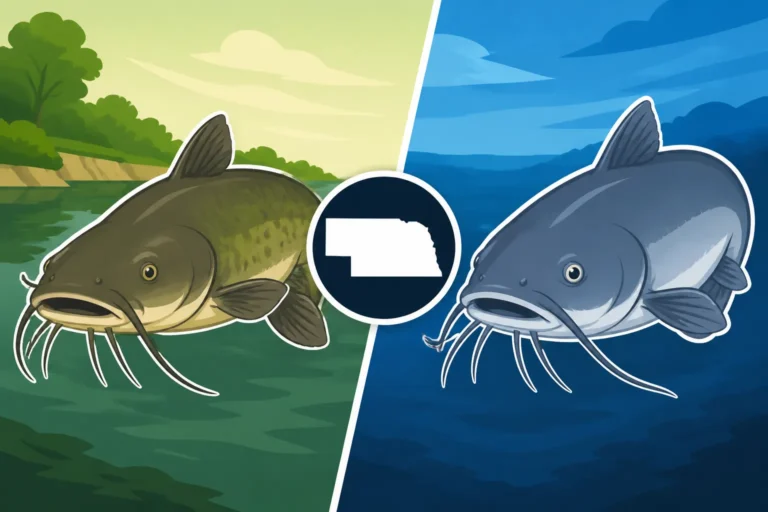
Channel catfish and blue catfish identification methods help Nebraska anglers follow bag limits and avoid fishing violations.
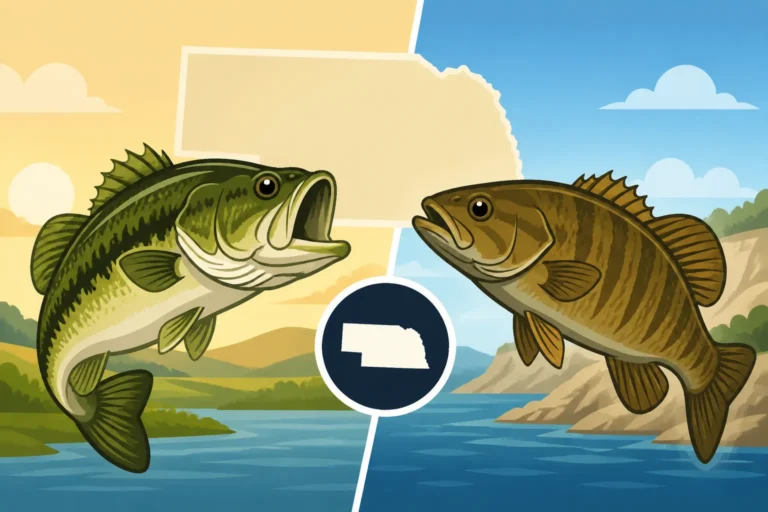
Distinguishing largemouth and smallmouth bass in Nebraska lakes requires examining jaw length and dorsal fin differences.
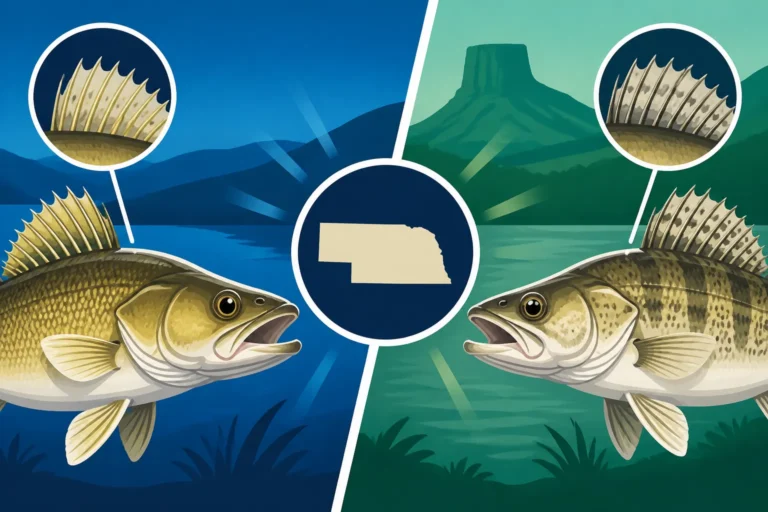
Visual cues and practical fishing tips help Nebraska anglers correctly identify sauger and walleye to follow strict daily bag limits.
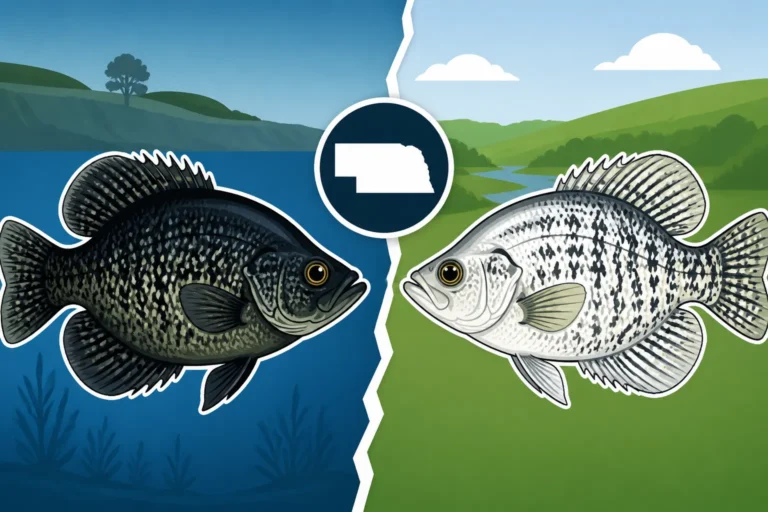
Distinguishing black crappies from white crappies involves checking dorsal fin spines and body patterns in Nebraska waters.
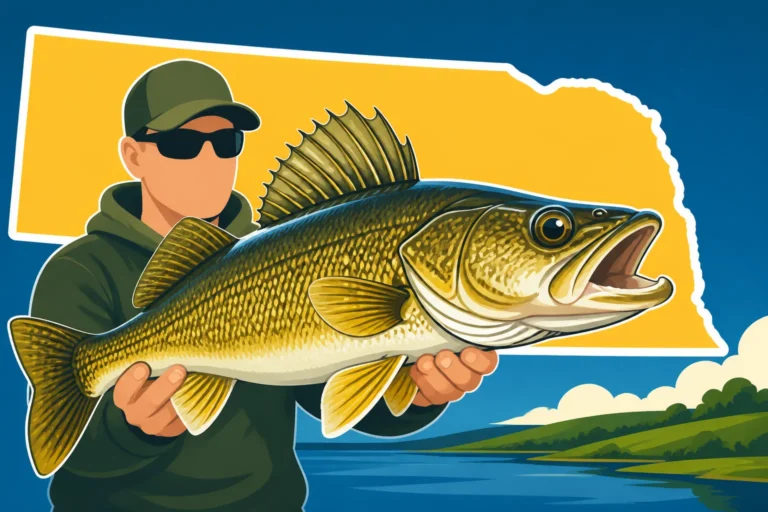
Walleye size in Nebraska waters depends on forage bases like shad, water quality, genetics, and fish age up to mid-teens.

Nebraska flathead catfish reach over fifty inches and one hundred pounds, living for decades in local rivers and reservoirs.
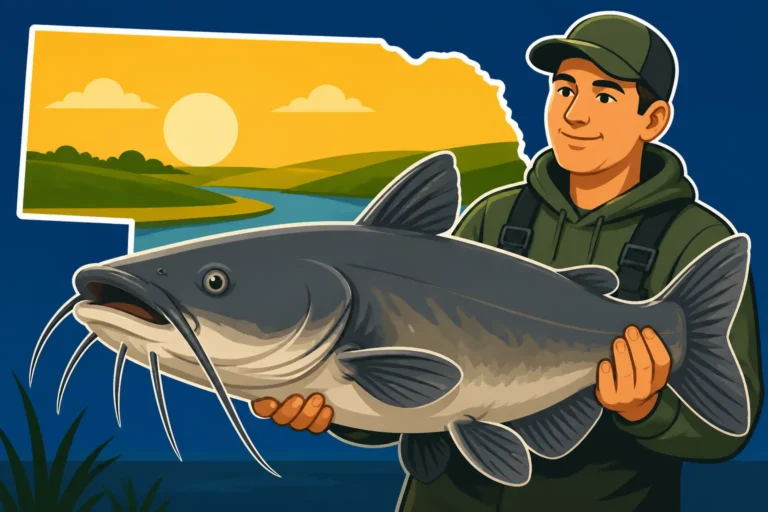
Nebraska channel catfish growth factors, typical sizes, and state records explained for anglers seeking massive trophy fish.

Nebraska holds an official state paddlefish record of 151 pounds, caught in the Missouri River by Jerry K. Ficke in 2005.
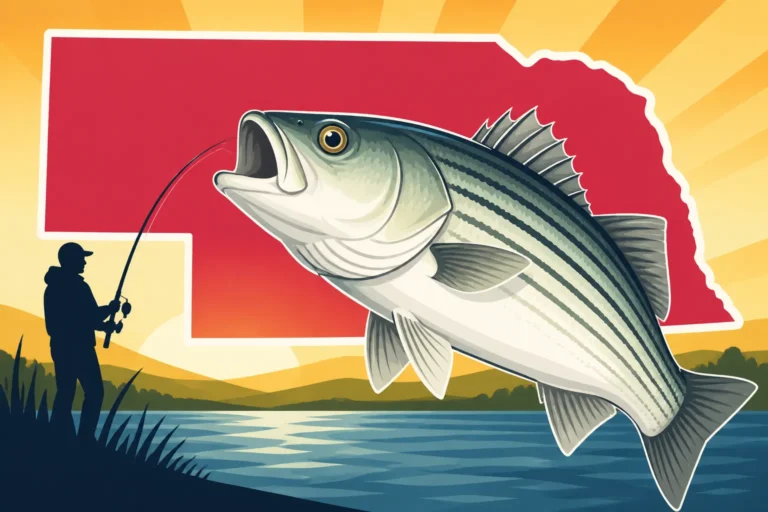
Nebraska state record striped bass details, including biological differences, stocking habits, and identification methods for wipers and pure stripers.
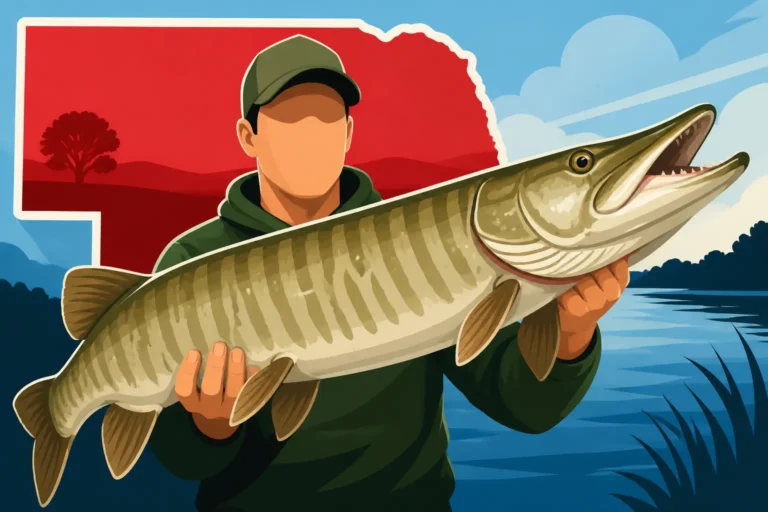
The Nebraska state record muskellunge caught at Merritt Reservoir in 2004 weighs forty-one pounds and eight ounces, measuring above standard sizes.