Nebraska State Record Striped Bass Weight
The elusive thrill of catching a truly monumental fish is a dream many anglers share, but few actually realize. In Nebraska, where our waters hold incredible potential, landing a state record fish, especially something as powerful as a striped bass, isn't just a matter of luck; it's a testament to skill, persistence, and a deep understanding of the waters. This comprehensive guide will pull back the curtain on the Nebraska state record for striped bass, helping you understand what it takes to pursue such a magnificent catch and perhaps, one day, etch your own name into the record books.
Understanding the Nebraska State Record Striped Bass
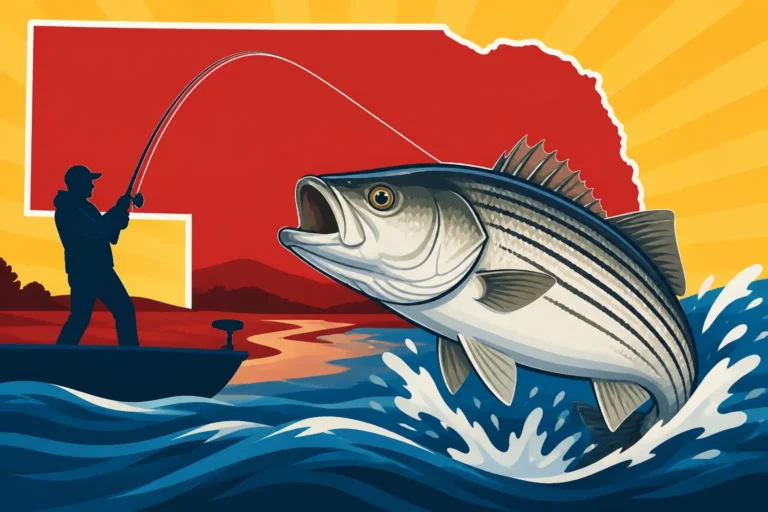
Let's dive right into the heart of the matter – what exactly is the Nebraska state record for striped bass? The idea of a true, ocean-going striped bass thriving in our landlocked state might seem a bit unusual to newcomers, and for good reason. While pure striped bass have been stocked in Nebraska waters, what most anglers refer to as a "striped bass" in our state is actually a hybrid striped bass, affectionately known as a "wiper." The Nebraska Game and Parks Commission maintains separate records for both species, recognizing their distinct biological differences.
The Current Record and Its Significance
The Nebraska state record for a pure striped bass is a truly impressive fish, a testament to what our waters can produce. This specific record often conjures images of powerful runs and intense battles, making it a highly respected achievement among Nebraska anglers. The exact weight, the lucky angler's name, and the specific lake where such a monster was caught are details that fuel countless fishing tales and aspirations. It’s important to note that pure striped bass are stocked less frequently and are generally harder to target than their hybrid counterparts, which adds to the prestige of this particular record. Catching a fish of this magnitude typically requires dedicated effort, often focusing on larger bait and deep-water techniques where these solitary giants might roam.
This record is significant not just for its size, but for what it represents in Nebraska's diverse fisheries. It shows that even without a direct connection to the ocean, our large reservoirs can provide the conditions necessary for these powerful fish to grow to impressive sizes. For many, it's the ultimate challenge, a benchmark of angling prowess. Anglers dream of seeing that tell-tale broad shoulder and distinct lateral stripes on a fish that could eclipse this mark.
Distinguishing Pure Striped Bass from Wipers
This is where things can get a little tricky, and it's absolutely crucial for anyone hoping to claim a state record. Many anglers, even seasoned ones, might struggle to tell the difference between a pure striped bass and a wiper (a hybrid cross between a striped bass and a white bass) at a glance. However, for record-keeping purposes, the distinction is paramount. Misidentification could lead to disappointment if you think you've caught a record striped bass, only for it to be identified as a wiper (which has its own impressive state record!).
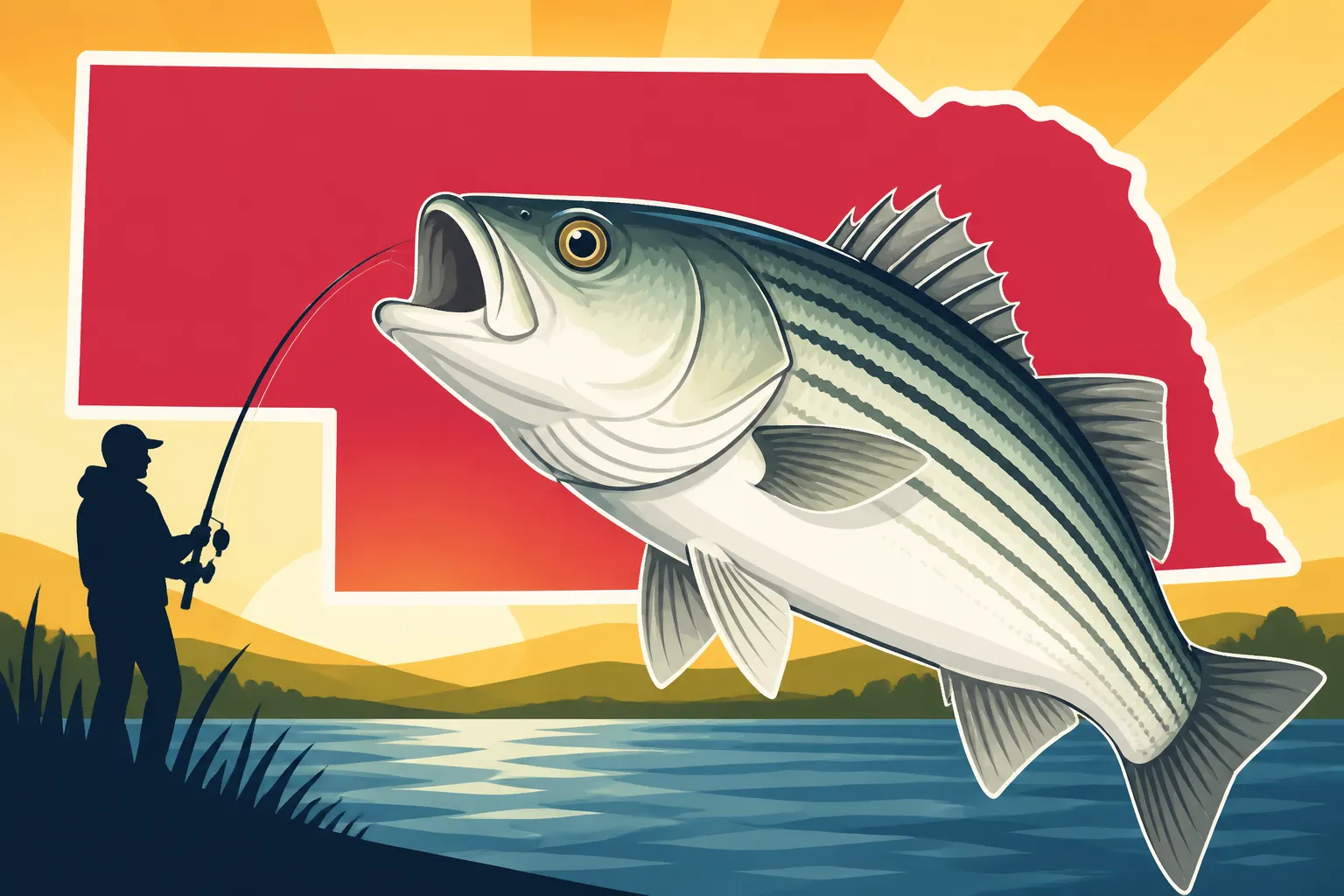
So, how do you tell them apart? The most reliable characteristic to look for is the pattern of the lateral stripes on their body. A pure striped bass will typically have unbroken, distinct black stripes running along its sides. These lines are usually quite straight and complete, extending from gill plate to tail. On the other hand, a wiper's stripes are often broken, interrupted, or somewhat mottled. They might zig-zag or disappear and reappear along the length of the fish. Think of it like a perfectly drawn straight line versus a dashed or scribbled one. Additionally, the body shape can offer clues; pure stripers tend to have a more streamlined, elongated body compared to the wiper, which might appear a bit more stout or football-shaped, especially in larger specimens. For a deeper dive into these differences, check out Difference Between a Wiper and a Pure Striped Bass. Understanding these subtle but critical differences can be the key to correctly identifying your catch and knowing which record category it might challenge.
Where to Find Trophy Striped Bass and Wipers in Nebraska
Nebraska might be landlocked, but we're certainly not lacking in incredible fishing opportunities, especially when it comes to hard-fighting species like striped bass and their hybrid cousins, wipers. These fish thrive in our larger reservoirs, where expansive open water and abundant baitfish create the perfect environment for them to grow to impressive, even record-breaking, sizes.
Prime Locations for Monster Stripers
When it comes to targeting trophy striped bass or wipers in Nebraska, a few names immediately jump to mind. Lake McConaughy, our state's largest reservoir, stands out as the undisputed king for these big fish. Its sheer size, deep waters, and massive populations of gizzard shad and other baitfish provide the ideal habitat for stripers and wipers to pack on the pounds. Anglers specifically targeting these powerful fish often focus their efforts here. You can learn more about specific tactics for this lake in our guide, Lake McConaughy Striped Bass Fishing. Beyond McConaughy, other notable reservoirs known for producing large wipers include Harlan County Reservoir and Sherman Reservoir. These lakes also boast substantial populations of baitfish and extensive deep-water areas where these predatory fish can ambush their prey.
These prime locations share common characteristics: they are typically large, deep impoundments with clear to moderately clear water, and they hold vast schools of forage fish. Look for areas with prominent underwater structure like old creek channels, humps, points that drop into deep water, and riprap near dams or bridges. These features act as highways and ambush points for schooling baitfish, and consequently, for the larger predators that hunt them. Understanding the unique underwater topography of these reservoirs is crucial for consistently finding the biggest fish.
Seasonal Movements and Habitat Preferences
Just like any other species, striped bass and wipers in Nebraska exhibit distinct seasonal patterns in their behavior and location. Knowing these movements is paramount for anglers hoping to intercept a trophy.
- Spring: As water temperatures begin to rise in early spring, striped bass and wipers will often move towards shallower areas, particularly flats, main lake points, and tributary arms, to feed aggressively after the long winter. They're often chasing schools of baitfish that are also moving shallower. This can be a fantastic time for both casting and trolling, as fish are more active and widely dispersed.
- Summer: When the scorching Nebraska summer sets in, these fish will retreat to deeper, cooler, and more oxygenated waters. The thermocline, a distinct layer where water temperature rapidly changes with depth, becomes a critical zone. Trophy stripers and wipers will often be found suspended just above, within, or below the thermocline, shadowing baitfish schools in the cooler depths. This is typically a time for deep trolling, vertical jigging, or targeting specific deep structures. Our article on Summer Fishing in Nebraska offers more insights into this period.
- Fall: As autumn arrives and water temperatures begin to cool again, the feeding frenzy truly kicks in. Stripers and wipers will become incredibly active and aggressive, often schooling up to chase large baitfish balls in preparation for winter. They can be found shallower than in summer, often near main lake points, creek channels, and the backs of coves where baitfish are abundant. This is arguably one of the best times of year to catch large, active fish. You can read up on this period in Fall Fishing in Nebraska.
- Winter: While less active, trophy fish can still be caught during the winter months, often holding in the deepest parts of the lake or near prominent deep structures. Ice fishing for wipers is also a popular pursuit on some lakes, requiring specialized techniques to target these cold-water giants.
Understanding these seasonal shifts allows you to adjust your tactics and increase your chances of finding that record-breaking fish. For general insights into the year's progression, refer to Nebraska Fishing Seasons Explained.
Techniques and Tackle for Record-Breaking Stripers
Chasing a state record, especially a powerful fish like a striped bass or wiper, demands serious preparation. You can't just show up with any old rod and expect to land a monster. These fish fight hard, and they'll test your gear and your grit. Investing in the right equipment and mastering effective techniques are non-negotiable for success.
Essential Gear for Heavy-Hitting Hybrids
When you're after a trophy, your gear needs to be up to the task. You're not just fishing for dinner; you're preparing for a battle.
- Rods: Opt for heavy to medium-heavy action rods, typically in the 7 to 8.5-foot range. A sturdy backbone is crucial for setting hooks into tough mouths and for muscling big fish away from structure. Whether you prefer spinning or baitcasting setups, ensure the rod is rated for lines that can handle serious strain.
- Reels: Pair your heavy rod with a robust reel that has a smooth, powerful drag system and high line capacity. For spinning reels, look for models in the 4000 to 6000 size range. Baitcasting reels should be low-profile, high-capacity models designed for heavy-duty applications. Your reel's drag is your best friend when a trophy fish decides to make a long, screaming run.
- Line: Braided line is almost a necessity for trophy hunting. Its lack of stretch provides excellent sensitivity for detecting subtle bites and immense strength for fighting big fish. Consider 30 to 65-pound test braided line as your main line. Always tie on a fluorocarbon leader, typically 20 to 40-pound test, which offers invisibility in clear water and abrasion resistance.
- Lures: Larger baits are key to attracting larger fish.
- Crankbaits: Deep-diving crankbaits that mimic shad or other forage fish are fantastic for trolling. Choose models that can reach the depths where stripers are suspended.
- Swim Baits: Large paddle-tail swimbaits, either weighted or unweighted, can be incredibly effective when retrieved over points or suspended baitfish schools. These can often be found on platforms like Amazon.
- Jigs: Heavy bucktail jigs or soft plastic swimbaits on large jig heads (1 to 3 ounces or more) work wonders for vertical jigging over deep structure or schools.
- Spoons: Heavy metal spoons, like a Kastmaster or Hopkins Shorty, are excellent for casting long distances and jigging vertically.
- Topwater: Don't underestimate the explosive thrill of topwater fishing, especially during low-light conditions or when fish are aggressively busting bait on the surface. Large poppers, walk-the-dog baits, and even big prop baits can draw violent strikes.
- Live Bait: For many record-seeking anglers, live bait is the ultimate weapon. Large gizzard shad, threadfin shad, or big shiners are irresistible to trophy striped bass and wipers. Rig them on circle hooks (4/0 to 7/0) under a float or on a slip-sinker rig near the bottom.
Quality gear makes all the difference when that once-in-a-lifetime fish hits. For general recommendations on robust setups, see our Best Rods and Reels for Nebraska Fishing guide.
Advanced Strategies for Landing a Lunker
Once you have the right gear, it's time to put it to use with proven techniques designed to target these formidable fish.
- Trolling: This is one of the most effective ways to cover large areas of water and present baits to suspended fish. Using multiple rods with deep-diving crankbaits or umbrella rigs (where legal) allows you to search various depths and patterns. Vary your speed until you find what triggers bites. Trolling speed is often critical; sometimes a slow, deliberate pace is best, while other times a faster retrieve mimics fleeing baitfish more effectively. For similar trolling insights, check out How to Troll for Walleye in Nebraska.
- Vertical Jigging: When you locate schools of fish or baitfish over deep structure on your fish finder, vertical jigging can be deadly. Drop heavy jigs or spoons directly into the school, working them up and down with aggressive lifts and falls. Pay close attention to your electronics, as you'll often see the fish respond to your lure. This technique is particularly effective during the summer and winter months when fish are holding deep. Learning How to Fish Deep Structure for Summer Walleye can also be very beneficial for wiper fishing.
- Live Bait Presentation: Whether you're drift fishing with live bait or anchoring over a known hotspot, presenting a lively baitfish naturally is key. Use a large slip bobber to suspend your bait at the depth where fish are holding, or employ a Carolina rig or a three-way swivel rig to keep your bait near the bottom or at a specific depth. The natural movement and scent of live bait are often irresistible to large, wary stripers.
- Topwater Explosions: While not an everyday occurrence, when wipers are busting bait on the surface, topwater fishing provides some of the most exciting action. Cast large topwater plugs into the melee and work them aggressively. The visual strike of a giant striped bass blowing up on a topwater lure is unforgettable. This often happens at dawn or dusk, or on cloudy days.
- Electronics Mastery: A good fish finder with side imaging and down imaging is an invaluable tool for locating schools of baitfish, suspended predators, and key underwater structures. Spend time learning how to interpret what your electronics are showing you; it will dramatically improve your success rate. Modern units can help you pinpoint exactly where the fish are holding, reducing the guesswork.
Patience, persistence, and adapting your strategy to the conditions are vital. Remember, these trophy fish didn't get big by being easy to catch.
The Thrill of the Chase: Reporting and Verifying a Potential Record
Imagine the scene: a blistering run, a grueling fight, and finally, you boat the fish of a lifetime. Your heart pounds as you look at the sheer size of it. Is it a state record? The excitement is immense, but this is where precise action and attention to detail become paramount. Improper handling or verification can, unfortunately, disqualify your monumental catch.
What to Do When You Catch a Giant
The moment you land a potential state record, a whirlwind of emotions and tasks begins. The first priority is to keep the fish alive if possible, especially if you intend to release it after documentation. A livewell or a large cooler filled with fresh water is essential. This also allows for an official weigh-in without the fish losing weight.
Next, seek witnesses immediately. Having other anglers or even non-fishing companions present to attest to the catch and the process is incredibly helpful for verification. Take multiple high-quality photographs from various angles, showing the fish clearly and in relation to something for scale (like a ruler if you have one on board, but avoid putting it on an uncertified scale in the boat).
The most crucial step is to get the fish to a certified scale as quickly as possible. This means finding a scale that is officially inspected and approved for commercial use – think a local bait shop that deals with record submissions, a grocery store, or even the Nebraska Game and Parks Commission (NGPC) offices. Call ahead to ensure someone is available and that their scale is certified. Do NOT use a hand scale or a bathroom scale; these are not considered accurate for official record submissions. Measure the length and girth of the fish accurately. These measurements, while not the basis for the record itself, are important supplementary information.
The urgency to document and verify cannot be overstated. A fish will naturally lose weight once caught, so time is of the essence. Don't delay in finding a certified scale. For more general guidelines on fishing rules, consult Nebraska Fishing Regulations Explained.
The Verification Process for State Records
Once you've landed your potential record, collected witnesses, and had it weighed on a certified scale, the formal process of submission to the Nebraska Game and Parks Commission begins.
First, you'll need to obtain an official record application form from the NGPC. These forms are usually available on their website or at their regional offices. The GoOutdoorsNE Online Permit System might also provide access to such forms or direct you to where to find them. The form will require detailed information about your catch, including:
- Your personal information
- The species caught (this is where the distinction between pure striped bass and wiper is critical!)
- The exact weight as measured on a certified scale
- The length and girth
- The date and time of catch
- The specific body of water where it was caught
- The bait or lure used
- Witness information and signatures
- Photos of the fish
You'll need to submit these forms, along with your high-resolution photographs, to the NGPC for review. They will scrutinize the details, including the fish identification, the accuracy of the weigh-in, and the witness statements. There may also be a requirement for a Game and Parks biologist to confirm the species. This process can take some time, so patience is a virtue.
The NGPC takes its state record program very seriously, ensuring that every record is legitimate and accurately documented. It’s a thorough process, but one that ensures the integrity and prestige of Nebraska's fishing records. If all goes well, and your catch is verified, you'll join an elite group of anglers and your name will be forever etched into Nebraska's angling history, a true testament to a day well spent on the water.
| Characteristic | Pure Striped Bass | Hybrid Striped Bass (Wiper) |
|---|---|---|
| Scientific Name | Morone saxatilis | Morone saxatilis x Morone chrysops |
| Stripe Pattern | Stripes are usually solid, distinct, and unbroken. | Stripes are often broken, interrupted, or unevenly spaced. |
| Body Shape | More elongated and streamlined. | Typically deeper-bodied and more stout, resembling a "football." |
| Dorsal Fins | Two dorsal fins, clearly separated. | Two dorsal fins, usually very close or slightly connected. |
| Tongue Patches | Usually two distinct patches of teeth on the tongue. | Often one or two patches, but can be less distinct or absent. |
| Distribution | Less common in Nebraska, limited stocking in specific lakes. | Widely stocked and popular in many major Nebraska reservoirs. |
Disclaimer
This article is for general informational purposes only and does not constitute professional advice. Laws, prices and regulations vary by location and change over time. Consult a qualified professional for guidance on your specific situation.