How Big Channel Catfish Get in Nebraska
There's nothing quite like the thrill of a channel catfish hitting your line, that unmistakable powerful tug that signals you're in for a fight. For many anglers in Nebraska, the dream isn't just to catch a catfish, but to land a truly massive one. This guide will dive deep into what influences channel catfish size across Nebraska's diverse waters, offering insights into typical catches, state records, and how you can increase your chances of hooking a true Nebraska monster.
Understanding Channel Catfish Growth Factors in Nebraska
Channel catfish are resilient and adaptable, thriving in a wide variety of aquatic environments across Nebraska. However, not all waters are created equal when it comes to growing big cats. Several key factors play a crucial role in how large a channel catfish can ultimately become.
Habitat and Water Quality's Role
The specific environment a channel catfish calls home profoundly impacts its growth rate and maximum size. Rivers like the Platte and Missouri, with their abundant food sources and diverse cover, often foster faster growth compared to smaller, less nutrient-rich farm ponds. Large reservoirs such as Branched Oak Lake or Harlan County Reservoir, with their vast expanses of water, deeper channels, and substantial forage bases, can support truly enormous catfish. Clean, well-oxygenated water is also critical. While catfish can tolerate somewhat murky conditions, prolonged poor water quality can stress fish, reduce feeding, and hinder growth. The presence of adequate structure – submerged timber, rock piles, deep holes, or undercut banks – provides both ambush points for feeding and protection from predators, allowing catfish to grow larger without constant threat.
Food Availability and Diet
It stands to reason: the more a fish eats, the faster and bigger it grows. Channel catfish are opportunistic omnivores, meaning they'll eat just about anything they can fit in their mouths. Their diet typically consists of smaller fish, crayfish, insects, mussels, and even plant matter. In Nebraska waters with a robust forage base, such as gizzard shad or abundant panfish populations, channel catfish have a readily available, high-protein diet that fuels significant growth. Lakes or river stretches with a rich supply of these food items tend to produce larger catfish. Conversely, in waters where food is scarce, catfish may grow slower and reach smaller maximum sizes, even if other conditions are favorable. For anglers, understanding these dietary preferences is key to choosing the Best Bait for Nebraska Catfish.
Genetic Potential and Stocking Programs
While environment and food are vital, a fish's genetic makeup sets its ultimate growth potential. Some individual catfish are simply predisposed to grow larger than others. Nebraska's Game and Parks Commission plays a significant role in managing catfish populations through stocking programs in many public waters. These stocking efforts often introduce healthy, genetically diverse fish, helping to bolster populations and, in some cases, contributing to the potential for larger fish over time. However, even with great genetics, a catfish won't reach its full potential without the right environmental conditions and plenty of food.
Typical Sizes and Nebraska Records
So, what does "big" really mean when we're talking about channel catfish in Nebraska? It's a spectrum, ranging from enjoyable eaters to genuine trophy fish that take your breath away.
Average Channel Catfish Sizes in Nebraska
Most anglers targeting channel catfish in Nebraska will regularly encounter fish in the 1 to 5-pound range. These are fantastic fish for the table and provide a fun fight on medium tackle. Fish weighing 5 to 10 pounds are considered very respectable catches and are quite common in well-managed reservoirs and rivers. These are the fish that really make your drag sing. Landing a channel catfish in the 10 to 15-pound category is a truly memorable experience and often takes a bit more skill, specialized gear, and knowledge of where these bigger fish tend to lurk. Anything over 15 pounds starts to push into genuine trophy territory for most anglers. Remember, consistent catches depend not just on size, but also on understanding Nebraska Fishing Regulations Explained for your chosen body of water.
Nebraska State Record Channel Catfish
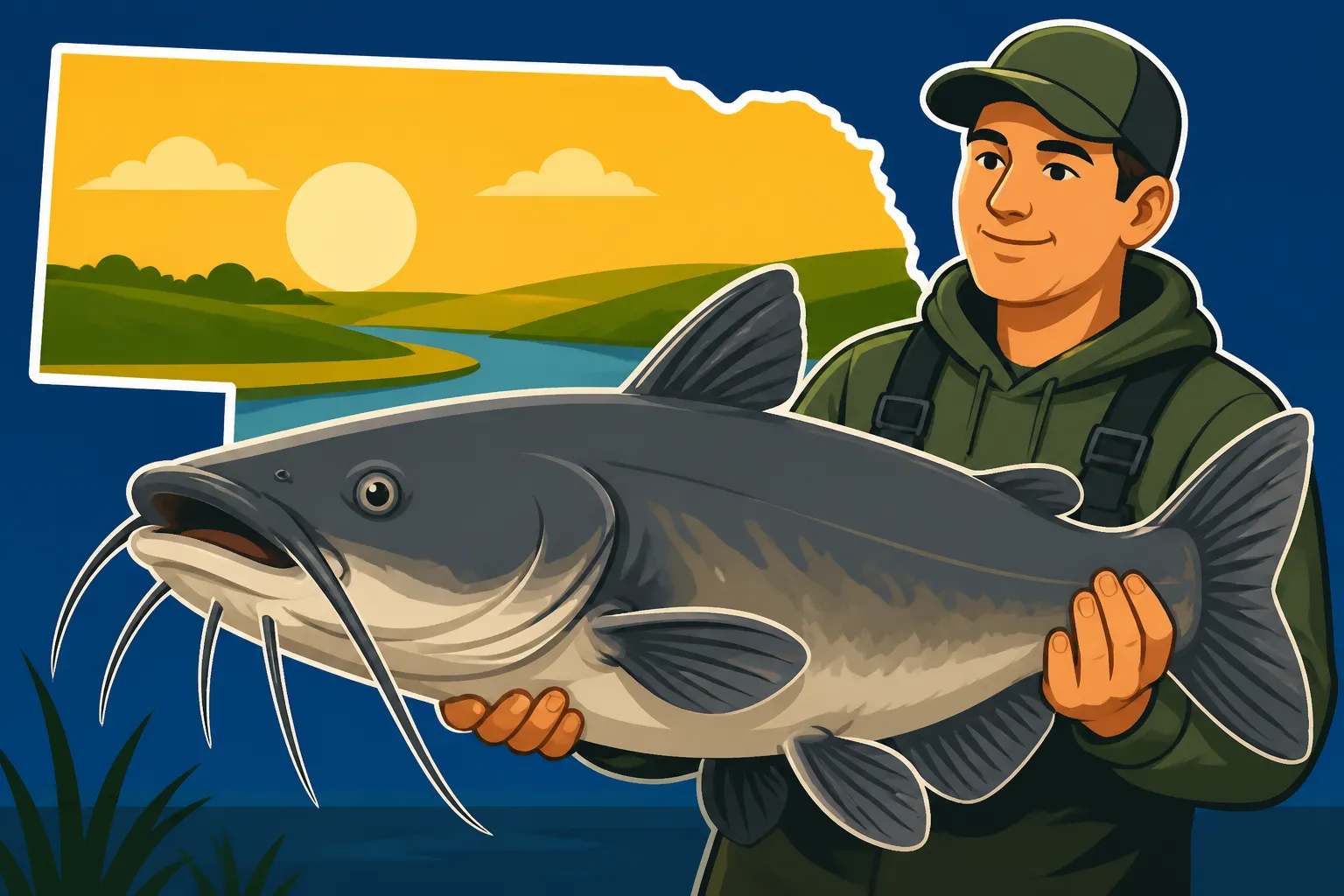
Nebraska has a long and proud history of producing massive channel catfish. The state record stands as a testament to the incredible growth potential of these fish in our waters. While I can't provide the exact current weight or the year it was caught (as those figures can change), Nebraska's state record channel catfish is an absolute giant that tipped the scales at well over 40 pounds. This fish was a true leviathan, a once-in-a-lifetime catch that highlights the potential of Nebraska's waters. Anglers often dream of breaking such a record, and it serves as inspiration that truly monumental fish swim beneath our surfaces. You can always check the Nebraska Game and Parks Commission's official records for the most up-to-date information on the Nebraska State Record Channel Catfish Weight.
What Constitutes a "Trophy" Channel Catfish in Nebraska
For many, a "trophy" channel catfish isn't necessarily a state record, but rather a fish that is significantly larger than average and provides an unforgettable angling experience. In Nebraska, a channel catfish generally starts to be considered a trophy when it exceeds 15 pounds. Fish in the 20 to 30-pound range are exceptional and would be celebrated by any angler. These larger fish have often lived for many years, successfully navigating their environment, finding abundant food, and evading predators and anglers. They are a testament to the health and productivity of the waters they inhabit. Catching a fish of this caliber requires patience, the right gear, and often, a bit of luck. Learning How to Fight a Big Fish on Light Tackle can also make a significant difference in successfully landing one of these giants.
Here's a general idea of channel catfish sizes you might encounter:
| Category | Typical Weight Range (Pounds) | Fight Level | Commonality | Best Use |
|---|---|---|---|---|
| Small Eaters | 0.5 – 2 | Light | Very Common | Pan-frying |
| Good Eaters | 2 – 5 | Moderate | Common | Grilling, Frying |
| Respectable Catch | 5 – 10 | Strong | Fairly Common | Fillets, BBQ |
| Large Catch | 10 – 15 | Very Strong | Less Common | Large Fillets, Photo |
| Trophy Fish | 15+ | Extremely Strong | Rare | Catch & Release, Photo |
Maximizing Your Chances for a Big Nebraska Channel Catfish
If you're serious about landing one of those truly large Nebraska channel cats, it's going to take more than just luck. It requires a combination of strategy, the right gear, and understanding where and when to target them.
Best Baits and Techniques for Larger Catfish
When it comes to big channel catfish, big baits often equal big fish. While worms and prepared baits will catch plenty of smaller cats, trophy-sized channel catfish are often more interested in a substantial meal. Cut bait from oily fish like shad, goldeye, or even chunks of carp are incredibly effective. These baits emit strong scent trails that attract catfish from a distance. Live or dead baitfish can also be potent. Stink baits can work, but for the true giants, natural cut baits tend to be superior. When rigging, consider a stout circle hook (often available in multi-packs on Amazon) paired with a heavy leader and enough weight to keep your bait on the bottom in current or wind.
Technique-wise, still fishing from an anchored boat or the bank in known catfish haunts is popular. However, drift fishing can be incredibly effective, especially in rivers or large reservoirs, as it allows you to cover more water and present your bait to active fish. Drifting allows your bait to move naturally with the current, mimicking an injured or deceased fish, which is an irresistible meal for a big cat. For river fishing, try focusing on seams where fast water meets slower water, deep holes, or the downstream side of wing dams. Checking out resources like How to Catch Channel Catfish From the Bank can offer even more specific strategies.
Prime Locations for Trophy Catfish
Nebraska boasts several excellent locations for targeting trophy channel catfish. Large reservoirs like Lake McConaughy, Harlan County Reservoir, and Branched Oak Lake are consistently praised for producing big cats. These vast waters offer ample forage, diverse structure, and deep-water haunts where older, larger catfish can thrive. The Missouri River, with its immense size and strong currents, is another prime location, particularly around snags, deep scour holes, and tributary mouths. The Platte River also holds significant numbers of large channel cats, especially in its deeper channels and oxbows. Smaller, nutrient-rich sandpits and farm ponds, if properly managed and not overfished, can also surprise anglers with impressive catches. To find specific hotspots, consider guides like Best Lakes in Nebraska for Trophy Channel Catfish.
Patience and Persistence
Catching a truly big channel catfish isn't usually a quick affair. These fish are often wary and can take their time to commit to a bait. You might spend hours without a bite, only to have that one screaming run that makes all the waiting worthwhile. It's crucial to set up in a promising location, use proven baits, and be prepared to wait. Bring comfortable seating, plenty of refreshments, and a good book or companion. The patience you invest can often be rewarded with the fish of a lifetime. Don't be discouraged by slow periods; big fish move and feed on their own schedule. High-quality gear, like a sturdy rod and reel combo that you might find on Amazon, can also give you the confidence to wait out those longer periods, knowing you're ready when the moment strikes.
Conservation and Sustainable Practices
Landing a massive channel catfish is an incredible achievement, but it comes with a responsibility to help ensure future generations of anglers can enjoy similar experiences. Sustainable fishing practices are essential for maintaining healthy populations of these impressive fish.
Understanding Bag and Length Limits
The Nebraska Game and Parks Commission establishes specific bag and length limits for channel catfish, which can vary by water body. These regulations are in place for a good reason: to protect the breeding stock and allow fish to reach mature sizes. For example, some lakes might have a protected slot limit, where fish within a certain size range must be immediately released, to ensure that the largest, most prolific breeders remain in the water. Always consult the current Nebraska Fishing Daily Bag and Possession Limits or the specific regulations for the body of water you're fishing. It's not just about avoiding a penalty; it's about being a responsible steward of our natural resources. Knowing the Nebraska Channel Catfish Daily Limit for your area is paramount before you ever cast a line.
Catch and Release for Large Catfish
While channel catfish are excellent table fare, consider practicing catch and release, especially for the very largest individuals. Trophy-sized catfish, often over 15 or 20 pounds, are typically older, slower-growing fish that contribute significantly to the genetic health and spawning success of the population. Removing these large breeders can have a negative impact on the overall quality of fishing in that particular water.
If you choose to release a large catfish, do so with care:
- Minimize handling time: Get the fish in, get a quick photo if desired, and get it back in the water as quickly as possible.
- Handle with wet hands: Dry hands can remove the fish's protective slime coat, making it vulnerable to disease.
- Support the fish properly: When holding a large fish for a photo, support its body horizontally to avoid internal injury. Never hold a large fish vertically by its jaw or gills.
- Use appropriate gear: A large, soft landing net (many robust options are available on Amazon) can make landing and releasing a big cat much easier and less stressful for the fish.
- Revive if necessary: If the fish seems sluggish, hold it gently in the water, facing into a mild current, until it regains its strength and can swim away on its own.
By understanding the factors that influence growth, knowing what to expect in terms of size, and practicing responsible angling, you can truly appreciate the magnificence of Nebraska's channel catfish and ensure these fantastic fish thrive for years to come.
Disclaimer
This article is for general informational purposes only and does not constitute professional advice. Laws, prices and regulations vary by location and change over time. Consult a qualified professional for guidance on your specific situation.