How Big Flathead Catfish Get in Nebraska
One of the most thrilling pursuits in Nebraska's fishing scene is chasing after the elusive flathead catfish. These powerful, predatory fish grow to incredible sizes, often inspiring awe and a healthy dose of respect among anglers. But if you're new to the game, or simply curious, you might wonder just how big these whiskered giants truly get in our state's rivers and reservoirs. This comprehensive guide will dive deep into the world of Nebraska's flathead catfish, exploring their potential for immense growth, where to find them, and what it takes to land one of these freshwater monsters.
Understanding Flathead Catfish in Nebraska
Flathead catfish are distinct from their more common cousins, the channel catfish, in several key ways, not least of which is their impressive size and predatory nature. They are truly magnificent creatures that call Nebraska's diverse waterways home.
Native Giants of Nebraska Waters
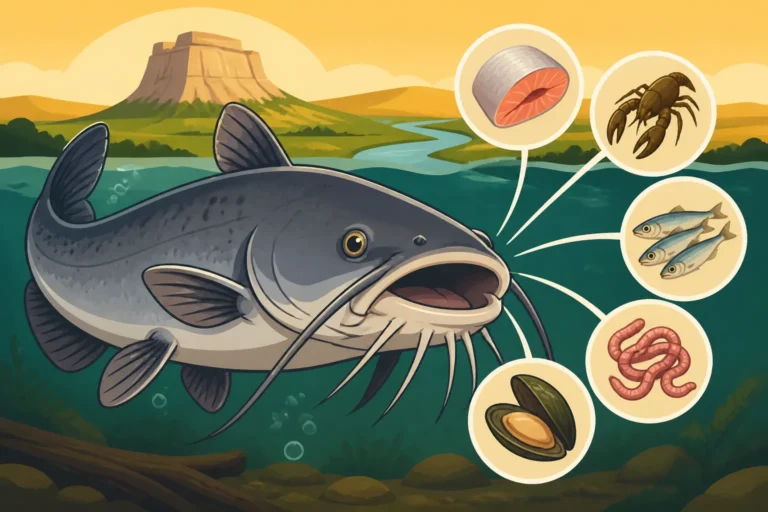
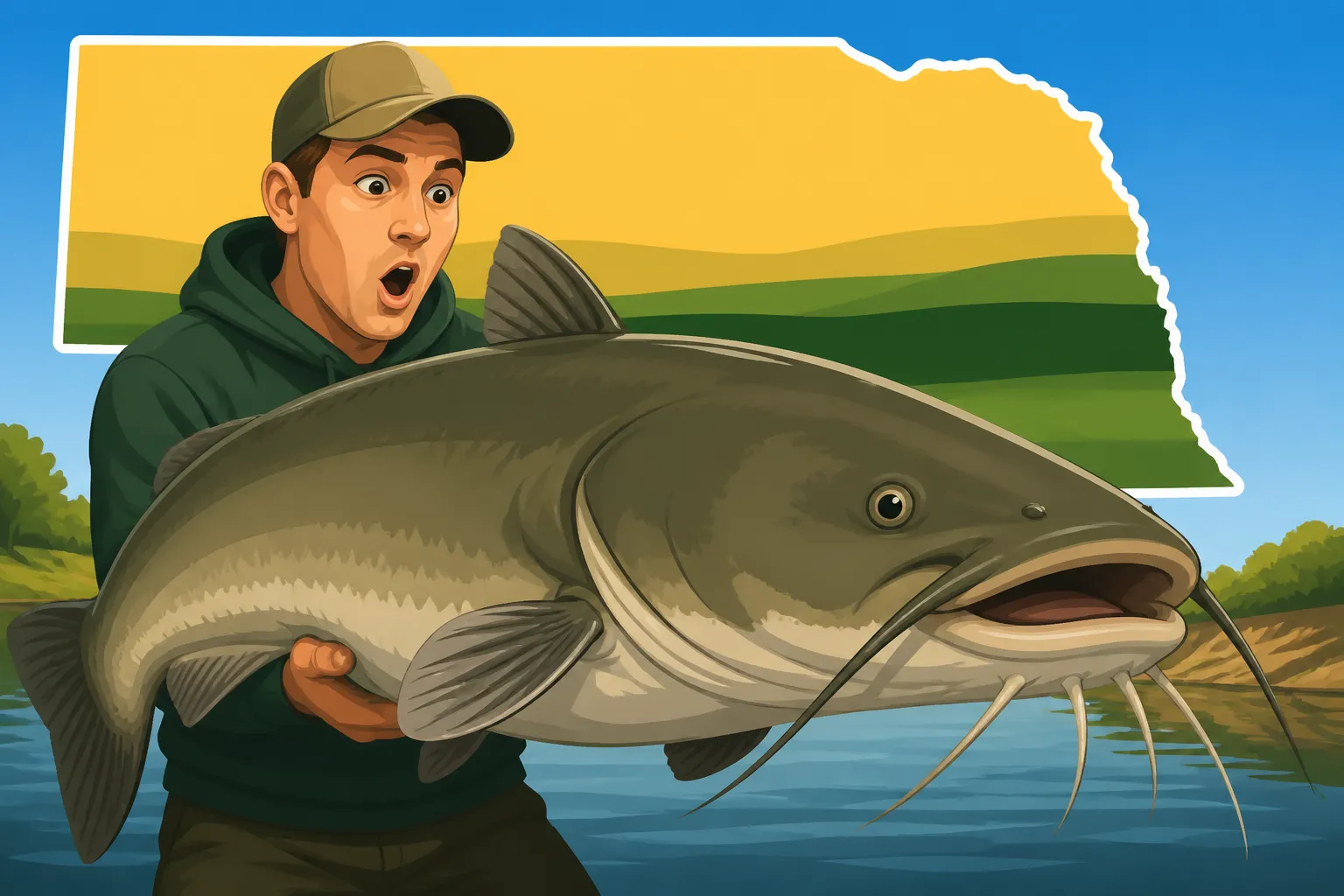
Flathead catfish, or Pylodictis olivaris, are unmistakable once you learn to recognize them. They possess a broad, flattened head (hence the name!), a lower jaw that protrudes beyond the upper, and a mottled, brownish-yellow body that provides excellent camouflage among logs and rocks. Unlike channel catfish, which have deeply forked tails, flatheads sport a more rounded, squarish tail. They are ambush predators, preferring live bait and waiting patiently for unsuspecting fish, crayfish, or even smaller mammals to pass by their submerged lairs.
These fish are native to the vast river systems of the central United States, including the mighty Missouri and Platte rivers that crisscross our state. They thrive in large, slow-moving rivers and reservoirs with plenty of deep holes, snags, and underwater structure where they can hide and ambush prey. Their territorial nature means that once you find a good flathead spot, there's a good chance a big one might be calling it home. For more on identifying different species, check out our Nebraska Fish Species Identification Guide.
Factors Influencing Growth and Size
The sheer size a flathead catfish can achieve is a testament to several environmental factors. Firstly, their diet plays a massive role; as voracious predators, they need abundant forage fish like carp, shad, and suckers to fuel their growth. Nebraska's fertile waters, especially our larger rivers and reservoirs, often provide this rich food source in spades.
Secondly, age is a huge contributor. Flatheads are long-lived fish, capable of surviving for decades. The longer they live, the more time they have to grow, pack on weight, and develop into the true behemoths that seasoned anglers dream of. Optimal water temperatures, consistent food supply, and minimal fishing pressure in certain areas also contribute to their ability to reach impressive dimensions. A healthy ecosystem with diverse habitats allows these fish to mature and dominate their watery domains.
Nebraska's Flathead Catfish Records
So, exactly how big do they get? While I can't provide specific dates or weights, I can tell you that the state record for flathead catfish in Nebraska is an absolutely astounding figure, showcasing the immense growth potential these fish have in our waters. These record-breaking fish typically weigh well into the triple digits, often exceeding 100 pounds, and measure over 50 inches in length. Imagine wrestling with a fish that's as tall as a small person!
These records aren't just one-off flukes; they represent the pinnacle of what's possible when conditions are just right for flathead development. The consistent presence of such massive fish in our record books is a powerful draw for trophy hunters and a testament to the quality of Nebraska's flathead fisheries. Anglers regularly report catching fish in the 30-70 pound range, which, while not state records, are still incredible catches that would make any angler's year. To understand the regulations that protect these magnificent fish, you might find Nebraska Fishing Regulations Explained helpful.
Average vs. Trophy Flathead Catfish Sizes
When you head out fishing for flatheads in Nebraska, what you're likely to encounter can vary greatly, from respectable eaters to truly legendary monsters. Understanding the difference between an average catch and a trophy is key to appreciating these fish.
What to Expect on a Typical Outing
For many anglers targeting flatheads, a "good day" might involve landing fish in the 5 to 20-pound range. These are robust, strong-fighting fish that provide excellent table fare and a memorable angling experience. Fish in this size class are common in many of Nebraska's rivers and larger reservoirs, especially if you're fishing areas with good cover and a healthy population of baitfish.
You'll often find these mid-sized flatheads tucked into brush piles, beneath log jams, or along current breaks. They are active hunters and can be caught using a variety of live baits. While they might not be the behemoths that make headlines, they are still powerful adversaries on the end of a line and a fantastic way to hone your flathead fishing skills. Think of them as the strong, healthy backbone of the flathead population.
Defining a "Trophy" Flathead
Now, when we talk about a "trophy" flathead in Nebraska, we're generally moving into the realm of fish weighing 30 pounds or more, and often considerably larger. A fish hitting the 50, 60, or even 70-pound mark is considered a true monster and a lifetime catch for most anglers. These are the fish that require specialized, heavy-duty tackle, immense patience, and often a bit of luck.
Trophy flatheads command respect not just for their size, but for their incredible strength and endurance. Landing one involves a serious battle, often in challenging conditions like strong currents or dense underwater snags. These fish are not only bigger but often smarter and more experienced, having evaded countless hooks over the years. Catching a flathead of this caliber is the ultimate goal for many dedicated catfishermen in the state.
Age and Size: The Long Game
The correlation between age and size in flathead catfish is profound. A 5-pound flathead might only be a few years old, rapidly growing in its initial stages. However, a flathead weighing in at 50 pounds or more is likely a venerable elder of the river, having lived for many, many years, perhaps even decades. Their growth slows considerably as they age, but they continue to pack on weight and build incredible muscle.
Consider the immense lifespan required for a flathead to reach the state record class. These fish have navigated countless seasons, floods, droughts, and fishing pressures. Their sheer longevity is a testament to their resilience and adaptability within Nebraska's aquatic environments. This slow, steady growth emphasizes the importance of catch and release, particularly for these larger, older fish, to ensure a healthy population of future giants.
| Characteristic | Average Flathead (5-20 lbs) | Trophy Flathead (30+ lbs) |
|---|---|---|
| Typical Weight | 5-20 pounds | 30-100+ pounds |
| Typical Length | 18-30 inches | 36-60+ inches |
| Age Range | 3-10 years | 10-30+ years |
| Preferred Habitat | River bends, log jams, deeper holes | Deep, heavy structure, main river channels |
| Bait Preference | Live bluegill, shad, suckers | Large live bluegill, carp, suckers |
| Fight Intensity | Strong, exciting | Extremely powerful, long, sustained |
| Rarity | Common to fairly common | Rare, sought-after |
Where Nebraska's Big Flatheads Live
Finding flathead catfish, especially the bigger ones, is less about randomly dropping a line and more about understanding their habitat preferences. These fish are creatures of habit and structure.
Major Rivers and Their Potential
Nebraska's river systems are the primary playgrounds for flathead catfish. The Missouri River, forming our eastern border, is arguably the most renowned. Its vast expanse, diverse depths, powerful currents, and abundant underwater structure (like wing dams, scour holes, and deep channels) create ideal conditions for flatheads to thrive and grow to monumental sizes. Many state record contenders have come from these waters. Anglers often target specific features like deep holes adjacent to swift currents or the slack water behind large snags. For tips on fishing this behemoth, read Missouri River Fishing in Nebraska.
The Platte River also holds significant flathead populations, particularly its lower stretches and deeper holes. While not as large as the Missouri, its intricate system of sandbars, log jams, and varying depths provides ample ambush points for flatheads. Targeting the deeper bends and areas with submerged timber can be highly productive. The Niobrara River in northern Nebraska, with its unique blend of clear spring-fed waters and sandhills terrain, also hosts flatheads, though perhaps not in the same numbers or average size as the larger rivers. However, dedicated anglers still pull out impressive fish from its deeper pools. Learn more about Platte River Fishing Guide tactics.
Reservoir and Lake Giants
While rivers are their traditional strongholds, many of Nebraska's larger reservoirs also support healthy populations of flathead catfish, some of which grow to impressive sizes. Lakes like Lake McConaughy, Harlan County Reservoir, and Branched Oak Lake all have flathead populations, especially in their deeper, older sections where submerged timber, rock piles, or old creek channels provide the necessary cover.
These reservoir flatheads often behave similarly to their river counterparts, hunkering down in structure during the day and moving into shallower feeding flats at night. They'll still prioritize live bait and ambush tactics. Fishing reservoirs for flatheads can sometimes offer less current to contend with, but navigating large expanses of water to find productive spots requires good electronics and a keen understanding of underwater topography. These waters can offer unique challenges and rewards for the dedicated flathead angler.
Habitat Preferences for Larger Fish
If you're specifically targeting the biggest flatheads, you need to think like one. These leviathans prefer heavy, stable cover that offers protection from current, shade, and an excellent ambush point. This often means large submerged trees, massive log jams, deep rock piles, or significant scour holes carved out by strong currents. They want a place where they can sit and wait, out of the main flow, letting the food come to them.
Look for areas with sharp depth changes, especially where a shallow flat drops into a deep channel, and always investigate any significant underwater structure. Current breaks, like the downstream side of an island or a large boulder, are also prime real estate. The bigger the fish, the more dominant its position in these prime feeding and resting spots. Targeting these specific types of structure is paramount to increasing your chances of hooking into a truly giant Nebraska flathead.
Strategies for Catching Nebraska's Giant Flatheads
Landing a truly enormous flathead catfish is no accident; it requires specific gear, the right bait, and a strategic approach. It's a game of patience, power, and precision.
Gear Up for the Big Ones
Attempting to land a 50-pound flathead with bass tackle is a recipe for heartbreak. You need heavy-duty gear that can withstand immense pressure. This means a stout, powerful rod, often in the 7-8 foot range, with a heavy or extra-heavy action. Paired with this, you'll want a large conventional reel, or a heavy-duty spinning reel, capable of holding a significant amount of thick, abrasion-resistant line.
For line, 50-80 pound test monofilament or braided line is not overkill; it's essential. Flatheads often fight dirty, dragging you into snags and submerged timber. A heavy leader, perhaps 80-100 pound test fluorocarbon or monofilament, is crucial for resisting abrasion. Hooks should be equally robust – large, strong circle hooks (like 8/0 to 12/0) are perfect for snagging the corner of a flathead's mouth, increasing hook-up ratios and making release easier. Many anglers find a great selection of these specialized items, from heavy rods to high-capacity reels and strong lines, on platforms like Amazon, especially when local tackle shops might have limited stock on the heaviest gear. For more details on what to bring, check out Best Catfish Gear for Nebraska Rivers.
Best Baits for Trophy Flatheads
Unlike channel catfish that can be caught on stink baits or cut bait, flathead catfish are almost exclusively predators, preferring live bait. And when you're targeting a trophy, bigger bait often means bigger fish. Common choices include live bluegill, sunfish, shad, and suckers. Some anglers will even use small carp or bullheads (where legal and appropriate for the target size). The key is to use fresh, lively bait that emits strong vibrations and scents, drawing the flathead out of its lair.
Presenting your bait naturally is also critical. A Carolina rig or a three-way swivel rig with a heavy sinker is often employed to keep your lively bait near the bottom where flatheads reside, preventing it from swimming into snags too quickly, but still allowing it enough freedom to attract attention. Always check Nebraska's bait regulations to ensure you're using legal species and methods. If you're looking for different bait options, our guide on Best Bait for Nebraska Catfish has more insights.
Techniques for Targeting Giants
Patience is the ultimate virtue when flathead fishing. Often, you're fishing specific spots for long periods, waiting for a single bite from a massive fish. Common techniques include tightlining from the bank or boat, where you cast your bait to a likely flathead spot and keep your line taut, feeling for any subtle taps or pulls. Rod holders are essential for this, allowing you to have multiple lines out simultaneously.
Another effective method, particularly in rivers, is trotlining or limblining. These passive techniques involve setting multiple baited hooks along a main line or individual lines tied to overhanging branches, leaving them overnight to catch fish. Always ensure you understand and adhere to all Nebraska Fishing Regulations Explained regarding these methods, as they often have specific rules about tagging, number of hooks, and attendance. For night owls, How to Catch Flathead Catfish at Night offers specialized advice for the prime flathead feeding hours.
The Fight and Handling a Monster
When a big flathead hits, there's usually no mistaking it. It's often a solid, determined pull, not a subtle nibble. Once hooked, brace yourself for a powerful, often brutal fight. These fish use their broad bodies and strong tails to leverage the current and pull you into the heaviest cover. Your heavy tackle will be put to the test. Maintain constant pressure, but don't try to horse them in too quickly; let the rod and reel do the work. Be prepared for long runs and powerful surges.
Once you bring a monster flathead close to the boat or bank, safe handling is paramount, especially if you plan to release it. Use a large, heavy-duty net or a specific flathead glove for lip-gripping. Avoid dragging large fish over abrasive surfaces. If you intend to take photos, do so quickly and support the fish horizontally with two hands to avoid internal damage. These incredible fish deserve to be treated with respect and released unharmed to fight another day and continue contributing to our trophy fishery. For insights on extending your fishing adventures, consider How to Fish Overnight for Catfish.
Disclaimer
This article is for general informational purposes only and does not constitute professional advice. Laws, prices and regulations vary by location and change over time. Consult a qualified professional for guidance on your specific situation.