Conestoga Lake Fishing Near Lincoln
It can be frustrating when you're itching to wet a line near a major city like Lincoln, but you're not quite sure which local lake offers the best chance at a great catch. You don't want to drive an hour just to find out the fishing is slow or the access is a nightmare. This comprehensive guide is here to take the guesswork out of your next angling adventure, focusing specifically on Conestoga Lake to give you all the detailed insights you need for a successful and enjoyable day on the water.
Unveiling Conestoga Lake: A Gem Near Lincoln
Conestoga Lake, nestled just a stone's throw west of Lincoln, often flies a bit under the radar compared to some of Nebraska's massive reservoirs. But don't let its modest size fool you; this lake is a fantastic local resource for anglers seeking diverse fishing opportunities without a long drive. It’s part of the Little Salt Creek Recreation Area, making it a convenient escape for a quick morning or afternoon outing, or even a full day if you pack a picnic. This lake offers a really welcoming environment, whether you're a seasoned angler looking to hone your skills or you're bringing the kids out for their first fishing experience. It’s managed by the Nebraska Game and Parks Commission, meaning it gets regular attention and stocking to maintain healthy fish populations.
Lake Overview and Location for Anglers
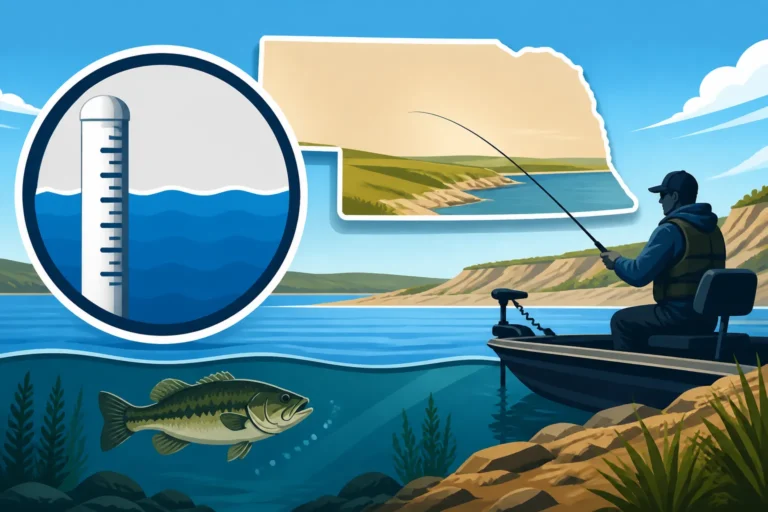
Conestoga Lake is a 230-acre flood control reservoir, meaning its water levels can fluctuate, but generally, it offers a consistent and accessible fishery. Being so close to Lincoln, usually a 15 to 20-minute drive depending on where you're coming from in the city, it’s incredibly convenient. You can literally decide to go fishing on a whim after work and be on the water in no time. The lake has a maximum depth of around 25 feet, with plenty of shallower bays, submerged timber, and brush piles that create excellent habitat for various fish species. It’s primarily fed by Little Salt Creek, which brings in nutrients and helps support the aquatic ecosystem. The shorelines vary from gently sloping banks perfect for casting to steeper sections that can hold fish in deeper water. Knowing the Best Places to Fish in Nebraska often depends on finding these specific characteristics, and Conestoga has a good mix.
The landscape around Conestoga is typical of eastern Nebraska — a blend of agricultural fields and pockets of mature trees, offering a bit of shade and visual interest. It's not a wilderness experience, but it’s definitely a pleasant escape from urban sprawl. There are several picnic areas, playgrounds, and even camping spots available, making it a great destination for a family outing where fishing is just one part of the fun. This proximity and diverse amenity offering is a huge plus, especially for families with young children who might lose interest quickly if fishing is the only activity.
Primary Fish Species You'll Encounter
Conestoga Lake is a multi-species fishery, meaning you're likely to hook into a variety of fish depending on your technique and luck. The main draw for many anglers here are the largemouth bass, crappie, and channel catfish, which are consistently present and can grow to respectable sizes. The Nebraska Game and Parks Commission actively manages the lake, often stocking it to enhance these populations and sometimes even introducing new species or boosting existing ones.
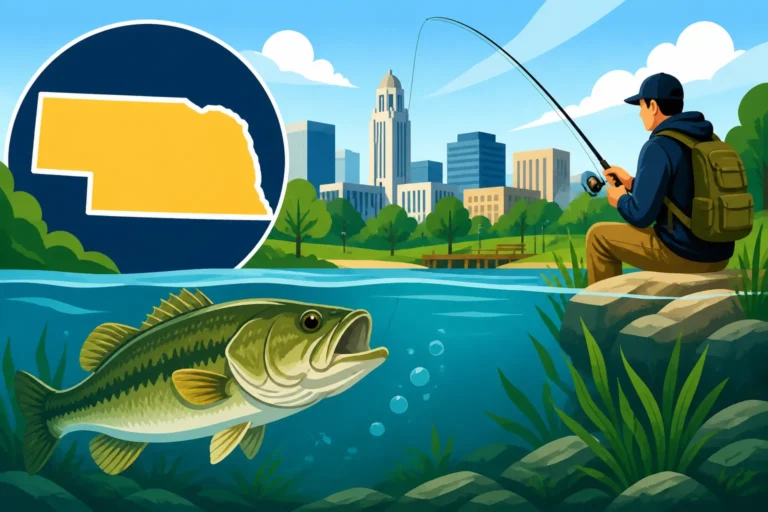
- Largemouth Bass: These are arguably the most popular target species at Conestoga. The lake's structure—lots of submerged timber, aquatic vegetation (especially in warmer months), and varied shorelines—provides ideal habitat. You can find bass cruising the shallows in spring and fall, and retreating to deeper, cooler water or dense cover during the heat of summer. Anglers often report catching bass in the 12-16 inch range, with bigger fish certainly possible. Remember, understanding Nebraska Bass Length Limits is crucial for responsible angling.
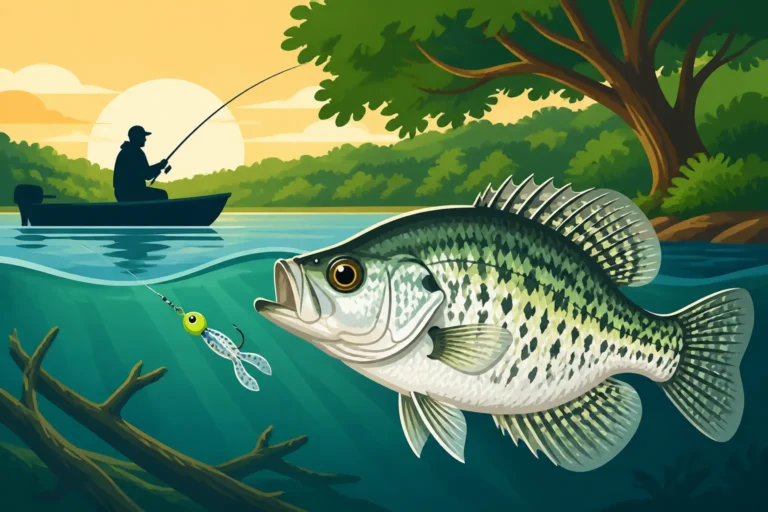
- Crappie: Both black and white crappie call Conestoga home. These panfish are a huge draw, especially in the spring when they move into shallower water to spawn, making them relatively easy to catch from shore or boat. They often relate to brush piles, fallen trees, and rocky points. Anglers can fill a stringer quickly when the crappie are biting, and they make for excellent table fare. Keep an eye on the Nebraska Crappie Daily Limit to ensure you're fishing legally.
- Channel Catfish: Conestoga is known for its strong channel cat population. These fish are abundant and can be caught throughout the warmer months. Catfish patrol the entire lake, but you’ll often find them in deeper channels, around timber, or near inflowing water. They’re a fantastic species for bank anglers, especially in the evenings and at night. They fight hard and are another excellent eating fish.
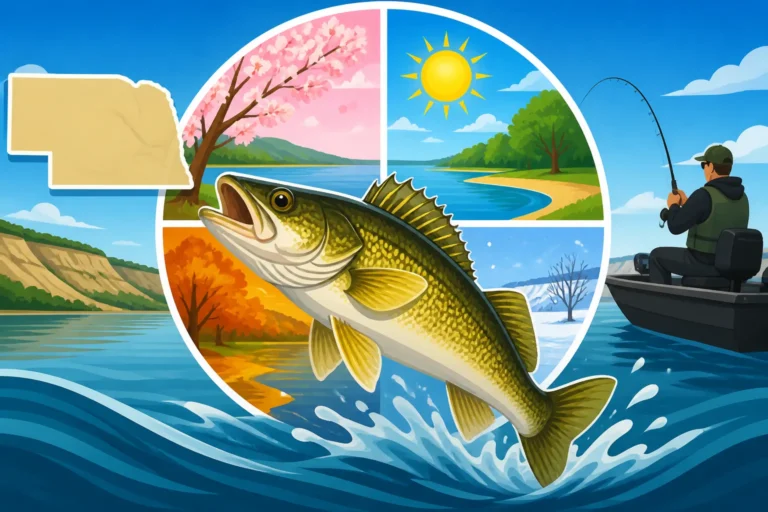
- Walleye: While not as abundant as in some of Nebraska’s larger reservoirs like Lake McConaughy or Merritt, Conestoga does hold a decent population of walleye. These elusive fish are a prized catch for many and often require a bit more finesse and specific techniques. They're typically found deeper during the day, moving shallower at dawn, dusk, and overnight. If you're targeting walleye, be sure to know the Nebraska Walleye Bag Limit to stay compliant.
- Bluegill and Other Panfish: You'll also find plenty of bluegill, sunfish, and sometimes even yellow perch. These are fantastic for young anglers or anyone looking for consistent action on light tackle. They're usually found in shallow, weedy areas and around docks or brush.
Effective Fishing Techniques and Optimal Times at Conestoga
Fishing Conestoga Lake successfully often comes down to understanding the seasonal patterns of the fish and adapting your techniques accordingly. It’s not a one-size-fits-all lake, but with a bit of knowledge, you can unlock some fantastic angling opportunities no matter the time of year.
Seasonal Strategies for Success
Each season brings its own set of challenges and rewards when fishing Conestoga Lake.
- Spring (March-May): This is often considered prime time, especially for crappie and largemouth bass. As water temperatures rise into the 50s and 60s Fahrenheit, crappie move into shallow areas to spawn. Look for them around submerged brush, fallen trees, and rocky points in 2-5 feet of water. Small jigs (1/32 to 1/16 oz) tipped with a minnow or a small plastic grub under a bobber are deadly. Bass also become very active, feeding heavily before and during their spawn. Target warming coves, weed lines, and shallow cover with spinnerbaits, crankbaits, and soft plastics like Texas-rigged worms. This is also a good time to review Spring Fishing in Nebraska for broader insights.
- Summer (June-August): As temperatures soar, fish tend to move to deeper, cooler water or seek refuge in dense cover. For bass, focus on early mornings, late evenings, or even night fishing with topwater lures, deep diving crankbaits, or plastic worms fished along drop-offs and main lake points. Catfish become extremely active in the summer. They'll readily take stink baits, cut bait, or chicken livers fished on the bottom. Crappie might be harder to locate, often suspending over deeper water or congregating around submerged brush piles in 10-15 feet. Vertical jigging or slow trolling with minnows can be effective.
- Fall (September-November): Fall brings a resurgence of activity as water temperatures cool and fish feed aggressively to prepare for winter. Bass and crappie will move shallower again, similar to spring patterns, often feeding on shad or other baitfish pushed into the shallows. Crankbaits, jerkbaits, and bladed jigs are excellent for bass, while crappie will still hit jigs and minnows. Walleye also become more active in the fall, often found on main lake points and humps. This is a great time to target them with jigs and minnows or slow-trolling crankbaits.
- Winter (December-February): Ice fishing is a popular pursuit at Conestoga when safe ice forms. Anglers target crappie, bluegill, and sometimes even walleye or channel catfish through the ice. Small jigs, spoons, and live minnows or wax worms are the baits of choice. Always prioritize safety and check ice thickness before venturing out. Conestoga’s relatively shallow nature means it can freeze over faster than deeper lakes, but always exercise extreme caution.
Recommended Baits and Lures
Your tackle box for Conestoga should reflect the diverse species present.
- For Largemouth Bass:
- Soft Plastics: Senkos, plastic worms (Texas-rigged or Carolina-rigged), creature baits in green pumpkin, black, or junebug colors.
- Hard Baits: Squarebill crankbaits for shallow cover, lipless crankbaits for covering water, spinnerbaits (white/chartreuse), and topwater lures (frogs, poppers) for low light conditions.
- Jigs: Football jigs or swim jigs with various trailers.
- For Crappie:
- Jigs: Small (1/32 to 1/16 oz) tube jigs, curly tail grubs, or marabou jigs in chartreuse, white, or black.
- Live Bait: Small live minnows fished under a bobber are incredibly effective.
- For Channel Catfish:
- Prepared Baits: Stink baits, punch baits.
- Natural Baits: Cut bait (shad, sunfish), chicken livers, shrimp, or even hot dogs.
- For Walleye:
- Jigs: Jigging spoons, blade baits, or bucktail jigs tipped with a minnow or a nightcrawler.
- Crankbaits: Trolling or casting small to medium-sized crankbaits in shad or perch patterns.
- Live Bait: Nightcrawlers on a slip-sinker rig or Lindy rig are classic walleye presentations.
- For Panfish (Bluegill/Sunfish):
- Live Bait: Worms (redworms, mealworms, wax worms), small crickets.
- Small Jigs: Micro jigs (1/64 oz) with tiny plastic grubs or bare hooks.
Shore Fishing vs. Boat Fishing Opportunities
Conestoga Lake is fantastic for both shore anglers and boaters, offering different advantages depending on your preference.
- Shore Fishing: With ample public access and varied shoreline, Conestoga is a premier spot for How to Fish From Shore in Nebraska. You'll find numerous points, coves, and areas with rip-rap (rocky banks) that are easily accessible. The main dam face, several designated fishing piers, and various pull-off spots along the lake's perimeter offer great casting opportunities. This is especially true in spring and fall when fish move shallow. For catfish, night fishing from shore with a sturdy rod and a good headlamp is very popular.
- Boat Fishing: While not huge, Conestoga is large enough for small boats, pontoons, and kayaks. A boat allows you to explore the entire lake, access submerged timber that's out of casting range from shore, and target deeper structures. There are two concrete boat ramps available for easy launching, and usually plenty of parking. For those who enjoy the tranquility and maneuverability, a fishing kayak offers an excellent way to navigate the coves and get into tighter spots. If you're looking for an easy way to get out on the water, consider checking out options for local guides or rentals on platforms like FishingBooker.
Accessing Conestoga Lake and Navigating Regulations
Before you even cast a line, it’s important to know how to get to Conestoga Lake and what rules you need to follow. Nebraska has specific regulations designed to protect its fisheries and ensure everyone has a fair and safe experience. Understanding your Nebraska Fishing License Guide is always the first step.
Public Access Points and Facilities
Conestoga Lake is part of the Conestoga State Recreation Area, making access straightforward and public-friendly.
- Boat Ramps: There are two primary boat ramps. The East Boat Ramp is generally popular, offering good access to the eastern arm of the lake and its main body. The West Boat Ramp provides access to the western side, which can be beneficial depending on wind conditions and where you want to start fishing. Both ramps are concrete and typically well-maintained, suitable for most trailerable fishing boats.
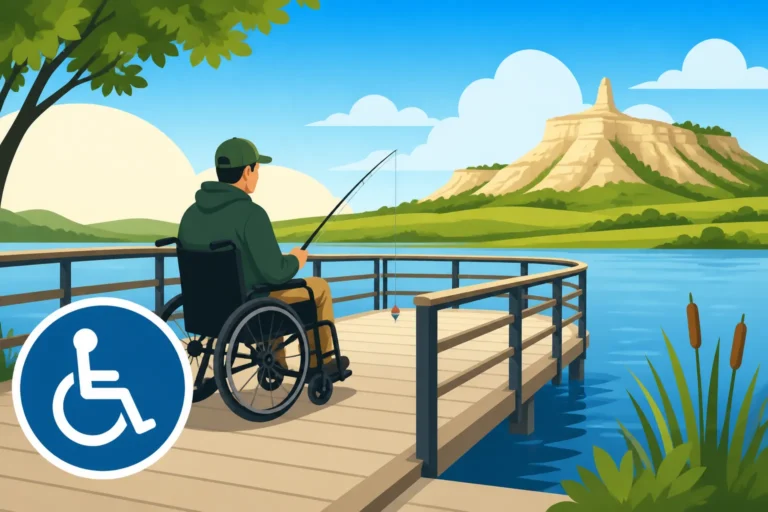
- Fishing Piers: Several fishing piers are strategically located around the lake, providing excellent access for anglers without boats, or those with mobility challenges. These piers often extend into deeper water or over productive areas, making them hotspots for crappie, bluegill, and catfish.
- Shoreline Access: The recreation area features miles of shoreline that are open to public fishing. Parking areas are scattered around the lake, allowing for easy pull-offs and walks to various bank fishing spots. Look for areas with fallen trees, rocky banks, or subtle points, as these are often fish magnets. You'll find restrooms, picnic shelters, and playgrounds, which are a huge bonus if you’re bringing family along for the day.
- Camping: Primitive and electric campsites are available at the Conestoga State Recreation Area, making it possible to turn your fishing trip into an overnight or weekend getaway.
Key Nebraska Fishing Regulations to Remember
Fishing in Nebraska means abiding by the rules set forth by the Nebraska Game and Parks Commission. These rules are in place to ensure sustainable fishing for everyone.
- Fishing License: Anyone 16 years of age or older needs a valid Nebraska Fishing License Costs and Types. This is non-negotiable and easily obtainable online through the GoOutdoorsNE system, or from various vendors around the state.
- Aquatic Habitat Stamp: In addition to your fishing license, most adult anglers will need an Nebraska Aquatic Habitat Stamp Explained. This small fee goes directly towards improving Nebraska's aquatic resources and fish habitats.
- Daily Bag and Possession Limits: Always be aware of the daily bag and possession limits for the species you are targeting. These limits can change, so it’s crucial to consult the most current Nebraska Fishing Guide, available online or at license vendors. For example, knowing the Nebraska Crappie Daily Limit is vital, as is the Nebraska Walleye Bag Limit.
- Length Limits: Some species, particularly bass and walleye, have minimum or slot length limits. This means fish below a certain size (or sometimes within a specific size range) must be immediately released. For instance, Nebraska Bass Length Limits are often in effect to protect juvenile fish and promote trophy growth.
- Approved Methods: Ensure your fishing methods are legal. Most common methods (rod and reel) are fine, but things like snagging, trotlines, or jug lines might have specific regulations or require special permits, and some are completely prohibited. You can find detailed information in the Nebraska Fishing Regulations Explained guide.
- Boating Regulations: If you’re using a boat, remember to comply with all Nebraska boating regulations, including having proper safety equipment like life jackets, fire extinguishers, and navigation lights, especially if you plan on being out before sunrise or after sunset.
Here's a quick overview of some common species and their typical regulations, but always check the current Nebraska Game and Parks Fishing Guide for the most up-to-date information:
| Species | Typical Daily Bag Limit | Typical Length Limit | Best Seasons for Conestoga |
|---|---|---|---|
| Largemouth Bass | 5 | 15-inch minimum (check for specific lake rules) | Spring, Fall, Summer (early/late) |
| Crappie | 15 | None, but subject to change | Spring, Fall, Winter Ice |
| Channel Catfish | 10 | None | Summer, Spring, Fall |
| Walleye | 4 | 15-inch minimum (check for specific lake rules) | Spring, Fall, Winter Ice |
| Bluegill/Sunfish | 15 | None | Spring, Summer, Fall |
(Note: These are general guidelines. Always consult the current Nebraska Fishing Guide for precise and up-to-date regulations before fishing.)
Enhancing Your Conestoga Lake Fishing Experience
Fishing isn't just about catching fish; it's about the experience, the challenge, and the connection with nature. Conestoga Lake provides an excellent backdrop for all of this, but a few extra tips can make your trip even more rewarding.
Overcoming Common Challenges
Like any body of water, Conestoga Lake presents its own set of challenges. Being prepared can make a big difference.
- Wind: Nebraska is known for its wind, and Conestoga Lake is no exception. Windy conditions can make boat control difficult, stir up the water, and make casting from shore a challenge. If it's very windy, try to fish on the leeward (downwind) side of the lake, where the water might be calmer and baitfish might be pushed. For boaters, a good trolling motor with spot-lock or a robust anchor system is invaluable.
- Clear Water: Conestoga Lake can have relatively clear water, especially during stable weather periods. Clear water often means fish are more wary and can see your line or lures more easily. Consider using lighter fishing line (e.g., 6-8 lb test monofilament or fluorocarbon leaders) and more natural bait colors. Fish might also be deeper or hug cover more tightly in clear conditions. Early mornings and late evenings are often more productive during clear water periods.
- Fishing Pressure: Being so close to Lincoln, Conestoga Lake can experience moderate to heavy fishing pressure, especially on weekends and holidays. This can make fish more educated and harder to catch. To counter this, try fishing during weekdays, early mornings, or late evenings when fewer anglers are out. Also, don't be afraid to try less-obvious spots or use finesse techniques that might entice pressured fish. Sometimes, getting away from the main boat ramps and popular piers can put you on fish that haven't seen as many lures.
- Seasonal Fluctuations: As mentioned, water levels and temperatures shift throughout the year. Understanding Nebraska Fishing Season Dates and Limits and how these affect fish behavior is key. Fish will move to different depths and types of cover depending on the season, so being able to read the water and adapt your approach will lead to more consistent success.
Planning Your Trip to Conestoga Lake
A little planning goes a long way to ensure a smooth and enjoyable fishing trip.
- Check the Weather: Always check the forecast before you go. This will help you dress appropriately, plan for sun protection or rain, and decide if boating conditions will be safe.
- Consult Fishing Reports: While Conestoga might not have as many detailed, real-time reports as larger, more famous lakes, local bait shops or online forums can sometimes offer insights into recent catches and effective baits. The Nebraska Game and Parks Commission website is also a good resource for general updates.
- Pack Smart: Beyond your fishing gear, bring essentials like plenty of water, snacks, sunscreen, insect repellent, a first-aid kit, and a trash bag to pack out everything you pack in. If you plan to keep fish, a cooler with ice is a must.
- Consider a Guide (if new to the area): If you're completely new to the area or specifically targeting a challenging species like walleye, booking a trip with a local guide can be an invaluable learning experience. They know the lake intimately and can fast-track your success. While Conestoga may not have many dedicated guides, larger platforms like FishingBooker can help you explore options for guides in the broader Lincoln area who might also fish Conestoga. Even if not a guide, talking to local tackle shop owners is gold.
- Share the Water: Remember that Conestoga Lake is a multi-use area. Be respectful of other anglers, boaters, kayakers, and visitors. Keep noise levels down, especially during early mornings and late evenings, and give others plenty of space.
Conestoga Lake is a true asset for anglers in the Lincoln area. It provides convenient access to a diverse and productive fishery, offering everything from fast-paced panfish action for the kids to challenging bass and walleye pursuits for more experienced anglers. With a bit of preparation and understanding of the lake’s nuances, your next fishing trip to Conestoga is sure to be a memorable one.
Disclaimer
The information provided in this guide is for general informational purposes only and is subject to change. Always consult the most current Nebraska Game and Parks Commission regulations and advisories before engaging in any fishing activities. Fishing conditions can vary, and safety should always be your top priority.