Best Nebraska Lakes for Night Fishing
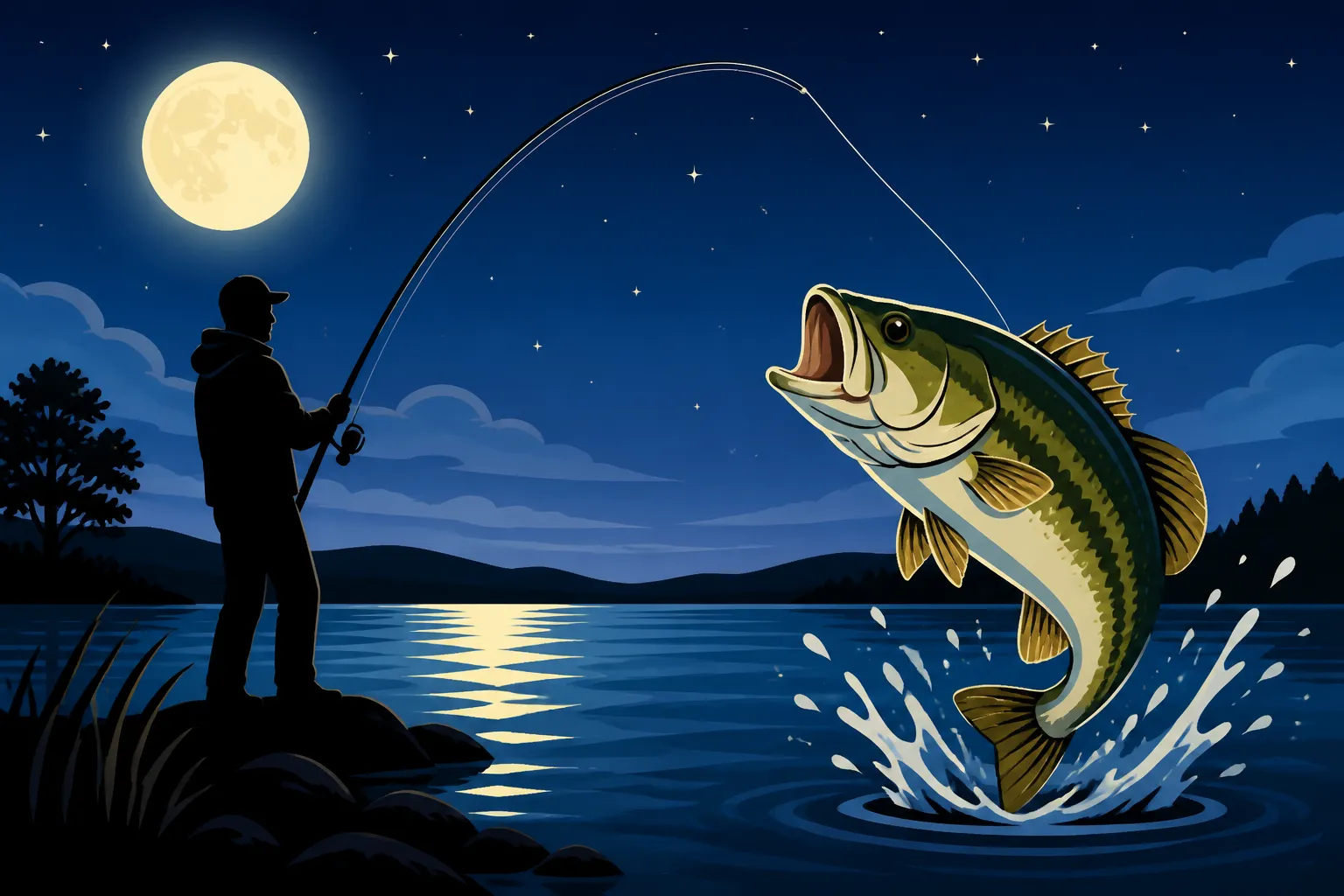
Let's be real, daytime fishing in Nebraska can be a fantastic experience, but sometimes the heat, the crowds, or simply the fish's preference for cooler, darker hours can leave you feeling a bit… underwhelmed. That's where night fishing steps in, offering a whole new world of tranquility and opportunity. This guide is here to walk you through the magic of Nebraska's waters after sunset, showing you which lakes truly shine, what you'll need, and how to make those twilight hours your most productive fishing time yet.
The Allure and Practicality of Night Fishing in Nebraska
There's something uniquely serene about being on the water when the rest of the world is winding down. The sounds change, the air cools, and a different kind of calm settles over the lake. But it’s not just about the ambiance; night fishing offers tangible advantages that can turn a slow day into an epic night.
First off, escaping the oppressive summer heat is a huge motivator. Casting under a canopy of stars is infinitely more comfortable than baking under a midday sun. Beyond comfort, many popular fishing spots experience significantly less pressure once the sun dips below the horizon. This means more peace and quiet for you, and often, less competition for the best fishing holes.
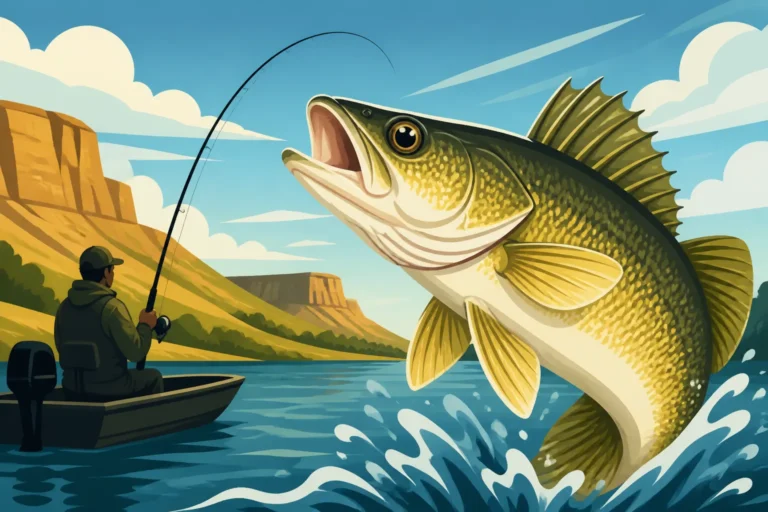
More importantly, fish behavior changes dramatically at night. Many species that are wary and lethargic during the day become active predators under the cloak of darkness. Walleye, for instance, are notoriously light-sensitive and will often move into much shallower water to feed at night, making them more accessible. Catfish, already known for their nocturnal tendencies, become even more aggressive, cruising for meals with their keen sense of smell. Even crappie and other panfish can be drawn to artificial lights, creating fantastic opportunities.
However, night fishing isn't without its unique challenges. Visibility is obviously a major concern, affecting everything from casting accuracy to boat navigation and identifying bites. Safety, both personal and on the water, becomes paramount. You need reliable lighting, a keen awareness of your surroundings, and perhaps even a buddy system. Special gear, such as headlamps and lanterns, becomes essential rather than optional.
It's also crucial to remember that even after dark, the rules still apply. Before you head out, make sure you're up to speed on all the specifics of Nebraska Night Fishing Rules and the broader Nebraska Fishing Regulations Explained to avoid any unwanted surprises.
Top Nebraska Lakes That Shine After Dark
Nebraska boasts some incredible bodies of water, and many of them transform into prime night fishing destinations once the sun sets. Each offers its own unique charm and species to target.
Lake McConaughy: Nebraska's Big Water After Dark
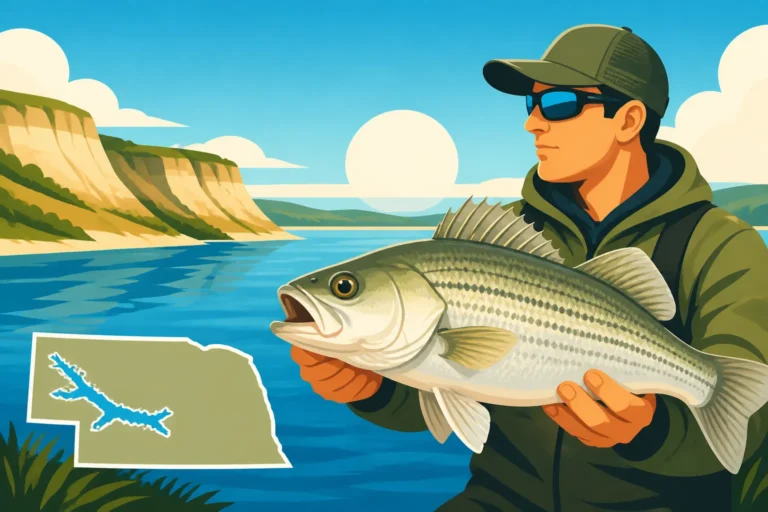
Often called "Big Mac," Lake McConaughy is a powerhouse during the day, but it truly comes alive at night for walleye and striped bass. This massive reservoir, near Ogallala, offers endless opportunities for anglers willing to embrace the dark. Walleye, being light-sensitive, often push into shallower depths at night, making them more vulnerable to presentation. Many experienced anglers here swear by trolling crankbaits in the upper water column or drifting live bait, like shiners or nightcrawlers, over submerged humps and points. The calm, warm evenings of summer are particularly prime for these fish.
Striped bass, or "stripers," also become much more active as temperatures drop and the moon rises. They'll often chase shad near the surface, and if you can locate these baitfish schools with your electronics during the day, you'll know where to return after dark. Fishing topwater lures or large swimbaits near these schools can lead to explosive strikes. While "Big Mac" offers plenty of shoreline access, a boat truly opens up the best night fishing opportunities here, allowing you to cover water and follow those nocturnal migrations. If you're new to the lake or looking for specialized night fishing expertise, checking out local guides on platforms like FishingBooker can give you a significant edge.
Branched Oak Lake: Crappie and Catfish Heaven
Closer to Lincoln, Branched Oak Lake is another fantastic option, especially if you're targeting crappie and catfish after hours. What makes Branched Oak so good at night? Its abundant submerged timber, brush piles, and rock formations provide perfect ambush points for these species.
For crappie, the strategy often revolves around attracting them with light. Many anglers will hang submersible LED lights or lanterns over the side of their boat, drawing in plankton, which then attracts baitfish, and finally, the crappie themselves. Small jigs tipped with minnows or soft plastics fished vertically around these light sources can be incredibly effective. Look for structure in 10-20 feet of water for the best results.
Catfish, particularly channel catfish, thrive in Branched Oak's waters and are always a top target at night. They'll actively cruise the flats and edges of channels, using their incredible sense of smell to find food. Setting up multiple rods with classic stink baits, cut bait, or even a simple nightcrawler rig can yield excellent results. Focus on areas where creeks enter the lake or along submerged contours. The quieter atmosphere at night also means less boat traffic to spook these wary feeders.
Harlan County Reservoir: Wind, Waves, and Walleye
Located in south-central Nebraska near Republican City, Harlan County Reservoir is known for its strong winds and productive fishing. While daytime can be choppy, nightfall often brings calmer conditions, making it more comfortable to fish and bringing walleye and catfish closer to shore.
Walleye anglers will often focus on wind-blown points, submerged roadbeds, and rocky reefs. Trolling deep-diving crankbaits or snap-jigging heavy jigs (sometimes tipped with a minnow or nightcrawler) along these structures can be very productive. The key is to pay attention to current and wind direction, as walleye will often orient themselves to ambush baitfish being pushed by these forces.
Catfish here can be absolute monsters, especially flatheads. While channel cats will readily take stink bait, for trophy flatheads, you'll need live bait like bluegills or large suckers, fished on heavy gear near submerged trees or rocky outcrops. Harlan County’s sprawling nature means you can often find solitude for a true nocturnal hunt.
Lewis and Clark Lake: Border Water Opportunities
Straddling the Nebraska-South Dakota border, Lewis and Clark Lake offers unique night fishing opportunities, especially for walleye and catfish. The lake's vastness and diverse structure, including steep bluffs, rocky points, and expansive flats, provide ample habitat for nocturnal feeders.
Nighttime walleye fishing here is similar to McConaughy and Harlan, with a strong emphasis on trolling crankbaits in areas where baitfish congregate. Focus on the main lake points and humps, particularly those with access to deeper water nearby. Many anglers use side imaging or down imaging sonar during the day to mark these structures and baitfish schools, returning to them after dark.
Catfishing is also superb. Both channel and blue catfish are present, with large specimens often caught after dark. Targeting the deeper channels and the mouths of tributaries with cut bait or prepared baits is a common and effective strategy. Remember that because this is a border water, you'll need to be aware of the specific licensing requirements, though typically a Nebraska license is sufficient on the Nebraska side of the main lake.
Pawnee Lake: A Convenient Night Bite Near Lincoln
For those closer to Lincoln, Pawnee Lake offers excellent and convenient night fishing, particularly for catfish and crappie. It's a popular spot for a reason, and many anglers discover its true potential after the crowds thin out.
Channel catfish are abundant here, and night fishing is prime time. Look for them cruising along the shoreline, especially near any submerged vegetation or drop-offs. Traditional bottom rigs with worms, cut bait, or stink baits will work well. The numerous jetties and accessible shorelines make it a great option for bank anglers too.
Crappie can also be found in good numbers at night, especially around brush piles and standing timber. Just like at Branched Oak, using a light source to attract them is a proven tactic. A small jig tipped with a minnow or a scented soft plastic can entice bites. This lake is great for a relatively quick evening trip without a long drive.
Holmes Lake: Urban Night Fishing Gem
Right in Lincoln, Holmes Lake is a fantastic urban fishing spot that provides surprisingly good night fishing, especially for channel catfish and occasionally bass. It’s perfect if you want to get out without a long drive or a boat.
The lake is regularly stocked, ensuring a healthy population of catchable fish. For catfish, target the deeper sections near the dam or the aerator, using cut bait, chicken liver, or prepared baits. You'll often find them patrolling the shallower edges of the lake as they search for food.
Bass can also be caught at night, often moving into shallower cover to ambush prey. Try throwing darker-colored spinnerbaits or topwater lures that create a good silhouette against the night sky, especially around weed lines or fallen trees. Remember that while it’s an urban lake, general Nebraska Fishing License Guide requirements still apply.
Here's a quick comparison of some of these fantastic night fishing destinations:
| Lake | Primary Night Species | Best For | Typical Night Tactics | Notes |
|---|---|---|---|---|
| Lake McConaughy | Walleye, Striped Bass | Trophy fish, big water | Trolling crankbaits, drifting live bait, topwater | Requires a boat for best access, guide services available. |
| Branched Oak Lake | Crappie, Channel Catfish | Accessible, diverse structure | Lights for crappie, bottom rigs for catfish | Good for boat and bank anglers. |
| Harlan County Reservoir | Walleye, Catfish, Wipers | Less crowded, big fish | Trolling, jigging points, live bait for flatheads | Can be windy, focus on calm evenings. |
| Lewis and Clark Lake | Walleye, Channel Catfish | Border water, varied terrain | Trolling, bottom fishing, targeting structure | Check border water regulations. |
| Pawnee Lake | Channel Catfish, Crappie | Convenient, accessible | Bottom rigs for cats, small jigs with lights | Great for bank fishing. |
| Holmes Lake | Channel Catfish, Largemouth | Urban, easy access | Cut bait for cats, dark lures for bass | Good for a quick trip, family-friendly. |
Equipping Yourself for a Successful Night Fishing Excursion
Night fishing requires a bit more preparation than your average daytime trip. The right gear not only enhances your success but, more importantly, ensures your safety and comfort.
Illumination: More Than Just Seeing
This is arguably the most critical component. You'll need hands-free lighting like a reliable headlamp. A good Best Headlamp for Night Catfishing will offer adjustable brightness settings, red-light mode (which is fantastic for preserving night vision and not spooking fish), and a comfortable fit. Beyond personal lighting, a boat needs navigation lights, and a powerful lantern (Best Lantern for a Nebraska Night Fishing Trip) can be invaluable. Consider a submersible green or white LED fishing light if you're targeting crappie or other baitfish-attracting species; these really make a difference. Always carry spare batteries or a backup light source!
Rods, Reels, and Line: Feel the Bite
While you might use your existing gear, some adjustments can improve your night fishing game. For catfish, a medium-heavy to heavy action rod with a strong reel spooled with braided line is ideal. This setup provides the backbone needed to fight big cats and the sensitivity to feel subtle bites in the dark. You can check out specific recommendations in our guide on the Best Rod Setup for Nebraska Catfish.
For walleye, a sensitive medium-light to medium action rod is crucial for detecting those notoriously light bites. A fast-action tip will help you feel the slightest tap. Consider our advice on the Best Rod Setup for Nebraska Walleye. Braided line with a fluorocarbon leader is often preferred for its lack of stretch, enhancing sensitivity.
Baits and Lures: Scents and Silhouettes
Night fishing often favors baits with strong scent profiles or lures that create a lot of vibration and sound. For catfish, live baits like shad, suckers, or bluegills, along with cut bait (like shad or carp), chicken liver, and various stink baits, are top choices. Our Best Bait for Nebraska Catfish guide has even more detail.
For walleye, live bait such as nightcrawlers or shiners can be incredibly effective when drifted or trolled slowly. Artificial lures like dark-colored crankbaits that create a good silhouette against the moonlit sky, or those with rattles, are also excellent. You can find more specific advice in our Best Bait for Nebraska Walleye article. Crappie will hit small jigs, minnows, or soft plastics, especially under a light source.
Navigation and Safety: Play It Safe
When boating at night, safety cannot be overstated. Ensure your boat's navigation lights are fully functional, and carry extra fuses. A reliable GPS unit (and knowing how to use it) is critical for navigating in the dark, especially on large, unfamiliar reservoirs. Always wear a personal flotation device (PFD), and make sure everyone on board has one. A marine radio or fully charged cell phone is a must for emergencies.
It's also a good idea to inform someone on shore of your float plan – where you're going and when you expect to return. This simple step can be a lifesaver. Ensure you comply with all Nebraska Boat Registration and Fishing Rules requirements.
Comfort and Convenience: Be Prepared
Don't forget the practical items! Bug spray is essential, especially during warmer months. Dress in layers, as temperatures can drop significantly after dark, even in summer. A thermos with hot coffee or soup can be a welcome comfort on cooler nights. Bring plenty of water and snacks. A small first-aid kit is always a good idea, and don't forget a pair of pliers for hook removal.
Strategies for Catching Fish When the Sun Goes Down
Once you've got your gear sorted, it's time to talk tactics. Night fishing requires a shift in mindset and approach, focusing on different senses and understanding fish behavior in the dark.
Targeting Species: Know Your Quarry
As mentioned, different fish respond to the night in different ways:
- Walleye: These masters of the low light often move from deep, daytime haunts to shallower flats, points, and humps to feed. Trolling noisy crankbaits or slowly drifting live bait are classic night techniques. Focus on areas adjacent to deeper water where they can retreat if spooked.
- Catfish: Already highly active at night, catfish rely heavily on their sense of smell. Cast prepared baits, cut bait, or live bait to prominent structure, current breaks, or the edges of channels. Many anglers will set up multiple lines to cover different depths and scents. Our How to Catch Catfish in Nebraska guide dives deep into this.
- Crappie: Under the cover of darkness, crappie often suspend around submerged brush, timber, or bridge pilings. Using a submersible light to attract plankton and baitfish to your boat is a highly effective way to draw them in. Then, present small jigs or minnows directly into the illuminated zone.
- Bass: Largemouth bass will often move into shallow cover at night. Dark-colored topwater lures that create a commotion (like a Jitterbug or buzzbait) or slow-rolled spinnerbaits can elicit violent strikes as bass ambush prey.
Location, Location, Location: Finding the Hot Spots
During the day, you might focus on deep structure, but at night, fish often push shallower. Look for:
- Transition Areas: Where deep water meets shallow flats. Walleye and bass often use these highways.
- Points and Humps: Especially those with rocky bottoms, which retain heat and offer cover.
- Weed Lines and Submerged Timber: Excellent ambush points for bass, crappie, and even catfish.
- Creek Channels and Inlets: Current attracts baitfish, and catfish often patrol these areas.
- Riprap and Rocky Shorelines: These areas warm up faster and hold baitfish, attracting predators.
Scouting these locations during the day can save you a lot of guesswork after dark.
Senses Over Sight: Tuning In
Since your vision is limited, you'll need to rely more on your other senses:
- Feel: Pay close attention to your line and rod tip. Braid can be a game-changer for sensitivity. Feel for subtle taps, unnatural weight, or slight changes in resistance.
- Sound: Listen for splashes or rises on the surface, indicating active feeding. Noisy lures can help fish locate your presentation.
- Smell: For catfish, this is paramount. Use baits with strong odors.
- Movement: Even a slight movement of a light bobber can indicate a bite.
Patience is also key. Night fishing can sometimes be slower between bites, but the quality of the fish can be exceptional. Don't get discouraged if there's a lull; fish often feed in bursts.
Consider utilizing local expertise. If you're planning a trip to a new lake or want to specifically target a challenging species like Walleye Fishing in Nebraska after dark, a local guide can be invaluable. Websites like FishingBooker can connect you with experienced Nebraska fishing guides who specialize in night excursions, helping you maximize your time on the water.
Finally, always remember the importance of holding a valid fishing license. You can quickly and easily learn How to Buy a Nebraska Fishing License Online if you don't have one, ensuring you're ready for any opportunity that arises, day or night.
Disclaimer
Fishing inherently involves risks. Always prioritize safety, especially when fishing at night. Check local weather forecasts, wear appropriate safety gear, and be aware of all fishing and boating regulations. The information provided in this guide is for informational purposes only, and conditions can change rapidly. Always exercise caution and good judgment while on the water.