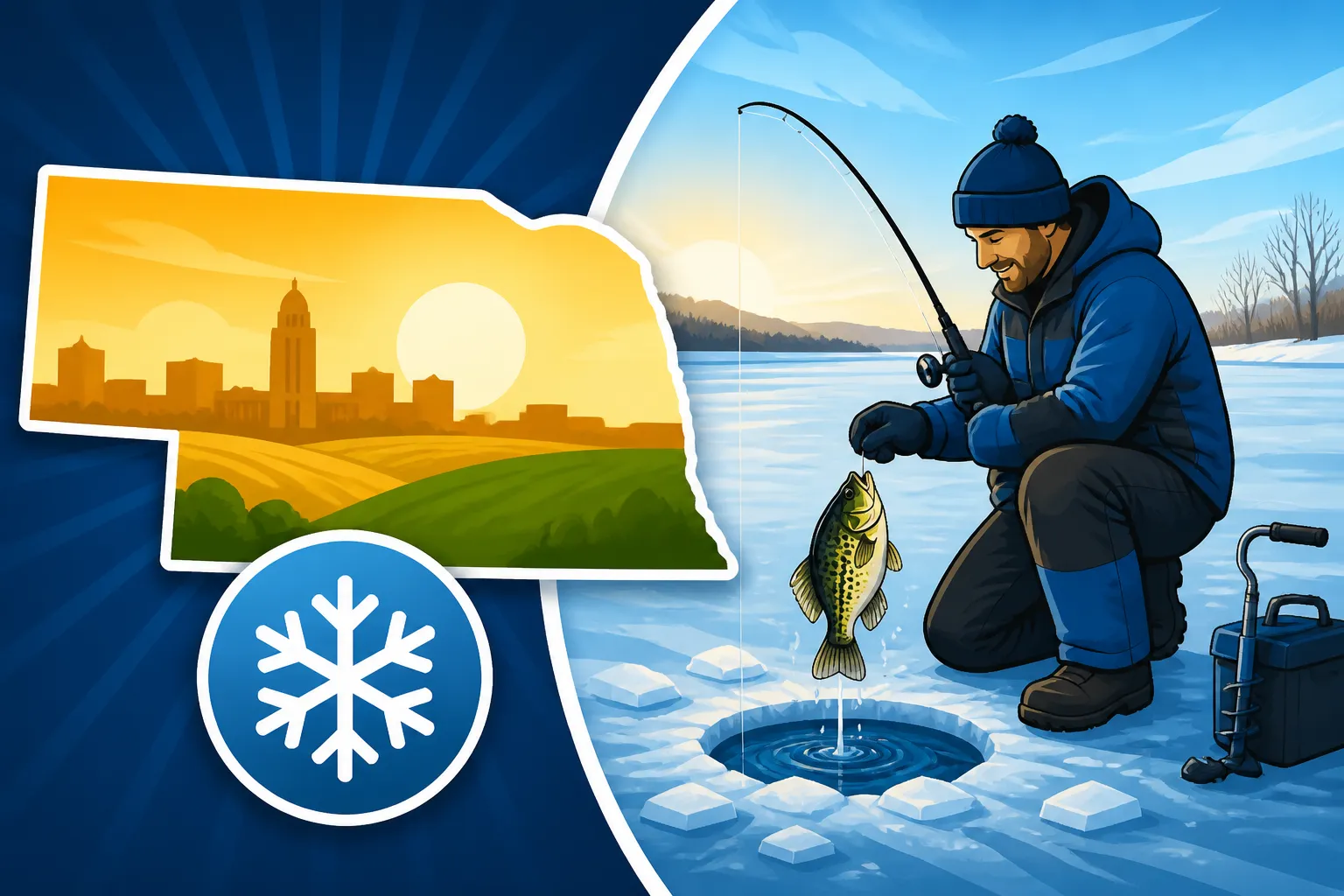
When Ice Fishing Season Starts in Nebraska
That crisp bite in the air, the way the ponds start to skim over in the mornings – if you're like me, you start itching to get out on the ice long before it's actually safe. It's frustrating trying to figure out precisely when that magical moment arrives in Nebraska, because it's never a set date on the calendar. This guide is all about helping you understand the real dynamics of Nebraska's ice fishing season, what to look for, and how to safely prepare for that glorious first hardwater adventure.
Understanding Nebraska's Ice Fishing Season Dynamics
Ice fishing in Nebraska isn't like flipping a switch on December 1st. It's a gradual, often frustratingly slow process that depends entirely on Mother Nature. One year you might be out by Christmas, the next you're still waiting well into January. It’s a waiting game that every Nebraska angler knows all too well, filled with constant checks of the thermometer and hopeful glances at local weather forecasts.
The Unpredictable Nature of Ice Formation in Nebraska
Let's be real, Nebraska weather can be a bit schizophrenic. We can have a week of bone-chilling cold, only for a warm front to swoop in and ruin any ice that's started to form. The consistency of cold temperatures is the absolute key. You need sustained freezing temperatures, day and night, for ice to really start building up to a safe thickness.
Several factors play into this delicate dance. Shallow ponds and small, sheltered lakes with less current will almost always freeze over first. These smaller bodies of water, like many of the urban fishing program ponds around Omaha or Lincoln, are often the first places where you can safely get out. Deeper, larger reservoirs like Lake McConaughy or Merritt Reservoir, with their vast expanses and often windy conditions, take much longer to cap over. Snowfall can also be a double-edged sword; a heavy blanket of snow insulates the water, actually slowing down further ice growth, even if temperatures are frigid. It's a complex equation, and that's why "When Ice Fishing Season Starts in Nebraska" is rarely a simple answer.
General Timeline and Early Ice Opportunities
Generally speaking, you can start dreaming about early ice opportunities in Nebraska somewhere between late December and mid-January. This is when those smaller, shallower ponds and sheltered coves on larger lakes might start showing promising ice. Think of those local sandpits and quieter areas that don't see as much wind or current. These are your best bets for getting out there first.
When you're looking for early ice, keep an eye on water temperatures and air temperatures. Once the water consistently dips into the low 30s Fahrenheit and the air stays well below freezing for several days, ice formation will accelerate. The initial ice tends to be clear and strong, often referred to as "black ice" because you can see through it, which is generally safer than cloudy or snow-covered ice. However, "early ice" also means "early danger," so always approach with extreme caution. Remember, patience is a virtue, especially when it comes to early season ice fishing. You don't want to be the one who tests the ice and finds it too thin the hard way.
Key Indicators for Safe Ice Formation
The burning question everyone has is always, "Is the ice safe yet?" This isn't a question to take lightly. There’s no magic formula, but there are definitely critical indicators and practices that can help you make an informed decision and significantly reduce your risk. Understanding these can be the difference between a great day of fishing and a truly terrifying one.
The Critical Ice Thickness Rule
This is the golden rule for ice fishing. The Nebraska Game and Parks Commission, along with ice safety experts, provides clear guidelines on minimum ice thickness for various activities. You absolutely cannot skip this step. This isn't just a suggestion; it's vital information for your safety and the safety of anyone with you.
- 4 inches of new, clear ice: This is the absolute minimum for walking out onto the ice and for ice fishing on foot. Even at this thickness, you should be moving cautiously, distributing your weight, and ideally fishing with a buddy.
- 5-7 inches of new, clear ice: At this thickness, snowmobiles or ATVs might be safe, but always with caution. Vehicles add a lot of weight, and localized stresses can cause cracks, especially if you're moving too fast or in groups.
- 8-12 inches of new, clear ice: This is generally considered safe for small cars or light trucks. However, think long and hard before driving any vehicle onto the ice. Pressure ridges, areas of weakened ice, or hidden cracks can exist even in thick ice. Large, heavy vehicles require even more, but frankly, for most recreational Nebraska ice fishing, even a small car on the ice is pushing it.
It's paramount to remember that ice is never 100% safe. Always use a spud bar or an auger to check ice thickness as you go. Don't rely solely on what someone else tells you; verify it yourself. If you're unsure how to check, or what gear you might need, a good starting point is our guide on How Thick Ice Needs to Be to Fish Safely in Nebraska.
Visual Cues and Sound Warnings
Beyond just thickness, the appearance and sound of the ice can tell you a lot. Learning to "read" the ice is a skill that develops over time, but there are some basics you can pick up quickly.
Clear, blue, or "black ice" (where you can see into the water below) is generally the strongest. This type of ice forms in calm, cold conditions without snow cover. It's dense and strong. In contrast, milky or opaque ice, often formed by thawing and refreezing, or by snow that refroze, is much weaker, even at the same measured thickness. Always be more cautious with cloudy ice. Snow-covered ice can also hide hazards like cracks or open water, and as mentioned earlier, it insulates the ice, preventing it from growing thicker.
Pay attention to sounds. Loud cracks or groans are often a good sign, indicating the ice is expanding and settling. However, a sudden, sharp crack directly underfoot that feels like the ice is giving way is a huge red flag – get off the ice immediately. Listen for the sound your spud bar makes; a solid thud means thick ice, a softer crunch might mean slushy or weak ice. Also, be aware of areas near inlets or outlets, springs, or aeration systems, as these spots will almost always have thinner ice due to moving water or currents, regardless of the overall thickness of the main body of the lake. Our article on Nebraska Ice Fishing Safety Tips goes into even more detail on these critical warnings.
Monitoring Local Conditions and Reports
In the age of information, there's no excuse to go onto unsafe ice blind. Staying informed about local conditions is easier than ever.
One of the best resources is always your local bait shop. The folks working there are usually avid anglers themselves and hear real-time reports from people who are out on the water every day. They're often the first to know which lakes are safe and what the current ice conditions are. Many bait shops, like those near Lake Wanahoo or Branched Oak Lake, will even post updates on their social media or whiteboards.
Another excellent resource is the Nebraska Game and Parks Commission (NGPC). While they don't issue daily ice reports for every single body of water, they do provide general safety guidelines and sometimes specific warnings for popular fishing areas. Their website and social media channels are great places to check. Beyond that, online fishing forums and local social media groups dedicated to Nebraska fishing are invaluable. Anglers often share their experiences, including ice thickness measurements and conditions, though you should always verify any reports with your own checks before committing to an area. When searching for gear, don't forget to check out what's available on Amazon for ice safety essentials.
Preparing for Your First Ice Fishing Excursion in Nebraska
Once you've done your due diligence and confirmed that the ice is sufficiently safe, the real fun begins: preparing for your trip! It's not just about getting a license; it's about having the right gear, prioritizing safety, and knowing where to start your search for those eager fish.
Essential Gear for Early and Mid-Season Ice
Going ice fishing isn't just about bringing your summer rod. You need specialized gear, especially if you're heading out in the early or mid-season Nebraska cold.
First up is the auger. For early ice, a hand auger might suffice, especially on smaller, shallower ponds where the ice isn't super thick yet. But as the season progresses and the ice gets thicker, a power auger (either gas or electric) becomes a real back-saver. You'll thank yourself when you're drilling multiple holes through a foot or more of ice. You can find a good selection of augers, both manual and powered, on Amazon, often with reviews from other anglers.
Next, you'll want specific ice fishing rods and reels. These are much shorter than traditional rods, designed for fishing in a small hole. Ultra-light combos are great for panfish like bluegill and crappie, while medium-action setups are better for walleye or bass. Don't forget your tackle! Small jigs, spoons, and live bait like minnows or waxworms are staples. You'll also need a portable shelter (shanty or hub style) if you plan on staying out for extended periods or want protection from the infamous Nebraska wind. For a deeper dive into what to pack, check out our Essential Gear Checklist for a First Ice Fishing Trip.
Prioritizing Safety on the Ice
Safety on the ice goes far beyond just checking the thickness. Even with decent ice, conditions can change, and accidents can happen. It’s about being prepared for the worst while hoping for the best.
Always, and I mean always, fish with a buddy. If something goes wrong, having someone else there to help can be a literal lifesaver. Carry a set of ice picks, which hang around your neck and can be used to pull yourself out of the water if you fall through. A throw rope is another non-negotiable item, allowing you to rescue someone from a distance without putting yourself at risk. Never forget a charged cell phone in a waterproof case, just in case of an emergency.
Be aware of pressure ridges – these are areas where ice sheets push against each other, creating buckles or cracks that can be very unstable. Avoid them entirely. Also, pay attention to the consistency of the ice. If you start hitting slush or water pockets under the snow, it's a good sign that the ice is deteriorating. For a full breakdown of precautions, our guide on Nebraska Ice Fishing Safety Tips is an invaluable resource. Knowing what to wear is also crucial; layer up, and make sure your outer shell is waterproof. Our article on What to Wear Ice Fishing in Nebraska provides excellent advice on this.
Finding Productive Early Ice Spots
Alright, you've got your gear, you know the ice is safe, now where do you actually fish? Early ice can be fantastic because fish often remain in predictable, shallower patterns before they move to deeper winter haunts.
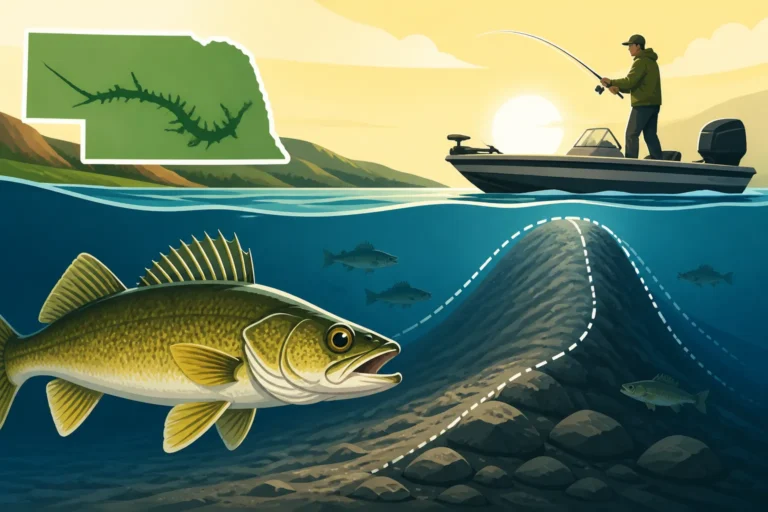
Start by targeting smaller, shallower bays or protected coves on larger lakes. These areas freeze first and often hold fish that are still actively feeding. Look for weed lines or areas with standing timber if available; these provide cover and ambush points for predatory fish like walleye and bass, and food sources for panfish. Bottom transitions, like where a flat drops off into deeper water, are also prime locations.
For urban ponds, focus on areas near aeration systems (but not too close, as these keep water open), brush piles, or old submerged structures. These locations concentrate fish. As the season progresses, you'll often find fish moving to deeper structure like humps, points, and channel edges in the main lake basins. Some of the Best Nebraska Lakes for Ice Fishing will offer a variety of these structural elements. Don't be afraid to drill a series of holes to locate fish; it's a common strategy for finding the schools.
Navigating Regulations and Ice Fishing Etiquette
Just like any other form of fishing, ice fishing in Nebraska comes with its own set of rules and unwritten codes of conduct. Understanding these is essential for a legal, safe, and enjoyable experience for everyone on the ice.
Nebraska Ice Fishing Regulations
Before you even think about stepping onto the ice, you absolutely need to make sure your Nebraska fishing license is current. Every angler 16 years or older needs one. You can find all the details you need in our comprehensive Nebraska Fishing License Guide. Remember, if you’re fishing for trout, you might also need a specific trout stamp. While this particular guide focuses on when ice fishing starts, it's crucial to understand the rules that govern how you can fish.
Beyond the general fishing license, Nebraska has specific regulations that apply to ice fishing itself. This includes things like the number of lines you can use (typically two rods and reels or two tip-ups), restrictions on heated shelters or permanent structures, and rules regarding the removal of shelters at the end of the season. Always check the current year's Nebraska Fishing Guide, available online through the NGPC or at license vendors. Knowing these rules ensures you don't face penalties, which can include fines and loss of fishing privileges, as detailed in our specific article on Nebraska Ice Fishing Regulations.
Respecting Fellow Anglers and the Environment
Ice fishing is a communal activity on many Nebraska lakes, and a little respect goes a long way. When you arrive at a busy lake, try to give other anglers ample space. Nobody likes someone drilling a hole right next to them, spooking their fish. A general rule of thumb is to maintain at least 50 feet between yourself and other anglers if possible, especially if you’re using a power auger, which can be noisy.
Beyond personal space, keep your noise levels down. That means loud music, yelling, or revving snowmobiles unnecessarily can disturb both fish and fellow anglers. It’s also crucial to practice "pack it in, pack it out." All your trash, broken line, bait containers, and anything else you brought onto the ice needs to leave with you. Leaving litter behind is not only disrespectful but also harmful to the environment. Furthermore, if you’re bringing a portable shelter, ensure it's removed from the ice when required by regulations, typically within a day or two of the ice becoming unsafe. Adhering to these unwritten rules fosters a more pleasant and sustainable ice fishing environment for everyone.
| Activity | Minimum Safe Ice Thickness (New, Clear Ice) | Important Notes |
|---|---|---|
| Foot Travel / Ice Fishing (single person) | 4 inches (10 cm) | Always check as you go; go with a buddy. |
| Snowmobile / ATV | 5-7 inches (12-18 cm) | Distribute weight, avoid tight turns or sudden stops. |
| Small Car / Light Truck | 8-12 inches (20-30 cm) | Extreme caution advised; check local conditions thoroughly. Avoid at all costs if possible. |
| Medium Truck | 12-15 inches (30-38 cm) | Not recommended for recreational ice fishing. |
| Heavy Truck | 15+ inches (38+ cm) | Absolutely not recommended for recreational ice fishing. |
Disclaimer
The information provided in this guide is for general informational purposes only and is not a substitute for official regulations or personal judgment. Ice conditions can change rapidly and vary greatly across different bodies of water. Always exercise extreme caution, verify ice thickness yourself, and consult the latest regulations from the Nebraska Game and Parks Commission before venturing onto the ice. Your safety is your responsibility.