Does Nebraska Require a Photo ID for Fishing License Checks?
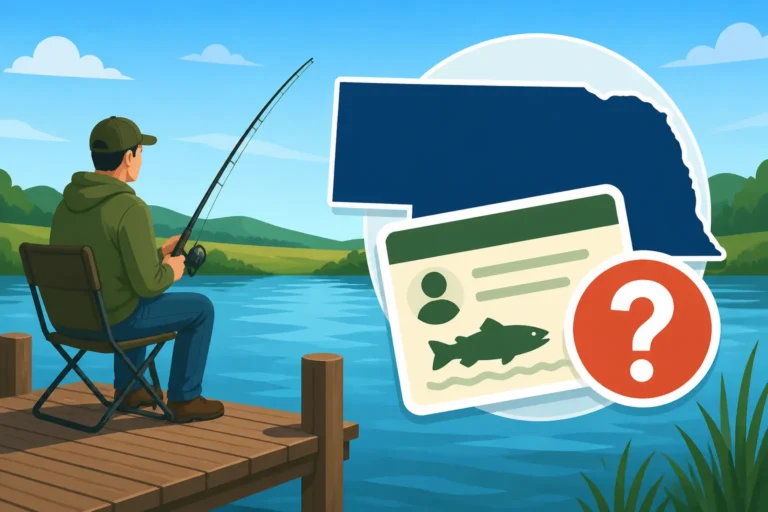
It’s a common fishing day worry: you're out on the water, enjoying the peace and quiet, and then you spot a conservation officer heading your way. Immediately, your mind races to your fishing license. Is it in your wallet? Did you download the digital version? And perhaps the most crucial question that pops up for many anglers, especially if they're new to the area or haven't been checked in a while: "Do I need to show a photo ID with my fishing license?" This guide is here to untangle that uncertainty, explaining why a photo ID is indeed an expected part of the fishing license check process in Nebraska and how to always be prepared.
Understanding Nebraska's Photo ID Requirements for Anglers
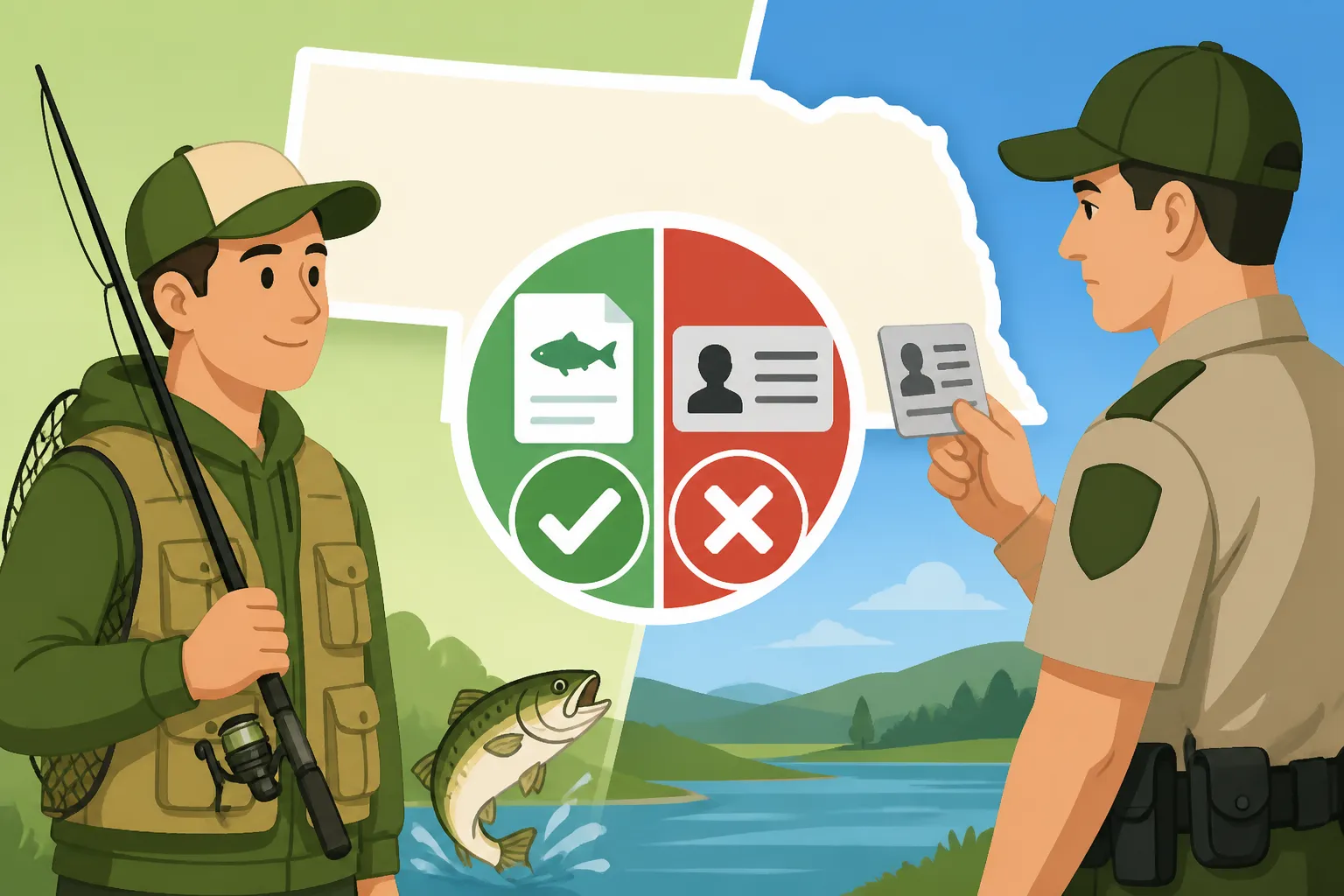
When you immerse yourself in the natural beauty of Nebraska's fishing scene, whether it's casting lines into the mighty Missouri River or exploring a tranquil Sandhills lake, you want to be sure you're doing everything by the book. One of the fundamental requirements, often overlooked or misunderstood, is the need to present valid photo identification when a Nebraska Game and Parks Commission (NGPC) conservation officer asks to see your fishing license. And yes, the simple and direct answer is: you absolutely should have a current, government-issued photo ID with you.
The logic behind this requirement is straightforward and essential for effective wildlife management. Your fishing license is a personalized permit, granting you—the specific individual named on it—the privilege to fish within Nebraska's regulations. Without a reliable way to confirm that the person holding the license is genuinely the person to whom it was issued, the entire system of licensing and regulation would quickly lose its integrity. Conservation officers are tasked with upholding these rules, and verifying your identity is a critical component of that duty. It's not about creating unnecessary hurdles; it's about safeguarding our fish populations and ensuring fair play for all anglers who responsibly contribute to conservation.
This isn't merely a suggestion; it’s an integral part of the regulatory framework. Your photo ID serves as proof of your identity and often, crucially, confirms your residency status, which impacts the type of license you hold, such as a Nebraska Resident Fishing License Requirements or a Nebraska Nonresident Fishing License Requirements. It's a cornerstone for preventing fraudulent use of licenses and plays a vital role in the fair and efficient management of Nebraska’s diverse aquatic resources.
Why Proof of Identity is Crucial
The Nebraska Game and Parks Commission issues various types of permits, from standard annual licenses to specialized Nebraska Combination Hunt and Fish Permit options, or even those tailored for specific demographics like Nebraska Fishing License for Seniors. Each of these permits is explicitly tied to an individual. A photo ID, typically a Nebraska driver's license, state ID card, or even a valid passport, offers unmistakable evidence that the individual presenting the fishing license is indeed its legitimate holder. Imagine a scenario where anyone could simply pick up a discarded or shared license and claim it as their own. This would not only make enforcement impossible but also compromise the funding structure for essential conservation programs, including fish stocking, habitat restoration, and critical research.
Furthermore, your photo ID is vital for validating your eligibility for certain license types. For instance, if you qualify for a senior discount or a disabled angler permit, your ID confirms the age or status that grants you access to those specific privileges. This verification process is indispensable for maintaining fairness across the angling community and ensuring that the financial contributions from license sales are accurately channeled to support the conservation efforts that benefit all of us. Without this stringent verification, the system could be exploited, undermining the collective effort to preserve Nebraska's natural heritage.
Digital vs. Physical ID and License
In our increasingly digital world, Nebraska has embraced technology to make life easier for anglers. The GoOutdoorsNE system allows you to purchase your license online and display it digitally on your smartphone. This is incredibly convenient; you can buy a Nebraska 1-Day Fishing Permit on the fly or renew your annual one without printing a thing, and view your Nebraska Fishing License App and Digital Proof of Purchase with a few taps. However, and this is a key point, the digital display of your license does not replace the need for your physical photo ID.
Think of it like this: your phone shows proof that a license exists under your name, but it doesn't show your face. That’s where your physical photo ID comes in – it’s the bridge that connects the name on the digital license to the person holding the phone. Conservation officers need to see that match to confirm you are the rightful owner. So, while having your license on your phone is fantastic for quick access, always ensure your physical driver's license or state ID is also with you. Many anglers find a small, waterproof pouch or wallet, easily found on Amazon, invaluable for keeping both their ID and a backup paper copy of their license safe and dry, just in case your phone decides to take an unplanned swim or run out of battery. Knowing How to Set Up a GoOutdoorsNE Account is a great first step, but remembering the physical ID is the second, equally important one.
What Happens During a License Check and What to Do
The sight of a conservation officer can sometimes make even the most law-abiding angler a little nervous. But honestly, a license check is a routine procedure, not usually an accusation. Whether you’re casting from the bank at Lake McConaughy or trolling for walleye on Harlan County Reservoir, these checks are a fundamental part of how the NGPC monitors compliance and ensures healthy fish populations.
When an officer approaches, they typically identify themselves and explain that they are conducting a license check. They will then politely ask to see your fishing license and your corresponding photo identification. The best course of action is always to remain calm, be polite, and have these documents readily available. They may confirm your name, date of birth, and residency. They might also inquire about your fishing activity, such as what you're targeting, what you've caught, and if you're familiar with specific regulations like Nebraska Walleye Bag Limits or Nebraska Crappie Bag Limits. Answering truthfully and courteously will make the process quick and painless. Remember, cooperation is key to a smooth interaction.
The Scenario: No Photo ID on Hand
We've all been there: that moment of sinking dread when you realize you've forgotten something vital. If you're asked for your photo ID by a conservation officer and you can't produce it, the situation can become more complicated than a simple check. While some officers might exercise discretion, especially if you're a known local or if your ID is just a short walk or drive away, others may need to take more formal steps to verify your identity.
This could involve running your name through databases, asking for additional personal details, or requiring you to retrieve your ID if it's within a reasonable distance. In situations where identity cannot be definitively confirmed, or if there's a perceived lack of cooperation, an officer has the authority to issue a warning or even a citation. A citation could be for failure to produce identification or for not having a validly verifiable license. To prevent this inconvenience and potential penalty, always double-check that your photo ID is in your fishing bag or waterproof wallet before heading out. Investing in a small, easily accessible pouch for your ID, maybe one you picked up from Amazon, can be a game-changer for peace of mind.
Consequences of Non-Compliance
The repercussions for failing to produce a valid fishing license or required photo identification can range from a stern warning to significant financial penalties. While forgetting your ID might be an honest mistake, it can still lead to a citation. Fines for such offenses in Nebraska can vary, often starting in the hundreds of dollars, and can increase for repeat offenders or more serious violations. It's not just about the money; consistent non-compliance could also impact your future fishing privileges.
It’s important to distinguish between forgetting your ID and deliberately fishing without a license. Fishing without any Nebraska Fishing License Costs and Types at all is a much more serious infraction and will almost certainly result in a hefty fine. Conservation officers are highly trained and take their role in protecting Nebraska's natural resources very seriously. Their goal is primarily compliance, but they will enforce the law to ensure the integrity of the state's conservation efforts. For the most up-to-date details on potential penalties, always refer to the official Nebraska Fishing License Violation Penalties.
Practical Tips for Keeping Your ID and License Accessible
Nobody wants their peaceful fishing trip interrupted by the stress of misplaced documents. Luckily, a few simple habits and smart gear choices can ensure your photo ID and fishing license are always within reach, allowing you to focus on the joy of angling.
A proactive approach begins with making the storage of your fishing license (whether a printed copy or your digital access information) a companion to your primary photo ID. If you typically carry a wallet, designate a specific, easy-to-access slot for your license. For those times when a full wallet isn't practical on the water, consider a dedicated, minimalist waterproof holder. These are ideal for just your essential ID and license, and you can find a wide variety of durable options available through online retailers like Amazon.
Remember the unpredictable nature of fishing environments. Water, mud, and sudden downpours are common. While a laminated license or a digital copy on a waterproofed phone offers some protection, your physical ID also needs safeguarding. A zippered pocket on your fishing vest, a secured compartment in your tackle box, or a small, attachable dry pouch can provide a reliable sanctuary for your crucial identification documents.
Waterproof Solutions and Digital Storage
For passionate anglers, dealing with water is part of the experience, but keeping critical documents dry is paramount. While a simple plastic bag might work in a pinch, a purpose-built waterproof wallet or a small dry bag designed for valuables offers far superior protection and peace of mind. Many reputable outdoor brands, along with numerous options readily available on Amazon, provide excellent solutions to keep your driver's license, cash, and fishing license perfectly dry, even if they take an unexpected dip.
The GoOutdoorsNE system is a true modern convenience. Once you’ve secured your Nebraska Annual Fishing Permit or any other license, you can effortlessly display it on your smartphone. This eliminates the need for carrying a paper printout, provided your phone is functional. However, it's crucial to reiterate: a digital license alone is not enough; your physical photo ID remains mandatory. A dead phone battery is a poor excuse when an officer requests proof, so ensure your device is fully charged or pack a portable power bank, especially on longer excursions. Familiarizing yourself with How to Set Up a GoOutdoorsNE Account and its features before your trip will help ensure smooth sailing.
Creating a Pre-Trip Checklist
Developing a quick pre-trip checklist is one of the most effective ways to prevent those "Oh no, I forgot!" moments. Integrate it into your routine, just like checking your tire pressure or bait supply.
Here's a comprehensive checklist to get you started:
- Valid Fishing License: Confirm it's current and for the correct state and activity.
- Photo ID: Driver's license, state ID, or passport.
- Required Stamps/Endorsements: E.g., the Nebraska Aquatic Habitat Stamp Explained or Nebraska Trout Stamp Requirements, if applicable to your fishing plans.
- Fishing Rods & Reels: Properly spooled and ready.
- Tackle Box: Stocked with appropriate lures, hooks, and weights.
- Bait: Live bait or artificials suitable for your target species.
- Safety Equipment: Life vest (if boating), whistle, first aid kit.
- Weather-Appropriate Clothing: Layers, rain gear, hat.
- Hydration & Nutrition: Water bottles, snacks, maybe a thermos of coffee.
- Sun Protection: Sunscreen, polarized sunglasses (great for spotting fish!).
- Charged Phone: For emergencies, photos, and digital license display.
- Small, Waterproof Bag: For your ID and paper license backup.
Making this a routine will save you stress and ensure you're fully prepared for whatever your Nebraska fishing adventure brings, including that routine license check.
Related Requirements and Common Questions
Beyond the photo ID, navigating Nebraska's fishing regulations involves understanding several other crucial requirements and common queries. Being well-versed in these additional rules can greatly enhance your fishing experience, preventing unintentional violations and ensuring you're fully compliant. Many anglers, for instance, are curious about specific age guidelines. Do the youngest enthusiasts need a license? What about senior citizens? Generally, children under 16 can fish without a permit, but it’s always smart to check the latest regulations, especially if participating in programs like the Nebraska Mentored Youth Fishing Program Rules. Seniors often have access to discounted or free license options, though they still need to meet specific age and residency criteria, which your photo ID helps verify.
Another frequent area of inquiry concerns additional stamps. The Nebraska Aquatic Habitat Stamp is required for most anglers 16 and older, and a Nebraska Trout Stamp Requirements is necessary if you're pursuing or possessing trout. While these stamps aren't typically checked with a separate ID in the same manner as your main license, an officer will verify that you have all the necessary endorsements for your specific fishing activities. Your photo ID remains the foundational document for validating your overall angling legitimacy.
Age and Residency Verification
Nebraska's fishing laws are meticulously crafted to ensure fair access and effective management of our aquatic resources. A key aspect of this involves differentiating rules based on age and residency. For example, the Nebraska Youth Fishing License Rules clearly state that residents and non-residents under the age of 16 are exempt from needing a fishing license for most activities. However, for anyone aged 16 and above, a license is unequivocally required. This is precisely where your photo ID becomes indispensable.
For adult anglers, your ID acts as irrefutable proof of age, preventing individuals from attempting to fish under a youth exemption if they are over 16. More critically, it validates your residency status. A Nebraska resident license is significantly more affordable than a nonresident one, acknowledging that residents contribute to the state's tax base, which in turn supports conservation. An officer uses your photo ID (such as a Nebraska driver's license) to confirm that you satisfy the Nebraska Resident Definition for Fishing License Purposes. Without this critical piece of identification, it would be impossible to differentiate between a local Nebraskan and someone visiting from a neighboring state like Iowa, creating enforcement challenges and undermining fair licensing practices. If you're an out-of-state angler, it's particularly important to familiarize yourself with the Nebraska Nonresident Fishing License Requirements to ensure you purchase the correct permit.
Border Waters and Reciprocity
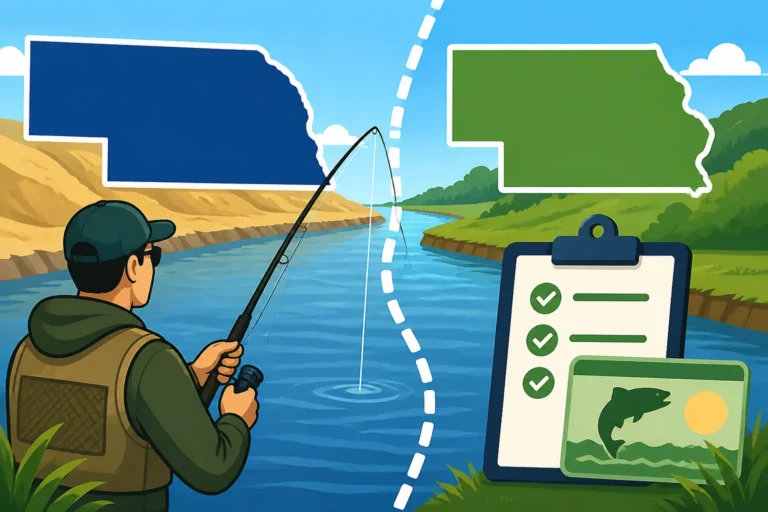
Nebraska shares expansive and popular fishing waters with adjacent states, notably the Missouri River, which borders Iowa, Missouri, and South Dakota, and the vast Lewis and Clark Lake with South Dakota. This unique situation frequently sparks questions about which state's license is required and whether reciprocity agreements are in effect. Generally, on these designated border waters, a valid fishing license from either Nebraska or the contiguous state is recognized, permitting you to fish within the shared water boundaries.
However, these agreements often come with specific stipulations regarding boat launching points, where fish can be legally harvested, and which state's specific regulations (such as bag limits and length limits) apply. For instance, if you're fishing Lewis and Clark Lake License Reciprocity With South Dakota, it's paramount to understand these detailed nuances. Even with full reciprocity, a conservation officer from either state can initiate a license check. And yes, they will still require your photo ID to verify that the license you're presenting is authentically yours and is valid under the reciprocal agreement. To minimize any potential confusion or delays, it's always advisable to carry both your Nebraska photo ID and your Nebraska fishing license, even when fishing on border waters. Always consult the official Nebraska Fishing Regulations Explained or specific border water guides for the most current and comprehensive information.
| Document Type | Requirement | Purpose | Where to Keep It |
|---|---|---|---|
| Photo ID | Mandatory for license verification | Confirms angler's identity, age, and residency. | Waterproof wallet, zippered pocket, dry bag. |
| Fishing License | Mandatory for anglers 16+ | Grants legal permission to fish. | Digital on phone (GoOutdoorsNE app), printed paper, wallet. |
| Aquatic Habitat Stamp | Mandatory for most 16+ anglers | Funds fish habitat projects. | Automatically applied to license or separate endorsement. |
| Trout Stamp | Mandatory for possessing/fishing for trout | Required for specific species management. | Automatically applied to license or separate endorsement. |
| Boat Registration | Required for motorized boats | Legal operation of vessel. | On boat, accessible for inspection. |
| Boating Safety Course Card | Required for certain age groups to operate certain vessels | Proves knowledge of safe boating practices. | Waterproof wallet, boat's safety kit. |
Disclaimer
This guide is intended for informational purposes only and should not be considered legal advice. Fishing regulations in Nebraska can change frequently, and it is always the angler's personal responsibility to review and comply with all current rules, statutes, and proclamations set forth by the Nebraska Game and Parks Commission. Always consult the official NGPC website or the most recent Nebraska Fishing Guide for the most accurate and up-to-date information before you head out on the water.