How to Catch Fish in Cold Front Conditions
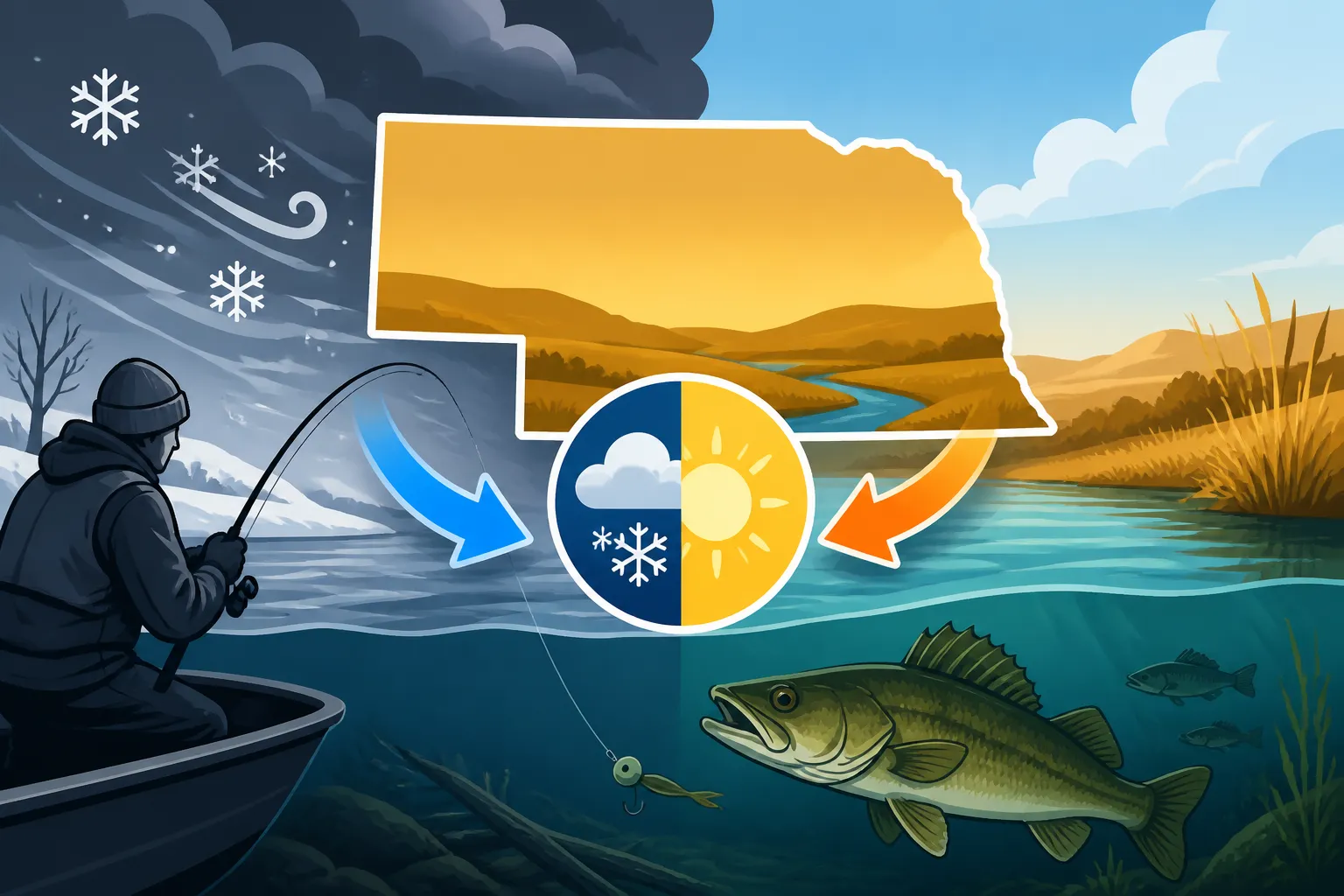
There's nothing quite as frustrating as waking up to a beautiful, crisp morning after a strong cold front has blown through, only to find the fish have completely clammed up. It feels like they just vanish, and your usual go-to spots and techniques suddenly don't produce a single bite. This guide is all about helping you understand why fish act this way after a cold front hits Nebraska waters and, more importantly, what specific adjustments you can make to your strategy to still find success, even when conditions are tough.
Understanding the Impact of a Cold Front on Fish
A cold front isn't just a change in the weather; it's a profound shift in the aquatic environment that directly affects fish metabolism, behavior, and where they choose to hang out. It's like someone suddenly flipped a switch on their whole world.
How Barometric Pressure Changes Affect Fish
One of the biggest, yet often unseen, factors during a cold front is the sudden change in barometric pressure. Before a front, the pressure often drops, signaling good feeding conditions. Fish can feel this, and they often go on a feeding binge, knowing tough times are coming. But as the cold front moves in, the barometric pressure rises sharply and stabilizes at a high level. This increased pressure can be incredibly uncomfortable for fish, especially those with swim bladders. Imagine the pressure in your ears changing rapidly – it's a similar sensation for them.
This change in pressure pushes fish deeper in the water column and often makes them less active. They might feel sluggish or just plain unwilling to chase bait. You'll notice they’re less aggressive, more prone to staying put, and won't exert much energy to feed. Understanding How Barometric Pressure Affects Fishing in Nebraska is key to anticipating these behavioral changes. Instead of actively hunting, they become opportunistic, only striking at something easy that passes right in front of them.
The Role of Water Temperature Drops
While air temperature is what we feel most directly, it's the sudden drop in water temperature that truly matters to fish. Even a few degrees can make a massive difference. Cold-blooded creatures like fish have their metabolism directly tied to water temperature. When the water gets colder, their metabolism slows down dramatically. They digest food slower, need less energy, and become far less active.
This cooling effect, especially in shallower waters, drives fish away from their usual haunts. They'll seek out more stable, often deeper, water where temperatures remain more constant. If the cold front is severe, it can cause thermal shock, sending fish into a semi-dormant state. For species like walleye or bass, this means they'll be far less inclined to move quickly or expend energy chasing a fast-moving lure.
Fish Behavior Shifts: Why They Get Finicky
Combine rising barometric pressure with falling water temperatures, and you have a recipe for finicky fish. They’re not actively schooling and feeding; instead, they become scattered, lethargic, and extremely selective. Their strike zones shrink dramatically – meaning they’ll only hit a bait if it's practically presented on a silver platter right in front of their nose.
Aggressive strikes become rare, replaced by subtle taps or just a feeling of "weight" on your line. Sometimes they might just mouth the bait without fully committing. This is when your presentation, bait choice, and most importantly, your patience, are put to the ultimate test. It's a stark contrast to the pre-front frenzy, and many anglers get discouraged and pack up early. But with the right approach, these finicky fish can still be caught.
Adapting Your Approach: Lures and Baits for Cold Fronts
Since fish are less aggressive and more sluggish during a cold front, your entire tackle strategy needs a complete overhaul. Forget about fast retrieves and flashy presentations; think slow, subtle, and natural.
Slow and Subtle Presentations
When the water is cold and fish are hesitant, a slow, deliberate presentation is paramount. Think about fishing jigs, soft plastics, or even live bait with minimal action. A slow fall, a gentle twitch, or a bait that simply sits still on the bottom can be far more effective than something erratic. For instance, a jig-and-minnow combination worked ever so slowly along the bottom or suspended just above it can be deadly.
Vertical jigging, especially with small spoons or blade baits, directly over fish you've located on your fish finder, is another excellent technique. The key is to barely move the bait, letting it flutter down tantalizingly slowly. If you're struggling to keep your retrieve slow enough, try lighter line or a more sensitive rod. For anglers looking to stock up on gear for these specific conditions, a quick browse on Amazon can reveal a vast array of ultralight jigs and highly sensitive rods perfect for detecting those subtle cold front bites.
Downsizing Baits and Lures
In conjunction with a slow presentation, downsizing your baits and lures is often a game-changer. Larger baits require more energy for a fish to chase and consume, and a lethargic fish isn't looking to burn calories. Smaller profiles, like tiny tubes, small grubs, finesse worms, or even diminutive crankbaits, can appear less intimidating and easier to swallow.
For species like crappie or bluegill, this might mean going down to micro jigs or tiny live minnows. For walleye, a smaller jig paired with a shiner or nightcrawler piece can be more effective than a full-sized lure. For bass, a Ned rig or a tiny shaky head worm can entice strikes when larger baits are ignored. These smaller baits often have a more natural, less aggressive action, which aligns perfectly with a fish's mood during a cold front. Consider what Best Bait for Nebraska Walleye might be during these tough conditions – often it's something presented slowly and subtly.
Natural Bait Advantages
While artificial lures certainly have their place, live bait often shines during cold fronts. The natural scent, subtle movement, and authentic feel of live bait can be irresistible to finicky fish that are scrutinizing every offering. Minnows, shiners, nightcrawlers, and leeches are classic cold-front producers.
Present live bait on a very light hook (like a Aberdeen hook) with minimal weight, allowing it to drift naturally or sit enticingly on the bottom. For channel catfish, for example, a small piece of cut bait or a fresh nightcrawler might outperform stink bait when they’re in a slow mood. Using a bobber to suspend a minnow just above submerged structure can also be incredibly effective, allowing the bait to gently kick and entice reluctant biters. This natural approach minimizes the "fight" the fish has to put up, making it an easy meal.
Where to Find Fish During a Cold Front
Knowing what to throw is only half the battle; knowing where to throw it is just as crucial. Fish move drastically after a cold front, abandoning their usual aggressive haunts for more comfortable, stable environments.
Seeking Deeper Water and Structure
When a cold front hits, fish almost universally retreat to deeper water. This is where water temperatures are more stable and the effects of rising barometric pressure are less pronounced. Look for deep holes, drop-offs, submerged creek channels, or the deep ends of points. These areas provide a thermal refuge where fish can conserve energy.
However, simply being in deep water isn't enough; they'll also seek out structure within those deep zones. Think about submerged timber, rock piles, ledges, or even artificial habitat. These structures offer cover, ambush points, and a sense of security. Using a good fish finder to locate these deep-water havens and the fish relating to them is incredibly helpful. Once you find them, remember the "less is more" approach when presenting your bait. Learning How to Find Walleye on Deep Humps and Points becomes even more critical during these times.
Targeting Cover and Shelter
Beyond deep water, fish will also seek out dense cover and shelter. This might include thick weed beds (especially deep ones that still have some green to them), brush piles, log jams, or docks with deep pilings. This cover provides protection from predators (who are also more active after a front) and offers a sense of security. The dense nature of the cover can also help stabilize water temperatures slightly.
For bass, this means flipping jigs or pitching small plastics into the thickest parts of submerged brush. For crappie, suspending minnows or tiny jigs around the densest parts of a brush pile or standing timber can be incredibly effective. Remember, fish are often nestled into this cover, not just near it, so precise casts and patience are essential to draw them out.
Sun-Warmed Areas
While fish generally seek deeper water, there can be exceptions, especially on sunny, post-front days. As the sun beats down, certain areas of a lake or river can warm up faster than others. These might be shallow, dark-bottomed flats, the leeward side of a point (sheltered from cold winds), or shallow coves that receive prolonged sunlight. Even a one or two-degree increase can be enough to draw some fish out of their deep-water sanctuaries for a brief feeding window.
These sun-warmed spots are often best targeted during the warmest part of the day, typically late morning to mid-afternoon. While they might not hold the bulk of the fish, they can be productive for more active individuals looking to capitalize on a slight metabolic boost. Don't discount these shallower, sunny spots entirely, especially when trying to pinpoint Best Time of Day to Catch Walleye in Nebraska after a cold front.
Essential Techniques for Cold Front Success
Once you understand why fish react to cold fronts and where to find them, you need to employ specific techniques to coax them into biting. It's all about precision, patience, and a very light touch.
The Art of the Slow Retrieve
I cannot emphasize this enough: during a cold front, your retrieve must be agonizingly slow. If you think you're going slow, go slower. Fish are lethargic, and they won't chase. Your bait needs to be in their strike zone for as long as possible, giving them ample time to decide to bite without having to expend much energy.
For crankbaits, this means using models with a tight wobble that can be reeled at a snail's pace, or even employing a "stop-and-go" retrieve where the bait suspends for several seconds. For jigs, it's about barely lifting the rod tip, letting the jig fall back slowly, and pausing for extended periods. Sometimes, simply letting the bait sit motionless on the bottom for 10-15 seconds after a twitch can be what triggers a strike. This requires a certain mental discipline, especially if you're used to covering water quickly. Using a quality spinning reel and sensitive rod can help you feel those subtle takes when working a bait this slowly. Many anglers find great deals on such equipment on Amazon.
Employing Bottom-Bouncing Rigs
When fish are hunkered down deep and glued to the bottom, bottom-bouncing rigs become incredibly effective. These rigs, such as a Carolina rig, a dropshot rig, or even a simple Texas rig, are designed to present your bait right where the fish are – on or just above the bottom. The key is that the weight stays in contact with the bottom while your bait floats or is suspended just above it, making it an easy target.
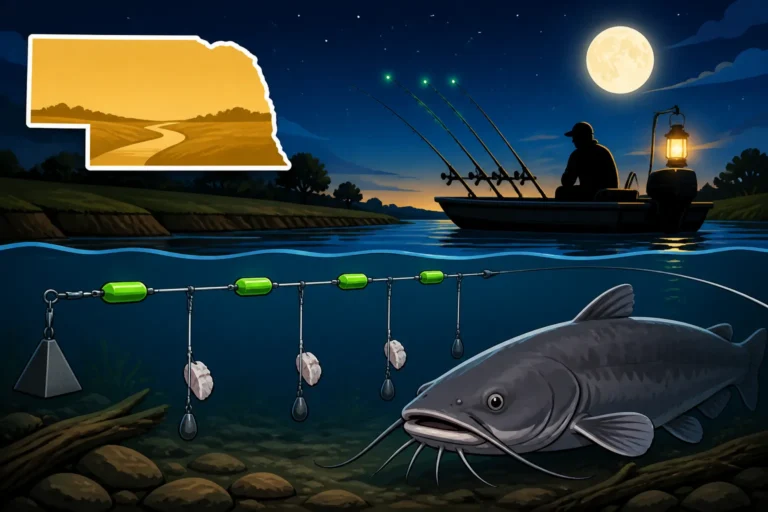
For walleye and catfish, a snell rig with a walking sinker, paired with a minnow or a piece of nightcrawler, can be deadly when slowly dragged across deep flats or along contours. For bass, a dropshot rig with a small finesse worm can present a bait perfectly in front of suspended fish or those tucked into deep structure. The direct feel of the bottom helps you understand the terrain, and the stationary or slowly moving bait minimizes the effort a fish needs to expend. Don't forget that Best Rod Setup for Nebraska Catfish often involves rigs designed to present bait effectively on the bottom.
Patience is Your Best Tool
More than any specific lure or technique, patience is truly your most valuable asset when fishing a cold front. Bites will be few and far between, and they will often be incredibly subtle. You might go for extended periods without a single nibble, leading to frustration. However, it's during these slow times that staying focused, making precise casts, and working your bait meticulously can lead to success.
Don't be afraid to sit on a promising spot for longer than usual, methodically working every inch of the area. Sometimes, a fish might only commit after seeing the bait several times, or after it’s been sitting perfectly still for an extended period. Pay attention to every little tick or unusual weight on your line, as these can be the only indication of a bite. Dress warmly, bring a thermos of coffee, and mentally prepare for a grind. The rewards, when you finally hook into a fish that's been playing hard to get, are incredibly satisfying. If you're out there fishing in unpredictable conditions, having the right gear like a sturdy fishing vest or a comfortable fishing chair, often found on Amazon, can make all the difference to your comfort and patience levels.
| Fish Species | Typical Cold Front Behavior | Recommended Bait/Lure | Technique Focus |
|---|---|---|---|
| Walleye | Deeper water, tight to bottom structure, lethargic, schooling | Small jig & minnow, blade bait, slow-trolled crawler harness | Slow jigging, bottom bouncing, slow trolling |
| Channel Catfish | Deep holes, log jams, reduced activity, opportunistic feeder | Cut bait, nightcrawlers, prepared bait (small amount) | Bottom fishing, tight-lining, slow drift |
| Largemouth Bass | Deep cover (brush piles, timber), slower metabolism, finicky | Ned rig, shaky head, small jig, dropshot, small creature baits | Flipping/pitching, slow dragging, dropshotting |
| Crappie | Suspended in deep cover (brush, standing timber), schooling tightly | Tiny jigs, live minnows, small tube baits | Vertical jigging, bobber fishing (suspended) |
| Trout | Deep pools, slower current, less aggressive | PowerBait, small spoons, spinners, nymphs (fly fishing) | Drift fishing, slow retrieve, dead drifting |
Disclaimer
This article is for general informational purposes only and does not constitute professional advice. Laws, prices and regulations vary by location and change over time. Consult a qualified professional for guidance on your specific situation.