How to Plan a Nebraska Fishing Trip Around Weather
Oh, the joy and frustration of planning a Nebraska fishing trip! We’ve all been there: meticulously checking the calendar, getting your gear ready, only to wake up to a sudden cold front, an unexpected downpour, or winds strong enough to challenge a small sailboat. Nebraska weather can be as unpredictable as a channel cat bite on a hot summer day. This guide is all about helping you understand those mercurial changes and how to intelligently plan your angling adventures around them, so you can still find success on the water, no matter what Mother Nature throws your way.
Decoding Nebraska's Fickle Forecasts for Anglers
Nebraska's geographic location in the heart of the continent means we experience a wide range of weather patterns. It's not uncommon to have a beautiful 70-degree spring day followed by a snow flurry a week later. This variability is a huge factor when planning a fishing trip, as fish behavior is incredibly sensitive to atmospheric changes. Understanding the general climate and how to interpret forecasts is your first line of defense against a washed-out or wind-blown day on the water.
Understanding Nebraska's Climatic Variability
Our state sits at the crossroads of several major weather systems, meaning we get influences from arctic air masses in the winter, warm, moist air from the Gulf of Mexico in the summer, and dry air from the Rockies year-round. This unique position creates often dramatic shifts in temperature, humidity, and wind speed. A sunny, calm morning can turn into a blustery, thundering afternoon faster than you can tie a new knot.
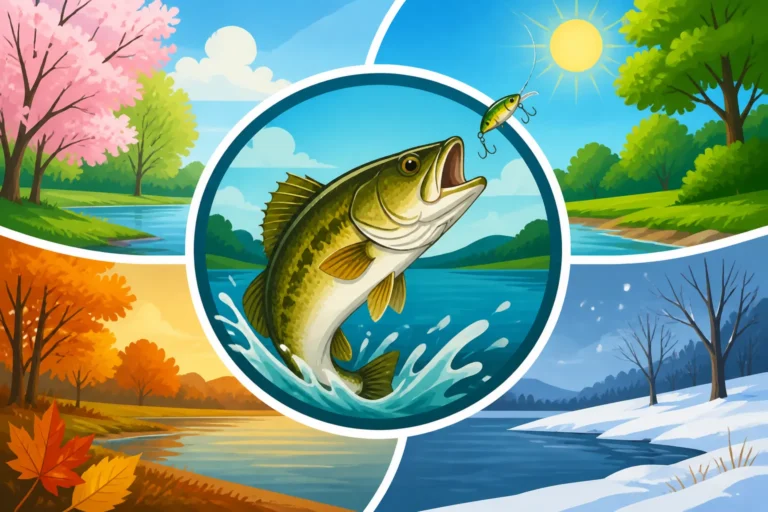
This extreme variability means you can't just rely on a general seasonal outlook. While spring often means rising water temperatures and active fish, it also brings severe thunderstorms and rapid cold fronts. Summer can be scorching and humid, but also prone to sudden, intense storms that can churn up lakes and rivers. Fall often offers stable, pleasant conditions but can quickly descend into winter-like cold. Even winter, with its predictable ice fishing, can have thaws and blizzards. Nebraska Fishing Seasons Explained dives deeper into what to expect generally, but for planning a specific trip, you need to go granular.
For anglers, this isn't just an inconvenience; it directly affects fish behavior. Rapid temperature drops can send fish deep and make them lethargic, while strong winds can make boat control impossible and create turbid water. Understanding why Nebraska's weather is so changeable helps you prepare for the what and how of adapting your fishing plans. It means being ready for anything from needing a heavy coat to shedding layers down to a t-shirt, sometimes all in the same day.
Interpreting Weather Forecasts Beyond the Basics
Most of us glance at the temperature and precipitation chances, but for fishing, you need to dig deeper into the forecast details. Focus on elements like wind speed and direction, barometric pressure changes, and dew point. These metrics often tell a much more accurate story about how fish will be behaving and what conditions you'll actually face on the water than a simple high/low temperature.
For instance, a forecast showing sustained winds of 15-20 mph might mean a great bite on a particular shoreline, but also potentially dangerous conditions on large reservoirs like Lake McConaughy. A rapidly falling barometric pressure often signals an approaching front, which can sometimes trigger a feeding frenzy right before the storm hits, but then shut fish down completely afterwards. Nebraska Fishing Weather and Barometric Pressure Tips really drives home how crucial these subtle shifts can be. Look for hourly forecasts if possible, as they can reveal dramatic swings that a simple daily forecast might miss.
Don't just rely on one source either. Cross-reference forecasts from different meteorological services or weather apps. Sometimes one app might predict sunny skies while another shows a high chance of afternoon showers. By comparing several, you can get a more nuanced and often more accurate picture of the most likely conditions. This comprehensive approach helps you identify trends, potential shifts, and the most probable weather window for your trip.
Anticipating Key Weather Impacts on Nebraska Fish and Fishing
Once you understand how to read the forecasts, the next step is to know what those conditions mean for your actual fishing experience. Different weather elements impact fish and fishing techniques in distinct ways, and a smart angler uses this knowledge to their advantage.
Temperature Swings and Water Column Dynamics
Temperature is arguably the most significant factor influencing fish activity. Fish are cold-blooded, meaning their metabolism and activity levels are directly tied to water temperature. A sudden cold front in spring can quickly drop surface temperatures, sending fish deeper or making them much less active. Conversely, rapidly warming water in early spring can kick-start spawning movements and aggressive feeding.
Think about how temperature affects specific species. Walleye, for example, tend to prefer cooler water, often moving shallower in spring and fall, and deeper during the heat of summer. Catfish, on the other hand, become much more active in warmer water, and a hot, humid summer night can be prime time for them. Even within a day, a drastic temperature swing can push fish from shallow flats to deeper breaks. Understanding the optimal temperature ranges for your target species is key to locating them and predicting their mood.
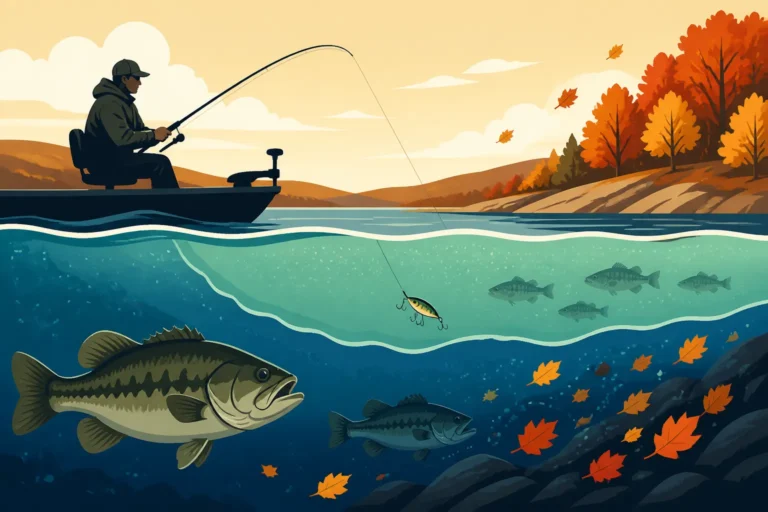
Water column dynamics, like stratification in summer or fall turnover, are also heavily influenced by temperature. During summer, lakes often stratify into distinct temperature layers, with warmer water near the surface and cooler, oxygen-poor water deeper down. Fish will often hold in the comfortable middle 'thermocline' layer. During fall, as surface waters cool, the lake "turns over," mixing the water column and redistributing fish. These are massive events that completely change where fish can be found and how they behave, all driven by temperature.
Wind Direction, Speed, and Water Clarity
Ah, the wind! Nebraska is famous for it, and it can be either your best friend or your worst enemy on a fishing trip. Moderate wind can be a huge asset, creating a "walleye chop" that breaks up light penetration, disorients baitfish, and often makes walleye more active. It can also push baitfish into specific areas, concentrating predatory fish. However, excessive wind, especially on larger lakes, can make boat control a nightmare, create dangerous waves, and stir up sediment, reducing water clarity significantly. How Wind Direction Affects Walleye Fishing illustrates just how strategic wind can be.
The direction of the wind is just as important as its speed. A consistent wind from one direction will often create a current or "wind-blown" side of a lake. This side can be fantastic for fishing as baitfish get pushed there, and the increased oxygenation can make game fish more aggressive. However, strong winds can also make certain boat ramps unusable or create dangerous conditions that mean you shouldn't even launch. Always check the wind forecast for the specific body of water you plan to fish, and have a backup plan for a more sheltered area if the winds get too high.
Water clarity is another crucial factor directly impacted by wind and rain. Clear water often calls for more subtle presentations, lighter lines, and natural-colored baits. Murky or turbid water, on the other hand, can reduce visibility for fish, making bright, noisy lures or scented baits more effective. A strong wind event or a heavy rainstorm can quickly transform crystal-clear water into a chocolate milk shake, requiring a complete change in your approach.
Precipitation Types and Their Effects on Angling
Rain, snow, or even hail can significantly alter fishing conditions. A light, steady rain can sometimes be excellent for fishing, especially in warmer months. It can cool surface temperatures slightly, add oxygen to the water, and often make fish more active as they feel less vulnerable under the broken surface. Overcast conditions that accompany rain also diffuse light, making fish less spooky.
However, heavy downpours can quickly turn disastrous. They can raise water levels rapidly in rivers, creating fast, muddy currents that are unsafe and unproductive. On lakes, heavy rain can cool surface waters too quickly, dilute scent trails, and make visibility poor. Best Rain Gear for Spring Fishing Trips is a must-read if you plan on fishing through lighter precipitation, but there comes a point where safety and comfort dictate that it's just not worth being out there.
Snow, especially in winter, presents its own set of challenges and opportunities. A fresh blanket of snow can act as insulation, keeping ice stable for ice fishing. However, during heavy snowfall, travel can become difficult, and visibility can plummet, making it unsafe to be on the ice or navigating a boat. Conversely, a pre-snowfall bite can be incredible as fish often become active before a major weather event. Always consider the accumulation potential and its impact on access and safety.
Strategic Adjustments for Different Weather Scenarios
Knowing what the weather is doing is one thing; knowing how to adapt your fishing strategy is another entirely. The most successful Nebraska anglers aren't just lucky; they're flexible and prepared to change their plans on the fly.
Adapting Techniques for Changing Conditions
If a cold front rolls in unexpectedly, don't keep tossing those fast-moving reaction baits you planned on using. Fish will likely be lethargic and hunkered down. Instead, switch to slower presentations like jigging with plastics or live bait, or slow-trolling crankbaits right on the bottom. Consider downsizing your bait and using more natural colors. This might also be a time to target different species that are more tolerant of cold snaps, like crappie which can often be found congregated in deeper brush piles.
When faced with strong winds, casting accuracy from the bank can become nearly impossible, and boat control is a constant battle. Instead of trying to cast into the wind, consider fishing sheltered coves or the leeward side of islands where the water is calmer. If you're in a boat, use your trolling motor to "back troll" into the wind to maintain better boat control and keep your lure in the strike zone. If the water gets muddy, switch to baits with strong vibrations or scents. Large spinnerbaits, chatterbaits, or even Best Stink Bait for Channel Catfish can be incredibly effective in low visibility.
Sometimes, the best adaptation is changing your target species entirely. If the walleye bite completely shuts down due to a major front, but you notice the air temperature is warming rapidly, consider switching to aggressive bass in shallow cover or targeting catfish in river bends where they might be feeding on washed-out debris. The key is to be observant, not stubborn, and let the conditions dictate your approach, not the other way around.
Choosing the Right Fishing Spot for the Forecast
Your choice of fishing location should be heavily influenced by the weather forecast. If high winds are predicted, planning a trip to a massive, open reservoir like Lake McConaughy might be a recipe for frustration or even danger. Instead, opt for smaller, more sheltered lakes or river sections where you can find protection from the wind. Lakes with lots of coves, islands, or steep shorelines can offer significant protection.
Similarly, if heavy rains are in the forecast, consider fishing a lake rather than a fast-flowing river. Rivers can become unfishable very quickly with heavy runoff, while lakes often absorb the rain better. Conversely, after a moderate rain, river fishing can sometimes be excellent as fish become more active in slightly elevated water levels. Best Nebraska Rivers for Fishing can be great, but they require careful consideration of current conditions.
For ice fishing, safety is paramount. If a warm spell or strong winds are expected, thinner ice can develop rapidly, especially near inlets, outlets, or areas with current. In such cases, choose smaller, shallower ponds or lakes known for consistent ice thickness, or stick to well-traveled areas where local knowledge suggests safer conditions. Always confirm ice conditions locally before heading out.
Timing Your Trip for Optimal Weather Windows
Sometimes, the best strategy isn't to fight the weather but to work with it by timing your trip around it. If the forecast shows a brief window of calm winds between two blustery days, plan your outing specifically for that window, even if it means an early start or a shorter trip. During summer, if daytime temperatures are soaring, consider fishing early in the morning or late into the evening when temperatures are cooler and fish are often more active. Best Time of Day to Catch Walleye in Nebraska can really make a difference.
For barometric pressure, fish often become active just before a major pressure drop (pre-front) and can shut down afterward. If you see a front approaching, try to get out on the water a day or two before it hits. Conversely, a stable, prolonged period of high pressure often leads to consistent fishing, even if the bite isn't always red-hot. Being flexible with your schedule, even by a few hours or a day, can dramatically improve your success rate.
Keep an eye on moon phases too, as they can also influence fish activity. While not directly weather, the moon's gravitational pull can affect tides (even in landlocked Nebraska, on a micro-level, though water levels are more influenced by wind) and has long been associated with peak feeding times. Combining moon phase predictions with a favorable weather window can be a potent planning tool. Does a Full Moon Affect Fishing in Nebraska? explores this intriguing connection.
Essential Gear and Safety for Nebraska's Changing Weather
Being prepared with the right gear and knowledge of safety protocols is non-negotiable when dealing with Nebraska's unpredictable weather. It means having everything you need to stay comfortable and safe, whether the sun is blazing or a storm rolls in.
Preparing Your Gear for Any Eventuality
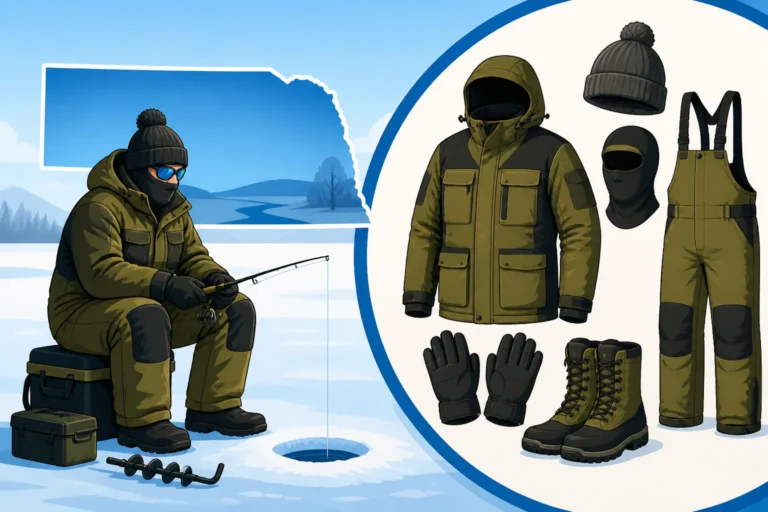
The golden rule for Nebraska fishing is layering your clothing. Always bring more layers than you think you’ll need, even on a sunny day. A base layer for wicking moisture, a mid-layer for insulation, and a waterproof/windproof outer shell will protect you from sudden drops in temperature, unexpected rain, or strong gusts. A lightweight, packable rain suit from a brand available on platforms like Amazon is a wise investment, even if the forecast looks clear. You'll be glad to have it when an unpredicted shower rolls through. What to Wear Ice Fishing in Nebraska goes into specific cold-weather attire.
Beyond clothing, your tackle box should reflect the potential for changing conditions. Have a variety of lures and baits that work in different water clarities and depths. This means having some bright, noisy options for muddy water, subtle choices for clear water, and both shallow and deep-running lures. Pack extra line, various sinker weights, and different hook sizes to adapt your rigs as needed. Think about a durable, waterproof tackle bag or box to protect your gear from sudden downpours.
Don't forget essentials like sunscreen, sunglasses, and insect repellent. Even on cloudy days, UV rays can cause sunburn, and Nebraska summers are notorious for mosquitoes and gnats, especially near water. A good quality pair of polarized sunglasses will help you spot fish and structure, and a reliable headlamp or lantern is crucial if you plan on fishing into the evening, which is often the best time during hot weather. You can find excellent options for all of these on Amazon.
Boating and Bank Fishing Safety in Adverse Conditions
Safety should always be your top priority, especially when weather turns foul. If you're boating, check your local marine forecast, not just the general weather. Wind warnings, small craft advisories, and severe thunderstorm watches or warnings mean it's time to get off the water or seriously reconsider launching. Always wear a life jacket, ensure all safety equipment is on board (throwable cushion, whistle, fire extinguisher if required), and tell someone your float plan. If strong winds pick up, head for a sheltered cove or get back to the ramp immediately.
For bank fishing, pay attention to your surroundings. If lightning is a possibility, pack up and find shelter. Fishing rods act as lightning rods, and being exposed on a shoreline or jetty during a thunderstorm is incredibly dangerous. High winds can also make casting difficult and send flying debris, so find a spot that offers some natural protection. Be mindful of rising water levels if you're fishing a river during heavy rain, as banks can become unstable and currents can become dangerous very quickly.
It's also crucial to monitor yourself and your fishing partners for signs of hypothermia in cold, wet conditions or heat stroke in hot, humid weather. Hypothermia can set in even in relatively mild temperatures if you're wet and exposed to wind. Heat stroke is a serious risk during summer, so stay hydrated and take breaks in the shade. Having a fully stocked first-aid kit, easily accessible, is always a smart move. A waterproof dry bag for your phone, keys, and wallet, also widely available on Amazon, is another small investment that can save you a lot of grief.
Using Technology to Your Advantage
Modern technology offers a plethora of tools to help you plan your fishing trip around weather. Dedicated weather apps often provide highly localized, hour-by-hour forecasts for wind, precipitation, and temperature. Some even offer detailed radar maps that show approaching storms in real-time, allowing you to make quick decisions about whether to stay or go.
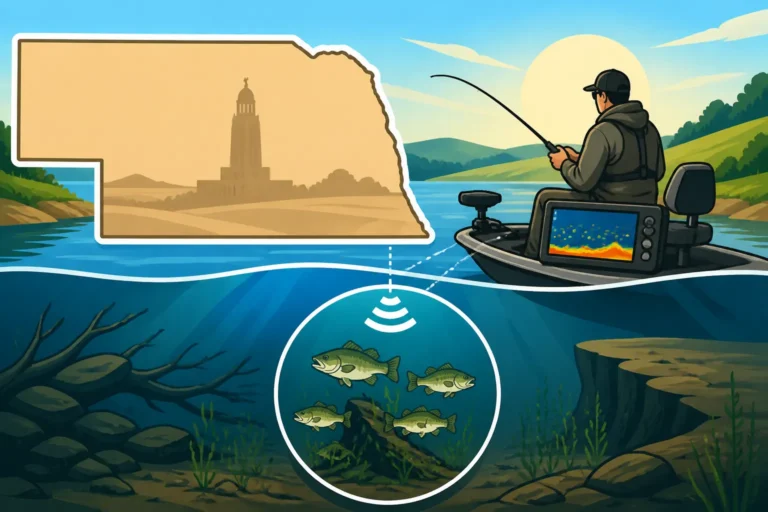
Consider investing in a portable weather radio, especially if you're going to be in a remote area with limited cell service. These devices can provide crucial severe weather alerts from the National Weather Service, giving you valuable lead time to seek shelter. Many fish finders also have built-in GPS and mapping capabilities that can help you navigate safely if fog or heavy rain reduces visibility.
Before you leave home, spend a good 30 minutes cross-referencing weather apps, checking radar, and looking at wind forecasts for your specific lake or river. Don't just check once in the morning; keep an eye on updates throughout the day if you have signal. Even a slight shift in wind direction or the development of an unexpected storm cell can drastically change your fishing plans. Being proactive with information can turn a potentially ruined trip into a successful, albeit adapted, one.
| Weather Condition | Impact on Fishing & Fish Behavior | Suggested Angler Adaptation |
|---|---|---|
| Cold Front (Sudden Drop) | Fish become lethargic, move deeper, bite subtly. | Slow down retrieve, use live bait or soft plastics, target deeper structure. |
| Warm Front (Rising Temp) | Fish metabolism increases, become more active, move shallower. | Use faster retrieves, reaction baits (crankbaits, spinnerbaits), target shallow cover. |
| High Wind (15+ mph) | Rough water, poor boat control, reduced clarity, baitfish concentrated. | Fish wind-blown banks, use heavy lures/weights, fish sheltered coves, back-troll with motor. |
| Light Wind (5-10 mph) | "Walleye chop," oxygenation, disorients baitfish. | Often ideal for many species; fish normal patterns, target structure. |
| Heavy Rain | Rapid water level/current changes (rivers), murky water, cooling. | Avoid dangerous river conditions; target lakes with scent/vibration lures, seek shelter. |
| Light Rain/Overcast | Diffused light, increased oxygen, fish often more active. | Excellent fishing conditions, consider topwater or shallow presentations, good for most species. |
| Rising Barometric Pressure | Often signals stable, fair weather; fish activity can be steady. | Stick to proven patterns, fish may be more predictable. |
| Falling Barometric Pressure | Pre-front feeding frenzy, then post-front shutdown. | Fish aggressively before the drop; slow down and target deep after the drop. |
This table provides a quick reference for common Nebraska weather scenarios and how you might adapt your fishing approach. Remember, flexibility and safety are your best tools against unpredictable weather.
Disclaimer
This article is for general informational purposes only and does not constitute professional advice. Laws, prices and regulations vary by location and change over time. Consult a qualified professional for guidance on your specific situation.