Nebraska Sauger Fishing
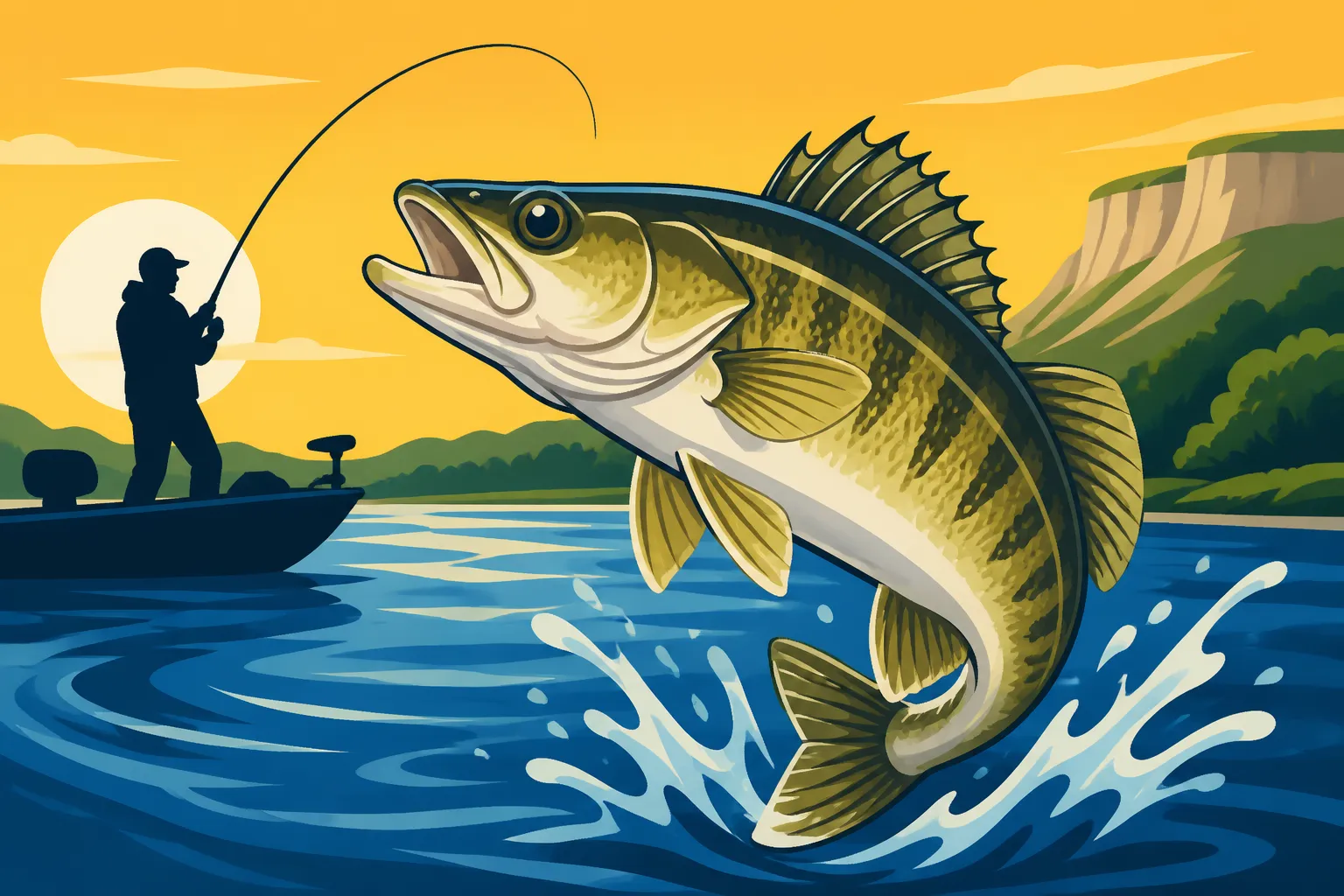
Anglers in Nebraska often face a unique challenge when targeting sauger: these elusive fish are easily mistaken for their more common cousin, the walleye, leading to confusion about identification, proper techniques, and even regulations. This comprehensive guide is designed to cut through that confusion, helping you confidently identify, locate, and successfully catch sauger across Nebraska's diverse waterways, ensuring you're always fishing smart and within the rules.
Understanding Nebraska Sauger
Sauger are fascinating fish, highly valued by anglers for their fighting spirit and excellent table fare. However, they're often overshadowed by walleye, which share many of the same habitats and physical characteristics. Learning to properly identify and understand sauger is the first step to becoming a successful sauger angler in Nebraska. They truly have their own distinct habits and preferences that, once understood, can lead to some fantastic fishing days.
Sauger vs. Walleye: Key Differences
One of the biggest hurdles for many anglers is distinguishing a sauger from a walleye. While they look similar at first glance, there are several key features that set them apart. Misidentification can be a real headache, especially if you're trying to abide by specific bag and length limits that often differ between the two species. Getting it right ensures you're compliant and also helps you understand the fish you've caught.
The most reliable way to tell them apart is by looking at their dorsal fins and the patterns on their bodies. Walleye typically have a distinct dark spot at the base of the rear spinous dorsal fin, and their bodies are usually a more uniform olive-green to gold. Sauger, on the other hand, lack this spot and instead have prominent dark spots or blotches arranged in irregular rows across their entire dorsal fin. Their bodies often feature distinct blotchy markings or saddles along their sides, giving them a somewhat "tiger-striped" appearance compared to the more subtly patterned walleye.
Another tell-tale sign is the scales on their cheek. Walleye typically have smooth, mostly scaleless cheeks, while sauger almost always have rough cheeks covered in scales. You might also notice differences in their overall body shape; sauger tend to be a bit more slender and cylindrical than walleye, though this can vary. Taking a moment to examine these features can save you a lot of guesswork and help you correctly identify your catch before deciding whether to keep it or release it. Remembering these details is crucial, especially when fishing in waters where both species coexist.
Typical Sauger Habitat in Nebraska
Sauger in Nebraska aren't just found anywhere; they have specific preferences when it comes to their underwater homes. Unlike walleye, which can tolerate a wider range of conditions, sauger are generally more adapted to turbid, flowing waters with current, often seeking out deeper channels and scour holes. This makes rivers and the tailwaters of large reservoirs prime real estate for these speckled beauties. If you're looking for sauger, you really need to think about water movement and depth.
You'll often find sauger congregating in eddies, behind current breaks, or along submerged sandbars and rock piles in rivers like the Missouri. These locations offer a break from the main current while still providing access to food being swept downstream. In reservoirs, they tend to stick to the deeper sections, especially near the old river channels, main lake points, and areas with significant current where inflowing rivers meet the main body of water. They're not usually found cruising shallow flats like some walleye might.
Understanding these habitat preferences is vital for productive fishing. If you're on a river, focus your efforts around wing dams, bridge pilings, and the deeper bends. In reservoirs, use your electronics to scout out those submerged riverbeds and deeper structural elements where current might be concentrating baitfish. Knowing where they like to hang out significantly narrows down your search and increases your chances of a successful outing.
Sauger Feeding Habits and Behavior
Sauger are ambush predators, and their feeding habits are closely tied to their riverine environment. They are opportunistic feeders, preying on whatever baitfish are available and vulnerable. Their eyes are perfectly adapted for low-light conditions and murky water, giving them an advantage over prey in these environments. This means they often feed most actively during dawn, dusk, or even throughout the night, especially in clearer waters, but in turbid rivers, they can be caught throughout the day.
Their diet primarily consists of smaller fish such as shad, minnows, and shiners, but they won't pass up opportunistic meals of crustaceans or insect larvae. They tend to hold tight to bottom structure, waiting for prey to drift or swim by before darting out to strike. This behavior is key to understanding the best techniques for catching them – you need to present your bait or lure right in their strike zone, often right on the bottom or just above it.
Factors like current strength, water temperature, and baitfish presence all influence their activity levels and where they position themselves. During periods of stronger current, they might tuck even tighter behind structure to conserve energy, only moving to feed. In colder water, their metabolism slows, and they become less active, requiring a slower, more deliberate presentation. Being observant of these environmental factors and how they might affect sauger behavior will make you a much more effective angler.
Prime Sauger Fishing Spots in Nebraska
While sauger might not be as widespread as walleye across all Nebraska waters, there are definitely some key locations where they thrive and offer fantastic angling opportunities. Knowing these prime spots is half the battle when you're specifically targeting sauger. They tend to concentrate in certain areas, making it easier to find them once you're on the right body of water.
Missouri River Sauger Hotspots
The mighty Missouri River is arguably Nebraska's premier destination for sauger fishing. The river's constant current, diverse bottom structure, and abundant baitfish create an ideal environment for these fish. Anglers from across the region flock to its waters specifically for the chance to hook into some robust sauger. If you're thinking about a dedicated sauger trip, the Missouri should be at the top of your list.
Key hotspots on the Missouri include areas around wing dams, dikes, and bridge pilings. These structures create current breaks and scour holes where sauger love to ambush prey. The downstream side of wing dams, where the current slows and creates an eddy, can be particularly productive. Look for deeper channels and depressions in the river bottom, especially where tributaries enter the main flow, bringing in new food sources. These areas can really hold fish.
Access points like those found along the eastern side of Nebraska, from near Sioux City down past Omaha and Nebraska City, offer plenty of opportunities. Places such as Weigand-Burbach Access on Lewis and Clark Lake, which borders the Missouri River, are known to produce sauger. Anglers often fish from boats to effectively cover water and present baits in the strong currents, but there are also productive bank fishing opportunities, especially near calmer backwaters or protected areas. Remember to consult Missouri River Border Water Fishing License Rules if you plan to fish near state lines.
Key Reservoirs for Sauger
While rivers are dominant, several of Nebraska's large reservoirs also hold healthy sauger populations, especially those with significant river inflows or dam tailwaters. These reservoirs often provide a mix of habitat types, from riverine sections to open lake areas, allowing sauger to thrive. They might not be as prevalent as in the Missouri River, but when you find them, they can be plentiful.
Lake McConaughy, though famous for its walleye and wipers, also has a sauger presence, particularly in the upper reaches where the Platte River flows in, and in the tailwaters below Kingsley Dam (Lake Ogallala). The current in these areas provides the preferred habitat. Similarly, Lewis and Clark Lake on the Missouri River system is a prime spot, offering excellent sauger opportunities, especially in areas influenced by the river's flow and deeper structure. Knowing these specific zones within larger reservoirs is crucial, as sauger won't be evenly distributed throughout the entire lake.
Anglers targeting sauger in these reservoirs should focus on the old river channels, submerged humps, and areas where current is concentrated. Tributary mouths, deep points, and the upstream ends of large bays where river water enters can also be productive. Using a good fish finder to locate these subtle underwater features and baitfish schools is highly recommended. These reservoirs can be expansive, so concentrating your efforts on these specific types of structure will yield better results.
Smaller Rivers and Tributaries
Beyond the main stem of the Missouri, several smaller rivers and tributaries in Nebraska can also offer surprising sauger opportunities, especially during certain times of the year. These waterways might not hold the same trophy potential as the Missouri, but they can provide more intimate fishing experiences and less crowded conditions. It's often about timing and knowing the local nuances.
Rivers like the Platte River, particularly its lower sections near its confluence with the Missouri, can occasionally yield sauger. While the Platte is more known for catfish and walleye, sauger can migrate into its deeper channels, especially during periods of higher flow or cooler water temperatures. Anglers should look for similar current-break structures and deeper holes that mimic their preferred Missouri River habitats. Remember, sauger are drawn to current and depth.
Exploring these smaller rivers requires a bit more local knowledge and sometimes more effort to find the fish, but the reward can be a quiet day on the water and a unique catch. Always check the current Nebraska Fishing Regulations Explained for any specific rules pertaining to these smaller bodies of water. Don't overlook these hidden gems, as they can sometimes offer productive and peaceful sauger fishing, especially if you're willing to do a little exploring.
Best Techniques for Catching Nebraska Sauger
Catching sauger reliably isn't just about finding them; it's also about presenting your baits and lures effectively in their preferred habitat. Their tendency to stick close to the bottom in current means specific techniques often outperform others. You really need to think about how to get your offering right into their strike zone without getting constantly snagged in the river bottom.
Effective Lures and Baits
When it comes to lures and baits, sauger have a distinct preference for presentations that mimic their natural prey and are presented near the bottom. This usually means smaller, more subtle offerings than you might use for aggressive walleye. The key is natural presentation and keeping it close to where they live.
Jigs are king for sauger. ¼ to ½ ounce jigs tipped with minnows, soft plastic grubs, or paddle tails are highly effective. Colors like chartreuse, white, orange, and natural baitfish patterns tend to work well in the often-turbid waters sauger inhabit. The minnow provides natural scent and action, while soft plastics offer durability and a wide range of profiles. You can find a vast array of effective jigs and soft plastics on platforms like Amazon, making it easy to experiment with different sizes and colors to match local conditions.
Bottom bouncers combined with crawler harnesses or snelled hooks tipped with minnows or nightcrawlers are also deadly, especially when drifting or slow trolling in deeper river channels or along reservoir breaks. The bottom bouncer keeps your bait right in the strike zone, off the bottom and visible, without constant snagging. Small crankbaits that dive quickly to reach the desired depth and have a tight wobbling action can also be effective, especially when retrieved slowly along structure. Experimentation is key, but starting with jigs and live bait is a solid strategy.
Jigging and Drifting Strategies
Because sauger are so closely tied to current and bottom structure, jigging and drifting are two of the most productive techniques. These methods allow you to keep your bait in front of the fish for an extended period and cover water efficiently. It's all about feeling the bottom and staying connected to your lure.
When jigging, whether from a boat or shore, focus on vertical presentations directly over or slightly upstream of structure. Use a slow, methodical lift-drop retrieve, allowing the jig to contact the bottom, then lift it just enough to impart action before letting it fall again. The strike often comes on the fall or when the jig is resting on the bottom. In current, a slightly heavier jig might be necessary to maintain bottom contact, but avoid going too heavy as it can reduce the natural action. This is where a sensitive rod becomes really important, allowing you to feel subtle bites.
Drifting is particularly effective in rivers and larger reservoir areas with consistent current. From a boat, you can let the current carry your boat and your baits downstream, covering long stretches of riverbank or channel. Use a three-way swivel rig with a bell sinker or a bottom bouncer to keep your bait near the bottom, just off the current seam. How to Drift Fish for Walleye in Nebraska techniques can often be adapted for sauger, just remember to keep your presentation closer to the bottom. Pay close attention to your rod tip for any unusual taps or resistance, as sauger bites can sometimes be very light.
Essential Gear for Sauger Fishing
Having the right gear makes a huge difference in sauger fishing success. Because these fish often inhabit current-laden, snaggy environments, and their bites can be subtle, your rod, reel, and line choices are paramount. Investing in quality gear for sauger fishing will pay dividends in sensitivity and durability.
A medium-light to medium power spinning or baitcasting rod, typically 6'6" to 7' in length, with a fast action tip is ideal. The fast action allows you to feel those delicate bites and quickly set the hook, while the medium power provides enough backbone to fight sauger in current and horse them away from snags. Pair this with a reliable spinning reel in the 2000-3000 size range or a low-profile baitcaster, spooled with 6-10 lb test monofilament or fluorocarbon. Braided line in a similar pound test (e.g., 10-15 lb) is also an excellent choice, offering superior sensitivity and strength for fishing in snags, but you'll want a fluorocarbon leader to make it less visible. You can find many suitable rods, reels, and lines on Amazon, often with reviews that can guide your choice.
Beyond the rod and reel, make sure you have a good selection of jigs, soft plastics, and sinkers suitable for current fishing. A sturdy landing net is crucial for safely handling sauger, especially those with sharp dorsal fins. Don't forget a pair of long-nosed pliers or forceps for hook removal, as sauger can swallow baits deeply. Finally, consider a portable fish finder, even a basic one, to help locate those deeper channels and schools of baitfish, which are often key indicators of sauger presence. Best Fishing Gear for Nebraska Anglers would include many items useful for sauger.
Seasonal Sauger Fishing Strategies
Sauger, like most fish, change their behavior with the seasons, driven by water temperature, spawning cycles, and baitfish movements. Adapting your approach throughout the year is essential for consistent success. What works in the spring might not be as effective in the dead of winter.
Spring Sauger Tactics
Spring is often an excellent time to target sauger in Nebraska, especially as water temperatures begin to rise and they become more active after the long winter. This is also when they might be found migrating into shallower areas for spawning, making them potentially more accessible. The early season bite can be intense if you hit it right.
Focus your efforts on river sections or reservoir areas with significant current where sauger might be staging for or recovering from their spawn. Tailwaters below dams can be particularly productive as they offer consistent flows and often concentrate both sauger and their prey. Drifting jigs tipped with minnows or slow-rolling small crankbaits through these areas can be highly effective. The sauger might not be extremely aggressive yet, so a slower, more deliberate presentation is often best.
As the water warms further into late spring, sauger will disperse a bit more but will still favor current-driven areas. Look for them around submerged rocks, eddies, and channel edges where they can ambush baitfish. Fishing during periods of stable weather and light winds can also be beneficial, as sauger tend to be more active. Remember to check Nebraska Fishing Season Dates and Limits for any specific spring regulations that might apply.
Summer and Fall Approaches
Summer sauger fishing can be challenging but rewarding. As water temperatures rise, sauger often retreat to deeper, cooler waters, particularly during the heat of the day. This is when understanding their deep-water habitat preferences really pays off. Fall, on the other hand, can offer some of the most consistent sauger action as they begin to feed heavily in preparation for winter.
During summer, target sauger in the deepest parts of rivers and reservoirs, especially in areas with sustained current or oxygenated inflows. Look for them in deep scour holes, along the edges of old river channels, and near underwater springs if they exist. Vertical jigging directly over these deep structures with heavier jigs or using bottom bouncers with minnows can be effective. Early mornings, late evenings, and even night fishing can also be productive when sauger move shallower to feed.
Fall is a prime time for sauger. As water temperatures cool, they become much more active and aggressive, feeding heavily. This is when they might be found in slightly shallower depths than in summer, but still relating to current and structure. Focus on similar areas as spring, but expect a more aggressive bite. Trolling crankbaits that dive to appropriate depths or casting jigs into current breaks can be incredibly effective. The sauger are putting on the feedbag, making them more willing to chase down a meal. Fall Fishing in Nebraska is a great time to target sauger.
Winter and Ice Fishing for Sauger
Nebraska winters bring unique opportunities for sauger, especially for those brave enough to venture out on the ice or fish the open water below dams. Sauger remain active in cold water, often concentrating in predictable locations.
For ice fishing, focus on deeper areas of reservoirs and large river backwaters where current is minimal but still present enough to attract sauger. Look for breaks in the bottom contour, submerged humps, and the edges of old river channels. Vertical jigging small spoons or tungsten jigs tipped with minnow heads or wax worms is a proven tactic. A fish finder is invaluable for locating fish and presenting your bait effectively through the ice. Always prioritize safety on the ice; know How Thick Ice Needs to Be to Fish Safely in Nebraska before venturing out.
In open water during winter, the tailwaters below dams on the Missouri River system are often ice-free and can provide exceptional sauger fishing. The constant flow of water and concentration of baitfish create a winter haven for them. Boat anglers can drift or slow troll jigs and minnows through the deeper current breaks and scour holes. Bank anglers can often find success casting jigs into these same areas. Sauger are typically schooled up tightly in winter, so once you find them, you can often catch several.
Sauger Conservation and Regulations
As anglers, we have a responsibility to not only enjoy the resource but also to protect it for future generations. Understanding and adhering to sauger fishing regulations is a critical part of conservation in Nebraska. These rules are in place for a reason – to ensure healthy populations continue to thrive.
Nebraska Sauger Bag and Length Limits
Nebraska's Game and Parks Commission sets specific regulations for sauger, including daily bag limits and minimum length limits. These rules are designed to prevent overharvesting and allow fish to reach maturity and reproduce, contributing to a sustainable fishery. It's incredibly important to know these numbers before you hit the water, as they can differ significantly from walleye limits.
Typically, sauger will have a combined bag limit with walleye and saugeye (a walleye-sauger hybrid), but often specific size restrictions or slot limits apply to pure sauger. For example, there might be a minimum length requirement, or a "protected slot" where fish within a certain size range must be immediately released. This is where correctly identifying your catch becomes absolutely critical. If you mistake a legal sauger for an undersized walleye, or vice-versa, you could unknowingly violate regulations.
Always double-check the latest Nebraska Fishing Regulations Explained or grab a copy of the current fishing guide before each season, as regulations can change. Ignorance of the law is not an excuse. Knowing the bag and length limits for sauger ensures you're fishing responsibly and legally, helping to maintain a healthy population for everyone to enjoy.
| Characteristic | Sauger | Walleye |
|---|---|---|
| Dorsal Fin | Prominent dark spots/blotches on entire fin | Distinct dark spot at the base of the rear fin |
| Body Pattern | Distinct blotchy markings/saddles (tiger-like) | More uniform olive-green to gold, subtle mottling |
| Cheek Scales | Fully scaled and rough | Mostly smooth, largely scaleless |
| Overall Shape | More slender, cylindrical | Generally more robust, deeper body |
| Typical Habitat | Prefer turbid, flowing waters, strong current | Wider range of habitats, often shallower flats |
| Light Tolerance | More tolerant of brighter light, active in turbid water | Prefer low light, most active dawn/dusk/night |
Identifying and Releasing Sauger Safely
Proper identification of sauger isn't just about adhering to regulations; it's also about knowing what you've caught and how to handle it responsibly, especially if you plan to release it. Handling any fish with care maximizes its chances of survival, and sauger are no exception. Their sharp dorsal fins and gill plates require a cautious approach.
Once you've landed a fish and need to determine if it's a sauger, quickly review the key identification features discussed earlier: the spotted dorsal fin, blotchy body pattern, and scaled cheeks are the most reliable indicators. If you're still unsure and the regulations require a specific identification, it's always best to err on the side of caution and release the fish if you cannot confidently identify it as legal to keep. Taking a quick photo for later review can also be helpful for learning purposes.
If you decide to release a sauger, do so quickly and gently. Minimize its time out of the water, especially in warm weather. Handle the fish with wet hands to protect its slime coat, and avoid squeezing its internal organs. If the fish is deeply hooked, consider cutting the line as close to the hook as possible rather than tearing sensitive tissues trying to extract it. Support the fish horizontally in the water until it swims away under its own power. These Catch and Release Best Practices in Nebraska ensure that fish can continue to thrive.
The Importance of Healthy Sauger Populations
Healthy sauger populations are vital for Nebraska's aquatic ecosystems and for maintaining diverse fishing opportunities. Sauger play an important role as predators within their food web, helping to keep baitfish populations in check. A thriving sauger fishery indicates a balanced and robust aquatic environment, which benefits all species, not just the sauger themselves.
Conservation efforts, including proper regulation enforcement, habitat protection, and responsible angling practices, are critical for the long-term health of sauger. For example, maintaining good water quality and protecting riverine habitats where sauger spawn and live are paramount. As anglers, our individual actions, from observing bag limits to practicing safe catch and release, collectively contribute to these larger conservation goals. Every fish we release carefully, every regulation we respect, helps ensure that sauger will be around for future generations to pursue.
By understanding the sauger's unique characteristics, knowing where and how to target them, and adhering to conservation principles, we can all contribute to the joy and sustainability of Nebraska's sauger fishing experience. It’s a challenging but deeply rewarding pursuit that connects us directly to the wild heart of our Nebraska rivers and reservoirs.
Disclaimer
This article is for general informational purposes only and does not constitute professional advice. Laws, prices and regulations vary by location and change over time. Consult a qualified professional for guidance on your specific situation.