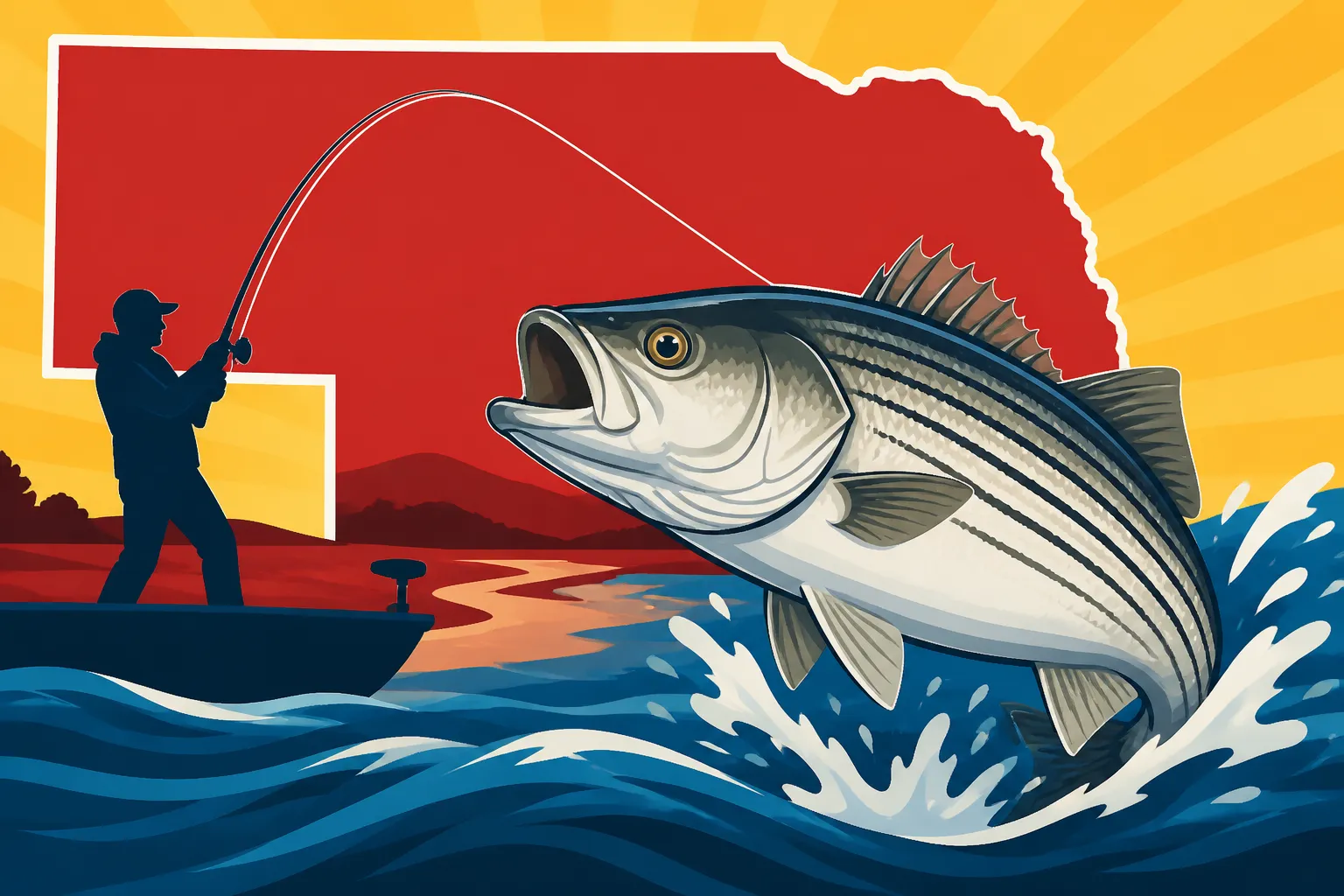
Nebraska Wiper Hybrid Striped Bass Fishing
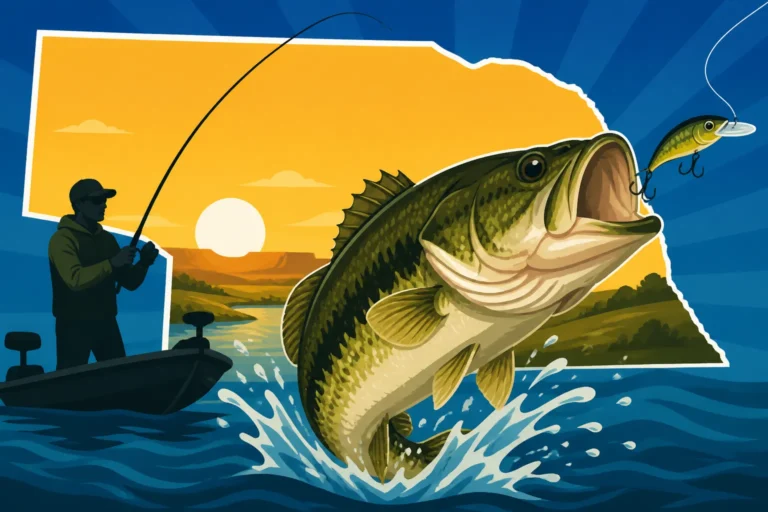
If you've spent any time fishing Nebraska's bigger reservoirs, you've likely heard the buzz about wipers – those hard-fighting, often elusive hybrid striped bass that can truly test your gear and your angling skills. These aren't your typical white bass, and they're not pure ocean stripers either; they're something unique and incredibly exciting to pursue. This guide is all about demystifying Nebraska wiper fishing, from understanding what these powerful fish are to finding them and hooking into one of your own.
What Exactly is a Wiper (Hybrid Striped Bass)?
Many anglers, especially those new to reservoir fishing, can get a little confused when they hear terms like "wiper" or "hybrid striped bass." It’s totally understandable! These aren't naturally occurring fish in our Nebraska waters, but rather a fantastic management success story that brings some serious sport fishing opportunities to the state. Knowing what they are is the first step to appreciating their incredible fight.
The Hybrid Advantage
A wiper is a hybrid fish, specifically a cross between a white bass and a striped bass. The goal of this hybridization is to combine the best traits of both parent species. From the white bass, wipers inherit a tolerance for freshwater environments and a tendency to school, making them more accessible to inland anglers. From the striped bass, they get that phenomenal growth potential and raw, hard-fighting power that makes them such a thrill to catch. It’s a brilliant biological design that results in a fish that grows faster and larger than a white bass, fights with the relentless bulldogging of a striper, and thrives in the open waters of our larger reservoirs. They are essentially a super-soldier of the fishing world, bred for excitement!
This hybrid vigor means wipers are built for action. They are typically stocked as fingerlings by the Nebraska Game and Parks Commission into specific lakes, where they then grow rapidly by feeding aggressively on shad and other baitfish. Because they are hybrids, they generally can't reproduce effectively, which means the populations are managed through stocking programs. This ensures a healthy fishery without concerns of overpopulation or competition with native species. The result is a consistent opportunity for anglers to target a big, strong fish that provides a unique challenge compared to our more common warm-water species.
Identifying a Wiper from its Cousins
One common source of confusion on the water is telling a wiper apart from a pure white bass or, less commonly, a pure striped bass (though true striped bass are rare in Nebraska, mostly found as escapees or stocked in very specific situations). The difference matters, especially for regulations like bag limits, which can vary between species. It's not always easy when you've got a fish flopping in the bottom of the boat, but there are some key visual cues to look for.
The easiest way to tell is by looking at the lateral lines running along the fish's body. White bass typically have a single, unbroken lateral line. Pure striped bass, if you ever encounter one, will have several distinct, unbroken lateral lines. Wipers, however, are characterized by their broken or discontinuous lateral lines. You'll often see several lines, but one or more of them will be clearly broken and offset, especially below the pectoral fin. Their body shape is also a good indicator; wipers tend to be deeper-bodied and more robust than the generally sleeker white bass, but not quite as elongated as a true striped bass. Keep an eye out for these tell-tale markings to ensure you're correctly identifying your catch and adhering to all Nebraska Fishing Daily Bag and Possession Limits.
Where to Find Wipers in Nebraska
Nebraska isn't known for its ocean coastline, obviously, so finding hybrid striped bass means knowing which of our fantastic freshwater bodies are regularly stocked with these powerful fish. Wipers thrive in large, open reservoirs that offer an abundant supply of baitfish, particularly gizzard shad, which form the cornerstone of their diet. They are pelagic fish, meaning they prefer to roam the open water rather than hugging structure all the time, though they will relate to channels, humps, and points where baitfish concentrate.
Top Nebraska Reservoirs for Wipers
Several of Nebraska's premier fishing destinations are well-known for their excellent wiper populations. These are the places where the Nebraska Game and Parks Commission focuses its stocking efforts, ensuring a robust and exciting fishery for anglers. If you're looking to target wipers, these are your go-to locations.
Lake McConaughy: Affectionately known as "Big Mac," Lake McConaughy is perhaps the most famous wiper destination in Nebraska. Its immense size, deep waters, and vast shad populations make it ideal habitat. Wipers here grow to impressive sizes, offering incredible battles. Anglers often find them chasing schools of shad in open water, or concentrated around points and drop-offs where baitfish are funneled. You'll need a boat for much of Big Mac, but the rewards are well worth it. Many anglers specifically target Lake McConaughy Striped Bass Fishing which primarily refers to wipers due to their dominance in the lake.
Branched Oak Lake: Closer to Lincoln, Branched Oak Lake is another fantastic spot for wipers. While not as vast as McConaughy, it still offers significant open water and a healthy baitfish population. Wipers here can be very aggressive, especially during their feeding frenzies. Its accessibility makes it a popular choice for many anglers, and it can be a great place to try different techniques like casting jigs or trolling crankbaits.
Harlan County Reservoir: Down in south-central Nebraska, Harlan County Reservoir is a consistent producer of good numbers of wipers. It's another large body of water that sees strong wiper stocking. Similar to McConaughy, they often follow baitfish schools in the main basin, but can also be found around prominent underwater features.
Other Notable Spots: While McConaughy, Branched Oak, and Harlan County are the undisputed leaders, other reservoirs like Sherman Reservoir and Calamus Reservoir also receive wiper stockings and can offer good fishing, particularly for those willing to explore. Always check the latest Nebraska Game and Parks fishing reports and stocking schedules to see which lakes are currently producing.
Understanding Wiper Habitat Preferences
Wipers are primarily open-water predators, but that doesn't mean they just swim aimlessly. Their movements are largely dictated by two things: baitfish and comfortable water temperatures. They are constantly on the hunt, using their keen eyesight and powerful tails to ambush schools of shad.
During warmer months, wipers will often suspend in the water column, patrolling vast areas where baitfish are abundant. They might be found over deep water, but still at a depth where the water temperature is ideal and food is plentiful. During cooler periods or when baitfish are pushed against structure by currents or wind, wipers will often congregate around points, humps, ledges, and submerged creek channels. These features act as natural ambush points or highways for baitfish. Understanding the thermocline (the layer where water temperature changes rapidly with depth) can also be crucial, as wipers will often be found just above or within it, where oxygen levels are good and baitfish are concentrated. They are truly opportunistic feeders, so thinking like a hungry fish chasing a meal is key to finding them.
Best Times to Fish for Wipers
Knowing when to hit the water can make all the difference when targeting wipers. These fish are creatures of habit to some extent, but their aggressive nature means they can be caught throughout much of the open water season. However, certain times of year and even times of day offer distinct advantages.
Seasonal Wiper Patterns
Like most fish, wipers adapt their behavior as the seasons change, primarily driven by water temperature and the availability of their food source. Understanding these shifts helps you predict where they might be and what they might be biting on.
Spring: As ice comes off and water temperatures begin to rise, wipers become very active. They'll often move into shallower areas, especially those warmed by the sun, where baitfish are also congregating. This is a fantastic time for casting various lures, as they're hungry after the lean winter months and often willing to chase. Look for them in bays, along windy shorelines, and near inlets where warmer water might be flowing in. The pre-spawn period for white bass can also trigger a feeding frenzy for wipers, as they follow their smaller cousins.
Summer: This is perhaps the most challenging, but also one of the most rewarding, times to target wipers. With high water temperatures, wipers often move to deeper, cooler sections of the reservoir and suspend in the water column, following the abundant schools of shad. Early mornings, late evenings, and even night fishing can be incredibly productive as they push bait to the surface or near the shore. Trolling deep-diving crankbaits or jigging spoons in open water can be very effective, especially when paired with good electronics to locate baitfish. How to Fish Deep Structure for Summer Walleye can offer some transferable tactics for finding suspended wipers too.
Fall: As water temperatures cool down, wipers often enter a powerful feeding period, bulking up for winter. They will move shallower and become incredibly active, frequently seen busting bait on the surface. This is a prime time for casting topwater lures, swimbaits, and spoons into feeding schools. The fall turnover, while sometimes tricky for fishing, often consolidates baitfish, making wipers easier to locate once the water stabilizes. They'll be feeding aggressively until the water gets too cold, making for some truly epic fishing days.
Daily and Weather Considerations
Beyond the seasons, daily patterns and weather conditions play a huge role in wiper fishing success. These fish are highly reactive to environmental changes.
Time of Day: Early morning and late evening are almost universally great times for wiper fishing. During these low-light periods, wipers often move shallower to feed, and are less wary. They might push schools of shad right up against the shore or into shallow coves, creating explosive surface action that's impossible to miss. During the bright, hot midday, they tend to retreat to deeper, cooler water. However, a cloudy, overcast day can extend these prime feeding windows, as the reduced light keeps them active longer.
Weather and Wind: Wipers absolutely love wind. A good, consistent breeze can stack baitfish against a shoreline or point, and wipers will follow right into that chop. The wave action also breaks up the water's surface, providing cover for them to ambush prey. Focus on windblown points and shorelines, especially those with deeper water access. Conversely, calm, clear days can make them more wary and push them deeper. Additionally, a stable weather pattern is generally better than rapidly changing conditions, though a approaching storm front can sometimes trigger a pre-front feeding frenzy. Always be mindful of Nebraska Fishing Weather and Barometric Pressure Tips when planning your trips.
Essential Gear for Wiper Fishing
Wipers are renowned for their powerful, relentless fights. They hit hard and pull like a locomotive, so having the right gear isn't just a luxury—it's a necessity. Skimping on tackle when targeting wipers is a surefire way to end up with broken lines and lost lures, leaving you frustrated.
Rods, Reels, and Line
The foundation of any successful wiper setup starts with a stout rod, a smooth reel, and strong, reliable line. You need equipment that can handle a serious fight without letting you down.
Rods: For casting, a medium-heavy to heavy power spinning or baitcasting rod, typically 6'6" to 7'6" in length, is ideal. The longer rod provides better casting distance for covering water and more leverage during the fight. A fast action tip will give you the sensitivity to detect subtle bites and the backbone to set the hook firmly into a wiper's tough mouth. If you're trolling, a medium-heavy to heavy rod with a more moderate action can be beneficial, absorbing the shock of strikes and keeping fish pinned. You might even consider a specialized trolling rod for this purpose.
Reels: A high-quality spinning reel in the 3000-4000 series or a sturdy baitcasting reel with a good drag system is essential. The key here is a smooth, consistent drag that won't hesitate or stick under pressure. Wipers make strong, sustained runs, and a chattering drag will quickly lead to lost fish. Look for reels with durable gearing and a decent line capacity to hold enough line for those long pulls. While shopping, many anglers find a great selection of durable spinning reels or specific wiper lures on platforms like Amazon, making it easy to get what you need delivered right to your door.
Line: Braided line is a favorite among wiper anglers for good reason. Its incredible strength-to-diameter ratio means you can run lighter test lines for better casting, but still have the power to stop a big fish. It also offers superior sensitivity, helping you feel even the lightest taps. A 20-30 lb braided main line is a good starting point. Many anglers will then add a 12-20 lb fluorocarbon leader. Fluorocarbon is nearly invisible underwater, offers good abrasion resistance, and still transmits feel, giving you the best of both worlds. The leader length can vary, but 3-6 feet is common. For those who prefer monofilament, a heavy 15-20 lb test line is typically needed to handle the strain, though you'll sacrifice some sensitivity and casting distance.
Lures and Baits for Aggressive Wipers
Wipers are aggressive predators, and they'll hit a wide variety of baits and lures. The key is to match the hatch (imitate what they're eating) and present it in a way that triggers their predatory instincts.
Lures:
- Spoons: Casting spoons are deadly, especially when wipers are busting bait on the surface or you're vertically jigging over schools. Silver, chrome, or white are classic colors that imitate shad.
- Crankbaits: Both shallow and deep-diving crankbaits are excellent. Match the size and color to the prevalent baitfish. For trolling, deep-divers that can reach the depths where wipers are suspending are crucial. Look for lures that mimic shad or other baitfish in profile and action.
- Jigs: Soft plastic paddle tail swimbaits rigged on jig heads are highly effective. Colors like white, pearl, chartreuse, or even shad patterns work wonders. Bucktail jigs can also be very productive when jigged vertically or retrieved with a cast-and-retrieve motion.
- Topwater Lures: When wipers are actively schooling and pushing bait to the surface, nothing beats the excitement of a topwater strike. Poppers, walking baits, and stickbaits can create explosive action.
- Blade Baits: These vibrating metal lures can be cast and retrieved, or jigged vertically. They offer a lot of flash and vibration, drawing strikes from aggressive wipers.
Baits: While lures are often the preferred method, live bait can be incredibly effective, especially when wipers are finicky or during specific feeding windows.
- Live Shad: If you can catch live shad, they are undeniably the most effective bait. Wipers gorge on them, so presenting a lively shad on a Carolina rig or under a slip bobber can be irresistible.
- Other Live Bait: Large minnows, shiners, or even small bluegill can also tempt big wipers. Use a hook size appropriate for your bait and fish, ensuring it allows the bait to swim naturally.
- Cut Bait: In certain situations, particularly when targeting wipers on the bottom (though they're primarily pelagic), cut bait can work, especially if they are feeding on larger, slower-moving prey.
Remember to vary your retrieve, experiment with colors, and always pay attention to what the fish are telling you. Sometimes a slight change in speed or depth can make all the difference.
Techniques for Catching Nebraska Wipers
Wiper fishing is a dynamic pursuit that often requires adapting your approach based on the fish's behavior and the conditions of the water. There's no single magic bullet, but mastering a few key techniques will put you well on your way to success.
Casting and Retrieving
This is arguably the most common and versatile method for catching wipers, especially when they are actively feeding or you've located schools of fish. It allows you to cover a lot of water and react quickly to changing conditions.
Locating the Action: The first step is finding where the wipers are. Keep an eye out for surface activity – birds diving, fish jumping, or "boils" on the water where wipers are corralling baitfish. These visual cues are gold! If you have a fish finder, use it to locate schools of baitfish and the larger arches representing wipers either suspending nearby or actively feeding among them. When you see activity, cast beyond the school and retrieve your lure through the action. Look for them around main lake points, submerged humps, and ledges. How to Read a Fish Finder for Walleye offers great foundational knowledge that translates well to finding wipers.
Lure Presentation: Once you've cast, the retrieve is crucial. A fast, erratic retrieve often triggers strikes from aggressive wipers who are used to chasing down fast-moving prey. Consider using a "stop-and-go" retrieve, pausing momentarily to let your lure flutter before continuing. This mimics a wounded baitfish, which can be irresistible. Jigging spoons, swimbaits, and crankbaits are excellent choices for this method. Experiment with different depths and speeds until you find what the fish prefer on a given day. Sometimes a fast, steady retrieve is best, other times it's a series of aggressive rips and falls.
Trolling for Suspended Wipers
When wipers are scattered or suspended in deeper, open water, trolling can be incredibly effective for covering vast areas and presenting lures at precise depths. This is often the go-to tactic during the summer months or when fish are not actively schooling on the surface.
Choosing Your Lure and Depth: Deep-diving crankbaits are king for trolling. Select lures that are designed to run at the depth where you're marking fish or bait. Line counter reels can be invaluable here, allowing you to accurately reproduce successful depths. You might also use lead core line or downriggers to get your lures even deeper. Pay close attention to your electronics to identify the depth of the thermocline and any baitfish schools, then adjust your lure depth accordingly. How to Troll for Walleye in Nebraska provides excellent insights into adjusting your trolling setup and speed that can be directly applied to wiper fishing.
Speed and Pattern: Trolling speed is critical. Wipers are fast swimmers, so a trolling speed of 2.5 to 4 mph is a good starting point, but you'll want to experiment. Sometimes faster speeds trigger more strikes, other times a slower presentation is needed. Vary your pattern by making wide S-turns; this causes your lures on the inside of the turn to slow down and sink, while those on the outside speed up and rise, often triggering strikes as the lure changes action. Don't be afraid to experiment with multiple rod setups at different depths and with different lure colors until you crack the code. Having reliable equipment, including a good trolling motor, makes this much easier. You might check retailers like Amazon for competitive pricing on these units.
Vertical Jigging
When wipers are schooling tightly beneath your boat, either over deep structure or suspended in the water column, vertical jigging can be deadly precise. This technique is all about getting your lure right into the strike zone and provoking a reaction bite.
Targeting Schools: Use your fish finder to pinpoint schools of wipers. Once you've found them, position your boat directly over the fish. This often means using your trolling motor to stay put or slowly drift with the wind. The key is to keep your lure in the same depth zone as the fish. Blade baits, heavy spoons, and bucktail jigs are excellent choices for vertical jigging. Drop your lure down to the depth of the fish, and then begin your retrieve.
Jigging Action: A common jigging technique involves lifting the rod tip sharply to move the lure up, then letting it fall on a semi-slack line. Many strikes occur on the fall, so pay close attention to any resistance or twitch in your line. Adjust the aggressiveness of your jigging motion based on the fish's mood. Sometimes a subtle lift and drop is all it takes, other times a more aggressive snap-jigging motion is needed to trigger a reaction. Don't be afraid to adjust your retrieve until you find what the wipers are keying in on.
Regulations and Conservation for Wipers
Fishing for wipers in Nebraska is an absolute blast, but with great fishing comes great responsibility! It's super important to understand the rules and do our part to keep these fisheries healthy and thriving for everyone. The Nebraska Game and Parks Commission puts a lot of effort into managing these hybrid populations, and following regulations is key to their success.
Nebraska Wiper Regulations
The specific regulations for wipers, like daily bag limits and length limits, can vary from year to year and even from lake to lake. These rules are in place to ensure that the wiper population remains sustainable and that there are plenty of trophy-sized fish for future anglers.
Daily Bag and Possession Limits: Typically, wipers will have a daily bag limit, which is the maximum number of fish you can keep in a single day, and a possession limit, which is the total number of fish you can have in your possession (including those at home or in your cooler). These limits are often designed to allow anglers to keep a few fish for the table while protecting the overall population. It's really crucial to consult the most current Nebraska Fishing Regulations Explained before you head out, as these rules are subject to change. The regulations booklet or the Nebraska Game and Parks website are your best resources for the absolute latest information.
Length Limits: Some lakes may also have length limits for wipers. This could be a minimum length (fish must be at least X inches to keep), a slot limit (fish within a certain size range must be released), or even a maximum length (fish over a certain size must be released). Length limits are often used to protect prime breeding-size fish or to encourage the growth of larger individuals. Misidentifying a wiper and keeping a fish that falls outside the legal length limit can result in penalties, so review your fish identification skills before you go!
Safe Handling and Conservation Practices
Beyond just following the rules, how we treat the fish we catch—especially those we intend to release—makes a huge difference for the health of the fishery. Wipers are powerful fish, and they can be quite stressed after a tough fight.
Responsible Catch and Release: If you're practicing catch and release, quick and careful handling is paramount. Try to minimize the time the fish is out of the water. Use wet hands when handling them, or better yet, a rubberized landing net to avoid stripping off their protective slime coat. If the hook is easy to remove, use a pair of long-nose pliers or a hook-remover tool. If the fish is deeply hooked and removing the hook would cause too much damage, it's often best to cut the line as close to the hook as possible. Gently revive the fish by holding it upright in the water and moving it back and forth to push water over its gills until it swims away under its own power. These practices are covered in more detail in guides like Catch and Release Best Practices in Nebraska.
Protecting the Fishery: Wipers are stocked, meaning they are a direct investment by the state into our fishing opportunities. Reporting any suspected poaching or regulation violations is vital for protecting this resource. Get familiar with How to Report a Fishing Violation in Nebraska if you ever encounter something suspicious. Also, always remember to "clean, drain, and dry" your boat and gear to prevent the spread of aquatic invasive species, which can devastate fisheries. And of course, always wear a life jacket when boating, especially on large reservoirs where conditions can change rapidly. Safety first! You can find more information on required safety gear in Best Life Jackets for Nebraska Boaters.
By understanding these regulations and adopting responsible angling practices, we can all contribute to keeping Nebraska's wiper fishing fantastic for years to come.
Disclaimer
This article is for general informational purposes only and does not constitute professional advice. Laws, prices and regulations vary by location and change over time. Consult a qualified professional for guidance on your specific situation.