Nebraska State Record White Bass Weight
There's a special kind of thrill that comes from reeling in a truly impressive fish, that moment when you wonder if this might be the one. Many of us anglers dream of catching a fish that stands out, maybe even one that earns a spot in the record books. If you've ever wondered about the biggest white bass caught in our great state, or how you might catch a personal best, this guide is here to unravel the details of Nebraska's state record white bass weight and equip you with the knowledge to pursue your own trophy.
The Thrill of the Chase: Understanding State Records in Nebraska Fishing
Fishing isn't just about catching dinner; for many, it's about the challenge, the escape, and the stories we gather along the way. When it comes to state records, it adds an extra layer of excitement and a tangible goal to strive for. It’s a testament to the quality of our waters and the skill (or sometimes sheer luck!) of the angler.
Why State Records Matter to Anglers
For seasoned anglers, chasing a state record is often a culmination of years of experience, dedication, and understanding specific fish behavior and habitats. It's a badge of honor, a mark of distinction that says you not only caught a magnificent specimen but also followed all the rules to have it officially recognized. Beyond personal pride, these records inspire others, showcasing the potential of Nebraska's diverse fisheries. They become part of our local fishing lore, sparking conversations at bait shops and around campfires. Imagine the feeling of knowing your name is etched into history for future generations of anglers to admire! It’s not just about the weight; it's about the story, the persistence, and the sheer joy of a truly memorable catch.
How Nebraska Records Are Verified
Catching a potential state record isn't as simple as just weighing it on your kitchen scale. There's a formal process to ensure fairness and accuracy. When an angler believes they've landed a record-breaker, the fish needs to be weighed on a certified scale, usually at a grocery store or an official weigh station, often in the presence of witnesses. The scale itself must be inspected and sealed by a certified authority to ensure its accuracy. Beyond the weight, photographs are crucial—clear, detailed shots of the fish from different angles, often with the angler and the scale visible. The type of tackle used, the specific location, and the date of the catch all need to be meticulously documented. Sometimes, even the species identification needs to be confirmed by a fisheries biologist, especially for similar-looking fish. It’s a rigorous process, but it’s what gives these records their unquestionable credibility. Understanding these steps beforehand can save a lot of heartache if you ever find yourself with a true monster on the line. For more on the rules, check out our guide on Nebraska Fishing Regulations Explained.
Unveiling the Nebraska State Record White Bass
Now, let's talk about the specific white bass record that every Nebraska angler should know. This is a fish that truly exemplifies the potential of our waters and stands as a challenge for all who cast a line.
The Current Champion: Weight and Catch Details
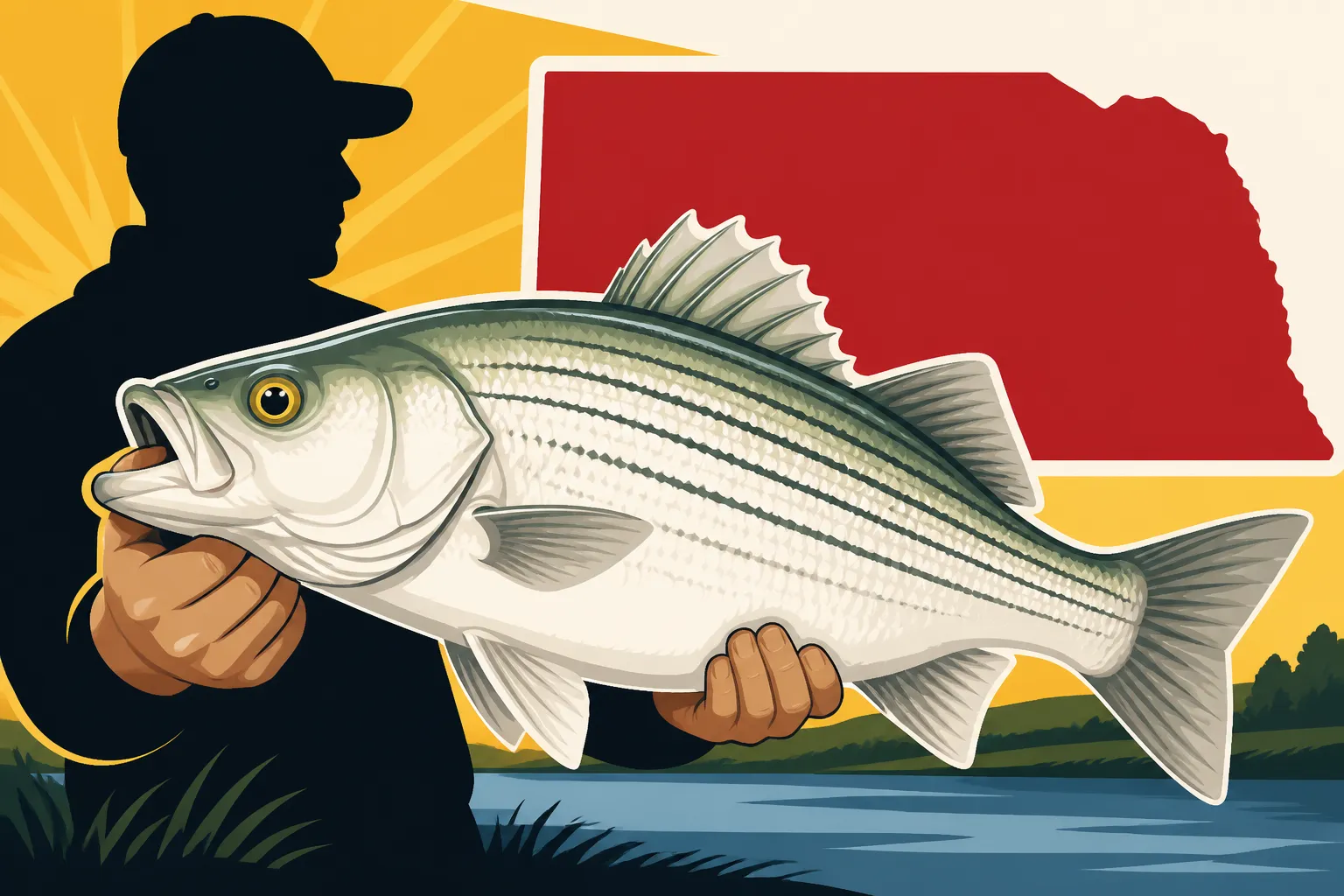
The Nebraska state record white bass stands as a remarkable achievement, a true testament to the angling potential of our state's waters. The current record holder weighed in at 3 pounds, 14 ounces. This impressive white bass was caught by George W. Kelly on July 18, 1989, and was pulled from the renowned waters of Lake McConaughy. Think about that for a moment: nearly four pounds of fighting white bass! It’s a testament to the robust fishery that Lake Mac offers. This fish wasn't just big; it was a beast, the kind that probably gave Mr. Kelly quite the fight, leaving him with a story he could tell for years. The details, from the angler's name to the specific date and location, are crucial for verifying these records and preserving their historical significance. Knowing the specific details helps paint a picture of that monumental day on the water.
The Significance of a Trophy White Bass
A white bass of this size isn't just another fish; it's a true trophy. White bass are known for their aggressive strikes and spirited fights, especially on light tackle. Catching one that pushes nearly four pounds is an exceptional feat, as most white bass typically range from half a pound to a pound and a half. A fish of this magnitude indicates a healthy ecosystem with abundant food sources and favorable growing conditions. It represents the pinnacle of what a white bass can achieve in Nebraska's lakes and rivers. For many anglers, catching a white bass even half this size is a fantastic day on the water, so to land one that weighs almost four pounds speaks volumes about the quality of fishing available here. It certainly makes you wonder what other giants are lurking below the surface! We have a great resource on White Bass Fishing in Nebraska that delves deeper into this exciting species.
Pursuing Your Own Personal Best White Bass in Nebraska
Dreaming of a trophy white bass of your own? While the state record is a high bar, setting your sights on a personal best or even just a respectable two-pounder is a fantastic goal. White bass are prolific and offer some of the most exciting fishing experiences in Nebraska.
Top Spots for Big White Bass
When it comes to targeting larger white bass, certain locations in Nebraska consistently produce bigger fish due to their expansive waters, ample forage, and ideal habitat. Of course, Lake McConaughy, the home of the current state record, is always a prime choice. Its vast open water and abundant baitfish populations create the perfect environment for white bass to grow to impressive sizes.
However, Lake Mac isn't the only game in town. Other large reservoirs across the state are also excellent choices. Consider destinations like Harlan County Reservoir, Sherman Reservoir, and Branched Oak Lake. These large bodies of water often feature extensive main lake points, submerged islands, and creek channels that funnel baitfish, attracting hungry white bass. During the spring, river systems connected to these reservoirs, like the Platte River, can also experience significant white bass runs, offering fantastic opportunities, especially for shore anglers. Knowing where to start is half the battle, and these larger waters give you the best odds for encountering those bigger, more mature white bass. You can find more details in our Best Places to Fish in Nebraska guide.
Effective Techniques for Catching Trophy White Bass
White bass are aggressive schooling fish, which means if you find one, you've likely found many! However, consistently catching larger white bass often requires a slightly different approach than just chasing boils of smaller fish.
- Mimicking Baitfish: Big white bass, like many predatory fish, are looking for a substantial meal. Lures that accurately imitate the size and flash of local baitfish are key. Silver or white crankbaits, spoons, and swimbaits are incredibly effective. Think about medium-diving crankbaits that can be trolled or cast around submerged structure.
- Vertical Jigging: If you're fishing deeper water or marking schools on your fish finder, vertical jigging with heavy spoons or blade baits can be deadly. Drop your lure directly into the school and use sharp, short lifts to entice strikes. This technique is particularly good when fish are holding tight to bottom structure or suspended in deeper columns.
- Trolling: Trolling with crankbaits or spinner rigs is an excellent way to cover a lot of water and find active schools, especially in larger reservoirs. Vary your speed and depth until you hit the sweet spot. Using a good trolling motor can help you maintain consistent speed and control.
- Targeting Structure: While white bass can be found in open water chasing bait, larger fish often relate to specific underwater structure like points, humps, and submerged timber, especially during non-feeding frenzies. Pay attention to how the wind and current might be pushing baitfish into these areas.
Remember, white bass are notorious for their strong fight, so be ready to hold on tight! For specific seasonal tips, check out How to Catch White Bass During the Spring Run. When it comes to gear, there are plenty of excellent options available on Amazon that cater to white bass fishing, from specialized lures to quality lines.
Essential Gear for Targeting White Bass
Having the right gear won't guarantee a state record, but it certainly improves your chances and makes the experience more enjoyable. White bass don't require super heavy tackle, but you want something robust enough to handle their strong runs and powerful head shakes.
- Rods and Reels: A medium-light to medium power spinning rod, around 6'6" to 7' feet long, paired with a reliable 2500-3000 series spinning reel, is ideal. This setup provides enough sensitivity to detect subtle bites but also has the backbone to fight larger fish. For those who prefer baitcasters, a medium action rod with a fast retrieve reel works wonders with crankbaits and heavier spoons. You can find a wide array of options on Amazon that suit various budgets and preferences.
- Line: A good quality monofilament line in 8-10 pound test is versatile for most white bass situations. If you prefer braided line for its sensitivity and strength, use 10-15 pound test with a fluorocarbon leader of similar strength for abrasion resistance and invisibility in clear water.
- Lures: As mentioned, silver or white spoons (like Kastmasters or Little Cleos), lipless crankbaits, diving crankbaits, and small swimbaits are go-to options. Consider having a variety of sizes and diving depths to match different conditions. Jigging spoons and blade baits are excellent for vertical presentations. You can easily stock up on a diverse selection of these lures through Amazon.
- Terminal Tackle: A small selection of swivels, snap swivels, and perhaps some small lead-head jigs (1/8 to 1/4 ounce) to pair with soft plastics or live bait.
- Live Bait: While artificials are popular, live minnows or small shad can be irresistible to large white bass, especially when fished under a slip bobber or slow-trolled.
Having a good landing net is also a smart move, especially for a potential trophy fish you might want to release. Protecting the fish during landing and handling increases its chances of survival. Our guide on Best Rods and Reels for Nebraska Fishing offers more general advice that applies here.
From Catch to Certification: The Record-Keeping Process
So, you've done it. You've landed a white bass that looks suspiciously close to the state record. What now? Panic? No, preparation! Knowing the steps to certify a record is crucial, because a moment of excitement can quickly turn into a missed opportunity if not handled correctly.
Documenting Your Potential Record Fish
This is where the "measure twice, cut once" mantra really applies. If you believe you've caught a state record, every detail matters.
- Keep the Fish Alive (if possible and desired for release): If you intend to release the fish after measurement, keep it in a livewell or on a stringer in cool, oxygenated water. This is critical for its survival after the photo and weigh-in process. However, for an official record, the fish generally needs to be available for official inspection. If you're going for a certified record, the fish usually has to be presented whole.
- Initial Measurements and Photos: Take clear, high-quality photographs immediately. Get shots from multiple angles, showing the entire fish, especially its length and girth. If possible, take a photo of the fish next to a ruler or measuring board. Have another person in the photo to provide scale, if safe to do so. These photos are vital for preliminary verification and species identification.
- Find a Certified Scale: This is non-negotiable. You cannot use your personal scale. You need to get the fish to a Nebraska Game and Parks Commission (NGPC) approved weigh station, typically a tackle shop, a certified grocery store, or even a local meat locker that has a state-certified scale. Call ahead to confirm their ability to weigh the fish and their hours of operation. Speed is of the essence, especially if you're trying to keep the fish fresh for an accurate weight.
- Witnesses: Try to have at least one, preferably two, unrelated witnesses present during the weighing process. Their statements can add credibility to your claim.
Remember, the goal is indisputable evidence. The more clear, verifiable data you have, the smoother the certification process will be. For more on safe handling, consider reading How to Release a Fish Safely to Survive.
The Official Reporting Procedure
Once your potential record fish has been weighed on a certified scale and you have all your documentation, it’s time to contact the Nebraska Game and Parks Commission.
- Contact Nebraska Game and Parks: Reach out to the Fisheries Division of the NGPC as soon as possible after the catch and initial weighing. They will provide you with the necessary forms and detailed instructions specific to the current record-keeping policies. Their website, GoOutdoorsNE, often has information on this, or you can find contact details for their offices.
- Submit Documentation: You'll typically need to submit the official weigh slip from the certified scale, your high-resolution photos, details about the tackle used, the specific location of the catch, and a narrative of how the fish was caught. Sometimes, an actual sample of the fish (like a fin clipping) might be required for genetic verification, especially if there's any doubt about species identification.
- Biologist Review: A fisheries biologist will review all your submitted information. They will verify the species, review the weighing process, and confirm that all state regulations were followed. This includes ensuring you had the proper Nebraska Fishing License Guide and adhered to all Nebraska Fishing Daily Bag and Possession Limits.
- Official Certification: If everything checks out, the NGPC will officially certify your catch as a new state record! This can take some time, so patience is key. The good news is, once certified, your name and your magnificent catch become a part of Nebraska's proud fishing heritage.
It’s a thorough process, but it ensures the integrity of the state record books. Your diligence in documenting everything properly is just as important as the catch itself.
Nebraska White Bass at a Glance
Let's put some key white bass facts into perspective, including that impressive state record, to give you a clearer picture of what makes this species so compelling to anglers in Nebraska.
| Characteristic | Typical Nebraska White Bass | Nebraska State Record White Bass |
|---|---|---|
| Average Weight | 0.5 – 1.5 lbs | 3 lbs, 14 oz |
| Average Length | 10 – 15 inches | Not officially recorded, but likely >18 inches |
| Habitat | Large reservoirs, rivers | Lake McConaughy (record) |
| Diet | Shad, minnows, small fish | Abundant forage in large lakes |
| Fight | Aggressive, strong runs | Extremely powerful fight |
| Best Fishing Seasons | Spring, Summer, Fall | July (record month) |
This table highlights just how exceptional the state record white bass truly is compared to what anglers typically encounter. It underscores the potential for truly massive fish within Nebraska's waters, especially in places like Lake McConaughy.
Disclaimer
This article is for general informational purposes only and does not constitute professional advice. Laws, prices and regulations vary by location and change over time. Consult a qualified professional for guidance on your specific situation.