How Many Fish Species Live in Nebraska
As someone who's spent countless hours exploring Nebraska's beautiful waters, from the mighty Missouri to the tranquil sandhill lakes, I know the frustration of trying to get a clear picture of what lies beneath the surface. It's not just about what you can catch, but the sheer variety of life that calls our state home. This guide will dive deep into the fascinating diversity of fish species in Nebraska, helping you understand the unique aquatic ecosystems that make our state a true angler's paradise.
The Surprising Diversity of Nebraska's Aquatic Ecosystems
When you think of Nebraska, you might picture cornfields stretching to the horizon, but beneath the surface of our rivers, streams, and lakes, there's a vibrant and incredibly diverse world of fish. It's easy to assume that a landlocked state like ours might have limited aquatic life, but that couldn't be further from the truth. Our unique geography, with the expansive Missouri River forming our eastern border, numerous tributaries, and thousands of natural and man-made lakes, creates a mosaic of habitats supporting a rich variety of finned inhabitants.
The Factors Shaping Nebraska's Fish Population
Several key factors contribute to the surprising number of fish species we have here. First, there's the sheer diversity of water bodies. We have large, deep reservoirs like Lake McConaughy, swift-flowing rivers such as the Platte and Niobrara, smaller streams and creeks, and countless farm ponds. Each of these environments offers different conditions – varying water temperatures, oxygen levels, substrate types, and food sources – which naturally lend themselves to different fish species. For example, a fast-moving, clear stream might be perfect for certain trout species, while a slow, muddy river backwater is ideal for catfish.
Another crucial factor is our location within the continental United States. Nebraska acts as a crossroads for several major river systems, particularly the Missouri River Basin. This connectivity allows for a natural flow and migration of species from north, south, and east, enriching our local biodiversity. Human intervention, through stocking programs and habitat management by entities like the Nebraska Game and Parks Commission, also plays a significant role in maintaining and sometimes introducing certain species to enhance recreational fishing opportunities. You can learn more about these programs and the overall picture in our Nebraska Fish Species Identification Guide.
The Sheer Number: A Living Count
Pinpointing an exact, static number of fish species in Nebraska can be a bit like trying to count the stars on a cloudy night – it's constantly shifting! However, generally speaking, Nebraska is home to over 100 native and introduced fish species. This includes everything from popular game fish that anglers actively pursue to smaller forage fish that form the base of the food web, and even some rare or protected species. The count fluctuates slightly over time as new species are occasionally documented, some introduced species establish themselves, or, unfortunately, some native populations decline. It's a testament to the health and complexity of our aquatic environments that such a high number can thrive here. This diversity is not just a number on a page; it's what makes every fishing trip in Nebraska an adventure.
Categorizing Nebraska's Fish: From Game to Protected
To truly appreciate the variety of fish in Nebraska, it's helpful to break them down into categories. These classifications aren't always strict, as some fish might fit into more than one, but they give us a better understanding of their role in the ecosystem and their importance to anglers and conservationists alike.
Popular Game Fish
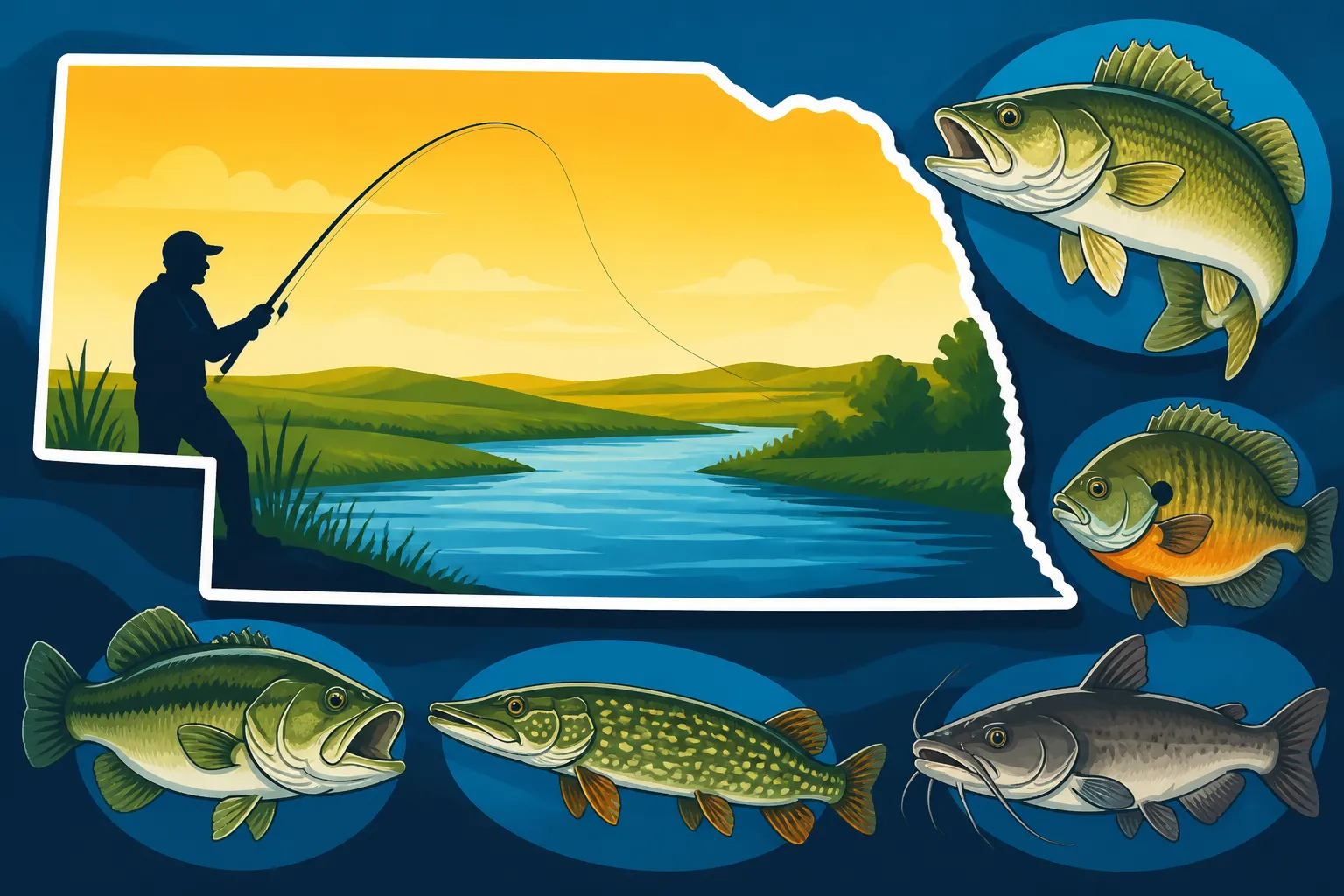
These are the species most anglers dream of catching. They're often sought after for their fighting ability, size, or table fare. In Nebraska, our game fish roster is impressive and includes some of the most iconic freshwater species in North America. Think about the thrill of a walleye hitting your lure at Lake McConaughy, or the brute strength of a channel catfish on the Missouri River.
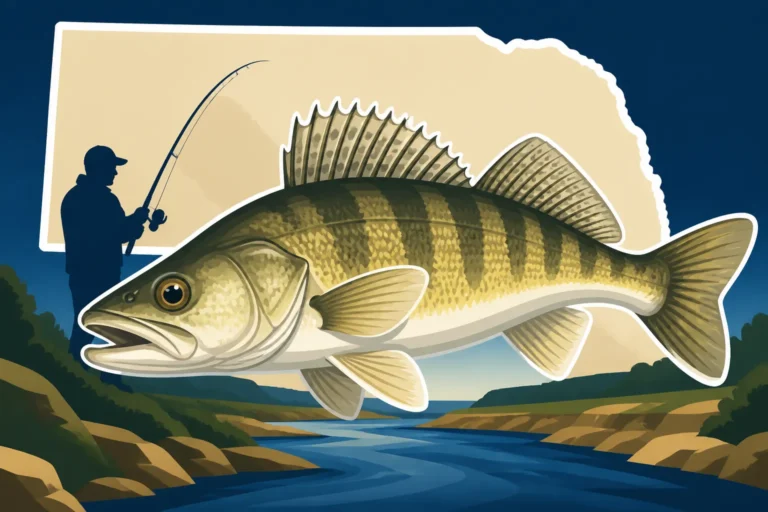
- Walleye, Sauger, and Saugeye: These highly prized fish are known for their delicious white meat. Walleye are abundant in many of our larger reservoirs and rivers, while sauger are more common in rivers like the Missouri. The saugeye is a hybrid, a cross between a walleye and a sauger, offering the best traits of both. Anglers often spend hours trolling or jigging for these elusive predators. To truly master catching these beauties, you might want to delve into How to Fish for Walleye in Nebraska.
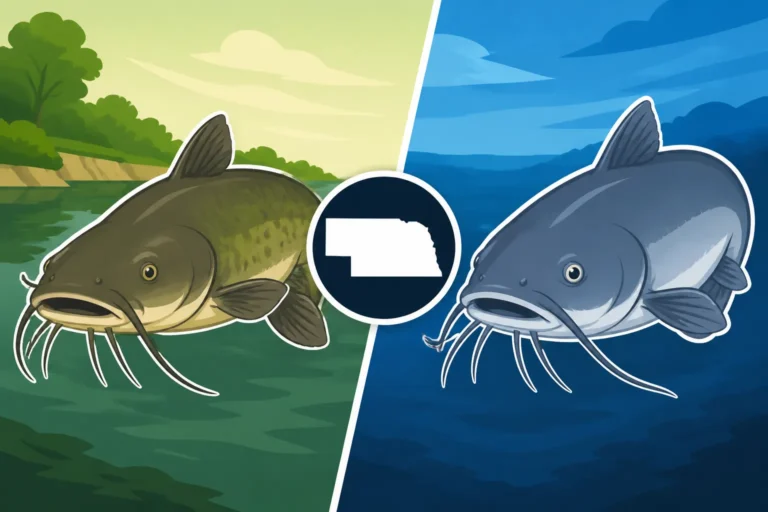
- Catfish (Channel, Flathead, Blue): Nebraska is a catfish haven! Channel catfish are ubiquitous, found in almost every water body. Flathead catfish are the giant ambush predators of our rivers, and while less common, blue catfish are also found, particularly in the lower Missouri River. They offer fantastic fights and are excellent eating. Many a summer night has been spent on the riverbanks chasing these whiskered warriors.
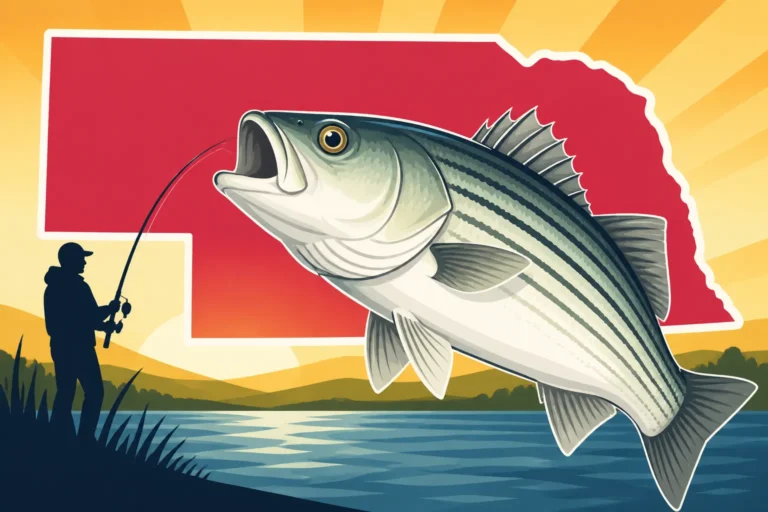
- Bass (Largemouth, Smallmouth, Striped, Wiper): Our bass populations are incredibly strong. Largemouth bass thrive in ponds and calmer lake areas, offering explosive topwater action. Smallmouth bass prefer rocky, clear waters, often found in rivers like the Niobrara or certain reservoirs. We also have striped bass and their hybrid cousins, wipers (a cross between striped bass and white bass), providing powerful, open-water battles, especially at places like Lake McConaughy. Learning about them can truly elevate your game, especially if you're targeting big ones.
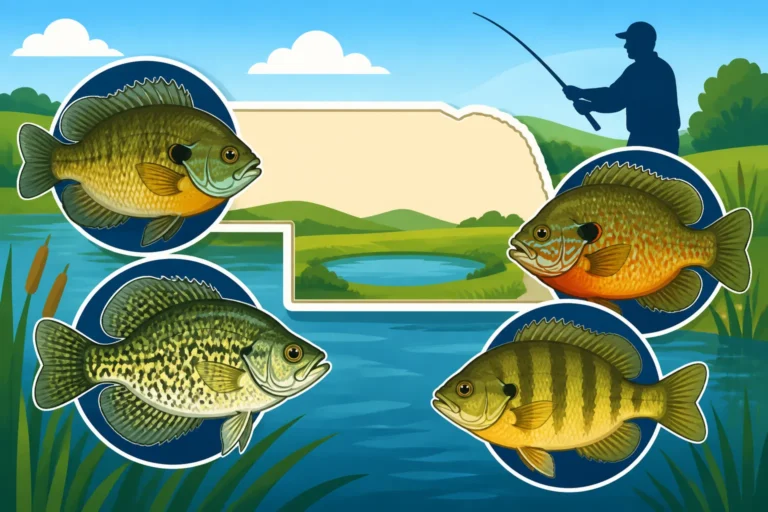
- Panfish (Crappie, Bluegill, Perch): These smaller, yet incredibly fun-to-catch fish are often the first fish many kids catch, sparking a lifelong love for angling. Crappie (both black and white) are abundant in brushy areas, while bluegill and other sunfish species are found almost everywhere. Yellow perch are often associated with colder waters and ice fishing. These fish are fantastic for a fish fry and provide consistent action. Check out our dedicated guide on Nebraska Panfish Species Guide for more details.
- Trout (Rainbow, Brown): While not native to most of Nebraska, trout are stocked annually in several lakes and streams, providing a unique cold-water fishery. Lake Ogallala and parts of the Niobrara River are prime spots. Rainbow trout are the most commonly stocked, but brown trout can also be found. They demand different techniques and offer a beautiful challenge.
Rough Fish and Other Species
Beyond the popular game fish, Nebraska's waters host a fascinating array of what are often termed "rough fish" or "non-game fish." While some anglers might overlook them, many of these species provide incredible sport, are excellent table fare, and play vital roles in the ecosystem. This category also includes species that are less commonly targeted by traditional rod-and-reel anglers but are nevertheless important parts of the aquatic tapestry. Our Nebraska Rough Fish Species Guide offers a comprehensive look at these often-underappreciated creatures.
- Carp (Common, Grass, Silver, Bighead): Carp are powerful, often massive fish that provide incredible fights. Common carp are widespread, and while some anglers consider them a nuisance, others actively pursue them for sport. Invasive carp species like silver and bighead carp are a significant concern in our river systems, particularly the Missouri. Bowfishing for these invasive species has become a popular sport, and it's a critical effort to help manage their populations.
- Gar (Longnose, Shortnose): With their prehistoric appearance, gar are truly unique. Longnose and shortnose gar are found in many of our larger rivers and lakes. They are voracious predators and, when hooked, put up a spectacular fight, often leaping clear of the water. Many people don't realize they're also quite good to eat, though filleting them requires a bit of skill due to their tough hide.
- Drum (Freshwater Drum): Also known as sheepshead, freshwater drum are common in many larger lakes and rivers. They put up a respectable fight and are surprisingly good to eat, often described as having a texture similar to redfish. They are bottom feeders, often caught on baits intended for catfish.
- Suckers (various species): These bottom-dwelling fish are often overlooked but are important forage for larger predators. While not typically targeted by rod-and-reel anglers for sport, they are sometimes caught incidentally and can be used as bait or, in some cases, smoked or pickled.
- Minnows and Forage Fish: A multitude of smaller species, like various shiner species, dace, and chub, form the foundation of the aquatic food chain. These fish are crucial as a food source for all the larger game fish we love to catch. Their health and abundance are direct indicators of the overall health of the water body. For anyone wanting to dive deeper into the minutiae of these smaller species for bait or academic interest, a good field guide, perhaps found on Amazon, can be an invaluable resource.
Protected and Invasive Species
Nebraska's fish landscape also includes species that require special attention, either because their populations are vulnerable or because they pose a threat to native ecosystems.
- Endangered and Threatened Species: The state is home to a few fish species that are listed as endangered or threatened. These often include species with very specific habitat requirements or those impacted by habitat loss or degradation. Protecting these species is crucial for maintaining the natural balance and biodiversity of our waters. It's essential for anglers to be able to identify these fish and know that if one is caught, it must be carefully and immediately released. Our guide on Nebraska Endangered and Protected Fish Species provides critical information on these vulnerable inhabitants.
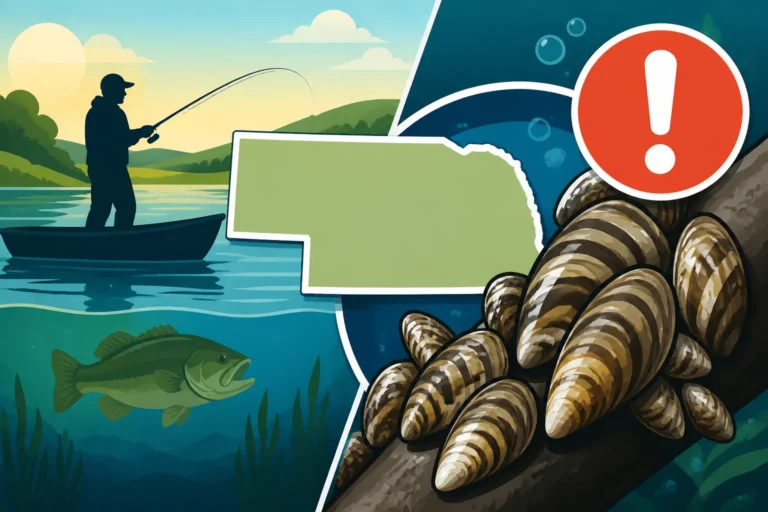
- Invasive Species: We touched on invasive carp, but other aquatic invasive species, like zebra mussels and certain plants, can also severely impact fish habitats and populations. These species often outcompete native fish for food and resources, disrupt the food web, and can lead to significant ecological and economic damage. Anglers play a critical role in preventing their spread by cleaning, draining, and drying their boats and gear. You can find more comprehensive information on these threats in Invasive Fish Species in Nebraska. Knowing what to look for, especially when checking your gear after a day on the water, is paramount. Many informational posters and guides, often available from Nebraska Game and Parks or found through a quick search on Amazon, detail how to prevent the spread of these unwanted guests.
Where Nebraska's Fish Species Call Home
The sheer variety of fish in Nebraska is intimately tied to the diverse habitats available. From the smallest farm pond to the broadest river, each environment offers unique conditions that dictate which species can thrive. Understanding these habitats is key to understanding our fish populations.
Riverine Systems: The Lifeblood
Nebraska's rivers are the arteries of its aquatic ecosystems, playing host to a significant portion of its fish species. The character of the river—its size, current speed, substrate, and water clarity—greatly influences the fish that inhabit it.
- Missouri River: As Nebraska's eastern boundary, the Missouri River is a massive and complex ecosystem. It supports a vast array of species, from large paddlefish and blue catfish to walleye, sauger, and various gar species. Its main channel, backwaters, and tributaries create a multitude of niches. Learning about the specific fish here is an adventure in itself, and our guide on What Fish Live in the Missouri River in Nebraska offers a deeper dive. The sheer volume of water and diverse structures, like wing dams and sandbars, make it a true hotspot for numerous species.
- Platte River: This iconic river, with its wide, shallow, braided channels, provides a different set of habitats. While known for its critical role in bird migration, the Platte is also home to channel catfish, flathead catfish, various sucker species, and even some smallmouth bass in its clearer stretches. The changes in water flow throughout the year significantly impact the fish dynamics. For those interested in the fish that call this unique river home, What Fish Live in the Platte River is a must-read.
- Niobrara River: Often called "the river of many natures," the Niobrara boasts a mix of warm and cold water species due to its spring-fed sections. It's renowned for smallmouth bass and is one of the few places in Nebraska where you can find naturally reproducing brown trout. Its varied character, from rapids to calm stretches, allows for remarkable diversity. Other rivers like the Elkhorn, Loup, and Republican also contribute significantly, each with its own community of fish.
Lentic Systems: Lakes and Reservoirs
Lakes and reservoirs, with their still or slow-moving waters, offer entirely different environments from rivers. They tend to have more stable conditions, allowing for different feeding and spawning behaviors.
- Large Reservoirs (e.g., Lake McConaughy, Merritt, Branched Oak): These vast bodies of water are typically managed for game fish and offer some of Nebraska's best fishing opportunities. Lake McConaughy, for instance, is famous for its walleye, wiper, and striped bass populations, thriving in its deep, clear waters. Merritt Reservoir is known for its walleye, crappie, and even muskellunge. Branched Oak Lake provides excellent crappie, catfish, and bass fishing. Each of these large reservoirs supports a diverse ecosystem, often featuring multiple layers of fish species from top to bottom. Our article What Fish Species Are in Lake McConaughy explores this incredible fishery in detail.
- Small Lakes and Ponds: From state park lakes to countless private farm ponds, these smaller lentic systems are vital for panfish like bluegill and crappie, as well as largemouth bass and channel catfish. They are often managed intensively and provide accessible fishing for families and beginners. These smaller waters are truly where many Nebraskans get their start in fishing, offering consistent action and memorable experiences. A trip to a local sporting goods store or even a browse on Amazon for basic pond fishing gear can get you started on these fantastic, accessible fisheries.
Understanding the "Why" Behind the Numbers
Beyond just knowing how many species exist, it's fascinating to understand why we have such a varied aquatic population in a state often perceived as primarily agricultural. It boils down to a combination of natural forces and dedicated conservation efforts.
Ecological Niches and Habitat Variation
Every fish species has a specific "ecological niche" – a particular set of environmental conditions and resources it needs to survive and reproduce. Nebraska's diverse range of aquatic habitats means there are many different niches available. Think about a small creek with riffles and pools versus a vast, open reservoir. The fish that thrive in one are often very different from those in the other.
For instance, species like northern pike prefer cooler, weedy waters with plenty of ambush points, often found in some of our larger, shallower lakes or backwaters. Conversely, a riverine species like the pallid sturgeon, an endangered fish, requires large, turbid, free-flowing river stretches with sand and gravel substrates, conditions increasingly rare in many regulated river systems. The variety of these specific requirements dictates the potential for species richness.
The availability of different food sources also plays a huge role. Some fish are primarily insectivores, some are piscivores (eating other fish), and some are omnivores. A healthy ecosystem provides a robust food web, supporting this wide range of dietary preferences. When you're trying to figure out what fish are biting, considering their typical diet for that specific body of water can make all the difference, and a quick search for bait and tackle on Amazon will show you just how many options there are to match these diets.
The Role of Conservation and Management
The number of fish species we have today is also a testament to ongoing conservation and management efforts. The Nebraska Game and Parks Commission actively monitors fish populations, conducts surveys, and implements stocking programs. These programs help maintain healthy populations of popular game fish, ensuring that anglers have opportunities for years to come. They also work on habitat restoration projects, improving water quality and creating better environments for all aquatic life, including the less glamorous but equally important forage fish.
Regulations, such as Nebraska Fishing Daily Bag and Possession Limits and size restrictions, are put in place to prevent overharvesting and protect spawning populations. These rules are designed to ensure sustainable fisheries, allowing fish to grow to maturity and reproduce, thereby supporting a healthy number of species. Without these dedicated efforts, it's likely our aquatic biodiversity would be significantly reduced. It's a continuous, dynamic process of balancing human activity with ecological health.
Here's a simplified look at the broad categories of fish diversity you might encounter:
| Category | Description | Key Nebraska Examples | Angler Interest |
|---|---|---|---|
| Game Fish | Sought after for sport, size, or food quality. | Walleye, Largemouth Bass, Channel Catfish, Crappie, Trout | High (primary target) |
| Panfish | Smaller, prolific, and easy to catch; excellent for eating. | Bluegill, Green Sunfish, Yellow Perch | Moderate to High (family fishing, easy action) |
| Rough Fish | Often powerful fighters, sometimes overlooked; vital ecosystem roles. | Common Carp, Flathead Catfish, Gar, Freshwater Drum | Moderate (specialty fishing, bowfishing, food source) |
| Forage Fish | Small species forming the base of the food chain for predators. | Various minnows, shiners, dace | Low (primarily bait, ecological importance) |
| Protected | Species with declining populations, requiring conservation. | Pallid Sturgeon (must be released if caught) | Very Low (catch and immediate release mandatory) |
| Invasive | Non-native species that threaten native ecosystems. | Silver Carp, Bighead Carp | Moderate (bowfishing, management efforts) |
This table really helps illustrate the breadth of aquatic life we have here, doesn't it? It's not just about the big ones that make it to your dinner plate, but the whole intricate web that sustains them. So, the next time you're out on the water, take a moment to appreciate the vast, vibrant, and incredibly diverse world of fish that lives in Nebraska. Every cast is an opportunity to connect with this amazing natural heritage.
Disclaimer
This article is for general informational purposes only and does not constitute professional advice. Laws, prices and regulations vary by location and change over time. Consult a qualified professional for guidance on your specific situation.