Nebraska State Record Muskellunge Weight
That deep, primal urge to connect with nature, to feel the pull of a truly massive fish on your line, it's something every angler understands. And in Nebraska, when you talk about legendary freshwater predators, the muskellunge, or muskie, immediately springs to mind. These magnificent fish are the stuff of angling dreams, known for their elusive nature and explosive power. For many, just spotting one is an achievement, let alone getting it to strike. So, when an angler manages to land a state-record muskie, it’s not just a personal triumph; it’s a moment that captures the imagination of every serious fisherman in the state. This guide will dive deep into the extraordinary achievement of the Nebraska state record muskellunge, exploring not just the impressive statistics but also the incredible dedication and skill it takes to pursue these freshwater giants in our Nebraska waters.
The Grandeur of the Nebraska State Record Muskellunge
There's a certain mystique that surrounds state records, a benchmark that inspires both awe and ambition among anglers. The Nebraska state record for muskellunge is no exception; it represents the peak of success for those who dedicate themselves to chasing these notoriously challenging fish. This isn't just about weight; it's about the culmination of countless hours on the water, meticulous preparation, and a healthy dose of luck.
Unveiling the Record Holder
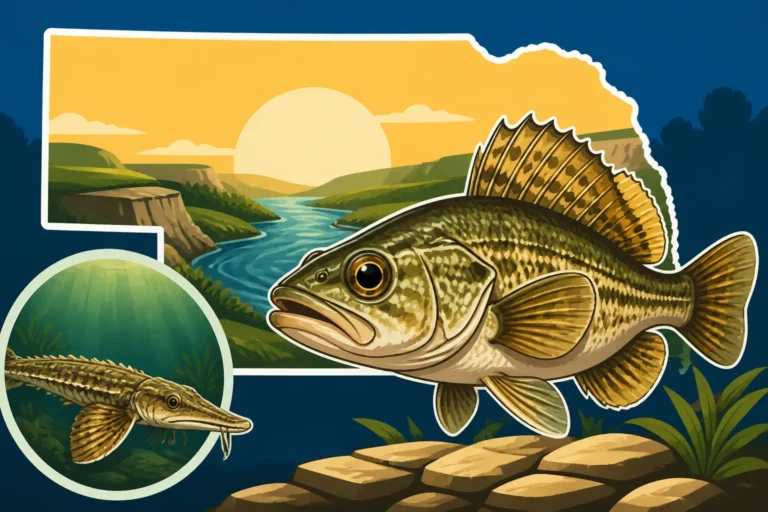
The Nebraska state record for muskellunge stands as a testament to the potential of our state's fisheries and the skill of its anglers. This incredible benchmark was set by an angler who managed to land a muskie weighing a staggering 41 pounds, 8 ounces. Imagine that moment: the strike, the fight, and finally, bringing such a behemoth to the boat or shore. This monumental catch didn't just happen anywhere; it was pulled from the depths of Merritt Reservoir, a legendary body of water nestled in the Sandhills of Nebraska, back in 2004.
This particular muskie wasn't just big; it was exceptionally large for Nebraska waters. Anglers often refer to muskies as the "fish of 10,000 casts," and for good reason. They are apex predators, wary, and often solitary, making them incredibly difficult to locate, entice, and then successfully bring to the net. The individual who accomplished this feat certainly earned their place in Nebraska angling history, demonstrating an unparalleled level of perseverance and angling prowess. It's a reminder that truly monumental fish are out there, swimming in our very own lakes and reservoirs, waiting for the dedicated few who are willing to put in the effort.
What Makes a Muskie Record-Worthy?
To truly appreciate a 41-pound, 8-ounce muskie, it helps to understand what constitutes a typical muskie in Nebraska. Most muskies caught in our state, while still impressive, generally fall into the 30- to 40-inch range, with weights typically from 10 to 20 pounds. A fish nearing or exceeding 40 pounds is in an entirely different league. It represents a creature that has survived for many years, successfully evading anglers, predators, and environmental challenges.
Several factors contribute to a muskie reaching such immense, record-setting proportions. Genetics play a significant role; some fish are simply predisposed to grow larger and faster than others. A rich and abundant food source, like schools of shad, perch, or suckers, allows these fish to pack on weight efficiently. Furthermore, longevity is key. A muskie needs many years in a stable, healthy ecosystem to reach maximum size. Think about the sheer power and endurance a 40-pound muskie possesses. Landing such a fish requires specialized gear, yes, but also a deep understanding of how to fight a heavy, angry predator that can strip line in seconds and throw hooks with violent head shakes. It's a dance between angler and fish, where often the fish emerges victorious. The record serves as a thrilling goal for those aspiring to such a challenge.
Understanding Nebraska's Muskie Waters
The existence of a state record muskie points directly to the quality and potential of Nebraska's specific muskie fisheries. These aren't just any bodies of water; they are unique ecosystems that provide the necessary conditions for these freshwater giants to thrive, grow, and challenge anglers.
Primary Muskie Fisheries in Nebraska
When it comes to muskie fishing in Nebraska, one name consistently rises to the top: Merritt Reservoir. Located southwest of Valentine, Merritt is not just a beautiful spot in the Sandhills; it's a prime muskie haven, known for producing many of the state's largest muskies, including the current record. The reservoir's expansive, clear waters, coupled with a diverse forage base and ample structure, create an ideal environment for these large predators. Anglers specifically targeting these fish often spend their days meticulously casting and trolling the various points, submerged humps, and extensive weed beds that characterize Merritt. To get a deeper understanding of fishing this legendary lake, you might want to check out Merritt Reservoir Muskellunge Fishing Tips.
Beyond Merritt, other lakes in Nebraska have also gained reputations for muskie. Lake Minatare, for instance, in the Panhandle, has also been stocked with muskies and offers opportunities for anglers willing to travel. These bodies of water share common characteristics crucial for muskie survival: deep water to escape summer heat, plenty of cover (like standing timber or dense vegetation) for ambushing prey, and a healthy population of baitfish. Maintaining these ecosystems through careful management, including stocking programs, is vital to sustaining the trophy potential that draws anglers from far and wide. For a broader look at Nebraska Muskellunge Fishing, there are resources available to help you plan your next adventure.
The Elusive Nature of the "Fish of 10,000 Casts"
The moniker "fish of 10,000 casts" isn't an exaggeration; it's a badge of honor in the muskie fishing community, and it perfectly encapsulates the challenge of pursuing these creatures in Nebraska. Unlike many other game fish that might readily strike at a variety of baits, muskies are notoriously finicky, territorial, and incredibly intelligent. They are ambush predators with keen senses, often preferring to stalk their prey from cover or follow a bait for an extended period before deciding whether or not to strike.
This elusive nature can be incredibly frustrating for even the most experienced anglers. You might spend an entire day casting massive lures, meticulously working promising structures, only to see a shadowy form follow your bait right to the boat, eye it, and then casually turn away. This is known as a "follow," and it's a common, if disheartening, experience in muskie fishing. It teaches incredible patience and persistence. Many muskie anglers embrace this challenge, understanding that the reward of a single, powerful strike from one of these majestic fish is worth all the effort and anticipation. It's a mental game as much as a physical one, demanding unwavering focus and the ability to learn from every interaction, or lack thereof.
Biology and Behavior of Trophy Muskies
Understanding the fundamental biology and behavior of muskies is critical to appreciating their potential for monumental growth and, for the angler, increasing your chances of an encounter. A record-setting fish isn't just lucky; it's a product of its environment and its inherent biological traits.
Diet and Growth Factors
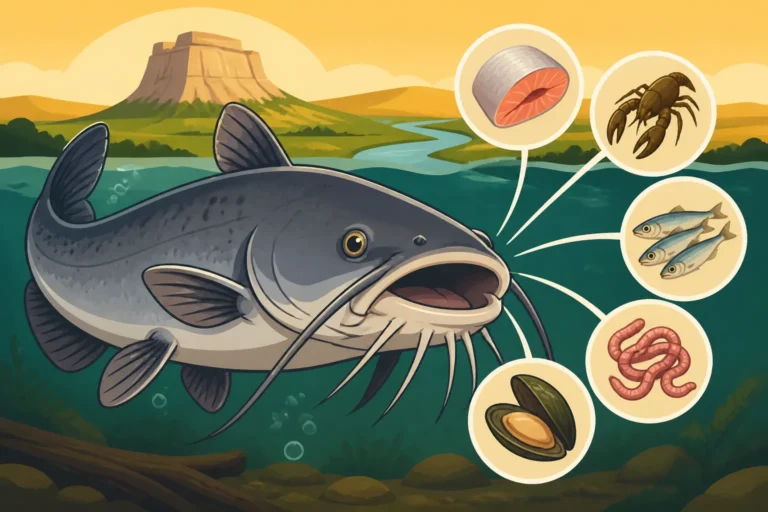
A muskie's diet is key to its growth into a trophy-sized specimen. In Nebraska's muskie lakes, these apex predators feast on a wide array of forage. Their diet typically includes yellow perch, gizzard shad, various suckers, and even smaller game fish like crappie or bass. Essentially, if it swims and it's small enough to fit into a muskie's enormous mouth, it's on the menu. A rich and consistently available food source allows muskies to grow at an accelerated rate, converting calories into muscle and length.
Beyond diet, genetics play a profound role. Just like in any species, some individual muskies are simply genetically predisposed to grow larger and live longer than others. These "trophy genetics," combined with an ideal environment, allow a select few to reach truly immense sizes. Furthermore, muskies are relatively long-lived fish, capable of surviving for 15-30 years or even more in optimal conditions. This extended lifespan gives them the time needed to accumulate mass, solidifying their status as true giants of the freshwater world. As they age, their growth rate might slow, but their sheer size continues to impress, making them formidable predators and an ultimate angling prize. You can learn more about What a Muskellunge Is and Where They Live in Nebraska to understand their place in the ecosystem.
Habitat Preferences for Giant Muskies
Trophy muskies aren't found just anywhere; they have specific habitat preferences that cater to their predatory lifestyle and need for survival. In Nebraska, these powerful fish often gravitate towards complex underwater structures. This includes vast weed beds, which provide excellent ambush points and cover from sunlight, as well as rock piles, submerged timber, and sharp drop-offs. These areas offer both concealment and access to deeper, cooler water, which is crucial during the warmer months.
Seasonality also dictates their location. In spring, after ice-out, muskies might be found in shallower, warming bays as they prepare to spawn or feed actively. As summer progresses and water temperatures rise, larger muskies often retreat to deeper, cooler sections of the lake, suspending over deep structure or along thermoclines, moving into shallower feeding zones during low light periods. During the fall, as baitfish school up and water temperatures begin to drop, muskies enter a "feeding frenzy," bulking up for winter. This is often considered one of the best times to target trophy fish. Understanding these seasonal movements and their preferred ambush points is essential for any angler hoping to connect with a truly massive muskie.
Chasing Your Own Nebraska Trophy Muskie
The allure of catching a trophy muskie, perhaps even one that rivals the state record, is a powerful motivator. While it demands dedication, the right approach can significantly increase your chances of success. It’s a journey that builds character and sharpens your angling skills like no other.
Essential Gear for Muskie Hunting
To stand a chance against a powerful muskie, you need specialized, heavy-duty gear. This is not the time for light tackle!
- Rods and Reels: A sturdy, fast-action muskie rod, typically 7.5 to 9 feet long, designed for casting heavy lures, is a must. Pair this with a robust baitcasting reel capable of handling heavy line and tremendous drag. You can find excellent options on platforms like Amazon, searching for "heavy action muskie rods" or "muskie baitcasting reels." For a general overview of appropriate tackle, check out Best Rods and Reels for Nebraska Fishing.
- Line: Spool your reel with strong braided line, often 80-100 pound test, to handle the heavy lures and the violent strikes of a muskie. A heavy fluorocarbon or wire leader (100-200 pound test) is absolutely essential to prevent their razor-sharp teeth from cutting your line.
- Lures: Muskie lures are often massive. Think large bucktails (inline spinners with big blades and often a lot of flash), heavy crankbaits that dive deep, large jerkbaits that imitate struggling prey, and glide baits. Having a variety of lure types and colors is key, as muskies can be particular. Many of these specialized baits can be found on Amazon, often directly from manufacturers or niche tackle shops.
- Tools: Crucially, carry a large, long-handled landing net or a muskie cradle for safe landing and handling. Long-nosed pliers, hook cutters (bolt cutters are often recommended for large trebles), and jaw spreaders are indispensable for safe hook removal, protecting both you and the fish. Remember, these fish have an intimidating mouthful of teeth!
| Gear Item | Purpose | Key Features for Muskie | Where to Find (Example) |
|---|---|---|---|
| Rod | Casting heavy lures, fighting big fish | Heavy power, fast action, 7.5-9 ft | Specialty tackle shops, Amazon |
| Reel | High retrieve rate, strong drag | Low-profile baitcaster, durable construction | Specialty tackle shops, Amazon |
| Line | Strength, abrasion resistance | 80-100 lb braided main line, heavy fluoro/wire leader | Any reputable tackle retailer, Amazon |
| Lures | Attracting and hooking muskie | Large bucktails, crankbaits, jerkbaits (8-12+ inches) | Muskie-specific brands, Amazon |
| Landing Net/Cradle | Safe landing and handling | Large hoop, long handle, rubberized net for fish safety | Online fishing retailers |
| Hook Removal Tools | Safety for angler and fish | Long-nosed pliers, bolt cutters, jaw spreaders | Hardware stores, Amazon |
Tactics and Patience for Success
Muskie fishing is a game of patience and persistence. You'll spend hours making casts, meticulously working your lures, often without a single bite. But when that strike comes, it's unforgettable.
- Casting: This is the most common method. Focus your casts on prime muskie habitat: weed edges, rock piles, drop-offs, and submerged timber. Vary your retrieve speed and cadence to figure out what the fish prefer on any given day. A crucial technique is the "figure-eight" at the boat. As your lure nears the boat, don't just reel it in. Instead, plunge your rod tip into the water and make a wide figure-eight motion with your lure. Many muskies, which have followed your bait all the way in, will strike viciously at this point, often right at your feet!
- Trolling: For covering vast expanses of water, especially in larger reservoirs like Merritt, trolling large crankbaits or bucktails at varying depths can be incredibly effective. This allows you to present lures to actively cruising muskies and cover a lot of ground quickly. Understanding lake contours and baitfish locations is key here. To better understand how the season affects fish activity, consider reading Best Time of Year to Catch Muskie in Nebraska.
- Fight and Release: When a muskie hits, hold on tight! They are powerful fighters, known for their head shakes, dives, and aerial acrobatics. Don't rush the fight, but apply steady pressure. Because these fish are so special, and often caught for sport rather than sustenance, catch-and-release is almost universally practiced. Mastering Catch and Release Best Practices in Nebraska is paramount for the health of the species. Be prepared with your tools, unhook the fish quickly, get a rapid photo if desired, and ensure the fish is revived before releasing it gently. If you're struggling with a large fish, these tips might help: How to Fight a Big Fish on Light Tackle.
Conservation and Respect for the Species
Chasing trophy muskies goes hand-in-hand with a deep commitment to conservation. These are not only challenging fish to catch but also valuable assets to Nebraska's fisheries. Their populations are often sustained through stocking efforts and benefit greatly from responsible angling practices.
Always be mindful of the current Can You Keep a Muskie in Nebraska? regulations and the Minimum Length for Keeping a Muskie in Nebraska. In many cases, minimum length limits are quite high, reflecting the desire to let these fish grow to trophy size and contribute to the gene pool. Even when a fish meets the legal length, many muskie anglers choose to release their catch to fight another day, ensuring the continuation of healthy, trophy-producing fisheries. Proper handling techniques, as mentioned with the right tools, are critical to minimize stress and injury to the fish. When you land one of these incredible predators, take a moment to appreciate its power and beauty, knowing that your respectful handling contributes to the future of muskie fishing in Nebraska. It’s about being a steward of these incredible resources so that future generations can also experience the thrill of the chase.
Disclaimer
This article is for general informational purposes only and does not constitute professional advice. Laws, prices and regulations vary by location and change over time. Consult a qualified professional for guidance on your specific situation.