Do Nebraska Lakes Have Rainbow Trout Year-Round?
It's a common dream for many anglers, especially those coming from states with colder climates: the thought of casting a line for vibrant rainbow trout all year long, pulling them from crystal-clear waters whenever the mood strikes. Here in Nebraska, with our diverse landscape of plains, rivers, and reservoirs, the reality of year-round rainbow trout fishing can be a bit more nuanced than that idyllic picture. This guide will dive deep into the specific conditions and programs that dictate the presence of rainbow trout in Nebraska lakes, helping you understand where and when you can realistically expect to find these beautiful fish, and what the true meaning of "year-round" might be in our unique environment.
Understanding Nebraska's Trout Program and Stocking Cycles
When most folks picture trout fishing, they envision clear, cold mountain streams or deep, frigid lakes. Nebraska, bless its heart, isn't exactly known for its alpine topography. Our waters are largely influenced by warmer temperatures, especially as the seasons shift. This fundamental difference means that most of our trout presence is managed through dedicated stocking efforts.
The Basics of Trout Stocking in Nebraska
The vast majority of rainbow trout you'll encounter in Nebraska lakes are there because they were put there by the state wildlife agency. These aren't wild, self-sustaining populations that reproduce naturally in most of our stillwaters. Why? Because the conditions just aren't right. Rainbow trout thrive in cold, well-oxygenated water, typically below 70 degrees Fahrenheit, and ideally even cooler for optimal health and reproduction. Most Nebraska lakes, particularly the shallower ones, simply get too warm in the summer to sustain trout populations.
This leads to what's often called a "put-and-take" fishery. Millions of healthy, catchable-sized rainbow trout are raised in hatcheries, primarily for the purpose of being stocked into various lakes and ponds across the state. The idea is that anglers can come, enjoy the thrill of catching these fish, and then take them home for dinner. It's a fantastic program that brings trout fishing opportunities to areas that would otherwise never have them, making the sport accessible to a wider audience, including families and new anglers. Without these stocking efforts, the dream of trout fishing in a Nebraska lake would largely remain just that – a dream.
When and Where Trout Are Stocked
So, if trout aren't typically surviving the summer, when can you find them? The answer is generally in the cooler months. Nebraska's trout stocking efforts really kick into high gear in the fall, continue throughout the winter (making for some fantastic ice fishing opportunities!), and extend into early spring. As the water temperatures begin to drop, lakes become much more hospitable for rainbow trout.
Many of these stockings are part of what's known as the "Community Fishing Program" and target urban and community lakes. These are smaller bodies of water, often right within city limits or easily accessible parks, making it incredibly convenient for folks to get out and fish. Think places like Holmes Lake in Lincoln, Standing Bear Lake in Omaha, or other smaller impoundments near population centers. These urban stockings are incredibly popular, offering a quick fishing fix without a long drive. Beyond these urban spots, certain larger reservoirs and state recreation areas also receive regular trout stockings during the cooler seasons. For example, Merritt Reservoir Trout Fishing is a popular destination, as is Lake Ogallala Trout Fishing, which benefits from colder water discharges. The timing is crucial; you'll often find the best fishing shortly after a stocking event. Keep an eye on official announcements from the Nebraska Game and Parks Commission or check their website for stocking schedules to maximize your chances. You can find more details in our guide on When Trout Are Stocked in Nebraska Lakes.
Factors Affecting Year-Round Trout Survival in Nebraska
While the vast majority of Nebraska's lakes and ponds don't support rainbow trout year-round, there are very specific environmental factors that dictate where they might persist longer, even through the warmest parts of the year. Understanding these conditions is key to finding those rare, truly year-round opportunities.
The Critical Role of Water Temperature
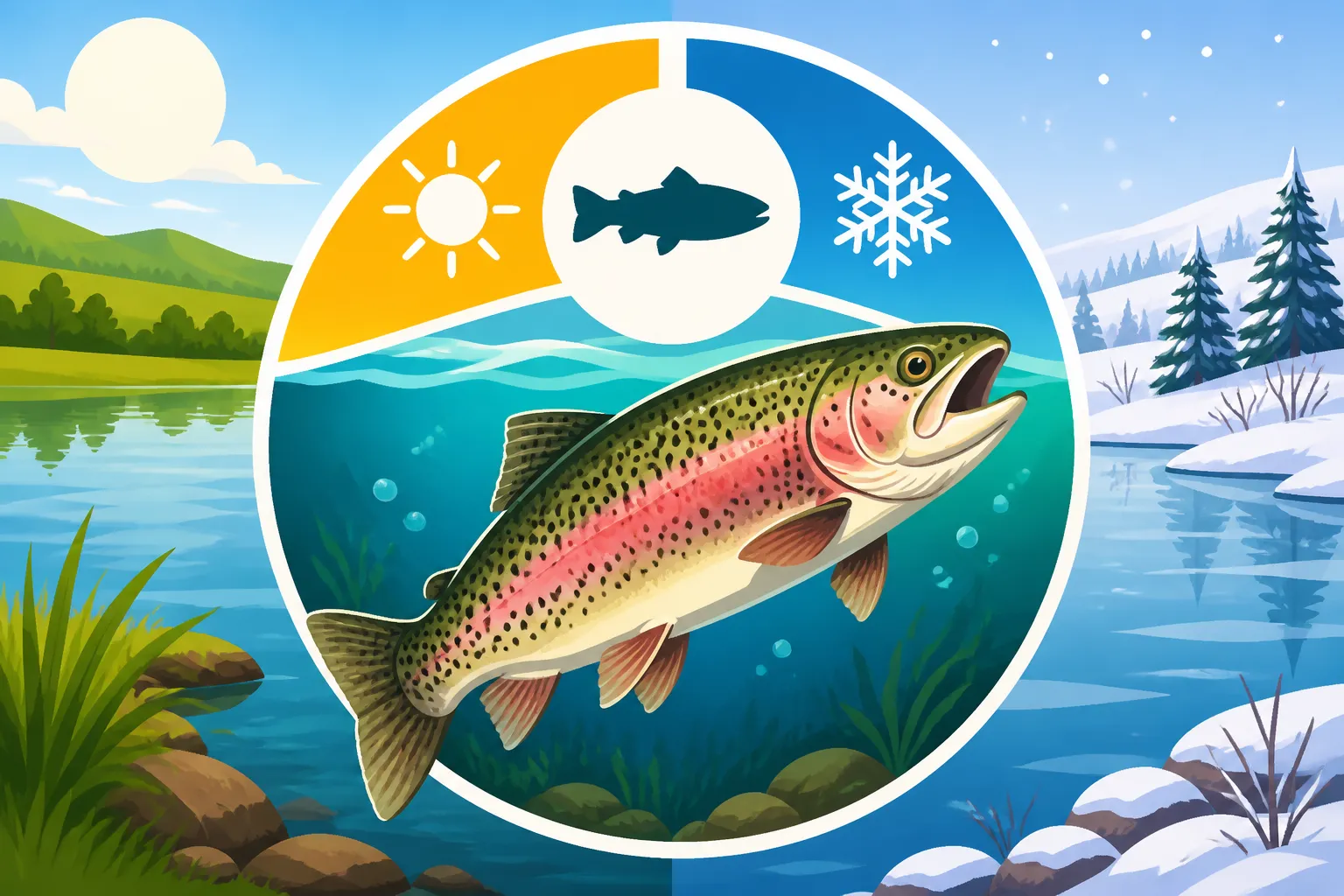
For rainbow trout, water temperature is arguably the single most important factor for survival. As mentioned, they prefer cold water, ideally below 70 degrees Fahrenheit. The moment water temperatures consistently climb above this threshold, trout become stressed. Their metabolism increases, oxygen demand goes up, and their ability to fight off disease or forage effectively diminishes. Prolonged exposure to warm water is almost always fatal for rainbow trout.
This is why Nebraska's hot summers are the primary reason most stocked trout are "put-and-take." Once June hits and shallow lakes start to warm up into the 70s and 80s, the trout stocked in fall, winter, and spring simply cannot survive. They succumb to thermal stress. However, there are exceptions. Some unique bodies of water offer what anglers call "thermal refugia" – pockets of consistently cold water that allow trout to endure. The most prominent example in Nebraska is Lake Ogallala, located directly below Kingsley Dam. The water released from the deep depths of Lake McConaughy into Lake Ogallala is significantly colder year-round, creating a unique tailwater fishery where trout can genuinely thrive even in summer. Certain deep Sandhill lakes, fed by cold groundwater springs, might also offer very limited, localized areas where trout could hold over, though these are much rarer and often less accessible. If you're looking for Nebraska Trout Fishing that lasts beyond spring, these cold-water havens are your best bet.
Oxygen Levels and Habitat
Beyond temperature, oxygen levels play a huge role in trout survival. Cold water naturally holds more dissolved oxygen than warm water. As a lake warms up, its ability to hold oxygen decreases, and concurrently, the metabolic activity of fish (and other aquatic organisms) increases, demanding more oxygen. This double whammy can create lethal conditions for trout. Without adequate oxygen, even if the temperature is tolerable, fish will suffocate.
Ideal trout habitat extends beyond just cold, oxygenated water. Trout also prefer clear water with plenty of structure, such as rocks, submerged vegetation, or fallen timber, which provides cover from predators and ambush points for foraging. They also appreciate flowing water, which helps oxygenate the water and brings food to them. Unfortunately, many of Nebraska's natural lakes and reservoirs, while fantastic for warm-water species like bass, catfish, and walleye, simply do not possess these characteristics year-round. They might be clear in spring but become turbid in summer, or lack significant cold, flowing currents. This means that even if a lake were deep enough to stay somewhat cool, it might still lack the overall habitat complexity and consistent oxygen levels needed to support a self-sustaining trout population throughout the entire year. This is why How Often Nebraska Stocks Trout is a key component of providing consistent fishing opportunities, rather than relying on natural survival.
Best Strategies for Catching Nebraska Trout Throughout the Year
While year-round trout fishing in Nebraska is mostly limited to very specific locations, understanding how to approach trout during different seasons can dramatically improve your success. It's about adapting your techniques to the conditions and the nature of the stocked fish.
Targeting Trout in Cooler Months (Fall, Winter, Spring)
The cooler months are prime time for trout fishing in Nebraska. When the state parks and urban ponds get their fresh stockings of rainbow trout in the fall, winter, and early spring, these fish are often eager to bite. They're typically hatchery-raised and accustomed to a pelleted diet, so they respond well to baits that mimic that, or simply look easy to catch.
- Fall: As soon as water temperatures drop into the 60s, trout stockings begin. Fish will be active, cruising shorelines, and willing to hit a variety of offerings. This is a fantastic time for families to get out, and you don't need highly specialized gear.
- Winter (Ice Fishing): For many, ice fishing for trout is a highlight of the year. Once safe ice forms, especially on the smaller stocked ponds, trout can be incredibly active. Small jigs tipped with a wax worm or mealworm, or even small spoons, can be deadly. Remember to stay safe on the ice!
- Spring: This might be the most popular season for trout. As the ice melts and temperatures remain cool, trout are still very active and abundant from winter and spring stockings. They're preparing for warmer weather, so they'll be feeding aggressively. This is often the Best Time to Fish After Trout Stocking in Nebraska because the fish haven't been pressured heavily yet.
For bait, PowerBait in various colors (chartreuse, rainbow, pink, white) is a perennial favorite, often fished off the bottom with a small split shot and a light leader. Earthworms, corn, or even small marshmallows can also be effective. For lures, small inline spinners (like Panther Martins or Mepps), tiny spoons (Kastmasters, Little Cleos), or small jigs (like a 1/32 or 1/16 oz jig head with a small grub body) are excellent choices. Many of these effective baits and lures can be easily found on Amazon or at your local tackle shop. Remember, these newly stocked trout are often quite naive, so a simple approach usually works best. Check out How to Catch Rainbow Trout After Stocking for more specific tips.
Seeking Out Summer Trout Opportunities
Finding rainbow trout in Nebraska during the heat of summer is definitely a challenge, but not entirely impossible if you know where to look and manage your expectations. As discussed, the key is cold water, and in Nebraska, that usually points to Lake Ogallala.
Lake Ogallala, often called "Lake Mac's Little Sister" or the "Lake Ogallala Trout Pond," is fed by the deep, cold water discharge from Lake McConaughy. This consistent influx of chilly water creates a unique environment where rainbow and sometimes brown trout can survive and even thrive year-round. Fishing here in summer typically means targeting deeper water where the coldest currents are present. Techniques might involve:
- Deep Trolling: Using downriggers or heavy weights to get small crankbaits or spoons down to the desired depth.
- Bottom Bouncing: Drifting or slowly trolling with live bait (like nightcrawlers) or PowerBait along the bottom.
- Casting at the Inlet/Outlet: Sometimes, where the coldest water enters or exits a pocket, trout will congregate.
- Fly Fishing: For the purists, fly fishing with nymphs or streamers can be productive, especially in the currents, though this can be more challenging. If you are into fly fishing, Best Flies for Nebraska Trout Fishing offers some excellent starting points.
While other deep Sandhill lakes might theoretically hold trout year-round if they have strong cold springs, these are usually not officially managed as year-round trout fisheries, and access can be limited. For most anglers, Lake Ogallala is the realistic and most accessible option for summer trout. If you're not near Ogallala and your local pond has warmed up, consider switching your focus to warm-water species like bass, catfish, or panfish, which are abundant in Nebraska's lakes during the summer.
Permits, Regulations, and What You Need to Know
Fishing for trout in Nebraska, like any other game fish, requires adherence to specific rules and regulations. It's not just about what gear you use or where you go; it's also about being legally compliant. Overlooking these details can quickly turn a peaceful day of fishing into a frustrating and expensive experience.
Necessary Licenses and Stamps
First and foremost, any angler aged 16 or older needs a valid Nebraska fishing license. This is your fundamental entry ticket to fish any public waters in the state. You can purchase these online through the GoOutdoorsNE system, at various permit vendors, or even sometimes at sporting goods stores like those found on Amazon with official links to purchasing. It’s always best to get your license before you head out. Whether you’re a resident or non-resident, the requirements vary, so be sure to get the correct one. Our comprehensive Nebraska Fishing License Guide can walk you through all the options, from annual permits to shorter durations.
Beyond the general fishing license, if you plan on fishing for trout, you'll also need a Nebraska Trout Stamp. This stamp is a mandatory endorsement that funds trout management programs, including the stocking efforts that make trout fishing possible in our state. Even if you only catch and release, if you're actively targeting trout, you need this stamp. It's a small additional cost that directly supports the resource you're enjoying. The stamp is typically valid for the same period as your fishing license. Don't forget to check out Do You Need a Trout Stamp to Fish for Trout in Nebraska? for more specifics on this requirement.
Specific Trout Regulations
Nebraska, like all states, has specific regulations designed to manage fish populations and ensure fair chase. For rainbow trout, these usually revolve around daily bag limits and possession limits, which define how many fish you can keep in a single day and how many you can have in your possession (e.g., at your campsite or home).
While specific length limits are common for other species like bass or walleye, for most "put-and-take" rainbow trout fisheries in Nebraska, strict length limits are less common, meaning you can generally keep any legal-sized fish you catch up to the bag limit. However, there can be exceptions, especially in special regulation waters like parts of Lake Ogallala or specific streams. It is absolutely crucial to consult the most current Nebraska Fishing Guide and Regulations pamphlet before each fishing season or trip. These guides are updated annually and are available online, at license vendors, and typically wherever licenses are sold. The regulations might detail specific times of year, gear restrictions (like single hooks only in certain areas), or even special management zones. Ignorance of the law is not an excuse, so make sure you're up to date! For a general overview, our Nebraska Fishing Regulations Explained article provides a great starting point, but always verify with the official state guide.
It's also worth noting that while stocked trout are generally considered table fare, always be aware of any local fish consumption advisories, particularly in urban ponds, which might be subject to certain environmental considerations.
Here's a quick comparison of general trout scenarios in Nebraska:
| Factor | Most Nebraska Lakes (Stocked) | Lake Ogallala (Tailwater) |
|---|---|---|
| Year-Round Trout | No, primarily seasonal (fall, winter, early spring) | Yes, due to cold-water discharge from Lake McConaughy |
| Primary Species | Rainbow Trout | Rainbow Trout, Brown Trout |
| Survival Rate | Low to none in summer due to warm temperatures | High year-round due to consistent cold water |
| Fishing Season | Best in cooler months; "put-and-take" fishery | Good year-round; summer requires deeper presentations |
| Habitat | Shallow, often turbid, warm in summer | Cold, clear, strong currents, deep pools, good oxygen |
| Access | Many urban and community ponds, easily accessible | Below Kingsley Dam, specific access points |
| Typical Size | Stocked at catchable size (8-12 inches) | Can grow larger, including trophy-sized fish |
In Nebraska, while a true year-round wild trout fishery is largely confined to the unique cold-water flows of Lake Ogallala and perhaps a few isolated stream stretches, the robust stocking program ensures that the joy of trout fishing is available for many months of the year across a wide variety of public waters. It's about understanding the "when" and the "where" and adapting your expectations and techniques accordingly. So grab your license and stamp, pick up some PowerBait or your favorite spinner from Amazon, and get ready to enjoy some fantastic trout fishing in the Cornhusker State!
Disclaimer
This article is for general informational purposes only and does not constitute professional advice. Laws, prices and regulations vary by location and change over time. Consult a qualified professional for guidance on your specific situation.