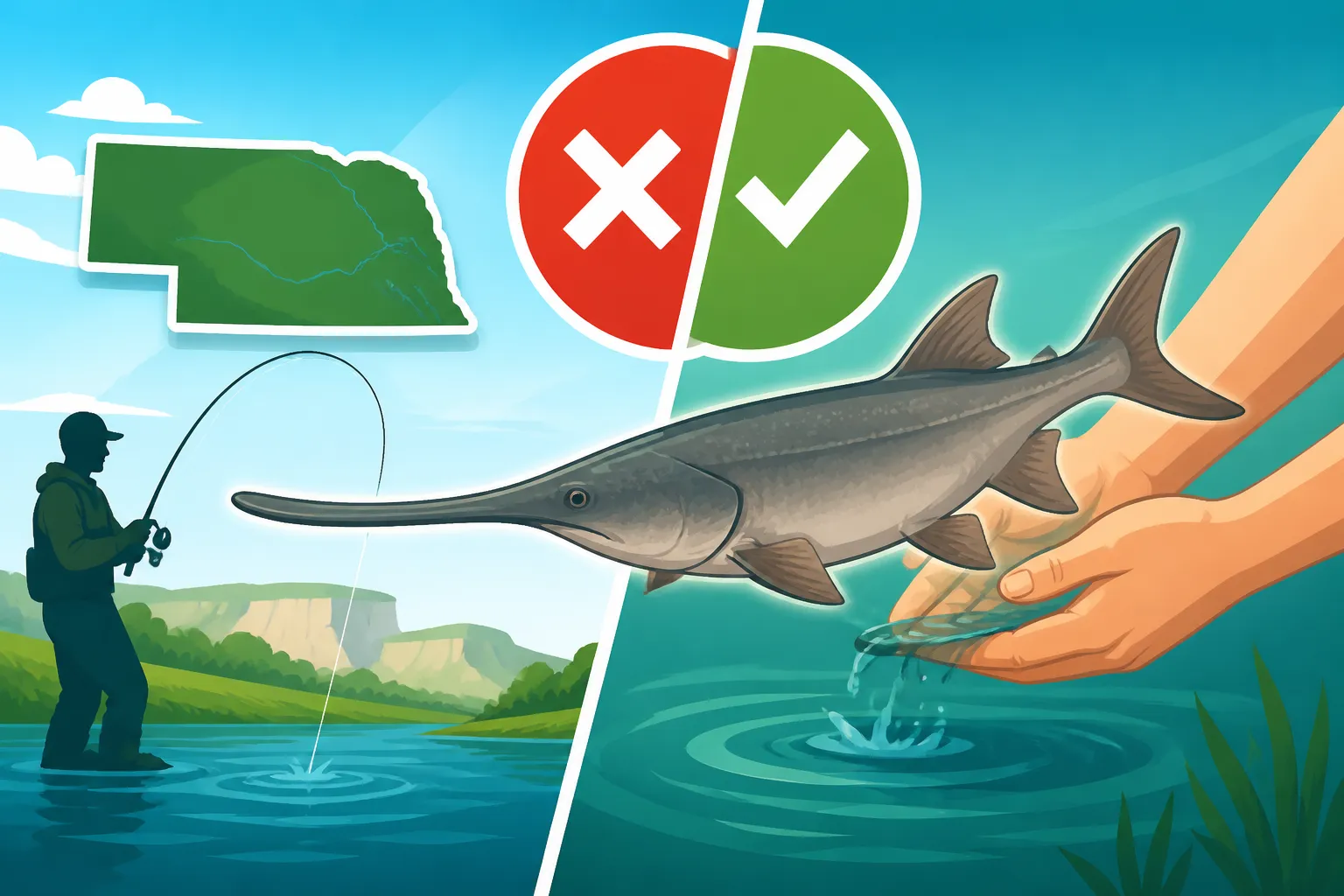
Is It Legal to Catch and Release a Paddlefish in Nebraska?
Many anglers are drawn to the unique thrill of paddlefishing in Nebraska, but a common question that comes up is about the legality and ethics of catch and release, especially given the distinct method used to catch these ancient fish. It's not as straightforward as releasing a bass or a crappie, and understanding the specific rules is crucial to staying on the right side of the law and ensuring the well-being of this magnificent species. This guide aims to clear up the confusion surrounding paddlefish catch and release in Nebraska, providing you with the detailed information you need to fish responsibly.
Paddlefish Fishing in Nebraska: A Highly Regulated Pursuit
Paddlefish are truly unique, a remnant from prehistoric times, and they present a distinct challenge and reward for anglers. Because of their unique biology and conservation needs, fishing for them in Nebraska is not like your average day on the water; it's a highly regulated activity with specific rules that every angler must understand and respect.
Understanding the Unique Nature of Paddlefish and Snagging
Unlike most fish that bite a hook, paddlefish are filter feeders, meaning they swim with their mouths open, sifting plankton from the water. This dietary habit makes them impossible to catch with traditional bait and hook methods. Instead, anglers target them through a method called snagging. This involves using heavy tackle and large, barbless treble hooks to "snag" the fish as they swim by. It’s an active and often intense form of fishing, usually done from boats or designated shorelines on specific river stretches.
The sheer power of a paddlefish, often reaching significant sizes, means specialized gear is absolutely necessary. Think stout rods, heavy lines, and robust reels capable of handling powerful runs. Some anglers even prefer specialized gloves when handling the line or the fish itself. You can find a good selection of heavy-duty fishing gear suitable for snagging, including line and reels, on platforms like Amazon if you're looking to upgrade your setup.
Mandatory Permits, Seasons, and Harvest Limits
Before you even think about heading out for paddlefish, you need to be aware of the strict regulatory framework in place. First and foremost, you'll need a current Nebraska fishing license. But that's just the beginning. Paddlefishing requires a special, non-transferable paddlefish permit, often issued through a lottery system due to limited quotas. This permit specifies the season, location, and the number of paddlefish you are allowed to harvest. There are very specific windows for the paddlefish snagging season, often focused on particular stretches of rivers like the Missouri.
These seasons are typically short and precise, designed to manage the population sustainably. Beyond the general license and the special paddlefish permit, you might also need an Nebraska Aquatic Habitat Stamp Explained, which supports the state's vital aquatic conservation efforts. Additionally, there are strict Nebraska Fishing Daily Bag and Possession Limits in place, and for paddlefish, this is usually a one-fish limit per permit holder, per season. These regulations are not suggestions; they are laws designed to protect this incredible species. You can find detailed information on obtaining the necessary permits and understanding the full scope of regulations on the Nebraska Game and Parks Commission website or through the GoOutdoorsNE Online Permit System.
The Specifics of Catch and Release for Paddlefish in Nebraska
This is where the rubber meets the road on our core question. While catch and release is a cornerstone of responsible angling for many species, the unique nature of paddlefishing, coupled with specific Nebraska regulations, means it's often not a viable or even legal option for paddlefish that meet the harvest criteria.
The Regulation on Keeping Legal Fish
For paddlefish of legal size caught during the designated open season, Nebraska regulations generally require immediate retention and tagging. This is a critical point: voluntary catch and release of a legal paddlefish is typically not permitted in Nebraska once it has been snagged and brought to hand. The regulations are set up with the expectation that if you participate in the paddlefish snagging season and successfully snag a legal-sized fish, you are harvesting it. This rule helps prevent the repeated snagging and release of fish, which can lead to unnecessary stress and injury.
Imagine the scenario: you've spent hours on the Missouri River Fishing in Nebraska, battling a powerful paddlefish after a solid snag. You bring it to the boat or shore, and it's a beautiful, legal-sized specimen. At this point, the law usually dictates that you must immediately harvest that fish, apply your tag, and record the catch. The act of snagging, especially when the hook penetrates deeply, often causes significant trauma to the fish. Releasing a deeply injured fish would likely lead to its death anyway, defeating the purpose of conservation. The goal of these strict regulations is to ensure that the limited number of fish allowed to be taken are truly harvested for consumption, rather than subjected to potentially fatal catch-and-release practices.
Dealing with Under-sized or Out-of-Season Paddlefish
Now, there's a very important distinction to make. While voluntarily releasing a legal fish is generally not allowed, there are circumstances where release is not only permitted but mandatory. If you accidentally snag a paddlefish that is under the minimum legal length or if you are fishing outside of the designated Nebraska Paddlefish Snagging Season Dates, you are legally obligated to release that fish immediately and with the utmost care.
This means being prepared to handle the fish quickly and gently. Have your pliers or hook removers ready. Try to minimize the time the fish is out of the water. Support its body fully if you must lift it, and try to remove the hook without causing further damage. This is a challenging task with a large, powerful fish, so being mentally and physically prepared is vital. Remember, the intent of the regulations is conservation. Unnecessary harm to an undersized fish or one caught out of season is just as serious as violating harvest limits. Equipping yourself with long-nose pliers or specialized hook removal tools, which are easily found on Amazon, can make a significant difference in the success of a mandated release.
Ethical Considerations and Fish Survival Rates
Beyond the legalities, there are profound ethical considerations when it comes to paddlefish and catch and release. Understanding the impact of your actions on these sensitive creatures is a hallmark of a truly responsible angler.
The Impact of Snagging on Paddlefish Health
The snagging method, by its very nature, is inherently more invasive than traditional hook-and-line fishing. While most game fish are hooked in the mouth, paddlefish can be snagged anywhere on their body – the side, fin, tail, or even deeply in the belly or gills. This can cause significant physical trauma, internal injuries, and heavy bleeding. Even with careful handling, a deeply snagged paddlefish that is released may not survive due to the severity of its injuries, stress, and subsequent infection.
The stress of the fight, being brought to the boat, and then the process of de-hooking and releasing can be overwhelming for any fish, but for a paddlefish, especially one that has been deeply snagged, the odds of survival plummet. Unlike fish caught on a hook in the mouth, where the injury is often superficial, a snagging injury can be catastrophic. Anglers dedicated to paddlefishing understand this reality, which is why the "immediate harvest" rule for legal fish is largely accepted as the most ethical approach when targeting these fish in regulated seasons. It minimizes repeated trauma and ensures that any fish caught that can legally be kept is utilized.
Best Practices for Releasing Mandated Fish
If you find yourself in the situation where you must release a paddlefish (because it's undersized or out of season), your priority shifts to maximizing its chances of survival. This takes practice and a commitment to responsible angling.
Here are some best practices:
- Minimize Air Time: Keep the fish in the water as much as possible. If you must lift it for de-hooking, do so quickly and gently.
- Support the Body: If you lift a large paddlefish, support its entire body horizontally to avoid damaging its internal organs or spinal column. Do not hang it vertically by the head or tail.
- Use Proper Tools: Have long-handled pliers or specialized hook removers readily available. This allows you to reach deeply embedded hooks more easily and reduces the time the fish is out of the water. Many anglers swear by robust tools purchased from a reputable outdoor retailer or even Amazon.
- Avoid Excessive Handling: Reduce physical contact with the fish's body, especially its eyes and gills, as this can remove protective slime and cause further injury or stress.
- Revive Gently: If the fish seems sluggish after de-hooking, hold it gently in the water, facing into the current, allowing water to flow over its gills until it regains strength and can swim away under its own power. Don't simply toss it back; ensure it's ready to swim actively.
- Cut the Line (as a last resort): If a hook is truly impossible to remove without causing severe damage, it's sometimes better to cut the line as close to the hook as possible. The hook may rust out over time, and this can be less traumatic than a prolonged, damaging removal attempt.
By adhering to these practices, you demonstrate respect for the resource and contribute to the overall health of Nebraska's paddlefish population, even when regulations require an immediate release.
Ensuring Compliance and Contributing to Conservation
The world of paddlefishing is fascinating but demands diligence. Your commitment to following regulations isn't just about avoiding a fine; it's about playing a vital role in the long-term health of an iconic species.
Immediate Tagging and Reporting Requirements
For every legal paddlefish harvested in Nebraska, there are strict tagging and reporting protocols. Once you've successfully snagged a legal fish and made the decision to harvest it, you must immediately affix your specific paddlefish tag to the fish. This tag is unique to your permit and marks that specific fish as legally harvested. Failing to tag a fish immediately can lead to significant penalties, as it's viewed as a serious regulatory violation.
Beyond tagging, the Nebraska Game and Parks Commission often requires anglers to report their paddlefish harvest within a certain timeframe or at designated check stations. This reporting is not just bureaucracy; it's crucial data for fisheries biologists. It helps them monitor population numbers, assess the effectiveness of management strategies, and make informed decisions about future seasons and quotas. Your participation in accurate and timely reporting is a direct contribution to the scientific management of this species. You can usually find details about reporting on the Nebraska Game and Parks Commission website or through their GoOutdoorsNE Online Permit System.
The Role of Anglers in Paddlefish Conservation
Ultimately, anglers are the frontline stewards of our natural resources. The strict regulations surrounding paddlefishing in Nebraska, from specialized permits to snagging methods and harvest rules, are all designed with one overriding goal: the conservation of the paddlefish population. This ancient fish faces challenges from habitat loss, river alteration, and historical overharvesting. The careful management strategies in place are a direct response to these pressures.
By thoroughly understanding and adhering to Nebraska Fishing Regulations Explained, including all the specific rules for paddlefish, you become an active participant in conservation. This includes not only following the letter of the law but also embracing the spirit of ethical angling. Reporting Nebraska Fishing Violation Penalties you might witness, practicing careful handling during mandated releases, and staying informed about changes in regulations all contribute to a sustainable future for paddlefish.
Remember, fishing is a privilege, not a right, and with unique species like the paddlefish, that privilege comes with a significant responsibility. By doing your part, you help ensure that future generations of Nebraskans can experience the awe-inspiring thrill of pursuing these incredible fish.
| Paddlefish Action | Legality in Nebraska | Ethical Consideration |
|---|---|---|
| Voluntary C&R of a Legal Fish (in season) | Generally NOT permitted; immediate harvest and tagging is required. | High risk of mortality due to snagging trauma and stress. |
| Mandatory C&R of an Under-sized Fish | REQUIRED. | Essential for conservation; minimize injury and air time. |
| Mandatory C&R of an Out-of-Season Fish | REQUIRED. | Essential for conservation; minimize injury and air time. |
| Immediate Tagging of Legal Harvest | REQUIRED. | Crucial for accurate data collection and population management. |
| Proper Gear Selection for Snagging | Recommended for effectiveness and fish handling. | Improves efficiency and reduces prolonged fight stress on fish. |
Disclaimer
This article is for general informational purposes only and does not constitute professional advice. Laws, prices and regulations vary by location and change over time. Consult a qualified professional for guidance on your specific situation.