Nebraska State Record Flathead Catfish Weight
When you set out to fish for flathead catfish in Nebraska, you're not just looking for a meal; you're often chasing a legend. These magnificent river monsters are the stuff of angler dreams, and catching one takes immense skill, patience, and a bit of luck. This guide dives deep into the incredible story behind Nebraska's state record flathead catfish, exploring not only its impressive weight but also the fascinating world of these powerful fish and how dedicated anglers pursue them.
The Monumental Nebraska State Record Flathead Catfish
For many anglers, the flathead catfish represents the ultimate freshwater challenge. Unlike their scavenging channel catfish cousins, flatheads are pure predators, preferring live bait and fierce battles. Nebraska's waters have a history of producing truly enormous flatheads, and the state record is a testament to the immense size these fish can attain.
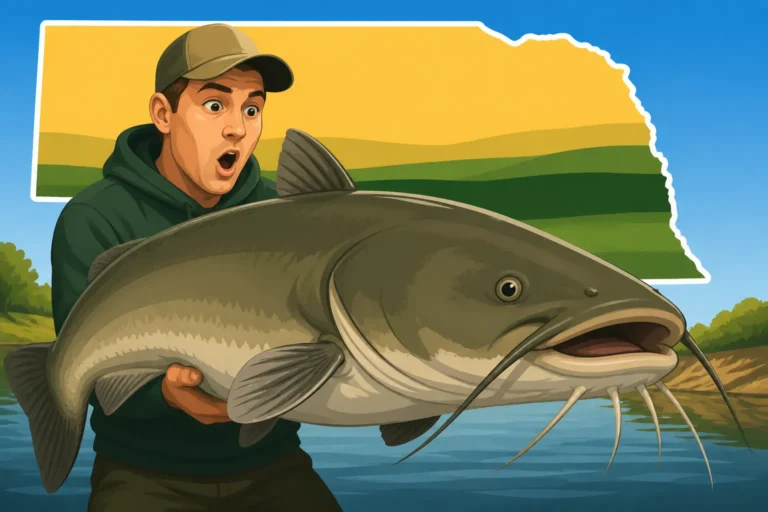
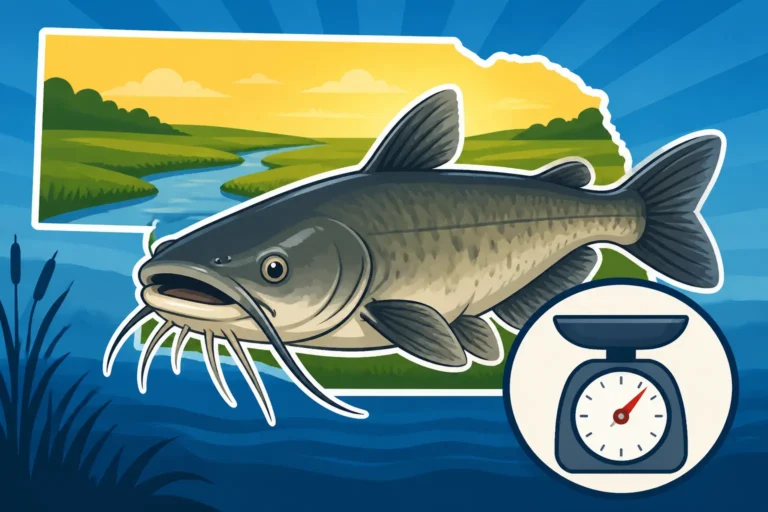
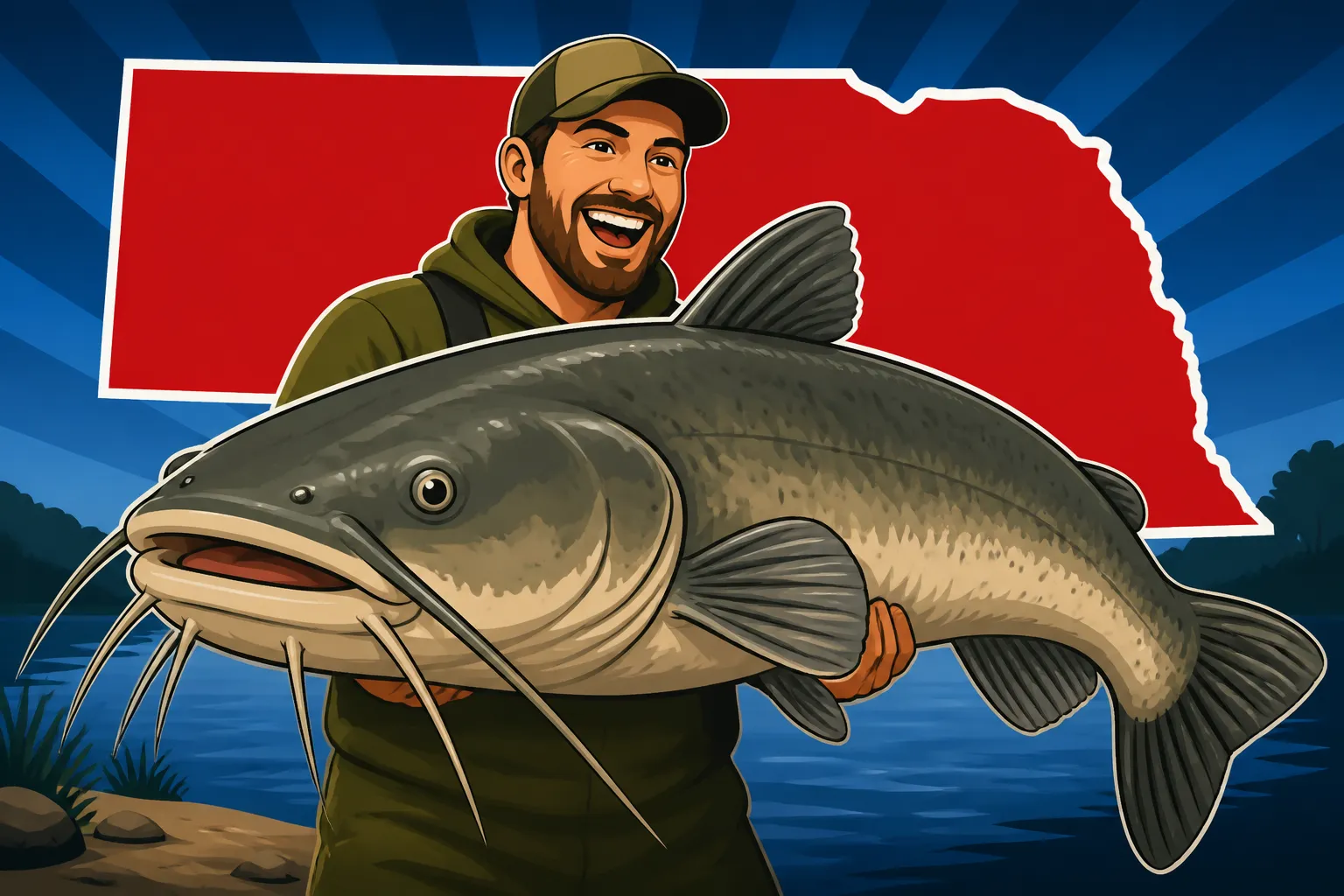
The current Nebraska state record for flathead catfish is an awe-inspiring specimen, weighing in at 98 pounds, 8 ounces. This colossal fish was caught in July 1988 from the muddy, flowing waters of the Missouri River. Imagine the sheer power of a fish nearing 100 pounds, pulling against your line in a river known for its strong currents and submerged snags! This record has stood for decades, a legendary benchmark that continues to inspire anglers across the state to try and best it. It serves as a reminder that truly monstrous fish lurk in the depths of Nebraska's rivers and reservoirs, waiting for the right bait and the right angler.
Catching a fish of this magnitude isn't just about showing up; it's about understanding the fish, its habitat, and committing to the hunt. The angler who landed this beast undoubtedly spent countless hours on the water, honing their skills and learning the intricacies of river fishing. It's a goal that requires robust gear, strategic location choices, and an unwavering belief that the next cast could be the one that hooks a lifetime fish.
Understanding Flathead Catfish in Nebraska Waters
To even dream of challenging the state record, you need a deep understanding of the flathead catfish. These aren't your typical backyard pond dwellers; they are apex predators with distinct habits and preferred environments. Nebraska offers a variety of habitats that are perfect for these giants to thrive and grow to incredible sizes.
Flathead Habitat and Behavior
Flathead catfish are primarily found in larger rivers and reservoirs with strong currents and plenty of structure. Think of places like the Missouri River, the Platte River, the Niobrara River, and even some of our larger reservoirs like Harlan County Reservoir or Lewis and Clark Lake. They absolutely adore submerged timber, logjams, rock piles, and deep holes, especially those found around bends in a river or below dam spillways. These structures provide them with perfect ambush points where they can hide from the current and surprise unsuspecting prey. They are solitary creatures, often staking out a prime piece of territory and defending it fiercely. You won't typically find large schools of flatheads; instead, you'll be looking for individual monsters.
Their behavior is markedly different from other catfish. While channel cats are opportunistic feeders, often drawn to strong-smelling baits, flatheads are hunters. They prefer live bait, and their feeding activity often peaks at night. As the sun dips below the horizon, these nocturnal predators become more active, moving out of their daytime sanctuaries to hunt. This means that serious trophy flathead anglers often find themselves on the water long after most people have gone to bed, navigating by starlight or headlamp, listening to the sounds of the river.
The Flathead's Diet and Growth
What helps a flathead catfish reach nearly 100 pounds? A diet rich in protein, combined with a long lifespan. Flatheads primarily feast on live fish. This could be anything from smaller panfish like bluegill and crappie to carp, suckers, or even smaller game fish. They are efficient hunters, using their wide mouths and powerful jaws to engulf their prey whole. The availability of abundant forage fish in Nebraska's large river systems and reservoirs is a key factor in their impressive growth rates.
These fish are also long-lived, with some individuals reaching ages of 20 years or more. Over decades, a flathead can steadily pack on pounds, becoming a true behemoth. Their slow, steady growth, combined with their predatory diet and preference for unpressured, secluded habitats, allows them to avoid capture and continue to mature into trophy-sized specimens. Understanding these factors is crucial for anyone hoping to land a Nebraska State Record Flathead Catfish Weight. If you're serious about targeting these giants, you'll want to read up on Nebraska Flathead Catfish Fishing to truly grasp their nature.
Strategies for Targeting Trophy Flathead Catfish
Chasing a flathead that could potentially break the state record isn't for the faint of heart. It requires specialized gear, specific tactics, and an abundance of patience. This isn't a casual endeavor; it's a dedicated hunt.
Essential Gear for Battle
First and foremost, you'll need heavy-duty tackle. We're talking about rods designed to handle immense pressure, reels with powerful drag systems, and line strong enough to turn a freight train. A medium-heavy to heavy action rod, usually 7 to 9 feet long, paired with a robust baitcasting reel spooled with 30-80 pound braided line or 25-50 pound monofilament is common. Leaders should be even heavier, often 60-100 pound test monofilament or fluorocarbon, especially when fishing around abrasive structure. Hooks need to be stout, too – 7/0 to 10/0 circle hooks are popular choices, as they tend to hook fish in the corner of the mouth, leading to fewer gut hooks and easier releases. You can find a fantastic selection of these heavy-duty rods, reels, and specialized flathead tackle on Amazon, often with reviews from other dedicated catfishermen. For more details on your setup, check out Best Rod Setup for Nebraska Catfish.
| Gear Component | Recommendation | Why It's Crucial for Flatheads |
|---|---|---|
| Rod | Heavy action, 7-9 feet, strong backbone | To handle immense weight and leverage fish out of heavy cover. |
| Reel | Robust baitcasting reel with strong drag system | To withstand powerful runs and maintain control during prolonged fights. |
| Main Line | 30-80 lb braided or 25-50 lb monofilament | For strength, abrasion resistance, and minimal stretch (braid). |
| Leader Line | 60-100 lb mono or fluorocarbon | To protect main line from abrasive snags and the flathead's rough mouth. |
| Hooks | 7/0 – 10/0 Circle Hooks | Promotes jaw hooking, better for fish and prevents swallowed hooks. |
| Weights | 3-8 oz no-roll or flat sinkers | To keep bait anchored in strong currents. |
| Landing Net/Gloves | Large, sturdy net or heavy-duty gloves | For safely landing and handling a large, powerful, and potentially spiny fish. |
The Right Bait for a Monster
When it comes to flatheads, live bait is almost always the key. They are predators, and they want their meal kicking and swimming. The best live baits are local, lively, and often quite large. Bluegill, sunfish, carp, suckers, and even larger shiners or bullheads are excellent choices. The size of your bait should match the size of the fish you're hoping to catch – a state record contender won't be interested in a tiny minnow. Use baits in the 6-12 inch range, or even larger if you're truly targeting a giant. Keeping your bait alive and healthy is paramount, so a good aerated baitwell or a large bucket with an air pump is essential. Remember to check local regulations on baitfish, as some species or sizes may be restricted. If you want more tips on bait, look into Best Bait for Flathead Catfish at Night.
Finding the Hotspots and Techniques
Location is everything. For trophy flatheads, you need to identify areas with deep water, strong current, and heavy cover. Look for:
- Deep River Channels: These are highways for big flatheads.
- Submerged Timber and Logjams: Flatheads love to hide in these areas, ambushing prey.
- River Bends and Scour Holes: The outside bends of rivers often have deeper pockets where flatheads congregate.
- Below Dams and Spillways: These areas concentrate baitfish and provide excellent current breaks.
- Large Reservoir Points and Humps: In reservoirs, look for deep structure, especially near the old river channels.
Once you've identified a likely spot, the technique is often simple but effective: present a live bait near the cover and wait. Many anglers will anchor above or beside a snaggy area, allowing their live bait to drift naturally into the strike zone. Using a heavy sinker to keep the bait near the bottom is crucial. Many anglers choose to fish overnight, as this is when flatheads are most active. This is not a fast-paced fishing style; it requires immense patience and the ability to sit quietly, sometimes for hours, waiting for that one thunderous bite. For deeper insights into this thrilling pursuit, explore How to Catch Flathead Catfish at Night.
The Value of Patience
Let's be real, catching a record-setting flathead isn't something that happens every weekend. It takes countless hours on the water, often through uncomfortable conditions like heat, cold, or insect swarms. You might go many trips without a bite from a true monster, catching only smaller fish or nothing at all. But that's part of the allure. The anticipation, the challenge, the knowledge that a truly epic battle could erupt at any moment – that's what keeps trophy flathead anglers coming back. It's a game of persistence, observation, and an unshakeable belief that your time will come. These fish are smart, powerful, and notoriously difficult to fool, making the eventual triumph all the more rewarding.
Officially Documenting a Potential State Record
So, you've done it. You've battled a massive flathead, brought it to the boat, and it looks like a legitimate contender for the Nebraska state record. Now what? The steps you take immediately after landing such a fish are critical for official recognition.
Immediate Verification Steps
The very first thing you need to do is keep the fish alive and as healthy as possible if you intend to release it after weighing, or preserve it well if you intend to keep it. For a state record, it must be weighed on a certified scale. This usually means finding a local butcher shop, a grocery store that has a deli or meat counter, or a reputable bait and tackle shop that has scales regularly inspected for accuracy. The Nebraska Game and Parks Commission (NGPC) will require this verification. It's also highly recommended to have witnesses present during the weighing process. Take clear, high-quality photographs of the fish, especially with a measuring tape to show its length and girth.
Next, contact the Nebraska Game and Parks Commission as quickly as possible. They have specific procedures for verifying state records, which include submitting an application, providing witness statements, and possibly having a wildlife biologist inspect the fish. Time is of the essence, especially if you plan to release the fish. The NGPC website or their fishing guide will have detailed contact information and the exact steps to follow. They want to celebrate these incredible catches just as much as you do, but they need to ensure everything is above board.
Conservation and Regulations
While the thrill of a record is immense, responsible angling practices are always important. Handling a giant fish, especially one that has just fought for its life, requires care. Use a large, wet landing net or specialized gloves to minimize harm. Support the fish horizontally, especially when lifting it for photos, to prevent damage to its internal organs. If you're going for a live release after weighing, get the job done quickly and gently. Revive the fish by holding it in the water, allowing water to pass over its gills, until it can swim away under its own power.
It's also crucial to remember that all fishing activities in Nebraska are governed by specific rules and regulations. Before you even cast a line, familiarize yourself with Nebraska Fishing Regulations Explained. These regulations cover everything from permit requirements (like your Nebraska Fishing License Guide) to specific catch limits and seasons. For flatheads, pay close attention to Nebraska Fishing Daily Bag and Possession Limits as exceeding these, even accidentally, can lead to penalties and disqualify your record. Knowing these rules ensures your incredible catch is celebrated within the bounds of legal and ethical fishing practices.
Where Nebraska's Trophy Flatheads Lurk
Nebraska boasts some fantastic waters where flatheads can truly grow to their potential. While the record-breaking fish came from the Missouri River, many other locations hold giants.
Rivers and Their Deep Secrets
The Missouri River is undeniably a prime location for trophy flatheads. Its vastness, powerful currents, and abundance of underwater structure like wing dams, deep scour holes, and timber-laden banks provide the perfect environment. Anglers often target the main channel, focusing on areas with current breaks or eddies, or the mouths of feeder creeks where baitfish accumulate. The challenges of fishing such a large river are considerable, but the rewards can be monumental. Missouri River Fishing in Nebraska is a great resource if you're planning a trip there.
The Platte River also offers excellent flathead opportunities, particularly in its wider and deeper sections. While shallower in many areas, the Platte has numerous deep holes and snags where flatheads lie in wait. Targeting the Platte often involves finding those isolated deep pockets or stretches with heavy timber where a big flathead can hide. Platte River Catfish Fishing will provide more specific insights into these dynamic waters.
Reservoirs with Monster Potential
Beyond the rivers, several large reservoirs in Nebraska are known for producing trophy flatheads. These man-made lakes often feature flooded timber and old river channels that create ideal flathead habitat.
Harlan County Reservoir in south-central Nebraska is a popular spot. Its vast expanse and varied underwater topography, including deep areas and flooded trees, offer plenty of places for flatheads to grow large. Anglers often target the old river channel and areas with submerged brush. Harlan County Reservoir Fishing can give you more details on this productive lake.
Lewis and Clark Lake, on the border with South Dakota, is another fantastic option. This massive reservoir on the Missouri River system has deep water and plenty of structure, making it a consistent producer of large catfish, including flatheads. Similar to river fishing, finding those deep, structure-rich areas is key.
Other reservoirs like Branched Oak Lake and Pawnee Lake near Lincoln, or Merritt Reservoir in the Sandhills, can also hold big flatheads, especially in their deeper sections with good cover. It's all about finding those undisturbed spots where a flathead can thrive and grow to an impressive size, making a dash for the record books a tangible dream.
Final Thoughts on the Flathead Challenge
Chasing the Nebraska state record flathead catfish is an undertaking that embodies the spirit of angling: patience, knowledge, dedication, and a deep respect for the incredible fish that swim in our waters. The 98-pound, 8-ounce giant from the Missouri River stands as a powerful testament to what's possible, a challenge whispered on the wind to every angler who casts a line into Nebraska's rich aquatic landscapes.
Whether you're after a personal best or hoping to etch your name into the record books, understanding the flathead's world, equipping yourself with the right gear (a quick browse on Amazon can get you started!), and committing to the hunt will bring you closer to that unforgettable moment. It’s a journey that builds character, hones skill, and deepens your appreciation for the wild beauty of Nebraska. Keep learning, keep casting, and who knows, perhaps the next state record is waiting for you.
Disclaimer
This article is for general informational purposes only and does not constitute professional advice. Laws, prices and regulations vary by location and change over time. Consult a qualified professional for guidance on your specific situation.