Is Northern Pike Good to Eat?
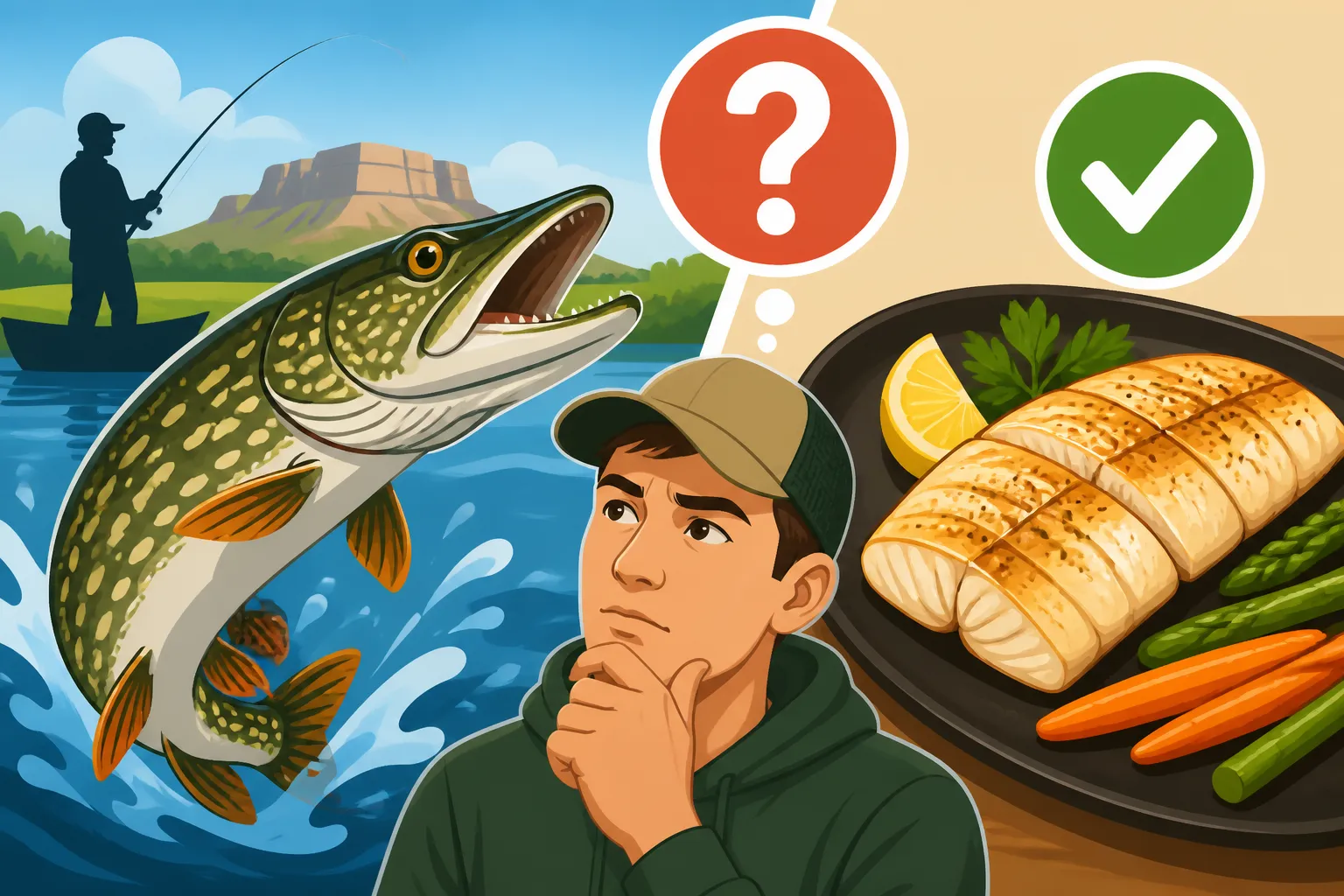
There's a persistent rumor out there that Northern Pike, those toothy, aggressive predators of Nebraska's waters, aren't good table fare. Many anglers shy away from them, convinced they're too "bony" or have a strong, unappetizing taste. This guide is here to tell you that these rumors are largely unfounded, and with a little know-how, Northern Pike can be an incredibly delicious and rewarding fish to bring to your dinner table. We'll dive deep into how to transform these formidable fighters into fantastic meals.
The Truth About Northern Pike as Table Fare
Let's cut right to the chase: Northern Pike are absolutely good to eat! They offer a lean, white, flaky meat with a mild flavor that can easily stand up to, or even surpass, many other popular freshwater species. The main reason for their bad rap often comes down to one thing: the Y-bones. But don't let a few extra bones deter you from enjoying this fantastic fish.
Dispelling the "Boniness" Myth (Y-Bones)
The biggest hurdle for many anglers when it comes to Northern Pike is the presence of intramuscular bones, often called "Y-bones" due to their distinctive shape. Unlike the rib bones you simply cut around or pull out of a walleye or catfish fillet, these Y-bones are embedded in the fillet itself, running along the lateral line. If you try to fillet a pike like you would a bass, you'll end up with a very bony piece of fish, which can be a real turn-off.
This "boniness" is primarily an issue if you don't know how to deal with it. It's not that pike have more bones than other fish, it's just that some of their bones are located differently. Without the right filleting technique, these Y-bones can make the eating experience frustrating, leading many to believe the fish isn't worth the effort. It's a shame, because the meat itself is quite palatable. Think of it less as a problem with the fish and more as a puzzle to solve with your knife.
Taste and Texture Profile of Northern Pike
When properly prepared, Northern Pike offers a delightful culinary experience. The flesh is notably white, firm, and has a beautiful flake to it when cooked. The flavor is mild, often described as subtly sweet, and clean. It’s far from the "muddy" or "fishy" taste some might associate with certain freshwater species, especially those from warmer, murkier waters. The mildness of pike meat makes it incredibly versatile, capable of taking on various seasonings and marinades without being overwhelmed.
Compared to other popular Nebraska game fish, pike holds its own. It's often likened to walleye in terms of its white, flaky texture, though perhaps slightly firmer. It doesn't have the distinct richness of a channel catfish but possesses a cleaner, lighter flavor. The leanness of the meat also means it cooks relatively quickly and doesn't leave a heavy, oily residue. For those who enjoy light, delicate fish, pike is a real treat once you master the filleting.
Cleaning and Filleting Northern Pike: Overcoming the Y-Bone Challenge
This is where the magic happens, and where you turn a potentially "bony" fish into beautiful, boneless fillets. The key is understanding the anatomy of the Y-bones and making precise cuts. Don't be intimidated; with a little practice, it becomes quite easy.
The Y-Bone Filleting Technique (Step-by-Step)
To get boneless fillets from a Northern Pike, you'll employ a specialized technique that removes the Y-bone section. You'll want a very sharp fillet knife for this, something you can easily find on Amazon or at any good sporting goods store. A sharp knife is not just about ease; it's about safety and getting clean cuts.
Here's a step-by-step guide to achieving boneless pike fillets:
- Start with the Basic Fillet: Lay the pike on its side. Make an initial cut behind the gill plate, down to the backbone. Then, run your knife along the backbone from head to tail, separating the fillet from the rib cage. You'll now have a fillet with the rib bones still attached, and the Y-bones embedded in the upper portion.
- Remove the Ribs: Flip the fillet skin-side down. Carefully slice the rib cage away from the flesh, following the curve of the bones. Discard the rib section. Now you have a skin-on, Y-bone-in fillet.
- Identify the Y-Bones: The Y-bones are located along the top half of the fillet, running from about two-thirds of the way down from the back, towards the tail. If you gently run your finger along the flesh, you can often feel them.
- First Y-Bone Cut: Starting from the head end of the fillet, make a cut just above the line of Y-bones, parallel to the back of the fish. Angle your knife slightly to ride just over the top of the Y-bones, separating the top, boneless loin from the Y-bone section.
- Second Y-Bone Cut: Now, with the first cut made, carefully run your knife under the Y-bone section, angling it downward towards the belly side. This will lift the entire Y-bone strip away from the lower, boneless fillet section.
- The Result: You'll be left with three distinct strips of meat from each side of the fish: a top boneless loin, a bottom boneless strip, and the middle strip containing the Y-bones, which you'll discard (or keep for stock if you're feeling adventurous!).
- Skinning: Finally, skin your boneless fillets. Lay each strip skin-side down, hold the tail end firmly, and slide your knife between the flesh and the skin, working your way to the other end.
This technique, sometimes called the "five-cut method," might sound complicated at first, but it truly becomes second nature after a few fish. You'll be amazed at the amount of clean, boneless meat you can get from a good-sized Northern Pike. Having a good Best Fillet Knives for Walleye and Catfish can make all the difference, providing the precision needed for these cuts. This method is a bit more involved than simply taking the skin off or removing the ribs, as you might do when cleaning a How to Clean and Fillet a Walleye or a How to Clean and Fillet a Channel Catfish, but it’s definitely worth the effort for the quality of the meal.
Alternative Cleaning Methods and When to Use Them
While the Y-bone filleting technique is the gold standard for boneless pike fillets, there are a couple of other approaches, though they come with compromises.
One alternative is the "score and cook" method. Here, you take the full fillet (with Y-bones in) and make very close, perpendicular cuts across the Y-bone section, essentially scoring the bones into tiny pieces. When cooked, especially deep-fried, these small bone segments become brittle and are often undetectable or easily chewed. This method works best for smaller pike where the bones are finer, and for cooking methods like deep frying that truly crisp up the bones. It's not ideal if you prefer perfectly boneless meat, but it can be quicker if you're in a pinch or just don't want to mess with the Y-bone cuts.
Another option, often overlooked, is to harvest the "pike cheeks." These small, succulent nuggets of meat found in the pike's head are completely boneless and are considered a delicacy by many. They're like little scallops and fry up beautifully. While they won't yield a full meal on their own unless you have a truly massive pike, they're a wonderful bonus and a testament to how every part of the fish can be utilized.
Best Cooking Methods for Nebraska Northern Pike
Once you've got those beautiful, boneless fillets, the culinary possibilities are endless! Northern Pike is incredibly versatile and shines in many different preparations.
Classic Recipes and Preparations
- Frying (Pan-Fried or Deep-Fried): This is perhaps the most popular way to prepare pike, and for good reason. The white, flaky meat crisps up beautifully, especially when coated in a seasoned breading or batter. Pan-fried pike with a simple cornmeal crust is a classic. For deep-frying, a light tempura batter or a beer batter works wonders, giving you that perfect fish-and-chips experience. The mild flavor of the pike allows the seasonings in the breading to really come through.
- Baking/Broiling: For a healthier option, baking or broiling pike fillets is excellent. A simple preparation with lemon, butter, dill, and a sprinkle of paprika enhances its natural mildness. Wrap it in foil with some fresh vegetables for an easy, flavorful meal. Broiling gives it a nice, slightly charred crust while keeping the inside moist.
- Grilling: Pike fillets can be grilled, but be mindful of their lean nature. Marinating them briefly in a mild, oil-based marinade can help prevent drying out and add flavor. Consider grilling them in a foil packet or on a cedar plank to infuse smoky flavors and keep them from sticking.
- Pike Cakes/Patties: If you have some smaller pieces or leftover cooked pike, flaking the meat and mixing it with breadcrumbs, herbs, and an egg binder makes for fantastic fish cakes. Pan-fry them until golden brown, and serve with a remoulade or tartar sauce.
- Ceviche or Pickled Pike: The firm texture of pike makes it suitable for preparations like ceviche (where the fish is "cooked" in citrus juices) or pickling. These methods transform the flesh, offering a tangy, refreshing culinary experience, especially good for a summer appetizer.
The key to all these methods is not to overcook the pike. Its lean meat means it can dry out quickly, so aim for just-cooked perfection – opaque and flaky.
| Cooking Method | Best For | Preparation Tips | Flavor Profile |
|---|---|---|---|
| Pan-Frying | Quick meals, crispy texture | Seasoned flour or cornmeal dredge, moderate heat, cook until golden and flaky. | Mild, savory, often with a hint of corn or spice. |
| Deep-Frying | Fish & chips, parties, ultra-crispy finish | Light batter (beer batter or tempura), high oil temp, don't overcrowd the fryer. | Crispy exterior, moist interior, mild fish taste. |
| Baking/Broiling | Healthy option, easy cleanup | Lemon, herbs (dill, parsley), butter or olive oil, covered or in foil packet. | Light, fresh, herbaceous, allows fish's natural flavor to shine. |
| Grilling | Smoky flavor, outdoor cooking | Marinade briefly, use foil or cedar plank to prevent sticking/drying. | Mildly smoky, savory, depends on marinade flavors. |
| Pike Cakes | Appetizers, utilizing smaller pieces | Flake cooked pike, mix with binder (egg, breadcrumbs), herbs, pan-fry or bake. | Savory, customizable with different spices and sauces. |
Enhancing Flavor and Minimizing "Fishy" Taste
While Northern Pike doesn't typically have an overpowering "fishy" taste, especially if handled correctly after the catch, there are always ways to enhance its flavor and ensure the freshest taste possible.
One old-school tip for any freshwater fish, including pike, is to soak the fillets in milk or a mild brine solution for an hour or two before cooking. This process can help draw out any residual "fishy" notes and firm up the flesh even more. For pike, it's often more about firming the texture and ensuring a pristine white fillet than removing strong odors.
Marinades are your friend with pike. Because of its mild flavor, it readily absorbs flavors from marinades. Lemon-herb marinades, garlic-butter concoctions, or even a light soy-ginger blend can infuse incredible taste without overpowering the delicate fish. Don't marinate for too long, though; 30 minutes to an hour is usually sufficient, as the acidity can start to "cook" the fish if left too long.
When seasoning, keep it simple to let the pike's natural flavor shine. Salt, black pepper, and a squeeze of fresh lemon are often all you need. Dill, parsley, chives, and paprika are also excellent complements. Ultimately, a clean fillet and careful cooking are the best ways to ensure a delicious pike dish every time.
Sourcing and Sustainability: Enjoying Pike Responsibly in Nebraska
Enjoying Northern Pike is not just about cooking it right; it's also about where and how you catch it. Nebraska offers some fantastic opportunities to pursue this exciting species, and responsible angling ensures healthy populations for years to come.
Where to Catch Northern Pike in Nebraska
Northern Pike are widespread across Nebraska, particularly in larger reservoirs, sandpit lakes, and some river systems. They thrive in areas with submerged vegetation, which provides ambush points for their predatory hunting style. Some of the top spots for Northern Pike Fishing in Nebraska include Lake McConaughy, Merritt Reservoir, and Sherman Reservoir, which are renowned for producing good numbers and sometimes even trophy-sized pike. You might also find them in various smaller lakes and state recreation areas, often stocked as a predator to help manage panfish populations. To learn more about where they live and what makes good habitat, check out Northern Pike Habitat.
Before heading out, always be sure to consult the current Nebraska Fishing Regulations Explained for specific bag and length limits for Northern Pike. These regulations are in place to ensure sustainable fishing and protect the future of the species. Knowing the rules for each body of water you plan to fish is crucial.
Handling Pike for Best Eating Quality
The quality of your pike meal starts the moment you catch the fish. Proper handling is absolutely critical for any fish destined for the table, and pike are no exception.
- Immediate Bleed-Out: Once you land a pike you intend to keep, it's highly recommended to bleed it out immediately. This involves making a quick, clean cut to the gill arch or severing the caudal artery near the tail. Bleeding the fish rapidly improves the meat quality by removing blood, which can contribute to a "fishy" taste and faster spoilage.
- Chilling is Key: After bleeding, get your pike on ice as quickly as possible. A cooler filled with ice is non-negotiable. Keeping the fish cold slows down bacterial growth and maintains the firmness and flavor of the flesh. Don't just throw them in a warm bucket!
- Prompt Filleting: While keeping them on ice is great, try to fillet your pike as soon as you can after returning from your fishing trip. The sooner you clean them, the fresher the fillets will be.
- Proper Storage: Once filleted, pat the boneless pieces dry, place them in airtight freezer bags, and either refrigerate them if you plan to cook them within a day or two, or freeze them for longer storage. Freezing fish properly prevents freezer burn and preserves taste.
By following these steps, you'll ensure that the Northern Pike you catch from Nebraska waters, whether it's a smaller "hammer handle" or a larger fish that makes you wonder how big northern pike get in Nebraska, will be in prime condition for a delicious meal. And don't forget, having the right gear, including quality tools and a reliable cooler, as discussed in Best Fishing Gear for Nebraska Anglers, can make all the difference in your overall fishing and culinary experience. If you're wondering what to use to catch these fish in the first place, check out What Bait Northern Pike Prefer for some proven strategies. Knowing your Nebraska Fish Species Identification Guide will also help you distinguish pike from other similar-looking fish.
Disclaimer
This article is for general informational purposes only and does not constitute professional advice. Laws, prices and regulations vary by location and change over time. Consult a qualified professional for guidance on your specific situation.