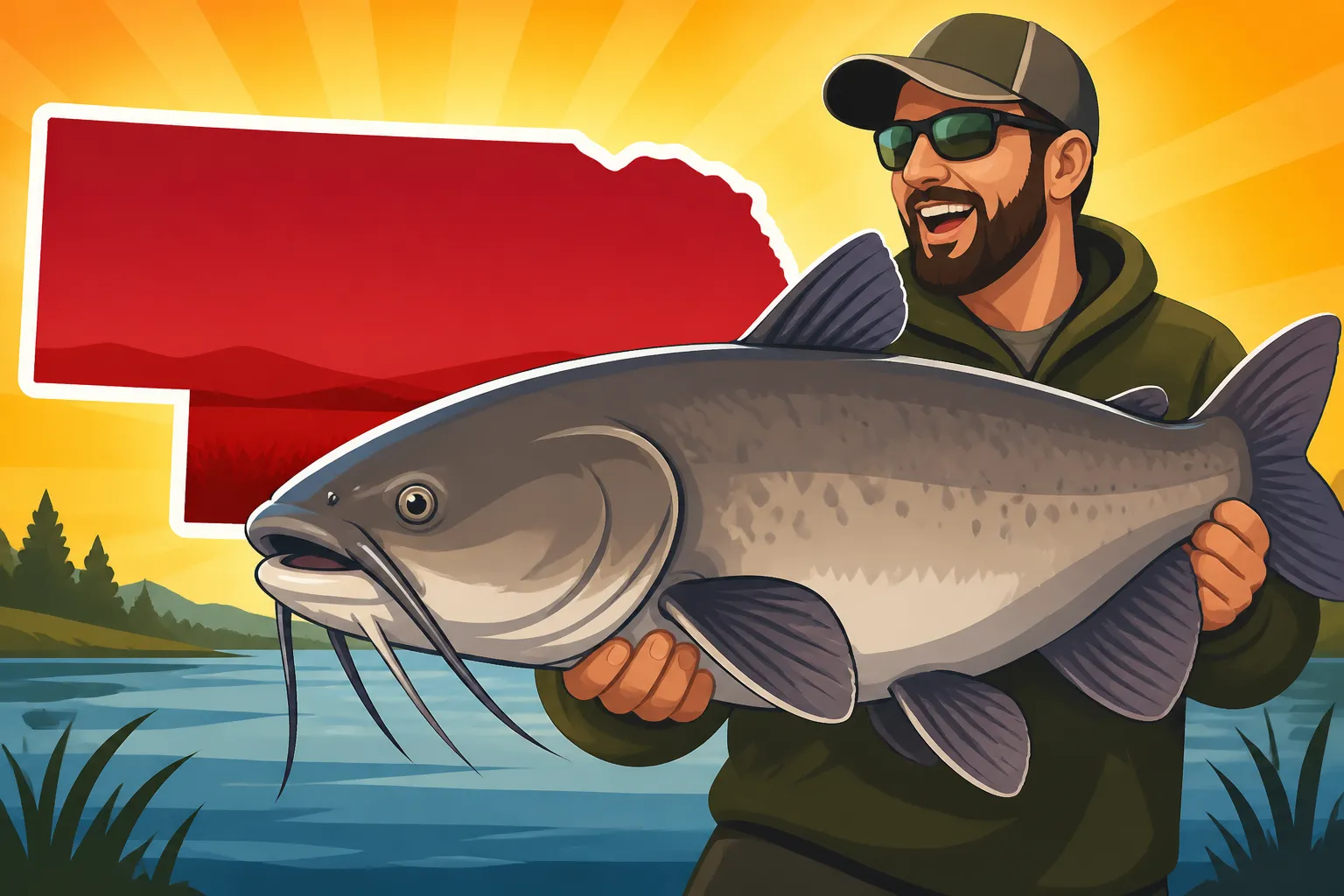
Nebraska State Record Channel Catfish Weight
There's something uniquely captivating about the idea of catching a fish so enormous it makes the record books. For many Nebraska anglers, the channel catfish holds a special place in their hearts, known for its powerful fight and delicious table fare. But what does it truly take to land a channel cat of state-record proportions, and what are the incredible details behind Nebraska's largest recorded channel catfish? This comprehensive guide will reel you into the fascinating world of state records, focusing on the impressive weight of Nebraska's state record channel catfish, the dedicated angler who achieved it, and what it means for the future of trophy fishing in our great state.
The Current Nebraska State Record Channel Catfish
The pursuit of a state record is a journey filled with patience, skill, and often, a little bit of luck. Nebraska is home to some truly massive channel catfish, and the current state record stands as a testament to the incredible potential of our waters. This isn't just about a heavy fish; it's about a specific moment in time when an angler's dedication paid off in a truly spectacular way, securing their place in Nebraska fishing history.
Unpacking the Record-Breaking Catch
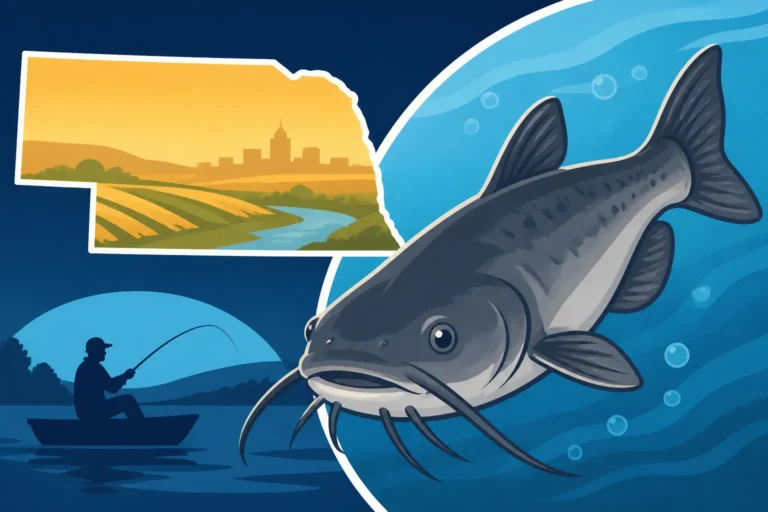
Imagine the scene: a quiet morning, a steady pull, and then an undeniable force on the other end of the line. The current Nebraska state record for channel catfish weighs an astounding 44 pounds. This incredible specimen was caught by angler Alex L. on August 10, 2018, from the mighty Missouri River. It's a weight that many anglers only dream of, far surpassing the average size of channel catfish most of us encounter on a typical outing. The Missouri River, known for its diverse and robust fishery, certainly lived up to its reputation that day.
When you think about a fish of that magnitude, it’s hard to fathom the sheer size and power it must possess. A channel catfish reaching 44 pounds isn't just old; it's a testament to a lifetime of successfully evading predators, finding abundant food sources, and thriving in its environment. Such a fish has likely seen many seasons, experienced numerous floods and droughts, and has grown steadily over decades. It's a true survivor and an apex predator within its watery domain. The conditions on the Missouri River that day, perhaps a perfect combination of current, water temperature, and the catfish's feeding mood, allowed Alex L. to connect with this magnificent creature.
Connecting with a fish of this size isn't a casual affair. It requires robust tackle, keen observation, and an understanding of where these giants might lurk. Anglers often spend years targeting specific stretches of water, learning the nuances of currents, depths, and food availability, all in the hope of encountering such a legendary fish. The story of this 44-pound channel cat certainly adds another thrilling chapter to the rich fishing heritage of the Missouri River and Nebraska as a whole.
The Angler's Story and Experience
Every state record fish has a story behind it, and the angler is always the central character. Alex L.'s achievement is a prime example of the kind of dedication and skill it takes to land a record-breaker. Catching a 44-pound channel catfish isn't just about baiting a hook and waiting; it's a battle of wills, a test of equipment, and a triumph of patience and technique. Many anglers who pursue trophy catfish often spend countless hours on the water, experimenting with different baits, rigs, and locations, sometimes going days without a significant bite.
The moment that fish hits, especially one of record-breaking size, must be an adrenaline rush like no other. Imagine the rod bending, the drag screaming, and the sheer power of a fish that could easily pull you over if you weren't prepared. Fighting a 44-pound channel catfish in a strong current, like that found in the Missouri River, would have been an epic struggle. The angler would have had to manage line tension carefully, prevent the fish from snagging on underwater structure, and tirelessly work the fish towards the net. It's a dance between angler and fish, where every decision, from setting the hook to reeling in, counts.
The successful landing of such a giant involves not just the angler's skill but also reliable gear. A sturdy rod designed for heavy applications, a reel with a smooth, powerful drag, and strong, fresh fishing line are all critical components. When the fish is finally at the boat or bank, a large, sturdy landing net is essential to safely secure it without causing undue stress to the fish or risking a broken line at the last moment. It’s a moment of immense pride and relief, knowing that all the effort and anticipation culminated in such an extraordinary catch, etching the angler's name into the annals of Nebraska Channel Catfish Size and Weight Records.
Understanding Nebraska's Fish Record System
Achieving a state record is a huge accomplishment, but it's not simply a matter of catching a big fish and proclaiming it. There's a stringent process in place to ensure accuracy, fairness, and the integrity of Nebraska's fishing records. This system is crucial for validating these monumental catches and providing a clear standard for all aspiring record-breakers.
How a State Record is Verified
The Nebraska Game and Parks Commission (NGPC) has a detailed protocol for verifying state record fish. It's a rigorous process designed to leave no doubt about the authenticity of a claim. The first and most critical step is ensuring the fish is weighed on a certified scale. This isn't just any old scale; it must be one that has been officially calibrated and sealed by a state-licensed individual or agency. You'll often find these at local grocery stores, meat markets, or sometimes even at bait shops that cater to serious anglers. Without a certified weight, the claim cannot move forward.
Beyond the weight, length and girth measurements are typically required, along with clear photographs of the fish, the angler, and the weighing process. This helps to confirm the species and provides additional proof of the catch's dimensions. Furthermore, the catch often needs to be witnessed by at least one, if not two, independent adults. These witnesses usually sign affidavits or statements confirming the details of the catch. Sometimes, an NGPC official might need to inspect the fish in person, especially for potential new records or for species identification. For a detailed look at the general framework, you can refer to Nebraska Fishing Regulations Explained. This thorough verification process ensures that when a new record is announced, it's undeniably legitimate, giving proper credit to the angler and maintaining the integrity of the state's record books.
The Significance of State Records
State fishing records are more than just impressive numbers; they are milestones that highlight the health and potential of Nebraska's fisheries. Each record tells a story of a thriving ecosystem capable of producing truly exceptional fish, inspiring anglers across the state. They serve as benchmarks, motivating hobbyists and serious trophy hunters alike to spend more time on the water, honing their skills and exploring new fishing grounds. These records demonstrate what's possible, pushing the boundaries of what anglers believe they can achieve.
These historical records also offer valuable data to fisheries biologists and conservationists. A new record can sometimes indicate improvements in habitat, food availability, or successful stocking programs within certain bodies of water. Conversely, a lack of record-breaking fish for a long period might prompt closer examination of environmental factors or fish population dynamics. They show us not just the biggest fish, but also provide insights into the overall well-being of a particular species in our state's waters.
Moreover, state records build a sense of community and pride among Nebraska anglers. They create legends, spark conversations around campfires, and fuel friendly competition. Anglers share tips, recount tales of "the one that got away," and celebrate those who manage to land a truly extraordinary fish. It's a powerful tradition that connects generations of anglers, all united by their passion for fishing and the hope of one day seeing their own name, or that of a friend, listed among the prestigious Nebraska Channel Catfish Size and Weight Records.
Chasing Trophy Channel Catfish in Nebraska Waters
The dream of catching a trophy channel catfish, whether it's a new state record or simply your personal best, is a powerful motivator for many anglers. Nebraska's diverse waterways, from its sprawling reservoirs to its winding rivers, offer incredible opportunities for those willing to put in the time and effort. Understanding where these giants lurk and what it takes to tempt them is the first step in this exciting pursuit.
Prime Habitats for Giant Catfish
When you're targeting truly enormous channel catfish, you need to think big – big water, big structure, and big food sources. While channel cats can be found almost anywhere there's water in Nebraska, the genuine giants tend to congregate in specific environments. Large reservoirs like Harlan County, Branched Oak, and particularly the expansive Missouri River, are prime candidates. These bodies of water offer vast expanses, deep channels, and an abundance of forage fish, which are critical for catfish to grow to exceptional sizes. In these larger systems, channel cats can find stable environments with less fishing pressure and consistent food supplies, allowing them to live longer and pack on the pounds.
Look for areas with significant underwater structure. This could include submerged timber, old river channels, rock piles, deep holes, or even man-made structures like bridge pilings and riprap. These features offer security, current breaks, and ambush points for hungry catfish. In the Missouri River, for instance, deep scour holes and eddy currents below wing dams can be magnets for big cats. Similarly, in large reservoirs, the original river channel or deep points and humps that drop into main lake basins are excellent starting points. Understanding where these fish prefer to hide and feed is crucial; it’s not always about the widest part of the river, but the nuanced contours of the bottom. You can also explore Best Nebraska Rivers for Fishing and various lake guides for specific locations.
Another key factor is the availability of abundant and varied food sources. Giant channel catfish are opportunistic feeders, consuming everything from insects and crustaceans to smaller fish, mussels, and even carrion. Waters with a healthy population of shad, carp, or panfish will support larger catfish. Areas where creeks or rivers flow into a larger body of water, bringing nutrients and dislodged prey, can also be particularly productive, especially after a rainstorm. The more food, the bigger the fish, making these rich feeding grounds essential for growing truly massive channel catfish.
Tactics and Gear for Landing a Monster
Catching a 44-pound channel catfish isn't going to happen on ultralight panfish gear. When targeting trophy channel cats, you need to step up your tackle significantly. A heavy-action catfish rod, typically 7 to 9 feet long, paired with a stout baitcasting reel or a robust spinning reel, is essential. Look for reels with a strong, smooth drag system that can withstand the powerful runs of a large fish. Spool your reel with heavy-duty monofilament or braided line, usually in the 30 to 60-pound test range, to handle the brute force of a big cat and resist abrasion from structure. You can find a wide selection of these heavy-duty rods and reels, along with durable braided lines, on Amazon.
When it comes to bait, big fish often prefer big meals. While nightcrawlers and small cut baits will catch plenty of eater-sized cats, trophy hunters often opt for larger offerings. Fresh cut bait, such as shad, carp, or drum, cut into generous chunks, is a perennial favorite for its strong scent and meaty profile. Whole dead shad, large live baits (where legal), or even prepared stink baits known for attracting big fish can also be incredibly effective. The goal is to present a substantial, enticing meal that a lazy, old catfish won't pass up. For more ideas on what to use, check out Best Bait for Nebraska Catfish.
Presentation is key. A heavy-duty Carolina rig or a three-way swivel rig, allowing your bait to sit on the bottom in current, is standard. Use enough weight to hold your bait in place against the current, typically 2-6 ounces or more depending on water flow. For record-sized fish, make sure your hooks are strong, sharp, and appropriately sized – usually 5/0 to 8/0 circle hooks are preferred, as they are less likely to gut-hook the fish and typically result in solid hooksets in the corner of the mouth. Patience is paramount; sometimes it takes hours for a big fish to find your offering. Keep a close eye on your rod tips, and be ready to set the hook firmly when that gentle tap turns into a strong, determined pull. Consider checking out Best Catfish Gear for Nebraska Rivers for more specialized equipment.
Knowing Your Target: Channel Catfish Characteristics
To effectively target and appreciate a state-record channel catfish, it helps to understand the species itself. Channel catfish are easily identifiable by their deeply forked tail, a trait that sets them apart from the rounded tails of flathead and blue catfish. Younger channel cats often have dark spots along their sides, which tend to fade as they age, with larger, older fish often being uniformly dark. They also possess distinctive barbels or "whiskers" around their mouths, which are packed with taste buds and help them locate food in murky waters or at night. If you need a refresher on identification, Nebraska Fish Species Identification Guide is an excellent resource.
The growth rate of channel catfish is influenced by several factors, including genetics, water temperature, and, most critically, food availability. In nutrient-rich waters with plenty of forage, channel cats can grow quite rapidly. However, reaching 44 pounds takes many years, often several decades, of sustained growth. This is why trophy catfish are often found in large, stable ecosystems like the Missouri River or large, well-managed reservoirs. They simply have more time and resources to reach their impressive sizes. For a deeper dive into their potential, read How Big Channel Catfish Get in Nebraska.
It’s important to distinguish between an average channel catfish and a trophy-sized one. Most anglers will regularly catch channel cats in the 1 to 10-pound range, which are excellent for eating and provide a spirited fight. Fish over 15-20 pounds are generally considered trophy class, offering a truly memorable angling experience. A state record fish like Alex L.'s 44-pounder is in a league of its own, representing the absolute pinnacle of what the species can achieve in Nebraska's waters. Setting realistic expectations while still aiming for that once-in-a-lifetime catch is part of the allure of channel catfish fishing.
Beyond the Record: Respecting Nebraska's Catfish Fishery
While the thrill of chasing a state record is undeniable, it's equally important to approach trophy fishing with a strong sense of responsibility and conservation. Our actions as anglers directly impact the health and sustainability of Nebraska's incredible catfish populations, ensuring that future generations can also experience the joy of reeling in a big one.
Conservation and Ethical Angling
When you're fortunate enough to land a truly massive channel catfish, especially one that might approach or even break a record, how you handle that fish matters immensely. Many anglers, after documenting their catch, choose to practice catch and release for these large, mature fish. Trophy-sized catfish, particularly females, are often significant breeders within the population, contributing heavily to the next generation of fish. Releasing them allows them to continue their vital role in the ecosystem, ensuring healthy fisheries for years to come. This practice aligns with the general principles you can find in Nebraska Catfish Bag Limits which aim to manage fish populations sustainably.
Proper fish handling is crucial for increasing a fish's survival chances post-release. This means minimizing the time the fish is out of the water, supporting its body weight horizontally to protect internal organs, and handling it gently with wet hands or gloves to avoid removing its protective slime coat. Using a large, rubberized landing net, easily found on Amazon, can greatly aid in safely securing and unhooking a big fish. These nets are much gentler on a fish's scales and fins compared to traditional nylon nets. Always try to revive the fish in the water, holding it gently until it's strong enough to swim away on its own.
The balance between personal angling achievement and the sustainability of the fishery is delicate. While records are exciting, the long-term health of the species is paramount. Promoting responsible angling practices, educating fellow fishermen, and understanding the impact of our choices helps to preserve Nebraska's fantastic channel catfish fishing opportunities for everyone. Even if you're not going for a record, knowing How to Catch Channel Catfish From the Bank responsibly is a skill every angler should have.
Other Notable Catfish and Fishing Opportunities
While the channel catfish holds the current state record for its species, Nebraska is home to other fantastic catfish that offer their own unique challenges and rewards. The flathead catfish, for instance, is another giant of our rivers and reservoirs, known for its ambush predatory style and incredible strength. Flatheads can grow to immense sizes, often exceeding 50 pounds, and offer a truly brutal fight. Many anglers specifically target flatheads, appreciating their elusive nature and the raw power they bring to the end of a line. For more on these incredible fish, explore Nebraska Flathead Catfish Fishing.
Then there are the blue catfish, though less common than channels and flatheads, which are also known for their potential to reach staggering weights, sometimes even larger than channel cats in other parts of their range. While not as widespread in Nebraska, their presence in certain waters adds another layer of excitement for dedicated catfishermen. The thrill of hooking into any large catfish, regardless of whether it's a state record, is an experience that keeps anglers coming back time and again. The pure power and determination of a big cat on the line are unforgettable.
Nebraska's fishing opportunities extend far beyond just catfish, of course. From chasing walleye in Lake McConaughy to trout fishing in the cold waters below Kingsley Dam, there's an incredible diversity of species and experiences awaiting anglers. But for those who appreciate a hard-fighting, often elusive opponent, the pursuit of the next trophy catfish remains a compelling draw. Don't forget that a Nebraska Fishing License Guide is your essential first step to enjoying all these incredible waters.
| Catfish Species | Current Nebraska State Record (Weight) | General Average Size (Pounds) | Key Identification Trait |
|---|---|---|---|
| Channel Catfish | 44 lbs | 1 – 10 lbs | Deeply forked tail, spots (younger) |
| Flathead Catfish | 98 lbs | 5 – 30 lbs | Slightly notched/square tail, mottled coloration, protruding lower jaw |
| Blue Catfish | No current record (rare) | 10 – 50+ lbs | Deeply forked tail, distinct hump behind head, no spots |
Remember, this article is designed to get you excited and informed about Nebraska's fishing. If you're planning a trip to the Missouri River or any other great fishing spot, make sure you're always up-to-date on the specific rules and regulations. Knowing Nebraska Fishing Violation Penalties can save you a lot of trouble!
Disclaimer
This article is for general informational purposes only and does not constitute professional advice. Laws, prices and regulations vary by location and change over time. Consult a qualified professional for guidance on your specific situation.