Are Smallmouth Bass Native to Nebraska Rivers?
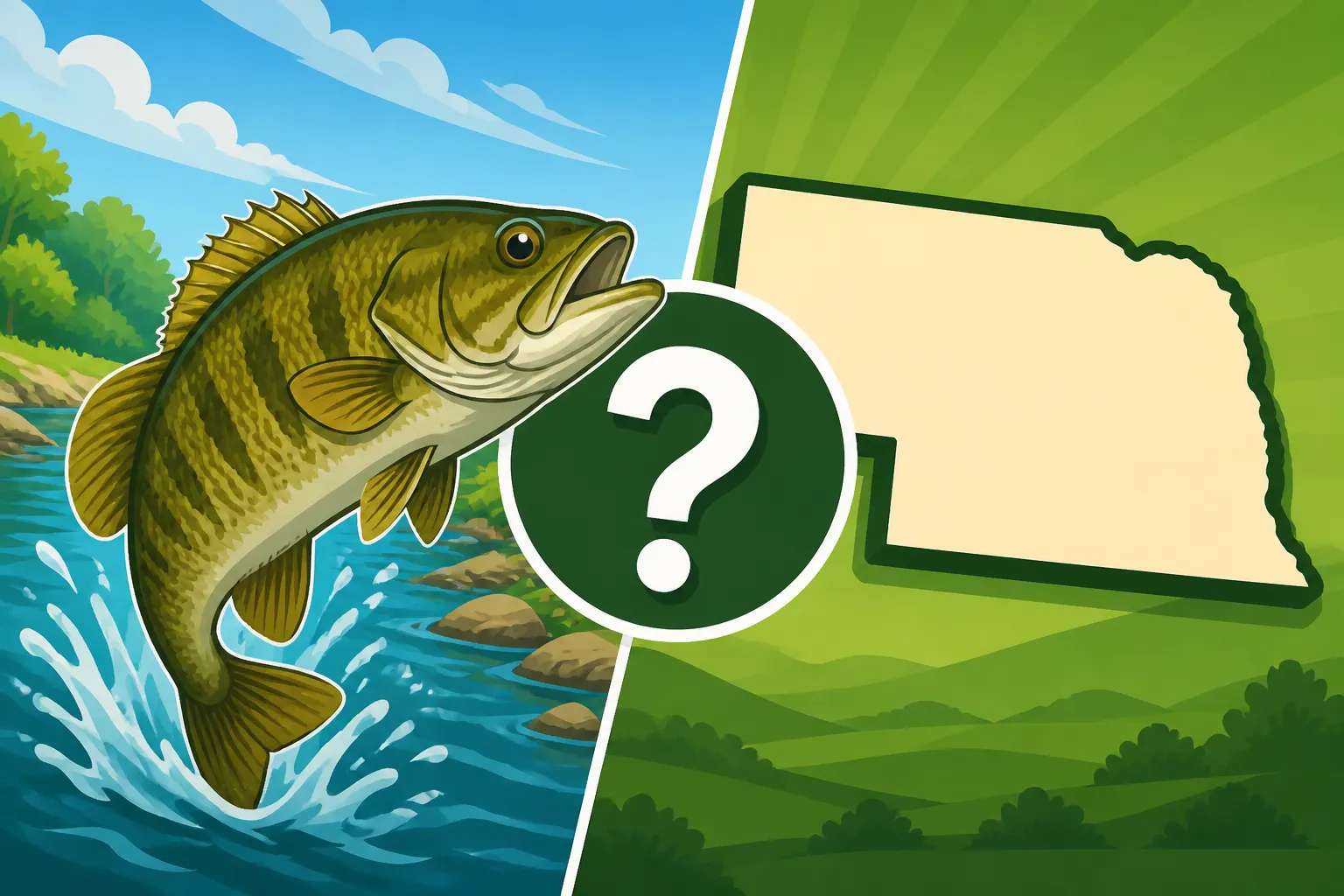
It's a common question that pops up among anglers in Nebraska, especially when you're casting lines in our beautiful rivers: are smallmouth bass truly native to these waters, or were they introduced at some point? There's often a bit of confusion, and frankly, a lot of folks just want to know if they're fishing for a species that naturally belongs here. This guide will dive deep into the history and current status of smallmouth bass in Nebraska, exploring their origins, preferred habitats, and what it means for the enthusiastic angler.
The Native vs. Introduced Debate: Unpacking Smallmouth Bass in Nebraska
When we talk about smallmouth bass in Nebraska, the idea of them being "native" is a fascinating discussion. Many people assume if a fish is common, it must have always been there. However, the story of smallmouth in our rivers is a bit more nuanced than that. It touches upon historical decisions, ecological impacts, and the ever-changing landscape of fish populations across the country. Understanding this helps us appreciate the species we chase and the ecosystems we enjoy.
Historical Presence and Early Stocking Efforts
So, let's get right to it: smallmouth bass are not native to Nebraska. They're an introduced species, much like a lot of the popular game fish we enjoy chasing today. Their original range was primarily in the eastern and central United States, particularly around the Great Lakes and Mississippi River Basin, but not the specific rivers that flow through Nebraska. The decision to introduce smallmouth bass into Nebraska waters was largely driven by the desire to establish a popular sport fish. Think about it: anglers love a good fight, and smallmouth are renowned for their feisty nature and acrobatic jumps once hooked.
Starting in the late 1800s and continuing into the early to mid-1900s, state agencies and private individuals began transplanting various fish species, including smallmouth bass, into new waters across the nation. The goal was to enhance fishing opportunities and diversify the angling experience. In Nebraska, these efforts were met with varying degrees of success, but over time, smallmouth managed to establish thriving populations in certain river systems that provided the right kind of habitat. It's a testament to their adaptability and the foresight (or perhaps just eagerness) of those early conservationists and anglers.
Understanding "Native" in an Evolving Ecosystem
The term "native" might seem straightforward, but in the world of biology and conservation, it can get a little fuzzy, especially when human intervention is part of the story. A native species is generally defined as one that has historically occurred in a particular region without human introduction. It evolved there, adapted to the local conditions, and has been part of the ecosystem's natural balance for a very long time. When a species is introduced, it's called "non-native" or "exotic."
Here's a quick way to conceptualize the difference:
| Characteristic | Native Species | Introduced Species (Non-Native/Exotic) |
|---|---|---|
| Origin | Evolved in the specific ecosystem | Brought into an ecosystem by human activity |
| Historical Presence | Present for a long, continuous period naturally | Recent appearance due to stocking or accidental release |
| Ecological Role | Integral part of the natural food web | Can disrupt existing food webs, compete with native species |
| Adaptation | Highly adapted to local climate and conditions | May struggle or thrive, sometimes outcompeting native species |
| Management Focus | Conservation, habitat protection | Management for sport, or control if invasive |
For smallmouth bass in Nebraska, they are firmly in the "introduced" category. While they've certainly made themselves at home and carved out a niche, especially in rocky, clear-flowing rivers, their presence is a direct result of human efforts to bring them here. This doesn't make them any less fun to catch, of course, but it's an important distinction for understanding our state's aquatic biodiversity. Many anglers search for specific gear, for example, a great baitcasting reel for bass fishing, and you can find many options on platforms like Amazon, regardless of the fish's native status.
Where Smallmouth Bass Thrive in Nebraska Today
Even though smallmouth bass aren't native, they've certainly found their sweet spots in Nebraska. Their populations are well-established in several key river systems, offering fantastic angling opportunities for those who know where to look. It's a true testament to their hardiness and ability to adapt to new environments, provided those environments meet their basic needs. Knowing their preferred habitat is half the battle when you're trying to track down these feisty fighters.
Key Rivers and Habitats
If you're looking to target smallmouth bass in Nebraska, you'll want to focus on rivers and streams that offer clear, flowing water and plenty of rocky structure. Unlike their largemouth cousins who prefer weedy, slower-moving or still water, smallmouth are structure-oriented river dwellers. They love currents, boulders, gravel beds, and downed timber where they can ambush prey and find refuge.
Here are some of the prime locations in Nebraska where smallmouth bass have established a strong foothold:
- The Niobrara River: This is arguably the crown jewel for smallmouth bass fishing in Nebraska. Its clear water, rocky bottom, and consistent current provide ideal conditions. Anglers frequently float or wade sections of the Niobrara, finding excellent action. If you're planning a trip there, be sure to check out Niobrara River Smallmouth Bass Fishing.
- The Platte River: While vast and varied, certain sections of the Platte River, especially those with more distinct rock structures and deeper channels, can hold good numbers of smallmouth. It's not as consistent as the Niobrara for smallmouth specifically, but it's worth exploring, particularly where there are hard bottoms and current breaks. You can learn more about general fishing in the area with our Platte River Fishing Guide.
- The Elkhorn River: Similar to the Platte, the Elkhorn can offer smallmouth opportunities, particularly in its upper and middle reaches where the river bottom is rockier and the flow is more pronounced. Anglers often find success targeting bridge pilings, log jams, and rocky riffles. Our Elkhorn River Fishing guide might provide more specific tips.
- Other Smaller Tributaries: Many smaller, lesser-known streams and tributaries flowing into these larger rivers also provide excellent smallmouth habitat, especially during spawning season or when fish move to shallower waters. These spots often require a bit more exploration but can yield incredible rewards.
Smallmouth bass typically prefer cooler water temperatures than largemouth, usually thriving in waters between 60 and 70 degrees Fahrenheit. This means they're often active from spring through fall, though certain techniques can still be effective in colder water. Understanding Nebraska Smallmouth Bass Habitat is crucial for consistent success.
The Impact of Smallmouth on Native Species
Whenever an introduced species establishes itself in a new environment, there's always a ripple effect on the existing ecosystem. For smallmouth bass, their presence in Nebraska rivers brings both recreational benefits and ecological considerations. As a predator, smallmouth bass will compete with native fish species for food resources, and they might also prey on smaller native fish.
In rivers where smallmouth bass have become dominant, they can potentially impact populations of native minnows, darters, and even the young of other sport fish. This is a common concern with non-native introductions across the globe. State fisheries management works to balance the benefits of a popular sport fishery with the need to protect and conserve native species and overall ecosystem health. They monitor populations and adjust regulations as needed to maintain this balance. While it's great fun to hook into a hard-fighting smallmouth, it's also important for us as anglers to be aware of our role in the larger ecosystem. Responsible angling, adhering to Nebraska Fishing Daily Bag and Possession Limits, and practicing catch and release, especially for larger fish, can all contribute to healthy fisheries for all species.
Fishing for Smallmouth Bass in Nebraska's Rivers
If you're anything like me, learning about where they come from just makes you even more excited to go catch one! Smallmouth bass are truly one of the most exciting freshwater fish to target. Their aggressive strikes, powerful runs, and aerial acrobatics make every catch memorable. Thankfully, Nebraska offers some fantastic opportunities to pursue these bronzebacks, especially in its rivers.
Best Practices and Techniques
Catching smallmouth bass in rivers requires a slightly different approach than fishing for largemouth in lakes. They're typically found near current breaks, eddies behind boulders, submerged logs, and drop-offs. Here’s how you can increase your chances:
- Focus on Structure and Current: Smallmouth use structure to hide from current and ambush prey. Cast your lures upstream of these features and let the current carry them naturally through the strike zone. Think about how the water flows and where a fish might be sitting to conserve energy and wait for a meal.
- Lure Selection: Smallmouth are opportunistic feeders. For river fishing, consider:
- Jigs with soft plastics: Grubs, tubes, and crawfish imitations are deadly. Vary your retrieve to mimic injured baitfish or scurrying craws.
- Crankbaits: Smaller, river-specific crankbaits that mimic minnows or crawfish can be incredibly effective, especially when bounced off rocky bottoms. Many excellent options can be found on Amazon.
- Spinners and Spinnerbaits: These can cover water effectively and are great for searching out active fish.
- Topwater Lures: In low light conditions or during periods of high activity, poppers and walk-the-dog baits can provoke explosive strikes, which is just about the most exciting thing in fishing!
- Check out our guide on Best Lures for Nebraska Bass for more ideas.
- Light to Medium-Light Tackle: For the average river smallmouth, a 6' to 7' medium-light to medium power spinning rod paired with a matching reel spooled with 6-10 lb test line is often ideal. This setup provides the sensitivity to detect subtle bites and the backbone to handle their powerful runs. You can explore options in our Best Rods and Reels for Nebraska Fishing guide.
- Wading or Kayaking: Many of Nebraska's smallmouth rivers are perfect for wading or using a kayak or canoe. This allows for quiet access to prime spots that might be inaccessible from shore or with larger boats. When wading, wear appropriate footwear with good grip, as river bottoms can be slick.
Remember, patience and observation are key. Pay attention to water clarity, flow, and what the fish seem to be reacting to on any given day. If you're just starting out, read up on How to Catch Smallmouth Bass in Rivers to get a solid foundation.
Regulations and Conservation for River Smallmouth
As with all fishing endeavors in Nebraska, it's absolutely crucial to be aware of and abide by the state's fishing regulations. These rules are in place not just for the benefit of the fish populations, but also to ensure sustainable angling opportunities for everyone. Before you head out, always make sure you have a valid Nebraska Fishing License Guide.
When it comes to smallmouth bass, regulations typically include:
- Bag Limits: The maximum number of fish you can keep in a single day.
- Possession Limits: The total number of fish you can have in your possession, which is usually equal to the daily bag limit.
- Length Limits: Minimum or sometimes slot limits (where fish within a certain size range must be released) designed to protect juvenile fish or encourage the growth of larger specimens.
These regulations can vary by body of water and can change periodically, so it’s always best to consult the most current Nebraska Fishing Regulations Explained before your trip. You can often find the official regulations booklet at sporting goods stores, bait shops, or on the Nebraska Game and Parks Commission website.
Conservation for river smallmouth goes beyond just following the rules. It also means practicing good stewardship of our natural resources:
- Catch and Release: While keeping some fish for a meal is part of the experience, consider practicing catch and release, especially for larger breeding-size bass. This helps maintain healthy populations. When releasing fish, do so gently and quickly.
- Protecting Habitat: Be mindful of the riverbanks and water quality. Avoid leaving trash, and if you wade, try to minimize disturbance to the riverbed.
- Preventing Invasive Species: Always clean, drain, and dry your boat, kayak, and gear between trips to different bodies of water. This is vital to prevent the spread of aquatic invasive species that can harm native ecosystems and fisheries.
By being informed and responsible, we can all do our part to ensure that the joy of smallmouth bass fishing continues in Nebraska's rivers for generations to come. Understanding Nebraska Fishing Seasons Explained can help you plan your trips to coincide with the best times for both fishing and conservation.
Disclaimer
This article is for general informational purposes only and does not constitute professional advice. Laws, prices and regulations vary by location and change over time. Consult a qualified professional for guidance on your specific situation.