What Fish You Can Catch Ice Fishing in Nebraska
Oh, the crisp air, the quiet solitude, the anticipation of that tell-tale jig thump! If you're anything like me, the thought of fishing doesn't stop just because the mercury drops and the lakes freeze over. In fact, for many of us here in Nebraska, winter brings a whole new kind of angling adventure: ice fishing! It's a fantastic way to beat cabin fever, enjoy the serene beauty of a frozen landscape, and, most importantly, hook into some exciting fish. But if you're new to hard water or just wondering what species are actively biting beneath Nebraska's ice, you're in the right place. This guide will walk you through the most popular and productive fish to target, along with tips to help you find them and bring them up through the hole.
Panfish Powerhouse: Crappie, Bluegill, and Perch Beneath the Ice
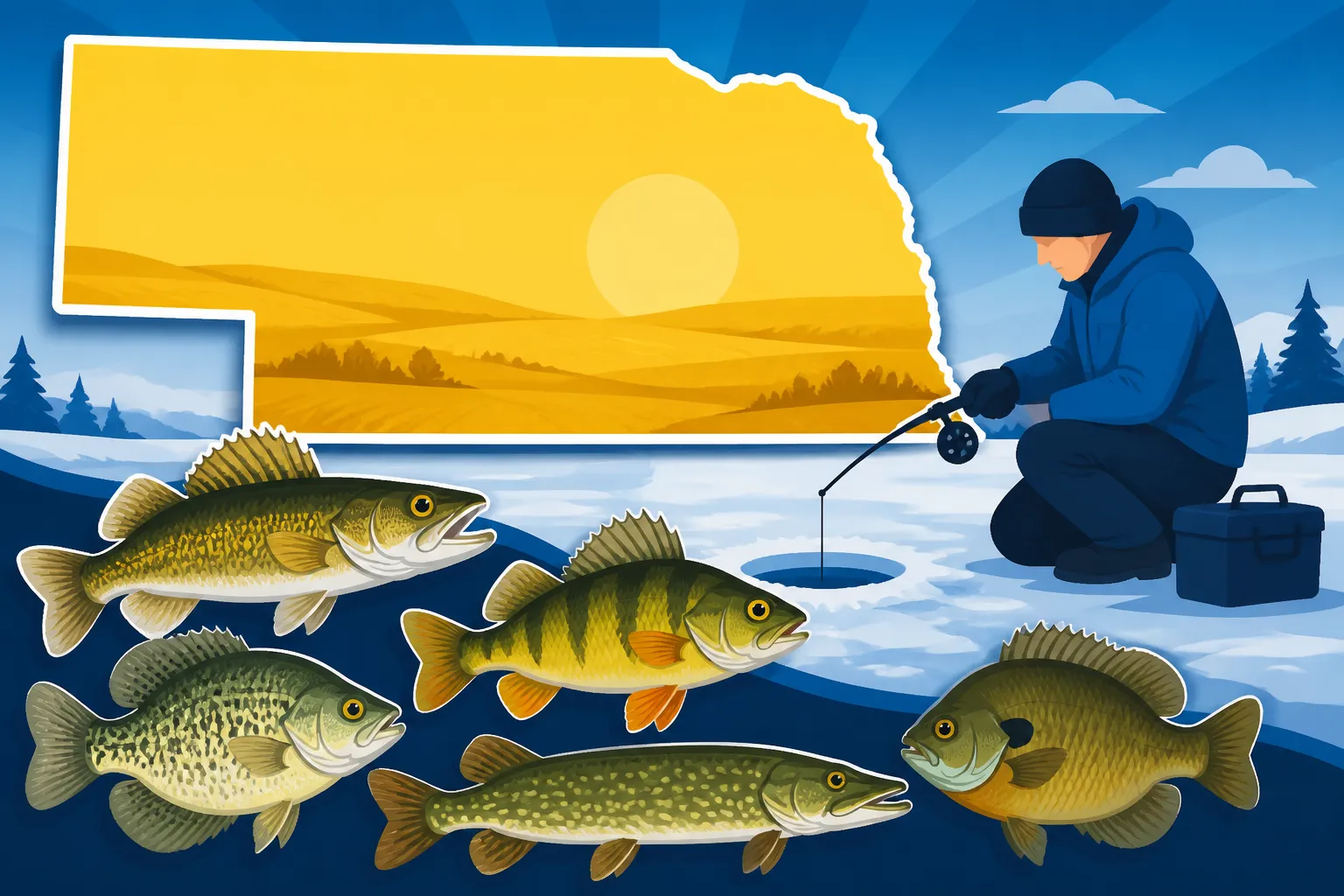
When it comes to ice fishing in Nebraska, panfish are often the undisputed champions. They're abundant, relatively easy to catch, and incredibly delicious. Whether you're a seasoned angler or introducing a youngster to the sport, crappie, bluegill, and yellow perch offer consistent action and a lot of fun.
Crappie: The Slabs of Winter
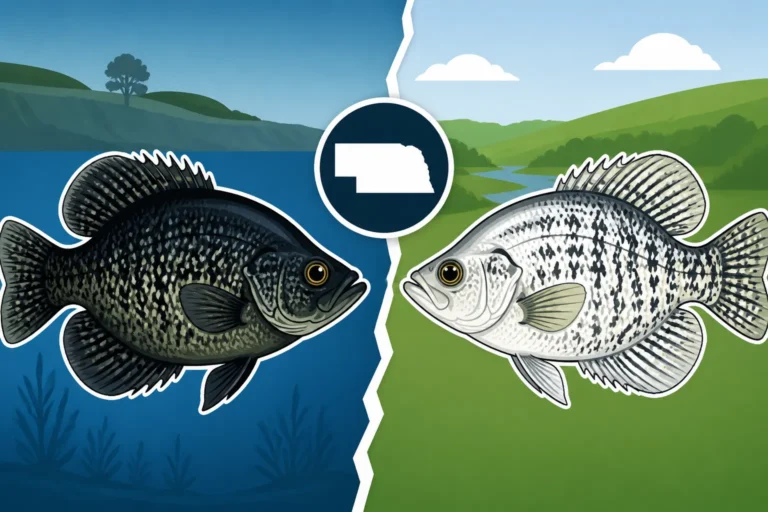
Crappie are a perennial favorite for ice anglers, and for good reason. They tend to school up in predictable areas during the winter, making it possible to catch a good number once you locate them. You're typically looking for either black crappie or white crappie in Nebraska's waters, both of which offer excellent table fare.
During the ice fishing season, crappie often relate to submerged timber, brush piles, old weed lines, or other forms of deep structure. Think about where they'd hide out in open water, and chances are they're still in similar, deeper areas during winter. They might suspend at various depths, so using a fish finder (which you can find a great selection of on Amazon) is incredibly helpful for locating their schools and determining their feeding depth. Small jigs, often tipped with a tiny piece of plastic or a wax worm, are incredibly effective. A slow, subtle jigging action is usually all it takes to entice a bite. Patience is key, as crappie bites can be incredibly light, sometimes just feeling like added weight on your line rather than an aggressive strike. Look for them in lakes like Branched Oak, Pawnee, and Wagon Train, especially around standing timber or brush. You'll also find crappie in the deeper parts of larger reservoirs like Harlan County. Knowing How to Catch Crappie Through the Ice can significantly boost your success.
Bluegill and Sunfish: Abundant Biters
Bluegill and other sunfish species are fantastic for continuous action, especially if you're fishing with kids. They are often found in similar habitats to crappie but can sometimes be shallower, especially in smaller ponds or the shallower bays of larger lakes. Just like crappie, bluegill tend to gather in schools, which means if you find one, you've likely found several.
These feisty little fighters love small jigs, tiny spoons, or even just a bare hook tipped with a wax worm, maggot, or piece of corn. The key is to present your bait slowly and subtly. Sometimes, simply holding your jig perfectly still is what triggers a strike. Look for bluegill around any remaining green vegetation, shallow points that drop off into deeper water, or brush piles. They are present in almost every single lake and pond in Nebraska, from the smallest farm ponds to the largest reservoirs. For a great family outing, hitting one of the many state recreation areas with accessible ponds is a surefire way to get into some bluegill. Keep an eye out for them at Fremont Lakes State Recreation Area or Bluestem Lake. Remember, these panfish are often the first to bite, providing crucial early morning action.
Yellow Perch: Delicious Winter Treats
Yellow perch are another highly sought-after panfish for ice anglers, prized for their delicious, flaky white meat. While not as widespread in high numbers as bluegill or crappie across all Nebraska waters, when you find a school of perch, you're in for a treat. They tend to be a bit more nomadic than crappie or bluegill, often cruising flats or along the edges of drop-offs.
Perch respond well to small jigging spoons, often called "perch rigs," tipped with a minnow head or a wax worm. They also can be caught on small, flashy jigs. Their bite is often more aggressive than a crappie's, sometimes a distinct tug rather than a subtle weight. Focus your efforts on lakes with good perch populations, such as Merritt Reservoir or Sherman Reservoir, where they can grow to impressive sizes. They often relate to the bottom or just a few feet off it, so keep your bait close to the lakebed. Finding What Fish Bite Best in Cold Water will certainly lead you to these tasty fish. When fishing for perch, don't be afraid to drill a series of holes and move frequently until you locate a school.
Going for Gold: Walleye and Northern Pike on Nebraska Hard Water
While panfish offer consistent action, many ice anglers crave the challenge and reward of larger game fish. Walleye and northern pike are two species that offer incredible opportunities through the ice in Nebraska, often growing to impressive sizes.
Walleye: The Winter Gold Standard
Catching walleye through the ice is a badge of honor for many anglers. These elusive fish are highly sought after for their incredible fighting spirit and their reputation as one of the best-tasting freshwater fish. While they can be a bit more challenging to locate and entice than panfish, the payoff is absolutely worth it.
Walleye during winter often congregate around deep structure such as main lake points, submerged humps, rock piles, or along deep breaks where they can ambush baitfish. Prime times for walleye ice fishing are typically during low light conditions – early morning, late afternoon, and even into the night. Many anglers swear by Nebraska Night Fishing Rules for targeting these nocturnal predators. Jigging spoons, blade baits, and lipless crankbaits are popular choices for actively fishing for walleye, often tipped with a minnow head. Deadsticking a live minnow under a bobber in a nearby hole is also incredibly effective, acting as a stationary presentation for hesitant fish. Locations like Lake McConaughy, Harlan County Reservoir, and Sherman Reservoir are renowned for their walleye populations, offering fantastic winter opportunities. You might find a Best Ice Fishing Rods and Reels specifically designed for walleye on Amazon, built for detecting those subtle bites.
Northern Pike: The Apex Predator of the Ice
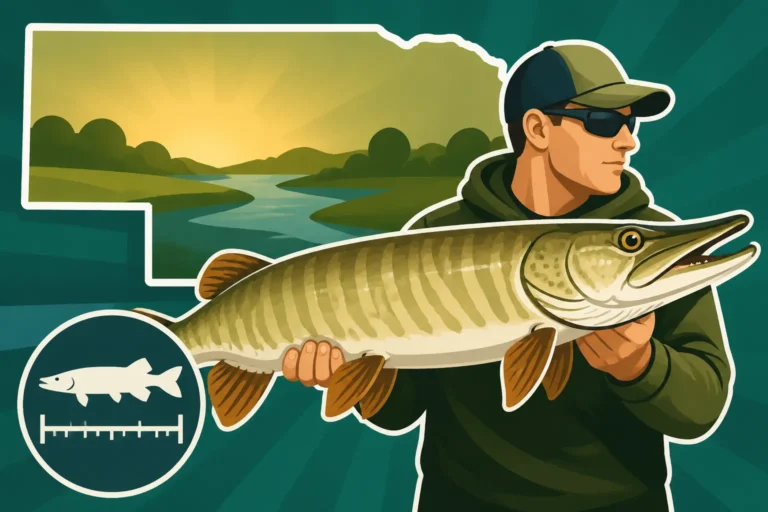
Northern pike are toothy, aggressive, and offer an exhilarating fight through a hole in the ice. If you're looking for a trophy fish during the winter months, pike are definitely a species to target. They are ambush predators and remain active even in the coldest water.
Pike often cruise shallower flats adjacent to deeper water, near weed beds (if any remain green), or around submerged timber. They are less structure-oriented than walleye and will roam to find food. The most common and effective method for ice fishing pike is using tip-ups, which allow you to cover a wider area and present a larger live bait, such as a large minnow or shiner. When a pike takes the bait, the flag on the tip-up pops up, signaling a strike! This hands-off approach allows you to focus on jigging for other species while still having a chance at a true monster. Always use a steel or heavy fluorocarbon leader when fishing for pike, as their sharp teeth will easily cut through monofilament or standard fluorocarbon lines. Top Nebraska lakes for pike include Box Butte Reservoir, Merritt Reservoir, and Watts Lake. Remember that handling pike requires care due to their teeth; a good pair of long-nosed pliers is essential for hook removal.
Beyond the Usual: Trout, Bass, and Catfish Through the Ice
While panfish, walleye, and pike dominate the ice fishing scene, Nebraska offers some intriguing opportunities for other species that might surprise you. Don't overlook the chance to connect with trout, bass, and even catfish through the ice!
Trout: Coldwater Gems
Nebraska's Game and Parks Commission often stocks trout into many urban and smaller lakes throughout the fall and winter, specifically for ice fishing opportunities. This means that even if you're not heading to the far reaches of the Sandhills, you can often find fantastic trout fishing close to home. These stocked trout, primarily rainbow trout, are eager biters and offer fast action.
Trout generally prefer cold, clear water, and they'll often cruise open water areas or hang around inlets and outlets. Unlike other species that might cling to structure, stocked trout can often be found suspended anywhere from a few feet below the ice to near the bottom. Small spoons, horizontal jigs tipped with a wax worm or corn, and even small pieces of PowerBait under a bobber are excellent choices. The key is to keep your tackle light; ultralight ice fishing rods and very thin line (2-4 lb test) will maximize your bite detection and fighting fun. Popular spots for winter trout include Lake Ogallala, Two Rivers State Recreation Area, and some of the smaller urban ponds that are part of the Nebraska Urban Fishing Program. Make sure to check local stocking schedules for the best chances. Learning How to Catch Rainbow Trout After Stocking will be beneficial for these winter opportunities.
Largemouth Bass: Unexpected Winter Warriors
While not typically thought of as a primary ice fishing target, largemouth bass can absolutely be caught through the ice in Nebraska. They become much less active in cold water but will still feed if a tempting meal presents itself. Catching a bass through the ice is often a pleasant surprise!
During winter, largemouth bass will retreat to their deepest wintering haunts, often holding tight to submerged cover like brush piles, fallen trees, or deep weed edges. They become lethargic, and their bites can be incredibly subtle. Slow, methodical presentations are key. Jigging spoons, vertical jigs tipped with a minnow, or even a slow-falling soft plastic bait can entice a strike. Don't be afraid to let your bait sit still for extended periods, or give it just a tiny twitch. Lakes with good largemouth populations like Branched Oak, Pawnee, and Wagon Train Lake are places where you might encounter them. While they won't be as aggressive as in summer, a well-placed bait can still draw them out. Knowing What Water Temperature Bass Prefer can give you an edge in finding their winter hideouts.
Channel Catfish: The Hard Water Whiskers
Catching channel catfish through the ice might sound unusual, but it's a legitimate and often productive pursuit in Nebraska. Catfish, especially larger ones, remain active enough to feed during the winter, though their metabolism slows down considerably.
During winter, channel catfish often congregate in deep holes, river channels, or the deepest basins of lakes and reservoirs. They tend to hold tight to the bottom and will respond to bait that's presented right in front of them. The best baits for ice fishing catfish are typically strong-smelling natural baits like cut bait (small pieces of shad or other baitfish), chicken liver, or shrimp. Many anglers use a heavier jig or a weighted hook with their bait, letting it sit directly on the bottom or just a few inches off. The bite can be incredibly light, feeling like a slight tap or just a heavy pull when you lift your rod. You'll want a slightly heavier rod and reel setup than for panfish, but nothing too extreme. Good lakes for ice-bound catfish include Branched Oak, Pawnee, and some of the deeper sections of the Platte River backwaters. If you're looking for a challenge and a unique winter catch, don't rule out the channel cat. Using a Best Rod Setup for Nebraska Catfish will certainly improve your chances.
Maximizing Your Ice Fishing Success: Tactics and Tips for Nebraska Species
Beyond knowing what fish are available, understanding how to approach ice fishing for them can make all the difference. From safety to gear, a little preparation goes a long way to making your time on the ice enjoyable and productive.
Essential Gear for Nebraska Ice Anglers
Having the right gear is paramount for a comfortable and successful ice fishing trip. First and foremost, safety gear like ice picks, a spud bar (to check ice thickness), and appropriate clothing for warmth are non-negotiable. Beyond safety, a good ice auger is crucial for drilling holes efficiently. Modern augers, whether manual, propane, or electric, can be found on Amazon and save a lot of energy. A shelter, from a simple windbreak to a fully insulated hub shelter, will keep you warm on blustery Nebraska days.
For fishing specific species, dedicated ice fishing rods and reels are a must. These are typically shorter than open-water rods, designed for fishing in a small space and detecting subtle bites. For panfish, an ultralight rod with sensitive tip is perfect, while for walleye or pike, you'll want something with a bit more backbone. A portable fish finder is invaluable for locating fish and understanding the depth and bottom structure. Don't forget a comfortable bucket or chair, bait (wax worms, minnows, cut bait), and a pair of long-nosed pliers for hook removal, especially when dealing with toothy pike. An Essential Gear Checklist for a First Ice Fishing Trip can help you get started.
| Fish Species | Primary Locations | Preferred Baits/Lures | Key Techniques |
|---|---|---|---|
| Crappie | Submerged timber, brush piles, deep weed lines | Small jigs (plastic/wax worm), tiny spoons | Slow jigging, suspending bait |
| Bluegill/Sunfish | Green weeds, shallow drop-offs, brush piles | Tiny jigs (wax worm/maggot/corn), small spoons | Subtle jigging, deadsticking |
| Yellow Perch | Flats, edges of drop-offs, bottom | Jigging spoons (minnow head/wax worm) | Bottom-oriented jigging |
| Walleye | Deep points, humps, rock piles, breaks | Jigging spoons, blade baits, live minnows | Aggressive jigging, deadsticking |
| Northern Pike | Shallow flats near deep water, weed beds | Large live minnows (shiners) | Tip-ups, quick-strike rigs |
| Rainbow Trout | Open water, inlets/outlets, suspended | Small spoons, horizontal jigs (wax worm/corn) | Light jigging, PowerBait under bobber |
| Largemouth Bass | Deep cover, brush piles, fallen trees | Jigging spoons, vertical jigs (minnow), soft plastics | Slow, methodical presentations |
| Channel Catfish | Deep holes, river channels, deepest basins | Cut bait, chicken liver, shrimp | Bottom fishing, scent trail |
Safety First on the Ice
Nebraska winters can be fickle, and ice conditions can change rapidly. Always prioritize safety when heading out onto the ice. Never assume the ice is safe, even if others are out there. How Thick Ice Needs to Be to Fish Safely in Nebraska is crucial information. A minimum of four inches of clear, solid ice is generally recommended for walking, and more is needed for snowmobiles or vehicles. Always check the ice thickness as you go, especially on unfamiliar bodies of water or where currents might be present. Avoid areas near inlets, outlets, bridges, or any place with moving water, as ice can be thinner there.
It's always a good idea to fish with a buddy and to let someone know where you're going and when you expect to return. Dress in layers to stay warm and dry, and consider wearing a floatation suit or at least carrying a pair of ice picks around your neck for self-rescue. Remember, a fun day on the ice is a safe day on the ice. Checking When Ice Fishing Season Starts in Nebraska can help you plan your trips safely.
Techniques for Success on Nebraska Hard Water
Regardless of the species you're targeting, a few universal principles apply to ice fishing in Nebraska. First, mobility is key. Don't be afraid to drill multiple holes and move around until you find actively feeding fish. What looks like a barren spot on the surface might be teeming with life a few feet away. Second, subtlety often wins. Fish metabolism slows in cold water, and they may not chase baits as aggressively as in warmer months. Small movements, subtle jigging, and allowing baits to sit still can be very effective.
Third, match the hatch (or at least, the size of the baitfish). Smaller baits are often more effective for panfish, while larger profiles can attract bigger predators like pike. Finally, pay attention to your electronics. A fish finder isn't just for locating fish; it can help you see your bait, understand how fish are reacting to your presentation, and determine the optimal depth to fish. Learning How to Jig for Walleye in Nebraska or how to set up a tip-up properly can elevate your ice fishing game. With a little practice and patience, you'll be consistently pulling fish through the ice on Nebraska's frozen waters.
Disclaimer
This article is for general informational purposes only and does not constitute professional advice. Laws, prices and regulations vary by location and change over time. Consult a qualified professional for guidance on your specific situation.