Best Fishing Gear for Nebraska Anglers
Stepping into the world of Nebraska fishing can feel like trying to solve a puzzle with a thousand pieces. You've got endless lakes, winding rivers, and countless species, and then there's the gear—rods, reels, baits, gadgets! It’s easy to feel overwhelmed, wondering if you're buying the right tools for the job or just throwing money at marketing hype. This comprehensive guide is here to cut through the confusion, helping you understand precisely what fishing gear you need to confidently tackle Nebraska's diverse waters and bring home some fantastic catches.
Understanding Nebraska's Diverse Waters and Target Species
Before you even think about buying a new rod or a fancy lure, it's absolutely crucial to consider where you'll be fishing and what you're hoping to catch. Nebraska isn't just one big fishing hole; it's a mosaic of different aquatic environments, each with its own quirks and demands. The gear that excels on a vast reservoir might be completely out of place on a small creek, and the tackle you use for a monster catfish isn't ideal for a delicate crappie. Understanding these nuances is the first step to making smart gear choices.
Lakes, Reservoirs, and Ponds
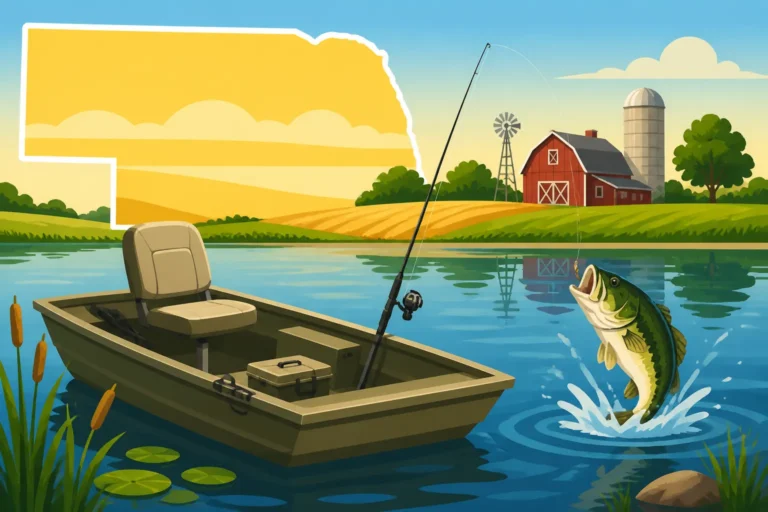
Nebraska is dotted with incredible lakes and reservoirs, from the vast expanse of Lake McConaughy to the popular waters of Branched Oak Lake and Harlan County Reservoir. These larger bodies of water often mean dealing with wind, waves, and finding fish in sprawling open areas or deep structures. You might be targeting walleye in deep water, chasing wipers across open flats, or casting for largemouth bass near submerged timber. The sheer scale often dictates longer casts, heavier lines, and more robust equipment to handle potentially bigger fish and more challenging conditions. You’ll need gear that can stand up to a fight far from shore, whether you’re in a boat or trying to reach a distant drop-off from the bank.
Then there are the countless smaller ponds, farm ponds, and urban fishing holes. These are often calmer, shallower, and more accessible. Here, the focus might shift to panfish like bluegill and crappie, or abundant largemouth bass and channel catfish. While you still want reliable gear, you often don't need the heavy-duty setups required for the big reservoirs. Lighter tackle can be more enjoyable and effective, allowing you to feel every nibble and enjoy the fight from smaller, yet still feisty, fish. It’s a completely different experience that calls for a different approach to your tackle box.
Rivers and Streams
Nebraska's rivers and streams, like the Platte River, the Niobrara, and the Missouri River, offer a completely different fishing challenge. Here, current is a major factor. You’re often dealing with varying depths, snags, and the need to present your bait or lure naturally in moving water. Whether you’re wading in a shallow creek for smallmouth bass or targeting massive flathead catfish on the bottom of a major river, your gear needs to be up to the task. Stronger rods are often necessary to manage heavy weights or to control a fish in a fast current, preventing it from using the flow to its advantage and breaking your line.
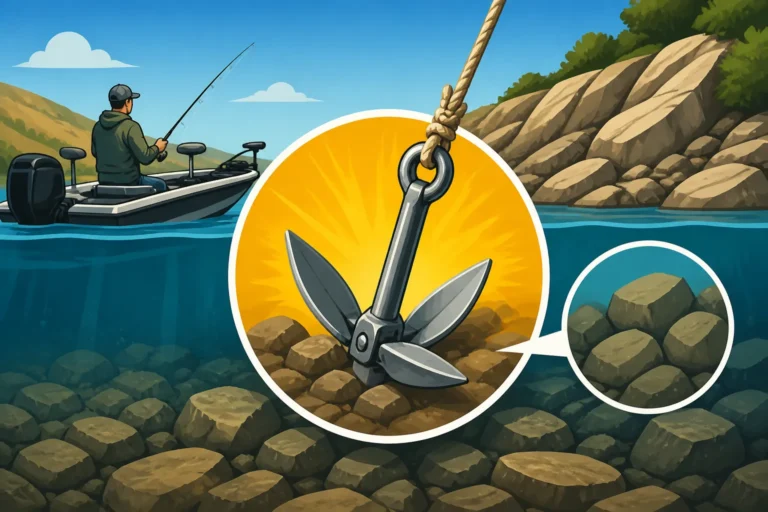
River fishing can be incredibly rewarding, but it demands gear that prioritizes durability and specific techniques like drift fishing or anchoring effectively. You'll often encounter rocky bottoms, submerged logs, and other structure that can easily snag your line or test the strength of your tackle. Having the right balance of sensitivity to feel subtle bites and backbone to pull fish out of cover is key. Knowing the characteristics of the river you plan to fish – its typical depth, current speed, and bottom composition – will heavily influence your rod, reel, and line choices.
Target Species and Their Demands
Every fish species has its own personality, its preferred habitat, and its unique fighting style. What works for one might utterly fail for another.
- Walleye: These wary predators often prefer cooler, deeper water and respond well to jigs, crankbaits, and live bait rigs. You need sensitive rods to detect their subtle bites and enough backbone to set the hook firmly in their bony mouths. For big reservoirs like Lake McConaughy, you might be trolling crankbaits or vertically jigging, requiring different rod actions. We have a whole guide dedicated to How to Fish for Walleye in Nebraska, which can help you dive deeper.
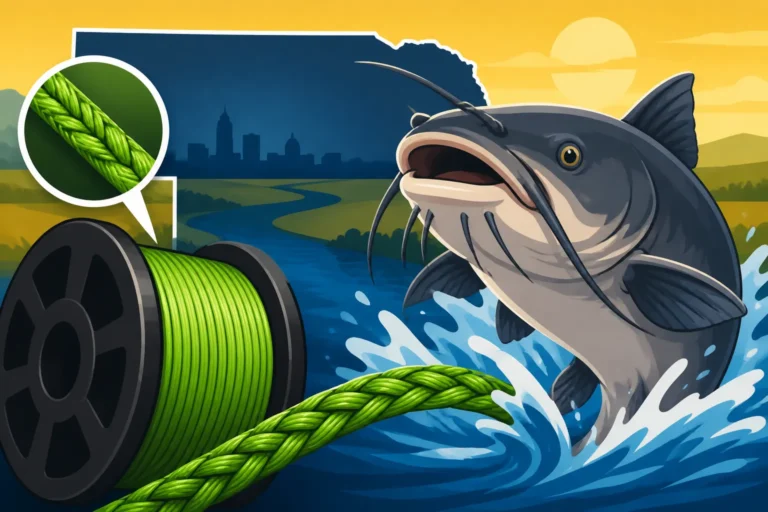
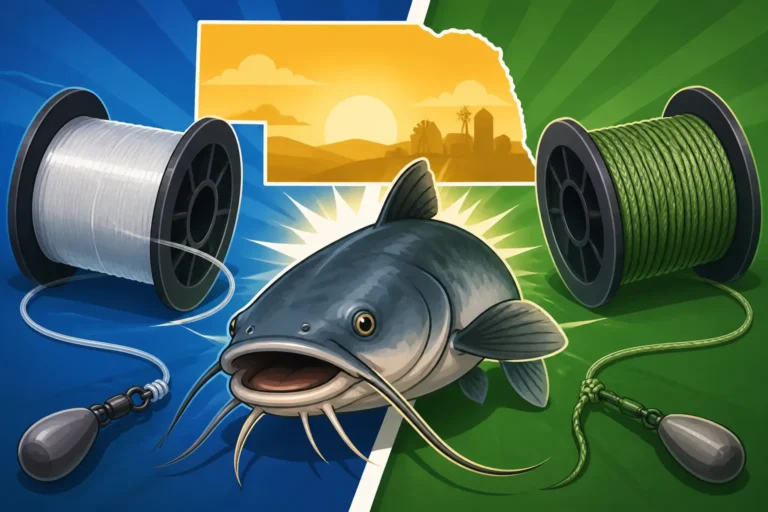
- Catfish (Channel, Flathead, Blue): Nebraska is a paradise for catfish anglers. Channel cats are everywhere and will hit a variety of baits, while flatheads prefer live bait and often lurk in heavy cover. Blues are less common but can grow immense. For these powerful fish, you need stout rods, strong reels with plenty of line capacity, and heavy-duty terminal tackle. They pull hard, so gear failure is not an option! Check out our article on How to Catch Catfish in Nebraska for more insights.
- Bass (Largemouth, Smallmouth): Largemouth bass are ambush predators found in lakes and ponds, often near structure. Smallmouth bass thrive in rivers and rocky areas. Both offer exciting fights. Bass fishing typically involves a variety of lures—plastics, crankbaits, spinnerbaits—and requires versatile rods that can handle different techniques, from delicate presentations to powerful hooksets. If you're specifically after Largemouth Bass Fishing in Nebraska, there's plenty to learn about their preferences.
- Panfish (Crappie, Bluegill, Perch): These smaller, yet plentiful, fish are perfect for beginners and seasoned anglers alike. Light tackle, small jigs, and live bait (like worms or small minnows) are usually all you need. The joy here is in the numbers and the lively tug on a light rod. Delicate presentations are often key, and you'll want gear that doesn't overpower these smaller fighters.
- Trout (Rainbow, Brown): Found in specific cold-water streams and stocked lakes, trout require a refined approach. Fly fishing is popular, but spin fishing with small spinners, spoons, or power bait can be highly effective. Delicate rods, light line, and stealth are often crucial for success.
Matching your gear to your target species and fishing environment isn't just about efficiency; it's about maximizing your enjoyment and success on the water.
The Foundation: Rods, Reels, and Lines for Nebraska Fishing
This is where the rubber meets the road, or more accurately, where the line meets the water! Your rod, reel, and line are the triumvirate of your fishing setup, working in harmony to cast, present bait, and fight fish. Skimping here can lead to frustration, lost fish, and a generally less enjoyable experience. Investing wisely in these core components will pay dividends on every fishing trip you take in Nebraska.
Versatile Rod and Reel Combos
For many anglers, especially those just starting out or who want a single setup that can handle a variety of situations, a good all-around spinning rod and reel combo is the way to go. Spinning gear is incredibly user-friendly, forgiving for casting, and versatile enough for panfish up to moderate-sized walleye or catfish.
- Medium-Light to Medium Action Rod (6 to 7 feet): This range offers a great balance. A medium-light rod will be sensitive enough for crappie and bluegill, while still having enough backbone to handle a decent bass or channel cat. A medium action rod provides more power for larger lures and bigger fish, making it a good choice for general-purpose fishing in lakes and ponds. Look for a rod with a fast or moderate-fast tip for good sensitivity and solid hook-setting power.
- 2500 to 3000 Size Spinning Reel: These reels offer a good retrieve ratio and sufficient line capacity for 6-10 lb test line, which is a great all-around choice for Nebraska. They're smooth, durable, and generally easy to maintain. Brands like Shimano, Daiwa, and Penn offer excellent options across various price points. You can often find great value combos at stores like Bass Pro Shops or even online through Amazon.
- Why a Combo? Combos are pre-matched, meaning the rod and reel are balanced for optimal performance. This takes the guesswork out of pairing components, which can be a huge relief for beginners. Our guide on Best Rod and Reel Combo for Beginners in Nebraska offers even more detail on how to pick the right one.
Specialized Setups for Key Species
Once you've got your versatile combo, you might find yourself wanting to specialize. Different species, as we discussed, often benefit greatly from tailored gear.
- Walleye: For jigging and bottom bouncing for walleye, a 6'6" to 7' medium-light or medium power spinning rod with a fast action tip is ideal. This sensitivity allows you to detect those famously light walleye bites. Pair it with a 2000-2500 size spinning reel spooled with 8-10 lb braided line and a fluorocarbon leader. When trolling crankbaits on larger reservoirs, a longer (7'6" to 9') medium action baitcasting rod with a line counter reel becomes invaluable. This specialized setup lets you know exactly how much line is out, crucial for precise depth control.
- Catfish: When battling big channel cats or flatheads in strong currents, you need power. A 7' to 8' heavy or medium-heavy power baitcasting or spinning rod is a must. These rods have a robust backbone to absorb powerful runs and lift heavy fish. Pair them with a durable 4000-6000 size spinning reel or a heavy-duty baitcasting reel, spooled with 15-30 lb monofilament or braided line. You'll thank yourself for the extra muscle when a 20-pound flathead tries to spool you near a snag. For specific recommendations, check out our guide on Best Catfish Gear for Nebraska Rivers.
- Bass: Bass anglers often carry multiple setups. For throwing Texas rigs, jigs, or larger crankbaits, a 6'6" to 7'3" medium-heavy power baitcasting rod with a fast action is a go-to. Baitcasting reels excel at accurately delivering heavier lures and provide more torque for fighting big bass out of cover. For finesse techniques like drop-shotting or wacky rigs, a 6'6" to 7' medium-light spinning rod with a fast action tip and a 2000-2500 reel is preferred for its sensitivity and lighter line capabilities.
Choosing the Right Fishing Line
Often overlooked, your fishing line is the only direct connection between you and the fish. The right line choice impacts casting distance, sensitivity, and strength.
- Monofilament (Mono): This is the traditional, all-around fishing line. It's affordable, has good knot strength, and offers some stretch, which can be forgiving when a fish makes a sudden run. Its stretch also makes it a good shock absorber. However, it can have more memory (coiling), lower sensitivity, and is more susceptible to UV damage over time. It's a great choice for general-purpose fishing, especially with topwater lures where its buoyancy is an advantage, or for beginners.
- Braided Line (Braid): Made from woven synthetic fibers, braid is incredibly strong for its diameter, has virtually no stretch (offering incredible sensitivity), and casts a mile. It’s fantastic for feeling subtle bites, fishing heavy cover, and for long-distance casts. The downside is its visibility (it's often brightly colored, though some come in low-vis options), lack of abrasion resistance against sharp objects, and it can be difficult to cut. Most anglers use a fluorocarbon or monofilament leader with braid to address visibility and abrasion. Braid is a favorite for walleye, bass, and heavy-duty catfish applications.
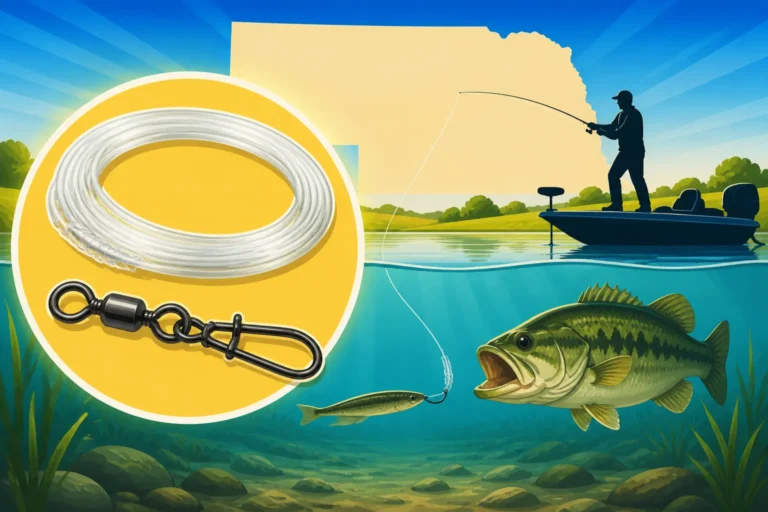
- Fluorocarbon: This line is nearly invisible underwater, extremely abrasion-resistant, and has very little stretch, providing good sensitivity. It sinks, making it excellent for crankbaits and other diving lures. However, it's typically stiffer, can be more challenging to tie knots with, and is generally more expensive than mono. It’s often used as a leader material attached to braided main line, offering the best of both worlds: the strength and sensitivity of braid with the invisibility and abrasion resistance of fluoro near the lure.
| Line Type | Pros | Cons | Best Use in Nebraska |
|---|---|---|---|
| Monofilament | Affordable, good knot strength, forgiving stretch, floats | Less sensitive, more memory, UV degradation | General purpose, topwater, beginner setups, shock absorption |
| Braided | High strength-to-diameter, no stretch (sensitive), long casts | Visible, less abrasion-resistant (without leader), costly | Walleye jigging, bass, heavy catfish, deep water |
| Fluorocarbon | Nearly invisible, abrasion-resistant, sensitive, sinks | Stiffer, harder to knot, expensive, less shock absorption | Leaders for braid, crankbaits, clear water bass |
Choosing the right combination of rod, reel, and line is foundational. It empowers you to fish effectively, no matter what Nebraska water you're casting into.
Tackle Box Essentials: Lures, Baits, and Terminal Tackle
Once you've got your rod, reel, and line sorted, it's time to fill that tackle box! This is where things get really fun, but also where it's easy to get carried away. For Nebraska fishing, a well-stocked tackle box means having the right tools to entice a variety of fish, whether they're looking for a flashy lure or a savory natural bait. You don't need every single gadget on the shelf, but you do need the essentials that are proven to work in our local waters.
Must-Have Lures for Nebraska Game Fish
Lures mimic natural prey or provoke a reaction strike, and a good selection covers different depths, presentations, and species.
- Jigs: If there's one lure every Nebraska angler needs, it's a jig. From tiny panfish jigs to heavy jigs for walleye or bass, they are incredibly versatile. You can tip them with soft plastics, live bait, or just fish them plain.
- Walleye Jigs: Small lead-head jigs (1/8 oz to 1/2 oz) in natural colors (green pumpkin, black, white, pearl) tipped with a minnow or a soft plastic grub are deadly for walleye, especially in cooler water or when fishing structure. They're excellent for vertical jigging or casting and retrieving slowly along the bottom.
- Bass Jigs: Heavier jigs with weed guards (3/8 oz to 3/4 oz) paired with a chunk or creature bait trailer are fantastic for flipping into cover for largemouth bass. Their weedless design lets you get right into the thick stuff where big bass hide.
- Panfish Jigs: Tiny jigs (1/32 oz to 1/16 oz) with small plastic bodies or tipped with a waxworm are irresistible to crappie and bluegill.
- Crankbaits: These lipped lures dive to specific depths and have a built-in wobbling action. They're excellent search baits for covering water and triggering aggressive strikes.
- Shallow-Diving Crankbaits: For bass in shallow lakes or rivers, or for targeting walleye on flats, crankbaits that run 2-6 feet deep in crawfish, shad, or brighter perch patterns are highly effective.
- Deep-Diving Crankbaits: For trolling or casting for walleye and wipers in deeper reservoirs like Lake McConaughy, you'll need crankbaits that can reach depths of 10-25+ feet. Shad, perch, and bright attractor colors work well here.
- Lipless Crankbaits: These are great for covering vast amounts of water quickly, particularly for active bass or white bass. Their vibration and erratic fall often provoke reaction strikes.
- Soft Plastics: The variety here is endless, mimicking worms, creatures, minnows, and crawfish. They are incredibly versatile and can be rigged in countless ways (Texas rig, Carolina rig, drop shot, wacky rig).
- Worms and Senkos: Essential for largemouth bass, especially in natural colors like green pumpkin, junebug, and black.
- Grubs and Swimbaits: Great for walleye, bass, and even larger crappie. Can be fished on a jig head or as a trailer.
- Creature Baits: Excellent for punching through cover for big bass, mimicking crawfish or other critters.
- Spinnerbaits and Buzzbaits: These are reaction baits, especially effective for bass in shallow water or around vegetation. The flash and vibration can trigger strikes from active fish. Spinnerbaits are versatile; buzzbaits are strictly topwater.
- Spoons: Casting spoons are fantastic for active predator fish like northern pike, wipers, and even walleye. Trolling spoons are deadly for trout and kokanee salmon (where present) in deeper, colder water. Jigging spoons are also effective for ice fishing.
Our detailed guides like Best Lures for Nebraska Bass and Best Bait for Nebraska Walleye offer species-specific insights into lure selection.
Live and Prepared Baits
Sometimes, nothing beats the real thing. Live bait and prepared baits have a natural scent and action that often convince even the most finicky fish to bite.
- Nightcrawlers/Worms: The ultimate all-around bait. Every species in Nebraska will eat a worm, from tiny bluegill to monster flatheads. They're easy to get, easy to keep, and incredibly effective for almost any scenario, whether fished under a bobber, on the bottom, or even trolled.
- Minnows: Live minnows are irresistible to walleye, crappie, white bass, and even some larger panfish. They can be fished under a bobber, on a jig head, or on a live bait rig. Keeping them lively requires a good bait bucket with an aerator.
- Cut Bait: For channel catfish and flathead catfish, cut bait (pieces of shad, carp, or sunfish) is often the preferred meal. The scent trail it puts out in the water is a powerful attractant. Size your cut bait to your target species – smaller pieces for channel cats, larger chunks or even whole small fish for flatheads.
- Stink Bait/Prepared Baits: These potent, often foul-smelling, concoctions are specifically designed to attract channel catfish. They come in various forms – dip baits, punch baits, dough balls – and are packed with scents that catfish can't resist. Brands like Magic Bait and Catfish Charlie are popular for this in Nebraska. You'll definitely want a dedicated container for these to keep the smell contained!
Terminal Tackle: Hooks, Weights, Swivels, and Floats
These small but mighty components are crucial for proper bait presentation and securing your catch. Never skimp on quality here; a cheap hook can cost you the fish of a lifetime.
- Hooks:
- J-Hooks: The classic hook design, effective for live and cut bait. Sizes range widely, from tiny #12 for panfish up to large 8/0 for big catfish. Common types include Aberdeen (light wire, good for panfish, easily bends out of snags) and Treble hooks (often on lures, provide multiple points of contact).
- Circle Hooks: Increasingly popular, especially for catfish and catch-and-release fishing. When a fish bites, the hook is designed to slide into the corner of its mouth, significantly reducing gut-hooking. This leads to higher survival rates for released fish and often a more secure hookset without needing a forceful "sweep" from the angler.
- Worm Hooks/EWG (Extra Wide Gap): Used primarily for rigging soft plastic worms and creature baits weedless for bass, allowing them to penetrate cover without snagging.
- Weights (Sinkers): Used to get your bait to the desired depth and keep it there, or to aid in casting.
- Split Shot: Small, pinch-on weights for adding minimal weight to light lines, perfect for panfish or finesse presentations.
- Bullet Weights: Tapered weights, typically used for Texas rigging soft plastics for bass, allowing the bait to slide easily through cover.
- Egg Sinkers/Sliding Sinkers: Often used for bottom fishing rigs (like a Carolina rig or a slip sinker rig for catfish), allowing the line to run freely through the weight, so fish don't feel resistance when they bite.
- Bank Sinkers/Pyramid Sinkers: Heavier, often pyramid-shaped weights, excellent for holding bottom in strong currents or windy conditions, favored by river catfishermen.
- Swivels: Used to prevent line twist (especially when using spinning lures or live bait that spins) and to connect leaders.
- Barrel Swivels: Basic, effective for preventing line twist.
- Ball Bearing Swivels: More expensive but superior at reducing twist, especially with high-speed retrieves or trolling.
- Snap Swivels: Combine a swivel with a snap clip, making it easy to quickly change lures.
- Floats (Bobbers): Keep your bait suspended at a specific depth and signal bites.
- Fixed Floats: Clipped onto the line, best for shallower water or precise depth control.
- Slip Floats: A hole through the center allows the line to "slip" through, with a bobber stop above it. This setup is fantastic for fishing deeper water, as you can cast easily and the float settles at the desired depth. It's excellent for crappie, walleye, and panfish.
Building a solid collection of terminal tackle ensures you're prepared for different conditions and fish behaviors. Don't underestimate the impact these small pieces have on your overall success!
Beyond the Rod: Essential Accessories for Angler Comfort and Success
Fishing isn't just about rods and lures; it's an experience. To truly enjoy your time on Nebraska's waters, whether you're chasing trophies or just enjoying the peace, having the right accessories for comfort, safety, and effective fish handling makes all the difference. These items might not directly catch fish, but they certainly contribute to a more successful and pleasant outing.
Landing Nets, Pliers, and Fish Handling Tools
Once you've got a fish on the line, the next challenge is getting it safely into your possession. These tools are crucial for both your success and the well-being of the fish.
- Landing Net: A good landing net is indispensable, especially for larger fish or those with sharp teeth like northern pike or walleye. It saves your rod from unnecessary strain, prevents losing a fish at the boat or bank, and makes handling safer. Look for nets with rubber-coated mesh, as this is gentler on fish scales and slime coats (important for catch-and-release) and prevents hooks from getting tangled. Different sizes are available, from compact panfish nets to large bass and walleye nets.
- Long-Nose Pliers or Hemostats: These are critical for safely removing hooks, especially from toothy critters or deeply hooked fish. They keep your fingers away from sharp hooks and teeth. Hemostats (often called "forceps") are great for smaller hooks and delicate work, while sturdy long-nose pliers handle bigger hooks and tougher situations.
- Fish Grips/Lip Grippers: For larger, heavier fish like big catfish or bass, a fish grip allows you to safely control the fish without putting your hands near hooks, gills, or sharp fins. They provide a firm, secure hold on the fish's lip, reducing stress on both you and the fish during handling for photos or release. Brands like BogaGrip or Rapala offer reliable options.
- Scale and Measuring Tape: If you're planning to keep fish, or if you're interested in knowing the size of your catch, a small, portable scale and a retractable measuring tape are invaluable. Always be aware of Nebraska Fishing Daily Bag and Possession Limits and length limits for specific species before you hit the water.
Storage, Safety, and Comfort Gear
Your time on the water should be enjoyable and safe. A few thoughtful additions to your gear can make a big difference.
- Tackle Box or Bag: This isn't just storage; it's organization. A well-organized tackle box or backpack allows you to quickly find the lure or terminal tackle you need, preventing wasted time and frustration. Many options are available, from traditional hard-sided boxes with trays to soft-sided bags with modular utility boxes, perfect for keeping different lure types separated.
- Cooler: Essential for keeping your catch fresh if you plan to keep it, or for keeping your drinks and snacks cool throughout a long day. Even if you're strictly catch-and-release, a cooler filled with ice water can be a great place to revive a stressed fish before release, especially in warm weather. Consider an insulated tumbler for drinks on a hot day.
- Sun Protection: Nebraska summers can be brutal. Wide-brimmed hats, polarized sunglasses (to reduce glare and help spot fish), and high-SPF sunscreen are non-negotiable for protecting yourself from harmful UV rays. Long-sleeved, breathable fishing shirts also offer excellent protection.
- Rain Gear: Weather can change quickly in Nebraska. A lightweight, packable rain jacket and pants can save your trip if a sudden shower rolls through. Staying dry keeps you comfortable and focused on fishing.
- First-Aid Kit: Accidents happen. A basic first-aid kit with bandages, antiseptic wipes, pain relievers, and tweezers (for splinters or small hook pricks) is a smart addition to any fishing excursion.
- Multi-tool/Knife: Always handy for cutting line, making minor repairs, or performing other tasks on the fly.
- Headlamp/Flashlight: If you're planning any early morning or late evening fishing (especially for catfish), a reliable light source is essential. A headlamp keeps your hands free for rigging and unhooking.
- Appropriate Clothing and Footwear: Dress in layers to adapt to changing temperatures. Comfortable, sturdy, and waterproof footwear is often a good idea, especially if you'll be walking along uneven banks or wading.
- Insect Repellent: Nebraska can have its share of mosquitoes and other biting insects, especially near water. A good insect repellent can make a huge difference in your comfort.
Electronics and Navigation
While not strictly "essential" for every trip, these tools can dramatically increase your success, especially on larger or unfamiliar waters.
- Fish Finder: For boat anglers, a fish finder is a game-changer. It uses sonar to display depth, bottom structure, and even show fish arches beneath your boat. Basic models are affordable, while advanced units offer side imaging, down imaging, and GPS mapping, helping you locate structure and fish concentrations. You don't need the most expensive unit, but a reliable entry-level fish finder can make a huge difference in finding walleye or crappie schools.
- GPS (Global Positioning System): Many fish finders now include integrated GPS, or you can use a separate handheld unit or even a smartphone app. GPS is vital for marking waypoints (good fishing spots, submerged hazards, or where you launched) and navigating back safely, especially on large reservoirs or in foggy conditions. It's incredibly useful for consistently returning to productive spots.
- Marine Radio/Communication Device: If you're venturing far out on large bodies of water, a VHF marine radio provides a reliable way to communicate in emergencies or with other boaters, offering a layer of safety that cell phones might not cover in remote areas.
While some of these might seem like extras, they collectively enhance your safety, comfort, and ultimately, your overall enjoyment of fishing in Nebraska.
Specialized Gear for Nebraska's Unique Seasons and Techniques
Nebraska's fishing scene changes dramatically with the seasons, offering year-round opportunities if you're prepared. From the hardwater action of winter to the flowing currents of rivers, certain techniques and environments demand specialized gear. Being ready for these unique scenarios expands your fishing horizons and helps you stay on fish no matter what the calendar says.
Ice Fishing Gear: Staying Warm and Productive in Winter
When Nebraska's lakes and reservoirs freeze over, a whole new world of fishing opens up. Ice fishing can be incredibly productive and a lot of fun, but it requires specific gear to stay safe, warm, and effective. Our comprehensive How to Ice Fish in Nebraska guide dives deep into this, but here are the gear essentials:
- Ice Auger: You need a way to make holes in the ice! Manual augers are great for thin ice or for a budget-conscious angler, but for thicker Nebraska ice (especially later in the season), a power auger (gas, propane, or electric) is a godsend. It saves a lot of time and effort, letting you drill multiple holes to find fish.
- Ice Fishing Rods and Reels: These are much shorter than open-water rods (typically 24-36 inches), designed for fishing directly over a hole. They offer extreme sensitivity to detect light bites and enough backbone to handle fish in a confined space. Small spinning reels (500-1000 size) are typically paired with these rods.
- Ice Shelter (Shanty): A portable ice shelter is crucial for protection from the elements. Flip-over shelters are quick to set up and move, while hub-style shelters offer more space for groups. These keep you warm, out of the wind, and make long days on the ice much more comfortable.
- Warm Clothing and Layering: This is paramount. Thermal base layers, insulated mid-layers, and a waterproof/windproof outer shell are essential. Don't forget warm, waterproof boots, insulated gloves or mittens, and a warm hat. Frostbite is a serious risk, so layering is key.
- Ice Scooper: To clear slush and ice chips from your holes, allowing you to fish freely.
- Heater: A portable propane heater can turn a cold shanty into a cozy fishing oasis. Always ensure proper ventilation when using a heater in an enclosed space.
- Sled: To haul all your gear across the ice. Many anglers use a simple plastic sled to move their shelter, auger, cooler, and other essentials.
- Ice Cleats/Spikes: For safety on slick ice, traction devices for your boots are a must-have to prevent slips and falls.
- Flasher/Ice Fishing Fish Finder: These specialized electronics provide a real-time display of what's beneath your hole, showing your lure, fish, and the bottom. They are incredibly effective for detecting fish and understanding their behavior.
For more in-depth advice on what to bring, check out the Nebraska Ice Fishing Gear Guide.
Kayak and Bank Fishing Gear: Maximizing Accessibility
Not everyone has a big boat, and many of Nebraska's best fishing spots are only accessible by foot or from a paddlecraft. Having the right gear for these scenarios lets you explore hidden gems.
- Fishing Kayak: Unlike recreational kayaks, fishing kayaks are designed for stability, storage, and often feature accessories like rod holders, gear tracks, and comfortable seats. They allow you to quietly access remote coves, shallow flats, and small rivers that larger boats can't reach. Look for sit-on-top models for easier entry/exit and space.
- Kayak Paddle and Leash: A good lightweight paddle is crucial. A paddle leash keeps your paddle attached to your kayak if you drop it.
- PFD (Personal Flotation Device): Absolutely essential for kayak fishing, even if you're an excellent swimmer. Always wear it.
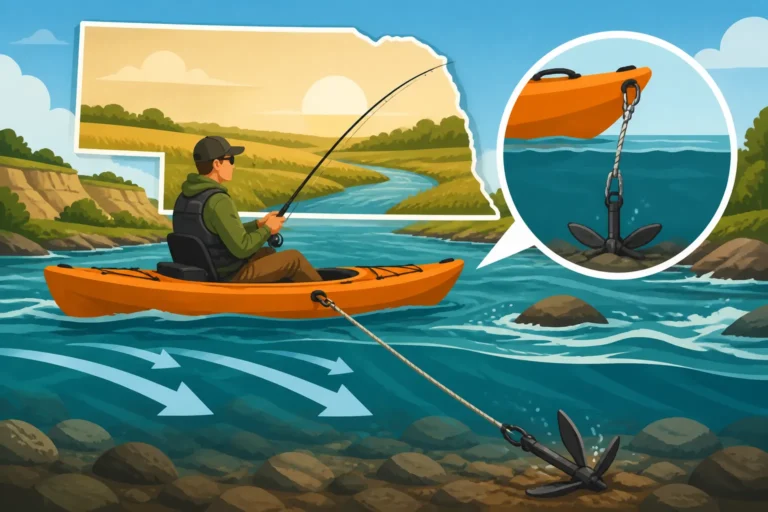
- Anchor System for Kayak: A small grapple anchor or a stake-out pole is key for holding position in current or wind, allowing you to effectively fish a spot.
- Waterproof Dry Bag: To keep your phone, keys, wallet, and other essentials dry.
- Compact Tackle Management: For kayak or bank fishing, you want to minimize bulk. A small tackle backpack or a few utility boxes are better than a huge tackle box. Only bring what you realistically expect to use.
- Rod Holders (Bank Fishing): Simple rod holders that stick into the ground allow you to set your rod down safely while waiting for a bite, especially helpful when targeting catfish or still fishing from shore.
- Longer Casting Rods: When bank fishing, longer rods (7-9 feet) can help you achieve greater casting distance, reaching deeper water or fish-holding structure further from shore. This is particularly useful in large reservoirs. Our article on How to Fish From Shore in Nebraska offers more insights here.
River and Wading Gear: Navigating Current Safely
Fishing Nebraska's rivers and streams often means getting wet and dealing with moving water. Proper gear ensures your safety and comfort.
- Waders and Wading Boots: If you plan to wade in rivers for smallmouth bass or trout, chest waders are essential to stay dry and warm. Pair them with sturdy wading boots that offer good grip on slippery rocks. Felt soles offer excellent traction but are banned in some areas due to aquatic invasive species concerns, so rubber soles with good lug patterns are a common choice.
- Wading Belt: Always wear a wading belt with chest waders. In the event of a fall, it helps prevent your waders from filling completely with water, which can be dangerous.
- Wading Staff: A collapsible wading staff provides crucial stability and helps you probe the bottom for deeper spots or slippery rocks, preventing falls in current.
- Backpack/Vest: A small, waterproof backpack or fishing vest allows you to carry essential tackle, water, and snacks while keeping your hands free for casting and wading.
- Forceps/Pliers with Lanyard: Keep these essential tools easily accessible on a lanyard or Zinger attached to your vest, so you're not fumbling when a fish needs to be unhooked.
Each of these specialized categories represents an investment, but they unlock new fishing opportunities and allow you to pursue your passion effectively, no matter the conditions or location in Nebraska.
Budgeting for Your Nebraska Fishing Gear
Let's be honest, fishing can sometimes feel like an expensive hobby. The sheer volume of gear available, from entry-level combos to high-end electronics, can make your head spin and your wallet weep. But here's the good news: you absolutely do not need to spend a fortune to get started or to enjoy successful fishing in Nebraska. It's all about smart choices, prioritizing, and knowing where to invest your money.
Getting Started on a Shoestring Budget
The beauty of fishing is its accessibility. You can literally start with a rod, a reel, some line, and a handful of hooks and weights.
- The Bare Minimum:
- Basic Spinning Combo: Look for an entry-level spinning rod and reel combo in the medium-light to medium action range (6-7 feet). Many reliable brands offer decent combos for a very reasonable price. These "starter kits" are perfectly capable of catching a wide variety of Nebraska fish. You can find excellent options at big box stores, sporting goods retailers like Bass Pro Shops, or online on Amazon.
- Monofilament Line: Spool your reel with 6-10 lb monofilament. It’s inexpensive and forgiving.
- Essential Terminal Tackle: A small assortment of hooks (sizes 6-1 for panfish and smaller catfish/bass), split shot weights, and a few barrel swivels.
- A Bag of Worms: Seriously, live nightcrawlers are the ultimate universal bait. You can buy them at any bait shop or even dig them yourself.
- Small Pliers: For hook removal.
- Focus on Versatility: Instead of buying specialized gear for every species, choose items that can do double duty. That medium-action spinning combo with 8 lb mono can catch bluegill, crappie, channel catfish, and largemouth bass.
- Utilize Sales and Used Gear: Keep an eye out for sales, especially at the end of fishing seasons. Check local online marketplaces or garage sales for used gear; you might find some hidden gems. Just make sure to inspect reels for smoothness and rods for cracks.
- Borrow or Share: If you're unsure if fishing is for you, ask a friend or family member if you can borrow their spare gear for a trip. This is a great way to try it out without any upfront cost.
Remember, the fish don't care how much your gear cost. They care about your presentation and if what you're offering looks enticing. A simple setup, fished correctly, will always outperform expensive gear fished poorly.
Smart Investments for Long-Term Enjoyment
As you get more serious about fishing, or if you already know it's a passion, there are certain areas where spending a little more upfront can significantly enhance your experience and even save you money in the long run due to durability and performance.
- Quality Rod and Reel: After you've mastered the basics, upgrading to a higher-quality rod and reel can be a game-changer.
- Rod: A more sensitive rod with a better blank material (like graphite) will allow you to feel subtle bites you might have missed before. A lighter, more balanced rod reduces fatigue during long casting sessions.
- Reel: A smoother reel with a better drag system means fewer tangles, longer casts, and more control when fighting a big fish. Better components also mean a longer lifespan. You don't need the absolute top-tier, but moving into the mid-range (often $100-$250 for a single rod or reel) offers a huge leap in performance.
- Comfortable PFD: If you spend any time on a boat or kayak, a comfortable, well-fitting Personal Flotation Device is a smart investment. You'll be more likely to wear it, and it could save your life.
- Polarized Sunglasses: Beyond sun protection, good polarized sunglasses cut glare off the water, allowing you to see submerged structure, detect fish, and even spot your line for subtle bites. This is a game-changer for sight fishing and general situational awareness.
- Dedicated Fish Finder (for boaters): While not cheap, a good fish finder (even an entry-level one) will save you countless hours of unproductive fishing by helping you locate structure and fish concentrations quickly. It's an investment in efficiency and success.
- Good Quality Net: A rubberized, robust landing net prevents lost fish and minimizes harm to fish you intend to release. It's one of those things you don't realize you need until you lose a trophy at the boat because you didn't have one.
Where to Find Good Deals and Quality Gear
Knowing where to shop can also help you stretch your budget and find exactly what you need.
- Sporting Goods Retailers: Stores like Bass Pro Shops are fantastic for a wide selection, knowledgeable staff, and the opportunity to physically handle rods, reels, and other gear before buying. They often have sales events, and their house brands can offer great value.
- Online Retailers: Websites like Amazon offer an immense selection, competitive pricing, and user reviews that can be incredibly helpful. Just be aware that you can't physically examine the gear before purchase, so read descriptions and reviews carefully.
- Local Bait and Tackle Shops: These often have a smaller inventory but are goldmines for local knowledge. The staff can tell you exactly what's biting, where, and with what bait or lure, saving you from buying unnecessary items. Supporting local shops is also a great way to give back to the fishing community.
- End-of-Season Sales: Many retailers clear out inventory at the end of the fishing season (fall/winter) to make way for new models. This is an excellent time to grab deals on rods, reels, and other accessories.
- Fishing Shows and Expos: While less frequent, regional fishing shows can offer special deals from vendors and are a great place to see new products and talk directly with manufacturers.
By balancing your initial budget with smart, long-term investments, you can build a fishing gear collection that will serve you well for years of enjoyment on Nebraska's diverse waters. Tight lines!
Disclaimer
This article is for general informational purposes only and does not constitute professional advice. Laws, prices and regulations vary by location and change over time. Consult a qualified professional for guidance on your specific situation.