How to Keep Fish Fresh Without a Cooler
There's nothing quite like the thrill of feeling that tug on your line, reeling in a beautiful catch from a Nebraska lake or river. But then, a moment of panic sets in for many anglers: you're out there, maybe fishing light, or you've found an unexpected hotspot, and you realize you don't have a traditional cooler to keep your hard-earned fish fresh. The thought of all that delicious meat spoiling before you get home is a real gut-punch. This comprehensive guide is all about equipping you with the knowledge and practical strategies to keep your fish fresh, even when that trusty ice chest is nowhere in sight.
Why Fish Spoil So Quickly and What You're Up Against
When a fish comes out of the water, a race against time begins. Understanding what causes fish to spoil is the first step in combating it, especially when you're without a cooler. It's not just about temperature; it's a combination of factors working against the freshness of your catch.
The Silent Killers: Heat, Bacteria, and Enzymes
The moment a fish is caught, its body temperature starts to rise, quickly matching the ambient air temperature. Heat is the number one enemy of fresh fish. Think of it like this: the warmer the fish, the faster the bad stuff happens. This "bad stuff" includes both bacterial growth and enzymatic activity. Bacteria, naturally present on the fish's skin and in its gut, multiply rapidly in warm conditions, breaking down the flesh and producing off-flavors and odors. Meanwhile, the fish's own enzymes, which were vital for life processes, begin to break down the flesh post-mortem, contributing to softening and textural changes. This process is unstoppable, but we can slow it down dramatically. Nebraska Fishing Seasons Explained touches on different times of year; remember, the warmer the season, the more critical these steps become.
The Critical "Golden Hour" Post-Catch
Just like with other fresh foods, fish have a "golden hour" – a critical window immediately after being caught where the actions you take can make all the difference in their final quality. If you let a fish flop around on a hot boat deck or bake in the sun for even a short while, you've already lost significant ground. The goal is to get the fish cooled down and cleaned as quickly as humanly possible. This isn't just about food safety; it's about preserving the delicate flavor and firm texture that makes freshly caught Nebraska fish such a culinary delight. Ignoring this window is like leaving an expensive steak out on the counter; it just invites trouble.
Avoiding Common Mistakes That Accelerate Spoilage
Many anglers, especially those new to the sport or just enjoying a casual outing, unwittingly make mistakes that speed up spoilage. One of the most common is simply letting the fish sit unaddressed. Piling fish into a bucket of warm lake water or leaving them on a stringer in sunny, shallow water offers little to no protection. Another mistake is delaying the cleaning process until you get home, thinking a few hours won't matter. In warm weather, those few hours can turn a firm, flaky fillet into a soft, mushy disappointment. Oxygen exposure also plays a role; simply leaving fish exposed to the air can lead to oxidation, which can give the flesh a "fishy" odor faster. Being aware of these pitfalls allows you to proactively safeguard your catch.
Mastering Field Dressing: Your Primary Tool for On-the-Go Freshness
Field dressing is the single most effective thing you can do to preserve your catch's quality when a cooler isn't an option. It removes the primary sources of spoilage – blood and gut contents – and allows the fish to cool down faster.
The Vital Step of Bleeding Your Catch
Bleeding a fish immediately after catching it is arguably the most crucial step for quality. Blood carries enzymes and bacteria that can quickly taint the flesh, giving it a strong, "fishy" flavor and reducing its shelf life. To bleed a fish, you need to quickly sever the main artery, usually located behind the gills or at the throat. A sharp knife or even a strong pair of scissors will do the trick. Once the cut is made, place the fish back into the water (if safe to do so) or hold it over the edge of the boat/bank, allowing the heart to pump out as much blood as possible. You'll see a distinct change in the water as the blood disperses. This can be done with nearly all game fish, from Nebraska Walleye Daily Bag Limit catches to substantial catfish. For quick work, you can find compact, sharp knives that are perfect for this task on platforms like Amazon or at your local Bass Pro Shops.
Proper Gutting and Cleaning in Remote Locations
After bleeding, gutting the fish is the next essential step. This removes the stomach, intestines, and other organs, which are hotbeds of bacteria and digestive enzymes. Without these removed, they continue to break down, contaminating the surrounding flesh.
Here’s a general approach for gutting in the field:
- Make the Incision: Lay the fish on its side or back. Carefully make a shallow cut along the belly from the anal vent up to the gills. Be shallow to avoid puncturing the intestines.
- Remove Organs: Open the cavity and reach in to pull out all the internal organs. Scrape along the backbone to ensure you remove the kidney line (a dark red line often found along the spine).
- Head On or Off? For most species, leaving the head on is fine for short-term preservation if you plan to fillet later. If space is extremely limited, removing the head can help.
This process is surprisingly quick once you get the hang of it and dramatically improves the freshness. Many anglers carry a small, dedicated Best Fillet Knives for Walleye and Catfish for this purpose.
Rinsing and Drying for Maximum Effect
Once bled and gutted, the fish cavity needs a good rinse. Remove any remaining blood, slime, or bits of organ matter. A clean stream, lake, or even a water bottle can provide the rinse. The goal is to get the cavity as clean as possible. However, the next step is often overlooked but just as important: drying. After rinsing, pat the cavity dry with a clean cloth, paper towel, or even some dry leaves if you're truly improvising. Moisture, especially standing water mixed with residual blood, creates an ideal environment for bacterial growth. A dry cavity is a much healthier cavity for your fish.
Practical Tips for Different Fish Species
While the core principles of bleeding and gutting apply broadly, there are some nuances depending on the fish you catch.
- Panfish (Crappie, Bluegill): These smaller fish are often kept whole or simply scaled and gutted. Their size means they cool quickly, but also spoil quickly if not handled. A quick bleed and gut are usually sufficient.
- Catfish: Nebraska Channel Catfish Daily Limit can be quite substantial. Catfish have tough skin, so bleeding might require a stronger knife. Gutting is straightforward. Many anglers skin catfish immediately, which further removes surface bacteria.
- Walleye and Bass: These are often filleted. Bleeding is especially important for preserving their mild flavor. Gutting them quickly is key before filleting later. Some anglers will just bleed and keep them whole until they can get to a proper cleaning station.
Regardless of species, the more quickly and thoroughly you perform these field dressing steps, the better the quality of your fish will be.
Creative Strategies for Temporary Preservation Without a Traditional Cooler
So, you've bled and gutted your fish. Now what? The challenge is to keep it cool and protected until you can get it home. This is where ingenuity and a bit of environmental awareness come into play.
Utilizing Natural Elements: Water, Shade, and Earth
Nature itself can offer some solutions.
- Deep, Cold Water: If you're fishing a deep lake or a cold river, and it's safe to do so, you can use a stringer or a mesh bag to keep your cleaned fish submerged in the coldest part of the water body. The deeper the water, the colder it often is. This acts like a natural refrigerator. Ensure the fish is secure and that it's permissible by Nebraska Fishing Regulations Explained. This works best in spring or fall when water temperatures are naturally cooler.
- Shade: Always keep your fish out of direct sunlight. Even if you don't have a cold water source, simply moving your catch to a shaded area – under a tree, a large rock, or even under your boat – can significantly slow down spoilage. Direct sun is a fish's worst enemy.
- Cool Earth: If you're on land and can't find cool water, sometimes burying the fish a foot or two deep in cool, damp soil can help. Ensure the fish is wrapped to keep dirt off, and mark the spot! This is a last-resort option, but the earth provides insulation that can be cooler than the air above, especially after the sun sets.
Improvised Wraps and Bags: Making Do with What You Have
Necessity is the mother of invention, and sometimes you just have to use what's available.
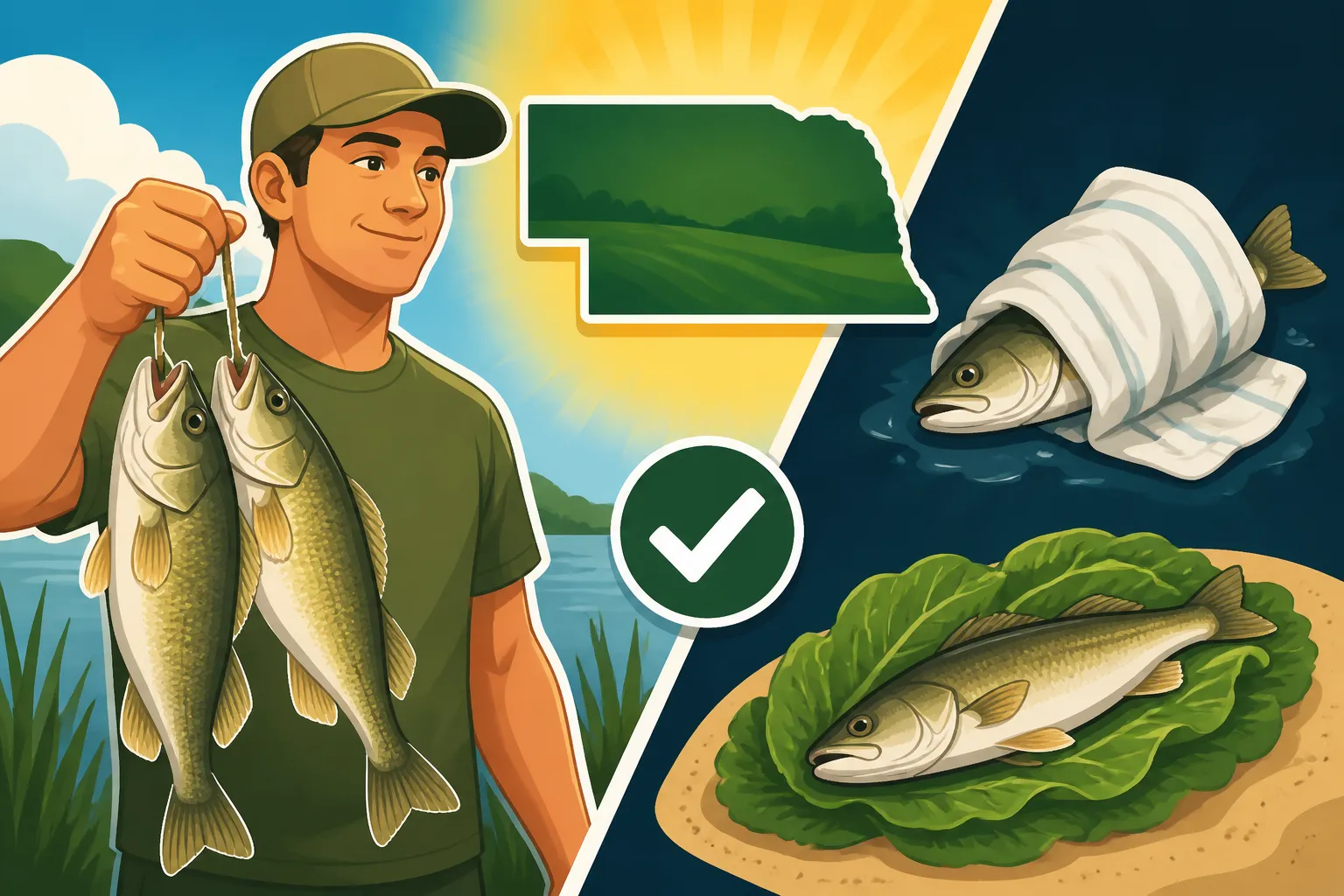
- Wet Rag/Towel Method: If you have a towel, shirt, or any absorbent cloth, wet it thoroughly in the coolest water available. Wrap your cleaned fish individually in the damp cloth. The evaporation will create a slight cooling effect, and the cloth provides insulation from direct sun and air. Keep re-wetting the cloth as it dries out. This can buy you a few crucial hours.
- Grass/Leaf Wrap: In a pinch, if you're in a natural setting, you can gather fresh, green grass or large, non-toxic leaves. Wrap your cleaned fish generously in these natural materials. The layers provide insulation, and if the grass or leaves are damp, they'll offer a minor cooling effect. This is a very rustic method, but it's better than nothing.
- Plastic Bags and Layers: If you have plastic grocery bags or trash bags, use them. After cleaning and drying, place individual fish into separate bags. Then, layer them within more bags. The multiple layers of plastic, while not cooling, can somewhat slow down temperature transfer from the outside and keep the fish cleaner. If you can, put some damp paper or cloth between the layers for a slight evaporative effect.
The Role of Salting or Brining in a Pinch
For very extended periods without a cooler, or if you're truly caught off guard and have a long journey home, salting or a rudimentary brine can offer temporary preservation. This isn't ideal for eating fresh later, as it will alter the fish's texture and flavor, but it can prevent total spoilage. If you happen to have a small bag of salt with you (perhaps for snacks), you could generously rub it over the cleaned fish. Salt draws out moisture and inhibits bacterial growth. A more formal brine, if you could mix one with available water and salt, would be even better, but this requires more planning and supplies. Generally, for short trips home, the other methods are preferable for maintaining eating quality.
Short-Term Preservation and Transport Strategies
Once your fish are field dressed and temporarily stored, the next challenge is getting them from the fishing spot to your kitchen without losing that hard-won freshness.
Planning for the Journey Home
Even without a cooler, you can optimize your transport.
- Time is of the Essence: The moment you decide to leave the fishing spot, prioritize getting home. Avoid unnecessary stops, especially in warm weather.
- Vehicle Placement: Never place fish in direct sunlight inside your vehicle, like on the dashboard or exposed in the trunk. The interior of a car can become incredibly hot, quickly turning your efforts to naught. The coolest place is usually on the floorboard of the passenger compartment, especially if your air conditioning is running. If you have a shaded spot in the trunk or under other gear, use it.
- Insulation (Improvised): If you have blankets, jackets, or even old newspapers, you can use these to create improvised insulation around your wrapped fish. While they won't add cold, they will slow down the transfer of heat from the warmer environment into your fish. Think of it like trying to keep something warm; insulation works both ways.
- Keep it Clean: Use plastic bags to contain your wrapped fish to prevent any drips or odors in your vehicle. A simple garbage bag can be a lifesaver here, keeping your car smelling fresh even if your fish aren't chilled to perfection.
This journey is the final sprint, and every minute counts. The goal is to minimize further temperature increases until proper refrigeration can be applied.
When to Release: Recognizing Limits and Making Ethical Choices
Sometimes, despite your best efforts and all the knowledge in the world, the conditions are just too challenging to keep fish fresh without a cooler. The sun is blazing, you have a long drive, and you're truly unprepared. In such situations, it's an ethical choice to practice Catch and Release Best Practices in Nebraska. If you honestly cannot keep the fish in a condition that you would be happy to eat, it's far better to release it carefully than to allow it to spoil and go to waste. Always assess your ability to preserve the fish before deciding to keep it. This not only respects the resource but also ensures you're only consuming fish that are truly at their best.
Essential Gear for Cooler-Free Freshness (Beyond the Cooler Itself)
While this guide focuses on "without a cooler," having a few key pieces of compact, multi-purpose gear can make all the difference in your success. These are items that are easy to carry, even if you're going minimalist.
Compact Tools for Efficient Field Dressing
You don't need a full tackle box to be prepared for field dressing.
- Sharp Knife: A small, sharp fillet knife or a sturdy pocket knife is indispensable. It's used for bleeding, gutting, and potentially filleting on the spot. Look for one with a sheath for safety. You can find excellent, compact options on Amazon or at Bass Pro Shops that are specifically designed for anglers.
- Small Cutting Board/Surface: While not strictly essential, a small, flexible cutting board (or even a flat rock if cleaned well) provides a clean surface for cleaning and keeps your knife sharp longer. Some anglers use a dedicated fishing towel or a piece of heavy-duty plastic sheeting for this purpose.
- Wipes or Small Towel: For cleaning your hands and the fish cavity, a small pack of biodegradable wet wipes or a quick-drying microfiber towel is invaluable. Remember to pack out anything you pack in.
These items are lightweight, easily stowed, and crucial for effective field dressing, even on a spur-of-the-moment trip.
Smart Alternatives for Short-Term Transport
If you frequently find yourself without a cooler, or intentionally go light, investing in some smart, portable alternatives can make life much easier.
- Soft-Sided Insulated Bags: These are not hard-sided coolers, but rather lightweight, foldable bags with insulation. While they won't keep ice for days, they can significantly extend the freshness of field-dressed fish for several hours, especially if you can add a small, frozen water bottle. Brands like Yeti, RTIC, or even more budget-friendly options found on Amazon offer these.
- Dry Bags: Originally designed for kayaking or backpacking, a dry bag can serve multiple purposes. It keeps your gear dry, but also, if you've field-dressed your fish and wrapped it, placing it in a dry bag can help contain any moisture or odor and offer a layer of insulation against the elements.
- Game Bags/Mesh Sacks: For times when you can submerge fish in cool water (where legal and safe), a sturdy mesh game bag can keep your fish contained and protected from scavengers while allowing water to circulate.
Water Bottles and Ice Packs (DIY)
Even without a dedicated cooler, you might be able to introduce some cold.
- Frozen Water Bottles: If you remember to do it, freezing a couple of water bottles before you leave can provide portable "ice packs" that double as drinking water later. These can be placed directly with your field-dressed, wrapped fish in a soft-sided bag or even a backpack.
- Instant Cold Packs: Small, disposable instant cold packs, often found in first-aid kits, can offer a temporary burst of cold. While not long-lasting, they can be a lifesaver for a short period of intense heat.
Here's a quick comparison of makeshift methods:
| Method | Pros | Cons | Ideal Scenario |
|---|---|---|---|
| Field Dressing | Most effective initial step, removes spoilage sources, aids cooling | Requires a knife, can be messy | Always do this if keeping fish |
| Deep, Cold Water | Excellent cooling, natural | Requires suitable water body, secure stringer/bag, not always safe/legal | Cool lakes/rivers, short-term holding |
| Shade/Cover | Simple, accessible everywhere | No active cooling, only slows heat gain | Any situation, always combine with other methods |
| Wet Rag/Cloth Wrap | Provides evaporative cooling, insulation | Needs re-wetting, limited cooling power, can get dirty | Moderate temperatures, short transport, need quick solution |
| Grass/Leaf Wrap | Natural insulation | Minimal cooling, may transfer flavors, primitive | Remote areas, absolute last resort |
| Soft-Sided Bag/Dry Bag | Better insulation than simple wrap, contains mess | Still relies on ambient temp, no active cooling (unless w/ ice pack) | Short trips, minimalist gear, can add DIY ice packs |
Disclaimer
This article is for general informational purposes only and does not constitute professional advice. Laws, prices and regulations vary by location and change over time. Consult a qualified professional for guidance on your specific situation.