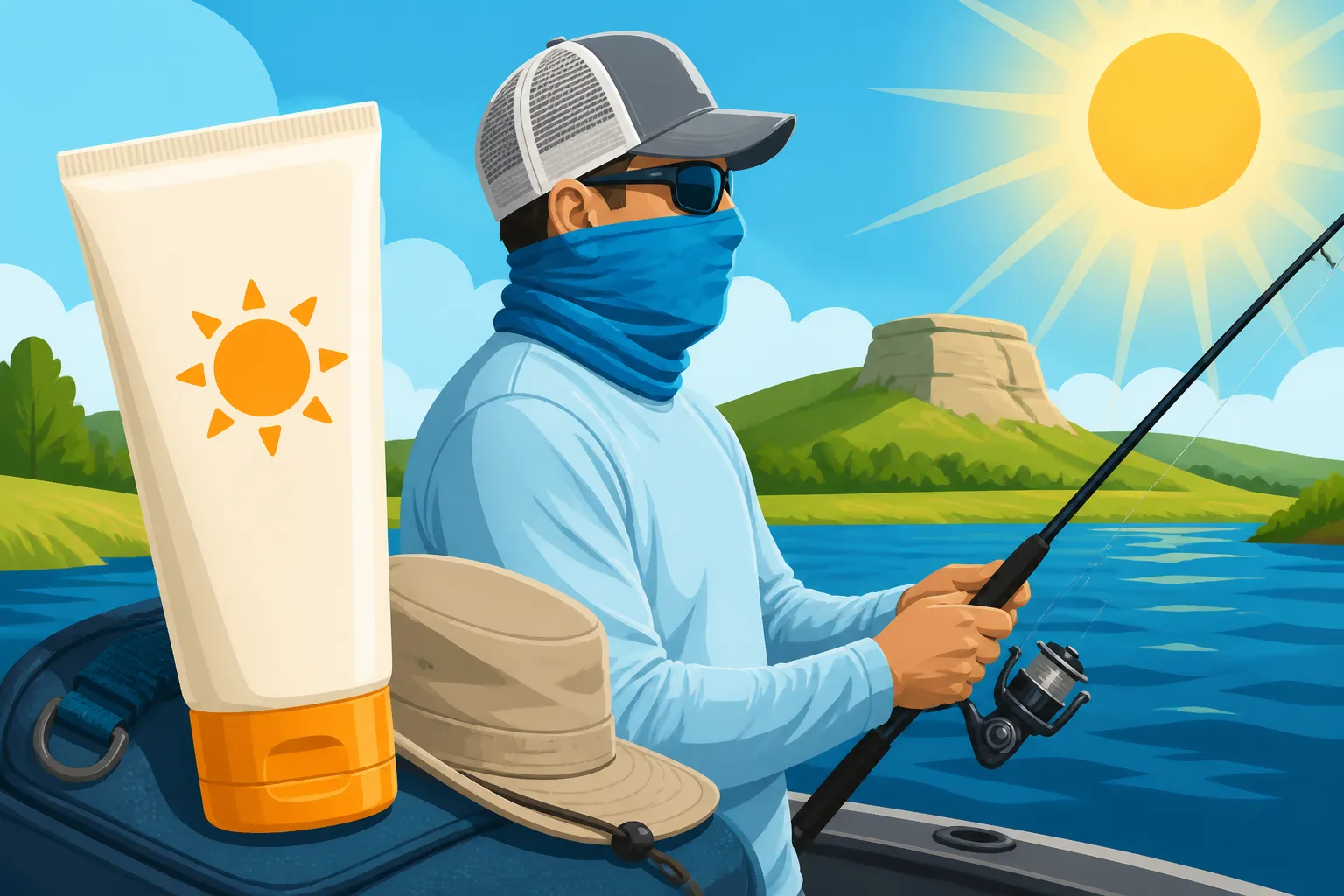
Best Sunscreen for a Full Day on the Water
There's nothing quite like spending a glorious, long day out on the water, rod in hand, waiting for that tell-tale tug. We Nebraskans know the magic of our lakes and rivers, from the sprawling expanse of Lake McConaughy to the quiet bends of the Platte River. But that very sunshine that warms our shoulders and sparkles on the waves can also be a sneaky foe, leading to painful sunburns, premature skin aging, and even more serious health concerns if you're not careful. This comprehensive guide is here to equip you with the knowledge to choose the absolute best sunscreen, ensuring your fishing adventures are remembered for the big catches, not the big burns.
Why Sunscreen is Non-Negotiable for Nebraska Anglers
Many anglers, myself included, have learned the hard way that a little sun goes a long way, especially on the water. It’s not just about avoiding a temporary red face; it’s about protecting your skin for countless future trips. Ignoring sun protection can turn a fantastic day of Walleye Fishing in Nebraska into a miserable experience, cutting your time short and leaving you in discomfort.
The Double Whammy: Sun and Water Reflection
When you're out fishing, you're not just getting hit by the sun's rays from above; you're also getting them reflected off the water's surface. This creates a "double whammy" of UV exposure that can be incredibly intense. Think about it: a bright day on Lewis and Clark Lake Fishing Guide or when you're exploring the quiet spots in Best Fishing Spots Near Lincoln means constant exposure. The water acts like a giant mirror, bouncing those harmful UVA and UVB rays right back at you, often hitting areas like your chin, neck, and the underside of your arms that might otherwise be partially shaded.
This amplified exposure means that a casual hour outside feels more like two or three in terms of UV impact. The immediate result is often a nasty sunburn, characterized by redness, pain, and blistering. Beyond the immediate discomfort, this cumulative exposure significantly increases your risk of long-term skin damage, including wrinkles, sunspots, and, most critically, various forms of skin cancer. As dedicated anglers, we spend a lot of time outdoors, so understanding and mitigating this reflective effect is paramount to our health and continued enjoyment of the sport.
Beyond the Burn: Other Sun-Related Woes
While sunburn is the most obvious consequence of too much sun, the dangers extend far beyond just reddened skin. Prolonged exposure, especially without adequate hydration, can lead to sun sickness or heat exhaustion. You might experience dizziness, nausea, headaches, or extreme fatigue, which are not only unpleasant but can be downright dangerous when you're on a boat or far from immediate assistance. Imagine reeling in a massive Nebraska Flathead Catfish Fishing only to feel lightheaded and unable to fully enjoy the moment or safely handle your catch.
Then there's the impact on your eyes. Intense glare off the water can cause significant eye strain, leading to headaches and making it harder to spot fish or navigate. This is why good polarized sunglasses are often considered just as essential as sunscreen. Over time, consistent UV exposure to the eyes can contribute to cataracts and other vision problems. By taking a holistic approach to sun protection, including quality sunscreen, protective clothing, and eyewear, you ensure that every part of your body is ready for the rigors and joys of a full day of Nebraska Fishing.
Key Factors in Choosing Your Fishing Sunscreen
Selecting the right sunscreen isn't just about grabbing the first bottle you see. For a full day on the water, specific features make a big difference in how effectively you're protected and how comfortable you feel.
SPF Ratings: What Do They Really Mean?
SPF stands for Sun Protection Factor, and it's a measure of how well a sunscreen will protect your skin from UVB rays, which are the primary cause of sunburn. Here's a quick breakdown:
- SPF 15: Blocks about 93% of UVB rays.
- SPF 30: Blocks about 97% of UVB rays.
- SPF 50: Blocks about 98% of UVB rays.
- SPF 100: Blocks about 99% of UVB rays.
As you can see, the difference between SPF 30 and SPF 50 is minimal in terms of raw percentage, though every little bit helps when you're spending hours on the water. What's more important than chasing the highest number is ensuring your sunscreen is labeled "broad-spectrum." This means it protects against both UVB and UVA rays. UVA rays are responsible for premature aging and contribute to skin cancer, even if they don't cause immediate sunburn. For Nebraska anglers, especially those dedicating entire days to Lake McConaughy Walleye Fishing or Merritt Reservoir Trout Fishing, aiming for at least an SPF 30 broad-spectrum sunscreen is a smart minimum, with SPF 50 or higher being even better for prolonged exposure. Remember, higher SPF doesn't mean you can apply less or less frequently; it just gives you slightly more protection if applied correctly.
Water Resistance: Your Best Friend on the Boat
This is perhaps one of the most critical factors for any angler. We sweat, we get splashed, we might even take a dip if the day gets too hot or a fish puts up an epic fight. A regular sunscreen will wash off quickly, leaving you vulnerable. Water-resistant sunscreens are specifically formulated to maintain their SPF efficacy for a certain period, even when exposed to water or sweat.
You'll typically see two ratings: "Water Resistant (40 minutes)" or "Very Water Resistant (80 minutes)." For a full day on the water, aiming for the "80 minutes" rating is highly recommended. This doesn't mean you're good for 80 minutes and then done for the day; it means the product retains its SPF level for that duration while you're swimming or sweating. After that time, or immediately after towel drying, you absolutely need to reapply to ensure continuous protection. Don't fall into the trap of thinking "waterproof" means "apply once and forget." Even the most robust formulas need regular reapplication, especially if you're battling big Nebraska Bass Length Limits all day or frequently handling fish.
Chemical vs. Mineral: Understanding the Types
When you pick up a bottle of sunscreen, you'll generally find two main types of active ingredients: chemical or mineral. Each works differently and has its own set of pros and cons for the discerning angler.
Chemical Sunscreens
Chemical sunscreens work by absorbing UV rays as they hit your skin, converting them into heat, and then releasing that heat from the skin. Common active ingredients include oxybenzone, avobenzone, octinoxate, and octisalate.
- Pros: They tend to be lighter, absorb easily into the skin, and typically don't leave a white cast. Many are formulated to be very water-resistant and spread smoothly, which is great for quick application when you're focused on your fishing.
- Cons: They need about 20-30 minutes to fully activate on your skin before sun exposure. Some people with sensitive skin might experience irritation, and there have been ongoing discussions about the potential environmental impact of certain chemical ingredients (like oxybenzone and octinoxate) on marine ecosystems. While Nebraska is landlocked, many anglers are conscious of environmental impact everywhere, and some might prefer to avoid these ingredients.
Mineral Sunscreens
Mineral sunscreens, also known as physical blockers, create a physical barrier on the surface of your skin that reflects UV rays away. The active ingredients are typically zinc oxide and titanium dioxide.
- Pros: They offer immediate protection upon application, as they don't need time to be absorbed. They are generally considered gentler on sensitive skin and are often recommended by dermatologists for children and people with skin allergies. They are also widely recognized as "reef-safe" options, a bonus for those concerned about broader environmental impact.
- Cons: Historically, mineral sunscreens have been thicker and often leave a visible white cast on the skin, which can be a turn-off for some. However, formulations have improved dramatically, with many micronized zinc and titanium oxide options blending much more smoothly. They can sometimes feel a bit heavier on the skin, which might be a factor on very hot, humid days.
Application Format and Feel
The way a sunscreen applies and feels on your skin can significantly impact how consistently you use it.
- Lotions/Creams: These are the most traditional form and offer the most reliable coverage if applied generously and rubbed in thoroughly. They're great for ensuring every inch of exposed skin is covered. The downside is they can be greasy, and if you have fish slime on your hands, you might not want to be digging into a tube. Look for non-greasy or "dry-touch" formulas.
- Sprays: Aerosol sprays are fantastic for quick, even coverage, especially on hard-to-reach areas like your back or legs. They're super convenient for reapplication when you're busy with Nebraska White Bass Spring Run action. However, it's easy to miss spots, and wind can carry away the product before it even reaches your skin. Always spray generously and try to rub it in after application to ensure full coverage.
- Sticks: Sunscreen sticks are perfect for facial areas, ears, nose, and lips. They provide a thick, targeted layer of protection and are generally less messy. They’re excellent for anglers who might want to touch up specific high-exposure areas without getting their hands covered in lotion. Their compact size makes them easy to tuck into a tackle box or pocket for quick access.
- Gels: While less common, some sunscreens come in gel form. These often absorb very quickly and can have a non-greasy feel, making them a good option for anglers who dislike the sticky residue of some lotions.
The best format for you often comes down to personal preference and what you'll realistically use consistently throughout your fishing day.
Top Sunscreen Recommendations for Nebraska Anglers
With so many choices out there, it can feel a bit overwhelming to pick the right sunscreen. However, focusing on specific features geared towards outdoor activity will help narrow it down significantly. You want something robust enough to stand up to the elements of a Nebraska fishing trip, whether you're at Branched Oak Lake Fishing Guide or wading the Elkhorn River Fishing.
High-Performance Lotions for Serious Protection
When you're committing to a full day of fishing, a high-performance lotion is often your best bet for foundational coverage. Look for formulas with SPF 50 or higher and an 80-minute water resistance rating. These typically offer comprehensive broad-spectrum protection, meaning they shield you from both UVA and UVB rays. Many brands specializing in outdoor sports gear, which you can often find at retailers like Bass Pro Shops or browse through on Amazon, will have formulations designed for extended exposure to sun and sweat.
These lotions are engineered to be durable, often using advanced polymer technologies that help them adhere to your skin despite moisture. While some might feel a bit thicker initially, many modern options dry to a non-greasy, "dry-touch" finish that won't make you feel slimy. Brands like Neutrogena Sport Face, Banana Boat Sport Performance, or Blue Lizard Australian Sunscreen are frequently praised by outdoor enthusiasts for their staying power. Applying a generous amount before you even leave the house ensures you're protected from the moment you hit the boat ramp or shoreline.
Convenient Sprays and Sticks for Easy Reapplication
Let's be real: sometimes when the Nebraska Walleye Bag Limits are being met, or you're fighting a feisty Nebraska largemouth bass, stopping to meticulously rub in lotion isn't high on your priority list. That's where sprays and sticks really shine for convenience.
Sunscreen sprays, like those from Coppertone Sport or Hawaiian Tropic Sport, allow for quick application over large areas. They are fantastic for reapplying to your arms, legs, or torso without interrupting your fishing flow too much. Just remember the spray technique: hold the can close to your skin (about 4-6 inches) and spray until a visible sheen appears, then rub it in if possible to ensure even coverage. Don't just mist it in the air and hope for the best – especially on a windy Nebraska day. For targeted protection, especially for your face, ears, nose, and neck, sunscreen sticks are invaluable. Brands like EltaMD UV Stick or Shiseido Ultimate Sun Protector Lotion & Stick Sunscreen offer convenient, mess-free application. They're perfect for keeping in your tackle bag, right next to your pliers and spare hooks, ready for a quick swipe whenever you feel the sun intensifying. These formats are especially useful when you're trying to keep your hands clean for baiting or tying knots.
Reef-Safe (Mineral) Options for Conscious Anglers
While Nebraska might be thousands of miles from any coral reef, the principles of environmental stewardship resonate deeply with many anglers who care about the health of our local waters. Mineral-based sunscreens, primarily using zinc oxide and titanium dioxide, are often labeled "reef-safe" because they don't contain oxybenzone or octinoxate, which have been linked to coral bleaching in marine environments. Choosing these options demonstrates a commitment to reducing your chemical footprint, even in freshwater ecosystems.
Beyond the environmental aspect, mineral sunscreens are also excellent for anglers with sensitive skin. Since they create a physical barrier rather than being absorbed, they are less likely to cause irritation or allergic reactions. Modern mineral formulations from brands like Thinksport, Badger Balm, or Blue Lizard have vastly improved their texture, offering less of a white cast and smoother application than their predecessors. You might find a wider selection of these specialized brands online through Amazon, but many local outdoor stores or health-conscious retailers are starting to carry them too. Opting for a mineral sunscreen means you're not only protecting your skin but also making a thoughtful choice for the aquatic environments you cherish.
Here's a quick comparison of common sunscreen types and formats:
| Sunscreen Type / Format | Pros for Anglers | Cons for Anglers | Best Use Case |
|---|---|---|---|
| Chemical Lotion | Easy to spread, non-greasy options, good water resistance | Needs 20-30 min pre-exposure, some ingredients might be concerning | Base layer, full body coverage before hitting the water |
| Mineral Lotion | Immediate protection, gentle on skin, reef-safe | Can be thicker, may leave white cast (improving) | Sensitive skin, environmentally conscious anglers |
| Spray (Aerosol) | Quick, easy reapplication, covers large areas quickly | Easy to miss spots, vulnerable to wind, less precise coverage | Full body reapplication during active fishing |
| Stick | Targeted application, mess-free, portable | Small coverage area, can feel thick | Face, ears, neck, quick touch-ups on high-exposure areas |
Maximizing Your Sun Protection Strategy
Sunscreen is a powerful tool, but it's just one part of a comprehensive sun protection strategy. To truly safeguard yourself during those long, enjoyable days fishing in Nebraska, you need a multi-layered approach.
The Golden Rules of Sunscreen Application
Applying sunscreen isn't a "one-and-done" deal, especially when you're battling the elements on a Nebraska lake or river. Proper application is crucial for its effectiveness.
- Apply Before Exposure: This is critical, especially for chemical sunscreens. Aim to apply it about 20-30 minutes before you step out into the sun. This gives chemical filters time to absorb into your skin and start working. Mineral sunscreens provide immediate protection, but applying beforehand ensures you don't forget it in the rush of launching your boat or getting your gear ready.
- Use Enough: Most people don't use nearly enough sunscreen. A good rule of thumb for your entire body (if you're in a swimsuit) is about a shot glass full. For exposed areas like arms, legs, face, and neck while fishing, use enough to create a visible layer, then rub it in until it disappears (for chemical) or blends in (for mineral). Skimping reduces the advertised SPF significantly.
- Reapply Frequently: This is non-negotiable for anglers. Even "80-minute water-resistant" formulas aren't magic. Reapply every two hours, or more often if you're sweating heavily, splashing a lot, or after towel drying. Set an alarm on your phone if you need a reminder! You don't want to get caught off guard, especially after a successful session reeling in Nebraska Crappie Bag Limits or when the Nebraska Trout Season Dates have you focused on the fight.
- Don't Forget Overlooked Spots: We've all been there: a perfectly protected face, but painfully burnt ears, neck, hands, or even the tops of our feet. These areas are just as vulnerable and often exposed while fishing. Use a stick for your ears and nose, and make sure your hands and the back of your neck get a good coat. Your lips need protection too; look for a lip balm with SPF.
Beyond Sunscreen: A Multi-Layered Approach
Relying solely on sunscreen, even the best kind, is like trying to catch a big Nebraska Trophy Bass Lakes fish with just a hook and no line. You need a complete system.
- Protective Clothing: This is perhaps the most underrated form of sun protection. Invest in lightweight, long-sleeved fishing shirts made from UPF (Ultraviolet Protection Factor) fabric. These fabrics are specifically designed to block UV rays and often have ratings like UPF 30, 50, or even 50+. A UPF 50 shirt is equivalent to wearing SPF 50 sunscreen on the covered skin, and it won't wash off! A wide-brimmed hat is also essential, offering shade to your face, ears, and neck, far more effectively than a baseball cap. Many anglers also use buffs or neck gaiters, which can be pulled up over the face and neck for complete coverage. Retailers like Bass Pro Shops offer a huge selection of UPF clothing specifically for anglers.
- Polarized Sunglasses: While not directly for skin protection, quality polarized sunglasses are critical for eye health and comfort. They reduce glare off the water, helping you see better and reducing eye strain, which can prevent headaches and fatigue. Look for sunglasses that block 99-100% of UVA and UVB rays.
- Seek Shade: When the sun is at its peak, typically between 10 AM and 4 PM, UV radiation is most intense. If possible, try to find some shade during these hours. This might mean positioning your boat under a bridge (if safe and legal), pulling up to a shaded bank, or even taking a break in your vehicle for a bit. Every little bit of shade helps reduce your overall exposure.
- Hydration: While not sun protection in itself, staying well-hydrated helps your body regulate temperature and cope with heat stress, which is often compounded by sun exposure. Bring plenty of water and drink it consistently throughout the day, especially if you're out on a large reservoir like Harlan County Reservoir Fishing or spending time at Fremont Lakes State Recreation Area Fishing.
When to Be Extra Vigilant
Certain conditions and times call for even greater diligence with your sun protection.
- Peak Sun Hours: As mentioned, 10 AM to 4 PM are the riskiest times. If you have flexibility, plan your most intense fishing activity outside of these hours. Early mornings and late evenings are often excellent fishing times anyway, and the sun is less harsh.
- Cloudy Days: Don't let clouds fool you! Up to 80% of UV rays can penetrate clouds. Many severe sunburns happen on overcast days because people assume they're safe. Treat a cloudy day just like a sunny one when it comes to protection.
- Reflective Environments: Water is highly reflective, but so is sand (if you're bank fishing on a sandy beach) and, critically, snow and ice. If you're venturing out for Nebraska Ice Fishing Regulations, the snow and ice can reflect nearly 80% of the sun's rays, making sun protection even more crucial than in summer. Think about how many times you hear about skiers getting sunburned in winter – it's the same principle for ice anglers.
- High Altitude: While Nebraska isn't known for towering mountains, even a slightly higher elevation can mean more intense UV exposure due to less atmospheric filtering. This is less of a concern for most Nebraska anglers, but it's a good general principle to keep in mind if your fishing travels take you elsewhere.
By adopting a comprehensive sun protection strategy, combining high-quality sunscreen with protective clothing and smart practices, you can enjoy your time on Nebraska's beautiful waters without risking your health. This way, your focus can stay where it belongs: on the next bite and the tranquility of the great outdoors.
Disclaimer
This article is for general informational purposes only and does not constitute professional advice. Laws, prices and regulations vary by location and change over time. Consult a qualified professional for guidance on your specific situation.