Nebraska Catfish Bag Limits
It's easy to get tangled up in the ever-changing rules of fishing, and knowing the specific bag limits for catfish in Nebraska can feel like trying to solve a puzzle. You’re out there, enjoying a peaceful day on the water, and suddenly you land a few magnificent whiskered warriors. The excitement is real, but then the nagging question hits: "How many can I actually keep?" It’s a common frustration, and one that could lead to trouble if you don't have the right information. This comprehensive guide will untangle the complexities of Nebraska catfish bag limits, ensuring you understand the regulations, protect our fisheries, and enjoy your time on the water without worry.
Demystifying Nebraska's Catfish Regulations
Understanding fishing regulations might seem like a chore, but it's fundamentally about protecting the incredible fishing opportunities we have here in Nebraska. The rules aren't designed to make things difficult; they're thoughtfully put in place to ensure healthy fish populations for everyone, today and tomorrow.
The Guiding Hand: Nebraska Game and Parks Commission (NGP)
The Nebraska Game and Parks Commission (NGP) is the ultimate authority when it comes to setting and enforcing fishing regulations across our state. They don't just pull these numbers out of thin air; their decisions are based on extensive scientific research, biological surveys, and a deep understanding of fish ecology. Biologists regularly assess catfish populations in various lakes and rivers, monitoring their health, reproduction rates, and growth patterns. This data, combined with input from anglers and conservationists, helps the NGP create limits that strike a balance between allowing anglers to harvest fish and ensuring the long-term sustainability of the species. It's a dynamic process, meaning regulations can change based on environmental factors, population trends, or management goals.
Think of them as the custodians of our aquatic ecosystems. Their work ensures that the next generation of anglers will still be able to enjoy landing a big channel cat or battling a flathead in the Missouri River. Without their diligent oversight, overharvesting could quickly deplete these valuable resources, leading to a decline in both fish numbers and size.
Navigating Statewide vs. Special Area Rules
One of the most crucial things to grasp is that while many catfish regulations apply statewide, certain bodies of water in Nebraska have their own special rules. These localized regulations are often implemented for very specific reasons, such as managing a trophy fishery, aiding in the recovery of a struggling population, or addressing unique environmental conditions. For instance, a particular lake might have a slot limit on flathead catfish, meaning you can only keep fish within a certain size range, or perhaps a lower daily bag limit for channel catfish compared to the general statewide rule.
It's easy to overlook these special regulations if you're not careful. You might assume the general rules apply everywhere, only to find out later that your favorite local pond has a unique set of guidelines. This is why always checking the most current Nebraska Fishing Regulations Explained is absolutely essential, especially if you're heading to a new spot or haven't fished a particular area in a while. These special area rules are typically highlighted in the official NGP fishing guide or posted prominently at boat ramps and access points, so keep your eyes peeled.
Deciphering Specific Catfish Bag Limits Across Nebraska
Nebraska is home to several species of catfish, and while they share that distinct whiskered look, their regulations can differ. Knowing the specific rules for channel, flathead, and any other catfish species you might encounter is key to a responsible and legal fishing trip.
Channel Catfish: The Widespread Favorite
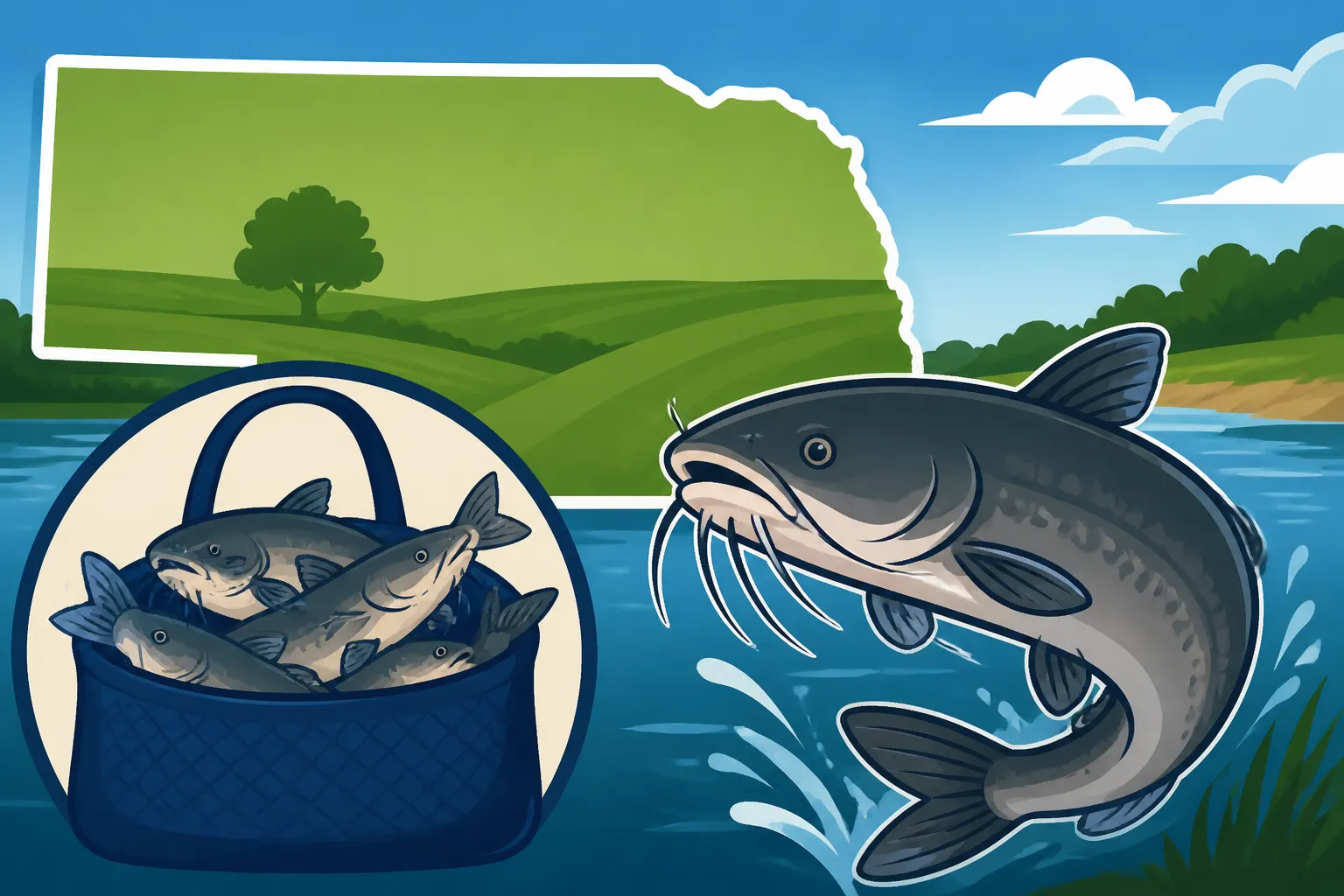
Channel catfish are undoubtedly Nebraska's most popular catfish species, found in almost every major river system and reservoir. For good reason, too—they're abundant, fight hard, and are fantastic table fare! The statewide daily bag limit for channel catfish is generally ten fish, with a possession limit of twenty. Now, let's break down what those terms really mean, because this is where many anglers get confused.
The "daily bag limit" refers to the maximum number of fish of a particular species you can legally harvest and keep in a single day, from midnight to midnight. So, if you go out fishing on Monday and catch your ten channel cats, that's your limit for that day. The "possession limit" is the total number of fish you can have in your possession at any given time, whether they're in your cooler, in your freezer at home, or on your stringer. In most cases, the possession limit is twice the daily bag limit. This means if you fish for two days and keep your daily limit each day, you'd be at your possession limit of twenty fish. However, you couldn't then go out on a third day and keep more until some of those fish have been consumed or gifted. Always remember to check the Nebraska Channel Catfish Daily Limit for the most up-to-date information, as these numbers can occasionally be adjusted by the NGP based on population assessments.
Flathead Catfish: The River Monsters
Flathead catfish are a different beast altogether. These big, solitary predators often inhabit deeper holes and woody cover in our rivers and larger reservoirs, and they're prized for their immense size and incredible fighting power. Because they grow slower and tend to be less abundant than channel cats, flathead catfish often have more restrictive bag limits to protect the population of large, breeding adults. The general statewide daily bag limit for flathead catfish is typically five fish, with a possession limit of ten.
Unlike channel cats, flatheads sometimes also come with specific length limits or slot limits in certain waters. For example, a particular lake might have a minimum length requirement, meaning any flathead shorter than, say, 18 inches, must be immediately released. Or, you might encounter a slot limit, where fish between a certain size (e.g., 20-30 inches) must be released, but you can keep those under 20 or over 30 inches. These specific regulations are designed to protect the middle-aged breeding fish that are vital for the species' future. It's not always a straightforward "Does Nebraska Have a Size Limit on Catfish?" question; it depends on the species and the specific body of water you're fishing.
Blue Catfish and Other Catfish Species
While not as widespread as channel and flathead catfish, blue catfish are also found in Nebraska, primarily in the Missouri River and its larger tributaries. Blue cats can grow to truly enormous sizes, rivaling the largest flatheads, and are a serious target for trophy anglers. Given their more limited distribution and potential for large size, blue catfish often have their own specific bag limits, which can sometimes be even more restrictive than flatheads. Historically, their limits have been similar to flatheads (e.g., five daily, ten possession), but it's crucial to consult the current NGP regulations, especially if you're targeting these giants.
Beyond the main three, you might occasionally encounter other smaller catfish species like bullheads (black, yellow, and brown). Generally, bullheads do not have specific statewide bag limits and fall under general panfish regulations, but this is another area where consulting the official guide is best. The key takeaway here is accurate fish identification; ensure you know what you've caught before deciding whether to keep it. If you're unsure about identifying different species, resources like the Nebraska Fish Species Identification Guide can be incredibly helpful, even a quick search on your phone could save you a headache.
Border Water Peculiarities: Missouri River
Fishing along the Missouri River presents a unique regulatory challenge, as it often forms the border between Nebraska and neighboring states like Iowa, Missouri, and South Dakota. These "border waters" often have reciprocal agreements or specific rules that can differ from the regulations of Nebraska's inland waters. It's a common point of confusion: if you have a Nebraska license, can you fish from the Iowa bank, or vice-versa?
Typically, if you possess a valid fishing license from either Nebraska or an adjacent border state (Iowa, Missouri, South Dakota) with which Nebraska has a reciprocal agreement, you can legally fish the shared waters of the Missouri River. However, this reciprocity usually applies only to the license requirement, not always to the bag limits or size restrictions. For instance, while your Nebraska license might be valid, you might still be subject to Iowa's catfish limits if you're primarily fishing closer to their bank or launching from their side. To avoid any potential issues, it is paramount to be familiar with the Missouri River Border Water Fishing License Rules and, more importantly, to know the regulations of both states that share the stretch of river you're fishing. The safest approach is often to adhere to the more restrictive of the two states' regulations to ensure you're always in compliance, no matter which side of the invisible line you might drift.
| Catfish Species | General Statewide Daily Bag Limit | General Statewide Possession Limit | Special Notes |
|---|---|---|---|
| Channel Catfish | 10 fish | 20 fish | Subject to specific lake/river regulations. |
| Flathead Catfish | 5 fish | 10 fish | May have minimum or slot length limits in certain waters. |
| Blue Catfish | 5 fish | 10 fish | Primarily found in the Missouri River system; check specific regulations. |
| Bullheads | No specific statewide limit | No specific statewide limit | Typically fall under general panfish rules. |
Note: These are general statewide limits. Always consult the current Nebraska Game and Parks Commission Fishing Guide for the most accurate and up-to-date regulations for specific water bodies.
The 'Why' Behind the Limits: Conservation and Future Fishing
Sometimes, when you're just trying to enjoy a day of fishing, regulations can feel like an inconvenience. But truly, they are the bedrock of maintaining the vibrant ecosystems that make Nebraska fishing so special. Every bag limit, every size restriction, is a carefully considered step towards a larger goal.
Protecting Catfish Populations from Overharvest
Imagine if there were no limits. Anglers, with the best intentions, might take more fish than the population could sustain. Catfish, especially the larger flatheads and blues, are long-lived species that take years to reach trophy sizes. They also play vital roles in the aquatic food chain and ecosystem health. If too many large breeding fish are removed, the population's ability to reproduce and maintain itself can be severely impacted. This leads to fewer fish, smaller average sizes, and ultimately, a decline in fishing quality for everyone.
Bag limits act as a crucial management tool, working as a buffer against such scenarios. By limiting the number of fish an individual can keep, the NGP helps ensure that enough fish remain in the water to continue breeding and contribute to a healthy, self-sustaining population. This is particularly important for species that are slower to mature or have specific spawning requirements. It's a proactive measure, preventing the kind of rapid depletion that has unfortunately occurred in other fisheries around the world when regulations were lax or non-existent.
Sustaining Nebraska's Fishing Heritage for Generations
Beyond protecting the immediate population, catfish bag limits are about preserving a cherished part of Nebraska's outdoor heritage. For many, fishing isn't just a hobby; it's a tradition passed down through families, a way to connect with nature, and a source of quiet contemplation or thrilling adventure. If our catfish populations dwindle, these opportunities diminish.
The regulations we adhere to today are investments in the future. They ensure that your children, grandchildren, and future generations will have the same, if not better, opportunities to experience the joy of catching a Nebraska catfish. This long-term perspective is at the heart of conservation. It's about responsible stewardship, recognizing that our natural resources are finite and require careful management. By respecting bag limits, we're not just following rules; we're actively participating in the preservation of Nebraska's rich aquatic biodiversity and ensuring that the thrill of a bending rod and a strong tug will remain a staple of our state's outdoor lifestyle for years to come.
Common Questions and Avoiding Slip-Ups
Even with the best intentions, confusion can crop up. Some of the most frequently asked questions about catfish limits revolve around distinguishing between daily and possession limits, and understanding who needs a license and who doesn't. Clearing these up can prevent unintentional violations.
Decoding Daily Bag vs. Possession Limits
As touched upon earlier, this is arguably the most common source of confusion for anglers. Let's really hammer this home with a clear example.
- Daily Bag Limit: This is the number of fish you can harvest and keep in a single day (from midnight to midnight). Let's say the daily bag limit for channel catfish is 10. If you go fishing on Saturday morning and catch 10 keepers, you've reached your daily limit. You cannot keep any more channel catfish until after midnight.
- Possession Limit: This is the total number of fish you can have in your possession at any given time. This includes fish on your stringer, in your cooler, in your vehicle, or even stored in your freezer at home. For channel catfish, the possession limit is typically 20. So, if you catch 10 channel cats on Saturday and 10 more on Sunday, you now have 20 fish in your possession. You cannot go fishing on Monday and keep any more channel catfish until some of those 20 fish have been eaten, given away, or otherwise disposed of, bringing your total possession count below 20.
It's a critical distinction. Many anglers assume they can keep their daily limit every day they fish, regardless of how many they have stored at home. This is incorrect and can lead to serious fines. Always manage your catch carefully, especially on multi-day trips. The Nebraska Fishing Daily Bag and Possession Limits document from NGP is your best friend here, as it clearly outlines these numbers for all species.
Understanding Exemptions and Special Permits
While generally everyone needs a fishing license in Nebraska, there are some important exemptions, particularly for youth and certain disabled individuals. For instance, residents and nonresidents under the age of 16 often don't need a fishing license. Similarly, residents who are legally blind or meet certain criteria for intellectual disabilities can apply for special permits. Active duty military personnel who are residents may also qualify for discounts. You can learn more about these specifics in guides like the Nebraska Fishing License Rules for Kids and Seniors.
However, it's vital to understand that even when a license is not required, bag limits and other regulations (like length limits, open seasons, and legal fishing methods) still apply. A young angler fishing with their grandparent, for example, is just as subject to the channel catfish daily bag limit of 10 as an adult angler with a full license. The license exemption merely removes the need for the permit itself, not the responsibility to adhere to all other conservation rules. Always confirm the specific conditions of any exemption or special permit you might be using to ensure you're fully compliant with all aspects of Nebraska fishing law.
Navigating the Rules and Responsible Angling
Being a responsible angler goes beyond just knowing the rules; it's about actively participating in the conservation effort and ensuring every fish you catch, whether kept or released, is handled with care.
Your Go-To for Regulations: GoOutdoorsNE and the Rulebook
In today's digital age, keeping up with regulations is easier than ever, but it still requires diligence. Your first and most reliable source for current Nebraska fishing regulations is always the official Nebraska Game and Parks Commission Fishing Guide. This comprehensive booklet is published annually and is available online as a PDF, or you can pick up a physical copy at bait shops, outdoor retailers, and NGP offices. It's truly your fishing bible for the year.
The GoOutdoorsNE Online Permit System is another invaluable resource. Not only can you purchase your fishing license, trout stamp, or aquatic habitat stamp online, but the platform also often links directly to the latest regulations. Before heading out, especially if you're venturing to a new lake or river, make it a habit to quickly review the specific rules for that body of water. Some anglers even print out the relevant pages for their chosen destination and keep them in a waterproof pouch in their tackle box – you can find excellent waterproof document holders on Amazon that fit perfectly into most tackle bags. This simple step can prevent a lot of headaches and ensure you're fishing legally and responsibly.
The Repercussions of Non-Compliance
Let's be blunt: ignoring or misunderstanding fishing regulations can lead to serious consequences. Nebraska Game and Parks Commission conservation officers (game wardens) are out on the water and in the field specifically to enforce these laws. They are highly trained professionals who know the rules inside and out, and they take violations very seriously because they understand the impact on our fisheries.
Violating bag limits, length limits, or fishing without a valid permit can result in significant penalties. These can range from hefty monetary fines – sometimes hundreds of dollars per fish over the limit – to the confiscation of your catch and even your fishing equipment. Repeated or severe offenses can lead to the suspension or revocation of your fishing privileges, meaning you won't be allowed to fish in Nebraska for a period of time. Ignorance of the law is generally not an acceptable defense, so the onus is on every angler to know and follow the rules. If you ever have questions or need to report a suspected violation, you can find Nebraska Game Warden Contact Information through the NGP website. It's always better to ask or report than to risk a citation. And speaking of compliance, carrying a reliable fishing scale, easily found on Amazon, to weigh and measure your fish can help you avoid any misjudgments before deciding to keep a fish.
Practicing Ethical Catch and Release
While bag limits define what you can keep, responsible angling also involves knowing when and how to release fish, especially when you've reached your limit or landed a trophy you want to send back to grow even larger. Catch and release isn't just about letting a fish go; it's about giving that fish the best possible chance of survival.
For catfish, especially larger ones, proper handling is paramount. Avoid dragging fish onto dry ground or boat carpets, as this can remove their protective slime layer, making them vulnerable to infection. Instead, use a large, rubberized landing net (you can find robust, fish-friendly options on Amazon) to bring them alongside the boat or onto a wet surface. If possible, keep the fish in the water while removing the hook. Use needle-nose pliers or a de-hooking tool to quickly and carefully remove hooks, especially if they're deeply set. Support the fish horizontally, especially large flatheads and blues, to avoid damaging their internal organs. If you're fishing in warm summer waters, be extra mindful of stress; guides like How to Handle Fish in Hot Summer Water can provide vital tips. Learning Catch and Release Best Practices in Nebraska contributes directly to the health and abundance of our fisheries.
Proper Storage and Transport of Your Catch
Once you've decided to keep your catch, proper storage and transport are essential for both food safety and regulatory compliance. Fish should be kept as fresh as possible from the moment they are harvested. The best way to do this is to immediately place them on ice in a cooler. Not only does this preserve the quality of the meat, but it also keeps your catch identifiable.
When transporting fish, especially if you're going to clean them at home, they generally need to remain in a state where their species and number can be readily determined by a conservation officer. This usually means keeping them whole, or at least in fillets of a size and form that clearly indicate the species and that they weren't part of an over-limit catch. Avoid mixing different species in a way that makes individual counts difficult. If you're going on a multi-day trip, ensure your cooler capacity is sufficient, and consider purchasing a sturdy, insulated cooler, which you can easily find on Amazon, to keep your fish perfectly chilled. Being organized and prepared ensures a smooth, legal, and delicious end to your fishing adventure.
Disclaimer
The information provided in this guide is for general informational purposes only and is not a substitute for the official Nebraska Game and Parks Commission Fishing Guide. Regulations can change frequently. Always consult the most current official Nebraska Game and Parks Commission regulations before engaging in any fishing activities.