Merritt Reservoir Trout Fishing
There's nothing quite as frustrating as planning a fishing trip, dreaming of a pristine trout stream, only to arrive and realize you have no idea where to start or what secrets the water holds. You might have heard whispers about Merritt Reservoir and its trout, but translating those whispers into a successful day on the water can feel like a daunting task. This comprehensive guide is designed to cut through that confusion, equipping you with the knowledge and confidence to make your next Merritt Reservoir trout fishing adventure a truly memorable one.
The Allure of Trout Fishing at Merritt Reservoir
Merritt Reservoir, nestled in the heart of the Nebraska Sandhills, holds a special place in the hearts of anglers, particularly those chasing trout. While Nebraska might not be the first state that comes to mind for robust trout fisheries, Merritt is a shining exception, offering a unique cold-water haven for these finicky fish. It’s a destination that challenges perceptions and rewards persistence.
Why Merritt Stands Out for Trout
What makes Merritt Reservoir such a gem for trout fishing? It all comes down to its unique hydrography and the management efforts by the Nebraska Game and Parks Commission (NGPC). Merritt is fed by the Snake River, a cold, spring-fed river that helps maintain cooler water temperatures in the reservoir's deeper sections, especially near the dam. This colder, oxygen-rich environment is absolutely crucial for trout survival and growth, particularly for species like rainbow trout which thrive in these conditions. Many other Nebraska reservoirs simply get too warm in the summer to sustain trout year-round. Beyond temperature, the reservoir's structure, with its deep channels, submerged timber, and rocky points, provides diverse habitats that trout utilize for feeding, hiding, and seeking thermal refuge. It's a complex ecosystem that supports a healthy population, making it a standout destination within the state for those looking for a trout fix. If you're comparing it to other Nebraska lakes, Merritt offers a distinctly different angling experience than, say, a warm-water fishery like Branched Oak Lake.
Understanding Merritt's Unique Trout Population
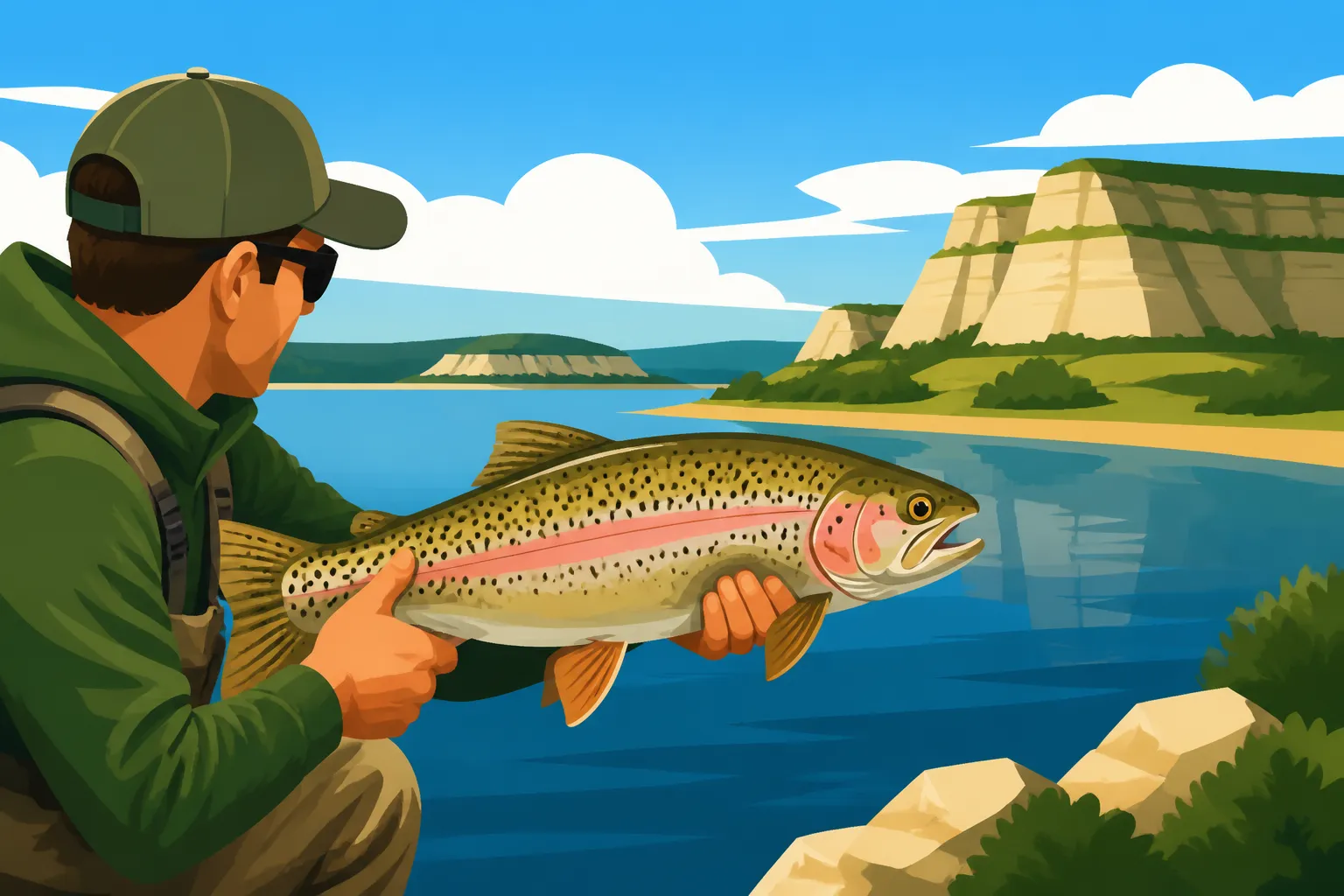
Merritt Reservoir is predominantly known for its Nebraska Rainbow Trout Fishing. These vibrant, hard-fighting fish are regularly stocked by the NGPC, creating a put-and-take fishery that offers consistent opportunities for anglers. The stocking program ensures a healthy population, with trout typically ranging from 12 to 20 inches, though larger specimens are certainly caught each year. While rainbows are the primary target, anglers might occasionally encounter a brown trout, especially in the cooler feeder streams or deeper parts of the reservoir, though these are far less common. The success of the trout population is a testament to ongoing conservation efforts and strategic stocking practices. For those interested in the bigger picture, you might want to learn about How Often Nebraska Stocks Trout to understand the cadence of these efforts and plan your trips accordingly. This steady influx of fish, combined with Merritt's favorable conditions, creates a dynamic environment where trout can grow and challenge anglers of all skill levels.
Essential Gear and Tackle for Merritt Trout
Having the right gear is paramount when targeting trout at Merritt Reservoir. These fish can be notoriously particular, and being prepared with appropriate rods, reels, lines, and lures will significantly increase your chances of success. Don't just grab any old setup; tailor your approach to the conditions and the fish you're pursuing.
Rods, Reels, and Line for Success
For trout fishing at Merritt, a light to medium-light action spinning rod, around 6 to 7 feet in length, is generally ideal. This length provides enough casting distance from shore or a boat, while the lighter action allows you to feel subtle bites and provides a thrilling fight with even moderately sized trout. Pair this with a small spinning reel, sized 1000 to 2500, spooled with 4-6 pound monofilament or fluorocarbon line. Monofilament offers good knot strength and shock absorption, which can be useful when a trout makes a sudden run. Fluorocarbon, on the other hand, is nearly invisible underwater and has less stretch, providing better sensitivity, which is a huge advantage when fishing with finesse presentations. Many experienced anglers prefer a fluorocarbon leader of 4-6 feet tied to a braided main line (6-10 lb test), combining the casting ability and sensitivity of braid with the stealth of fluorocarbon. This setup is versatile enough for most trout techniques you’ll employ here. For a broader overview of what you might need, check out our guide on Best Fishing Gear for Nebraska Anglers.
Best Baits and Lures for Merritt's Trout
Trout at Merritt Reservoir can be enticed by a variety of offerings. When it comes to natural baits, live worms (nightcrawlers or red wigglers), corn, and salmon eggs are perennial favorites. Fishing these under a bobber or on a bottom rig with a light sinker can be incredibly effective, especially for freshly stocked trout. PowerBait, in various colors and forms (glitter eggs, dough bait), is another highly productive choice, often fished off the bottom using a small treble hook and a sliding sinker. The scent and bright colors are irresistible to trout.
For artificial lures, small inline spinners like Mepps Aglia, Rooster Tail, or Panther Martin are always a solid bet. Sizes #0 to #2 in silver, gold, or bright colors mimic small baitfish or insects and generate a lot of flash and vibration. Spoons, such as Kastmasters or Little Cleos in similar colors, can also be very effective, especially for casting long distances from shore or targeting deeper suspended fish. For a more subtle approach, small jerkbaits or swimbaits resembling minnows can work wonders, particularly in clearer water. And if you're keen on exploring the delicate art of fly fishing, learning How to Fly Fish for Trout in Nebraska can open up a whole new world of techniques perfectly suited for Merritt.
Preparing for the Elements: Clothing and Accessories
A day of trout fishing at Merritt Reservoir means being prepared for whatever the Nebraska weather throws at you. Even on a seemingly calm day, conditions can change rapidly. Layers are your best friend: a moisture-wicking base layer, insulating middle layers (fleece or down), and a waterproof and windproof outer shell are essential. Don't forget a wide-brimmed hat for sun protection, polarized sunglasses to reduce glare and spot fish, and comfortable, waterproof footwear. If you plan on doing any wading, chest waders are a must, especially in cooler months.
Beyond clothing, a few key accessories will enhance your trip. A good pair of long-nosed pliers or forceps for hook removal is crucial, especially for handling trout gently if you plan to release them. A small landing net with a rubberized mesh will protect the fish's slime coat and fins. Don't forget a cooler with ice to keep your catch fresh if you're harvesting, and plenty of water and snacks for yourself. Having a tackle box or backpack specifically designed for fishing helps keep your gear organized and accessible. Many anglers find it helpful to consult a guide before heading out, and sites like FishingBooker can help you find local experts who know Merritt’s unique challenges and can recommend precise gear setups for current conditions.
Prime Fishing Spots and Techniques on Merritt Reservoir
Merritt Reservoir is a large body of water, and knowing where to focus your efforts and which techniques to employ can make all the difference. Trout can be found throughout the reservoir, but certain areas consistently hold more fish due to depth, structure, or access to cooler water.
Shoreline Access and Hotspots
For anglers without a boat, Merritt still offers fantastic opportunities from shore. The areas near the dam, particularly on the east side, are popular spots because the water here is deepest and coolest, making it ideal trout habitat. Access points around the main campground and the Snake River arm can also be productive. Look for areas with a quick drop-off into deeper water, or spots where the current from the Snake River creates a natural feeding lane. Overcast days or early morning and late evening hours often provide the best shore fishing opportunities when trout feel more comfortable moving into shallower water to feed.
When fishing from shore, a common technique is to use a slip bobber rig, allowing you to present bait at various depths. Cast out and let your bait drift or slowly retrieve it. Another effective method is a bottom rig with PowerBait or worms, casting out and letting the bait settle in deeper pockets. Pay attention to any structure, like submerged rocks or small points, which can attract and hold trout. Even though you're limited to the bank, covering water by casting to different areas is key. Remember, while a fishing license is always required, ensure you understand all the Nebraska Fishing Regulations Explained for shore fishing specifically, especially regarding designated access points.
Boat Fishing Strategies for Deeper Waters
If you have access to a boat, whether it's a small aluminum boat, a bass boat, or a pontoon, it opens up a world of possibilities on Merritt. Boats allow you to reach prime trout holding areas that are inaccessible from shore, particularly the main basin of the reservoir and the deeper channels. Trolling is a highly effective method for covering water and locating active trout. Small crankbaits, spoons, or spinner rigs tipped with a worm (like a crawler harness) trolled at slow speeds (1-2 mph) are excellent choices. Vary your depths by using lead core line, downriggers, or simply adding weight to your line to find where the fish are holding.
Another popular boat fishing technique is vertical jigging, especially over submerged humps, points, or along old creek channels. Small jigs tipped with plastic tails, Gulp! minnows, or even a piece of worm can be dropped to the bottom and jigged rhythmically to attract strikes. Using a fish finder is invaluable for identifying these underwater structures and marking schools of trout. Remember to always practice safe boating and check our guide on Merritt Reservoir Fishing Guide for detailed boat ramp locations and navigation tips.
Seasonal Techniques for Maximizing Your Catch
Merritt Reservoir's trout fishing changes with the seasons, and adapting your techniques is crucial.
- Spring (March-May): As ice melts and water temperatures rise slightly, trout become more active. They'll often be found in shallower bays and near the Snake River inlet, feeding on newly hatched insects or baitfish. Trolling shallow-running crankbaits or casting spinners from shore can be very effective. This is an exciting time, but make sure you’re aware of the Nebraska Trout Season Dates as they can influence your plans.
- Summer (June-August): Trout will retreat to deeper, cooler water as the surface warms. Focus on the main basin, near the dam, and the deepest parts of the Snake River arm. Trolling at depths, vertical jigging, or still fishing with bait on the bottom in 20-40 feet of water are prime strategies. Early morning and late evening fishing remain productive.
- Fall (September-November): As water temperatures cool down, trout will disperse and become active throughout the reservoir again. They'll move closer to shore and feed aggressively in preparation for winter. This can be one of the best times for both shore and boat anglers, with a wide range of lures and baits proving successful.
- Winter (December-February): Ice fishing for trout at Merritt is a popular winter activity, provided safe ice conditions. Small jigs tipped with a waxworm, minnow head, or PowerBait are deadly through the ice. Focus on areas where you found fish in late fall, or consult local bait shops for current hotspots. Always prioritize safety when venturing onto the ice.
Navigating Merritt Reservoir: Access, Facilities, and Regulations
Planning your trip to Merritt Reservoir involves more than just knowing how to catch fish; it also means understanding the logistics of getting there, where to stay, and the rules of the water. Being well-informed ensures a smooth and enjoyable experience.
Getting There and Around
Merritt Reservoir is located in Cherry County, Nebraska, roughly 26 miles southwest of Valentine. Access is primarily via gravel roads, so be prepared for a bit of a drive off the main highways. The nearest major towns for supplies are Valentine and Ainsworth. Once at the reservoir, a network of maintained gravel roads provides access to various campgrounds, boat ramps, and fishing areas. While the roads are generally good, a vehicle with good ground clearance is always recommended, especially after rain or if you plan to explore some of the more remote sections. For those relying on GPS, make sure your map is updated or download offline maps, as cell service can be spotty in the Sandhills. If you're coming from out of state, plan your travel time accordingly, as it's truly a destination in the heart of Nebraska's vast landscape.
On-Site Amenities and Camping
Merritt Reservoir offers a range of facilities to support your fishing trip. The Merritt Reservoir State Recreation Area (SRA) provides multiple campgrounds with both primitive and electrical sites, making it easy to stay right on the water. These campgrounds often have basic amenities like vault toilets and water pumps, though modern facilities with showers might be limited to specific areas. There are several boat ramps around the reservoir, ensuring easy launch and retrieval for various boat sizes. A marina also offers gas, bait, tackle, and even boat rentals, which can be a lifesaver if you forget something crucial or decide to extend your stay. For those who prefer a bit more comfort, cabins or motels can be found in nearby Valentine. Whether you're roughing it in a tent or pulling up in an RV, Merritt offers options to suit different preferences, allowing you to maximize your time on the water.
Important Regulations and Permits to Know
Before you even wet a line, it's absolutely critical to be aware of the Nebraska Fishing License Guide and the specific regulations for Merritt Reservoir. Every angler aged 16 and older needs a valid Nebraska fishing license. Additionally, if you're targeting trout, you will need a Do I Need a Trout Stamp to Fish for Trout in Nebraska? in addition to your regular fishing license. These stamps directly support the trout stocking programs that make Merritt such a great fishery.
Pay close attention to daily bag and possession limits for trout, which can vary. Currently, the Nebraska Trout Daily Limit is generally quite generous, but it's always best to check the latest Nebraska Game and Parks regulations booklet or their website before you head out. Regulations can change, and ignorance is no excuse for a violation. There might also be specific rules regarding the use of live bait, especially minnows, to prevent the introduction of aquatic invasive species. Always clean, drain, and dry your boat and gear to prevent the spread of these unwanted organisms. Merritt is a natural treasure, and adhering to these rules helps protect it for everyone.
Maximizing Your Merritt Reservoir Trout Fishing Experience
To truly make the most of your trip, it's beneficial to consider the best timing, whether to go solo or hire a guide, and what other angling opportunities Merritt might present. A well-rounded approach ensures you don't miss out on anything this incredible destination has to offer.
Best Times to Visit for Trout
While trout can be caught year-round at Merritt, certain periods tend to offer the best opportunities. As mentioned, spring and fall are prime times. In spring, after the ice-out, trout are active and often closer to shore, making them accessible to more anglers. Fall brings cooler water temperatures, and the fish are aggressively feeding before winter, often providing fantastic action. Summer can still be good, but you'll need to focus on deeper, cooler water. Winter, of course, offers the unique experience of ice fishing.
The time of day also plays a significant role. Early mornings and late evenings are almost universally the best times for trout, regardless of the season. During these low-light periods, trout are more active and less wary, moving into shallower areas to feed. On overcast days, this feeding window might extend throughout the day. Paying attention to weather patterns, especially cold fronts or rapid temperature changes, can also impact fish activity. A sudden cold snap might put the fish down for a day or two, while stable weather often leads to more consistent bites.
Hiring a Guide or Planning Your Own Trip
For many, the idea of exploring a new fishery on their own is part of the adventure. There's a thrill in unlocking the secrets of a lake or river through personal effort. However, Merritt Reservoir is a big place, and trout can be finicky. If you're new to the area or specifically targeting trophy trout, hiring a local fishing guide can dramatically increase your chances of success. A guide knows the reservoir intimately, understands current fish patterns, has all the right gear, and can teach you effective techniques tailored to the day's conditions. They can save you hours of trial and error, getting you straight to the fish.
If you're considering a guided trip, online platforms like FishingBooker are excellent resources for finding reputable local guides who specialize in Merritt Reservoir trout. You can read reviews, compare prices, and book directly, ensuring a professional and productive outing. For those who prefer the DIY approach, thorough research, talking to local bait shop owners, and observing other anglers can provide valuable insights. Ultimately, the choice depends on your budget, experience level, and how you prefer to enjoy your fishing adventure.
Beyond Trout: Other Species to Target
While trout are the star attraction, Merritt Reservoir is a multi-species fishery, offering excellent opportunities for other popular game fish. This can be a great way to diversify your trip, especially if trout aren't cooperating, or if you simply enjoy targeting a variety of species.
Walleye are another highly sought-after fish in Merritt. They share similar habitat preferences to trout, often being found in deeper, cooler water, especially during the summer months. Trolling crankbaits or jigging with minnows or plastics can be effective for walleye. Many anglers target both species in the same outing, switching up lures or depths as needed. If you’re interested in learning more about them, our Nebraska Walleye Bag Limits guide can give you specific regulations.
Merritt also boasts a respectable population of panfish, including crappie and bluegill, particularly in areas with submerged brush or timber. These are excellent targets for a more relaxed day of fishing or for introducing kids to the sport. Small jigs, minnows, or worms under a bobber can lead to fast action. For a unique challenge, Merritt is also home to muskellunge (muskie), a formidable predator that draws dedicated anglers. These toothy giants are rare but offer the chance at a true trophy. Exploring Merritt Reservoir Muskellunge Fishing Tips can give you an edge if you're feeling adventurous enough to try for one of these elusive fish.
Preserving the Future of Merritt's Trout Fishery
The beauty and productivity of Merritt Reservoir’s trout fishery depend heavily on responsible angling practices. As stewards of this natural resource, it’s our collective responsibility to ensure its health and vitality for future generations.
Practicing Catch and Release Effectively
Catch and release is a crucial practice, especially for trout, which can be sensitive to handling stress. If you're not planning to harvest fish for dinner, or if you catch a fish that falls outside the legal slot limits, releasing it unharmed is paramount. To maximize a trout's survival chances:
- Minimize handling: Try to keep the fish in the water as much as possible.
- Wet your hands: Always wet your hands before touching the fish to protect its delicate slime coat.
- Use barbless hooks: Or mash down the barbs on your hooks to make removal easier and less damaging.
- Quick hook removal: Use pliers or forceps to quickly and gently remove the hook.
- Support the fish: If you must lift it for a photo, support its belly and tail, avoiding squeezing.
- Revive gently: Hold the fish upright in the water, facing into any current, until it swims away on its own power. Don't just toss it back; make sure it's strong enough to recover.
These simple steps make a huge difference in the long-term health of the trout population.
Respecting the Environment and Other Anglers
Beyond fish handling, environmental responsibility is key. Pack out everything you pack in—and then some. Pick up any discarded fishing line, bait containers, or trash you might find. Monofilament line, in particular, can be deadly to wildlife. Dispose of it properly. Be mindful of boat wakes near other anglers or shorelines, and always give other fishermen plenty of space. Merritt is a vast place, and there's usually room for everyone. Loud noises, bright lights at night, or casting too close to another angler's line can quickly sour someone else's experience.
Additionally, be aware of and adhere to any specific rules regarding fire, waste disposal, or sensitive wildlife areas within the Merritt Reservoir State Recreation Area. Our actions as anglers have a direct impact on the environment and the enjoyment of others. By being respectful, conscientious, and adhering to all regulations, we contribute to a thriving, enjoyable fishery for everyone who visits this special corner of Nebraska.
Disclaimer
Fishing conditions and regulations can change rapidly. Always consult the latest Nebraska Game and Parks Commission regulations guide and check local conditions before heading out on your fishing trip to Merritt Reservoir. The information provided here is for general guidance and informational purposes only.