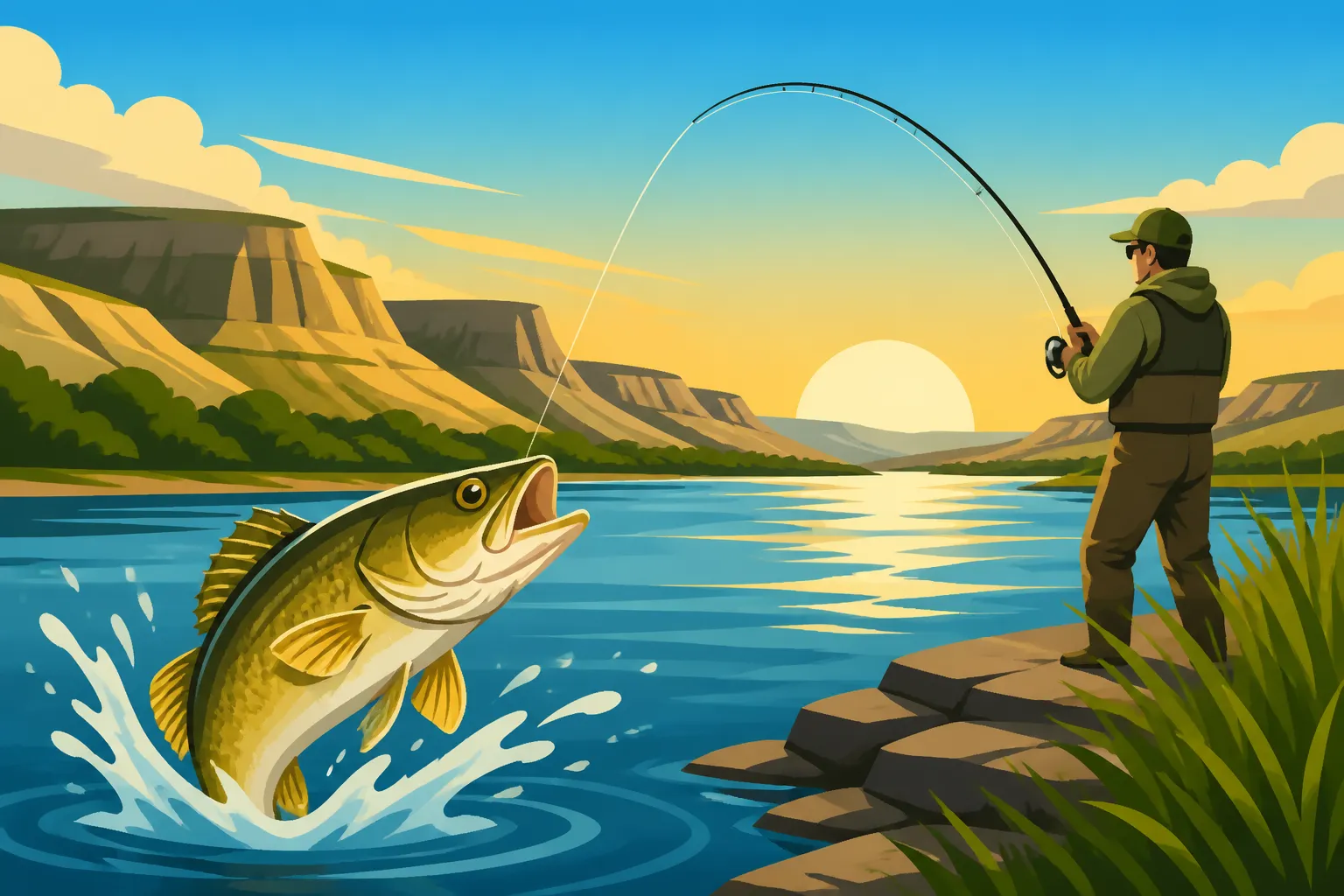
Missouri River Fishing in Nebraska
The mighty Missouri River, flowing along Nebraska's eastern edge, is a truly formidable and rewarding fishery, but its sheer size, dynamic currents, and unique border water rules can feel incredibly daunting for anyone new to its powerful embrace. Many anglers get frustrated trying to figure out where to start, what to fish for, and how to navigate the complex web of regulations that span state lines. This comprehensive guide is designed to unravel the mysteries of Missouri River fishing in Nebraska, equipping you with the knowledge to confidently tackle its waters and unlock the incredible angling opportunities it holds.
The Untamed Missouri: Understanding Its Unique Fishery
The Missouri River isn't your average lake or even a calm stretch of a smaller river. It's a vast, ever-changing waterway with a complex ecosystem shaped by its powerful current, varied depths, and a fascinating history of modification. Understanding these fundamental characteristics is the first step to becoming a successful angler here.
Its Dynamic Nature and Habitat
What makes the Missouri River so challenging yet so rewarding is its dynamic nature. The water levels can fluctuate dramatically depending on upstream dam releases, seasonal rainfall, and snowmelt. This constant change sculpts the river bottom, creating and destroying sandbars, scouring deep holes, and altering current patterns. Fish respond to these changes, constantly repositioning themselves. You'll find a mix of habitats, from slow-moving backwaters and oxbow lakes to swift main channel currents, rocky riprap, and submerged timber. Each of these zones attracts different species and requires tailored approaches. The river's turbidity also varies; it can be clear in stretches, especially below dams, or notoriously muddy after heavy rains, influencing fish behavior and your bait choices.
Border Water Status and Reciprocity
One of the most unique aspects of fishing the Missouri River for Nebraska anglers is its status as a border water. For significant stretches, the river forms the boundary between Nebraska and Iowa, or Nebraska and Missouri, and further north, between Nebraska and South Dakota, particularly around Lewis and Clark Lake. This means that special reciprocal agreements are often in place regarding fishing licenses. Generally, if you possess a valid resident or nonresident fishing license from either Nebraska or the bordering state, you are permitted to fish the main channel of the Missouri River common to both states, provided you comply with the regulations of the state that issued your license. However, it’s absolutely crucial to always double-check the latest agreements and specific regulations, as these can change. For a detailed breakdown of these nuances, you might find our guide on Missouri River Border Water Fishing License Rules incredibly helpful, and remember to consult the Nebraska Fishing Regulations Explained before you head out.
Prime Targets: Fish Species of the Nebraska Missouri
The Missouri River in Nebraska is a multi-species angler's paradise, boasting a diverse range of fish that thrive in its varied conditions. From powerful bottom dwellers to elusive game fish, there's something for every preference.
Catfish: The River's True Kings
When most people think of Missouri River fishing, they often picture colossal catfish, and for good reason! The river is renowned for its incredible populations of channel catfish, flathead catfish, and even blue catfish, especially in its lower reaches. Channel cats are abundant throughout the system, offering consistent action and growing to impressive sizes. They're opportunistic feeders, readily taking a variety of baits. Flathead catfish are the true heavyweights, preferring live bait and often lurking in logjams, deep holes, and undercut banks. These fish are powerful fighters and a true trophy for any angler. Blue catfish, though less common than their channel and flathead cousins in some stretches, can reach truly monstrous proportions, making them a bucket-list fish for many. Understanding their habits and preferred habitats is key to success, and you'll find that these river dwellers can truly put your gear to the test.
Walleye and Sauger: Delicious Game Fish
While often associated with lakes, walleye and their close cousin, the sauger, are prominent and highly sought-after game fish in the Missouri River. They thrive in the river's current, often congregating in current breaks, eddies, and below wing dams. Walleye in the river tend to be lean and hard-fighting, making for excellent sport and even better table fare. Sauger, typically smaller than walleye, are abundant in many stretches and are equally delicious. The confluence of the Missouri and its tributaries, as well as areas below hydroelectric dams, are particularly productive for both species, especially during spring and fall migrations. Anglers often target these fish with jigs, crankbaits, and live bait presentations designed to hug the bottom in the current. Always be aware of specific length and bag limits, which can be different for walleye and sauger, as detailed in the Nebraska Walleye Daily Bag Limit and other species-specific regulations.
Paddlefish, Sturgeon, and Other Unique Catches
Beyond the common game fish, the Missouri River offers opportunities for truly unique angling experiences. Paddlefish, ancient filter feeders, are present in impressive numbers, particularly below Gavins Point Dam. Harvesting paddlefish is a highly specialized activity, typically done through snagging during a specific season and requiring a special tag. For those interested in this unique pursuit, strict regulations, seasons, and permit requirements apply, making it vital to consult the Nebraska Game and Parks Commission (NGPC) before planning a trip. Additionally, various species of sturgeon, some of which are protected, also call the Missouri home. While catching a legal sturgeon is rare and usually requires a specific permit and strict adherence to rules, anglers might occasionally encounter them. Other species like carp, drum, buffalo, and various panfish also provide ample angling opportunities, especially for those looking for a diverse catch or just some relaxed bank fishing.
Navigating the Waters: Top Fishing Spots and Access
Knowing the fish species is one thing; knowing where to find them and how to get there is another challenge entirely. The Missouri River offers a mix of public access points, boat ramps, and unique structures that concentrate fish.
Notable Public Access Areas
The sheer length of the Missouri River bordering Nebraska means there are numerous access points, from large state recreation areas to smaller, local boat ramps. Up north, Lewis and Clark Lake is a massive reservoir formed by the Missouri River and Gavins Point Dam, offering excellent fishing for walleye, sauger, catfish, and more. Areas directly below Gavins Point Dam are especially popular for trout and paddlefish, but they can be incredibly crowded. Further south, you'll find access points near Omaha, such as Cunningham Lake and Standing Bear Lake, while not directly on the main river, offer urban fishing opportunities with stocked species, often fed by river sources during high water. The Missouri River itself has numerous boat ramps scattered along its course. For those without a boat, many public access points offer shoreline fishing opportunities, especially in areas with jetties, dikes, or wing dams. Planning your trip with a good map and checking local conditions for boat ramp accessibility is always a smart move.
Understanding Wing Dams and River Structure
The Missouri River is famous for its extensive system of wing dams, revetments, and jetties, structures designed to maintain the navigation channel. For anglers, these are fish magnets. Wing dams, which extend from the bank into the river, create significant current breaks, scour deep holes on their downstream side, and build up sand and gravel bars on their upstream side. Fish use these areas to escape the main current, ambush bait, and find food. Understanding How to Fish a Missouri River Wing Dam is paramount for success. You'll often find walleye and sauger sitting in the slower water behind the dam or on the upstream side where current is broken. Catfish will often be found in the deeper scour holes. Rocky riprap shorelines also provide excellent habitat for baitfish and, consequently, predatory species. Learning to read the water – identifying current seams, eddies, and subtle changes in depth – will dramatically improve your chances of locating fish.
Guided Trips and Charters
For those who are new to the Missouri River's complexities, or simply want to maximize their chances of success without the steep learning curve, a guided fishing trip or charter is an excellent option. Local guides possess invaluable knowledge of the river's ever-changing conditions, fish patterns, and hot spots. They come equipped with the right boat, gear, and expertise to put you on fish. Booking a guided trip is a fantastic way to learn the ropes, understand river safety, and discover the best techniques for specific species. Platforms like FishingBooker make it easy to find and book reputable local guides specializing in Missouri River species. These services often provide all the necessary gear, allowing you to simply show up and enjoy the experience. Whether you're targeting trophy catfish or a limit of walleye, a knowledgeable guide can make all the difference, transforming a potentially frustrating day into a memorable angling adventure.
Tactics for Success: River Fishing Techniques
Fishing a large, dynamic river like the Missouri requires specialized techniques and gear compared to still waters. The current dictates much of how you approach fishing, from bait presentation to boat positioning.
Rigging for River Currents
When fishing in significant current, your rigging needs to be heavier and more streamlined. Bottom bouncing rigs, three-way swivels, and Carolina rigs are popular choices for presenting bait near the bottom. Sinkers must be heavy enough to hold your bait in place without constantly drifting downstream, but not so heavy that you can't feel subtle bites. "No-roll" sinkers or pyramid sinkers are often favored for their ability to resist current. For catfish, a slip sinker rig with a large circle hook is a go-to, allowing the fish to take the bait without feeling immediate resistance. For walleye and sauger, jigs (often 1/2 oz to 1 oz or more depending on current and depth) tipped with minnows, worms, or soft plastics are extremely effective, often bounced or dragged along the bottom. Consider using braided line for its sensitivity and strength, which helps detect those light river bites.
Bait and Lure Choices
The Missouri River's fish aren't terribly picky, but certain baits and lures consistently perform better for specific species. For channel catfish, cut bait (shad, herring, or locally caught panfish), chicken livers, and stink baits are perennial favorites. Flathead catfish, being apex predators, overwhelmingly prefer live bait such as large chubs, sunfish, or bluegill, presented near structure. Walleye and sauger respond well to live minnows, nightcrawlers (often on a crawler harness), or leeches. Artificial lures like deep-diving crankbaits (especially those designed for river current), blade baits, and jigs tipped with soft plastics (grubs, paddle tails) are also highly effective for these species, particularly when fished slowly along the bottom or trolled upstream against the current. Don't be afraid to experiment; fish moods can change quickly in river systems.
Safety and Boat Handling
Safety on the Missouri River cannot be overstressed. The river is powerful, unpredictable, and can be dangerous for the unprepared. Always wear a life jacket, especially if you're in a small boat or not a strong swimmer. Strong currents, submerged hazards (like snags and rock piles), and commercial barge traffic are constant concerns. Know your boat and its capabilities. If you're operating a boat, a basic Nebraska Boating Education Card might even be required depending on your age. Always check weather forecasts for high winds or thunderstorms, which can turn the river treacherous in minutes. If you're unfamiliar with boat handling in current, consider getting some experience on calmer waters first or going with an experienced guide (which you can easily find on FishingBooker). It's always a good idea to inform someone of your float plan and expected return time. Be extra cautious around dams and locks, obeying all signage and restricted areas.
Staying Legal and Safe: Regulations and River Etiquette
Fishing the Missouri River isn't just about catching fish; it's also about respecting the resource and your fellow anglers, all while staying within the bounds of the law.
Nebraska-Specific and Border Water Rules
As we touched upon earlier, the border water status of the Missouri River means you need to be acutely aware of the licensing rules. While reciprocity often applies to the main channel, if you venture into tributaries or backwaters that are clearly within Nebraska's state boundaries, you must adhere strictly to Nebraska's specific fishing license requirements and regulations. This includes statewide length limits, daily bag limits, and specific gear restrictions. For example, some techniques like snagging paddlefish require a special permit only issued by Nebraska Game and Parks. Always carry your valid Nebraska Fishing License Guide with you, whether it's a physical copy or digital proof, and have a copy of the current regulations handbook readily available. If you're fishing near the Iowa border, remember that Lewis and Clark Lake License Reciprocity With South Dakota rules might apply further upstream, but specific Iowa rules could differ.
| Species | Nebraska Daily Bag Limit | Nebraska Minimum Length Limit (General) | Notes |
|---|---|---|---|
| Channel Catfish | 10 | None | Some waters have special regulations |
| Flathead Catfish | 5 | None | |
| Walleye | 4 | 15 inches | Some waters have protected slot limits |
| Sauger | 10 | 15 inches | Can be combined with Walleye, check total limits |
| Paddlefish | 1 | (Seasonal snagging, special permit) | Highly regulated, consult NGPC |
| Largemouth Bass | 5 | 15 inches | Specific regulations vary by water body |
| White Bass | 15 | None | |
| Crappie (Black/White) | 15 | None | Combined species limit |
Note: This table provides general limits. Always consult the latest Nebraska Game and Parks Fishing Guide for specific and up-to-date regulations, as rules can vary by water body or change annually.
Boating Safety and River Hazards
Beyond general boating safety, the Missouri River presents specific hazards. Large debris (logs, trees) can be carried by the current, posing a collision risk. Sandbars shift, and water depths can change rapidly, leading to grounding. Be vigilant for navigation buoys and markers, and understand what they signify. Commercial barge traffic has the right-of-way, and their wakes can be significant, potentially swamping smaller boats. Always give them a wide berth. If you operate a boat, ensure all required safety equipment, such as life jackets for everyone on board, a fire extinguisher, and sound-producing devices, are present and in good working order, as outlined in the Nebraska Boat Registration and Fishing Rules. Consider having a working VHF radio or cell phone for emergencies, though signal can be spotty in some remote river stretches.
Seasonal Considerations for Missouri River Anglers
The Missouri River's personality changes dramatically with the seasons, and so do the fishing opportunities and tactics. Understanding these shifts is crucial for consistent success.
Spring: High Water and Spawns
Spring on the Missouri River is often characterized by rising water levels due to snowmelt and increased rainfall. This can make fishing challenging due to strong currents and muddy conditions, but it's also a time of intense fish activity, particularly spawning runs. Walleye and sauger push upstream to spawn in late winter/early spring, making tailwater areas below dams incredibly productive. Catfish also become more active as water temperatures rise, moving into shallower, warmer backwater areas and feeding aggressively before their spawn. As the water begins to clear and stabilize, fish disperse from spawning grounds and spread out to feed. This is a prime time for anglers to target crappie and white bass in tributary mouths and calmer embayments before the summer heat sets in.
Summer: Deep Holes and Night Bites
Summer brings warmer water temperatures and often more stable river flows, though occasional heavy rains can still cause spikes in turbidity. Many fish species will move to deeper, cooler water, often concentrating in scour holes, behind wing dams, and in the main channel current breaks. Catfish remain a primary target, with excellent action for channel cats during the day and particularly strong flathead fishing at night. Using heavy gear and strong lines to How to Fight a Big Fish on Light Tackle is essential for these powerful nocturnal predators. Walleye and sauger will also be found in deeper current breaks or congregating on submerged humps and ledges. Topwater action for bass and other aggressive feeders can occur in early mornings and late evenings in calmer side channels. The key to summer river fishing is often finding that cooler, oxygen-rich water.
Fall: Feeding Frenzy Before Winter
As water temperatures begin to drop in the fall, many fish species enter a "feeding frenzy" phase, actively bulking up for the lean winter months. This can lead to some of the year's most productive fishing. Walleye and sauger become extremely active, often moving into shallower water to feed during overcast days or low light, and congregating in predictable patterns. Catfish continue to feed aggressively, and their location can become more predictable as they stage in deeper holes for the winter. White bass and crappie also provide excellent action as they school up. The cooler temperatures make for more comfortable fishing, and often, the river clarity improves compared to spring and summer, making lure presentations more effective. This is a fantastic time to chase trophy fish before the river transitions into its winter mode.
Winter: Hard Water and Tailwater Opportunities
While much of the Missouri River might seem inaccessible during winter due to ice, especially in its northern stretches and impounded areas like Lewis and Clark Lake, dedicated anglers still find opportunities. Ice fishing can be popular in shallower, slower-moving sections or oxbows connected to the main river, targeting panfish, walleye, and even catfish. However, river ice can be notoriously unstable and dangerous, so extreme caution is advised, and always check ice thickness before venturing out. For open water fishing, the tailwaters below Gavins Point Dam remain a consistent draw. These areas often stay ice-free due to the dam's operation and provide excellent opportunities for trout, walleye, and sauger throughout the colder months. Winter river fishing demands patience, the right gear for the cold, and a keen understanding of how fish react to frigid water temperatures.
Disclaimer
Please remember that fishing regulations, conditions, and opportunities on the Missouri River can change rapidly. Always consult the latest Nebraska Game and Parks Commission (NGPC) fishing guide and local advisories before planning your trip. Safety should always be your top priority when fishing on a large river system.