Summer Fishing in Nebraska
Summer in Nebraska offers some incredible fishing opportunities, but let's be honest, it's not always easy. The scorching heat, intense sun, and sometimes unpredictable storms can make it feel like the fish have just vanished, leaving many anglers scratching their heads and wondering if it's even worth putting the boat in the water. But fear not, fellow angler! This comprehensive guide is here to demystify summer fishing in Nebraska, revealing how you can adapt your strategies and gear to consistently find success and make the most of those long, warm days on the water.
Navigating the Unique Challenges of Summer Fishing in Nebraska
When that Nebraska sun really starts to beat down, everything changes on the water. Fish, like us, are creatures of comfort, and the summer heat radically alters their behavior, their preferred depths, and even their feeding patterns. Understanding these shifts is the first step to putting more fish in the net when temperatures soar.
The Impact of Rising Water Temperatures
As the mercury climbs, so does the temperature of the water, especially in shallower lakes and along the banks of rivers. This increase in temperature has a direct and significant effect on fish metabolism. Imagine trying to run a marathon in 100-degree weather – you'd tire out quickly, right? Fish experience something similar. Their metabolism speeds up, requiring more oxygen. However, warmer water holds less dissolved oxygen, creating a delicate balance that fish must manage to survive and thrive.
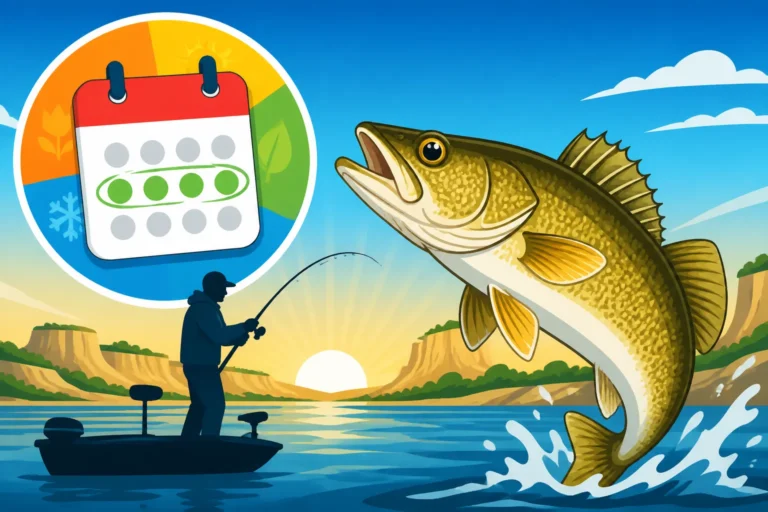
During the hottest parts of the day, particularly from late morning through mid-afternoon, many fish species will become noticeably less active. They're not necessarily "off the bite" completely, but they're often seeking refuge in cooler, deeper waters where oxygen levels are more stable. This means that if you're casting shallow in the middle of the day, you might be fishing in a biological desert. Instead of actively chasing prey, these fish will often hold tight to cover, conserving energy and waiting for more favorable conditions. This is why you'll often hear veteran anglers talk about an early morning or late evening bite being so much more productive during the summer months.
Understanding the Thermocline and Lake Stratification
In many of Nebraska's deeper reservoirs, something truly fascinating happens during the summer: the lake stratifies, forming distinct layers of water based on temperature. The most critical of these layers for anglers is the thermocline. Essentially, the thermocline is a relatively thin band of water where the temperature changes most rapidly with depth, separating the warmer, oxygen-rich surface water from the colder, less oxygenated deep water. Above the thermocline, you have the warm, well-oxygenated epilimnion. Below it, the cold, often oxygen-depleted hypolimnion.
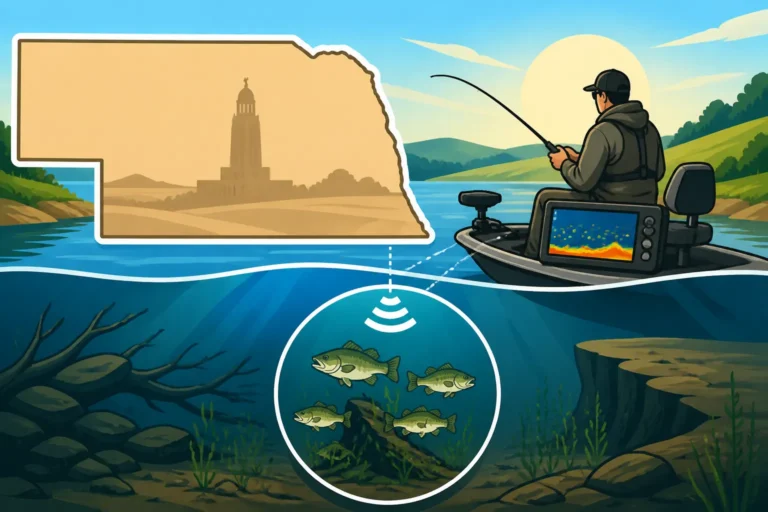
Fish, especially species like walleye, crappie, and even some bass, will often congregate around the thermocline. It's their Goldilocks zone – cool enough to be comfortable, but still rich enough in dissolved oxygen to support their metabolism. If you have a good fish finder, locating this layer can be a game-changer. Imagine seeing a distinct line on your sonar, often appearing as a thick, hazy band, and then spotting schools of baitfish and larger arches (your target species!) hovering right at that depth or slightly above it. That's the thermocline in action, acting like a giant, invisible magnet for fish. Fishing just above, below, or directly within this layer can put your bait right in front of the most active fish. Ignoring the thermocline in a stratified lake is like looking for a needle in a haystack; finding it gives you a much smaller, more productive haystack to focus on.
Top Fish Species to Target During Nebraska Summers
While the heat might send some fish deep, it also supercharges others, creating fantastic opportunities if you know what to pursue. Nebraska's diverse waters hold a variety of species that offer excellent summer action, each with its own preferred habitat and feeding patterns when the sun is high.
Walleye: Deep Water Warriors
Walleye are perhaps one of the most sought-after game fish in Nebraska, and for good reason—they're delicious! In summer, these toothy critters typically abandon their shallow, springtime haunts and head for the cooler, more stable environments of deeper water. You'll find them relating to main lake basins, deep humps, submerged points, and the edges of old creek channels. They're often schooling tightly, making them a prime target if you can pinpoint their location.
When the walleye go deep, so should your lures. Trolling deep-diving crankbaits that can reach depths of 15 to 30 feet or more is a highly effective strategy. Think of brands like Rapala or Berkley's deep-diving offerings. Another classic summer technique is bottom bouncing with spinner rigs, often tipped with a nightcrawler or leeches. This allows you to slowly present bait right on the bottom where walleye are often lurking. For those who prefer a more active approach, vertical jigging with spoons or blade baits directly over deep schools marked on your electronics can be deadly. Places like Lake McConaughy Fishing Guide are legendary for summer walleye, offering vast expanses of water and deep structure where these fish thrive. For a complete overview of strategies, check out our guide on How to Fish for Walleye in Nebraska.
Catfish: Nocturnal and Riverine Giants
If there's one species that truly shines in Nebraska's summer heat, it's the humble yet powerful catfish. Channel catfish, in particular, are incredibly active throughout the summer, often feeding aggressively in both reservoirs and rivers. Flathead catfish, the true ambush predators, also become more active in the warmer months, especially in larger rivers. While you can catch them during the day, the prime time for both species is usually from late evening through the night and into the early morning hours when water temperatures are cooler and they feel more secure.
For channel cats, baits like cut bait (shad, carp, or sunfish), prepared stink baits, chicken livers, or even plain old nightcrawlers are highly effective. You can fish them on the bottom with a slip sinker rig in reservoirs or target current seams and log jams in rivers. Flatheads, on the other hand, are much pickier and prefer live bait, such as smaller bluegill, bullheads, or shad. Setting up trotlines or limb lines in the evening on rivers like the Platte can yield some impressive flathead catches. If you're looking to dive deeper into techniques for these whiskered wonders, our article on How to Catch Catfish in Nebraska offers plenty of tips. Night fishing for catfish is not just effective; it's a quintessential Nebraska summer experience, especially on the bigger rivers like the Missouri.
Largemouth and Smallmouth Bass: Structure Lovers
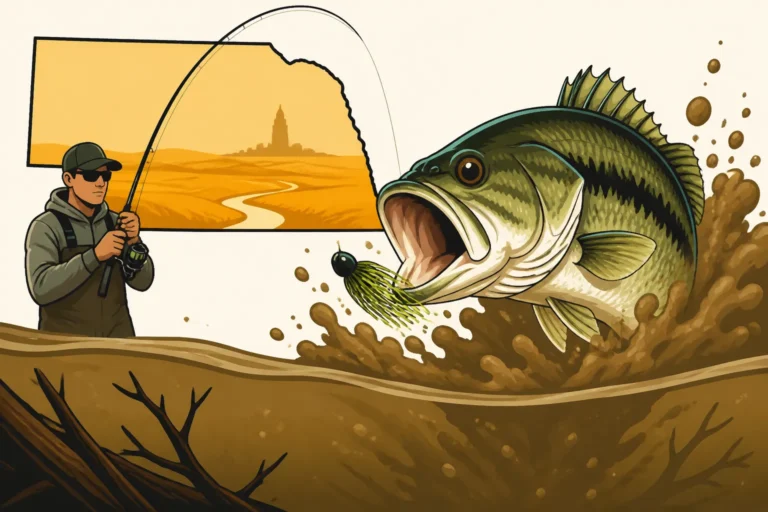
Bass fishing in Nebraska during the summer can be fantastic, but it requires understanding where these fish hide from the heat and how their feeding patterns change. Largemouth bass in reservoirs and ponds will seek out dense cover: thick weed lines, submerged timber, boat docks, and even shaded creek channels. Smallmouth bass, found more commonly in rocky reservoirs and cooler rivers like the Niobrara, will hold to rocky points, bluff walls, and current breaks.
During the low-light hours of early morning and late evening, topwater lures like frogs, poppers, and walking baits can provoke explosive strikes from aggressive bass. As the sun climbs, you'll need to go deeper and tighter to cover. For largemouth, Texas-rigged or Carolina-rigged plastic worms, jigs, or deep-diving crankbaits are excellent choices. Flipping and pitching into heavy cover is also a great way to extract them. Smallmouth will respond well to tube jigs, Ned rigs, or drop shots presented on rocky structure. For more specialized tactics, explore our guides on Largemouth Bass Fishing in Nebraska and Smallmouth Bass Fishing in Nebraska. Don't forget, fishing a little deeper or slower as the sun gets high is often the key to summer bass success.
Panfish: Crappie, Bluegill, and Perch
Don't overlook the panfish during summer! While not as glamorous as walleye or bass, crappie, bluegill, and perch offer consistent action and are fantastic table fare. They're also excellent targets for family fishing outings. Crappie tend to move to deeper brush piles, submerged timber, and bridge pilings as water temperatures rise. They often suspend in schools at specific depths, making a fish finder invaluable. Bluegill and other sunfish, while often found in shallower, weedier areas, will also seek out shade under docks, overhanging trees, or denser vegetation during the hottest parts of the day.
For crappie, small jigs (1/32 to 1/16 ounce) tipped with a small minnow or a soft plastic grub are hard to beat. A slip bobber rig allows you to present your bait precisely at the depth where the crappie are holding. For bluegill, a simple setup with a small hook, a piece of worm, and a bobber will often yield plenty of bites, especially in shaded coves or around lily pads. Perch, while less widespread than crappie or bluegill, can be found in deeper, cooler reservoirs and respond to small jigs or minnows fished near the bottom. For a deep dive into catching these prolific fish, our article on Crappie Fishing in Nebraska is a must-read.
Effective Fishing Techniques for Nebraska's Summer Heat
The dog days of summer demand a shift in tactics. What worked in the spring likely won't cut it when the water heats up. Adapting your presentation to target fish in their preferred summer haunts is crucial for consistent success.
Mastering Deep Water Presentation
When fish retreat to the cooler, more stable environments of deep water, getting your lure or bait down to them effectively becomes paramount. This isn't just about dropping a weight; it's about presenting your offering in a way that triggers a strike from often-lethargic fish.
One of the most popular and effective deep-water techniques for walleye and wipers in Nebraska is trolling deep-diving crankbaits. These lures are designed to get down quickly and stay there, mimicking baitfish at significant depths. You'll want to choose crankbaits that are rated to dive to the depth where you've marked fish or where you know the thermocline is. Brands like Bandit, Berkley (specifically their Dredger series), and the larger Rapala Down Deep Husky Jerks are popular choices. The key is to cover water, experimenting with different speeds and directions, especially around submerged points, humps, and main lake contours. Varying your trolling speed can make the crankbait dart and pause, often triggering a follow or strike.
Another stellar deep-water technique, particularly for walleye and catfish, is bottom bouncing with spinner rigs or live bait rigs. A bottom bouncer is a weighted wire rig that allows your bait to stay close to the bottom without snagging excessively, even in rocky areas. You'll attach a spinner rig (often called a "crawler harness" when tipped with a nightcrawler) or a simple snelled hook with a minnow or leech to the back of the bouncer. This setup is incredibly versatile, allowing you to slow-troll, drift, or even slowly retrieve, keeping your bait in the strike zone. The subtle flash and vibration of the spinner, combined with natural bait, is often irresistible to fish hugging the bottom.
Finally, don't underestimate vertical jigging with spoons or blade baits when you mark tight schools of fish in deep water. This is a more active approach, involving dropping a heavy spoon (like a Johnson Silver Minnow or a Kastmaster) or a blade bait (like a Heddon Sonar) directly down to the fish. A sharp lift and fall of the rod tip will make the lure flash and flutter, mimicking a dying baitfish. This technique works exceptionally well for walleye, white bass, and even suspended crappie. The key is to watch your electronics constantly, making sure you're dropping your lure right into the fish.
Exploiting Early Morning and Late Evening Bites
The periods just after sunrise and just before sunset, often referred to as "low-light hours," are magic times for summer fishing in Nebraska. The sun isn't as harsh, water temperatures are slightly cooler, and many species that were hiding in the depths or heavy cover during midday will move shallower to feed aggressively.
For bass anglers, these are prime opportunities for topwater action. There's nothing quite like the explosive strike of a largemouth bass blowing up on a surface lure. Frogs fished over lily pads and dense vegetation, poppers worked with short jerks and pauses along weed lines, and walking baits (like a Heddon Super Spook) glided across open water can all produce thrilling strikes. These lures mimic distressed prey or baitfish near the surface, and bass can't resist the commotion.
As the sun begins to peek over the horizon or dip below it, the activity isn't limited to bass. White bass and wipers will often push baitfish to the surface, creating frenzies where you can cast small crankbaits or spoons directly into the chaos. Panfish like crappie and bluegill will also move shallower, becoming more accessible to small jigs and live bait. The transition from low light to full sun (or vice-versa) is a critical window; start with aggressive, shallower presentations and then adjust to deeper, slower tactics as the light changes.
The Art of Night Fishing
When the summer sun beats down relentlessly, driving most anglers off the water, the nocturnal world truly comes alive. Night fishing is a highly productive and often overlooked strategy for catching a variety of species in Nebraska when the temperatures soar. Why does it work so well? Simple: cooler water temperatures near the surface, reduced boat traffic and angler pressure, and increased feeding activity for many species that are naturally more active after dark. For detailed regulations on fishing after sunset, you can always consult our guide on Nebraska Night Fishing Rules.
Catfish are the undisputed kings of night fishing. Channel catfish will cruise shallower flats and shoreline areas under the cover of darkness, actively hunting for food. Flathead catfish, in particular, prefer to hunt at night, ambushing live bait in river currents or along submerged structure. Walleye also become incredibly active at night, moving onto shallow reefs, points, and sand flats to feed on baitfish. Crappie can often be found congregated under lights in marinas or over submerged brush piles. Even white bass and wipers can put on a show under a bright moon.
Gear considerations for night fishing are important. A good headlamp (you can find plenty of reliable, waterproof options on Amazon) is essential for tying knots and baiting hooks. Green or white LED fishing lights deployed over the side of your boat or dock can attract baitfish, which in turn attract predatory species. Remember to bring plenty of insect repellent, a powerful spotlight for navigation, and always tell someone where you're going and when you expect to return. The quiet solitude of a summer night on a Nebraska lake or river, punctuated by the splash of a leaping fish, is an unforgettable experience.
Prime Summer Fishing Locations Across Nebraska
Nebraska might be landlocked, but it boasts an impressive array of fishing opportunities, from massive reservoirs to winding rivers. Each offers unique summer potential, and knowing where to focus your efforts can make all the difference.
Reservoir Hotspots
Nebraska's reservoirs are the workhorses of its fishing scene, and in summer, they hold some of the biggest and most diverse populations of game fish.
Without a doubt, Lake McConaughy is a crown jewel for summer angling. Known as "Big Mac," this massive reservoir is famous for its incredible walleye fishery, which remains productive throughout the summer months. Anglers target walleye on deep humps, main lake points, and the face of the dam, often trolling deep-diving crankbaits or bottom bouncing. McConaughy also boasts a healthy population of striped bass (wipers), which are aggressive fighters that can be found busting bait on the surface during low light or holding deep during the day. Don't forget the cold-water releases from Kingsley Dam that create a fantastic trout fishery in the North Platte River below the dam and in Lake Ogallala. For an in-depth look at this legendary lake, check out our Lake McConaughy Fishing Guide.
Further east, Merritt Reservoir in the Sandhills offers a different kind of summer magic. While also great for walleye, Merritt is perhaps best known for its excellent crappie fishery and is one of the few places in Nebraska where you can target elusive muskellunge. In summer, crappie will relate to the abundant submerged timber and brush piles found throughout the reservoir, often suspending in schools. Walleye will gravitate towards deeper points and channels. For muskie, anglers often cast large bucktails or jerkbaits over submerged weed beds or rocky points, especially during cooler periods. You can find more specific tips in our Merritt Reservoir Fishing Guide.
Closer to Lincoln, Branched Oak Lake is a popular choice for many anglers, offering diverse fishing within easy reach of the city. In summer, Branched Oak shines for its channel catfish, which are abundant and readily caught on cut bait or stink bait, especially in the evenings. The lake also has good populations of largemouth bass, which will hold tight to weed lines and submerged brush, and crappie that move to deeper structure. Targeting brush piles in the various coves can be particularly effective for crappie. Learn more about year-round tactics for this lake in our Branched Oak Lake Fishing Guide.
River Systems for Dynamic Angling
Nebraska's rivers provide a dynamic and ever-changing fishing environment, and summer is a prime time for certain species, particularly catfish and smallmouth bass.
The Platte River Fishing Guide is synonymous with catfish, especially the channel cat and flathead. In summer, the warmer water really gets these fish going. Anglers often target current seams, deep holes, log jams, and undercut banks. Look for areas where the main current slows down, creating eddies where fish can rest and ambush prey. Cut bait, worms, and stink bait are top choices for channel cats, while live bait is essential for flatheads. Wade fishing or fishing from the bank with heavy tackle can be very productive. Be mindful of fluctuating water levels, which can impact access and fish behavior.
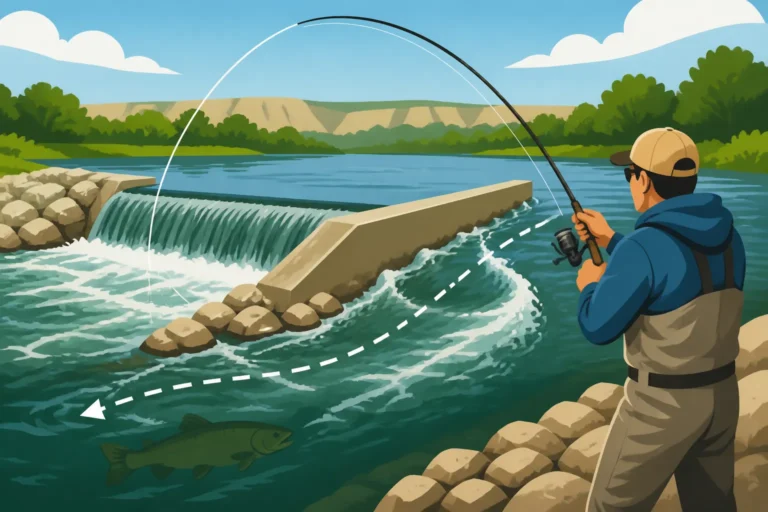
The mighty Missouri River Fishing in Nebraska offers a vast and diverse fishery along the state's eastern border. In summer, the Missouri is excellent for channel catfish, flathead catfish, and even blue catfish in some of the deeper, slower sections. Walleye and sauger can also be found, often relating to wing dams and scour holes where current breaks create feeding opportunities. The key to fishing the Missouri is understanding current and structure. Wing dams, riprap banks, and deep river bends are all prime targets. Remember that border water regulations can apply, so be sure your license is valid for the waters you're fishing.
Finally, for something a little different, consider the Niobrara River Fishing. This river, particularly its western sections, offers cooler, clearer waters, providing an excellent habitat for smallmouth bass. In summer, smallmouth will hold in rocky pools, riffles, and current breaks, actively feeding on insects and baitfish. Fly fishing or casting small spinners, crankbaits, or soft plastics can be very effective. Wading is a popular way to access many stretches of the Niobrara, offering a unique and scenic summer fishing experience.
Essential Gear and Prep for a Successful Summer Trip
Summer fishing in Nebraska isn't just about what you catch; it's also about staying safe, comfortable, and prepared for the elements. The right gear can make or break your trip, turning a potentially miserable day into a memorable one.
Staying Safe and Comfortable in the Heat
The Nebraska summer sun can be relentless, and heatstroke or severe sunburn can quickly end a fishing trip. Prioritizing your safety and comfort is paramount.
First and foremost: hydration. Bring plenty of water, and consider electrolyte drinks to replenish what you lose through sweat. Dehydration can creep up on you quickly, so sip regularly, even if you don't feel thirsty. A large cooler packed with ice and drinks (available on Amazon, of course, for convenient delivery) is a non-negotiable item.
Sun protection is equally critical. Long-sleeved, lightweight, breathable shirts with UPF (Ultraviolet Protection Factor) ratings are ideal for blocking harmful rays without making you overheat. A wide-brimmed hat or a neck gaiter (or both!) will protect your face, ears, and neck. High-quality polarized sunglasses are not just for style; they significantly reduce glare, allowing you to see into the water to spot structure or even cruising fish. Again, a quick search on Amazon will show you hundreds of options for these essential items. Don't forget waterproof sunscreen (at least SPF 30) applied generously and reapplied throughout the day.
Finally, dress in layers even in summer. While it might be scorching hot at midday, early mornings or late evenings can still have a chill, especially on the water. Lightweight rain gear is also a smart addition, as summer thunderstorms can pop up quickly in Nebraska. A comfortable, breathable pair of fishing shoes or sandals that can get wet is also a good idea.
Selecting the Right Tackle
Having the right rod, reel, line, and lures for the species you're targeting and the conditions you're facing will dramatically increase your chances of success. It's not about having the most expensive gear, but the most appropriate. For a complete overview of recommended equipment, check out our general guide on Best Fishing Gear for Nebraska Anglers.
When it comes to rods and reels, versatility is key. For summer walleye and bass, a medium-heavy spinning or baitcasting combo (6'6" to 7'6" in length) is a good all-around choice, capable of handling crankbaits, jigs, and bottom bouncers. For serious catfish anglers, a heavy-action rod (7' to 9') paired with a robust baitcasting or conventional reel spooled with strong line is necessary to tame those powerful fish, especially in current. For panfish, a light or ultra-light spinning rod (5' to 6'6") with a small reel and light line offers maximum fun and sensitivity.
Line choices vary by technique and target. Braided line (15-30 lb test) is excellent for its strength, sensitivity, and lack of stretch, making it ideal for deep water presentations or fishing heavy cover. However, it can be visible in clear water, so often a fluorocarbon leader (6-12 lb test) is tied to the braid for stealth. For panfish, lighter monofilament or fluorocarbon (2-6 lb test) is often preferred.
Your lure and bait selection should be tailored to summer patterns. Stock up on deep-diving crankbaits in various colors, especially natural baitfish patterns and bright colors for stained water. Jigs (1/4 to 1/2 ounce) with soft plastic trailers or live bait are always effective. For bass, have a good selection of plastic worms, creature baits, and topwater lures. And of course, for catfish, plenty of cut bait, nightcrawlers, and stink bait are essential. Don't forget a variety of hooks (circle hooks for catfish are great for self-setting and preventing gut hooks), sinkers, and swivels to complete your tackle box.
Here's a quick table to help summarize some essential summer tackle:
| Species Targeted | Rod Action/Length | Recommended Line | Key Lures/Baits |
|---|---|---|---|
| Walleye | Med-Heavy, 6'6" – 7'6" | 10-20 lb Braid w/Fluoro | Deep Crankbaits, Bottom Bouncers, Spoons |
| Channel Catfish | Heavy, 7' – 9' | 20-50 lb Mono/Braid | Cut Bait, Stink Bait, Nightcrawlers |
| Flathead Catfish | Heavy/X-Heavy, 7'6" – 10' | 30-80 lb Mono/Braid | Live Bluegill, Shad, Bullheads |
| Largemouth Bass | Med-Heavy, 6'6" – 7'6" | 10-17 lb Fluoro/Braid | Plastic Worms, Jigs, Topwater, Cranks |
| Smallmouth Bass | Med-Light, 6' – 7' | 6-10 lb Fluoro/Braid | Tube Jigs, Ned Rigs, Small Cranks |
| Crappie | Light/Ultra-Light, 5' – 6'6" | 4-6 lb Mono/Fluoro | Small Jigs, Live Minnows, Tiny Plastics |
| Bluegill/Sunfish | Ultra-Light, 5' – 6' | 2-4 lb Mono | Worms, Crickets, Micro Jigs |
Adapting to Nebraska's Dynamic Summer Conditions
Nebraska's summer weather isn't always sunny and calm. Sudden storms, prolonged heat waves, and fluctuating water levels are all part of the experience. Being prepared to adapt to these changes is a mark of a seasoned angler.
Dealing with Summer Storms and Fronts
Summer in Nebraska often brings about dramatic weather shifts. Cold fronts can sweep through, causing barometric pressure to rise and often shutting down fish activity for a day or two. Conversely, the hours leading up to a storm or a warm front can sometimes trigger incredibly aggressive feeding frenzies as fish sense the change and feed heavily. Pay attention to weather forecasts, not just for safety but also for predicting fish behavior.
Safety during thunderstorms is non-negotiable. If you see dark clouds rolling in or hear thunder, get off the water immediately. Lightning is a serious threat, and being on an open lake or river in a boat makes you an easy target. Always have a plan for safe harbor.
Fishing after a rainstorm can present unique opportunities. Heavy rains can increase current in rivers, washing new food sources into the water, which can trigger a catfish bite. In reservoirs, runoff can create temporary plumes of muddy water, which might concentrate baitfish and predators around the edges of the discolored water. However, too much turbidity can also scatter fish. Learning to "read" the water and adapt your lure choices (e.g., using louder, brighter lures in muddy water) is key.
Managing Water Level Fluctuations
Nebraska's reservoirs and rivers are often subject to significant water level changes throughout the summer, driven by irrigation demands, power generation, or periods of drought and heavy rainfall. These fluctuations directly impact fish behavior and angler access.
In reservoirs, falling water levels can pull fish off of shallow cover and force them to deeper structure, sometimes making them more concentrated and easier to find. However, it can also expose boat ramps and make launching difficult or impossible. Conversely, rising water levels can flood new vegetation, creating fresh cover and feeding grounds that fish will quickly explore. This might scatter them temporarily but can also open up new fishing opportunities in areas previously inaccessible. Our article How Low Water Affects Reservoir Fishing in Nebraska provides more insights into this phenomenon.
On rivers, high water from heavy rains upstream can create powerful currents and muddy conditions, making fishing challenging and potentially dangerous. Fish may retreat to slack water areas or deeper holes. However, as the water begins to recede and clear, the fishing can become excellent. You can find more detailed information on navigating these conditions in How High Water Affects River Fishing in Nebraska. Always check local conditions and ramp status before heading out to a new spot, especially on larger river systems or reservoirs with significant drawdowns. These changes mean you might need to adjust your approach, from changing lure weights to finding new access points.
Responsible Angling and Conservation During Summer
As anglers, we have a responsibility to protect the resources we cherish. This is especially true during the vulnerable summer months when fish are under increased stress from warmer water temperatures. Practicing ethical angling ensures that Nebraska's fisheries remain healthy and productive for generations to come.
Practicing Proper Catch and Release
While many of us keep some fish for the dinner table, practicing catch and release, especially for larger breeding stock or when you've already met your Nebraska Fishing Daily Bag and Possession Limits, is vital. In summer, warm water holds less oxygen and can stress fish more quickly. Therefore, proper handling is crucial for their survival.
Always use wet hands when handling fish you intend to release. Dry hands can remove the fish's protective slime coat, leaving them vulnerable to infection. Avoid touching the gills or eyes. If possible, try to keep the fish in the water as much as possible, especially if you're taking a quick photo. Use a rubberized, knotless landing net to minimize scale damage. Traditional string nets can strip slime and scales.
When removing hooks, do so quickly and carefully. Barbless hooks can make this much easier. If a fish is deeply hooked, especially in the gills, it's often best to cut the line as close to the hook as possible rather than tearing tissue trying to extract it. For exhausted fish, particularly larger ones or those caught from deep water, reviving them is important. Hold the fish gently in the water, facing into the current, allowing water to flow over its gills until it regains strength and swims away on its own. Never just toss a tired fish back; give it a chance. For more in-depth techniques, consult our guide on Catch and Release Best Practices in Nebraska.
Protecting Nebraska's Aquatic Resources
Beyond individual fish handling, broader conservation efforts are paramount. One of the biggest threats to Nebraska's waters is the spread of aquatic invasive species (AIS). These non-native plants and animals can outcompete native species, destroy habitat, and disrupt entire ecosystems. Zebra mussels, for instance, are a significant concern in many Nebraska lakes.
The golden rule for preventing AIS is "Clean, Drain, Dry." Before leaving any water body, thoroughly clean your boat, trailer, and all fishing gear (nets, waders, buckets) to remove any visible mud, plants, or aquatic organisms. Drain all water from your boat (livewells, bilge, motor) and any containers before transporting them. Finally, dry your equipment completely before using it in another water body. If drying isn't possible, a thorough rinse with high-pressure, hot water can help. Understanding and adhering to requirements like the Nebraska Aquatic Invasive Species Stamp is a small but critical part of protecting our waters.
Always dispose of trash and used fishing line properly. Monofilament fishing line can take hundreds of years to break down and is a significant hazard to wildlife. Pack out everything you pack in, and leave no trace behind. Respect all state fishing regulations, including bag limits, length limits, and bait restrictions. These rules are in place for a reason – to maintain healthy fish populations for everyone to enjoy. By following these principles, you become a steward of Nebraska's precious aquatic resources, ensuring that the joy of summer fishing can be experienced for many years to come.
Disclaimer
Fishing conditions and regulations in Nebraska can change. Always consult the latest Nebraska Game and Parks Commission regulations before heading out on the water. This guide is for informational purposes only and does not constitute official legal advice.