Fall Fishing in Nebraska
As the vibrant greens of summer begin to mellow into the fiery hues of autumn, many anglers start to pack away their gear, thinking the best fishing is behind them. But if you're anything like me, that thought comes with a pang of regret. You might even feel a little frustrated, believing the prime season has passed. Well, I'm here to tell you that in Nebraska, fall isn't just a beautiful time of year; it's an absolutely phenomenal, often overlooked, window for some of the most exciting fishing adventures. This guide will walk you through exactly why and how to make the most of those crisp autumn days on the water.
Why Fall Fishing is So Special in Nebraska
There's something magical about fall fishing in Nebraska. It's not just the cooler air or the stunning backdrop of turning leaves; it's a fundamental shift in the underwater world that creates incredible opportunities for anglers. After the heat of summer, both fish and fishermen get a much-needed reprieve, and the results can be truly spectacular.
The Changing Behavior of Fish
As water temperatures gradually drop from the sweltering highs of July and August, fish sense the coming winter. This triggers a powerful instinct: they need to pack on calories. Think of it as their pre-winter feast. This means fish, especially larger game species, become incredibly active and aggressive feeders. They're not just lazily nibbling; they're actively hunting, often in predictable patterns, making them more vulnerable to a well-presented bait or lure.
Furthermore, many species that were scattered during the summer's dog days, seeking refuge in deep, oxygenated pockets or dense cover, begin to school up. They move to shallower, more accessible areas to chase baitfish, or they gather in specific locations where food is plentiful. This congregation can make finding them a bit easier, and once you locate a school, the action can be non-stop. It's a prime time for species like walleye, crappie, and even some bass, as they gorge themselves, anticipating the long, lean winter months.
Cooler Weather, Fewer Crowds
Let's be honest, summer fishing in Nebraska can be a test of endurance. The scorching sun, the humidity, and the sheer number of pleasure boaters, jet skiers, and swimmers can make a tranquil fishing trip feel more like a chaotic struggle. You're constantly dodging wakes, fighting for prime spots, and sweating through every cast. This often leads to frustration and less enjoyable days on the water.
Fall changes all of that. The crisp air is invigorating, not oppressive. The sun, while still present, loses its harsh edge, making those longer days on the lake far more comfortable. Perhaps the biggest perk, though, is the dramatic decrease in competition. Once school starts and the fair-weather recreationalists put their boats away, you'll find lakes and rivers eerily quiet. Popular boat ramps that were a madhouse in July are now almost empty. You can often have entire sections of a lake or river to yourself, allowing for more relaxed fishing, less pressure on the fish, and a genuine connection with nature. It’s a peaceful solitude that summer rarely offers.
Fall Foliage and Scenery
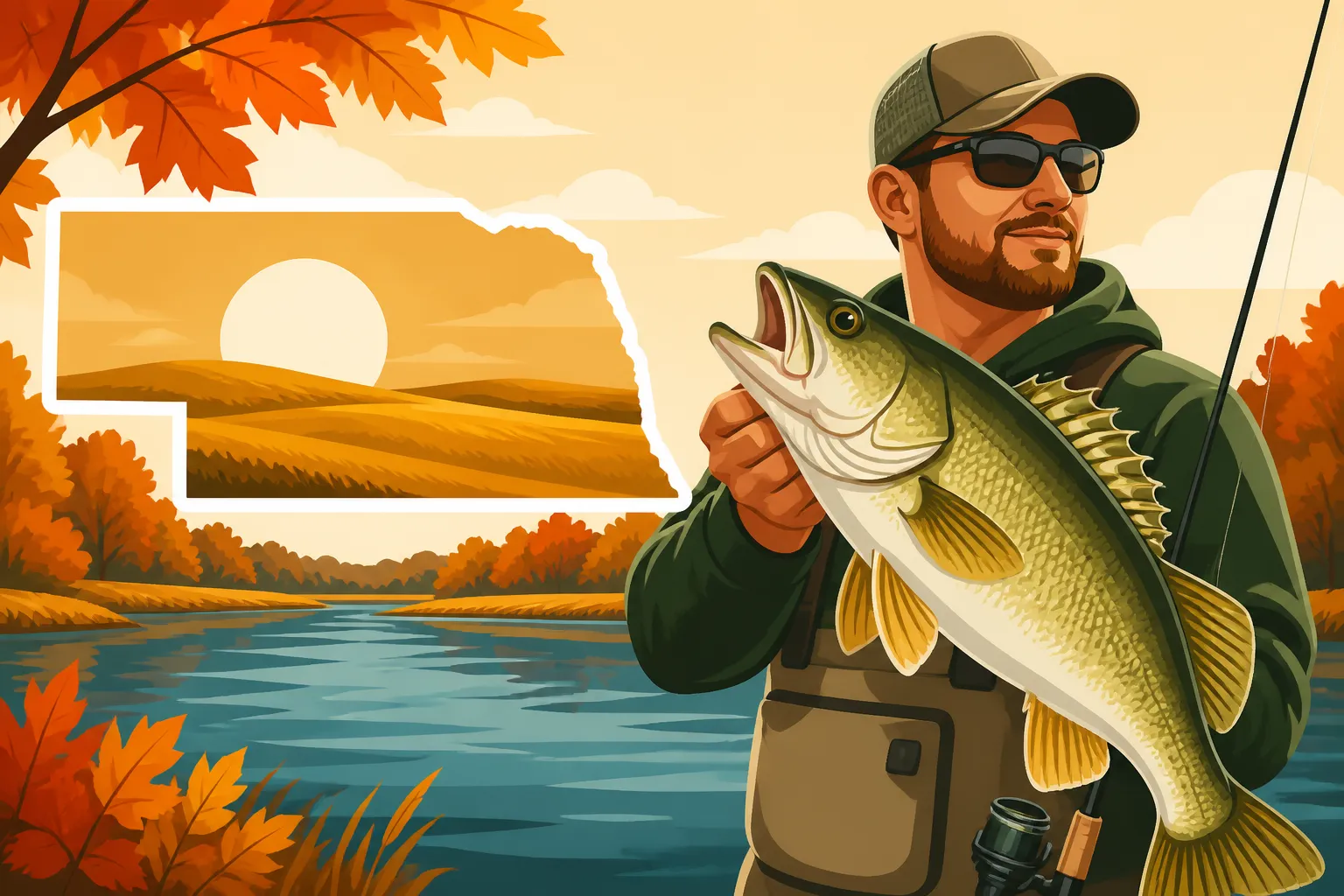
While our primary goal is to catch fish, it's impossible to ignore the sheer beauty of a Nebraska fall day. Whether you're casting on a placid lake surrounded by cottonwoods turning golden, or drifting down a river with vibrant splashes of red and orange along the banks, the scenery adds an undeniable layer of enjoyment to the experience. The sky often feels wider, the air cleaner, and the sounds of nature more pronounced without the constant hum of summer activities.
The visual appeal isn't just for us, either. Many anglers find themselves more focused and patient when surrounded by such natural splendor. It’s a chance to truly unwind and appreciate the moment, regardless of the size of your catch. Photographing a nice fish against a backdrop of fall colors is a bonus that summer simply can't offer. It's a sensory experience that elevates the entire fishing trip from a simple pursuit of fish to a truly immersive outdoor adventure.
Key Fish Species to Target in Nebraska Fall
Nebraska's diverse waters host a variety of fish species, and many of them become particularly active and exciting to catch during the autumn months. Knowing which species are on the feed can greatly increase your success. It's all about understanding their seasonal shifts and where they'll be looking for their next meal.
Walleye's Autumn Feeding Frenzy
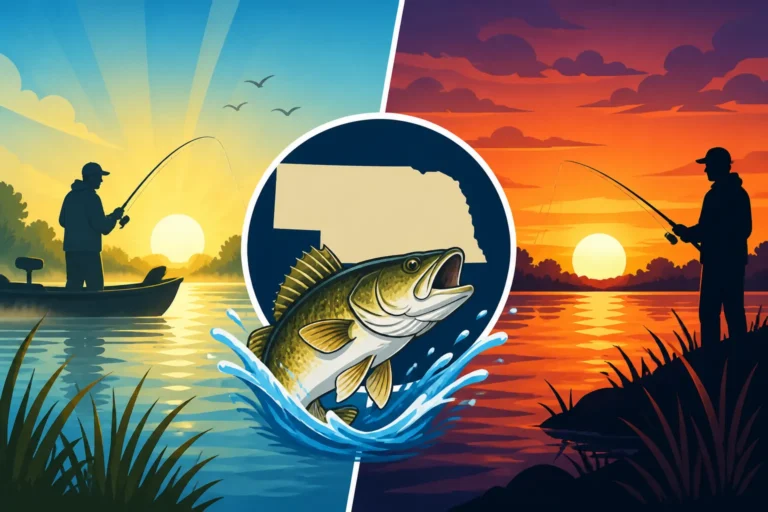
If there's one species that truly shines in Nebraska's fall, it's the walleye. These elusive, hard-fighting fish go on an absolute feeding spree as water temperatures drop. They sense winter approaching and need to gorge themselves to build up fat reserves. This makes them much more aggressive and predictable than during the summer doldrums.
You'll often find walleye migrating from their deep summer haunts to shallower flats, points, and humps where baitfish like gizzard shad or perch are abundant. They'll also patrol channel edges and the drop-offs where they can ambush schooling bait. Techniques like trolling crankbaits or jigging with minnows and nightcrawlers become incredibly effective. Some of the best walleye fishing can occur in October and even into November, especially on large reservoirs like Lake McConaughy, Harlan County Reservoir, and Sherman Reservoir. They're trying to put on weight, so they're much more willing to chase down a lure. If you're looking for an in-depth guide, check out our article on How to Fish for Walleye in Nebraska.
Aggressive Catfish Before Winter
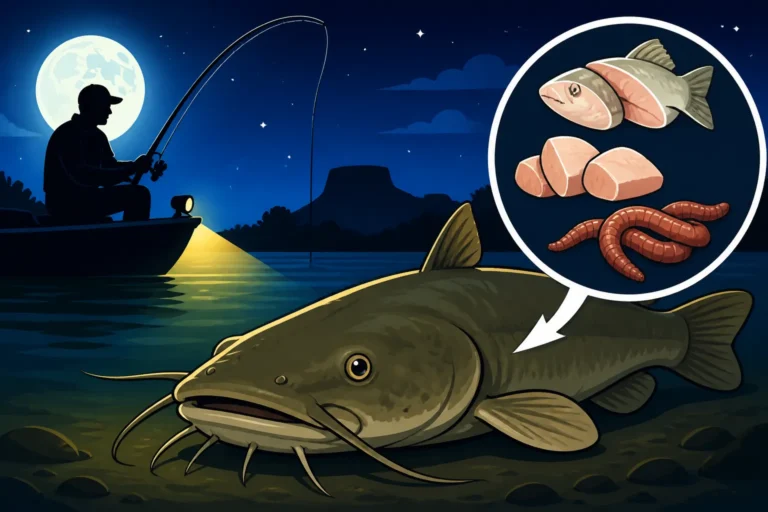
Channel catfish and even some flatheads aren't just summer fish in Nebraska; they can provide incredible action well into the fall. As water temperatures cool, they become less sluggish and more actively hunt. Their metabolism speeds up for a final burst of feeding before the really cold weather sets in and they become more lethargic.
You'll find channel catfish often moving into shallower flats and channel bends in rivers, or congregating in deeper holes in lakes and reservoirs. They're still very receptive to classic baits like cut bait, chicken liver, or prepared stink baits. On rivers like the Platte River or the Missouri River, they'll often be found near current breaks, wing dams, and brush piles where baitfish seek refuge. Flatheads, while still preferring live bait, might be found in similar river structures, but often in deeper, slower pools. Don't underestimate a good fall catfishing trip; the cooler air makes fighting these strong fish even more enjoyable. For more tips, read our guide on How to Catch Catfish in Nebraska.
Crappie Schooling and Deep Water Haunts
Crappie are another panfish favorite that offer fantastic fall fishing in Nebraska. After the spawn and the somewhat scattered nature of summer, crappie begin to school up tightly as fall progresses. They'll often move from shallow cover to deeper main lake points, submerged brush piles, creek channels, and bridge pilings. They're following baitfish, and once you find a school, you can often catch them one after another.
Small jigs, often tipped with a minnow or a soft plastic grub, are incredibly effective. You might need to experiment with depth, as they can suspend at various levels. Using a sensitive rod and a good fish finder to locate these schools is key. Lakes like Branched Oak Lake, Pawnee Lake, and Merritt Reservoir can offer phenomenal fall crappie fishing. The bite can be consistent even as temperatures dip, offering a lot of fun for anglers of all skill levels. If you're interested in refining your crappie techniques, explore our article on How to Catch Crappie Around Brush Piles.
Bass Pushing Baitfish
Both largemouth and smallmouth bass in Nebraska get a second wind in the fall. After surviving the summer heat, they become much more aggressive. They'll often be found actively ambushing baitfish in shallower coves, around weed lines that are starting to die back, and along rocky points. It's a fantastic time for topwater action in early fall, and later, for throwing crankbaits, spinnerbaits, and jigs.
Largemouth bass will often relate to existing cover, like submerged timber or dying lily pads, but they'll be more willing to come out and chase. Smallmouth bass, particularly in rivers like the Niobrara or certain reservoirs, will aggressively attack small crankbaits and soft plastics. They're looking for a substantial meal, so don't be afraid to throw larger presentations. The cooler temperatures make fighting a feisty bass even more exhilarating. Many anglers swear that the biggest bass of the year are often caught during the fall transition.
Trout in Cooler Waters
For those who enjoy trout fishing, fall offers some of the best opportunities in Nebraska. As summer's warm waters recede, the cooler temperatures are ideal for trout, particularly in stocked lakes and tailwater fisheries. Places like Lake Ogallala below Kingsley Dam or the reaches of the Niobrara River become prime spots.
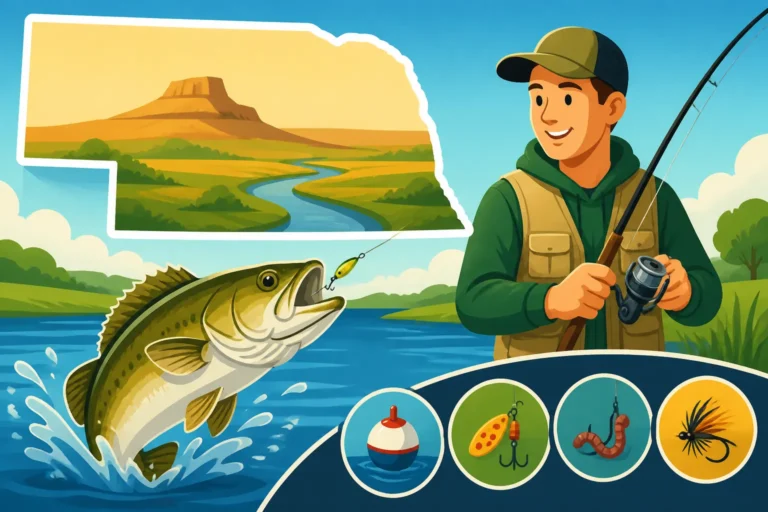
Rainbow trout, often freshly stocked in the fall, become very active. They'll readily take small spinners, spoons, artificial worms, or even flies. Brown trout, which are more elusive, also become more active as they prepare for their spawn, making them more susceptible to larger streamer flies or bait presentations. The crisp air and often vibrant natural surroundings make a fall trout outing a truly memorable experience. For more on the specifics of Nebraska's trout species, you might want to look into our guide on Trout Fishing in Nebraska.
Best Fall Fishing Techniques and Strategies
Fall fishing isn't just about showing up; it's about understanding the nuances of the season. Fish behavior changes dramatically, and the angler who adapts their techniques will be the most successful. Forget your summer patterns; fall demands a different approach.
Locating Fish in Fall Transition
Finding fish in the fall often revolves around two key factors: baitfish and water temperature. As the season progresses, baitfish like shad and minnows will start to congregate and move, often being pushed into bays, coves, or against main lake points by cooler water. Larger game fish will follow this food source intently.
In early fall, fish might still be somewhat scattered, but as temperatures drop into the 60s and 50s Fahrenheit, they'll begin to school up more tightly. Look for them along creek channels, particularly where these channels intersect with main lake points or humps. Submerged structure, like old timber or rock piles, that holds baitfish will also hold predators. Use your electronics extensively. A good fish finder can pinpoint schools of bait and the larger fish lurking beneath or around them. Don't be afraid to move around until you find them. Sometimes, one side of a lake will be significantly warmer or hold more bait than another, making all the difference.
Another crucial aspect is oxygen content. In deeper lakes, the fall turnover (when the surface water cools and sinks, mixing with the deeper, deoxygenated water) can temporarily scatter fish. However, once the lake "turns over," oxygen levels become more uniform, and fish can be found throughout the water column, often relating to structure more than depth. Pay attention to water clarity too; as weeds die back, the water can become clearer, necessitating lighter lines and more subtle presentations.
Effective Fall Lures and Baits
With fish actively feeding, your lure and bait choices should reflect their aggressive mood and desire for substantial meals. This isn't the time for finesse, necessarily, but for presentations that mimic their natural prey or trigger a reaction strike.
For walleye, crankbaits that dive to the depth where fish are holding are excellent choices, especially when trolled along contours or over flats. Shad-imitating colors are always a good bet. Jigging spoons or blade baits can be deadly when walleye are schooled tightly on humps or ledges. Live bait, particularly minnows or large shiners, fished on a plain hook or a jig head, remains a top producer. You can find a wide array of these specialized lures and live bait rigs on platforms like Amazon, making it easy to stock up for your fall outings.
Catfish anglers will find success with traditional cut baits (shad, carp), chicken livers, or even larger prepared baits. The key is to offer a scent trail that can attract them from a distance. For bass, crankbaits, spinnerbaits, and even topwater lures (especially in early fall) can elicit violent strikes. As the water cools further, football jigs or slow-rolled spinnerbaits near cover become more effective. Crappie will readily hit small jigs (1/32 to 1/16 oz) tipped with minnows or soft plastic tubes and grubs. Again, minnow-imitating colors are excellent. Small spoons or blade baits can also tempt suspended crappie.
Adapting to Water Temperature Changes
Water temperature is the ultimate driver of fall fish behavior. Anglers who keep a close eye on it will have a distinct advantage. Early fall, with water still in the 60s, is often a transitional period. Fish might still be found in similar areas to late summer, but with increased activity. As temperatures drop into the 50s, the "power feeding" really kicks in. This is often when you'll find large schools of fish aggressively chasing bait.
When the water gets into the low 50s and 40s, fish activity will start to slow down slightly, and they'll often move to deeper main lake basins or the warmest water available. This might mean sun-drenched northern banks in the afternoon or deeper structure where the water temperature remains more stable. Your presentation should slow down too. Instead of fast retrieves, think slower jigging, dragging baits, or patiently soaking live bait. Fish are still feeding, but they might not expend as much energy to chase.
Using a thermometer on your boat or even a handheld one from shore can give you crucial insights. If you notice a particular temperature range is productive, try to find other areas on the lake or river that match that temperature. This iterative process of adapting to changing water temperatures is a hallmark of successful fall fishing.
Top Nebraska Lakes and Rivers for Fall Angling
Nebraska offers a fantastic array of fishing destinations, each with its own fall personality. From massive reservoirs to winding rivers and serene state park lakes, there's a spot for every angler's preference. Knowing where to focus your efforts can make a huge difference in your fall success.
Reservoir Hotspots: Lake McConaughy, Branched Oak, Merritt
Nebraska's large reservoirs truly come alive in the fall. The vast expanses of water provide ample space for fish to roam and baitfish to gather, leading to incredible feeding opportunities.
Lake McConaughy, often affectionately called "Big Mac," is a prime example. This massive reservoir near Ogallala is legendary for its walleye fishing, and fall is arguably the best time to target them. As water temperatures drop, walleye move shallower, congregating on points, humps, and flats, actively chasing shad. Trolling crankbaits or vertical jigging with minnows are incredibly effective here. You can also find good numbers of white bass and wipers actively chasing bait schools. The sheer size of Lake McConaughy means fewer crowded spots than in summer. Our detailed Lake McConaughy Fishing Guide can help you plan your trip.
Branched Oak Lake near Lincoln is another fall gem, especially for crappie and catfish. The crappie often school up heavily around submerged timber and brush piles along the old creek channels, providing fast action. Catfish, too, are still very active, and can be caught throughout the lake using traditional baits. Even largemouth bass get aggressive, chasing baitfish in the shallower coves. The lake's structure and varying depths offer plenty of options for different fall techniques. For specific tips, check out the Branched Oak Lake Fishing Guide.
Further north, Merritt Reservoir is a fantastic fall destination, particularly for walleye and muskellunge. The Sandhills scenery adds to the appeal. Walleye here behave similarly to McConaughy, moving to shallower structures to feed. Muskellunge, though rare, are also highly active in the fall as they bulk up for winter, offering a chance at a true trophy. Large crankbaits and swimbaits are the go-to for these toothy predators. The Merritt Reservoir Fishing Guide is a great resource if you're planning a trip.
River Systems: Platte and Missouri River Opportunities
Don't overlook Nebraska's major river systems for fall fishing. The flowing water presents different challenges and rewards, often holding surprisingly active fish well into the cooler months.
The Platte River offers excellent opportunities for channel catfish, especially in its deeper holes and slower currents. As flows stabilize after summer, catfish will stage in predictable areas, often near submerged logs or cut banks where they can ambush prey. Flathead catfish are also present, though they become a bit harder to entice with cooler water. Smallmouth bass can be found in the clearer, rockier stretches, actively feeding. Wading anglers will find increased accessibility as summer weed growth dies back, but always be mindful of current and water levels. Our Platte River Fishing Guide offers more comprehensive advice.
The mighty Missouri River, forming Nebraska's eastern border, is a fantastic fall fishery for a variety of species. Walleye and sauger will often congregate below dams, at the mouths of tributaries, and around wing dams, taking advantage of current breaks and concentrated baitfish. Jigging with minnows or plastics, or trolling crankbaits, can be highly effective. Channel catfish and blue catfish also remain active, often stacking up in deeper scour holes or along current seams. The sheer size and power of the Missouri can be intimidating, but it holds some truly impressive fish. Always prioritize safety on this big river, especially with cooler water temperatures.
Smaller Ponds and Lakes for Panfish
While the big waters get a lot of attention, don't forget the numerous smaller ponds, community lakes, and state park lakes sprinkled across Nebraska. These can be incredible for fall panfish, particularly crappie and bluegill. As temperatures drop, these fish often move into predictable areas, and their smaller size means they don't require heavy tackle, making them ideal for family outings or a quick trip after work.
Look for dying weed beds, submerged brush piles, and drop-offs. The fish will be congregating for food. Small jigs, wax worms, or even tiny spinners can produce consistent action. These smaller waters are also less affected by wind than large reservoirs, offering more comfortable fishing on blustery fall days. They're excellent places to introduce kids to fishing, as the action can be steady. Remember to check local regulations for these specific bodies of water, as some urban ponds might have unique rules.
Essential Gear for Fall Fishing in Nebraska
Preparing for fall fishing means more than just packing your tackle box. The changing weather, cooler water, and often increased activity of fish demand a thoughtful approach to your gear. Being prepared not only makes your trip more comfortable but also safer and more successful.
Layering for Comfort and Safety
One of the biggest mistakes anglers make in fall is underestimating the weather. A sunny morning can quickly turn into a chilly, windy, or even rainy afternoon. The air temperature might feel pleasant, but the water temperature will be significantly colder, posing a hypothermia risk if you were to accidentally fall in.
The key is layering. Start with a moisture-wicking base layer (synthetics or wool are best, avoid cotton). Add a warm fleece or down mid-layer for insulation. Your outer layer should be waterproof and windproof. A good quality rain jacket and pants are non-negotiable, even if the forecast looks clear. You can always shed layers if it gets warmer, but you can't add what you didn't bring. Don't forget a warm hat (you lose a lot of heat through your head), gloves, and waterproof boots. Brands like Columbia or Patagonia offer excellent layering options that you can easily find on Amazon.
Comfort also extends to your hands and feet. Cold hands make knot tying and baiting difficult, while cold feet can quickly end a trip. Consider neoprene gloves or fingerless fishing gloves that offer warmth while maintaining dexterity. Thermal socks and waterproof boots are essential, especially if you plan on wading or spending a lot of time in a boat where water might splash.
Rods, Reels, and Line for Fall Species
Your tackle choices for fall will depend largely on the species you're targeting. However, some general principles apply.
For walleye and bass, medium to medium-heavy spinning or casting rods (6'6" to 7'6") paired with reels spooled with 8-12 lb test fluorocarbon or braided line with a fluorocarbon leader are versatile. Fluorocarbon is excellent for its low visibility and sensitivity, which can be crucial when fish are a bit finicky in colder water. Braided line offers superior sensitivity and casting distance, making it great for jigging or covering water with crankbaits.
Catfish demand heavier gear. A medium-heavy to heavy rod (7-9 feet) with a sturdy baitcasting reel spooled with 20-30 lb mono or braided line is ideal. These fish can be powerful, and you need the backbone to handle them, especially in river currents. For crappie and other panfish, ultralight or light action spinning rods (5-6 feet) with small reels spooled with 4-6 lb test monofilament or fluorocarbon will provide maximum sensitivity and enjoyment. Remember, the fish are often aggressive, but sometimes a lighter touch and presentation can make the difference. Knowing your Best Rod and Reel Combo for Beginners in Nebraska is a good starting point.
Navigation and Fish Finding in Autumn
In the fall, fish are often relating to specific structures or schools of baitfish, making navigation and fish-finding electronics invaluable. A reliable fish finder with good sonar and GPS capabilities can literally put you on fish.
Modern units, especially those with down imaging and side imaging, can help you quickly locate submerged humps, brush piles, channel edges, and schools of bait. The GPS function is critical for marking productive spots and navigating safely, particularly on larger reservoirs. You'll want to mark those deep crappie brush piles or walleye humps so you can return to them consistently.
Beyond electronics, a good physical map of the lake or river can be incredibly helpful. Study the contours, identify old creek channels, and locate potential points or flats. In rivers, understanding current breaks and scour holes is paramount. Having a sturdy anchor for boat fishing is also important, allowing you to hold position over a productive spot, especially if it's windy. Always check the weather forecast before heading out, as fall winds can kick up quickly and make boating hazardous, particularly on large bodies of water. Don't forget to review Nebraska Boat Registration and Fishing Rules before launching.
Understanding Nebraska's Fall Regulations
Navigating fishing regulations can sometimes feel like a puzzle, and it's essential to understand them, especially when seasons transition. Fall fishing in Nebraska is no exception. Ignoring these rules can lead to fines, loss of privileges, and contribute to unsustainable fishing practices.
Permit Requirements and End Dates
First and foremost, you'll need a current Nebraska fishing license. This might seem obvious, but many anglers forget that their annual license, purchased in the spring, typically expires on December 31st each year. If you're fishing late into fall or planning an ice fishing trip right after the new year, you'll need to purchase a new one. Don't get caught out on the water in November or December thinking your March-purchased license is still valid for the following year! You can easily purchase or renew your license online through the GoOutdoorsNE system, or in person at various vendors. For a full breakdown, check out our Nebraska Fishing License Guide.
Beyond the general fishing license, be aware if you need any additional stamps or permits. For instance, the Nebraska Aquatic Habitat Stamp is required for residents and non-residents aged 16 and older to fish or harvest aquatic species. It's usually purchased with your fishing license. While not typically a fall-specific concern, always confirm you have the necessary documentation. Knowing your Nebraska Aquatic Habitat Stamp Explained is vital.
Bag and Length Limits for Fall Species
Just like during other seasons, Nebraska maintains specific bag and length limits for various fish species, and these are enforced year-round. While fish are aggressively feeding in the fall, it doesn't mean you can keep more than your allotted limit. These limits are in place to ensure healthy fish populations for future generations of anglers.
Before you head out, review the current Nebraska Fishing Guide for the specific waters you'll be fishing. For example, walleye often have minimum length limits and daily bag limits that vary by water body. Certain lakes might have slot limits, meaning you can only keep fish below a certain size and above another, with a protected "slot" in the middle. Crappie and other panfish also have daily bag limits. Catfish generally have generous limits, but it's still good practice to be aware.
The best practice is to download the digital version of the Nebraska Fishing Guide or carry a physical copy. The specific rules for bodies of water like Lake McConaughy, Merritt Reservoir, or Branched Oak Lake can vary, so always double-check. Don't rely on memory or what you heard from a friend. Ignorance of the law is not an excuse, and game wardens are active during the fall, especially during prime feeding times. Our Nebraska Fishing Regulations Explained article provides a great overview.
Aquatic Invasive Species Awareness
Fall might mean fewer recreational boaters, but preventing the spread of Aquatic Invasive Species (AIS) remains a critical responsibility for every angler. As you move your boat or gear between different water bodies, you could unknowingly transport unwelcome guests like zebra mussels or Eurasian watermilfoil.
The "Clean, Drain, Dry" protocol is crucial year-round.
- Clean: Inspect your boat, trailer, and all fishing gear (nets, waders, anchors) and remove any visible plants, mud, or debris.
- Drain: Pull your drain plug and completely drain all water from your livewell, bilge, motor, and any other water-holding compartments.
- Dry: Allow your boat and equipment to thoroughly dry before launching in another water body. If drying isn't possible, a thorough wash with hot, high-pressure water can help.
Nebraska is serious about preventing AIS, and violations can result in significant penalties. You might even be subject to mandatory boat inspections, particularly when entering or leaving certain high-risk areas. Always be vigilant. Protecting Nebraska's waters benefits everyone and ensures these beautiful fishing spots remain healthy for years to come.
Safety Considerations for Cooler Weather Fishing
Fall fishing brings unique joys, but it also introduces specific safety challenges, primarily related to cooler temperatures and potentially unpredictable weather. Being prepared for these conditions is not just about comfort; it's about survival.
Hypothermia and Cold Water Safety
The most significant danger in fall fishing, especially if you're boating, is cold water immersion and the risk of hypothermia. Even if the air temperature feels mild, the water itself can be dangerously cold, often below 60°F by mid-to-late fall. If you fall in, cold shock can instantly cause hyperventilation and disorientation, making it incredibly difficult to get back into a boat, even if you're a strong swimmer.
Always wear a life jacket. This is non-negotiable, particularly when fishing alone or in adverse conditions. A life jacket keeps your head above water and can significantly increase your survival time. Consider an inflatable PFD for comfort, but ensure it's in good working order. Dress in layers, as discussed earlier, with synthetic or wool materials that retain warmth even when wet. Cotton will only make you colder.
If someone falls in, immediate action is crucial. Have a plan: get the person back into the boat as quickly as possible, remove wet clothing, and wrap them in dry blankets or towels. Seek immediate medical attention, even if they seem fine, as the effects of hypothermia can be delayed. Carry a dry bag with spare clothes, a first-aid kit, and a way to start a fire or signal for help (like a whistle or fully charged cell phone).
Weather Monitoring and Preparedness
Fall weather in Nebraska can be notoriously fickle. A beautiful, calm morning can quickly give way to strong winds, sudden rain showers, or even an early snow squall. Don't rely solely on checking the forecast once in the morning.
Use a reliable weather app on your smartphone and check it frequently, even while on the water. Keep an eye on the sky for rapidly changing cloud patterns, darkening horizons, or sudden drops in temperature. If you're on a large reservoir, wind can whip up dangerous waves in minutes. It's always better to err on the side of caution and head to shore or a protected cove if conditions start to deteriorate.
Have a contingency plan. Know where the nearest boat ramps or safe harbors are. Inform someone of your float plan – where you're going, when you expect to return, and who is with you. If you're on a river, be aware of rising water levels or sudden current changes, especially after heavy rains upstream. Pack extra food and water, a headlamp, and a fully charged power bank for your phone. Being prepared means you can adapt to whatever Mother Nature throws your way.
Solo vs. Group Fishing in Fall
While fall often means fewer crowds, it also means that if you run into trouble, there might be fewer people around to help. This makes the decision to fish solo versus with a group even more important.
Fishing with a buddy or a group is always safer in cooler weather. You have extra hands if someone falls overboard, more people to share the navigation and weather-watching duties, and simply more resources if something goes wrong. If you choose to fish solo, be extra diligent with your safety preparations. Ensure your boat's engine is well-maintained, your electronics are charged, and your communication devices are working. Let multiple people know your exact plans and stick to them.
Even on shore, solo fall fishing demands caution. Slippery banks, hidden obstacles, and the risk of an unexpected fall become more hazardous when alone. It's often advisable to stick to familiar areas or places with good public access if you're going out by yourself. The beauty and tranquility of a solo fall fishing trip are undeniable, but they should never come at the expense of safety.
Disclaimer
Please remember that fishing regulations, conditions, and safety recommendations can change. Always consult the latest Nebraska Game and Parks Commission regulations before heading out, and prioritize safety on all your fishing adventures. The information provided in this guide is for general informational purposes only and does not constitute professional advice.