Nebraska Spring Walleye Fishing Techniques
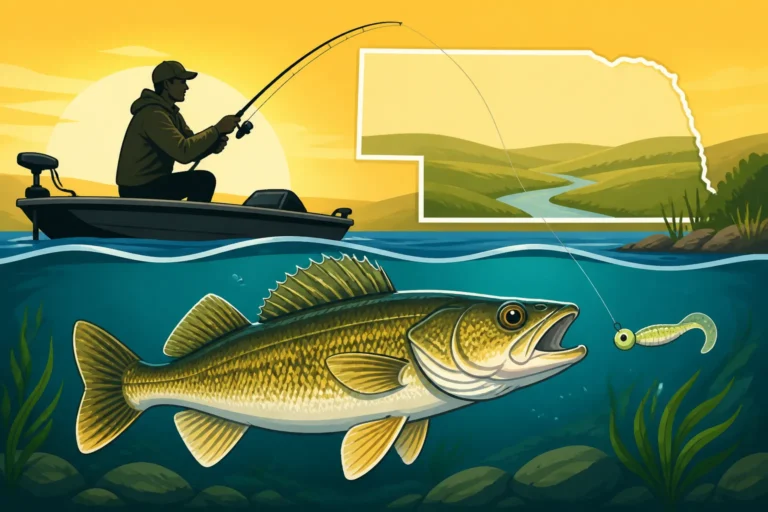
Ah, spring in Nebraska! It's a time of renewal, budding trees, and for us dedicated anglers, a fresh shot at those elusive walleye. But let's be real, spring walleye fishing here can feel like trying to solve a cryptic puzzle written by the fish themselves. One day they're biting, the next they've vanished, leaving you wondering if you're even in the right spot. This guide is all about demystifying those early season challenges, breaking down the proven techniques that put more walleye in your boat or on your bank, and helping you truly understand what these finicky fish are up to as the waters warm across the Cornhusker State.
Understanding the Spring Walleye Cycle in Nebraska
Before you even think about what lure to tie on, you've got to understand the walleye's mindset in the spring. Their entire world revolves around spawning, and their behavior shifts dramatically from the icy depths of winter to the warmth of early summer. Missing this crucial biological clock means missing the fish. It's a journey from cold, sluggish pre-spawn mode, through the frantic spawn, and into a ravenous post-spawn period that offers some of the year's best fishing.
Pre-Spawn Preparations and Locations
As the ice reluctantly retreats and water temperatures nudge just above freezing, walleye start to stir. They've been relatively inactive all winter, conserving energy. Now, with the promise of reproduction in the air, they begin to stage. This pre-spawn phase is typically when water temperatures are still quite cold, often in the mid to high 30s and low 40s Fahrenheit. The fish are looking for two main things: slightly warmer water and easy access to spawning grounds.
In Nebraska, this usually means shallow points, main lake points, rocky areas, and gradual sloping flats near deeper water. They'll also congregate in the deeper bends of river channels or at the mouths of tributaries if you're fishing a river system. The key here is transition zones – places where they can quickly move from deeper, more stable water into shallower, warming areas to feed. They're not yet aggressive, but they're starting to put on weight for the energy-intensive spawning process. Many anglers focus on areas where current is present, as it can bring warmer water and concentrate baitfish. Places like the tailwaters below dams, such as those below Lake McConaughy, can be phenomenal during this time as migrating fish stack up. Remember, patience is a virtue during pre-spawn; the bites can be subtle.
The Spawn: Timing and Behavior
The actual walleye spawn in Nebraska typically kicks off when water temperatures hit the mid-40s to low 50s Fahrenheit, often peaking when the thermometer hovers around 45-50 degrees. This usually happens in late March and April, but it can vary significantly from year to year and lake to lake depending on how quickly the spring warmth arrives. The males generally move into the spawning areas first, followed by the females. They prefer hard-bottomed areas like rock reefs, riprap, gravel flats, and even sandy bottoms where current or wave action keeps the eggs aerated. In rivers, they'll head upstream to rocky shoals or current breaks.
During the peak of the spawn, walleye can be incredibly difficult to catch. Their focus is solely on reproduction, not feeding. While males might still nip at a lure out of aggression, females are often completely disinterested. This period can be frustrating for anglers, as you might mark a lot of fish but get very few bites. Many experienced Nebraska anglers know that it's often best to let the fish do their thing during the most intense part of the spawn, or to focus on the brief windows when fish are moving to or from these areas. Knowing When Walleye Spawn in Nebraska is crucial for planning your trips around this biological event.
Post-Spawn Recovery and Feeding Frenzy
Once the arduous spawning ritual is complete, the walleye, particularly the larger females, are exhausted and hungry. This post-spawn period is characterized by a "recovery" phase, followed by a full-blown "feeding frenzy" as their metabolism kicks into high gear and they seek to replenish their lost energy reserves. Water temperatures during this time usually range from the low to high 50s and into the low 60s Fahrenheit.
During recovery, walleye might still be found near spawning areas, but they'll often retreat to slightly deeper water or nearby cover to rest. As they regain strength, they become incredibly aggressive feeders. This is arguably one of the best times to target big walleye in Nebraska. They'll chase down baitfish with gusto, making them much more receptive to a wider variety of presentations. Look for them along weed lines, submerged humps, offshore structure, and points where baitfish are abundant. The transition from shallow spawning grounds to deeper summer haunts makes them predictable for a short window, creating fantastic opportunities for anglers willing to adapt their methods.
Key Techniques for Early Spring Walleye
When the ice has just melted and the water is still chilly, walleye are often lethargic. You need techniques that put the bait right in front of them and entice a bite without requiring a lot of effort from the fish. Slow, methodical presentations are the name of the game.
Vertical Jigging Near Structure
Vertical jigging is an absolute staple for early spring walleye in Nebraska, especially when you can pinpoint fish on your electronics. Walleye will often hug bottom structure or hold tightly to cover in cold water. Dropping a jig directly onto their heads can be incredibly effective. The key is to use lighter jigs, typically 1/8 to 1/4 ounce, tipped with live bait like a minnow, piece of nightcrawler, or even a small plastic grub.
The presentation should be subtle. Lower your jig until it touches the bottom, then lift it just a few inches and let it flutter back down. You're trying to mimic a stunned or injured baitfish. Work slowly, covering small areas thoroughly. If you mark fish on a point, a breakline, or even an isolated rock pile, position your boat directly over them and jig. This technique shines on places like Lake McConaughy or Branched Oak Lake where significant structure can hold these pre-spawn or just post-spawn fish. Many anglers find the sensitivity of a good graphite rod, easily found on Amazon, helps detect those faint cold-water bites.
Slow Trolling with Spinner Rigs and Bottom Bouncers
Another highly effective method for covering water in early spring, particularly when fish are spread out or moving, is slow trolling with spinner rigs and bottom bouncers. These rigs are designed to keep your bait near the bottom, where walleye are likely to be lurking in colder water. A bottom bouncer helps prevent snags while keeping your lure at a consistent depth. Attach a spinner rig with a single hook and a colorful blade, tipped with a lively nightcrawler or minnow.
The trick is the speed – go slow. Think 0.8 to 1.2 miles per hour. This deliberate pace allows the walleye to easily intercept your bait. Experiment with different blade colors and sizes, as well as leader lengths. Sometimes a short leader is best when fish are tight to the bottom, other times a longer one provides more action. Focus your trolling passes along depth contours, channel edges, or the sides of main lake points. This technique is especially useful in larger bodies of water like Lewis and Clark Lake where walleye might be transitioning between areas. Understanding Best Bait for Nebraska Walleye can significantly improve your success with these rigs.
Shoreline and Shallow Water Presentations
Don't underestimate the power of fishing from the bank in early spring, especially on smaller lakes or during strong warming trends. As the sun beats down, shallow bays and north-facing shorelines can warm up significantly faster than deeper water. Walleye, particularly during pre-spawn and immediately after, will move into these shallows to feed on baitfish that are also seeking warmer water.
Casting small jigs, suspending jerkbaits, or even throwing shallow-diving crankbaits can be incredibly productive. Focus on areas with riprap, downed timber, or sparse weed growth. The key is to retrieve your lures slowly, allowing them to suspend or barely tick the bottom. Early mornings, late evenings, and even overcast days can be prime times for this. A good pair of polarized sunglasses will help you spot subtle changes in bottom composition or even cruising fish in clear water. For those without boats, this offers an excellent opportunity to catch walleye, making bank fishing a truly accessible option in places like Fremont Lakes State Recreation Area.
Mid-Spring Strategies as Water Warms
As spring progresses and water temperatures climb into the mid-50s and low 60s, walleye become more active and willing to chase. This opens up new techniques that can cover more water and target fish that are no longer strictly confined to the bottom.
Crankbaiting and Trolling Open Water
Once walleye have recovered from the spawn and are actively feeding, crankbaits become incredibly effective. They mimic baitfish perfectly and allow you to cover vast stretches of water quickly, locating schools of hungry walleye. Trolling crankbaits, either with your main engine or a dedicated trolling motor, is a fantastic way to find active fish.
Choose crankbaits that dive to the depth where you expect the walleye to be. During mid-spring, they might be suspended over deeper water, relating to offshore humps, or cruising along structure at various depths. Experiment with different colors and retrieve speeds. Brighter colors can work well in stained water, while more natural patterns shine in clear conditions. You can flat-line troll (without additional weight) or use planer boards to spread your lines out and cover a wider area, mimicking a school of baitfish. Brands like Rapala and Berkley offer a wide range of effective crankbaits. This technique is a go-to for many anglers on large reservoirs like Merritt Reservoir. How to Troll for Walleye in Nebraska delves deeper into these specific methods.
Slip Bobber Fishing for Suspended Walleye
Sometimes, walleye aren't right on the bottom, nor are they aggressively chasing trolled baits. They might be suspended in the water column, perhaps over a submerged weed bed or along a deep breakline. This is where slip bobber fishing shines. A slip bobber allows you to present live bait (typically a minnow or a leech) at a precise depth, suspending it right in the walleye's strike zone.
The beauty of a slip bobber is its versatility. You can cast it a good distance, and once it hits the water, the line slips through the bobber until it hits the stopper knot, presenting your bait exactly where you want it. This is particularly effective around standing timber, deep weed edges, or brush piles where fish might be holding. The key is to use your electronics to identify the depth at which fish are suspended, then set your bobber stopper accordingly. It's a fantastic technique for targeting fish that are in a neutral mood or when fishing in areas with dense cover that would snag other presentations.
Targeting Transition Zones
As spring marches on, walleye are constantly on the move, transitioning from their spawning areas to their deeper summer haunts. These transition zones are often prime locations. Think about the path fish would take from a shallow spawning flat to a deep rock hump or a main lake basin. They won't just teleport; they'll follow contour lines, channel edges, and points.
These zones are typically where you'll find a mix of depths and cover, providing both security and feeding opportunities. Fishing the "edges" of these transitions with jigs, crankbaits, or even spinner rigs can be highly productive. Pay attention to changes in bottom composition, depth, and the presence of baitfish on your fish finder. A good strategy is to start shallow and work your way deeper, or vice-versa, until you locate actively feeding fish. Understanding these movements is critical for consistent success, especially when fishing a new area or during unpredictable weather patterns.
Late Spring Tactics Before Summer
As May progresses and June approaches, the lines between spring and summer blur. Water temperatures are consistently warmer, and walleye are often in full-blown feeding mode, though they might be moving to deeper or more heavily vegetated areas.
Harnessing the Post-Spawn Crave
The post-spawn period, especially as it moves into late spring, is when walleye truly get their appetite back. Females that have dropped their eggs are often ravenous, seeking to quickly regain their strength. This is an opportune time to target them with more aggressive presentations. Don't be afraid to speed up your retrieves or use larger, more attention-grabbing lures.
Focus your efforts on structure that provides easy ambush points for these hungry fish. Sunken islands, rocky points extending into deeper water, and the edges of expansive weed beds are all prime real estate. These areas concentrate baitfish, and the walleye will be nearby, waiting for an easy meal. Trolling large crankbaits, jigging larger plastics, or working comprehensive spinner rigs can all be highly effective. The key is to match the hatch, using lures that mimic the size and profile of the predominant baitfish in the area. This is often when you catch some of the biggest walleye of the year.
Adapting to Weed Growth and Cover
As waters warm and sunlight intensifies in late spring, submerged aquatic vegetation really starts to take off. These weed beds become magnets for baitfish, which in turn attract walleye. While weeds can be a pain to fish, learning to adapt your techniques to them can unlock fantastic opportunities.
Look for the edges of these weed beds, particularly where they drop off into deeper water or form pockets and lanes. Walleye will often cruise these edges, darting into the weeds to ambush prey. Blade baits, swim jigs, or weedless presentations with soft plastics can be effective here. If you're trolling, consider using planer boards to run your lines just outside the weed edge. Flipping jigs into open pockets within the weeds can also produce aggressive strikes. Don't be afraid to get a little dirty; sometimes the biggest walleye are buried deep in the cover.
Night Fishing for Aggressive Walleye
As the days get longer and brighter, late spring can bring increased boat traffic and recreational activity on Nebraska's lakes and reservoirs. This often pushes walleye into deeper water during the day or makes them more wary. However, as the sun dips below the horizon, a whole new world of opportunity opens up: night fishing. Walleye are nocturnal feeders by nature, and under the cover of darkness, they often move into shallower water to feed aggressively.
Target points, rock reefs, and shallow flats adjacent to deeper water. Trolling shallow-diving crankbaits that emit rattles or glow in the dark can be incredibly effective. Casting and slowly retrieving larger stickbaits or jigs tipped with live bait near lighted docks (if permitted and accessible) can also yield great results. Just be sure to check Nebraska Night Fishing Rules before you head out, and always prioritize safety with proper lighting and PFDs. Many anglers find that the biggest walleye are caught after dark.
Essential Gear and Bait for Nebraska Spring Walleye
Having the right tools for the job can make a world of difference, especially when you're dealing with finicky spring walleye. A little preparation in your tackle box goes a long way.
Rods, Reels, and Line Selection
For spring walleye, versatility is key. A good all-around setup would be a medium-light to medium power spinning rod, 6'6" to 7'6" in length, with a fast action tip. This combination offers enough backbone to handle bigger fish while providing the sensitivity needed to detect those subtle cold-water bites. Match it with a quality spinning reel in the 2500-3000 size range.
When it comes to line, many anglers prefer a 6-10 lb test monofilament or fluorocarbon for its stealth and stretch. However, braided line (10-20 lb test) with a 6-10 lb fluorocarbon leader is gaining popularity due to its incredible sensitivity and strength, particularly when jigging or feeling for light bites. The braid allows you to feel everything, while the fluorocarbon leader provides invisibility in clear Nebraska waters. For specific recommendations, check out Best Rod Setup for Nebraska Walleye.
Top Baits and Lures for Spring Success
The bait and lure selection will vary depending on the spring phase and the walleye's mood, but some staples are consistently effective:
- Live Bait: Minnows (shiners, fatheads, chubs) are arguably king in cold water. They're excellent for vertical jigging, slip bobber rigs, and slow trolling on spinner harnesses. Leeches become more effective as water temperatures rise into the 50s and 60s. Nightcrawlers are a universal walleye bait, especially effective on spinner rigs and bottom bouncers.
- Jigs: Bucktail jigs, hair jigs, and soft plastic jigs (paddle tails, curly tails, minnow profiles) in sizes from 1/8 to 1/2 ounce are essential. Tip them with live bait for added appeal.
- Crankbaits/Stickbaits: Shallow-diving models for shoreline casting in early spring, and deeper diving models for trolling as fish move deeper. Colors should vary from natural baitfish patterns to brighter, more aggressive choices.
- Blade Baits: These vibrating metal lures are fantastic for vertical jigging and casting when walleye are aggressive.
- Spinner Rigs/Bottom Bouncers: Indispensable for covering water and keeping live bait near the bottom.
Having a good selection of these, along with a tackle box that keeps them organized, perhaps one you picked up from Amazon, is crucial.
Electronic Aids and Accessories
Modern electronics have revolutionized walleye fishing. A quality fish finder with GPS and mapping capabilities is an invaluable tool. It allows you to:
- Locate Structure: Identify points, humps, drop-offs, and rock piles where walleye congregate.
- Mark Fish: See individual fish or schools, helping you target specific depths and areas.
- Monitor Water Temperature: Crucial for understanding walleye behavior and timing the spawn.
- Navigate: Use GPS to mark waypoints of productive spots and follow precise trolling passes.
Side imaging and down imaging are advanced features that offer incredible detail, allowing you to see fish and structure off to the sides or directly beneath your boat with photographic clarity. For ice anglers, portable flasher units are essential. Check out How to Read a Fish Finder for Walleye for more in-depth knowledge. Beyond electronics, don't forget essentials like a good landing net, pliers for hook removal, a livewell or cooler to keep your catch fresh, and a reliable headlamp for those early morning or late evening trips.
Navigating Nebraska's Spring Walleye Hotspots
Nebraska offers a variety of excellent walleye fisheries, each with its unique characteristics and prime spring opportunities. Knowing where to focus your efforts can make all the difference. Always consult Nebraska Fishing Regulations Explained and the specific lake or river rules before heading out.
Major Reservoirs and Lakes
Nebraska's large reservoirs are arguably the most popular destinations for spring walleye anglers. Their vast expanses hold impressive populations of walleye, and the opportunities are often plentiful, though fishing pressure can be high.
- Lake McConaughy: Often called "Big Mac," this is Nebraska's premier walleye lake. In spring, focus on the dam face riprap, points, and submerged humps as fish move towards spawning grounds and then disperse. Early season jigging and later, trolling crankbaits, are highly effective. Knowing the current water levels and finding access points, perhaps listed in a Lake McConaughy Fishing Guide, will always be a priority.
- Merritt Reservoir: Located in the Sandhills, Merritt offers a more remote experience. Spring walleye here can be found along the rocky shorelines, submerged cedar trees, and points. It's known for its clear water, so stealthy approaches and longer fluorocarbon leaders are often beneficial.
- Branched Oak Lake: Near Lincoln, Branched Oak is a popular choice for central Nebraska anglers. Its numerous points, bays, and riprap areas hold good numbers of walleye. Look for staging areas near the dam and creek channels during pre-spawn, and later, focus on weed lines and offshore structure.
- Harlan County Reservoir: A large body of water in south-central Nebraska, Harlan County is known for its strong walleye population. Target the vast main lake points, submerged roadbeds, and the riprap along the dam in spring. Trolling spinner rigs and crankbaits are go-to methods here.
- Lewis and Clark Lake: Part of the Missouri River system, this border water reservoir offers excellent walleye fishing. Focus on the main channel breaks, submerged timber, and the numerous points and bays. Current can play a significant role here, so understanding its effects on fish positioning is key. This lake offers opportunities for anglers following a Best Places to Fish in Nebraska guide.
River Systems and Tailwaters
While reservoirs get a lot of attention, Nebraska's river systems, particularly the larger ones and the tailwater areas below dams, offer fantastic and often underutilized spring walleye opportunities.
- Missouri River: The Big Mo is a dynamic and challenging fishery, but it holds some of Nebraska's largest walleye. In spring, focus on wing dams, current breaks, scour holes, and the mouths of tributaries. Jigging with heavier jigs, pitching plastics, or drifting live bait are all productive. Always be mindful of current and river conditions.
- Platte River: While often thought of for catfish, sections of the Platte River can hold surprising numbers of walleye in the spring, especially in deeper holes and around bridge pilings. The fish here are often smaller but can be aggressive. Look for current seams and eddies.
- Tailwaters Below Dams: The areas immediately below dams, such as Kingsley Dam below Lake McConaughy (Lake Ogallala) or Gavin's Point Dam below Lewis and Clark Lake, are absolute magnets for walleye in early spring. These areas concentrate fish that are moving upstream to spawn or are simply attracted to the constant flow and oxygenated water. Heavy jigs, blade baits, and ripping Rapalas are often the preferred tactics in these high-current environments. Always pay close attention to safety and local regulations when fishing in tailwaters.
Spring Walleye Techniques at a Glance
To help consolidate the information, here's a quick reference table for Nebraska spring walleye techniques:
| Spring Phase | Water Temp Range (°F) | Key Locations | Primary Techniques | Recommended Baits/Lures | Notes |
|---|---|---|---|---|---|
| Early Spring | 38-45 | Shallow points, rocky areas, creek channels | Vertical jigging, slow trolling (bottom bouncers) | Minnows, small plastics, hair jigs, spinner rigs | Subtle bites, slow presentations, cover water thoroughly |
| Peak Spawn | 45-50 | Riprap, rocky reefs, shallow current breaks | Often tough fishing, focus on transition zones | Minimal, aggressive males may hit jigs/crankbaits | Respect the spawn, target staging or post-spawn areas instead |
| Post-Spawn Recovery | 50-55 | Near spawning areas, deeper cover, breaklines | Vertical jigging, slip bobbers, slow trolling | Minnows, leeches, nightcrawlers, small crankbaits | Fish resting, can be caught but still a bit sluggish |
| Mid-Spring Feeding | 55-62 | Offshore humps, weed lines, main lake points | Trolling crankbaits, faster spinner rigs, slip bobbers | Crankbaits, nightcrawlers, leeches, large plastics | Active feeding, cover water, experiment with speed and depth |
| Late Spring | 60-68 | Deep weed edges, offshore structure, main lake basins | Aggressive crankbaiting, jigs, night fishing | Larger crankbaits, swim jigs, live bait (night) | High activity, target ambush points, consider night fishing opportunities |
Spring walleye fishing in Nebraska is a journey of adaptation. From the icy grip of late winter to the warmth of early summer, these fish are constantly on the move, and their behavior changes with every degree of water temperature. By understanding their seasonal patterns and being willing to adjust your techniques, you can unlock incredible success. Don't get discouraged by a tough day; learn from it, adapt, and those beautiful golden eyes will be gracing your net before you know it. Tight lines, fellow Nebraska anglers!
Disclaimer
Fishing conditions and regulations in Nebraska can change. Always consult the latest Nebraska Game and Parks Commission regulations before fishing. This guide is for informational purposes only and does not supersede official rules and laws. Always prioritize safety on the water.