Best Time of Year to Catch Catfish in Nebraska
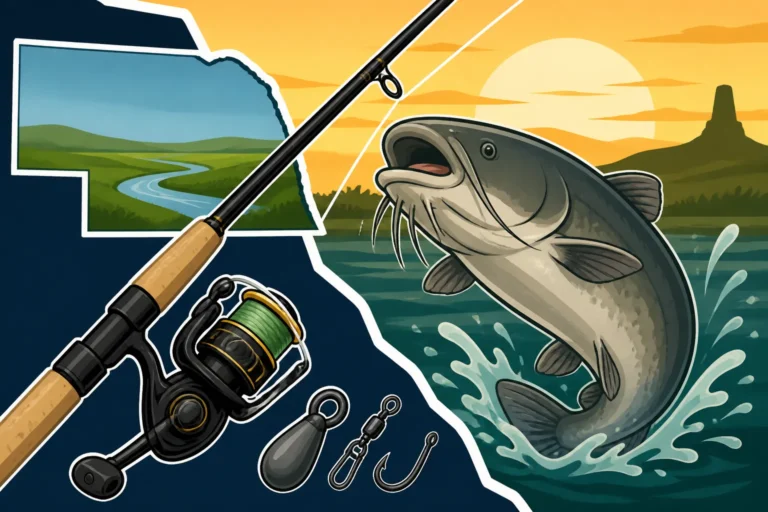
Many anglers find themselves wondering when the best time is to really hit the waters and land those big, whisker-faced beauties here in Nebraska. It's frustrating to put in the time and effort only to come up empty-handed, especially when you know those catfish are out there, waiting. This comprehensive guide will peel back the layers of seasonal catfish behavior, helping you understand their patterns and pinpoint the absolute best times of year to target channel, flathead, and even the elusive blue catfish across the Cornhusker State.
Understanding Catfish Behavior Through the Seasons
Catfish aren't just sitting in one spot all year waiting for your bait; their behavior changes dramatically with water temperature, light conditions, and their biological drive to spawn and feed. Knowing these seasonal shifts is absolutely key to consistently hooking into Nebraska's fantastic whiskered fighters. It's not just about throwing a line in; it's about understanding their rhythm and adapting your strategy to what they’re doing.
Spring: The Pre-Spawn Feast
As winter's chill finally gives way to the warming rays of spring, the waters across Nebraska begin to stir, and so do the catfish. This period, roughly from April through early June, is often cited as one of the most exciting times to target them. The water temperature is creeping up, usually hitting that sweet spot between 55 and 70 degrees Fahrenheit, which really gets their metabolism going. It’s like they’ve just woken up from a long nap and are incredibly hungry.
During early spring, catfish are coming out of their winter lethargy, and their primary focus is replenishing energy reserves. They're on the hunt, often moving into shallower flats, coves, and areas where the sun can warm the water fastest. Think about those northern coves in a lake like Branched Oak Lake or the protected backwaters of the Platte River – these are prime spots where baitfish are also starting to become active. They're looking for an easy meal, making them quite aggressive and often less picky about what bait you offer. This pre-spawn feeding frenzy is a fantastic opportunity for anglers looking to fill a cooler. You might even want to check out our detailed guide on Spring Fishing in Nebraska to get a broader overview of what's biting.
As spring progresses into late May and early June, the water temperatures will climb closer to the 70-degree mark, signaling the start of the spawn for channel catfish. They'll start looking for dark, secluded spots like undercut banks, rock crevices, or hollow logs to lay their eggs. Flathead catfish often spawn a bit later, usually when water temperatures are even higher, often in the mid-70s. During the actual spawn, some catfish might be less interested in feeding, focusing on reproduction and guarding their nests, but others will still be actively feeding to recover energy or protect their territory. It's a dynamic time, and staying observant of water temperatures in your specific fishing area is crucial for pinpointing peak activity.
Summer: Hot Bites and Night Adventures
When the full heat of summer descends upon Nebraska, typically from late June through August, catfish behavior shifts once again. Water temperatures can soar, especially in shallower areas, making midday fishing a real challenge for both anglers and fish. While many anglers might think the fishing slows down, it merely changes, often becoming a fantastic time for those willing to adapt, especially for those who love the thrill of night fishing. If you're wondering How to Fish Overnight for Catfish, summer is definitely the season to try it out.
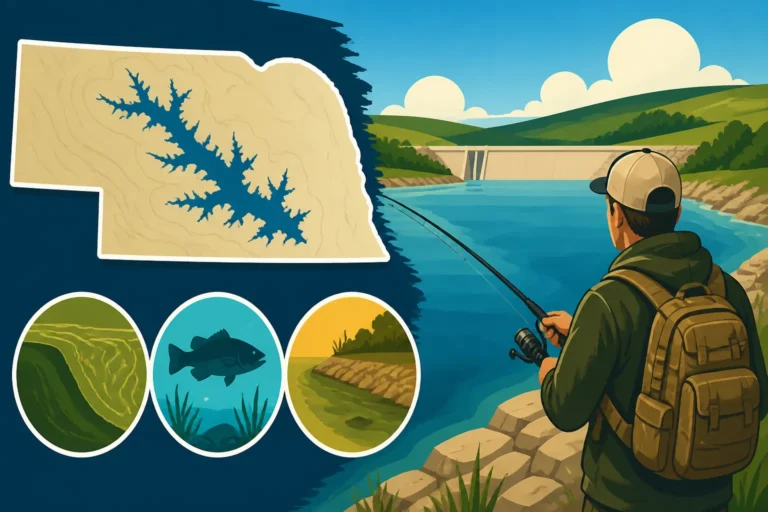
During the scorching midday sun, catfish, particularly larger flatheads and blues, will often retreat to deeper, cooler waters. They seek thermal refuge in deep holes, along channel edges, under heavy cover like submerged timber, or in the tailwaters below dams where oxygen levels might be better. Think about the deep channels in Lewis and Clark Lake or the swift, cooler currents of the Missouri River. While they might be less active during the hottest part of the day, they're still catchable if you can present your bait effectively in their cooler retreats. This often means using heavier weights to get your bait down quickly and precisely.
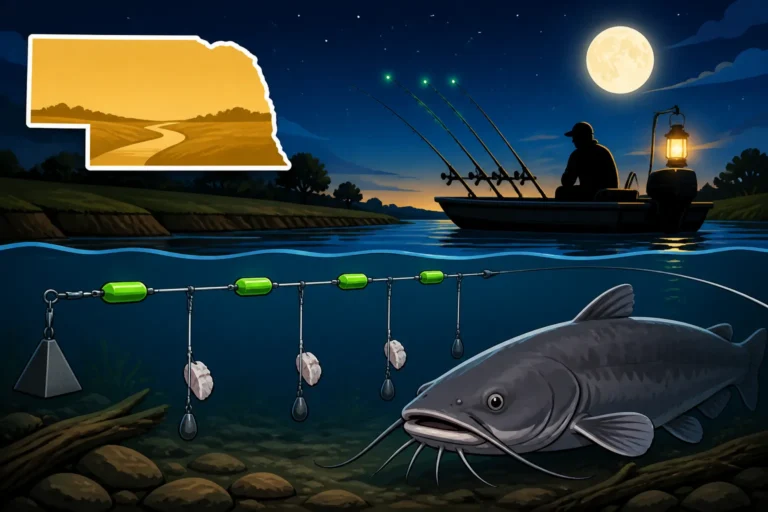
However, once the sun dips below the horizon and air temperatures drop, catfish become incredibly active. Summer nights are synonymous with big catfish in Nebraska. The cooler water temperatures under the cover of darkness bring them out of their daytime sanctuaries to cruise shallower flats, points, and river bends in search of food. This is when cut bait, stink baits, and live offerings truly shine. The night bite can be phenomenal, offering a thrilling experience as you wrestle powerful catfish under the stars. For specific daily limits, it's always smart to review the Nebraska Channel Catfish Daily Limit regulations to ensure you're in compliance.
Fall: The Autumnal Abundance
As summer fades into fall, usually from September through November, Nebraska's waters begin to cool, and catfish enter another prime feeding period that rivals spring. This is often a favorite time for many seasoned catfish anglers because the fish are actively bulking up for the leaner winter months ahead, and the weather is much more pleasant for fishing than the dog days of summer. You're less likely to be battling extreme heat or pesky insects.
Water temperatures gradually fall back into that productive 50-70 degree range. Catfish become highly active again, often roaming more widely than they do in summer. They'll still utilize deep holes, especially in reservoirs, but they'll also move into shallower areas during warmer periods of the day, particularly on sunny afternoons. Look for them on flats adjacent to deep water, along creek channels, and around baitfish schools that are also trying to fatten up. The Missouri River can be especially productive during this time, with catfish concentrated on current breaks and deeper holes, preparing to ambush passing prey.
This feeding spree is an excellent time for both quantity and quality. Catfish are often in peak condition, strong and robust as they gorge themselves. Baits that mimic natural forage, like shad or other small fish, can be particularly effective. It's a sustained period of good fishing that extends well into late fall, only slowing down significantly when water temperatures consistently drop below 50 degrees Fahrenheit. Our guide to Fall Fishing in Nebraska offers even more insights for this incredibly productive season.
Winter: Slow but Steady Rewards
Don't let the thought of freezing temperatures deter you completely; even winter, from December through March, can offer opportunities for catfish in Nebraska, especially for the dedicated angler. While their metabolism slows dramatically, and they become far less active, they don't stop eating entirely. This is definitely a time for patience and precision, not for fast-paced action where you're constantly reeling in fish. If you're new to the idea of chasing fish in the cold, our guide on Winter Fishing in Nebraska can give you a head start on what to expect.
During winter, catfish retreat to the deepest, most stable water they can find. In lakes and reservoirs, this means deep basins, river channels within the lake, or areas with significant thermal mass where temperatures are consistent. In rivers, they'll congregate in deep scour holes, oxbows, and protected slack-water areas where current is minimal, allowing them to conserve energy. Their activity is heavily dependent on water temperature – even a slight warming trend, say from a few mild days, can trigger a brief feeding window.
Ice fishing for catfish is a unique experience. While not as common as targeting panfish or walleye through the ice, it can be rewarding. Anglers often target deep holes, using smaller, more subtle baits and techniques than in warmer months. The fish are sluggish, so a slow, almost dead-stick presentation is crucial. You might only get a few bites, but they can often be from larger, more robust fish that are simply too slow to resist an easy meal. Even in open water during mild winter days, presenting small, natural baits like cut shad or worms slowly along the bottom in deep areas can yield results. For this kind of focused, patient angling, having reliable, insulated gear is key. Many anglers find durable, well-made tackle and cold-weather clothing on Amazon.
Factors Influencing Catfish Activity Beyond the Calendar
While the calendar provides a great baseline, catfish aren't strictly beholden to it. Several other environmental factors can significantly influence their activity levels and, consequently, your success on any given day. Ignoring these elements means missing out on prime opportunities or wasting valuable time when the fish just aren't biting.
Water Temperature is King
We've talked about it a lot, and for good reason: water temperature is arguably the single most critical factor dictating catfish behavior. These cold-blooded creatures' metabolism is directly tied to the temperature of their environment, affecting everything from how fast they digest food to how actively they seek it out.
- Optimal Range: For channel catfish, the sweet spot is generally between 65-75°F (18-24°C). Flatheads prefer slightly warmer water, often peaking in the 70-80°F (21-27°C) range, while blue catfish also thrive in these warmer temperatures. Within these ranges, catfish are most active, feeding aggressively, and growing rapidly. This is precisely why spring and fall are so productive, as the general water temperatures align perfectly with their comfort zones, putting them in an energetic feeding mood.
- Cooler Water (Below 55°F): As water temperatures drop below 55°F, catfish become increasingly lethargic. Their digestion slows significantly, and they require much less food to sustain themselves. They'll instinctively move to deeper water where temperatures are more stable and typically a few degrees warmer than the shallow areas. Bites will be incredibly subtle, often feeling like just a slight tap or increased pressure, and fish will often hold tight to heavy cover to conserve energy.
- Warmer Water (Above 80°F): In the peak of summer, surface temperatures in shallow areas can easily exceed 80°F. While catfish tolerate warm water better than some other species, extreme heat can still push them deeper to find cooler, more oxygenated water. This is why summer night fishing is so incredibly effective – as the surface cools after sunset, fish move up into shallower, more comfortable feeding zones. Always be mindful of extreme temperatures, both hot and cold, and adjust your strategy accordingly. A good fish finder can be invaluable for locating those thermal breaks and optimal depths where catfish are holding.
Rain, Runoff, and Rising Water
Weather events, particularly those involving rain and subsequent water level changes, can either be a boon or a bust for catfish fishing, depending on their severity and timing. Often, they create fantastic opportunities, especially for species like channel catfish, which are particularly sensitive to changes in water chemistry and food availability. If you've ever wondered How to Catch Catfish After a Rainstorm, you're onto something big!
- Moderate Rain and Runoff: A gentle, steady rain or moderate runoff from recent storms can be fantastic for catfish. This influx of fresh water often carries vital nutrients, insects, worms, and other small organisms into the main body of water, essentially creating a new buffet line for hungry catfish. The slightly muddier or stained water also provides excellent cover for catfish, making them feel more secure and encouraging them to feed more aggressively, even during daylight hours. Look for them at the mouths of feeder creeks, culverts, and anywhere fresh water is actively entering the system, as these are natural funnels for food.
- Rising Water Levels: When lake or river levels rise due to heavy rains or dam releases, new flooded terrestrial vegetation becomes available. This submerged grass, brush, and even land can attract vast numbers of baitfish, insects, and other forage that catfish love. This draws catfish into these newly accessible shallow areas. They will cruise these edges, actively looking for an easy meal that has been washed in or is now accessible. This is a classic pattern for big channel and flathead catfish in rivers like the Platte, especially where currents might push forage into new zones, creating ambush points.
- Heavy Flooding/Turbidity: On the flip side, extremely heavy rains and severe flooding can sometimes make fishing challenging and even dangerous. The water might become excessively muddy, reducing visibility to almost zero for both fish and anglers, and strong currents can make it difficult for fish to hold or for anglers to present bait effectively. In these extreme conditions, it's often best to wait a day or two for the water to begin to recede and clear slightly before hitting the water. Safety should always be your top priority.
Time of Day and Moon Phases
Beyond the seasons and water conditions, the specific time you choose to cast your line can make a huge difference, especially for catfish, which are often more active during certain periods. Understanding their daily rhythms is just as important as knowing their seasonal movements.
- Dawn and Dusk: These low-light periods are universally recognized as prime times for many fish species, and catfish are certainly no exception. As the sun rises or sets, light levels are optimal, and temperatures are often moderating, creating comfortable conditions. Catfish instinctively move shallower to feed during these transition times, taking advantage of the reduced visibility for baitfish and a bit more cover from predators. For many anglers targeting channel catfish, the hour leading up to sunset and the hour after sunrise are incredibly productive windows.
- Night Fishing: As mentioned, summer nights are legendary for catfish action in Nebraska. Flatheads, in particular, are predominantly nocturnal hunters, often spending their days tucked away in deep snags, log jams, or rock piles and only emerging after dark to actively pursue prey. Channel catfish also feed heavily at night, especially in warm water, as they feel more secure and the water temperatures are more comfortable. If you're targeting big, wary fish, going out after dark can significantly increase your odds. Just be sure to bring adequate lighting, safety gear, and perhaps a hot thermos of coffee to stay alert.
- Overcast Days: Don't automatically discount fishing during the day, especially on heavily overcast or rainy days. The reduced light penetration from cloud cover makes catfish feel much more comfortable moving into shallower areas and feeding throughout the day, even in the middle of summer. A cloudy, drizzly day can sometimes be far more productive for catfish than a bright, sunny one in the middle of summer, as it mimics those prime low-light conditions.
- Moon Phases: While perhaps less scientifically proven than temperature or water levels, many experienced catfish anglers swear by certain moon phases. A new moon (dark nights) or the periods around the full moon are often cited as excellent times for night fishing, possibly due to increased tidal pull in larger systems like the Missouri River or simply strong angling tradition. While it might not be a primary factor, it's something to consider when planning your trips, especially if you're looking for every possible edge. You can certainly find moon phase calendars online or through fishing apps, many of which are readily available through platforms like Amazon, to help plan your trips.
Optimal Gear and Bait for Seasonal Catfishing
Having the right gear and bait can truly make all the difference, tailoring your setup specifically to the catfish's seasonal behavior and the conditions you're facing. It’s not just about having a rod; it's about having the right rod for the conditions, the right bait to entice a strike, and the right tackle to handle these powerful fish.
Spring and Fall Essentials
During the moderate temperatures of spring and fall, catfish are generally more active and often less finicky, making it a great time to experiment with different presentations and bait types. The fish are hungry, so you've got a bit more leeway.
- Rods and Reels: A medium-heavy to heavy action rod, around 7-9 feet long, paired with a stout baitcasting or spinning reel (like a Penn Battle or an Ugly Stik GX2 combo, both commonly found on Amazon), is a versatile choice for these seasons. This setup gives you enough backbone to handle a strong fighting catfish while still offering enough sensitivity to detect subtle bites. You'll want a reel with a smooth, reliable drag system, capable of holding at least 20-30 lb monofilament or braided line. Check out our recommendations on Best Catfish Rods for Big Nebraska Rivers for more specialized options, especially if you're targeting those river monsters.
- Line: For most situations, 20-30 lb monofilament is a reliable choice, offering a good balance of strength, abrasion resistance (which is crucial around rocks and snags), and knot integrity. If you're fishing around particularly heavy cover or need extra sensitivity to feel those light bites, 30-50 lb braided line can be an excellent alternative, though it lacks the stretch of mono.
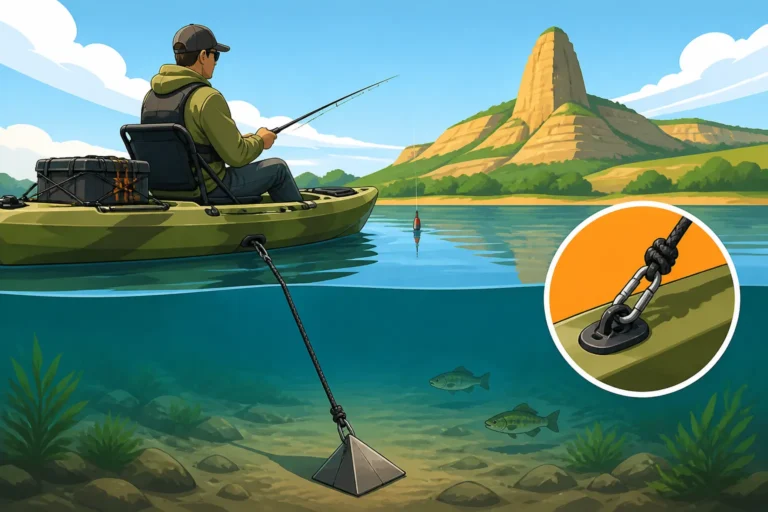
- Terminal Tackle: A simple Carolina rig or a slip-sinker rig is incredibly effective and easy to tie. Use a 1-3 ounce egg sinker (or heavier in strong current, like on the Missouri River), followed by a heavy barrel swivel, and then a 12-18 inch leader of strong monofilament or fluorocarbon (20-40 lb test). Hooks should be sturdy, sharp circle hooks or Kahle hooks in sizes 2/0 to 6/0, depending on the size of catfish you're targeting. Circle hooks are particularly good for catch-and-release, as they typically hook the fish in the corner of the mouth, reducing gut-hooking.
- Bait: This is where spring and fall really shine, offering a wide array of effective choices.
- Channel Catfish: Stink baits (like Sonny's or Sudden Impact), fresh cut baits (shad, carp, perch), nightcrawlers, chicken liver, and various prepared commercial baits all work wonders. Don't be afraid to try some of the more pungent options; catfish rely heavily on their sense of smell.
- Flathead Catfish: Live bait is king for flatheads. Smaller panfish (bluegill, sunfish), small carp, or suckers are incredibly effective. Ensure your live bait is legal to use in Nebraska and sourced ethically; always check the current Nebraska Fishing Regulations Explained for any restrictions on baitfish.
Summer Night Fishing Rigs
Night fishing for catfish in summer demands a slightly different approach, focusing on visibility, durability, and effectively presenting bait in the dark without hindering your ability to land a fish.
- Visibility Aids: Glow sticks are your best friend. Attach them to your rod tips to detect subtle bites, especially when using multiple rods. For bobber fishing in shallower water, lighted bobbers or glow sticks taped to standard bobbers are excellent. Headlamps are indispensable for rigging, baiting hooks, handling fish, and safely moving around your fishing spot. A powerful lantern can illuminate your general fishing area, but be mindful of attracting too many bugs!
- Rod Holders: When night fishing, you'll often have multiple lines out, waiting for that big bite. Sturdy, reliable rod holders that can withstand powerful strikes are absolutely essential. Bank holders that stake securely into the ground are perfect for this, keeping your rod from being pulled into the water by a surging catfish.
- Bait:
- Channel Catfish: Again, cut bait (especially fresh cut shad or skipjack from local bait shops), chicken liver (which emits a very strong scent trail), and various stink baits remain top choices. The stronger the scent trail your bait creates, the better in the darkness, as catfish are relying heavily on their olfactory senses.
- Flathead Catfish: Live bait is still paramount for flatheads. Since they are actively hunting at night, a lively bluegill or carp, presented on a stout hook, will often entice a strike. Positioning your bait near submerged timber, log jams, or rock piles can be very effective, as these are common flathead hangouts and ambush points. For more specific details on chasing these nocturnal giants, our guide on Nebraska Flathead Catfish Fishing is a must-read.
Winter Catfishing Considerations
Fishing for catfish in winter, especially through the ice, is a specialized pursuit that requires specific gear and a lot of patience. It’s not for the faint of heart, but the rewards can be substantial.
- Ice Fishing Gear: If you're venturing out on the hard water, you'll definitely need an ice auger (power augers are great for thick Nebraska ice), a portable ice shelter for warmth and wind protection, and specialized shorter, sensitive ice rods. A Vexilar or other ice fishing sonar unit can be invaluable for finding fish in deep water and monitoring their reactions to your bait. Warm, layered clothing, including insulated boots and gloves, is absolutely non-negotiable.
- Bait and Presentation: In cold water, catfish metabolism is incredibly slow. They are not chasing fast-moving baits or expending much energy. Smaller, subtler presentations with natural baits are best. Live minnows, pieces of nightcrawler, or even small chunks of cut bait fished slowly on the bottom, or just a few inches off it, are effective. Don't be afraid to downsize your hooks and line slightly for increased sensitivity, as bites will be incredibly light. The bites will be subtle, often just a slight quiver of the rod tip, so a watchful eye and a sensitive rod are crucial for detection.
By understanding the seasonal shifts in catfish behavior and adapting your approach accordingly, you can dramatically improve your success rates throughout the year. It's all about putting yourself in the right place at the right time, with the right offering, and truly understanding the nuanced world of Nebraska's fantastic catfish.
| Season | Optimal Water Temp (F) | Catfish Behavior | Best Time to Fish | Recommended Bait (Primary) | Key Gear Considerations |
|---|---|---|---|---|---|
| Spring | 55-70°F | Pre-spawn feeding frenzy, moving shallower | Mid-morning, late afternoon | Cut bait, nightcrawlers, stink baits | Medium-heavy rod, Carolina rig, circle hooks |
| Summer | 70-85°F | Retreat to deep water during day, nocturnal feeding | Nighttime, dawn/dusk | Live bait (flathead), cut bait, chicken liver (channel) | Rod holders, headlamps, glow sticks, heavy tackle |
| Fall | 50-70°F | Post-spawn feeding binge, bulking up for winter | All day (esp. sunny afternoons) | Cut bait, live bait, large nightcrawlers | Versatile rod setup, focus on locating baitfish |
| Winter | Below 50°F | Lethargic, congregate in deep holes | Midday (warmest part) | Live minnows, small cut bait pieces, worms | Ice fishing gear (if applicable), sensitive rod, patience |
Disclaimer
The information provided in this guide is for general informational purposes only and is not intended as legal advice regarding fishing regulations. Fishing regulations, license requirements, and bag/length limits in Nebraska can change frequently. Always consult the most current Nebraska Game and Parks Commission regulations booklet or their official website before heading out on the water. Following all state and local laws is the angler's responsibility. Fishing inherently carries risks; always prioritize safety on the water.