How to Auger Through Thick Ice
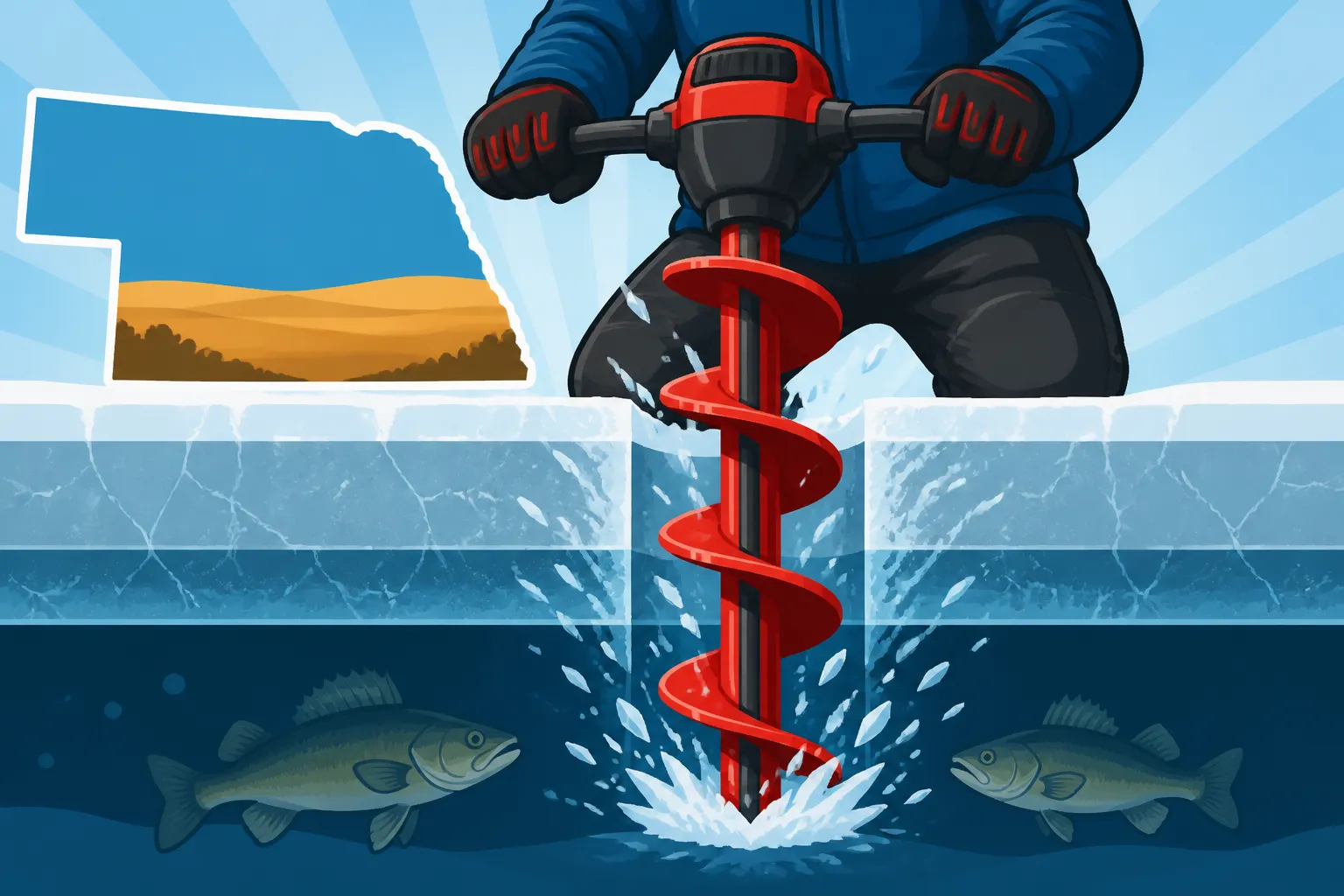
There's nothing quite like the excitement of hitting the ice for some winter angling, but let's be honest, few things are more frustrating than showing up to your favorite Nebraska lake only to be met with ice so thick your auger just laughs at you. You push, you grunt, you sweat, and that hole barely gets started. We’ve all been there, questioning our life choices as the wind bites and the fish remain stubbornly beneath an impenetrable fortress. This guide is here to walk you through exactly how to tackle even the most formidable thick ice, ensuring you can drill your holes efficiently and safely, getting you to the fish faster.
Understanding Nebraska's Ice Conditions and Challenges
Nebraska winters, while sometimes mild, can also deliver prolonged stretches of frigid temperatures, leading to some seriously thick ice on our beloved lakes and reservoirs. This isn't just a slight inconvenience; it presents real challenges for ice anglers who are eager to get out there.
The Reality of Nebraska's Winter Ice
When those cold fronts really dig in across the state, especially in places like Lake McConaughy, Merritt Reservoir, or even local ponds in the Fremont Lakes State Recreation Area, the ice can grow well beyond what a standard auger is designed to handle with ease. We're talking about ice that can be 18, 24, or even 30 inches deep. You might encounter layers of clear, solid ice, then a slushy layer from a mid-winter thaw, followed by more solid ice, all capped off by a blanket of snow that adds to the insulating effect. This variability means you never quite know what you're drilling into, and it takes a toll on both you and your equipment.
It's common to see anglers show up with a hand auger, full of optimism, only to realize after a few grueling minutes that they're in for an Olympic-level workout just to get one hole open. This isn't just about strength; it's about technique and having the right tools for the job. Before you even think about drilling, make sure you've checked the latest ice conditions and understand How Thick Ice Needs to Be to Fish Safely in Nebraska.
Why Thick Ice is a Challenge for Anglers
Beyond the sheer physical exertion, thick ice poses several problems. First, it dulls auger blades incredibly quickly. Hitting dirty ice, frozen snow, or even just continually grinding through dense layers puts immense stress on those razor-sharp edges. A dull blade turns an already tough job into an impossible one, leaving you tired and frustrated.
Second, thick ice can be dangerous if not approached correctly. If your auger gets stuck, or if you're not careful with a powerful machine, you could injure yourself. Plus, fighting through a foot and a half of ice can eat up valuable fishing time, especially when the bite windows are short during deep winter. You want to spend your day fishing, not struggling with your gear. Understanding Nebraska Ice Fishing Safety Tips is paramount, no matter how much ice you're dealing with.
Essential Ice Auger Types and Their Mechanics
When it comes to cutting through thick ice, not all augers are created equal. Knowing the different types and how they operate is the first step to choosing the right tool for your specific needs and the ice conditions you'll face in Nebraska.
Manual Augers: The Tried and True Workhorses
Ah, the good old manual auger. Many of us started our ice fishing journey with one of these. They are essentially a giant drill bit with handles that you turn by hand. They're lightweight, quiet, and don't require any fuel or batteries, making them incredibly portable and low-maintenance. They're often the go-to for early or late-season ice, or for those days when the ice is a manageable 6-10 inches.
However, when the ice gets truly thick, say over a foot, a manual auger becomes a grueling test of endurance. You'll be leaning, grunting, and turning, trying to push those blades through layer after stubborn layer. While a sharp manual auger can certainly get through 20+ inches of ice, it's going to cost you a lot of sweat equity and might leave your arms feeling like jelly before you even drop a line. They're also prone to binding if you don't keep them clear of slush and ice chips as you drill. For lighter days or quick scouting, they're fine, but for persistent thick ice, you might find yourself wishing for more power.
Power Augers: Gas, Propane, and Electric Innovations
This is where the real muscle comes in for thick ice. Power augers take the brute force out of ice drilling, letting a motor do the hard work. They come in three main flavors, each with its own quirks and advantages.
Gas Augers: The Roaring Powerhouses
Gas-powered augers have been the standard for serious ice anglers for decades. They typically run on a two-stroke engine and deliver incredible power, chewing through even the thickest ice with relative ease and speed. If you need to drill dozens of holes quickly across a vast expanse like Harlan County Reservoir, a gas auger is a strong contender.
The pros are undeniable: raw power, fast drilling, and consistent performance in very cold temperatures. They're built to be robust. However, they come with a few downsides. They're noisy, which can be disruptive to other anglers and potentially spook fish in shallower water. They produce exhaust fumes, which can be a problem in enclosed shelters like those for Best Ice Fishing Shelters for Nebraska Winters. They're also heavier than manual or electric augers, require regular maintenance (oil changes, spark plug checks, fuel stabilizer for storage), and can be a bit finicky to start in extreme cold. You also have to deal with mixing gas and oil, which isn't everyone's favorite task.
Propane Augers: Cleaner Power, Easier Starts
Propane augers emerged as a cleaner, often quieter alternative to gas models. Instead of a traditional gas tank, they use small, disposable propane cylinders (like those for camping stoves). This means no mixing gas and oil, no stale fuel issues, and significantly fewer emissions. Many anglers appreciate the easy starts, even in frigid conditions, as propane burns very cleanly.
The advantages are clear: cleaner operation, less smell, and generally easier starting. They still offer good power for thick ice, though perhaps not quite the raw torque of some high-end gas models. The main drawbacks include the cost and weight of propane cylinders, which you need to carry extras of, and the fact that they can sometimes struggle in extremely low temperatures if the propane isn't kept warm. But for many, the convenience and cleanliness outweigh these minor issues.
Electric Augers: Silent, Eco-Friendly, and Growing in Popularity
Electric augers are rapidly becoming a favorite, especially with advancements in battery technology. These augers are powered by rechargeable lithium-ion batteries and boast silent operation, zero emissions, and significantly less weight than their fuel-powered counterparts. They are incredibly easy to start (just press a button!) and require minimal maintenance. Brands like ION, StrikeMaster, and Eskimo have developed impressive electric augers that can drill dozens of holes on a single charge. You can often find a great selection of these on popular online retailers like Amazon, making it easy to compare models and read reviews before committing.
The pros are numerous: silent operation (allowing you to hear subtle bites and communicate easily), no fumes, lightweight design, and push-button starts. They're perfect for fishing in enclosed shacks or for those who prioritize a peaceful experience. The main consideration is battery life. While modern batteries are excellent, they can drain faster in extreme cold, and you'll need to carry spare batteries for long days or high-volume drilling. Also, ensure you have a way to charge them, either at home or with a portable power station if you're out for multiple days. For targeting specific species like walleye where stealth can be key, or for fishing popular spots like Lake Ogallala where quiet is appreciated, an electric auger is a fantastic choice.
Mastering the Art of Augering Through Thick Ice Safely and Efficiently
Having the right auger is just half the battle; knowing how to use it effectively and safely is crucial, especially when you're up against formidable Nebraska ice.
Pre-Auger Preparation and Safety Checks
Before you even think about drilling, take a moment for preparation. First, always ensure your auger blades are sharp. Dull blades are not only inefficient but can also cause your auger to bind or skip dangerously. If your blades are chipped or severely dull, consider getting new ones. You can find replacement blades for most popular auger brands readily available, sometimes even on sites like Amazon.
Next, do a quick check of your chosen auger:
- For Gas/Propane: Check fuel levels, ensure all connections are secure, and that the engine housing is clear of ice or debris.
- For Electric: Ensure your battery is fully charged and securely seated. Have a spare charged battery handy, especially if you plan on drilling many holes or if it's exceptionally cold. Battery performance can dip in freezing temperatures.
- General Safety: Wear appropriate What to Wear Ice Fishing in Nebraska to stay warm and dry. Always have ice safety picks around your neck and know how to use a spud bar to check ice thickness as you move, particularly if you're venturing onto new ice or an unfamiliar spot.
Step-by-Step Augering Technique for Each Type
The technique varies slightly depending on your auger type, but the goal remains the same: a clean, efficient hole.
Manual Auger Technique
- Stance: Stand with your feet shoulder-width apart, one foot slightly forward, centered over your intended hole. This provides stability and leverage.
- Initial Bite: Place the auger's blades flat on the ice. Apply firm, steady downward pressure with both hands on the handles, and begin turning in a smooth, clockwise motion. The blades should "bite" into the ice quickly.
- Consistent Turning: Maintain a steady, circular motion. Don't try to force it too hard with brute strength alone; let the sharpness of the blades and consistent turning do the work.
- Clearing Slush: As you drill deeper, slush and ice chips will accumulate in the hole. Every few turns, lift the auger slightly (just enough to clear the bottom of the hole) and clear out some of the slush. This prevents binding and allows the blades to work more efficiently. For very thick ice, you might need to lift the auger completely out a couple of times to clear the hole, but this is tiring.
- Breakthrough: As you approach the bottom, you'll feel a decrease in resistance. Be ready to pull the auger up quickly as it breaks through to avoid plunging it too deep into the water, which can be a wet surprise!
Power Auger Technique
- Stance & Setup: Position the auger centered over your spot. For gas/propane, ensure it's on a stable, flat surface. For electric, just hold it steady.
- Starting (Power Augers):
- Gas: Follow your auger's starting procedure (choke, prime, pull cord). Once started, let it warm up for a few seconds.
- Propane: Open the propane valve, press the primer bulb a few times, and pull the cord.
- Electric: Simply press the power button or trigger.
- Initial Engagement: With the auger running at a controlled speed, gently lower the blades onto the ice. Let the weight of the auger and the power of the motor do the work. Don't push down excessively hard.
- Steady Pressure: Apply consistent, moderate downward pressure. Allow the auger to cut through the ice smoothly. Avoid rocking the auger, as this can dull blades prematurely or cause the auger to bind.
- Clearing & Breakthrough: Unlike manual augers, power augers typically clear chips much more efficiently. Keep the auger spinning consistently. As you approach breakthrough, maintain control. The auger will drop slightly as it goes through. Be prepared for the splash-back if the water level is high.
- Multi-Layered Ice: If you hit slush or a soft layer between hard ice, maintain a steady pace. The auger will chew through it. If you hit extremely hard, dirty ice, you might notice the auger slowing; avoid excessive force and let the motor work. If it's struggling significantly, your blades might be dull.
Troubleshooting Common Thick Ice Problems
Even with the best technique, you might encounter issues.
- Auger Gets Stuck: This usually happens if you're not clearing slush or if your blades are dull.
- Manual: Try rocking it gently back and forth while pulling up. If it's really stuck, clear all the slush out of the hole you can, and try to get it to bite again.
- Power: Never force a stuck power auger. Release the trigger immediately. Try to lift and gently rotate it. Sometimes, just pulling it straight up while slowly rotating it frees it. If it’s truly jammed, you might need a spud bar to break around it or even drill a new hole nearby and connect them, but this is a last resort.
- Dull Blades: The most common cause of slow drilling. If you find yourself pushing excessively or the auger is grinding more than cutting, it's time for new blades. You can often order replacement blades online from retailers like Amazon or pick them up at a local tackle shop.
- Engine Issues (Gas/Propane): If your gas auger won't start, check the spark plug, fuel level, and ensure the choke is correctly set. For propane, ensure the canister isn't empty and is properly connected. Cold weather can affect engine performance, so keeping your auger in a warm vehicle until you're ready to use it can help.
- Battery Drain (Electric): Cold weather significantly impacts battery life. Keep spare batteries in a warm pocket or insulated bag. If your auger slows down, swap out the battery. Remember that a battery reading 25% in mild temps might only give you a couple of holes in sub-zero conditions. This is why many anglers have an Essential Gear Checklist for a First Ice Fishing Trip that includes extra batteries!
Maintenance and Care for Your Ice Auger
Taking care of your ice auger isn't just about making it last; it's about ensuring it performs flawlessly every time you hit the ice, especially when dealing with the challenging conditions of Nebraska's thick ice.
Blade Care and Replacement
Your auger blades are the heart of its ice-cutting ability. After each trip, always wipe your blades clean and dry them thoroughly to prevent rust. Even a tiny bit of rust can degrade their sharpness and impact performance. Many anglers apply a light coat of cooking spray or silicone lubricant to the blades before storing them, especially for longer periods.
- Sharpening vs. Replacing: While some specialized shops can sharpen auger blades, it's often more practical and safer to replace them when they become dull or chipped. Factory-sharp blades are precisely angled for optimal cutting. Trying to sharpen them yourself with a file often results in an uneven edge that performs poorly. Keep a spare set of blades in your ice fishing kit, ready for a quick swap-out on the ice if needed. This can save your day!
- Types of Blades: Most augers come with either straight shaver blades or chipper blades. Shaver blades are incredibly efficient at cutting smooth holes quickly but are more susceptible to damage from dirty ice or hitting the bottom. Chipper blades are more robust and can handle rougher conditions, though they might be slightly slower. Know what type your auger uses and buy appropriate replacements.
Engine and Battery Longevity Tips
Proper storage and maintenance will extend the life of your power auger significantly.
For Gas and Propane Augers:
- End of Season: At the end of the ice fishing season, perform proper winterization. For gas augers, this means either running the fuel tank completely dry or adding a high-quality fuel stabilizer and running the engine for a few minutes to circulate it. This prevents fuel from breaking down and gumming up the carburetor. Drain any remaining fuel. Remove the spark plug and put a small amount of two-stroke oil into the cylinder, then pull the rope a few times to distribute it before replacing the plug.
- Cleanliness: Keep the engine clean and free of ice, slush, and dirt. A build-up of debris can cause overheating or mechanical issues.
- Storage: Store your auger in a dry, well-ventilated area, preferably covered to keep dust and pests out.
For Electric Augers:
- Battery Storage: This is paramount for electric augers. Never store your lithium-ion batteries fully charged or completely depleted for extended periods. Aim for a 50-70% charge level. Store them in a cool, dry place, ideally above freezing temperatures. Extreme heat or cold can degrade battery capacity over time.
- Charging: Always use the manufacturer's recommended charger. Overcharging or using an incompatible charger can damage the battery. Avoid charging in freezing temperatures.
- Cleanliness: Like gas augers, keep the motor and battery contacts clean and dry. A quick wipe-down after each use is usually all it takes.
By following these maintenance tips, your auger will be ready to tackle any thickness of ice you encounter in Nebraska, from early-season excursions to late-winter battles, ensuring you spend less time drilling and more time enjoying the thrill of the catch. When Ice Fishing Season Starts in Nebraska, you'll be ready!
| Auger Type | Pros | Cons | Ideal Ice Thickness |
|---|---|---|---|
| Manual | Lightweight, quiet, no fuel/battery, low cost | Requires physical effort, slow on thick ice, tiring | Up to 12-15 inches |
| Gas | High power, fast drilling, consistent in extreme cold | Noisy, fumes, heavy, maintenance, fuel mixing | Any thickness, especially >15 inches |
| Propane | Cleaner burning, easier starting, less fumes than gas | Propane cost/weight, less power than gas (some models) | Any thickness, good for >12 inches |
| Electric | Silent, no fumes, lightweight, push-button start | Battery life (cold affects it), needs spare batteries, charging | Any thickness, excellent for >10 inches |
Disclaimer
The information provided in this guide is for general informational purposes only. Ice conditions can be highly unpredictable and vary greatly. Always exercise extreme caution on the ice. Consult local authorities like the Nebraska Game and Parks Commission for current ice conditions, regulations, and safety advisories before venturing out. Ice fishing carries inherent risks, and individual responsibility for safety is paramount.