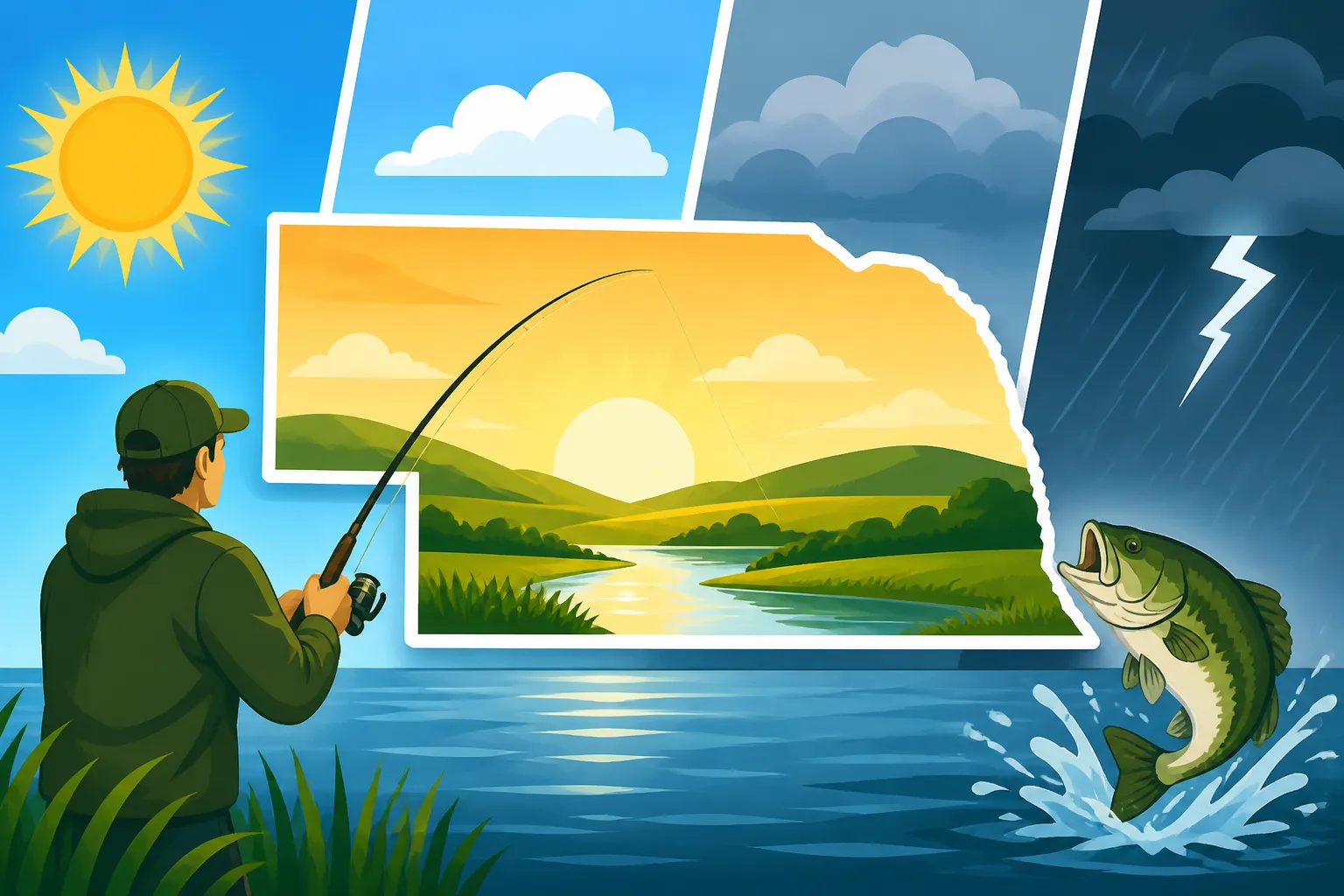
Best Weather Conditions for a Fishing Trip in Nebraska
There’s nothing quite as frustrating as planning a perfect fishing trip to one of Nebraska’s beautiful lakes or rivers, only to wake up to a completely different weather forecast than you expected. The ever-changing Nebraska sky can sometimes feel like it's actively working against your angling dreams. But don't despair! Understanding the best weather conditions for a fishing trip isn't just about avoiding a soggy day; it's about knowing how to predict fish behavior and adapt your strategy. This guide will dive deep into the atmospheric influences that make or break a day on the water, helping you turn those unpredictable forecasts into opportunities.
Understanding How Weather Impacts Nebraska Fishing
Fish, much like us, are creatures of their environment, and that environment is heavily dictated by the weather. They don't have umbrellas or rain gear, so every shift in temperature, pressure, or wind directly influences their comfort, feeding habits, and where they choose to hang out. Ignoring these factors is like trying to navigate a dark room without turning on the lights – you're just bumping around hoping for the best.
The Barometric Pressure Breakdown
Barometric pressure, often referred to as atmospheric pressure, is essentially the weight of the air pushing down on the earth's surface and, more importantly for us, on the water. Fish, with their sensitive swim bladders, can feel these changes acutely. A stable or slowly rising barometer is often heralded as a golden ticket for anglers. This usually indicates good, consistent weather is settling in, making fish feel more comfortable and active. They tend to move more freely, become bolder, and are generally more inclined to chase down a meal. Think of it as a pleasant, predictable day where you’re happy to be out and about.
Conversely, a rapidly falling barometer often signals an approaching storm or significant weather change. This rapid drop can make fish feel uneasy and lethargic, causing them to seek deeper water or denser cover. Their swim bladders are trying to equalize the pressure, and feeding often takes a backseat to adjusting to these changes. The bite might shut down completely, or become incredibly subtle. However, right before a major storm hits, as the pressure starts to drop but hasn't plummeted, you can sometimes experience a fantastic "pre-front bite" where fish gorge themselves, anticipating the upcoming discomfort. It's a short window, but if you catch it, it can be epic. For a deeper dive, check out our article on How Barometric Pressure Affects Fishing in Nebraska.
Wind: Friend or Foe?
Wind is a hugely polarizing topic among anglers. Some despise it, finding it makes boat control difficult and casting a nightmare. Others swear by it, understanding its potential to activate fish. In Nebraska, where winds can pick up quickly, learning to work with it is crucial. A light to moderate chop on the water, often caused by a gentle breeze, is generally considered favorable. This chop breaks up the surface, making it harder for fish to see you, your boat, or your line, thus increasing their sense of security. It also oxygenates the water, particularly in warmer conditions, and can push baitfish closer to shore or into specific ambush points. This can create a feeding frenzy as predatory fish capitalize on confused bait.
Strong, sustained winds, however, can be a different story. They can create large waves that make boat handling dangerous and fishing uncomfortable. Excessive wind can also stir up bottom sediment, reducing water clarity, which isn't always bad, but can turn off some sight-feeding species. For other species, like channel catfish, a little murky water after a good blow might just make them more active. The key is understanding how different wind conditions affect your target species and adjusting your approach. If you’re struggling, consider How Wind Direction Affects Walleye Fishing might offer specific insights for that popular species.
Temperature Swings and Fish Metabolism
Water temperature is arguably one of the most critical factors influencing fish behavior. Fish are cold-blooded, meaning their body temperature, and therefore their metabolism, directly correlates with the surrounding water temperature. Every species has a preferred temperature range where they are most active and comfortable. For example, cold-water species like trout thrive in cooler water, while warm-water species like bass and catfish prefer the bathwater feel of a summer lake.
Sudden, dramatic temperature swings, especially cold fronts, can shock fish and send them into a state of lethargy. If the air temperature drops significantly overnight, the shallow water will cool quickly, prompting fish to move to deeper, more stable thermal zones. Conversely, a gradual warming trend in spring will slowly raise water temperatures, signaling to fish that it's time to become more active and prepare for spawning. When you're planning your trip, consider not just the current temperature, but the trend over the last few days. Has it been stable? Is a big change coming? These trends will tell you far more than a single day's reading.
Ideal Weather Conditions for Different Nebraska Species
Just like people have different preferences for a comfortable day, so do fish! What’s perfect for a walleye might not be ideal for a largemouth bass. Knowing these preferences helps you tailor your fishing days and increase your odds of success.
Walleye Wisdom in Varying Forecasts
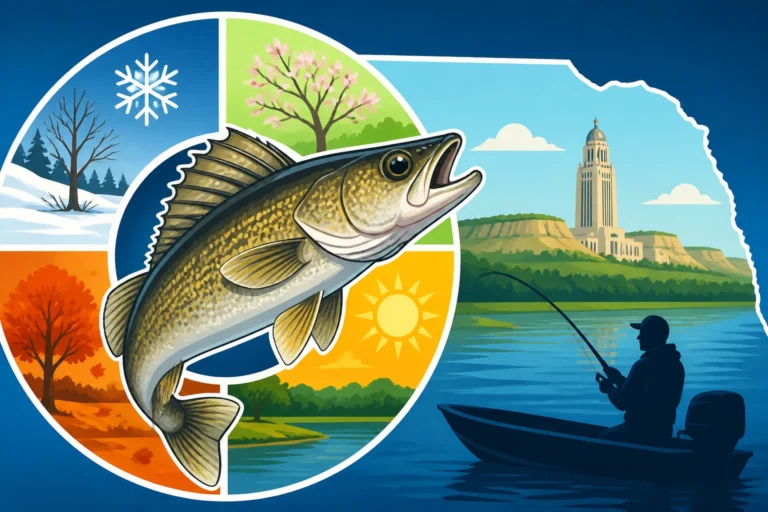
Walleye anglers often dream of cloudy, overcast days with a light chop on the water and stable, slightly rising barometric pressure. These are truly prime conditions for walleye in Nebraska. The cloud cover diffuses light, making walleye, which have excellent low-light vision, more comfortable coming out of deeper water or heavy cover to feed. The light chop helps break up their silhouette from above and oxygenates the water, often pushing baitfish into predictable areas. A stable or rising barometer tells them all is well in their world, making them aggressive feeders.
However, Nebraska weather doesn't always cooperate. If you're faced with bright, sunny, high-pressure days, don't despair! Walleye will simply move to deeper, shadier areas. This might mean fishing deep humps, main lake points, or beneath docks and overhanging trees. You'll need to slow down your presentation and often use more subtle baits. Post-cold front conditions, marked by bright sun and high pressure, can be tough. The key is to find those fish that are still willing to bite, usually by presenting baits slowly right on the bottom or near deep cover. For more specific tactics, consider articles like Best Time of Day to Catch Walleye in Nebraska or How to Find Walleye on Deep Humps and Points.
Catfish and Crappie: Adapting to the Elements
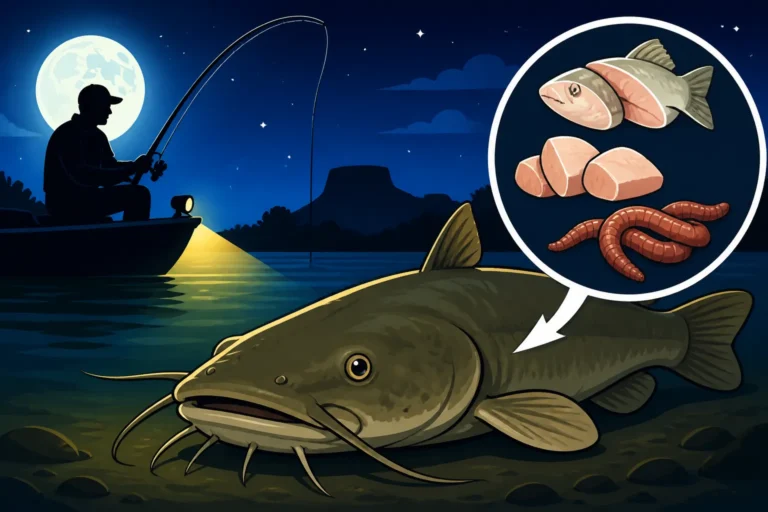
Catfish, particularly channel catfish, are often active when other species are not. They tend to thrive in warmer, often murkier water, and are famously active after a good rainstorm. A cloudy day with stable to falling pressure, especially leading up to a warm rain, can trigger an incredible catfish bite. The rain washes terrestrial insects and nutrients into the water, creating a buffet for catfish, and the increased current or turbidity can make them bolder. Thunderstorms, however, are a different story; while the pre-storm bite can be great, lightning and heavy downpours pose serious safety risks. Post-rain, with slightly stained water and still warm temperatures, is a fantastic time for catfish. Learn more about prime times in Best Time of Year to Catch Catfish in Nebraska.
Crappie, much like walleye, often prefer stable conditions. Overcast days with light winds and stable pressure are excellent. During the spring, when crappie are moving shallow to spawn, a warming trend can send them into a frenzy around brush piles and docks. In summer, they'll retreat to deeper brush or submerged structures, and stable, warm weather helps keep them predictable. A sudden cold front can push them deeper and make them less active, requiring a slower, more vertical presentation. Finding those brush piles with a good fish finder is key in tougher conditions.
Bass Behavior in Different Weather Patterns
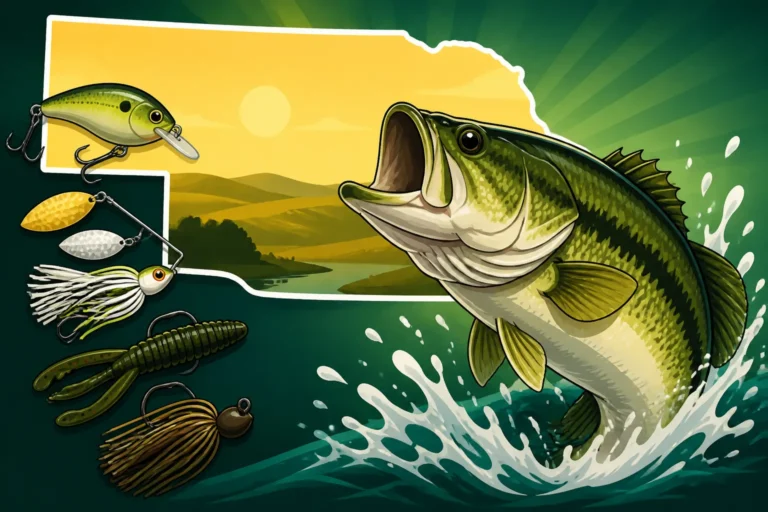
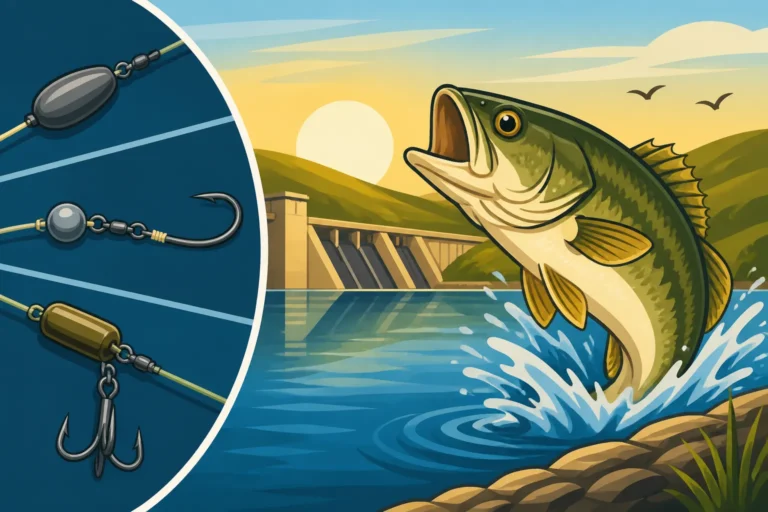
Largemouth and smallmouth bass share some preferences with walleye and crappie but have their own unique quirks. Overcast days with a light breeze and stable pressure are generally excellent for bass. The reduced light helps them feel secure, and the chop allows them to ambush prey without being easily detected. These conditions often encourage bass to move into shallower cover, making them more accessible to anglers using topwater lures or pitching jigs.
When a cold front hits or a bright, sunny, high-pressure system settles in, bass can become notoriously finicky. They’ll often retreat to the deepest, densest cover available – think thick submerged weeds, deep rock piles, or shaded banks. You might need to switch to finesse techniques, smaller baits, and slower presentations. Think about Texas-rigged worms or drop-shot rigs worked meticulously in tight spots. During the heat of summer, an early morning or late evening bite, when the sun is low and temperatures are milder, can be incredibly productive, even on otherwise bright days. Always be ready to adapt to what the fish are telling you the weather means for them!
Reading the Forecast and Planning Your Trip
Planning a fishing trip in Nebraska requires more than just glancing at the daily temperature. It means becoming a bit of a meteorologist yourself, understanding the nuances of how different weather elements interact and what they signal for fish activity.
Beyond the Basic Temperature Reading
When you check the forecast, go beyond just the high and low temperatures. Look for the barometric pressure trend: Is it rising, falling, or stable? Many weather apps and smart home devices (easily found on platforms like Amazon) provide this information. A rapidly falling pressure indicates a change is coming, while a stable or slowly rising trend usually means good fishing. Pay close attention to wind speed and direction – a strong north wind after a warm front can really shut things down, whereas a steady south or west wind often correlates with good fishing. Cloud cover is another crucial detail; overcast conditions generally mean more active fish for many species, especially those sensitive to bright light like walleye.
Also, consider the recent weather history. Has it been hot and sunny for a week, or has a series of cold fronts just passed through? Fish have memories, and their behavior today is often a response to yesterday's conditions. If a big storm rolled through two days ago, the fish might still be recovering or just starting to become active again as conditions stabilize. Being aware of this broader pattern will give you a significant edge in predicting where fish will be and what they'll be willing to bite on. This type of deep dive is part of How to Plan a Nebraska Fishing Trip Around Weather.
Safety First: When to Stay Home
While understanding weather patterns helps you catch more fish, its most important role is ensuring your safety. Nebraska weather can be severe and change rapidly. Thunderstorms, especially those with lightning, are incredibly dangerous on the water. If you see dark clouds building or hear thunder, it's time to get off the water immediately. Don't try to squeeze in "just one more cast." Strong winds can quickly turn a calm lake into a dangerous expanse of whitecaps, making boat control impossible and capsizing a real risk. Always check the marine forecast if you're venturing out on larger bodies of water like Lake McConaughy or Lewis and Clark Lake.
During the winter, ice fishing brings its own set of weather-related hazards. Rapidly warming temperatures can compromise ice safety, and sudden cold snaps combined with strong winds can lead to hypothermia if you're not properly dressed and equipped with gear that you can reliably find on Amazon. Always prioritize your well-being over catching fish. Knowing Nebraska Ice Fishing Safety Tips is paramount for any winter adventure. There's always another day to fish, but there's only one you.
| Weather Element | Barometric Pressure | Water Temperature | Wind Condition | Fish Activity (General) | Notes |
|---|---|---|---|---|---|
| Pre-Front | Falling slowly | Stable/Rising | Light/Moderate | High | Fish often feed aggressively before a storm. |
| Post-Front | High/Rising Rapidly | Dropping | Calm/Light (often NW) | Low/Moderate | Fish are often lethargic, seek deep cover. |
| Stable Conditions | Stable | Stable | Light Chop | Moderate/High | Consistent feeding, good all-around conditions. |
| Approaching Storm | Falling rapidly | Rising/Stable | Building | Variable | Intense short bite, then shuts down. Dangerous. |
| Bright Sunny Day | High | Warm | Calm | Low/Moderate | Fish seek shade/depth; early/late day bites best. |
| Overcast Day | Stable | Stable | Light Chop | High | Excellent conditions for many light-sensitive species. |
| High Wind | Variable | Variable | Strong | Variable | Can activate some species (walleye, catfish) but difficult to fish. |
| Rainy Day (Warm) | Stable/Falling | Warm | Light | High (especially catfish) | Washes food into water, increases activity. |
Disclaimer
This article is for general informational purposes only and does not constitute professional advice. Laws, prices and regulations vary by location and change over time. Consult a qualified professional for guidance on your specific situation.