Best Time of Year to Catch Sauger in Nebraska
Feeling that nip in the air as late fall approaches, or seeing the ice break up in early spring, often sparks a particular question for serious anglers in Nebraska: "When exactly is the best time to target those elusive sauger?" It can feel like they're here one day and gone the next, leaving you wondering if you're just missing the window. This guide is dedicated to pulling back the curtain on sauger seasonality, helping you pinpoint the prime times to chase these unique and feisty fish in our Nebraska waters.
The Prime Seasons for Nebraska Sauger
Sauger are a fascinating species, often mistaken for their larger walleye cousins, but they have distinct patterns that make them a worthy target. Unlike some fish that bite well year-round, sauger activity in Nebraska truly shines during specific windows, mostly driven by water temperature and their natural spawning cycles. If you're looking to consistently hook into sauger, knowing these key periods is paramount.
Late Fall to Early Winter: The Pre-Ice Bite
This is arguably the absolute sweet spot for sauger fishing in Nebraska. As water temperatures begin their steady drop from autumn highs into the low 40s and upper 30s, sauger start to really congregate and feed aggressively. They're bulking up for the lean winter months ahead, and for the females, they're developing eggs for the upcoming spawn.
Think about those crisp November and early December days, maybe with a light frost on the ground. The pleasure boaters are long gone, and the fishing pressure often drops significantly. This is when sauger, particularly in big river systems like the Missouri, will move into deeper holes, current seams, and around prominent structures like wing dams and bridge pilings. They're not just randomly swimming; they're actively stacking up in areas that offer both cover from strong currents and easy access to baitfish being swept downstream. Anglers who brave the colder weather during this time often find some of the most consistent sauger action of the entire year. It's a time when you might find yourself catching several fish from the same small area, indicating a prime staging location. The key is to bundle up, be prepared for unpredictable weather, and focus your efforts on those deeper, current-protected spots where baitfish are likely to be.
Early Spring: Post-Spawn Opportunities
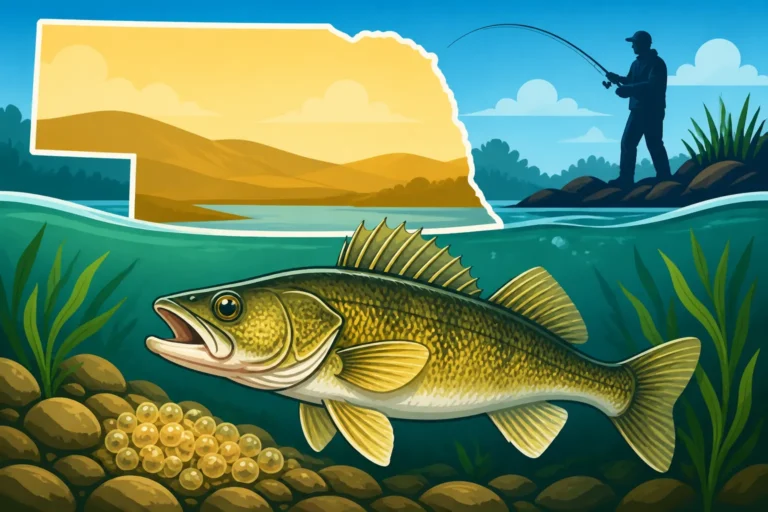
While the pre-ice bite is fantastic, the early spring also offers a significant window of opportunity, especially as the ice melts and water temperatures begin to rise, typically into the high 30s and 40s. Sauger generally spawn earlier than walleye, often in late March or early April, depending on the specific water body and how quickly spring arrives.
After the rigors of spawning, sauger, particularly the larger females, will be looking to recover and replenish their energy reserves. This means they become very active feeders. You'll often find them moving out of their immediate spawning grounds, which are usually rocky or gravelly areas in current, and migrating towards shallower feeding flats or current breaks where baitfish are abundant. The bite might not be as concentrated as the late fall congregation, but the fish are often more willing to strike a variety of presentations. This is when you might find them in areas that also hold early-season walleye, though sauger will typically prefer slightly deeper, more turbid water. Look for them in transition areas where deeper water meets shallower flats, or along the edges of channels. Conditions during this time can be unpredictable, with rapid changes in water levels and clarity, especially on rivers, so being adaptable with your techniques is crucial. Checking the Nebraska Fishing Seasons Explained can give you a broader understanding of how different species respond to spring conditions.
Summer and Mid-Winter: Niche Opportunities
While late fall and early spring are prime, that doesn't mean sauger are completely unavailable during the warmer months or the dead of winter. It just means you'll need to adjust your expectations and techniques significantly.
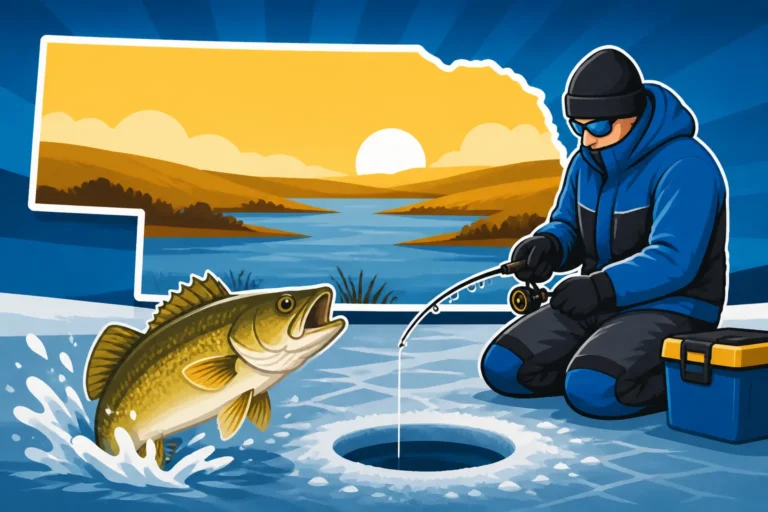
During the hot summer months, sauger will generally retreat to deeper, cooler, more oxygenated parts of rivers and reservoirs. They become much more scattered and can be harder to locate. You'll need to focus on finding deep structure, like submerged humps, channel edges, or the cooler tailwaters below dams. The bite can be slower, often relegated to low-light periods like dawn, dusk, or even night. It's not impossible to catch them, but it requires more precise electronics and a willingness to work harder for fewer bites. Similarly, in the depths of winter, under thick ice, sauger can be caught, especially in larger bodies of water that freeze over. Ice fishing for sauger involves targeting similar deep, current-oriented structures as you would in open water. They can be found near the bottom, often requiring small jigs tipped with minnows. Success during mid-winter ice fishing often comes down to drilling many holes, using sensitive gear, and being patient. For insights into winter tactics, check out How to Ice Fish in Nebraska.
Understanding Sauger Behavior and Habitat in Nebraska
To consistently catch sauger, it's not enough to know when they bite; you also need to understand why and where they're likely to be. These fish have distinct preferences that, once understood, can dramatically increase your success rate. They aren't just swimming aimlessly; they have specific needs tied to their survival and feeding habits.
Preferred Habitats: Rivers and Reservoirs
Sauger are primarily riverine fish, meaning they thrive in flowing water. In Nebraska, this makes the Missouri River a quintessential sauger hotspot. They prefer areas with some current but will often hold in breaks or eddies where they can ambush prey without expending too much energy. Think about those subtle changes in current where a faster flow meets a slower one, or behind submerged obstacles.
Beyond the main river channel, sauger also frequent its larger tributaries, especially near their confluence with the Missouri. These areas can provide natural funnels for baitfish and offer sauger ideal ambush points. They also do well in large reservoirs that have a riverine influence or significant current, such as Lewis and Clark Lake. In these larger impoundments, look for sauger around the main river channel that runs through the reservoir, particularly where it narrows or has distinct drop-offs. Areas like the tailwaters below a dam can also be incredibly productive, as the churning water disorients baitfish and creates rich oxygenated environments that sauger love. The key across all these habitats is often finding turbid, slightly stained water, which sauger tend to prefer over crystal clear conditions, giving them a natural advantage as ambush predators.
Sauger Feeding Patterns
Sauger are opportunistic ambush predators. They possess excellent low-light vision, which means they are often most active during dawn, dusk, and even into the night. This isn't to say you can't catch them during the day, but their peak activity often aligns with lower light conditions. They primarily feed on smaller fish, such as minnows, shad, and juvenile panfish.
Their feeding strategy is highly tied to current. They'll position themselves just out of the main flow, in a current seam or behind a piece of structure, waiting for an unsuspecting baitfish to be swept past. Once a target is identified, they make a quick, decisive strike. This behavior means your presentation needs to mimic either a wounded baitfish struggling in the current or one that is easily accessible. They're not usually chasing prey across vast open areas; rather, they're conserving energy and making calculated moves. Understanding this means focusing your efforts on those specific current breaks and ambush points rather than blindly casting into open water.
The Impact of Water Temperature and Clarity
Water temperature is a huge driver of sauger activity. As mentioned, their prime feeding windows are when water temperatures are cool, typically from the high 30s to the low 50s Fahrenheit. Outside of these ranges, their metabolism slows down, and they become less active, though still catchable with patience and refined techniques.
Clarity is another significant factor. Sauger generally prefer water that has some stain or turbidity. This doesn't mean muddy, chocolate-milk water, but rather a slight murkiness that reduces light penetration. This preference gives them a competitive advantage over sight-feeding fish like bass, allowing them to hunt more effectively using their superior low-light vision and lateral line system. In clear water, they tend to be deeper or more nocturnal. Conversely, very muddy water after heavy rains can push them into slack water or make them harder to locate. Keeping an eye on water conditions and clarity, particularly on the Missouri River, can give you a vital edge. Knowing the difference between sauger and other similar species is also crucial, and you can learn more by reading What a Sauger Looks Like and How to Tell a Sauger From a Walleye.
Top Nebraska Sauger Fishing Locations
While sauger aren't as widely distributed as, say, channel catfish or crappie across Nebraska, there are definitely a few renowned hotspots where they thrive. Focusing your efforts on these prime areas will significantly increase your chances of success. It’s all about putting your bait in front of where the fish are most likely to be.
The Mighty Missouri River
Without a doubt, the Missouri River is Nebraska's premier sauger fishery. The river's constant flow, its diverse bottom structure of rocks, sand, and gravel, and its abundant baitfish populations create an ideal environment for sauger. Anglers targeting sauger on the Missouri often focus on specific features that concentrate fish.
Wing dams are absolute sauger magnets. These rock structures extending from the bank into the river create current breaks, eddies, and scour out deeper holes on their downstream side. Sauger will stack up in these calmer areas, waiting for bait to be swept past. Fishing the eddy lines, the washouts, and the immediate downstream side of wing dams is often highly productive. Additionally, look for sauger around bridge pilings, submerged timber, and deep channel bends, especially those with scour holes. The constantly changing currents and water levels of the Missouri demand adaptability, but the rewards can be incredible. A comprehensive guide like Missouri River Fishing in Nebraska can offer even more specific insights into these dynamic waters.
Lewis and Clark Lake and Tailwaters
Located on the Nebraska-South Dakota border, Lewis and Clark Lake, especially its lower end and the tailwaters below Gavins Point Dam, is another fantastic sauger destination. While often celebrated for its walleye, sauger are a strong component of the fishery here, particularly in areas influenced by the river flow.
Below the Gavins Point Dam, the turbulent waters offer prime sauger habitat. The current concentrates baitfish, and the oxygen-rich water keeps sauger active. Fishing from shore or boat directly below the dam, or working the deep holes and current seams downstream, can be very productive, especially during the colder months. Within Lewis and Clark Lake itself, focus on the old river channel and any significant drop-offs or humps. The sauger here will often relate to the deeper sections of the lake, especially where the original riverbed created distinct structure. Trolling crankbaits or vertical jigging these channel edges can be very effective. Anglers often find success targeting both species simultaneously, as sauger and walleye share similar preferences in this environment. If you're looking for strategies that might also work for sauger, consider exploring tips for Lewis and Clark Lake Walleye Fishing.
Other Potential Hotspots
While the Missouri River and Lewis and Clark Lake are the big two, don't completely overlook other areas. Larger reservoirs in the state that have significant river inputs or maintain some current might hold smaller, more localized populations of sauger. These could include certain sections of reservoirs on the Platte River system or other larger impoundments if conditions are right. However, for a dedicated sauger trip, your best bet for consistent action will almost certainly be the Missouri River system. Always consult the Nebraska Game and Parks Commission regulations for specific body of water rules before heading out.
Essential Techniques and Gear for Nebraska Sauger
Catching sauger isn't just about being in the right place at the right time; it's also about presenting your bait or lure effectively. They have particular preferences, and adapting your techniques and gear to match their behavior can make a huge difference in your catch rate.
Vertical Jigging and Trolling
These two techniques are often the bread and butter for sauger anglers, particularly in river and reservoir environments.
-
Vertical Jigging: This is incredibly effective, especially when sauger are concentrated in deep holes or around structure. The idea is to keep your jig, often tipped with a minnow or a soft plastic, directly below your boat and just above the bottom. You want to impart a subtle lift-and-drop motion, mimicking a wounded baitfish or simply drawing attention to the presentation. The slower the current, the lighter the jig head you can use to maintain bottom contact. In stronger currents, you might need a heavier jig to stay vertical. This technique is often used in conjunction with a good fish finder to locate schools of fish. Many anglers find success with a classic jig and minnow combo, but soft plastics like paddle tails or grub bodies can also be deadly. For more on jigging, check out How to Jig for Walleye in Nebraska—many of the principles apply directly to sauger.
-
Trolling: When sauger are more scattered or spread out along a channel or flat, trolling can be an excellent way to cover water and find active fish. Deep-diving crankbaits that can reach the depth where sauger are holding are key. Experiment with different colors and sizes until you find what they're hitting. The action of the crankbait, combined with the boat's movement, creates an enticing presentation. Pay close attention to your rod tip to feel for subtle bites, as sauger strikes can sometimes be very light. Using a planer board setup can help cover an even wider swath of water, especially on larger lakes like Lewis and Clark. When trolling, make sure your lure is occasionally ticking the bottom or running just above it, as sauger are often belly-to-the-bottom predators. If you're looking for more details on this approach, articles like How to Troll for Walleye in Nebraska can provide excellent foundational knowledge.
Bait Choices and Presentation
While artificial lures are effective, sometimes live bait is simply irresistible to sauger, especially in colder water.
-
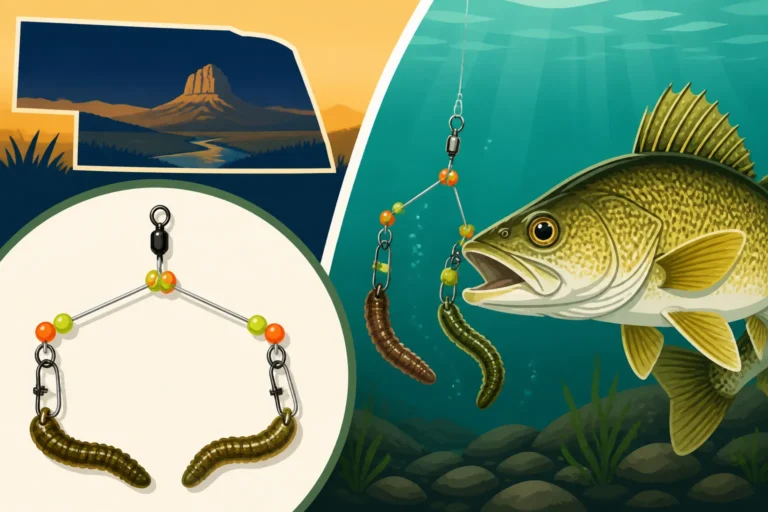
Live Bait: Minnows are the undisputed king for sauger fishing. Shiner or fathead minnows, fished on a jig, a three-way rig, or a Lindy Rig, can be incredibly effective. The natural scent and movement of a live minnow can often trigger bites when artificials are ignored. When using live bait, make sure your presentation is natural and allows the minnow to swim enticingly. A common setup involves hooking the minnow lightly through the lips or dorsal fin. You can often find great deals on bait rigs and terminal tackle on Amazon to stock up for your next trip.
-
Artificial Lures: Beyond jigs and crankbaits, soft plastics rigged on jig heads are highly versatile. Paddle tails, curl-tail grubs, and even fluke-style baits can mimic baitfish effectively. Experiment with different colors, but natural baitfish patterns, chartreuse, and bright orange/firetiger can be good starting points, especially in stained water. Blade baits and jigging spoons can also be very productive when sauger are holding tight to the bottom or structure, providing a lot of flash and vibration. For more specific bait recommendations, looking into Best Bait for Nebraska Walleye can provide some crossover ideas.
Recommended Gear Setup
Having the right gear makes a difference, allowing you to feel subtle bites and effectively fight fish in current.
A medium-light to medium power spinning or casting rod, typically 6'6" to 7'6" in length, with a fast action tip is ideal. This combination provides the sensitivity to detect light sauger bites and the backbone to handle fish in current. Pair this with a reliable spinning reel in the 2000-3000 size range or a low-profile baitcasting reel.
For line, a braided main line of 8-15 lb test is a popular choice due to its sensitivity and lack of stretch, which helps detect those light bites. However, it's often wise to use a 6-10 lb fluorocarbon leader for abrasion resistance and invisibility, especially in clearer water. You can find a wide array of fishing lines and other essential gear on Amazon, making it easy to get what you need delivered right to your door. Don't forget a good pair of polarized sunglasses to cut through glare and spot subtle changes in the water. For beginners, a balanced setup like those recommended in Best Rod and Reel Combo for Beginners in Nebraska can be a great start. Investing in quality gear, generally, will lead to a more enjoyable and successful fishing experience. Check out Best Fishing Gear for Nebraska Anglers for broader equipment advice.
| Season | Primary Sauger Activity | Preferred Depth (General) | Recommended Techniques | Key Locations |
|---|---|---|---|---|
| Late Fall | Peak Aggregation, Pre-Spawn Feed | Deep holes, Channel Edges | Vertical Jigging, Trolling | Missouri River wing dams, Lewis & Clark tailwaters |
| Early Winter | Strong Feed, Pre-Ice Formation | Deep holes, Structure | Vertical Jigging, Jigging Spoons | Missouri River, Lewis & Clark Lake |
| Mid-Winter | Slower, Deep Holds | Deep Channels, Structure | Ice Fishing (Small Jigs/Minnows) | Deeper sections of large reservoirs/rivers |
| Early Spring | Post-Spawn Feed, Recovery | Channel edges, Transition | Jigging, Trolling | Missouri River tributaries, Lewis & Clark Lake |
| Late Spring | Moving to Summer Holds | Deeper Structure | Trolling, Jigging | Main river channels, Reservoir drop-offs |
| Summer | Scattered, Deep Holds | Deepest sections, Shade | Deep Trolling, Night Fishing | Reservoir channels, Dam tailwaters, Night |
Disclaimer
This article is for general informational purposes only and does not constitute professional advice. Laws, prices and regulations vary by location and change over time. Consult a qualified professional for guidance on your specific situation.