Best Time to Fish Early Morning Versus Evening
It's an age-old question that plagues every angler, whether you're a seasoned veteran or just starting out in the wonderful world of Nebraska fishing: when is the best time to hit the water? Should you sacrifice precious sleep for the magic of dawn, or embrace the serene calm of evening as the sun dips below the horizon? Both have their fervent supporters, and both can be incredibly productive, but deciding which one is right for your next outing can feel like a toss-up. This guide will dive deep into the nuances of early morning versus evening fishing in Nebraska, helping you understand the factors at play so you can make an informed choice for a more successful and enjoyable experience.
Understanding Fish Behavior Throughout the Day
Before we even talk about specific times, it’s crucial to grasp why fish behave differently as the day progresses. It’s not just about when we like to fish; it’s about understanding their natural rhythms, which are primarily dictated by light, temperature, and food availability. Once you get a handle on these foundational elements, you'll start to see patterns emerge that can significantly boost your success.
Light Levels and Fish Activity
Think about how you feel in bright, direct sunlight versus a comfortable, shaded area. Fish are much the same, though their motivations differ slightly. Many popular game fish, like walleye, crappie, and even some bass, are more active during periods of low light. This is their natural advantage. In the dim light of dawn or dusk, their excellent vision, often adapted for low-light conditions, gives them an edge over their prey. This makes them more confident to venture out from cover and actively hunt.
During the harsh midday sun, especially on clear, calm days, fish tend to retreat to deeper, darker water or seek refuge in dense cover like weed beds, submerged timber, or under boat docks. The intense sunlight penetrates the water, making them more visible to predators (like us!) and also uncomfortable. When the sun is high, their pupils constrict, and they become more cautious. This isn't to say you can't catch fish in the middle of the day, but it often requires different tactics, like fishing deep structure or working shaded areas meticulously.
Temperature Swings and Their Impact
Water temperature plays an enormous role in fish metabolism and activity. Just like we don't enjoy being out in extreme heat or bitter cold without proper preparation, fish have preferred temperature ranges. As the day warms up, especially in summer, the surface water heats quickly. In the early morning, after a cool night, the surface water is at its coolest. This can make fish more active near the surface or in shallower waters, as the cooler temperatures often mean more dissolved oxygen and more comfortable conditions for hunting.
Conversely, as evening approaches and the sun begins to set, the water temperature starts to slowly cool down from its midday peak. This falling temperature can trigger another burst of activity, bringing fish up from the deeper, cooler thermocline where they might have been "siesta-ing." They become more energized and ready to feed again before the long night sets in. These temperature shifts, even just a few degrees, can dictate where fish hold in the water column and how aggressively they'll strike.
Forage and Feeding Windows
Fish don’t just randomly decide to eat; they follow the food. Many baitfish species, insects, and other aquatic organisms that game fish prey upon also become more active during low-light conditions. Minnows might move into shallower areas to feed on algae or small invertebrates, creating a perfect opportunity for a lurking walleye or bass. Insects hatch and fall onto the water's surface at dawn and dusk, attracting panfish and trout.
Understanding these "feeding windows" is paramount. If you're targeting crappie, for instance, knowing when the shad schools are most active can help you pinpoint where the crappie will be. Similarly, for Lake McConaughy Walleye Fishing, understanding their typical feeding patterns around specific structures during low light will give you a significant advantage. The early morning and late evening often coincide with these peak feeding times, which is why they are so revered by anglers.
Early Morning Fishing in Nebraska: The Dawn Patrol Advantage
There’s a special kind of magic that comes with an early morning fishing trip. The air is crisp, the world is quiet, and the anticipation builds as the first rays of light paint the sky. For many Nebraska anglers, "first light" isn't just a time; it's a religion. And for good reason – it’s often one of the most productive times to be on the water.
Prime Species and Locations for Morning Bites
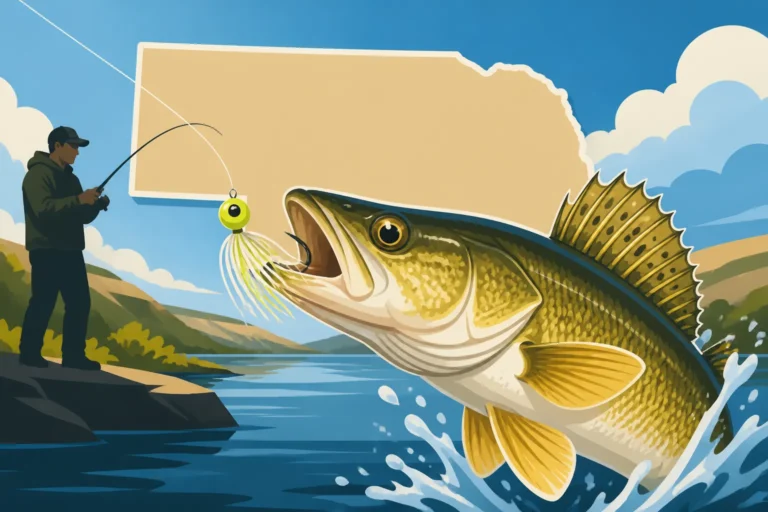
When that sun just begins to peek over the horizon, many species come alive. Walleye are notorious for their low-light preference, often moving into shallower feeding flats or along points and breaks during the dawn hours. You'll find them active in many of Nebraska's big reservoirs like Lake McConaughy or Branched Oak. Largemouth and smallmouth bass will often be cruising the shallow edges, ambushing baitfish that have ventured out from cover. For anglers seeking Trout Fishing in Nebraska, the cool, oxygenated water of streams and tailwaters at first light can bring trout to the surface for a dry fly or make them more aggressive feeders on spinners and nymphs. Crappie, too, will often move shallow around submerged brush piles or docks as the light is dim.
Consider a spring morning on a smaller pond in eastern Nebraska. As the fog lifts, you might find bass crashing baitfish near lily pads or crappie suspended just below the surface near a downed tree. The calm conditions often allow for topwater presentations that would be ignored later in the day, adding to the excitement. The peace and quiet mean you can often get into spots without spooking fish, allowing for more natural presentations.
Strategic Considerations for Morning Success
To truly capitalize on the morning bite, you need a plan. First, arrive before the sun is up. This means getting to the lake or river while it's still dark, allowing you time to launch your boat, rig your lines, and quietly approach your chosen spot without disturbing the water. Precision casting is often key in the dim light. Using baits that create a good profile or vibration, like spinnerbaits, chatterbaits, or even noisy topwaters, can help fish locate your offering. For walleye, a jig and minnow or a slow-trolled crankbait can be deadly as they move into shallower water.
Another tip: pay attention to current and wind direction. Even a slight breeze can create a current that pushes baitfish and concentrates predators. A good fish finder can be invaluable for identifying structure or schools of baitfish in the low light, allowing you to quickly determine productive areas. Products from brands available on Amazon can offer great sensitivity for finding those subtle changes in bottom contours where fish might be holding.
The Tranquility and Challenges of Early Starts
There’s no denying the unique appeal of a morning fishing trip. The serenity of the lake before the recreational boaters arrive, the stunning colors of a sunrise over the water, and the chorus of awakening birds create an unforgettable experience. It’s often a time of solitude and reflection, a perfect escape from the hustle and bustle. The air is typically cooler and fresher, making for a more comfortable outing, especially during the peak of summer.
However, getting up before the chickens have crowed does present its own set of challenges. It requires discipline and often a bit of sacrifice. The cold morning air can be biting in spring and fall, necessitating warm layers. Navigating in the dark, especially on unfamiliar waters, requires extra caution. There might be fog, reducing visibility significantly, and getting your gear ready in the dim light can be a test of patience. You might also find yourself battling drowsiness if you didn't get enough rest. But for many, the potential for a phenomenal bite and the sheer beauty of the experience far outweigh these minor inconveniences.
Evening Fishing in Nebraska: The Twilight Zone Thrill
As the day winds down, a different kind of magic settles over the water. The heat of the day dissipates, shadows lengthen, and the air becomes infused with a tranquil hum. Evening fishing in Nebraska can be just as, if not more, productive than the morning bite, offering unique opportunities and a different atmosphere that many anglers adore.
Target Species and Hotspots as the Sun Sets
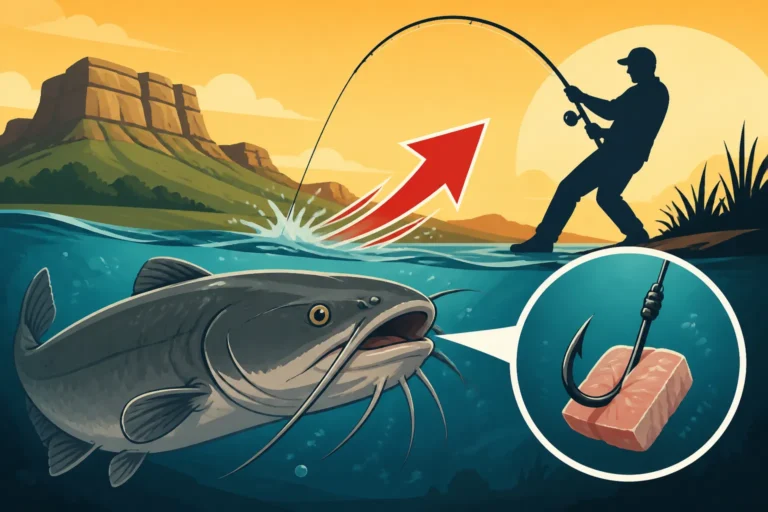
Just like in the morning, many fish species become more active as the light fades in the evening. Catfish, especially big channel cats and flatheads, are notorious for their evening and Nebraska Night Fishing Techniques. They move out of deep holes and into shallower feeding areas, often along river bends, humps, or flats where they can ambush prey. For those interested in Channel Catfish Fishing in Nebraska, evenings are prime time. Largemouth bass will often return to shallow cover to feed aggressively on topwater lures as the sun drops. Walleye, again, will often make another push into shallow water or suspend over structure as the light dims, offering a fantastic opportunity. Crappie can also school up around lighted docks or submerged structures, becoming easier to pinpoint.
Picture yourself on Harlan County Reservoir as the sun dips. You might be casting crankbaits for walleye along a rocky point or soaking cut bait for catfish in a current seam. The reduced boat traffic compared to midday often means less disturbance and more relaxed fish, which can lead to more consistent bites. The transition from daylight to darkness is a critical feeding window.
Techniques and Tactics for Evening Anglers
Evening fishing often calls for specific tactics. For catfish, traditional baits like cut shad, chicken liver, or prepared stink baits are perennial favorites. Often, a simple bottom rig is all you need. For bass, try throwing darker-colored topwater lures like poppers or buzzbaits that create a strong silhouette and commotion on the surface. As light dwindles, switch to darker crankbaits or spinnerbaits that offer good vibration and a strong profile. Walleye anglers might continue trolling or drift fishing with crankbaits or jigging spoons, but sometimes simply casting jerkbaits or a jig-and-plastic combo to shallow points can be incredibly effective.
Consider also the use of light. Some anglers use submersible lights to attract baitfish, which in turn attract game fish like crappie. Others will use glow-in-the-dark lures or add light sticks to bobbers for visual cues. Always remember to carry a reliable headlamp (you can find excellent options on Amazon) for rigging tackle, unhooking fish, and navigating once it's truly dark.
Enjoying the Cooler Air and Overcoming Obstacles
One of the most immediate benefits of evening fishing, especially during a hot Nebraska summer, is the drop in temperature. The air cools, and the water slowly follows suit, making for a much more comfortable experience than baking under the midday sun. The sounds of the night, from crickets to distant owls, add a unique ambiance. It’s a peaceful time to be on the water, often shared with fewer fellow anglers.
However, evening and night fishing come with their own set of challenges. Visibility is the most obvious one. Maneuvering a boat or even navigating unfamiliar bankside terrain in the dark can be hazardous. You'll need good lighting, both on your person and, if boating, on your vessel, to ensure safety. Bugs can also be a significant nuisance, especially mosquitoes and gnats, so come prepared with insect repellent. Lastly, while it can be relaxing, the quiet calm can sometimes feel a bit eerie, especially if you're alone. But for those who love the mystery and challenge of the night, these are small prices to pay for the potential rewards.
Making the Choice: Factors Beyond Time of Day
While early morning and evening are often touted as the "best" times to fish, the truth is a bit more nuanced. The absolute "best" time is highly dependent on a variety of factors, and sometimes, the prime window is dictated by something other than the clock.
Seasonal Influences
The time of year dramatically impacts when fish are most active.
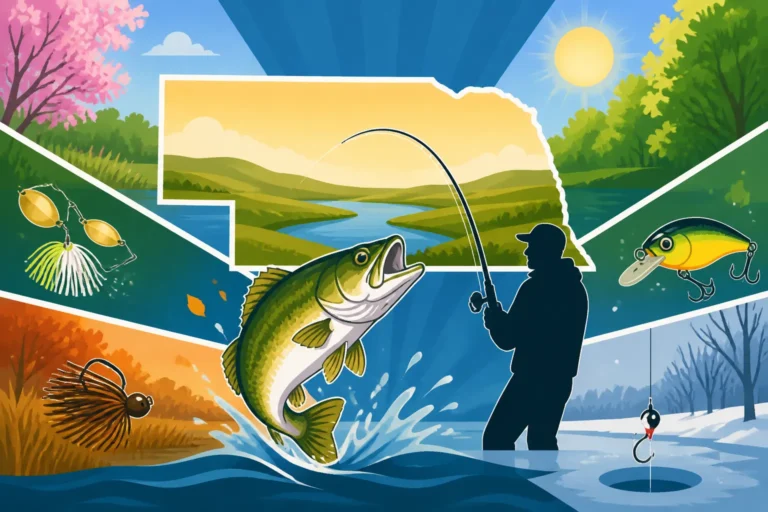
- Spring: In spring, especially during the Nebraska Walleye Spawning Season or when crappie move shallow, the midday sun can actually be beneficial, warming the shallow waters and increasing fish activity. Both morning and evening are fantastic, but the "midday lull" might be less pronounced than in summer. Our guide to Spring Fishing in Nebraska delves deeper into these nuances.
- Summer: This is when the early morning and late evening bites truly shine. The brutal midday heat drives fish deep or into dense cover, making those low-light periods the most comfortable and productive for active feeding.
- Fall: As water temperatures begin to cool, fish often enter a "feeding frenzy" to bulk up for winter. This can extend the productive periods throughout the day. Early mornings can be chilly, but the bite might last well into the late morning, and then pick up again in the afternoon and evening.
- Winter: During ice fishing season, the "best" time can often shift to midday when the sun offers the most warmth and light penetration through the ice. The low-light periods of dawn and dusk can still be good, but the short days mean midday becomes more critical.
Water Conditions and Weather
Mother Nature often has the final say.
- Cloud Cover: Overcast days can extend the low-light bite throughout the entire day. Fish feel more comfortable moving and feeding even at midday under a blanket of clouds.
- Fronts: A strong cold front can shut down the bite for days, regardless of the time. However, fishing before a front often leads to aggressive feeding. Post-front conditions usually mean tough fishing, and timing might matter less than finding any active fish.
- Wind: A consistent, moderate wind can be your friend, creating a "walleye chop" or concentrating baitfish, often making a particular side of a lake or reservoir more productive regardless of the time. Too much wind, however, makes fishing uncomfortable and difficult.
- Water Clarity: In clear water, fish are warier, and low-light periods become even more crucial. In stained or muddy water, fish rely more on scent and vibration, so they might be active at any time, especially if the water is warmer and well-oxygenated.
Personal Preference and Accessibility
Ultimately, the best time to fish is often when you can go and enjoy it. If you're a night owl who dreads alarms, forcing yourself out before dawn might sour the experience. Conversely, if you love the peace of the early morning, embrace it!
Consider family schedules: an evening trip might be easier to fit in after work or school, while a morning trip might conflict with other obligations. For some, the social aspect of fishing is important, and timing your trip when friends can join might be the priority. There's no wrong answer here; the goal is to enjoy your time on the water. Even a short trip during a less "ideal" time is better than no trip at all!
| Feature / Time | Early Morning Fishing | Evening Fishing |
|---|---|---|
| Light Conditions | Dim to increasing light | Decreasing to dark light |
| Temperature | Coolest of the day, rising | Cooling from midday peak |
| Fish Activity | High, fish move shallow to feed | High, fish move shallow to feed before night |
| Target Species | Walleye, Bass, Trout, Crappie | Catfish, Bass, Walleye, Crappie, Panfish |
| Atmosphere | Quiet, tranquil, serene, beautiful sunrise | Relaxing, cooler, often less boat traffic, sunset |
| Challenges | Waking early, cold, fog, low visibility for prep | Low visibility for navigation, bugs (mosquitoes) |
| Gear/Tactics | Topwater, jigs, crankbaits, quiet approach | Bottom rigs, darker lures, glow baits, headlamps |
| Best For | Serious anglers, solitude seekers, scenic views | Leisurely trips, catfish enthusiasts, hot summer days |
Conclusion
The debate between early morning and evening fishing in Nebraska is a timeless one, and as you can see, both have significant merits. Early mornings offer crisp air, stunning sunrises, and often an aggressive bite from species like walleye and bass, eager to feed after the night. Evenings provide a relaxing cool-down, vibrant sunsets, and prime opportunities for catfish and other nocturnal feeders.
The "best" time truly depends on what you're targeting, the season, the weather, and your personal preferences. My advice? Don't limit yourself! Try both, pay attention to the conditions, and be flexible with your approach. You might find that the perfect fishing window isn't strictly defined by the clock, but rather by a combination of factors that only experience on the water can teach you. Grab your gear, check the forecast, and head out to experience the unique thrills that both dawn and dusk fishing in Nebraska have to offer!
Disclaimer
This article is for general informational purposes only and does not constitute professional advice. Laws, prices and regulations vary by location and change over time. Consult a qualified professional for guidance on your specific situation.