How to Fish Below a Dam in Nebraska
Fishing below a dam in Nebraska can feel like stepping into a different world compared to casting in a calm lake or slow-moving river. The powerful currents, swirling eddies, and unpredictable water releases can be intimidating, leaving many anglers wondering where to even start or if it's safe. This comprehensive guide is here to demystify the art and science of dam fishing, equipping you with the knowledge, gear, and techniques to safely and successfully target some of Nebraska's most sought-after fish species.
Understanding Dam Dynamics and Water Flow
When you're standing below a dam, you're looking at a dynamic, ever-changing environment. The water isn't just flowing; it's a complex system of forces that dictate where fish will hold, what they'll eat, and how you need to approach your fishing strategy. Ignoring these dynamics isn't just inefficient; it can be downright dangerous.
The Anatomy of a Dam Discharge
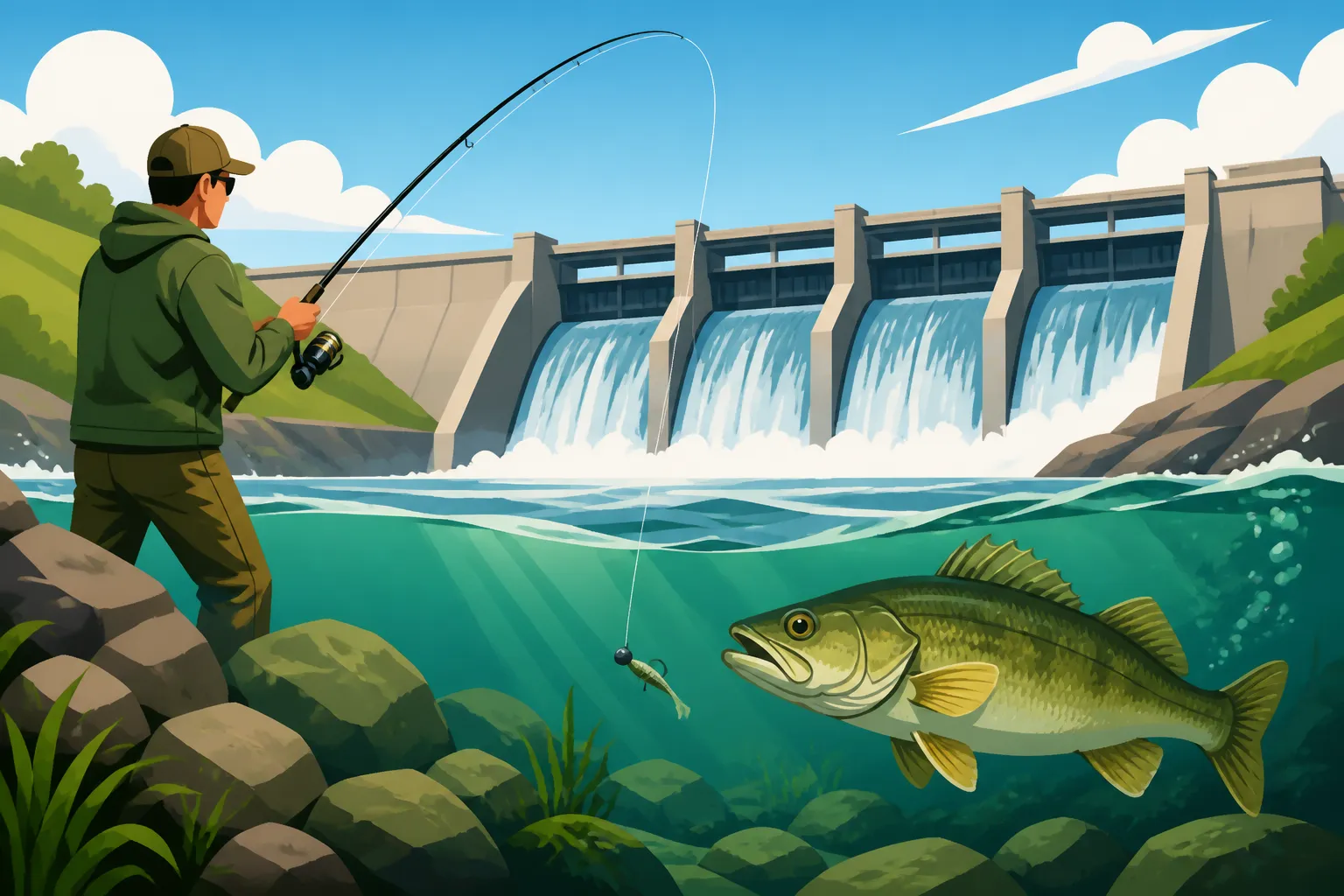
A dam's discharge creates a unique aquatic habitat. When water is released through gates or turbines, it brings with it increased oxygen levels and often disorients baitfish, making them an easy meal for predators. The sheer volume and velocity of the water sculpt the riverbed, carving out deep "scour holes" directly below the dam. These holes become prime holding areas for larger fish seeking refuge from the main current or waiting to ambush prey.
Beyond the immediate discharge, the water forms intricate patterns of currents. You'll find powerful main currents, but also "eddy currents" where the water swirls back upstream. These eddies are crucial because they offer calmer resting spots for fish, often holding significant numbers of various species. Understanding how these forces interact is your first step to success. The water's flow rate also impacts how much food is being carried downstream, making periods of active discharge often more productive as fish become more active feeders.
Reading the Water Below a Dam
Learning to read the water is paramount when fishing below a dam. Your eyes become your most valuable tool. Look for visible current seams, which are the lines where faster water meets slower water. These seams are like highways for baitfish and ambush points for predatory species. Slack water areas, often found behind large rocks, submerged logs, or on the inside bends of the river, are calm havens where fish can rest and conserve energy.
Another key visual cue is turbidity, or water clarity. After heavy rains or significant dam releases, the water might become muddy or stained. This changes how fish feed and what baits they prefer. Sometimes, a slight stain can be advantageous, offering fish more cover. Pay attention to how surface boils or calm spots indicate submerged structure. Ripples or swirls might signal an underwater hump or a rock pile that's breaking the current. Remember, fish below a dam are almost always oriented towards the current, facing upstream, ready to intercept anything that floats by.
Essential Gear for Dam Fishing in Nebraska
Fishing below a powerful dam calls for gear that can stand up to the challenge. Your everyday lake setup might not cut it against strong currents and potentially bigger, harder-fighting fish. Investing in the right equipment isn't just about catching more fish; it's about making the experience enjoyable and effective.
Rods, Reels, and Line for Strong Currents
For dam fishing, you'll want to lean towards heavier-action rods. Think medium-heavy to heavy power spinning or baitcasting rods, typically in the 7 to 9-foot range. This length gives you better casting distance, crucial for reaching those distant current seams, and the leverage needed to control powerful fish in strong currents. Your reel should be robust, with a smooth drag system and ample line capacity. A 3000 to 5000 series spinning reel or a sturdy baitcaster with a good gear ratio will serve you well. Many anglers find durable options on platforms like Amazon that can handle the abuse of this demanding environment.
When it comes to line, braided line is often the top choice for dam fishing. Its lack of stretch provides incredible sensitivity, allowing you to feel subtle bites even in fast water. It also offers superior strength for its diameter, essential when battling a big fish against a strong current or trying to pull a snagged lure free. Pair your braid with a 15-30 lb fluorocarbon leader. Fluorocarbon is nearly invisible underwater, providing that stealth factor, and its abrasion resistance is a huge plus when fishing around rocky bottoms or submerged structures. For specific recommendations, check out our guide on the best rod setup for Nebraska Walleye or the best rod setup for Nebraska Catfish.
Terminal Tackle and Baits That Hold Their Own
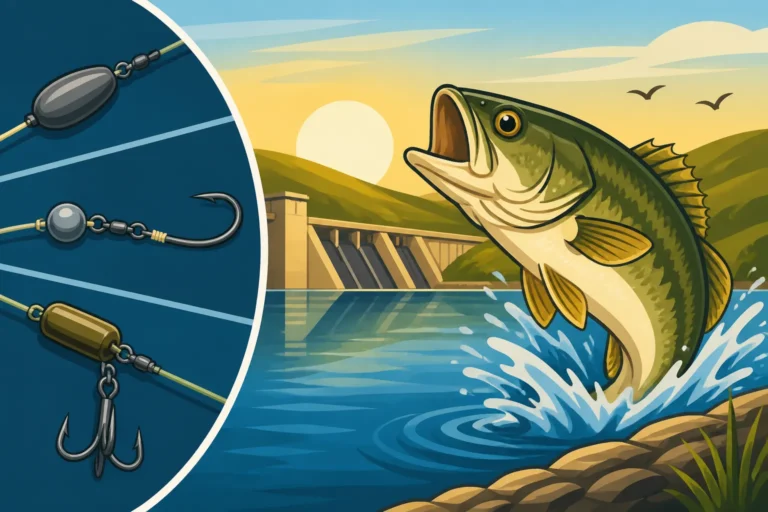
The fast-moving water below a dam will make light tackle ineffective. You'll need heavy jigs, ranging from 1/2 ounce up to 2 ounces or more, depending on the current speed. Lead head jigs tipped with soft plastics, live minnows, or even cut bait are highly effective. Three-way rigs are another staple; these allow you to tie on a heavy sinker to get your bait to the bottom while your hook and bait float above, presented naturally in the current. Bottom bouncers are excellent for covering ground and presenting bait near the bottom without constantly snagging.
When it comes to bait, live bait often reigns supreme. Large shiners, gizzard shad, suckers, or even substantial cut bait (like shad or carp) can be irresistible to the large predators that lurk in these waters. For artificials, deep-diving crankbaits that can run true in current, heavy swimbaits, and even large spoons can trigger strikes. Experimentation is key, but always start with presentations that can quickly get down to where the fish are holding and withstand the current without washing out too quickly.
Top Techniques for Different Species Below Nebraska Dams
Dam fishing offers a unique opportunity to target a variety of species, each with its preferred feeding habits and holding patterns. Adapting your technique to the specific fish you're after will significantly boost your success rate.
Walleye and Sauger Strategies
Walleye and sauger are often found in the turbulent waters below dams, especially during their spawning runs or when actively feeding. These fish love to sit in current seams or the calmer edges of scour holes, waiting for an easy meal to drift by. One of the most effective techniques is jigging. Use a heavy jig head (1/2 to 1.5 ounces, sometimes more) tipped with a live minnow, a plastic grub, or a soft plastic swimbait. Cast upstream and allow the jig to bounce along the bottom with the current, maintaining just enough tension to feel subtle bites.
Another highly productive method is three-way rigging. Attach a heavy bell sinker to the bottom of your three-way swivel, a short leader (1-2 feet) to one eye for a live bait hook (often with a minnow or nightcrawler), and your main line to the third eye. This keeps your bait near the bottom but allows it to drift naturally in the current. Focus your efforts on the transition zones where fast water meets slow water, or in any visible eddy current. These fish often feed aggressively when the gates are open, so pay attention to the dam's release schedule. For more specific tactics, delve into our guide on how to jig for Walleye in Nebraska.
Catfish Tactics
Nebraska's rivers below dams are absolute havens for channel catfish and flathead catfish. These powerful fish thrive in the abundant food supply and varied structure. For channel cats, bottom fishing is king. Use heavy sinkers (2-4 ounces or more) to hold your bait in place in the current. A simple Carolina rig with a circle hook baited with cut bait (shad, carp, or even raw chicken livers) is incredibly effective. Cast into scour holes, behind current breaks, or into the swirling eddies, and let your bait soak.
Flathead catfish, the true heavyweights of the river, prefer ambush points in calmer, deeper water, often near submerged logs or rock piles in eddies. They are primarily piscivores, meaning they prefer live bait. Large live shad, sunfish, or bluegill are excellent choices. Use stout gear, as these fish can be exceptionally strong. Where legal, trotlines or juglines are also popular methods for targeting channel and flathead catfish in these productive waters. Always be aware of the "Nebraska Channel Catfish Daily Limit" to ensure you're compliant with regulations.
Trout and Other Species
While not as common below every dam, some tailwaters in Nebraska, particularly those with consistent cold water releases, can hold excellent trout populations. A prime example is below Kingsley Dam at Lake McConaughy, which feeds Lake Ogallala. Here, rainbow and brown trout thrive. Fly fishing with nymphs, streamers, or even small dry flies can be productive, as can spin fishing with small inline spinners, spoons, or micro jigs tipped with a piece of corn or powerbait. These fish often hold in areas of moderate current where food is abundant but they don't have to fight the strongest flow.
Beyond trout, you'll often find thriving populations of white bass and wipers (a hybrid of white bass and striped bass) below dams, especially during spring and summer. These aggressive schooling fish will readily hit small crankbaits, Kastmasters, or white jigs when they're actively feeding. Look for birds diving, or actual surface boils, indicating schools of baitfish being pushed by predators. Understanding the general "Nebraska Fishing Seasons Explained" can help you predict which species will be most active.
Safety First: Navigating Dam Environments
Fishing below a dam is an exhilarating experience, but it comes with inherent risks due to the powerful and often unpredictable water conditions. Prioritizing safety is non-negotiable for anyone venturing into these waters.
Understanding Water Release Schedules and Hazards
The most critical safety measure is to always be aware of the dam's water release schedule. Many dams are part of hydroelectric power plants or flood control systems, meaning water levels and currents can change dramatically and rapidly without warning. Before heading out, check the U.S. Army Corps of Engineers (USACE) website or the website of the local power district for the specific dam you plan to fish. Some dams even have siren warnings before a significant release. Never assume the water level will remain constant.
Sudden increases in flow can create powerful undertows, whirlpools (hydraulics), and rapidly rising water levels that can trap anglers, especially those wading or bank fishing on low-lying areas. Always wear a U.S. Coast Guard-approved life jacket, even if you're a strong swimmer. The cold, turbulent water below a dam can quickly incapacitate someone. Be mindful of slippery rocks, uneven terrain, and swift currents that can sweep you off your feet. If boating, keep a safe distance from the dam structure and spillways, as many areas are restricted.
Regulations and Restrictions
Beyond general fishing regulations, dam areas often have specific rules that you must adhere to. These can include "no-wake zones" for boats, restricted access areas near the dam structure itself, and designated safety lines that you cannot cross. Ignoring these can lead to serious fines or, worse, accidents. Always consult the latest "Nebraska Fishing Regulations Explained" booklet from the Nebraska Game and Parks Commission, paying close attention to any sections related to specific dam tailwaters or border waters, such as the Missouri River.
For boaters, ensure your vessel meets all "Nebraska Boat Safety Equipment Requirements," including having enough life jackets for everyone on board, a sound-producing device, and proper lighting if fishing after dark. Some areas might have restrictions on the number of fishing poles per angler or specific bait restrictions. Being informed and compliant isn't just about avoiding penalties; it's about respecting the environment and ensuring a safe experience for everyone.
Best Times and Conditions for Dam Fishing
Timing is everything when it comes to dam fishing. The activity of fish below a dam is heavily influenced by seasonal patterns, water releases, and even daily weather conditions. Understanding these factors will help you plan your trips for maximum success.
Seasonal Opportunities
Each season brings its own set of opportunities for fishing below Nebraska's dams. Spring is often a prime time, especially for migratory species like walleye and white bass that move upstream to spawn. During the "Nebraska Walleye Spawning Season," many fish congregate below dams before or after their spawning efforts, making them highly catchable. The increased water flow from spring thaws also brings more food downstream, activating these fish.
Summer offers consistent action for catfish, which thrive in warmer waters and are always on the hunt for food. Early mornings and evenings can be particularly productive as the water cools slightly. Fall sees many species becoming aggressive feeders, bulking up before winter. Walleye and sauger can be found in deeper holes and current breaks, while white bass might have another strong feeding binge. Even in winter, when ice fishing dominates elsewhere, many dam tailwaters remain ice-free, providing open water opportunities for cold-water species like sauger and trout, often hugging the bottom in deeper sections.
Impact of Water Releases and Weather
The most significant factor influencing dam fishing is the water release schedule. When gates are open and water is actively flowing, the current picks up, oxygen levels increase, and baitfish are often disoriented, creating a feeding frenzy for predatory fish. However, too much current can make it difficult for fish to hold, or for anglers to present baits effectively. Periods of reduced flow or complete gate closure can cause fish to become lethargic and less active. Learning to adjust your tackle and technique to these changes is crucial.
Weather also plays a role. Barometric pressure changes can affect fish behavior; a rising barometer often corresponds with more active fish. Wind can be a blessing or a curse; a moderate wind can create current and push baitfish, but strong winds can make casting and boat control incredibly difficult. Water clarity, affected by rain or snowmelt, dictates lure color and presentation. For instance, in clearer water, natural colors and more subtle presentations are often best, while in stained water, brighter colors and more scent might be needed. Our guide on "How Water Level Affects River Fishing in Nebraska" offers further insights into this dynamic.
Nebraska's Prime Dam Fishing Locations
Nebraska might be known for its vast plains, but it's also home to some incredible dam fishing opportunities. From the mighty Missouri River to the state's large reservoirs, there are tailwaters brimming with diverse fish populations just waiting to be explored.
Key Dams and Their Target Species
One of the most iconic dam fishing locations in Nebraska is below Gavin's Point Dam on the Missouri River, which forms the eastern boundary of Lewis and Clark Lake. This area is renowned for its fantastic walleye and sauger fishing, especially in the spring and fall. Anglers often target the deep scour holes and current seams here. You'll also find excellent opportunities for channel and flathead catfish. Further up the Missouri, anglers also target paddlefish during specific snagging seasons.
Other notable dams include those associated with Nebraska's larger reservoirs. Below Harlan County Reservoir on the Republican River, anglers find good numbers of walleye, wipers, and catfish. Similarly, tailwaters below Sherman Reservoir and Sutherland Reservoir can offer productive fishing, particularly for species like walleye, crappie, and various catfish. Even smaller diversion dams on rivers like the Platte can concentrate fish, offering accessible bank fishing opportunities for channel catfish and carp. Each location has its nuances, so it's always a good idea to check local reports for "Lewis and Clark Lake Walleye Fishing" or "Missouri River Fishing in Nebraska" before you go.
Access and Amenities
Access to these dam fishing locations varies significantly. Larger dams like Gavin's Point often have well-developed boat ramps, ample parking, and even designated fishing piers or bank access points. Many feature nearby campgrounds or primitive camping options, making it easy to turn your fishing trip into a full weekend adventure. You'll usually find local bait and tackle shops within a short drive, such as those found on Amazon, where you can pick up fresh bait, tackle, and get up-to-date fishing reports.
Smaller dams or river access points might be more rudimentary, requiring a bit more preparation. Always check maps or use navigation apps to confirm access roads, parking availability, and any restrictions before you head out. Some areas might be within state parks or recreation areas, which could require a Nebraska Park Entry Permit in addition to your "Nebraska Fishing License Guide". Whether you're planning a full boat trip or a simple bank fishing excursion, research your chosen spot to ensure a smooth and enjoyable experience.
Disclaimer
The information provided in this guide is for general informational purposes only and is not intended as legal advice regarding fishing regulations. Fishing regulations, license requirements, and dam release schedules can change frequently. Always consult the most current Nebraska Game and Parks Commission regulations and check the specific dam's water release information before you go fishing. Fishing near dams carries inherent risks; always prioritize safety and wear appropriate personal flotation devices.