Nebraska State Record Smallmouth Bass Weight
Many anglers dream of landing a trophy fish, and for those who chase the feisty smallmouth bass in Nebraska, knowing the benchmark for a truly exceptional catch is a constant thought. It's not just about the fight; it's about the challenge, the thrill of scouting prime waters, and the ultimate satisfaction of potentially holding a record-breaking bronze beauty. This guide delves into what makes a smallmouth bass a true giant in Nebraska, where these magnificent fish reside, and how you can increase your chances of finding one.
The Pinnacle: Nebraska's State Record Smallmouth Bass
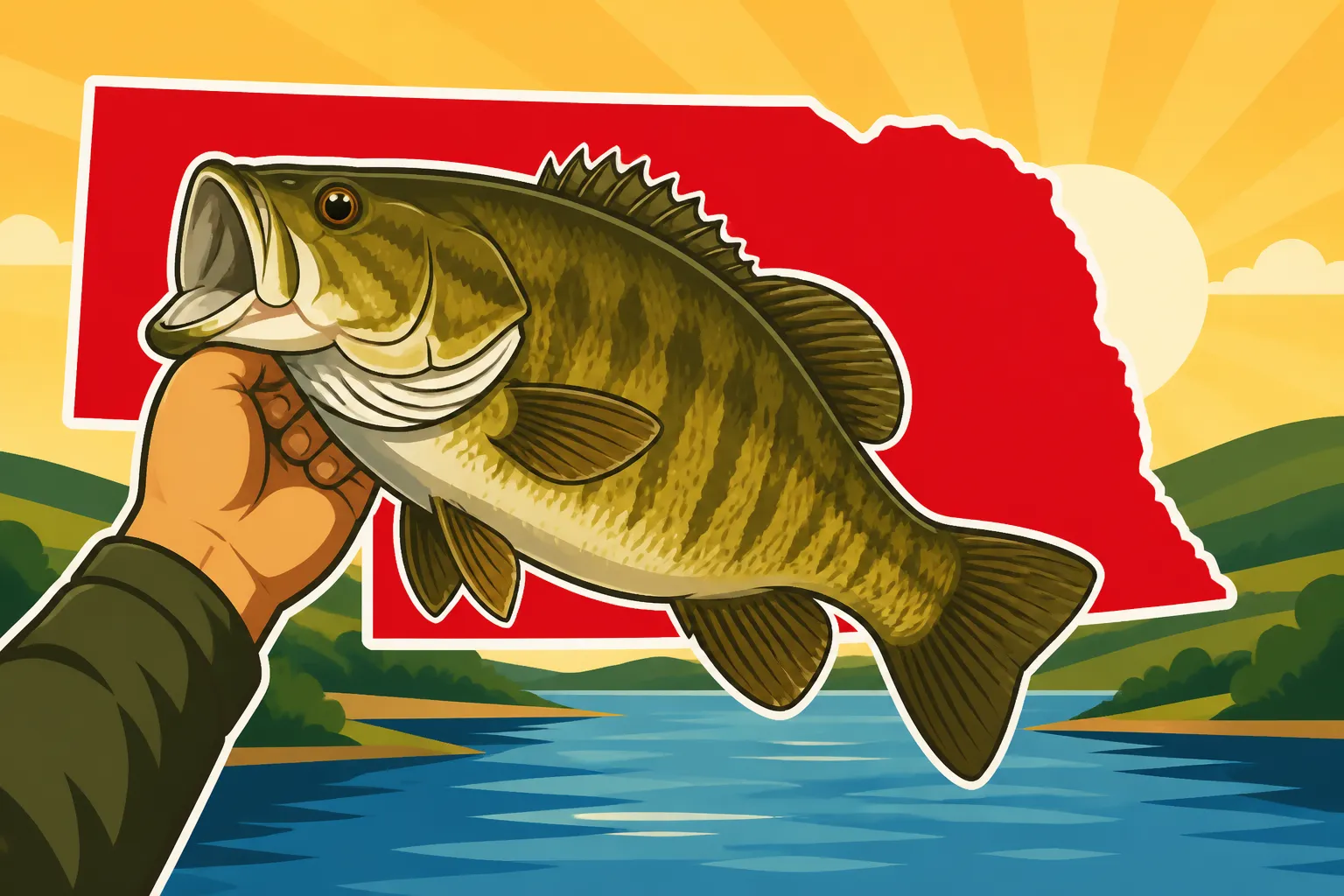
For dedicated anglers, the state record is more than just a number; it's a testament to patience, skill, and a little bit of luck. The current Nebraska state record for smallmouth bass stands as a monumental achievement, a fish that represents the very best of what the state's waters can produce for this species. It’s a weight that every serious smallmouth angler holds in the back of their mind, wondering if their next cast could be the one to challenge it.
Understanding the Significance of the Record
A state record isn't just about the sheer size of one fish; it tells a story of the health of our aquatic ecosystems and the potential for incredible angling experiences here in Nebraska. It inspires countless hours on the water, driving anglers to explore new areas and refine their techniques. Chasing that elusive record, or even just a personal best that dwarfs previous catches, is a core part of the fishing experience. It pushes us to learn more about fish behavior, habitat, and the nuances of presentation that can make all the difference. While I can't provide the exact current weight or details of the record here, the Nebraska Game and Parks Commission maintains official records, and checking their resources is always a great way to stay informed about these impressive catches.
The Thrill of the Chase
Imagine the moment: your rod bends hard, the drag screams, and you know instantly this isn't just another fish. The smallmouth bass, known for its powerful runs and aerial acrobatics, becomes an even more formidable opponent when it's a true lunker. Every head shake, every dive, tests your tackle and your resolve. Many anglers spend a lifetime pursuing such a fish, driven by the pure adrenaline and the chance to become a part of local fishing lore. It's this quest, this enduring hope that the next cast might connect you with a fish of a lifetime, that keeps us coming back to the water, season after season. The pursuit of a trophy smallmouth means understanding its environment, its preferred foods, and its seasonal movements, making you a more knowledgeable and ultimately more successful angler.
Unraveling Nebraska Smallmouth Bass Habitat and Behavior
Smallmouth bass are incredible creatures, revered for their fighting spirit and their preference for specific, often challenging, environments. Unlike their largemouth cousins, smallmouth tend to favor cooler, clearer waters with plenty of rocky structure. Understanding these preferences is key to finding and catching them in Nebraska.
Rocky Realms and Clear Waters
In Nebraska, smallmouth bass aren't as widespread as largemouth, but where they do exist, they thrive in very particular conditions. You'll often find them congregating around rocky shorelines, submerged rock piles, gravel bars, and areas with riprap. These structures provide excellent ambush points for prey and offer protection from strong currents in rivers or wave action in reservoirs. Clear water is also a major factor, as smallmouth are highly visual predators. Lakes and rivers with good water clarity and abundant rock are prime candidates for finding these bronze beauties. Think about areas with a good current flow, especially in rivers like the Niobrara, as this oxygenates the water and brings food. Nebraska Smallmouth Bass Habitat often includes these types of features, which are critical for their survival and growth.
Consider a hot summer day. While largemouth might retreat to dense weeds or shady cover, smallmouth will often hold tight to rocky drop-offs or deeper humps, particularly those exposed to a gentle current. They use these submerged structures to ambush crayfish, minnows, and other small forage that pass by. If you’re fishing a reservoir, pay close attention to points that extend out into deeper water, especially if they have a rocky composition. These spots act like highways for baitfish and crawdads, and smallmouth are usually not far behind.
Seasonal Movements and Feeding Patterns
Smallmouth bass behavior is highly influenced by water temperature and the changing seasons, just like any other game fish.
- Spring: As water temperatures rise into the 50s and 60s, smallmouth move into shallower areas to spawn. They'll seek out gravel beds or rocky flats to build their nests. This can be an excellent time to target them, but remember to practice catch-and-release to protect the spawning population. They are often aggressive as they defend their nests.
- Summer: During the warmer months, smallmouth will often move to deeper, cooler water, relating to offshore structures, main lake points, or deeper river channels. Early mornings and late evenings can be productive when they move shallower to feed. During the heat of the day, vertical jigging over deep structure can be incredibly effective.
- Fall: As water temperatures begin to drop, smallmouth go on a feeding frenzy, bulking up for winter. They often return to shallower rocky areas, especially those near deeper water, to feed heavily. This can lead to some of the most intense smallmouth action of the year, with fish aggressively striking a variety of lures.
- Winter: When ice forms, smallmouth become much less active, holding in deep water on main lake basins or deep river holes. Ice fishing for smallmouth isn't as common as for other species, but it is possible if you know where to find them and present small, subtle baits. What Fish You Can Catch Ice Fishing in Nebraska might include smallmouth in certain deep, clear lakes.
Understanding these seasonal shifts helps you anticipate where the fish will be and what they'll be willing to bite. It’s all about putting your bait in the right place at the right time.
Prime Nebraska Waters and Effective Techniques for Trophy Smallmouth
While smallmouth bass aren't found in every Nebraska waterway, there are some standout locations that offer incredible potential for catching these hard-fighting fish, including those that might challenge the state record. Knowing where to go and how to fish those spots is half the battle.
Key Smallmouth Locations in Nebraska
Nebraska offers several excellent opportunities for smallmouth bass fishing, particularly in its western and northern regions where rivers and reservoirs provide the ideal habitat.
- Missouri River: The mighty Missouri, especially in its clearer sections and around rocky wing dikes and riprap, holds a solid population of smallmouth. Fishing current breaks and submerged structures can yield impressive results.
- Niobrara River: The Niobrara River is legendary for its scenic beauty and its population of smallmouth bass. This river's clean, flowing water and abundant rocky substrate create a perfect environment for them. Canoe or kayak trips are popular here, allowing anglers to float and fish remote stretches. Niobrara River Smallmouth Bass Fishing is a fantastic experience for those seeking river-run smallmouth.
- Lake McConaughy: While famous for walleye, "Lake Mac" also boasts a significant smallmouth bass population, especially along its extensive rocky shorelines and submerged rock piles. The clear, deep waters provide excellent smallmouth habitat.
- Lewis and Clark Lake: Located on the Nebraska-South Dakota border, this large reservoir has numerous rocky points, ledges, and riprap areas that attract smallmouth. It's a vast body of water, so finding the right structure is key.
- Other Reservoirs: Smaller reservoirs with clear water and ample rock structure, though less publicized, can also surprise anglers with good smallmouth catches. Always check local regulations and scouting reports for specific areas. Nebraska Fishing Regulations Explained will be your best friend when exploring new waters.
When visiting these locations, observing the shoreline and looking for visible rock formations can often give you clues about what lies beneath the surface. Smallmouth rarely stray far from their preferred rocky homes.
Gear and Tactics for Trophy Smallmouth
Catching a state record smallmouth requires the right gear and refined techniques. These fish are powerful and savvy, so your setup needs to be up to the task.
- Rods and Reels: A medium-light to medium power spinning rod, typically 6'6" to 7' in length, paired with a reliable spinning reel, is a versatile choice. This setup allows for accurate casting of lighter lures and provides enough backbone to handle strong fish. For heavier applications or if you prefer baitcasting, a medium power baitcasting setup works well too. Many anglers find great deals and a wide selection of rods and reels on platforms like Amazon.
- Line: Fluorocarbon line in 6-10 lb test is an excellent choice for its low visibility and sensitivity. You might also opt for braided line with a fluorocarbon leader for added strength and abrasion resistance, especially when fishing around sharp rocks. Best Fishing Gear for Nebraska Anglers will provide more detail on selecting the right tackle.
- Lures: Smallmouth bass are opportunistic predators, but some lures are consistently more effective.
- Crankbaits: Small, shallow-diving crankbaits in crawfish or minnow patterns are deadly around rocky banks. Medium-diving models can be effective on deeper points.
- Jigs: Football jigs, finesse jigs, and hair jigs tipped with soft plastic trailers are fantastic for working rocky bottom structure. Best Lures for Nebraska Bass will often include a variety of jig types.
- Soft Plastics: Tubes, grubs, jerkbaits, and small creature baits fished on a jig head or Carolina rig can imitate crawfish and baitfish perfectly. Drop shots are also highly effective for suspended fish.
- Topwater: During low-light conditions, walking baits, poppers, and prop baits can entice explosive strikes from aggressive smallmouth.
- Techniques:
- Casting and Retrieving: Fan casting rocky points and retrieving crankbaits or spinnerbaits is a classic approach.
- Dragging and Jigging: For deeper structure, slowly dragging jigs or soft plastics along the bottom is incredibly effective. Vertical jigging can work well in current or over deep humps.
- Wading or Kayaking: For river smallmouth, wading or floating in a kayak allows you to access prime stretches that might be unreachable from shore. Best Kayaks for Nebraska Fishing can make a huge difference in river navigation.
| Lure Type | Best Use Case | Preferred Depth | Seasonal Effectiveness |
|---|---|---|---|
| Small Crankbaits | Targeting rocky banks, shallow points | 2-8 feet | Spring, Summer, Fall |
| Football Jigs | Dragging over rocky bottoms, deep structure | 8-20+ feet | All year |
| Tube Baits | Imitating crawfish, working ledges and drop-offs | 5-15 feet | All year |
| Topwater Poppers | Low-light conditions, calm water, aggressive fish | Surface | Summer, Fall |
| Drop Shot Rigs | Suspended fish, clear deep water, precise presentation | 10-30+ feet | All year |
Remember that presentation is often more important than the specific lure. A slow, methodical retrieve often outfishes a fast, erratic one for smallmouth, especially when they're holding tight to structure.
What Makes a Smallmouth a True Trophy in Nebraska?
While breaking a state record is a lofty goal, for most anglers, a "trophy" smallmouth in Nebraska is a personal achievement, a fish that stands out among hundreds of others. It’s about more than just the official record book; it’s about the sheer size, fight, and rarity of catching such a specimen.
Beyond the Record Book
Let's be real: not every angler is going to catch a state record. But that doesn't mean you can't land a trophy smallmouth! For many, a smallmouth weighing over 3 pounds is considered a very respectable catch in Nebraska. A fish pushing 4 pounds is a true lunker, and anything beyond that is exceptional. These are the fish that tell stories, the ones that make you want to frame a photo or have a replica mount made. They represent successful angling, good conditions, and sometimes, just plain good fortune.
It’s about understanding the average size of smallmouth in the waters you fish. If most fish you catch are 10-12 inches, then a 16-inch smallmouth becomes a trophy in its own right. It's about personal milestones and enjoying the journey. Many anglers find high-quality measuring boards and scales on Amazon, which can help accurately document those memorable catches, whether they're a personal best or simply a magnificent fish.
Conservation and Catch-and-Release
The pursuit of trophy fish, whether smallmouth bass or any other species, comes with a responsibility to protect and preserve our fisheries. Catch-and-release is a crucial practice, especially for larger, older fish that are vital for maintaining healthy populations and genetics. These big fish are often the most prolific spawners, contributing significantly to future generations.
When you do hook into a potential trophy smallmouth, handle it with extreme care. Minimize its time out of the water, support its body weight properly, and use a net designed for gentle handling. If you plan to weigh the fish, use a weigh sling or a scale that supports the fish without damage. Taking a quick photo and then releasing the fish swiftly and safely ensures that it can continue to grow and spawn, potentially providing another angler with the same thrill someday. How to Release a Fish Safely to Survive details the best practices for handling and releasing fish to maximize their survival chances. By prioritizing conservation, we ensure that the dream of catching a record-breaking or personal best smallmouth bass remains alive for years to come.
Disclaimer
This article is for general informational purposes only and does not constitute professional advice. Laws, prices and regulations vary by location and change over time. Consult a qualified professional for guidance on your specific situation.