How to Fish a Spillway Below a Dam
Fishing below a dam, especially in the turbulent waters of a spillway, can be incredibly rewarding but also quite challenging. Many anglers feel overwhelmed by the strong currents and unique conditions, unsure of where to cast or what bait to use. This guide is here to demystify the art of fishing spillways in Nebraska, providing you with practical advice, essential gear recommendations, and proven techniques to help you land more fish and stay safe in these exciting environments.
Understanding Spillways and Their Fish-Attracting Power
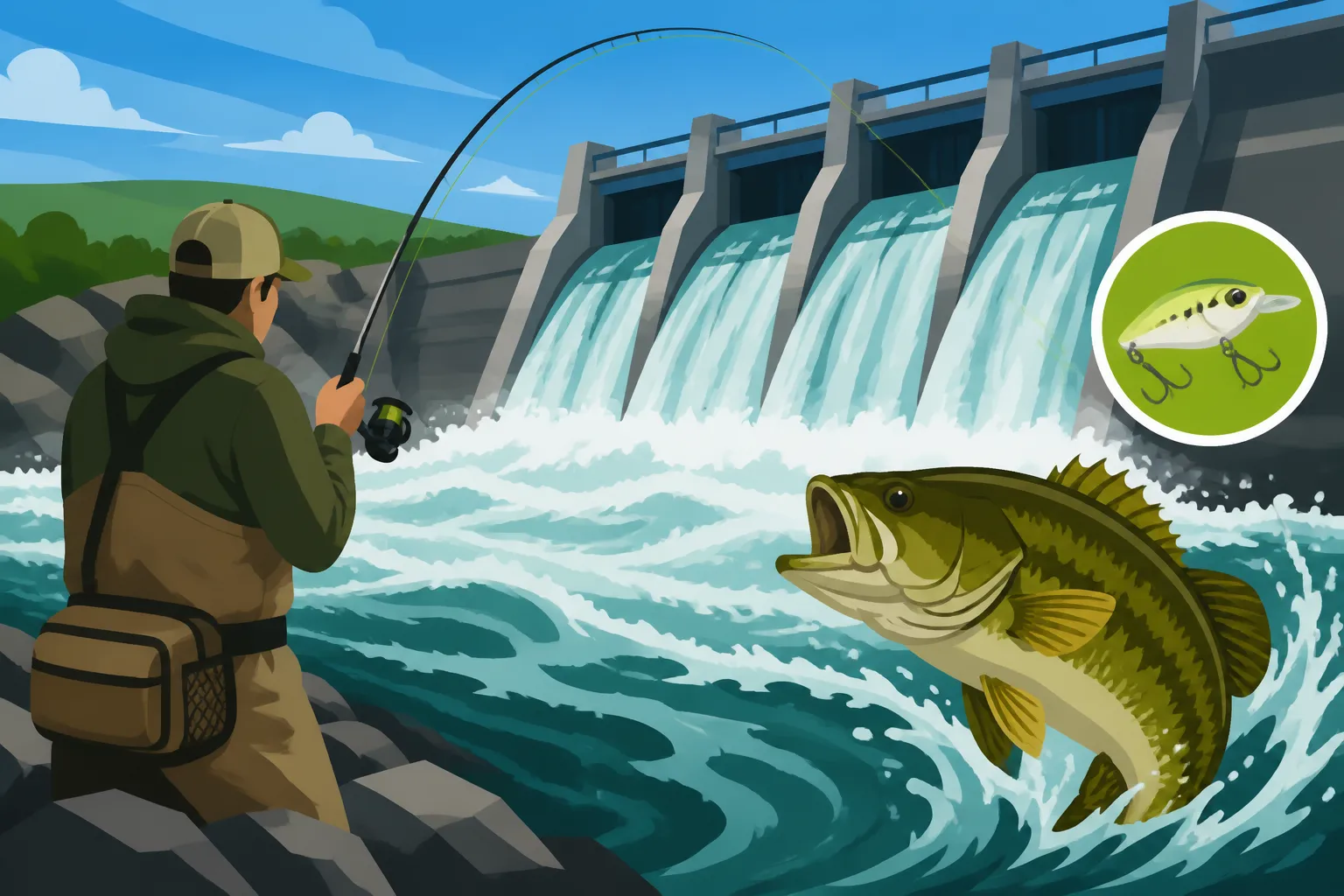
Spillways are often overlooked gems in the angling world, creating a unique ecosystem right below a dam. The sheer force of water gushing through these structures, whether it's a controlled release or overflow, churns up the bottom, displaces baitfish, and creates oxygen-rich environments that hungry game fish simply can't resist. It’s a natural buffet line, and if you know how to present your offering, you’re in for a treat.
Why Fish Love Spillways
Think about it from a fish's perspective. When water rushes through a dam's gates or over a spillway, it creates a turbulent, oxygen-rich zone. This sudden rush of water can dislodge small organisms, baitfish, and even larger prey from upstream, sending them tumbling into the frothy waters below. It's like a conveyor belt of food, and predatory fish instinctively gather here to capitalize on the easy pickings. The turbulent water also provides cover, breaking up their silhouette and allowing them to ambush unsuspecting prey more effectively. Plus, the constant flow creates current breaks and eddies, which are perfect resting spots where fish can conserve energy while waiting for food to drift by. For anyone looking to understand the broader rules of the game, our comprehensive guide on Nebraska Fishing Regulations Explained offers a great overview.
Consider a hot summer day on the Platte River, where the main channel might be sluggish. Below a spillway, the water is cool, oxygenated, and buzzing with life. Walleye will stack up in the current seams, darting out to grab a stunned shad, while massive channel catfish might be scouring the bottom for anything edible that gets swept their way. This dynamic environment means fish are often more aggressive and concentrated than in calmer stretches of water, making it a prime location for consistent action if you master the techniques.
Common Fish Species Found Below Dams
You'd be surprised at the variety of fish that call spillways home. While some species prefer calmer waters, many of Nebraska's most popular game fish thrive in these powerful currents. Walleye are a huge draw, especially during their spring and fall feeding sprees. They love to position themselves just out of the main current, waiting to ambush baitfish. If you're targeting these toothy critters, you might want to check out our tips on How to Fish for Walleye in Nebraska.
Catfish – both channel and flathead – are also huge fans of spillways. The churning water stirs up their food, and they're built to handle strong currents. You'll often find them lurking in deeper pockets or behind current breaks, ready to gobble up anything that looks like an easy meal. White bass and wipers often make spectacular runs into spillway areas, especially in spring, chasing schools of shad. These aggressive fighters can provide fast and furious action, making for an unforgettable day. Even species like carp and freshwater drum can be abundant, offering plenty of action for those who appreciate their fighting spirit. Always be mindful of specific regulations, as Nebraska Fishing Daily Bag and Possession Limits apply to all species caught.
Essential Gear for Spillway Fishing
Fishing in powerful currents demands a different approach to gear than still water or gentle streams. You'll need equipment that can stand up to the challenge, allowing you to cast heavy baits, detect subtle bites amidst the turbulence, and ultimately muscle strong fish out of the flow. Don't skimp on quality here; reliable gear is your best friend when battling a big fish in a fast current.
Rods, Reels, and Line Choices
When it comes to rods, think power and sensitivity. A medium-heavy to heavy action rod, typically 7 to 8 feet long, is ideal. This length gives you better casting distance with heavier baits and more leverage when fighting fish in strong currents. A fast or extra-fast tip will help you feel those light bites that can be easily masked by the current. For reels, a robust spinning reel in the 3000-4000 series or a sturdy baitcasting reel capable of handling heavy line and strong drags is essential. Many anglers find excellent options available through retailers like Amazon, offering a wide range to suit different preferences and budgets.
Line choice is critical. Braided line, with its superior strength-to-diameter ratio and no-stretch properties, is often the top choice for spillway fishing. A 20-30 pound test braided line will cut through the current better than monofilament and allow you to feel even the slightest tap. You can then tie a fluorocarbon leader (10-20 pound test) to the end of your braid for abrasion resistance and invisibility in clearer water. Monofilament can work in some situations, but its stretch can hinder hook sets and bite detection in strong currents. If you're just starting to build your arsenal, consider consulting a guide like Best Rods and Reels for Nebraska Fishing for a solid foundation.
Baits and Lures for Moving Water
The right bait or lure can make all the difference. For walleye and white bass, jigs tipped with plastics or live bait (like minnows or nightcrawlers) are incredibly effective. You'll need heavier jigs, often 3/8 to 1 ounce or more, to get down to the fish in strong currents. Lipless crankbaits and deep-diving crankbaits can also be deadly, especially when fish are actively chasing bait. Look for lures with a tight wobble that can cut through the current without blowing out.
Catfish anglers will find success with a variety of offerings. Cut bait (like shad, sunfish, or carp) is a classic, effective choice, as its scent trail travels far in the current. Prepared "stink baits" or chicken livers are also popular, though they can be harder to keep on the hook in fast water. A simple Carolina rig or a three-way swivel rig with an egg sinker or pyramid sinker will help keep your bait on the bottom. To learn more about tempting these whiskered warriors, check out our guide on Best Bait for Nebraska Catfish. Regardless of your bait choice, make sure your hooks are sharp and strong enough to handle powerful fish.
Accessories for Safety and Convenience
Beyond your core fishing setup, a few key accessories will make your spillway experience safer and more enjoyable. A good pair of polarized sunglasses will help you spot submerged structure and current breaks, reducing glare off the water. Sturdy wading boots with good grip are a must if you plan to enter the water, as rocks can be incredibly slippery. A long-handled landing net with rubberized mesh is essential for safely landing fish in strong currents without harming them or tangling your hooks.
Other useful items include a plier for removing hooks, a small first-aid kit, a headlamp if you're fishing at dawn or dusk, and a waterproof bag for your phone and keys. Having a good knife, readily available on your belt or vest, can also be a lifesaver for cutting tangled lines or emergency situations. You can find many of these crucial accessories on Amazon, making it easy to prepare for your next outing. Remember, spillways can be unpredictable, so being prepared for anything will ensure a much smoother trip.
Techniques for Success in Spillway Environments
Fishing spillways isn't just about casting and hoping; it requires a keen understanding of how water moves and how fish behave in strong currents. Mastering these techniques will significantly increase your chances of success, turning a challenging environment into a productive fishing ground.
Reading the Current and Structure
The key to spillway success lies in understanding the water. Look for current seams, where fast water meets slower water. These are prime ambush points for predatory fish. Eddies, which are swirling pockets of calmer water behind obstructions like rocks or concrete structures, are also excellent spots. Fish will hold in these eddies, expending minimal energy while waiting for food to drift out of the main current. Pay attention to changes in water color and depth, as these often indicate structural changes below the surface. A sudden drop-off or a submerged rock pile can concentrate fish.
Observation is your most valuable tool. Watch for baitfish flickering on the surface, or for larger fish breaking the water. These are sure signs of activity. The roar of the spillway can make it hard to hear, so visual cues become even more important. Understanding these subtle indicators is part of a broader knowledge base about How to Fish Below a Dam in Nebraska, which covers more strategies for these unique locations.
Table: Understanding Spillway Features and Their Fishing Potential
| Spillway Feature | Description | Fishing Strategy | Target Species |
|---|---|---|---|
| Current Seams | Where fast-moving water meets slower, calmer water. | Cast parallel to the seam, letting your bait drift along the edge. | Walleye, White Bass, Wipers |
| Eddies/Backwaters | Swirling pockets of calm water behind obstructions (rocks, walls). | Cast into the eddy and work your bait slowly out towards the main current. | Catfish, Bass, Drum |
| Deep Holes/Scours | Depressions in the bottom created by the force of the falling water. | Use heavy jigs or bottom rigs to target fish hunkered down in these areas. | Catfish, Walleye |
| Turbulent Foam Lines | Frothy, oxygenated water where disoriented baitfish are often concentrated. | Cast into the edges of the foam; fish will patrol these zones. | White Bass, Walleye, Wipers |
| Riprap/Rocks | Large rocks along the banks or submerged, providing cover and current breaks. | Work crankbaits or jigs close to the structure; fish hide in crevices. | Bass, Walleye, Catfish |
Casting and Presentation Strategies
Your casting technique needs to be precise. Often, you'll want to cast slightly upstream of your target zone and allow your bait to drift naturally into the strike zone. This is called a "controlled drift." For bottom-bouncing presentations with jigs or Carolina rigs, aim to keep just enough weight to maintain bottom contact without getting snagged too often. You'll feel a distinctive "thump-thump-thump" as your weight bounces along. If you stop feeling it, reel in a bit; if it drags too much, you might need a heavier weight.
When using crankbaits or swimbaits, cast across or slightly upstream of the current and retrieve. The current will help impart action to your lure, making it look natural. Experiment with different retrieve speeds until you find what triggers bites. Sometimes, a slow, steady retrieve is best, while other times, a quick twitch-and-pause will draw a strike. Don't be afraid to experiment with your presentation – fish in current can be finicky. For more general lure advice, you might find our guide on Best Lures for Nebraska Bass helpful for understanding lure action and selection.
Adapting to Water Levels and Flow
Spillways are dynamic. Water levels and flow rates can change dramatically based on dam operations, recent rainfall, or even seasonal patterns. What worked yesterday might not work today. Always check local conditions before heading out. High, fast water often pushes fish closer to the banks or into larger eddies, where the current is less severe. In these conditions, heavier weights and larger baits might be necessary to reach the fish.
Conversely, during periods of lower flow, fish might spread out more, or congregate in deeper holes that become more accessible. Your presentation might need to become more subtle, using lighter lines and smaller baits. Don't get stuck in a rut with one technique. Being adaptable to the changing conditions of the spillway is key to consistent success. Observing the water and adjusting your approach accordingly is a skill that takes time to develop but pays off immensely.
Safety First: Navigating Spillways
While spillways offer fantastic fishing opportunities, they also present significant safety challenges. The powerful, unpredictable nature of rushing water demands respect and vigilance. Your safety should always be your number one priority, above catching any fish.
Personal Safety Precautions
Always wear a U.S. Coast Guard-approved personal flotation device (PFD) when fishing in or near swift-moving water, even if you’re just bank fishing. Accidents can happen quickly, and a PFD can be a literal lifesaver if you slip or fall. Sturdy wading boots with felt soles or cleated bottoms provide much better traction on slippery rocks than regular shoes. Avoid wading into water that is above your knees, especially if the current is strong. The force of the water can easily sweep you off your feet.
Never fish alone in a spillway, or at least let someone know where you are going and when you expect to return. Always have a fully charged phone in a waterproof case within reach. Be aware of your surroundings; look for warning signs about dam operations or sudden water releases. Respect all posted warnings and barriers. If you're considering using a boat near these areas, familiarize yourself with Nebraska Boat Safety Equipment Requirements to ensure you're compliant and safe.
Navigating the Terrain
The banks and bottoms around spillways can be treacherous. Rocks are often slick with algae, and uneven terrain, submerged debris, and sudden drop-offs are common. Walk slowly and deliberately, testing each step before committing your weight. Avoid crossing stretches of water where you cannot see the bottom. If you're walking along the bank, be mindful of loose rocks, steep slopes, and unstable ground.
Consider carrying a wading staff for added stability, especially if you plan to move around a lot. Be mindful of sudden changes in weather, as rain can make conditions even more slippery and increase water levels. Never turn your back on the current, and always have an escape route planned in case of an emergency. A healthy respect for the power of the water will keep you safe and allow you to enjoy the fantastic fishing opportunities that spillways offer. In case you ever witness someone else in a dangerous situation or observe illegal activity, knowing How to Report a Fishing Violation in Nebraska is a valuable piece of information.
Disclaimer
This article is for general informational purposes only and does not constitute professional advice. Laws, prices and regulations vary by location and change over time. Consult a qualified professional for guidance on your specific situation.