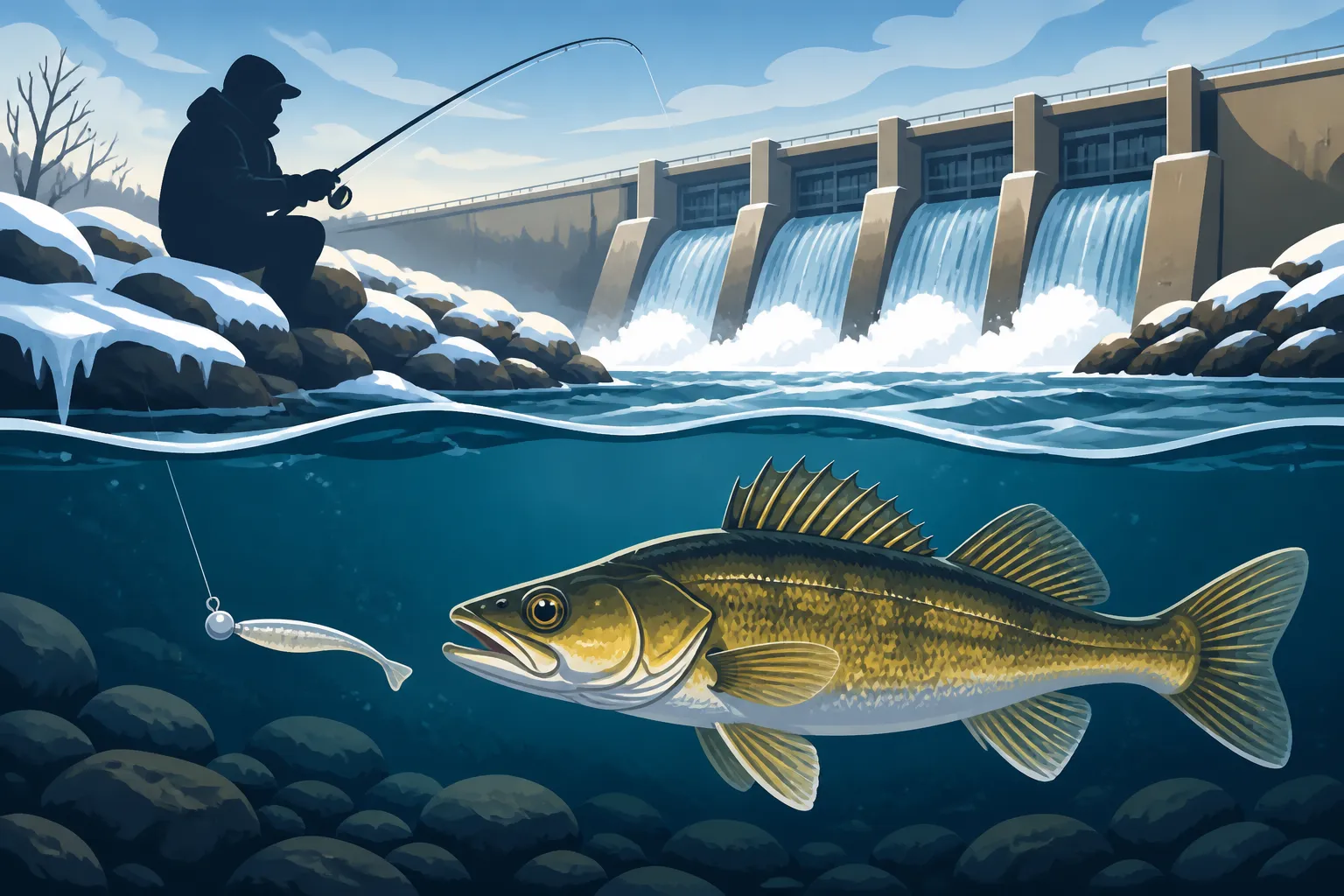
How to Fish for Sauger Below a Dam in Winter
There's nothing quite like the crisp, cold air of a Nebraska winter morning, and for many of us, it calls for one thing: a serious sauger hunt, especially below the powerful, churning waters of a dam. But let's be real, tackling these elusive fish in such a challenging environment is a whole different ballgame than a leisurely summer outing. The cold, the current, the subtle bites – it can be intimidating, and sometimes downright frustrating, trying to figure out the secrets to success. This guide is here to unravel those mysteries, helping you understand the unique world of sauger below dams in winter, what gear you absolutely need, and the techniques that will put more fish on your line when the temperatures drop.
Understanding Sauger Behavior and Dam Dynamics in Winter
Fishing for sauger below a dam in winter means you're dealing with a very specific set of conditions. These aren't just any fishing spots; they're dynamic, often treacherous, and require a deep understanding of how fish react to both the cold and the constant current. Sauger are cool-water fish, and they absolutely thrive in these environments, but their behavior shifts dramatically when the water gets icy.
Where Sauger Hold in Cold Water
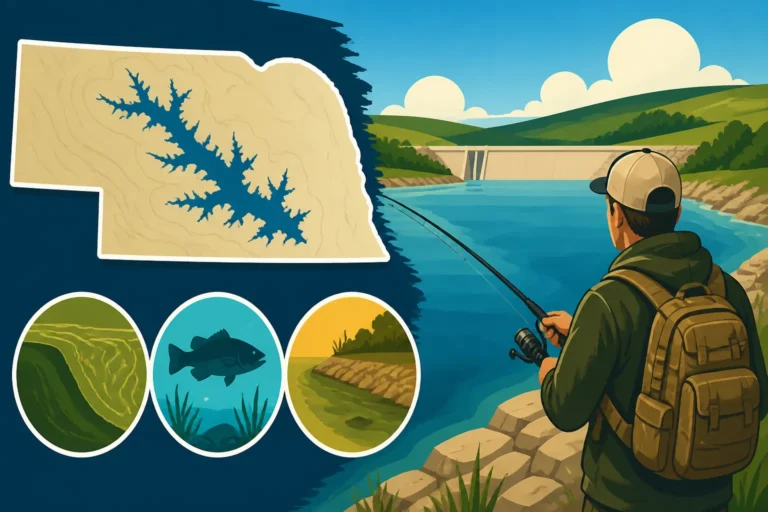
In winter, sauger become less active and tend to conserve energy. They seek out areas where they can expend minimal effort while still being in a prime ambush position for any baitfish that drift by. Below a dam, this usually means current breaks. Think about seams where fast water meets slower water, eddies, deep holes scoured out by the current, or behind large submerged structures like rocks, wing dams, or even bridge pilings. These spots offer a respite from the main current, allowing sauger to hold comfortably.
It's not just about finding slower water, though. Sauger are notorious bottom-huggers. They'll be right down on the riverbed, often nestled behind any slight irregularity that breaks the flow. Their mottled coloring helps them blend in perfectly with the rocks and gravel, making them tricky to spot, but also indicating their preferred habitat. Understanding these subtle current dynamics is crucial. A small eddy just off the main current might look insignificant, but it could be holding a school of sauger conserving their energy, waiting for an easy meal to drift into their strike zone. Paying close attention to things like underwater maps or even just observing the surface current can give you huge clues about what's happening deeper down.
The Impact of Dam Discharge and Water Flow
Dams are fascinating because they control the river's pulse. The amount of water being released, known as the discharge, directly impacts the current speed, water levels, and even water temperature fluctuations below the dam. In winter, this can be a double-edged sword. Higher discharge usually means stronger currents, which can concentrate baitfish and, by extension, sauger into those protected current breaks even more. However, it also means harder fishing conditions for you, the angler, requiring heavier tackle and more precise presentations.
Conversely, lower discharge can make the current more manageable, but it might spread the fish out more or make them less predictable. It's often beneficial to check the dam's release schedule if possible, or observe the water conditions over several days. Sauger often respond well to stable conditions, but sometimes a slight change in flow can trigger a feeding frenzy as baitfish get disoriented. Knowing the historical patterns of a specific dam can give you a significant advantage. For example, if a dam typically reduces flow overnight and increases it in the morning, that morning increase could be a key feeding window. You can often find information about these kinds of patterns by looking up specific river data online, which can really inform your approach to Nebraska Fishing Season Dates and Limits.
Essential Gear for Winter Dam Sauger Fishing
Winter fishing below a dam isn't for the faint of heart, and it definitely requires the right gear to ensure both your success and your safety. You're battling cold temperatures, strong currents, and often snag-heavy environments. Skimping on tackle or appropriate clothing will lead to a miserable, and potentially dangerous, experience.
Rods, Reels, and Line for Current
When you're fishing in heavy current, you need tackle that can stand up to the challenge. Forget your ultra-light panfish setup; this calls for something more robust. A medium-heavy to heavy power spinning or baitcasting rod, typically 6'6" to 7'6" in length, is ideal. This length gives you the leverage to fight fish in current and cast heavier lures. The rod should have a sensitive tip to detect those notoriously subtle sauger bites, but a strong backbone to drive the hook home and battle the fish. Many anglers find that a fast action tip provides the best combination of sensitivity and power.
For reels, a sturdy spinning reel in the 2500-4000 series or a reliable baitcasting reel with a good drag system is essential. You'll be using heavier weights and potentially fighting bigger fish in a strong current, so a smooth, consistent drag is paramount to prevent break-offs. As for line, braided line is often preferred for its incredible strength-to-diameter ratio and lack of stretch. This means you get excellent sensitivity, crucial for feeling light bites, and powerful hook sets. A 15-30 lb braided line is a good starting point, often paired with a fluorocarbon leader of 8-15 lb test. The fluorocarbon leader is nearly invisible underwater, which can be critical in clear winter waters, and provides a bit of abrasion resistance against rocks and ice. Don't underestimate the power of a good line choice; it can truly make or break your day. If you're looking for options, you can find a wide range of Best Rods and Reels for Nebraska Fishing on platforms like Amazon.
Lures, Baits, and Weights for Bottom Contact
Sauger, especially in winter, are usually found tight to the bottom. This means your lures and baits need to get down there and stay there. Jigs are king for this type of fishing. Heavy jig heads, ranging from 1/4 ounce up to 1 ounce or even more depending on the current, are your best friend. Pair these with soft plastic grubs, swimbaits, or even simple curly-tail jigs. Natural colors like browns, greens, and blacks often work well, but don't shy away from brighter colors like chartreuse or orange, especially in stained water.
Live bait can also be incredibly effective. Minnows, especially shiners or fatheads, fished on a jig or a bottom-bouncing rig, are irresistible to sauger. Consider a three-way swivel rig with a bell sinker on a dropper line and your bait on another leader. This setup allows your bait to drift naturally near the bottom while keeping your main line out of the snags. The key is to use enough weight to maintain consistent bottom contact without being so heavy that your bait looks unnatural. Experiment with different weights until you can feel your lure ticking the bottom without constantly snagging or getting swept away. When stocking up on these essentials, checking out offerings on Amazon can give you a wide selection of sizes and colors to match local conditions. Sometimes, a smaller, subtle presentation is all it takes to entice a finicky sauger, even in strong current.
Essential Winter Apparel and Safety Gear
Winter fishing, especially near fast-moving water, demands serious attention to personal safety and comfort. Dressing in layers is non-negotiable. Start with a moisture-wicking base layer, add insulating layers like fleece or wool, and top it off with a waterproof and windproof outer shell. A good pair of thermal boots, insulated gloves (or fingerless gloves with hand warmers for dexterity), and a warm hat are absolute must-haves. You're dealing with extreme cold, and wet clothes can quickly lead to hypothermia. Many experienced anglers invest in a specialized "ice suit" or float suit, which offers both insulation and buoyancy in case of an accidental fall into the water.
Beyond clothing, several safety items are critical. A personal flotation device (PFD) is highly recommended, even if you're fishing from the bank near swift currents. A rope bag or throw rope can be a lifesaver for yourself or others. A fully charged cell phone in a waterproof case, a whistle, and a basic first-aid kit should always be with you. If you're fishing on ice that's formed in slower backwater areas near the dam, remember that ice conditions can be highly unpredictable near currents, so always check ice thickness thoroughly before venturing out – though below a dam, you're almost always dealing with open water. Having a set of Best Waders for River Fishing in Nebraska is also a game-changer for accessing prime spots while staying dry and warm. These often come with insulated options, perfect for the frigid conditions of a Nebraska winter.
Effective Techniques for Sauger Below Dams
Now that you've got the right gear, let's talk about putting it to good use. Fishing below a dam for sauger in winter isn't about brute force; it's about finesse, understanding the current, and presenting your bait precisely where these fish are holding.
Jigging and Drifting Strategies
Jigging is arguably the most effective technique for sauger below dams in winter. The key is to keep your jig close to the bottom, where sauger are lurking. Cast your jig upstream and slightly across the current, allowing it to sink and drift naturally along the bottom. As it drifts, gently lift and drop your rod tip, imparting a subtle jigging action. The idea is to mimic a struggling baitfish or an easy meal bumping along the riverbed. Pay very close attention to your line; sauger bites are often incredibly subtle, feeling like a slight "tick," added weight, or even just your line going slack. If you feel anything out of the ordinary, set the hook!
Another effective strategy is vertical jigging if you're fishing from a boat or a very stable platform directly over a productive spot. Drop your jig straight down, letting it hit the bottom, then lift it a few inches and let it fall again. This keeps your lure in the strike zone for longer. When drifting, cover water methodically. Don't just cast to the same spot repeatedly if you're not getting bites. Adjust your casting angle, your retrieve speed, and the weight of your jig to find where the fish are holding on that particular day. Sometimes, the subtle change of adding a small piece of live minnow to your jig can make all the difference, enhancing both scent and visual appeal. This active style of fishing is part of the allure of Winter Fishing in Nebraska.
Using Live Bait Rigs in Current
While artificial lures can be highly effective, live bait often has an undeniable advantage, especially for less active winter sauger. A classic three-way swivel rig is excellent for fishing live minnows in current. Tie your main line to one eye of the swivel, a 12-18 inch leader with a hook (like a Kahle or small treble) to a second eye, and a shorter (6-10 inch) dropper line with a bell sinker to the third. The sinker keeps your rig on the bottom, while the minnow on the longer leader can drift and swim naturally in the current, presenting a very enticing target.
Another option is a simple Carolina rig or bottom-bouncer rig, which allows the bait to flow freely behind a weight. The key with live bait in winter is to use fresh, lively minnows. Sauger are opportunistic predators, but they're less likely to chase down a sluggish or dead baitfish in cold water. Hook your minnows lightly through the lips or just behind the dorsal fin to keep them active. Cast these rigs upstream and allow them to drift downstream, maintaining a tight enough line to feel bites but loose enough for the bait to move naturally. Monitor your rod tip for subtle taps or a steady pull – that's often a sauger taking the bait. Remember, sometimes in the harsh conditions, these fish are just looking for an easy meal, and a live minnow drifting enticingly through their hiding spot is often too good to pass up.
Identifying Productive Current Breaks
The art of fishing below a dam lies in reading the water and identifying those crucial current breaks. Look for visual cues on the surface: eddies where the water swirls back upstream, areas where white, turbulent water transitions into smoother, slower water, or even subtle changes in water color that indicate different current speeds. Below the surface, these visual cues translate to changes in the riverbed, often forming scour holes, rock piles, or ledges that sauger use for shelter.
If you have access to a boat with sonar, use it extensively to scan for these underwater structures. Look for sharp drop-offs, humps, or submerged timber that might be breaking the current. Even from shore, you can often infer where current breaks might be based on the shoreline features – a point of land jutting out, a large rock outcrop, or bridge pilings can all create prime sauger habitat. Cast your lures to the upstream side of these features and let the current carry them into the slack water pockets. Systematically working these areas is more effective than blind casting. Sometimes the most subtle current seam, barely visible from the surface, can be a goldmine of holding fish. This dedication to finding the fish's preferred zones is a cornerstone of How to Fish Below a Dam in Nebraska at any time of year.
Here's a quick reference for common winter sauger presentations below dams:
| Presentation Type | Best Application | Recommended Lure/Bait | Key Characteristics |
|---|---|---|---|
| Heavy Jigging | Moderate to strong current, deep holes | 1/2 oz – 1 oz jig head, soft plastic grub or swimbait | Direct bottom contact, subtle lift-drop, sensitive rod |
| Three-Way Swivel | Steady current, covering wider drifts | Bell sinker, live minnow on 12-18" leader | Natural bait presentation, keeps bait near bottom |
| Bottom Bouncing | Covering varied bottom contours | Bullet sinker or bottom bouncer, live minnow | Minimal snagging, allows bait to trail naturally |
| Blade Baits | Aggressive fish, vertical jigging | Silver, gold, or chrome blade baits | Vibrating action, good for triggering reaction strikes |
Safety Considerations for Winter Dam Fishing
Fishing below a dam in winter offers incredible rewards, but it also comes with inherent risks that demand respect and preparation. Cold weather and strong currents are a dangerous combination, and prioritizing safety is just as important as knowing your fishing techniques.
Hypothermia and Cold Water Exposure Risks
The greatest danger when fishing in winter is the cold itself. Air temperatures below freezing combined with cold water can lead to hypothermia rapidly if you're not adequately protected. Even if you don't fall in, prolonged exposure to wind and cold can deplete your body's core temperature. Signs of hypothermia include shivering, confusion, drowsiness, and impaired coordination.
Always dress in layers, as discussed, and wear insulated, waterproof outer gear. Carry extra dry clothes in a waterproof bag, especially if you plan to wade. Avoid cotton clothing, which loses its insulating properties when wet. Drink warm liquids and bring high-energy snacks to keep your metabolism up. If you start to feel uncontrollably cold or confused, stop fishing immediately and seek warmth. Tell someone your fishing plans and expected return time. There's no fish worth risking your life over. Understanding the risks of cold water is paramount, especially if you plan to pursue activities like How to Ice Fish in Nebraska in any stationary backwater areas.
Navigating Strong Currents and Unstable Banks
Dams create immense water flow, and the currents immediately downstream can be incredibly powerful and unpredictable. Walking along river banks below dams can be treacherous, as the powerful current can undercut the bank, making it unstable. Ice formation near the banks can also be deceiving, often appearing solid but being thin or hollow underneath due to fluctuating water levels.
Always wear appropriate footwear with good traction. Studded boots or cleats can provide much-needed grip on icy or muddy banks. Never turn your back on the water, especially if dam operators might release more water. Be aware of your surroundings, watch for signs of erosion, and avoid walking on questionable ice. If you're wading, a wading staff is indispensable for testing depth and maintaining balance. Always wade with extreme caution, moving slowly and deliberately, ensuring each step is firm before committing your weight. A life jacket isn't just for boats; it's a smart choice for anyone fishing near powerful currents, as even a short fall can quickly become life-threatening. Checking sites like Amazon for reliable wading gear and PFDs is a smart move before hitting the water.
Emergency Preparedness and Communication
Being prepared for the unexpected is crucial when winter fishing below a dam. Always let someone know where you are going and when you expect to return. Share your specific location, even down to which side of the dam you'll be fishing. A fully charged cell phone in a waterproof, insulated case is vital for emergencies, but be aware that signal can be spotty in remote areas. Consider carrying a portable power bank to keep your phone charged.
Beyond communication, a basic emergency kit should include a whistle (to signal for help), a headlamp or flashlight (especially if you fish near dawn or dusk), a fire starter (for extreme emergencies, where allowed), and some high-calorie emergency food. If fishing with a partner, always stay within sight and earshot of each other. In case of an emergency, call for help immediately. Know the contact information for local emergency services and wildlife authorities. This thorough preparation ensures that your focus can remain on the fishing, rather than on preventable mishaps. You can find more comprehensive advice in resources like Nebraska Fishing Regulations Explained which often include safety guidelines.
Disclaimer
This article is for general informational purposes only and does not constitute professional advice. Laws, prices and regulations vary by location and change over time. Consult a qualified professional for guidance on your specific situation.